Foster Program Management: Training, Supporting, and Celebrating Your Volunteers
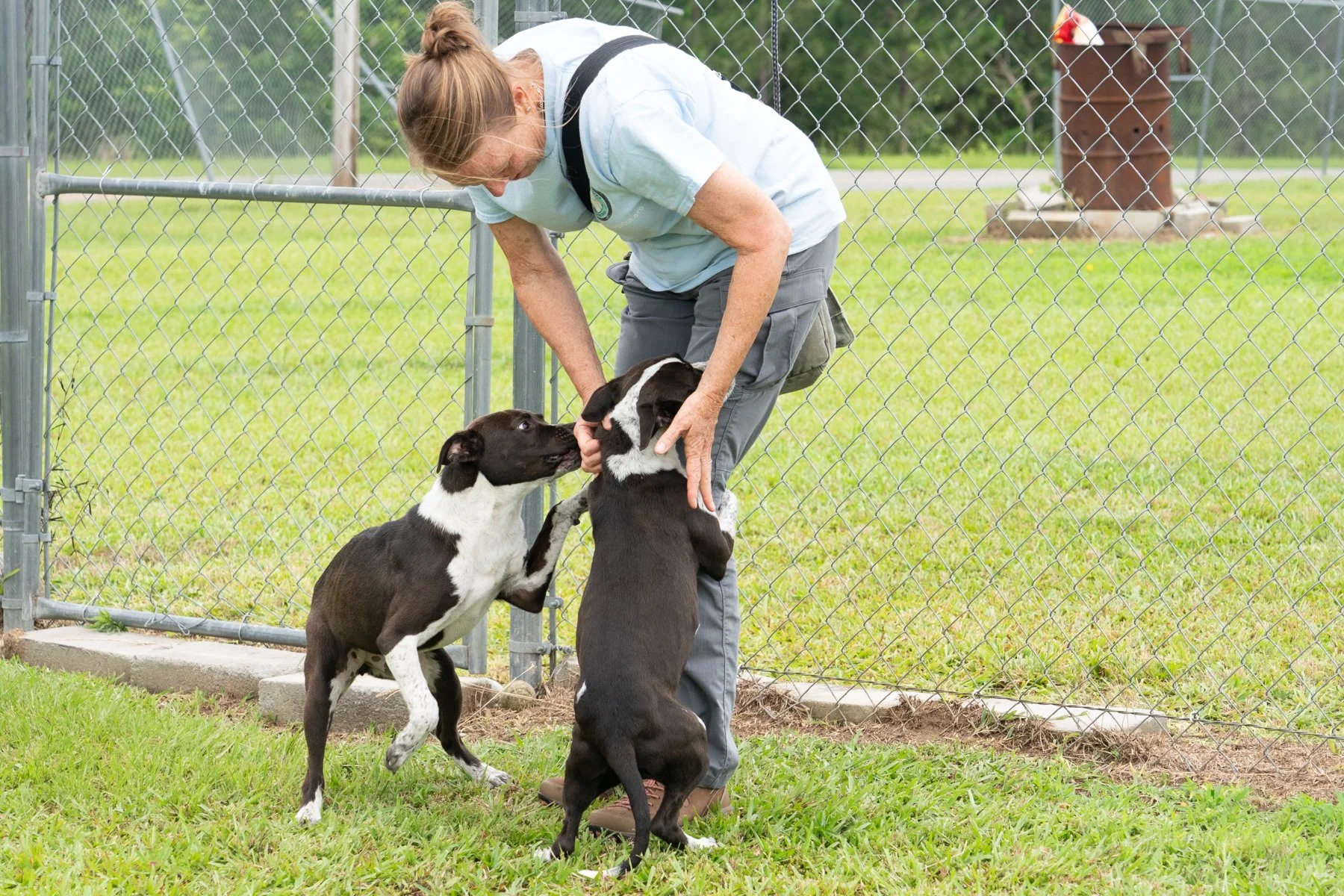
Successfully recruiting foster volunteers is just the beginning. The true measure of a foster program's success lies in how well you train, support, and celebrate the dedicated individuals who open their homes to animals in need. Without proper management, even the most enthusiastic foster volunteers can become overwhelmed, isolated, and eventually burn out.
This guide explores proven strategies for building a robust foster program infrastructure through effective training systems, ongoing support mechanisms, and meaningful recognition.
Training and Mentoring Foster Volunteers
Effective training transforms interested community members into confident, capable foster caregivers. A well-designed training program sets clear expectations, provides essential knowledge, and builds the foundation for successful placements.
Create a Team of Foster Mentors
Recruit foster mentors from your shelter's most experienced foster caregivers. These volunteers can assist other foster families by giving advice, helping with dog introductions, and training new fosters. This approach frees up the foster coordinator to work on growing the program and placing more animals in temporary homes.
Creating a closed communications group for foster volunteers provides a way for these caregivers to connect with one another and offer support and encouragement. The Regional Center for Animal Care & Protection in Virginia set up a Facebook page specifically for foster volunteers to communicate with one another. This peer-to-peer support network becomes invaluable for troubleshooting challenges and sharing successes.
Cross-Train Current Volunteers to Become Foster Caregivers
According to an Austin Animal Center guide on creating foster dog programs, cross-training current dog volunteers to become fosters is an excellent practice. These volunteers are dog-savvy and already know the animals, making them ideal caregivers. Additionally, current volunteers likely have an emotional attachment to the dogs in need of fostering and will go the extra mile to help find them loving homes.
Your existing volunteer base represents a pool of pre-vetted, trained individuals who already understand your organization's mission and protocols.
Make It Easy to Learn About Fostering
Don't make potential foster families work hard to learn about your program. Give information on fostering to every person who volunteers, adopts, donates, or interacts with the shelter in any way. Make it easy for them to sign up and respond immediately to their interest.
Host foster information nights that include details on how to become a foster, in-person interviews, and testimonials from current fosters. Bring in potential foster dogs to meet prospective fosters, allowing them to experience the animals' personalities firsthand.
The Onslow County Animal Shelter invites the local community to attend Foster Rallies. Potential foster parents meet with program coordinators as well as the animals available for fostering. The rally allows plenty of opportunity for asking questions about how the fostering program works.
Provide Continuing Education for Fostering Staff
Invest in your shelter's foster program by enrolling the foster coordinator or other staff and volunteer leaders in foster-related courses offered free by Maddie's Fund. Most recently, the nonprofit launched Camp Maddie: Foster Edition, which covers all aspects of running a successful foster program. Presenters discuss breaking down barriers in the foster field, how to recruit foster caregivers, and provide insights into strategies they use to make fostering accessible in their communities.
Managing Foster Volunteers Effectively
Strong management practices keep foster volunteers engaged, supported, and successful. These strategies create a positive fostering experience that encourages long-term commitment.
Cultivate Strong Relationships with Foster Caregivers
A survey of fosters conducted by Austin Animal Center found that it was extremely important to foster caregivers that they had a strong relationship with shelter staff. One of the most important aspects of this relationship for fosters was believing that shelter staff saw them as trusted members of the team working to help homeless animals.
Regular communication, respectful interactions, and genuine appreciation for their contributions all strengthen these vital relationships. When fosters feel valued and connected, they stay engaged longer and take on more challenging placements.
Encourage Volunteers to Be Foster Friends
It's easy for a foster pet parent to feel overwhelmed, especially if they have a challenging dog in their home. You can utilize volunteers who are unable to foster by assigning them to a foster as their buddy. The Foster Friend can support the foster by advocating for the dog, checking in with the foster to see if they need anything, acting as a go-between for the foster and the shelter, helping get the dog to adoption events, and supporting the foster through encouragement, a listening ear, and ideas for solving issues.
Foster Friends help retain fosters and make the experience better for everyone involved.
Let Fosters Update Profiles
Give foster caregivers access to their foster dogs' online profiles if at all possible. This saves staff time and ensures you have current pictures and information on your dogs. Fosters interact with animals daily and can provide authentic, detailed descriptions of personality, behavior, and quirks that make profiles more engaging and accurate.
Keep Fosters in the Loop
Foster caretakers appreciate being kept up to date on the adoption process for their foster dogs. Let them know when there is an application and connect potential adopters with foster caretakers to answer questions. Remember, the caregiver is likely the most invested in finding the dog a home and has the most detailed knowledge of the animal's personality and needs.
Invite Fosters to Visit the Shelter
Encourage foster caregivers to bring their fosters to the shelter for nail trims and baths, or just to visit with staff so they can get to know them. These visits provide needed care for foster animals, give staff opportunities to assess progress, and allow fosters to feel connected to the organization.
Offer Ongoing Support
Be available for training or behavior advice, or assign a staff member or volunteer to be your foster coordinator to handle these concerns. Consider having dog training classes for foster caregivers and their foster dogs with a local trainer.
Ongoing support prevents small challenges from becoming overwhelming problems. When fosters know they can reach out for help without judgment, they're more likely to work through difficult situations rather than returning animals prematurely.
Plan Foster Get-Togethers
Set up pack walks and playgroups for your fosters so that their caregivers can socialize, trade notes, support each other, and also socialize the dogs. Host social events and training sessions for your fosters to cultivate and educate your foster community.
These gatherings provide socialization opportunities for foster animals, allow caregivers to build relationships and share experiences, and help prevent the isolation that can lead to burnout.
Provide All the Basics
Provide food, treats, crates, and all the basic supplies foster volunteers will need. You can also encourage foster caregivers to create an Amazon wishlist just for fostering and include items they need like dog beds, treats, toys, enrichment items, crates, and even food. Friends and family can purchase items from the wishlist, saving the shelter money while allowing supporters to contribute tangibly.
Use Email Communications to Stay Connected
Using email blasts or information manuals rather than handouts helps shelters share important information with approved fosters. The Big (and small) Dog Ranch Rescue utilized an email blast when seeking emergency fosters for small dogs leading up to Hurricane Milton. Be sure to include links to the shelter's foster page for more information and to the online foster application form.
Encourage Caregivers to Set Up Foster Social Media Pages
Private foster Facebook pages are a great way for caretakers to share information about their fostering activities and promote the dogs in their care via videos and pictures. Caregivers can also invite adopters to post updates on the dogs they've adopted from that foster home.
Share Health Protocols for Foster Dogs
Once a protocol for dewormings and vaccinations has been established, share it with your fosters along with the supplies to administer them, or schedule them to bring their fosters to the shelter for treatments. The more you can delegate to your fosters, the more time staff has for dealing with the dogs in the shelter.
Innovative Foster Program Options
Creative program variations expand your foster network by offering different levels of commitment and meeting diverse community needs.
Foster Field Trips Offer Multiple Benefits
At the Montgomery Humane Society in Alabama, the Foster Field Trip program allows potential adopters to take a dog home for a few days or longer to see if the animal is a good fit. According to experts at Maddie's Fund, field trips are quickly being recognized as a great way to find new foster caregivers, engage with the community, reduce kennel stress, and get better information on a dog's behavior.
Field trips are also helpful in marketing dogs for adoption. At Montgomery Humane Society, the Foster Field Trip program has decreased the shelter's return rate by 12 to 14 percent. Maddie's Fund offers a pilot program template for shelters interested in launching foster field trip programs.
Launch a Foster for the Holidays Campaign
There's no place like home for the holidays, especially if you're a shelter pet. Many shelters and rescue organizations run Foster for the Holidays campaigns in the weeks leading up to Thanksgiving. Some shelters ask fosters to commit to providing a safe, loving, and stable environment for foster pets from just before Thanksgiving to the end of the year. Others promote Thanksgiving Sleepovers, asking that families keep foster dogs for just one week over the holiday.
Spending time away from the shelter gives animals a chance to decompress and show their true personalities. One study found that brief outings and temporary fostering stays increased dogs' likelihood of adoption by 5.0 and 14.3 times, respectively.
Offer a Foster-to-Adopt Option
In an attempt to find loving homes for hard-to-place dogs, some shelters offer a foster-to-adopt option. At the Redland Rock Pit Abandoned Dog Project in Florida, adoption fees are waived and potential adopters are invited to take a dog from the selected group home for two weeks to see if they're a good fit for the family.
At Animal Harbor Animal Shelter in Tennessee, the Foster to Adopt program is described as being like a dating period to see if the shelter dog and foster family would make a good forever match. During the foster-to-adopt period, adopters have access to the shelter's foster coordinator and trainer who can answer questions or offer advice on any behavioral hurdles that may arise.
Puppy Sleepovers Can Help Get Dogs Adopted
Not all families can foster long-term but are happy to take puppies for sleepovers. At Hope for Life Rescue in Virginia, puppy sleepovers range from overnight to a few weeks. These sleepovers give puppies a break from the shelter, an opportunity to get individual attention, and more exposure on social media.
Recruit Foster Respite Volunteers
Foster respite volunteers should be willing to be short-term fosters or babysitters providing a break for long-term fosters who need to travel. If you have a good list of short-term fosters, you won't incur the expense of boarding when a family vacation or crisis requires you to find a place for a foster dog.
Many people would love to foster but travel frequently or have other reasons they don't want to commit to fostering full-time. This is a great way for just about anyone to foster for a day, a week, or an afternoon.
Enable Fosters to Provide Post-Adoption Support
Foster caregivers who agree to provide post-adoption support can offer assurance and support to adopters while they help a dog adjust to a new home. Having the support of a foster who knows the dog can sometimes prevent dogs from being returned to the shelter when adopters feel overwhelmed.
Celebrating Foster Volunteers
Recognition and appreciation are essential for volunteer retention. Foster volunteers give their time, energy, and emotional investment to help animals. Acknowledging their contributions keeps them engaged and motivated.
Highlight a Foster Volunteer Each Month
Make a big deal about the people who foster for your organization because they are a big deal and the key to increasing community engagement and raising awareness about the shelter. In all likelihood, they are the shelter's and the animals' best advocates.
Choosing a Foster of the Month provides an opportunity to highlight foster caretakers in your organization's newsletter, on social media, or even in the local paper. You can also create a tribute on a bulletin board or wall at the shelter. Consider acknowledging them with a thank-you card from your board and a small gift card for a cup of coffee.
Celebrate Milestone Achievements
Prioritize your foster caregivers. That means appreciating them in all your interactions. You can't say thank you enough. Keep track of the number of animals placed with each foster home and shine a light on that foster when they reach significant numbers like 10, 25, 50, or 100 animals.
Have a volunteer assigned to send congratulations and thank-you cards to the foster. Consider giving them a gift for each milestone such as shelter stickers, magnets, t-shirts, or other branded items.
Express Gratitude Consistently
Appreciation is what most people want more than anything else when they volunteer their time. Regular expressions of gratitude, both public and private, create a culture of appreciation that permeates your program. Simple gestures matter: thank-you notes after placements, shout-outs on social media, verbal appreciation during interactions, and inclusion in annual reports all communicate value and respect.
Building a Sustainable Program
The most successful foster programs cultivate an organizational culture that values foster volunteers as essential partners in lifesaving work. This culture manifests in how staff speak about fosters, how quickly concerns are addressed, and how success is celebrated.
Consistent, clear communication forms the backbone of effective foster program management. Use multiple communication channels including email for detailed information, text messages for time-sensitive updates, social media for community building, and phone calls for personal connection.
Recognize that fosters have varying capacity, experience, and circumstances. Honor these differences rather than pressuring fosters to take placements outside their comfort zone. This mutual respect creates sustainable, long-term relationships.
The Foundation of Sustainable Lifesaving
Training, managing, and celebrating foster volunteers represent the foundation of sustainable lifesaving work. By investing in comprehensive training, providing ongoing support, and consistently celebrating contributions, you create a program where volunteers thrive.
Happy, supported fosters stay engaged longer, take on more challenging placements, recruit their friends and family, and become your organization's most passionate advocates. The strategies outlined in this guide aren't just nice-to-have additions. They're essential ingredients for long-term success.
Remember that foster volunteers are doing remarkable work. They open their homes, adjust their routines, fall in love with animals knowing they must let go, and play an irreplaceable role in helping homeless pets find forever families. They deserve your very best efforts in training, support, and celebration.