

20 Ideas to Improve Your Foster Program
Fostering saves lives. Full stop.
Cultivating a strong foster program is the one thing you can do right now that will impact the numbers in the shelter building and enable the shelter to save more lives. It will also create some of your strongest shelter advocates, help move dogs faster, and engage your community deeply in the success of the shelter, not to mention it is reduces stress on dogs, teaches them about safety and love, and introduces them to potential adopters (and often leads to better matches).
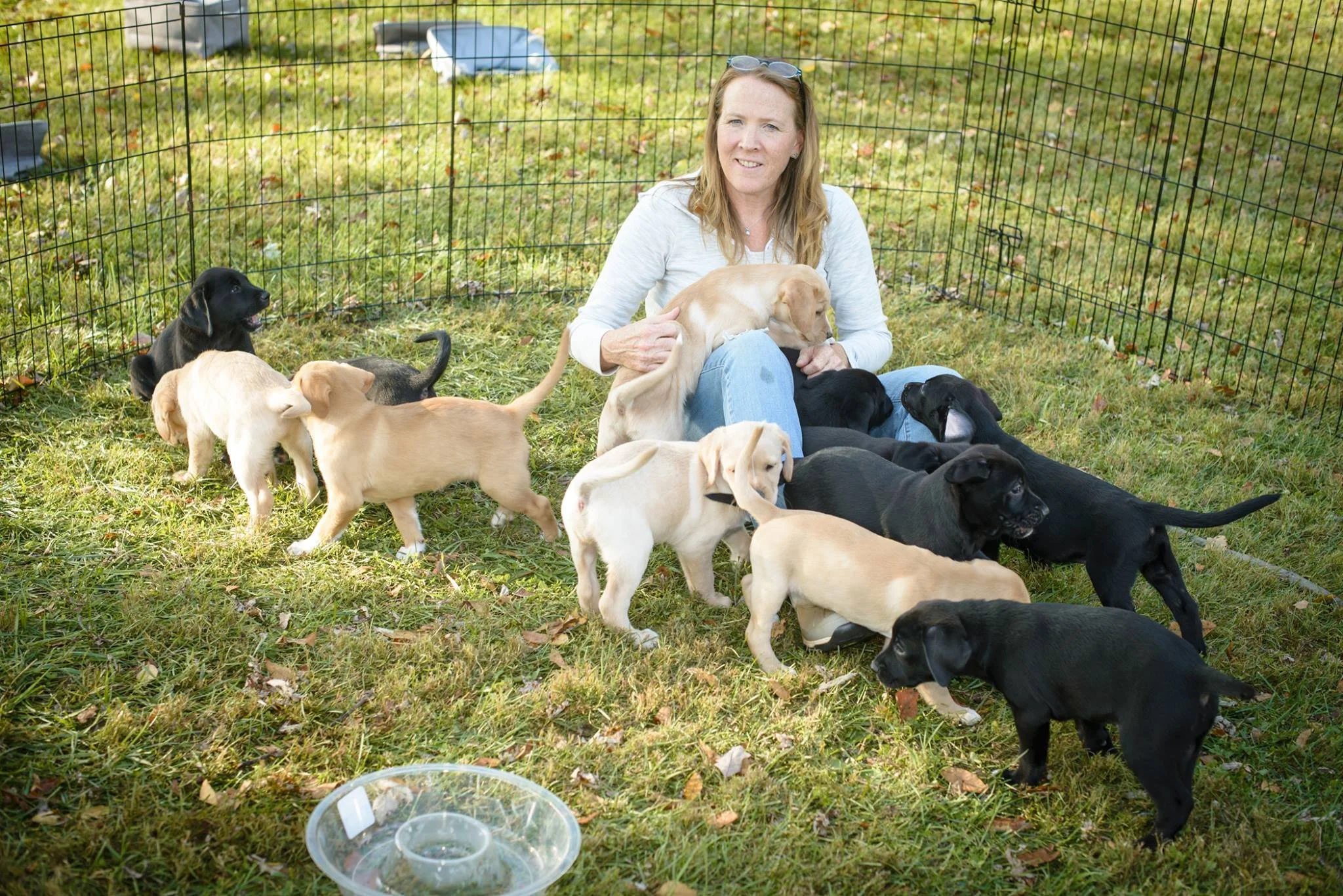
I’ve fostered over 300 animals for four different organizations (plus a few freelance fosters on my own). The experiences have all been different and have changed as leadership at the organizations changes. Here are a few things that have helped me as a foster (or I’ve wished the organization would have done to help me as a foster).
Prioritize your foster caregivers. That means appreciating them in all your interactions. You can’t say thank you enough.
Encourage foster-caregivers to create their own Amazon wishlist just for fostering and include items they will need like dog beds, treats, toys, enrichment items, crates, even food – receiving these from friends and family will save the shelter money.
Provide food, treats, crates, and all the basic things they will need. Make it easy and ‘free’ for them to foster.
Be available for training/behavior advice or assign a staff member or, better yet, a volunteer to be your foster coordinator to handle these things.
Provide ‘boarding’ (or moving foster to another foster home) if foster caregivers need to travel or even if they just need a break.
Set up ‘pack walks’ and playgroups for your fosters so that their caregivers can socialize, trade notes, support each other, and also socialize the dogs.
Create a private Facebook group (or other online private group) for foster caregivers and staff to share information, support, ask questions, post notes and pictures of their animals.
Give foster caregivers access to their foster dog’s online profiles if at all possible. This saves you time and will mean you have current pictures and information on your dogs
Develop a protocol for dewormings and vaccinations that you can give to your fosters, along with the supplies to administer them, and/or schedule them to bring their fosters to the shelter for treatments. The more you can hand off to your foster, the more time the staff has for dealing with the dogs in the shelter.
Give information on fostering to every person who volunteers, adopts, donates, or interacts with the shelter in any way. Make it easy for them to sign up and respond immediately when they do.
Celebrate milestones for your fosters – first foster, tenth foster, 50th foster, etc.
Keep the foster in the loop on the adoption process for their foster dog. Let them know when there is an application, and connect potential adopters with foster to answer questions. Remember the caregiver is likely the most vested in finding the dog a home.
Invite foster caregivers to bring their fosters to the shelter for nail trims and baths, or just to visit with staff so they can get to know them.
Have social events and/or training events to cultivate and educate your foster community.
Offer Doggie day outs or field trips or pupovers, so that potential fosters can try out fostering. One shelter allows approved ‘members’ to ‘check out’ dogs like a library system. They can take them for an hour or a few days. Any time out of the shelter helps the dogs.
Have a foster-to-adopt program, and give experienced fosters a discount on adoption fees when they do adopt.
Highlight your fosters in your organization's newsletter, on social media, or even in the local paper. Make a big deal about the people who foster for your organization because they are a big deal and the key to increasing community engagement and raising awareness about the shelter. In all likelihood they are the shelter’s and the animals’ best advocates. Pieces like this can inspire others to try fostering.
Host a foster information night that includes information on how to become a foster, in-person interviews, and ‘testimonials’ from current fosters. Bring in potential foster dogs to meet potential fosters.
Encourage your foster caregivers to create private Facebook groups for their fostering activities where they can share information, videos, pictures about their current fosters and invite adopters to post updates on the dogs they’ve adopted from the foster home.
Host dog-training classes for foster care-givers and their foster dogs with a local trainer. Hopefully, you can find a trainer interested in supporting you by donating their time for this.
What ideas do you have that have worked in your own foster program? These ideas and more can be found in the Resource Guide.