

Inside North Shore Animal League America’s Shelter Relocation Program
This past year, we visited several organizations involved in animal shelter relocation programs, including North Shore Animal League America, to better understand how dogs are transported from overcrowded southern shelters and given a second chance at adoption.
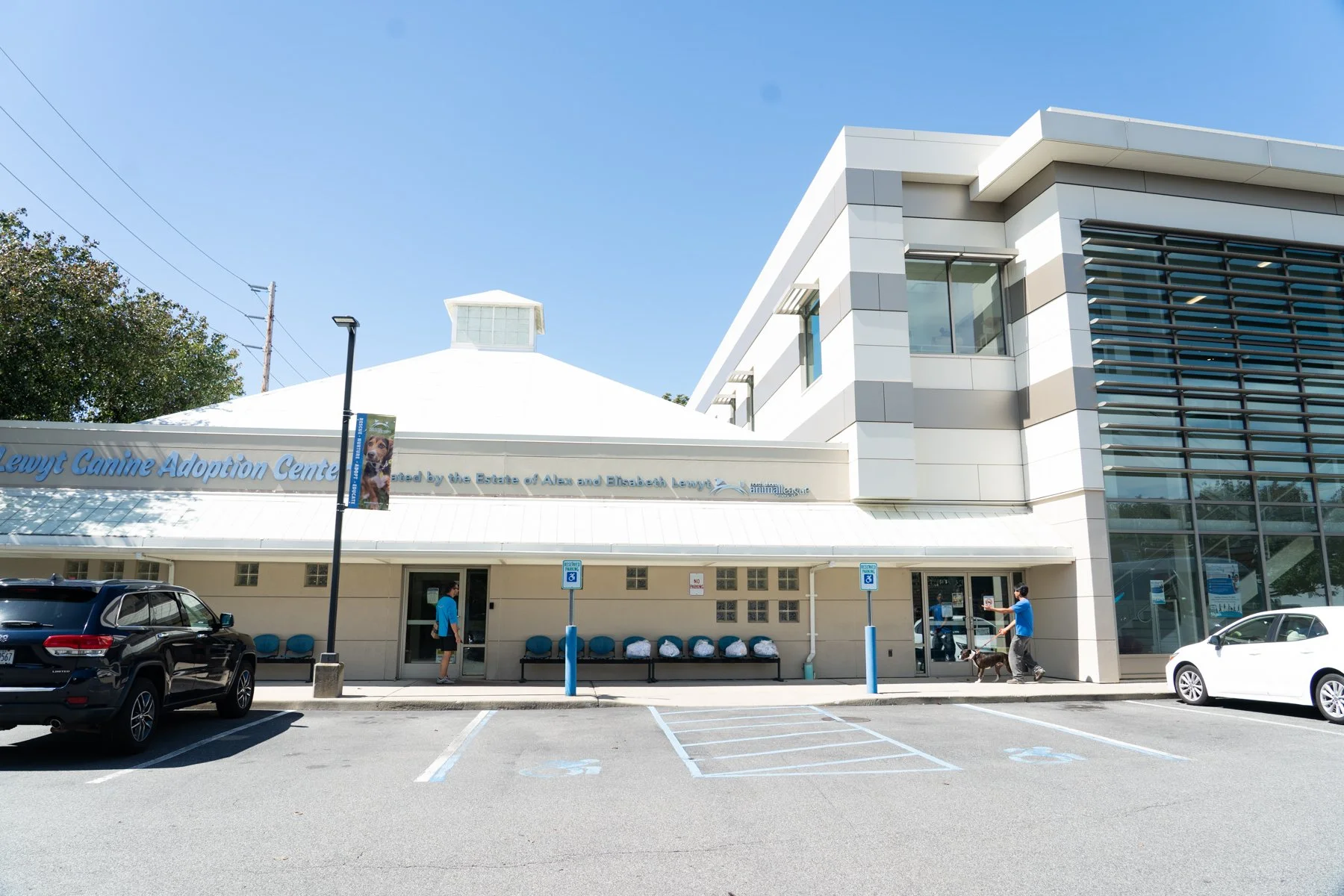
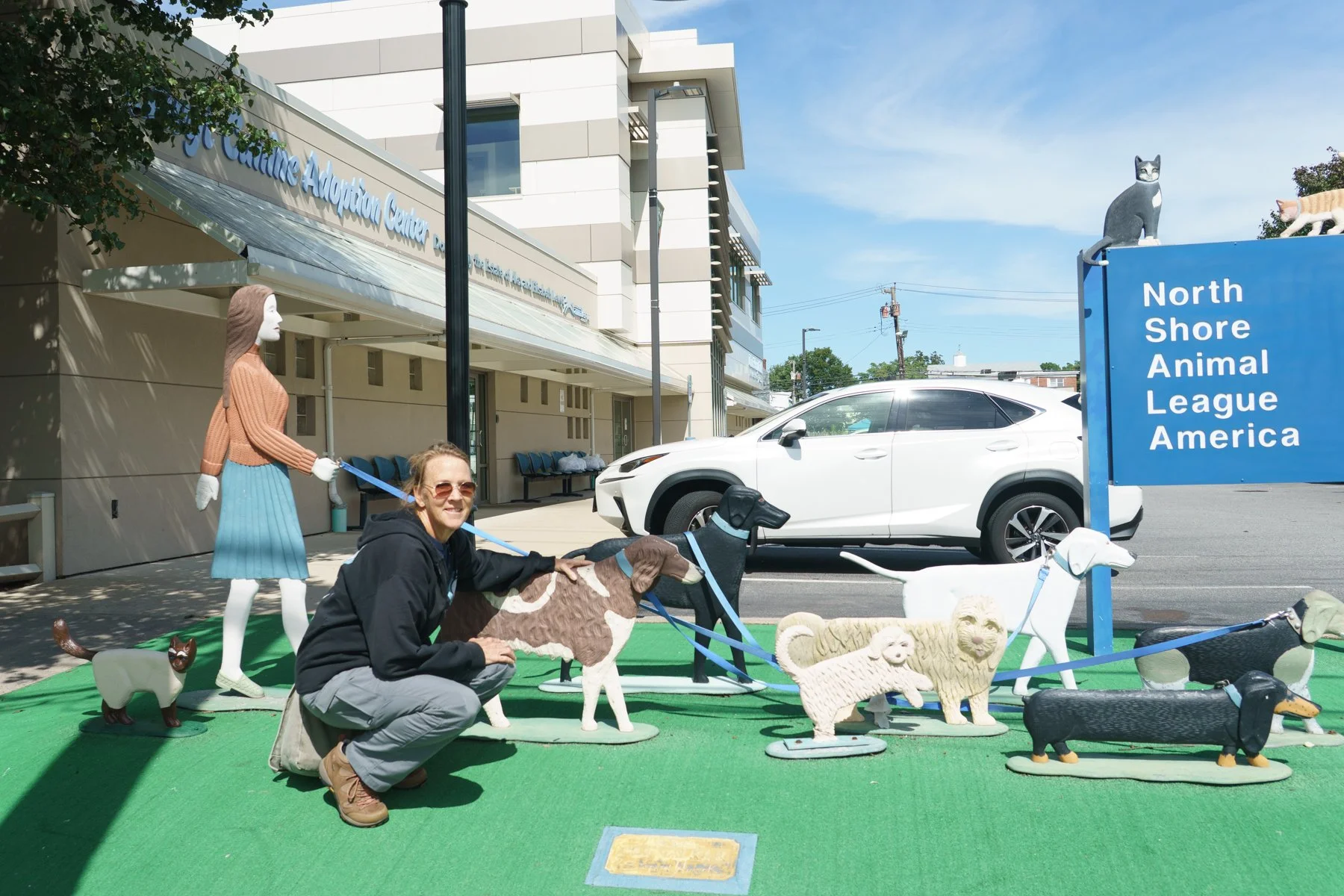
Of the shelters we visited, North Shore Animal League America – ‘the world’s largest and longest running no-kill animal rescue and adoption organization,” was clearly a powerful player in helping southern shelters solve their animal crisis. Since their beginning its Humane Relocation Program in 1991, they have saved over 150,000 dogs, cats, puppies, and kittens.
Shelters can apply to become a partner with North Shore Animal League America here.
Why Animal Shelter Relocation Programs Matter
Animal shelter relocation programs play a crucial role in saving the lives of dogs and cats from overcrowded shelters, particularly in regions where resources are limited. By moving animals from high-intake shelters in southern states to facilities with more space and adoption opportunities, these programs reduce euthanasia rates and give pets a real chance at finding a forever home. Beyond just transportation, relocation programs help shelters share knowledge, medical resources, and behavioral support, strengthening the entire animal welfare network. In short, these programs don’t just move animals—they move communities toward more effective, life-saving shelter practices.
North Shore Animal League America’s Humane Relocation Program
With their own transport vehicles they move dogs from overcrowded municipal shelters in southern states and also the NY Metropolitan area to their beautiful campus in Port Washington on Long Island where their team will evaluate the animals medically and behaviorally, offer any rehabilitation needed and prepare them for adoption.
Inside the North Shore Animal League America Campus
The North Shore campus includes:
A full-service medical center
Behavior and rehabilitation facilities
The Ark for dogs awaiting adoption
Free-roaming cat rooms
Community cat resources
Multiple dog parks
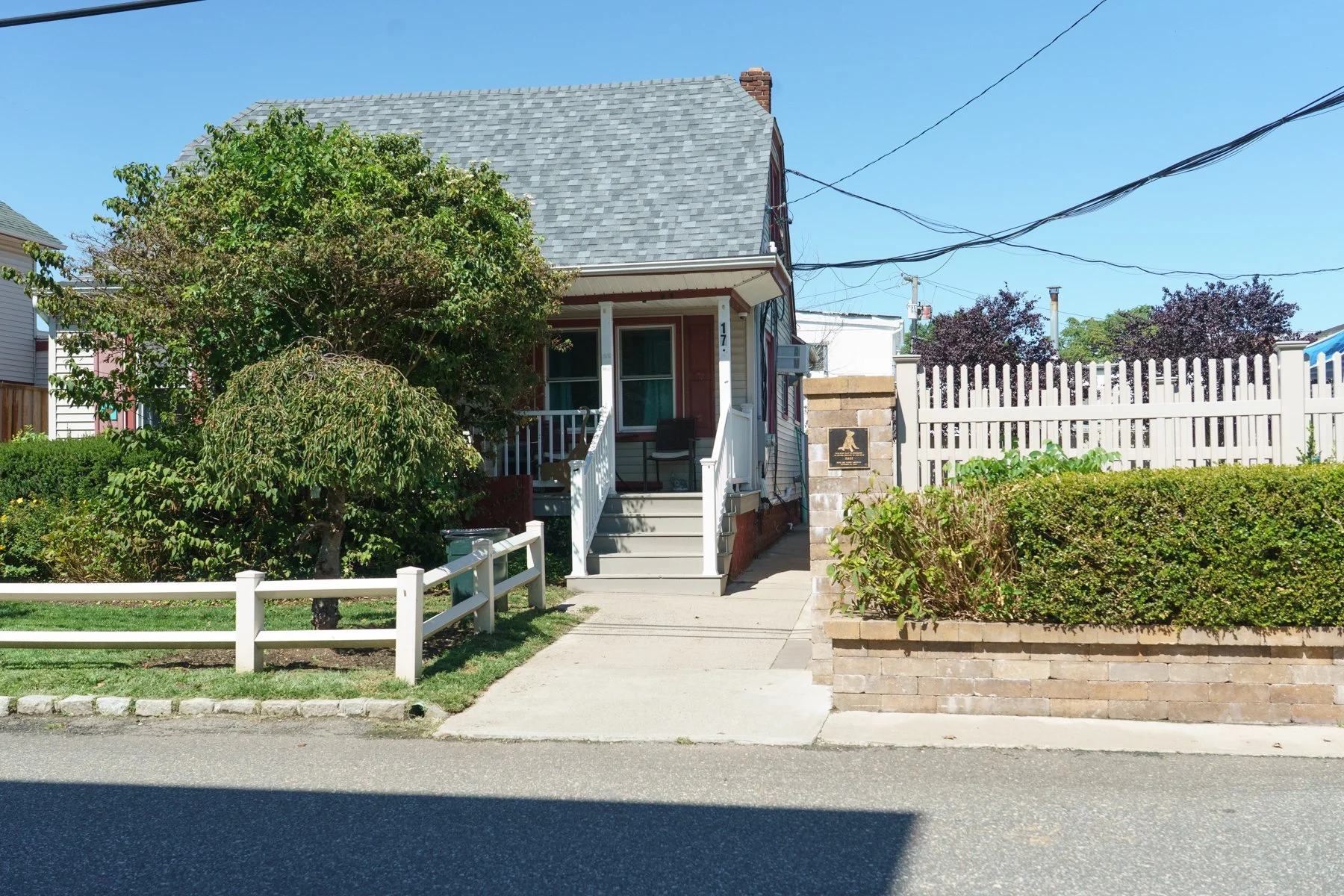
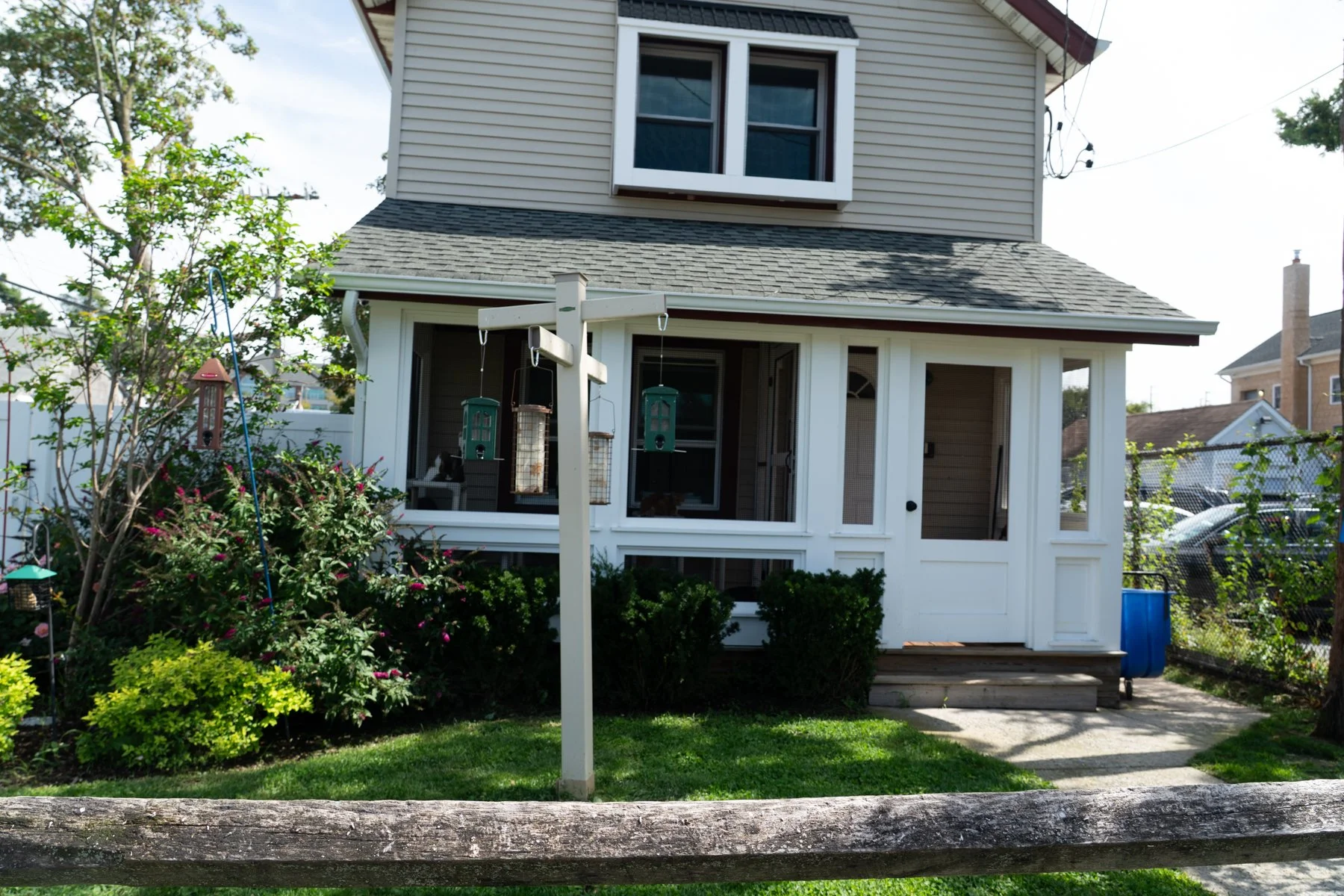
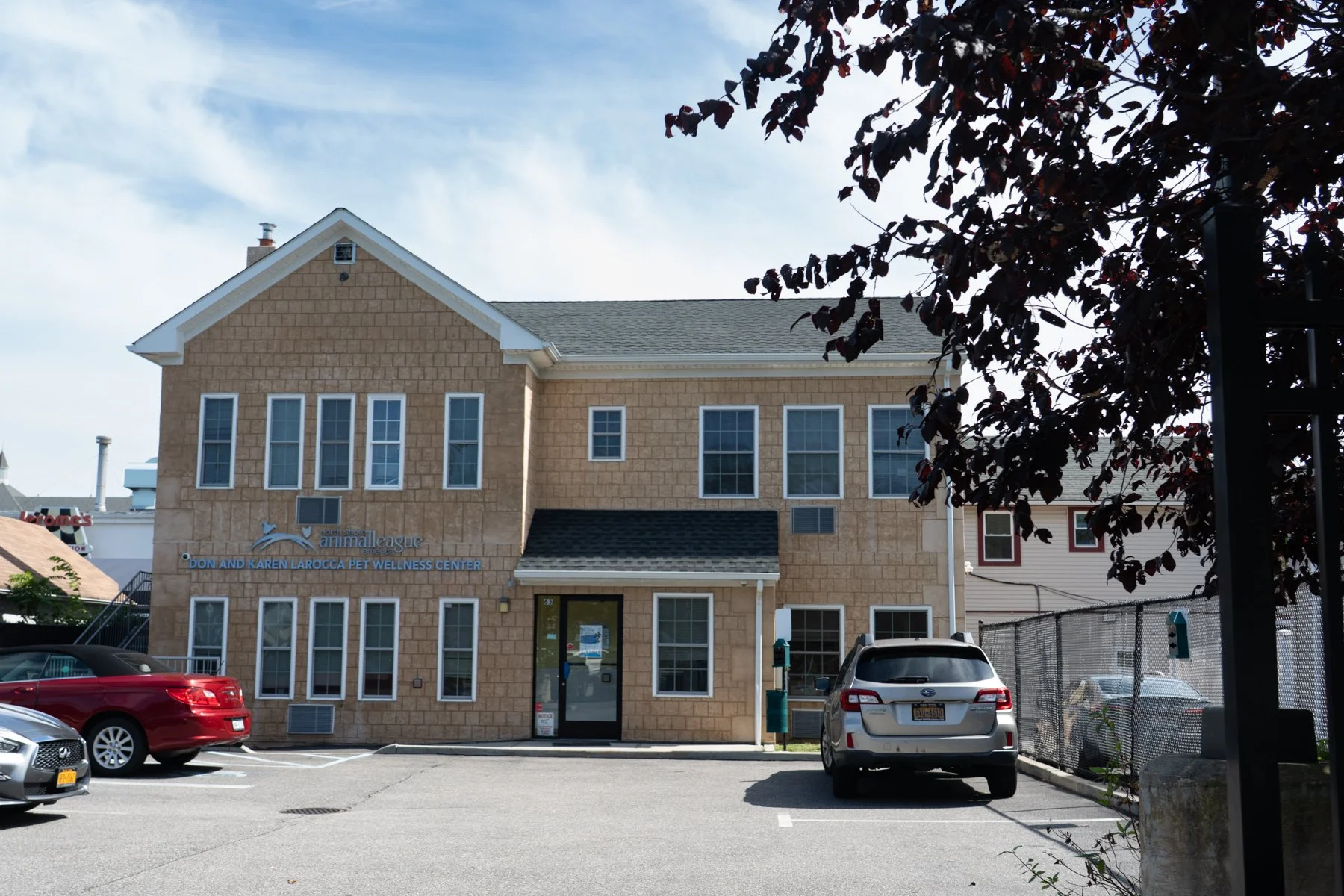
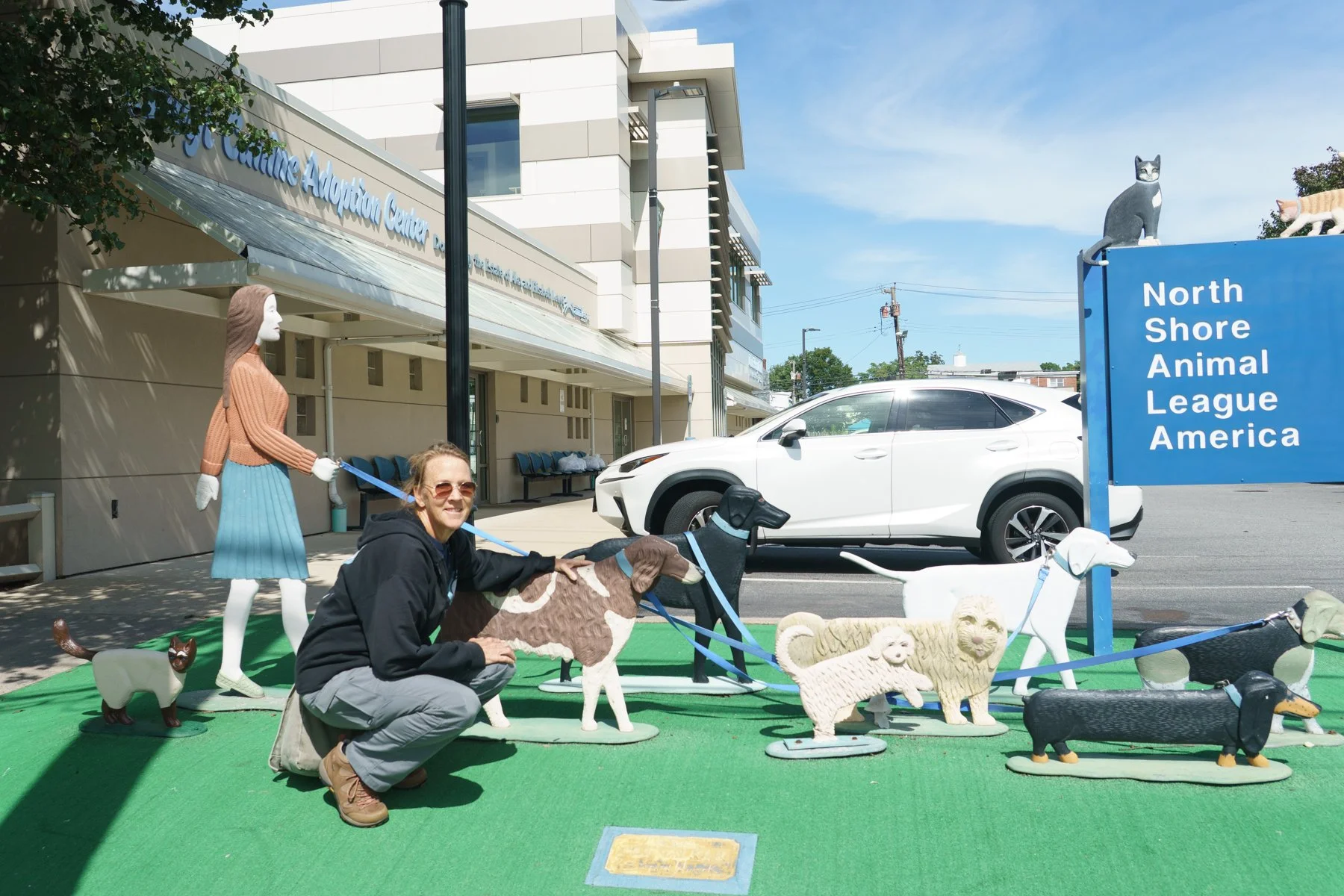
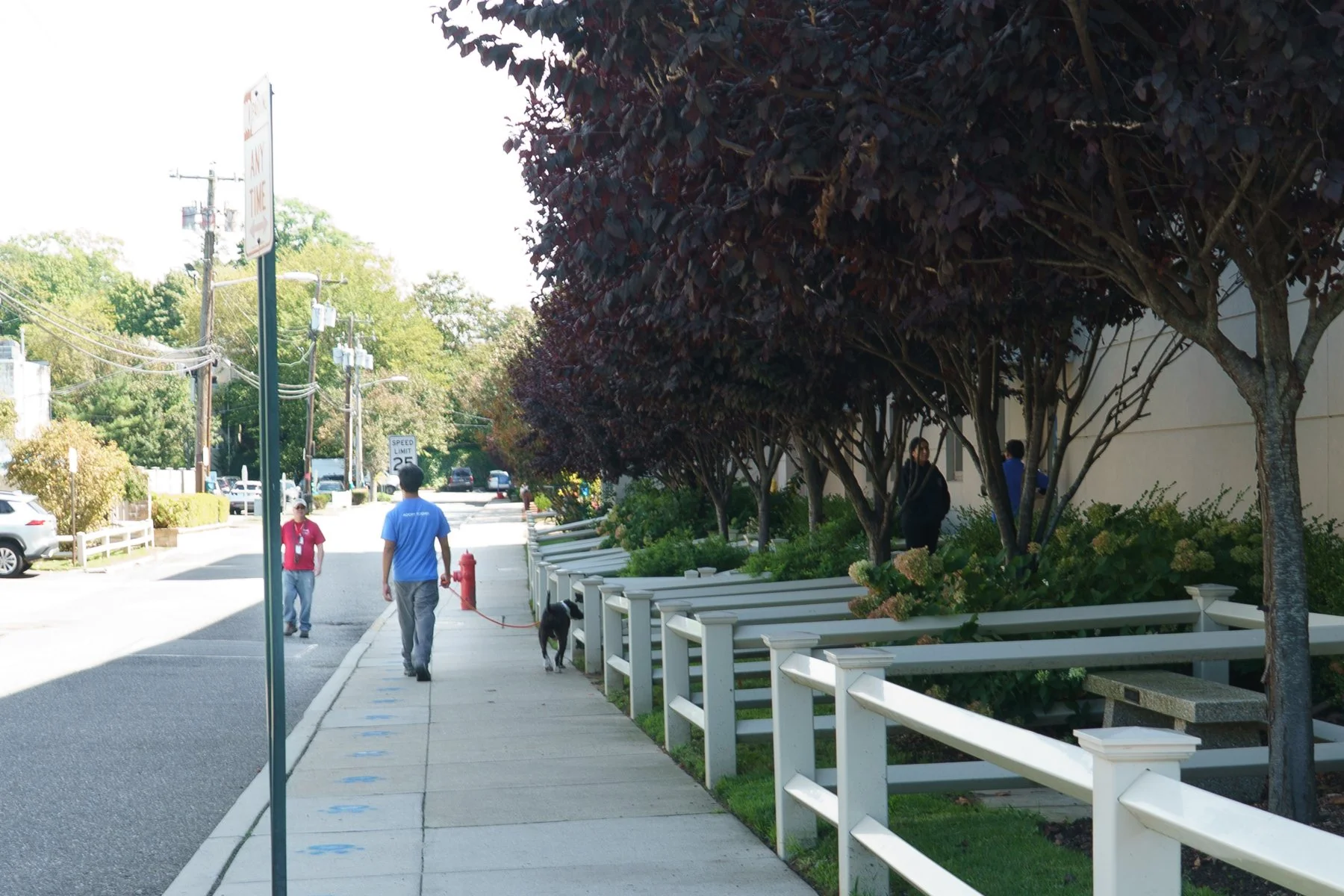
The campus sprawls over several blocks. The main adoption center is the largest space and houses adoptable dogs, puppies, cats, and kittens (plus offices and spaces for behavioral and medical evaluations and treatment). Other buildings on their campus house the medical center that serves shelter animals and also is a low-cost veterinary clinic for the public, the Ark (where dogs live until ready to move to the adoption center), a building for the behavior team, a community cats resource center, Freed Recovery Center (for medical isolation/treatment), Bale’s house (house for dogs who don’t do well in a shelter environment), numerous dog parks, and more.
The Role of Volunteers and Community Programs
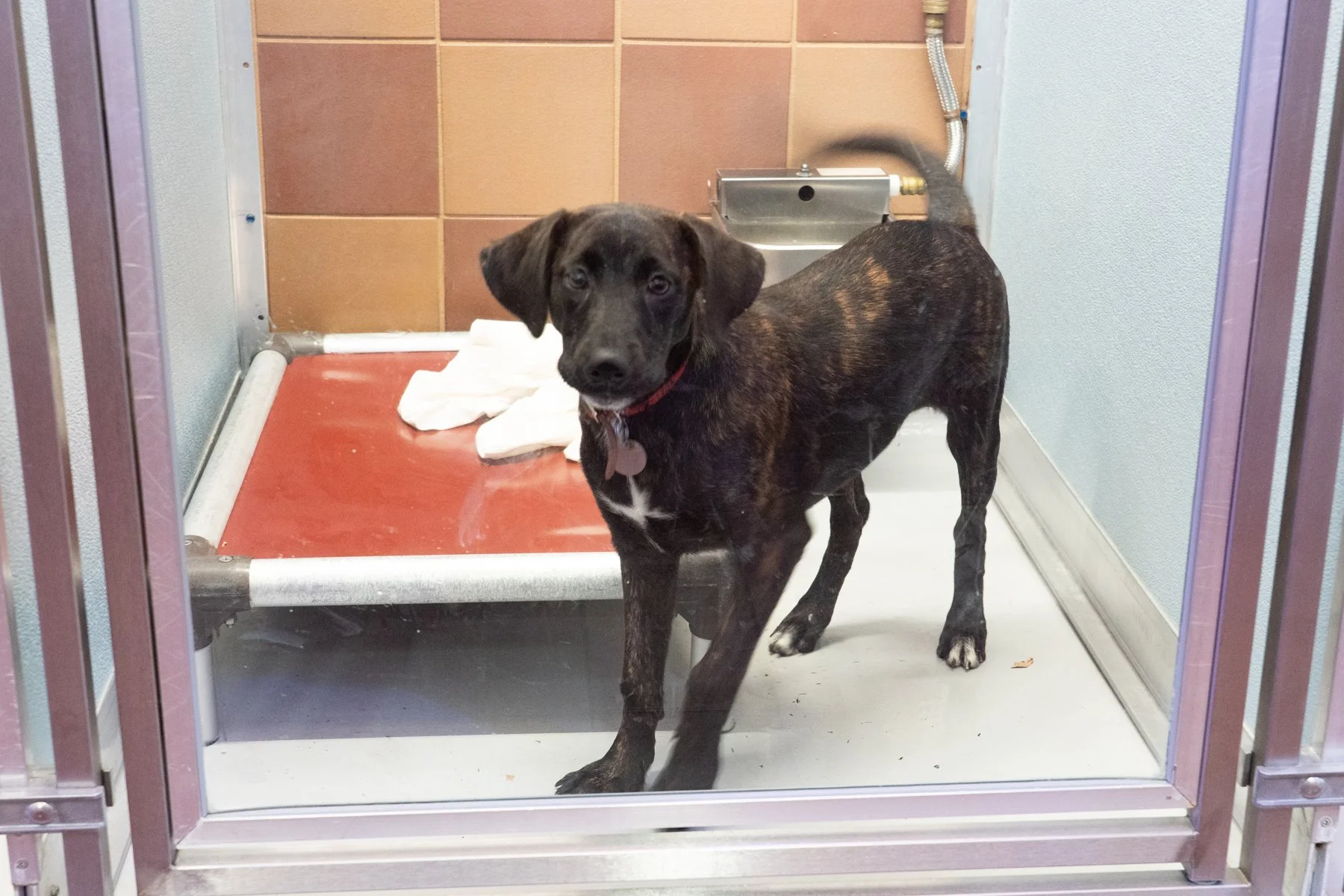
Brimming with staff and volunteers, the campus is absolutely bustling. We checked out the open, airy dog adoption area and took a peek at the puppies as we talked with Diane, the Vice President of Shelter Operations. Diane has been at Animal League America for 42 years. She took a job at the shelter between high school and college and never left.
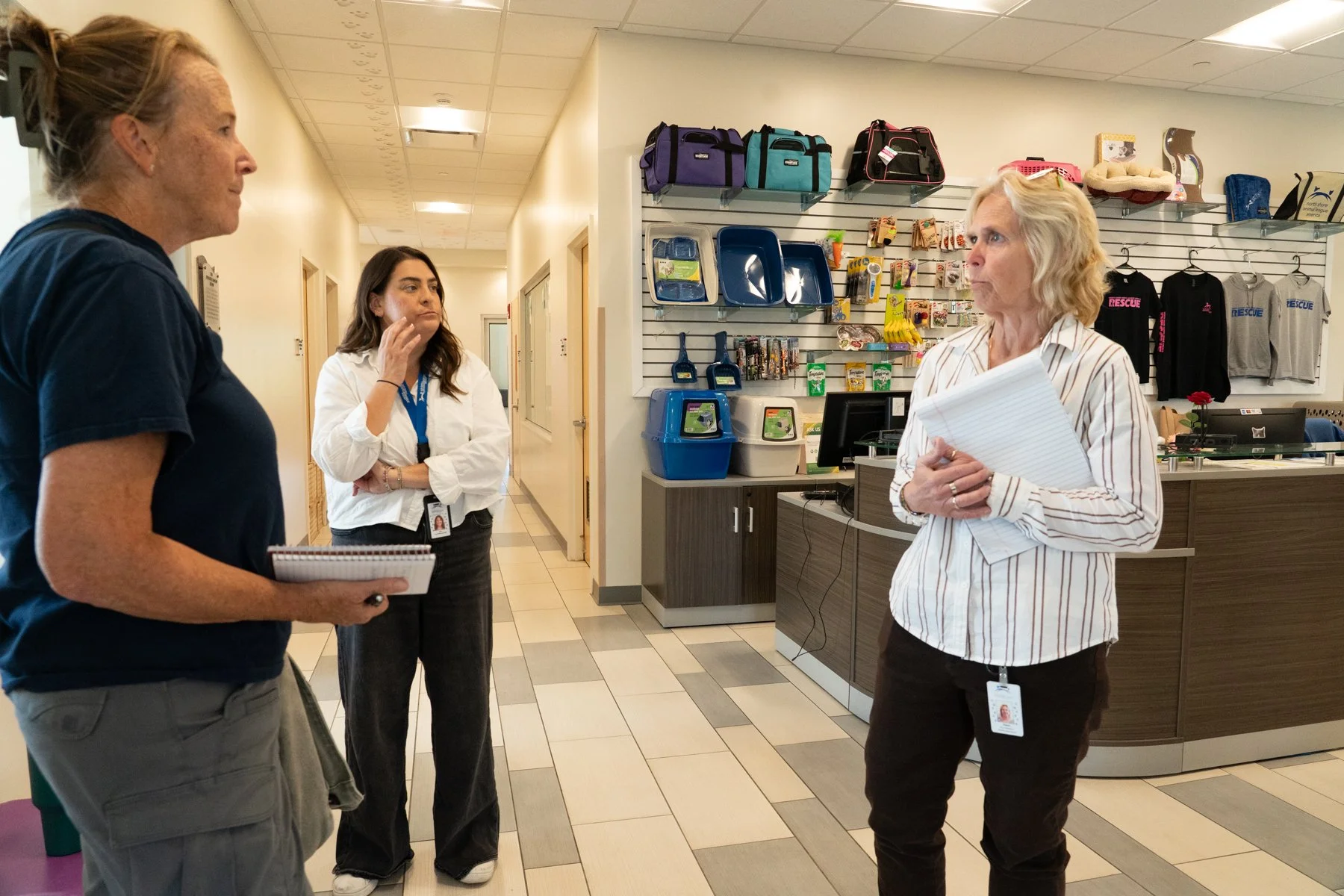
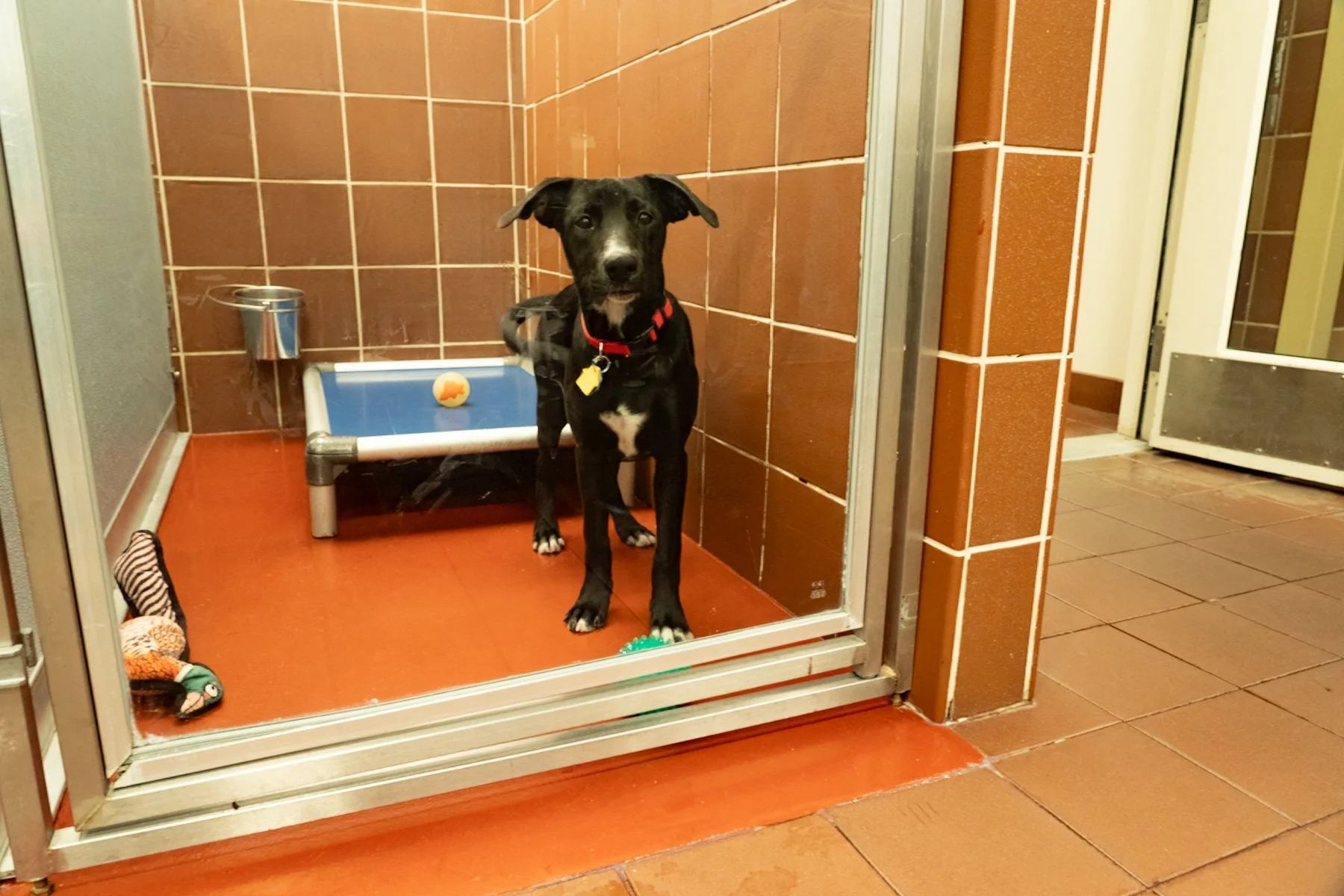
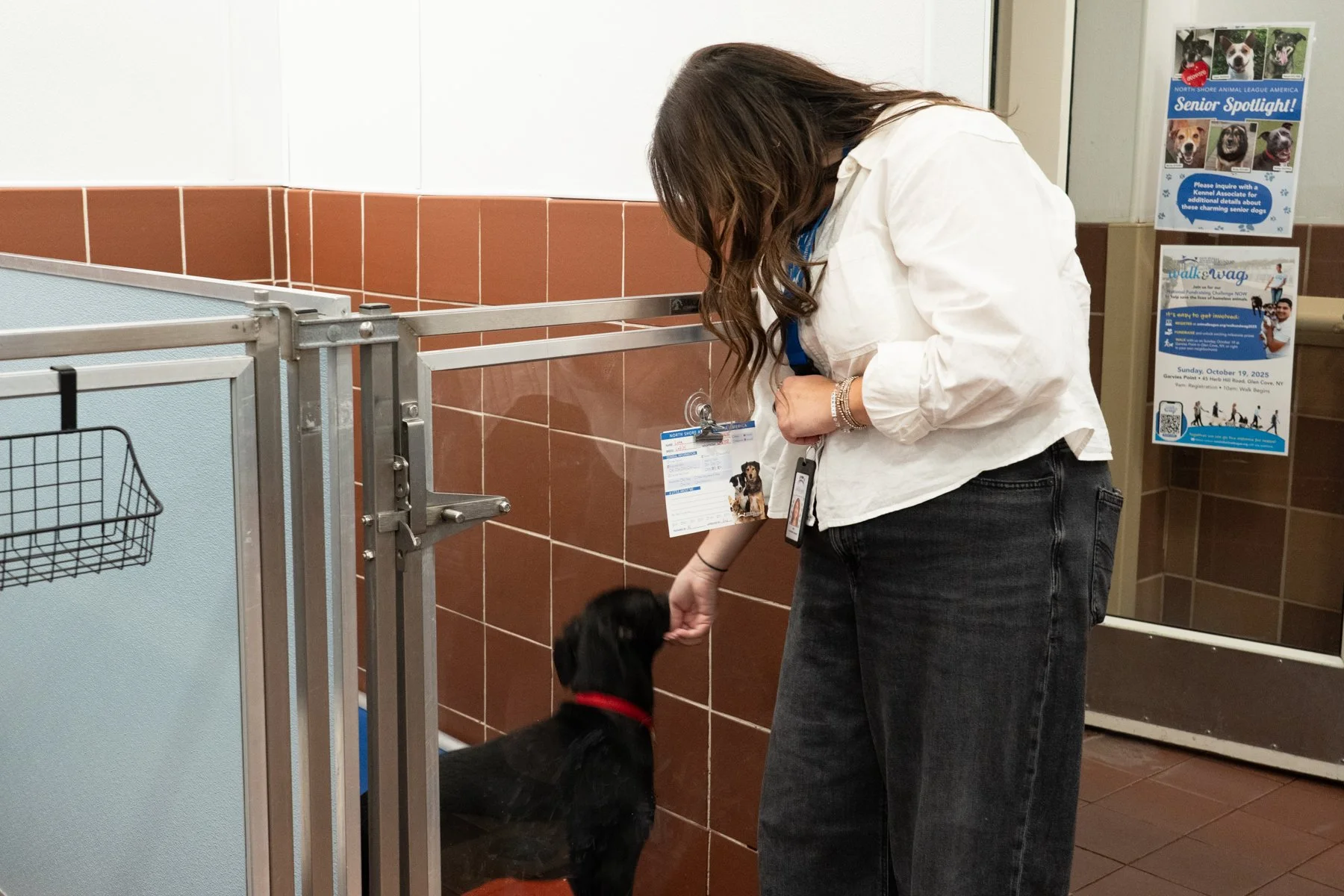
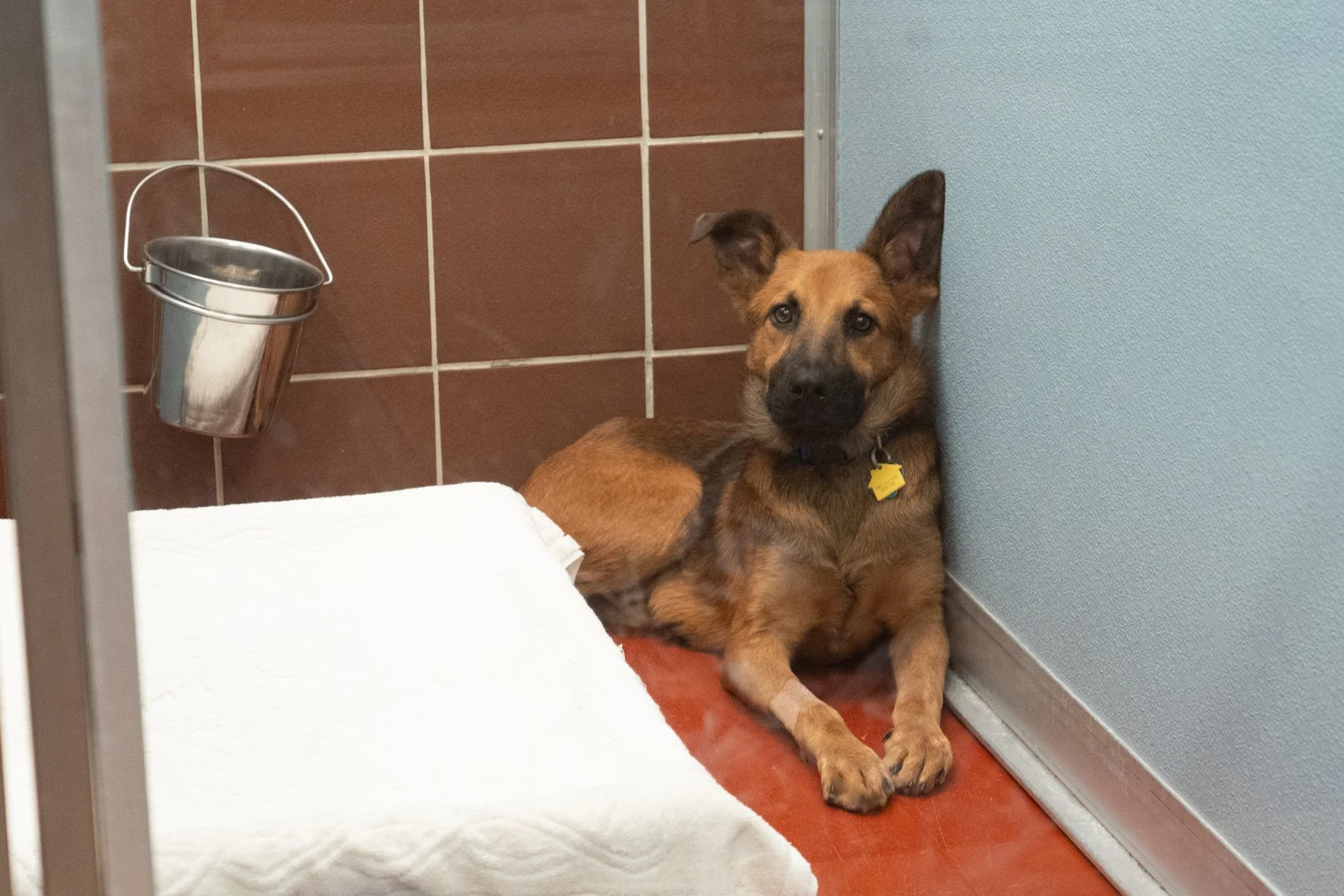
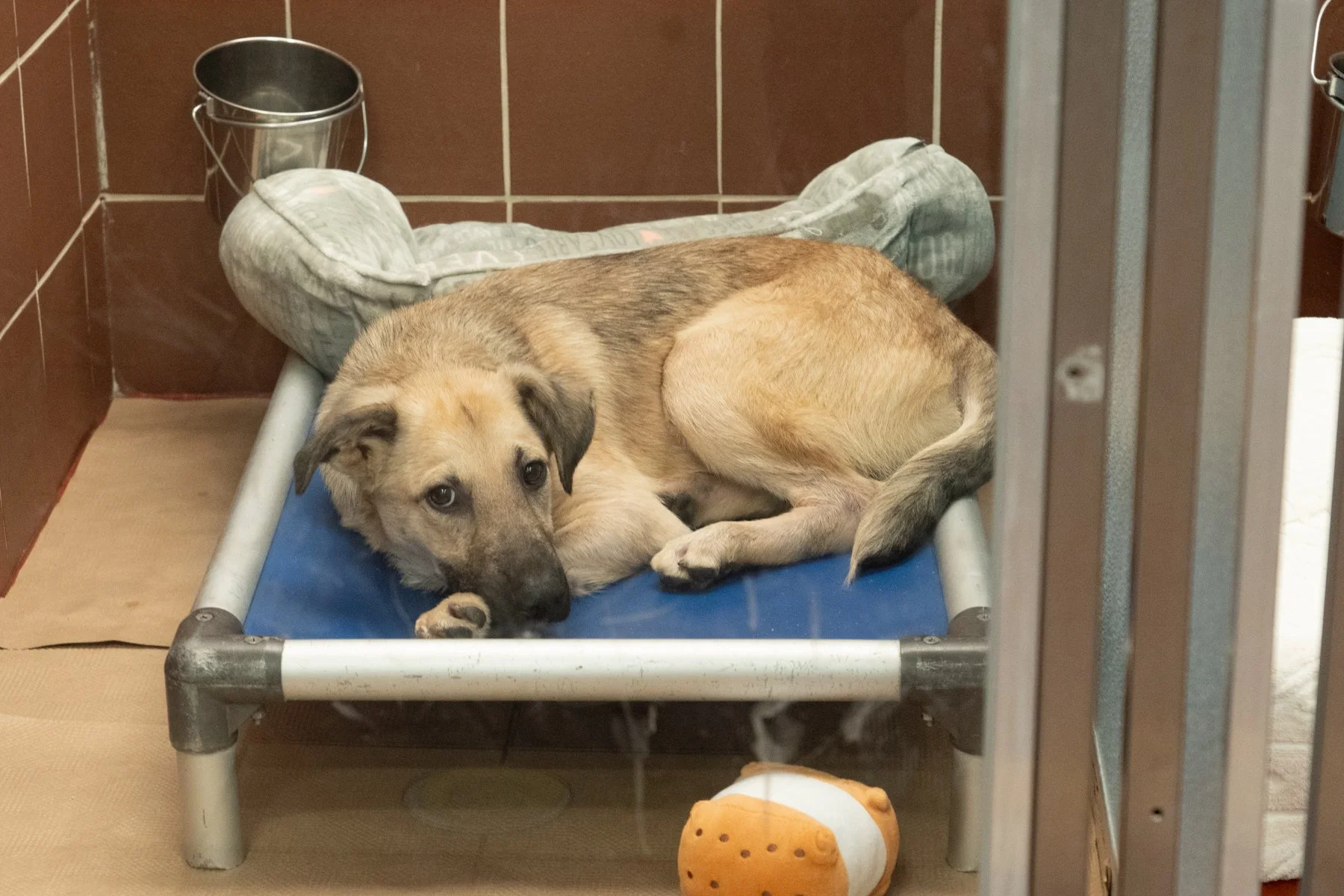
As we walked around, I marveled at the wealth of knowledge she has about animal sheltering, and the history she has seen. She told us that in 2025 their dog adoptions are up, which was great news.
Animal League America currently has 14 vets on staff, and works with Long Island University vet and vet tech programs, offering them use of their facility for training and surgeries.
After dogs are adopted, the shelter offers 15 days of follow-up medical care for free. They also offer adopters the opportunity to sign up for insurance through Fetch Pet Insurance, which they say is helping with pet retention by helping them to keep vet bills under control.
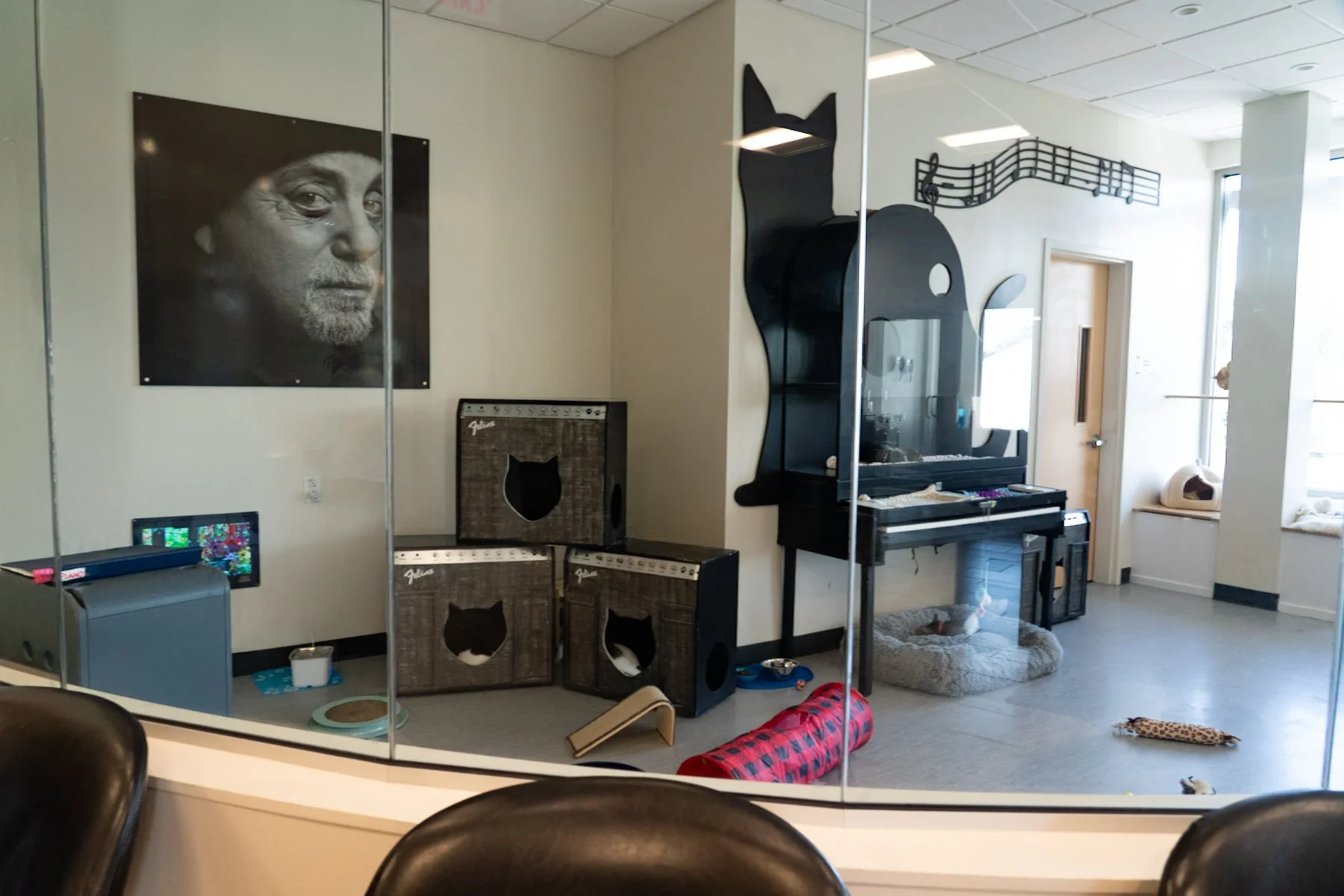
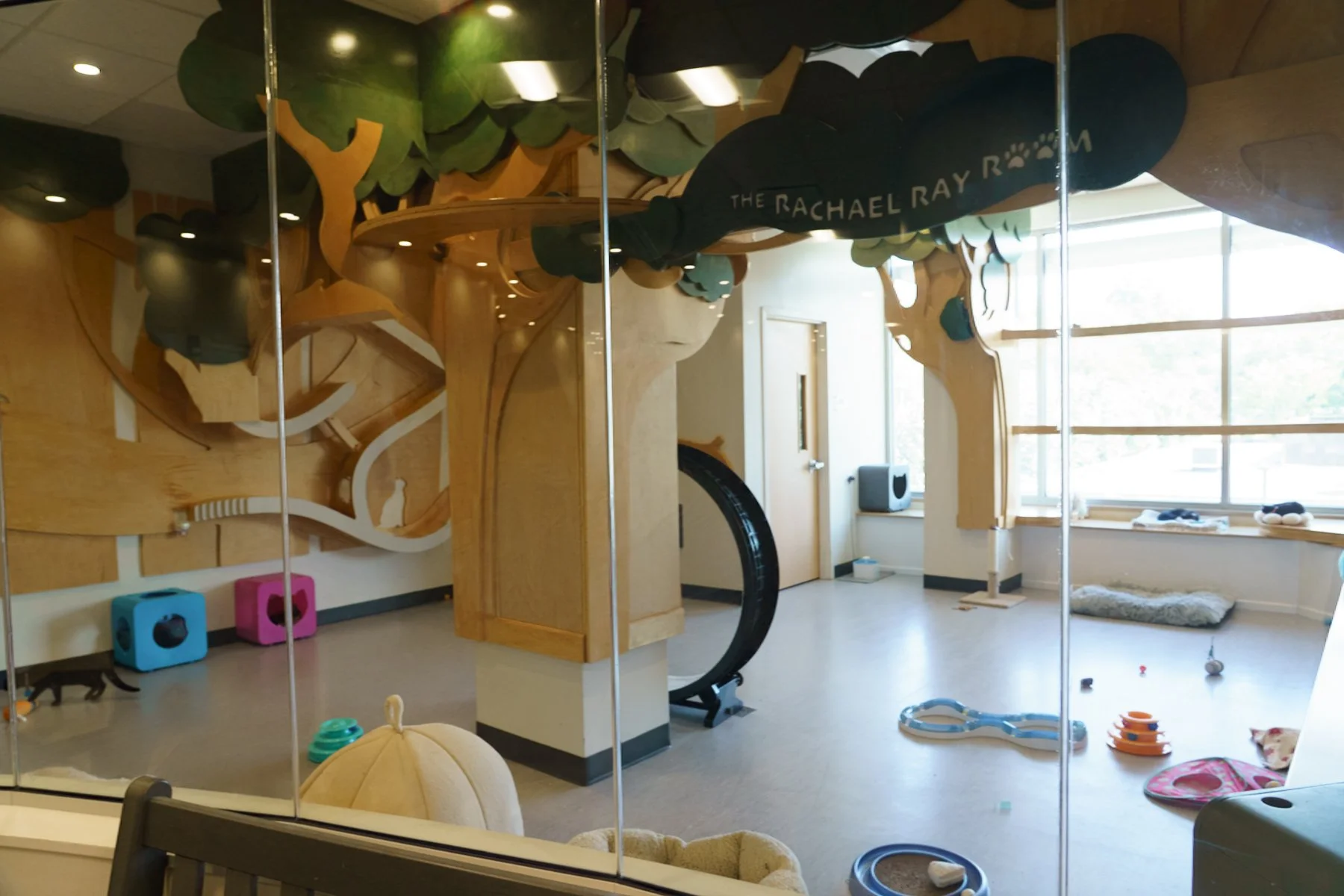
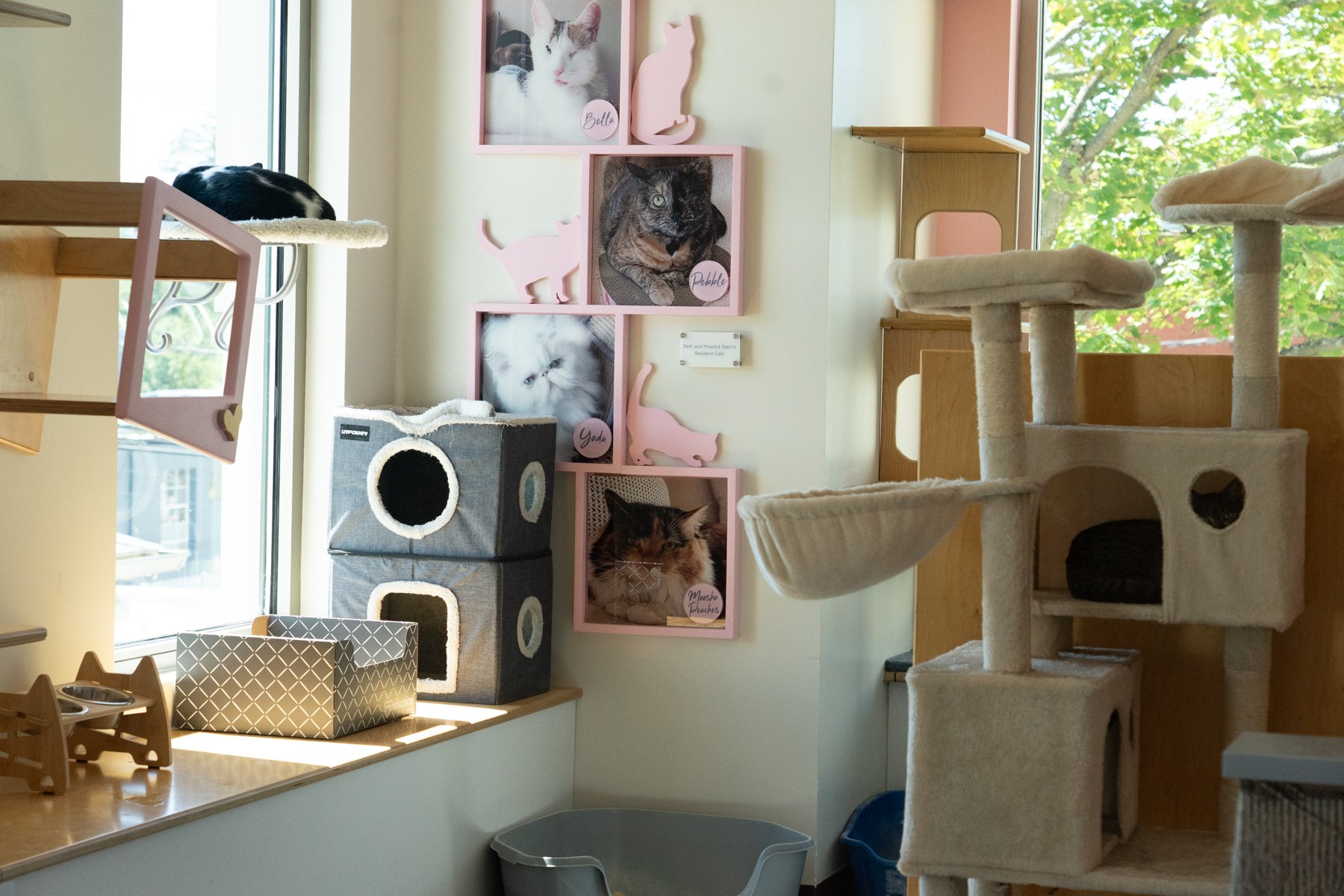
The second floor of the Adoption Center is devoted to cats with 13 free-roaming cat rooms – many with clever themes, including two funded by Billy Joel, one with a piano theme and the other NYC themed. We watched one of the cat behavior staff work with cats in a room dedicated to cats who are learning social skills. The 14,000 square foot cat floor even has its own surgical ward so that cats, literally, don’t have to go anywhere (until they’re adopted).
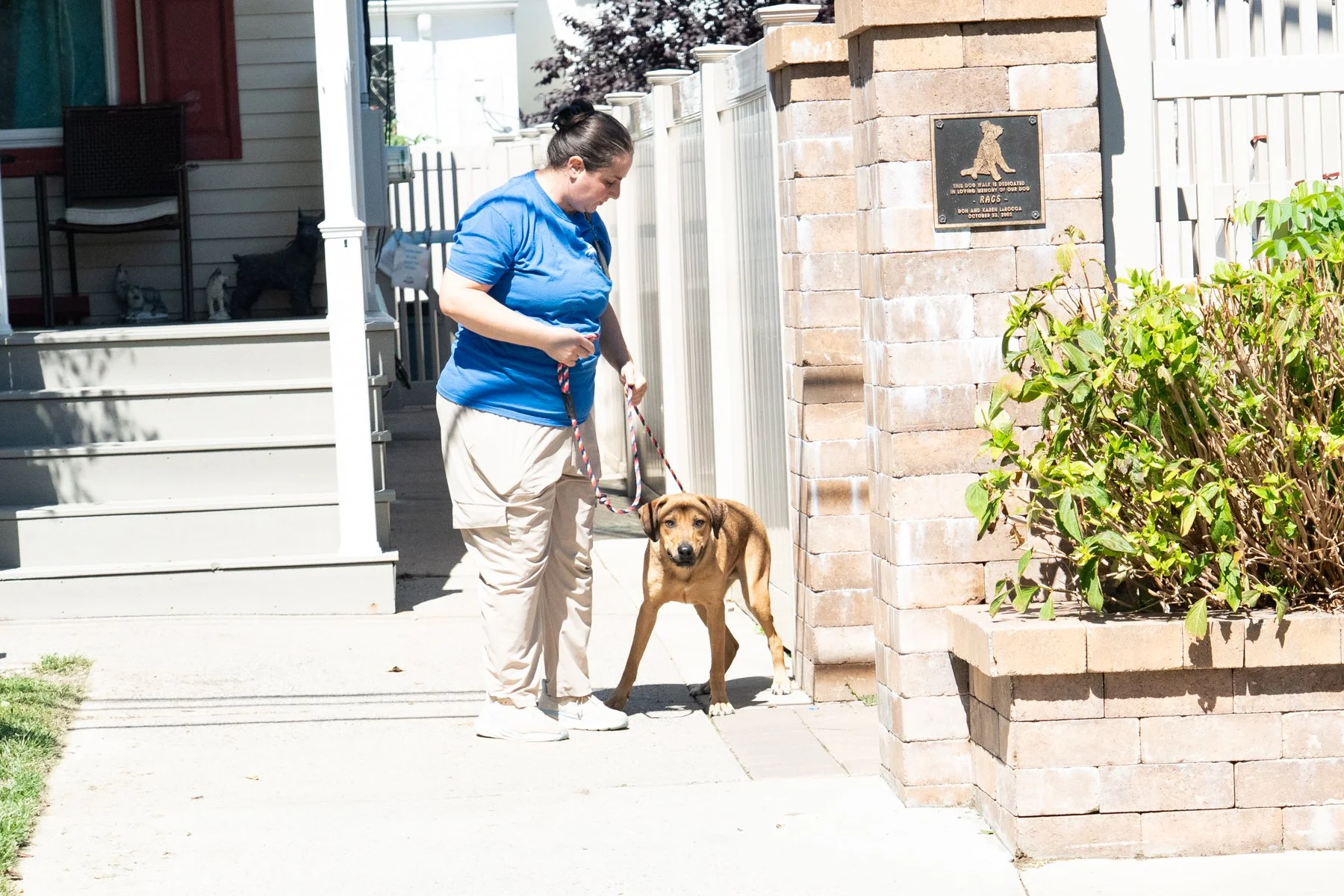
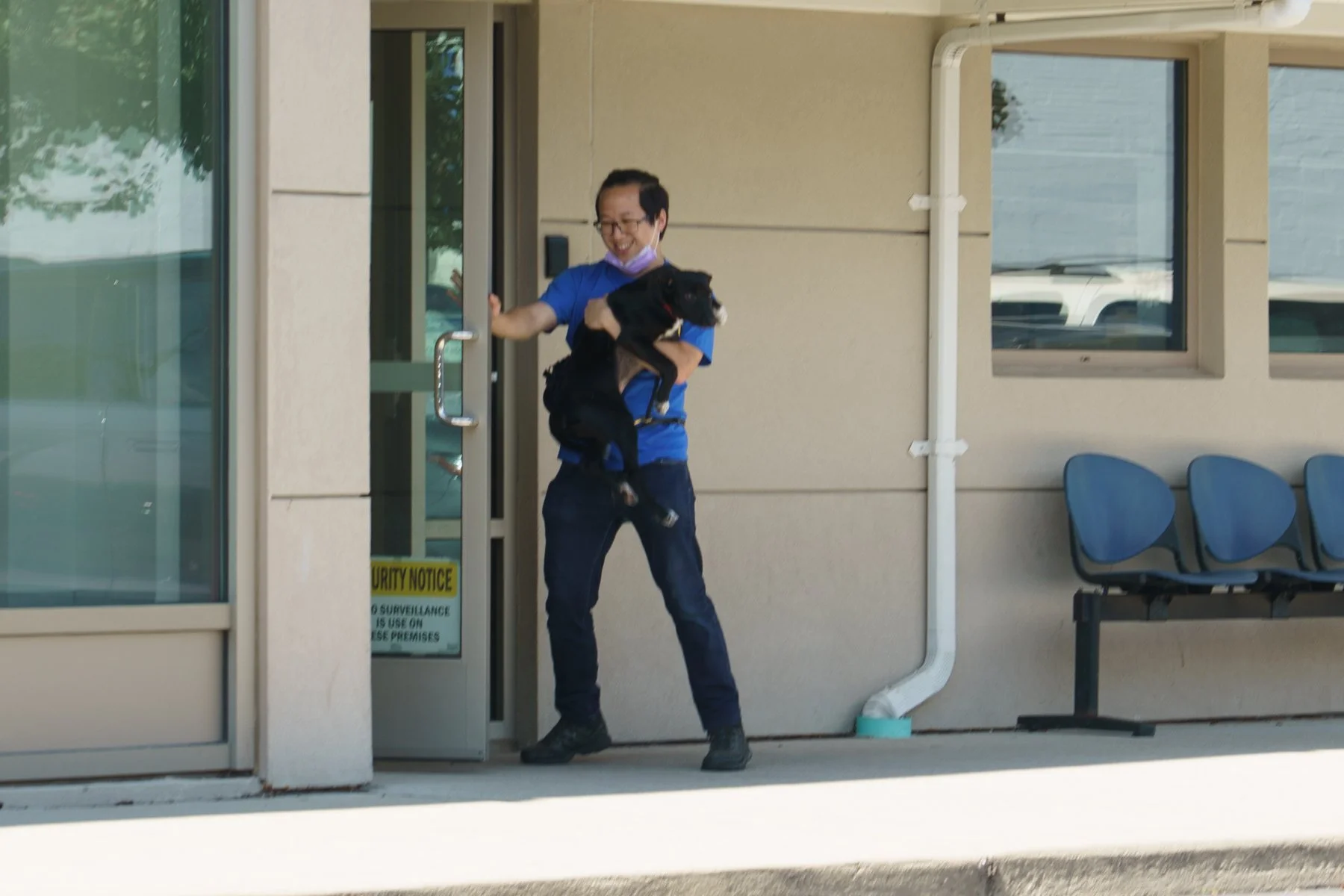
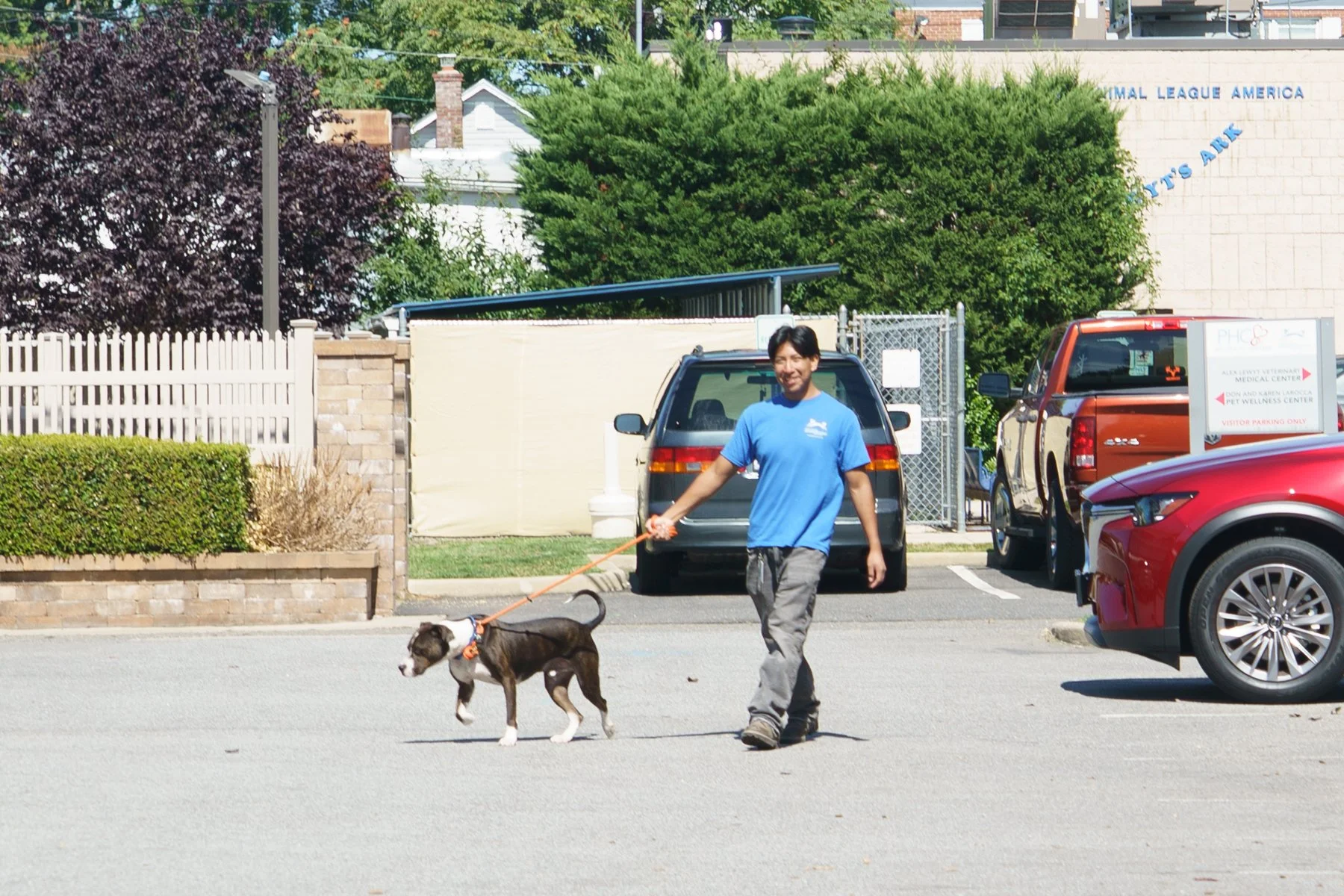
Their 300 volunteers can do just about anything from helping with enrichment, to assisting with social media creation, to reference checking and assisting in the adoption center, and of course, walking dogs. One special program for volunteers (and dogs!) is the Adventure Club, which allows them to take a dog out for an hour or day or even a weekend on an ‘adventure.’
The Role of Social Media in Animal Adoptions
Advertising and social media play a crucial role in the shelter's ability to move so many animals. ALA hosts multiple national adoption events, and the marketing team creates resources for shelter partners to use and even collaborates on posts. With 2.6 million followers on Facebook alone, collaborations translate to lots of views. Staff from Animal League America also travel to some of the events each year to provide hands-on help to shelters.
I asked Allie, the Social Media Strategist, which social media platforms are most effective for them, and she was quick to say that Facebook was by far the most effective. The shelter has three local adoption events every week. One thing they’ve been doing lately that is seeing great results is posting photos and videos of the animals being loaded up to head out to the event. People are captivated by individual animals and make a point of showing up.
I was really excited to see that the shelter does not give its dogs arbitrary breed labels based on appearances. Labeling dogs is common practice most places and can truly mean life or death for too many dogs. Instead, their dogs are almost all labeled ‘mixed breed,’ which is the most accurate description you can give any dog. Take a look at how they present them here. And then be sure to click on a dog and see how clearly the animals are presented with information, pictures, video, and next steps.
It truly is an amazing place. But what’s really special about Animal League America isn’t what they do right here in their facility, but what they do to help shelters all over the country.
How Shelter Partnerships Save More Lives Nationwide
Animal League America adopts out about 5,000 animals a year from its center but also assists in the adoption of thousands more through its national adoption events, including its annual Tour for Life (60+ events held at shelters across the country), Rescue Bowl, and Dogust 1st.
In addition to traveling to shelters for adoption events and taking in transports of so many animals, their free Mutt-i-grees Curriculum program is a powerful research based curriculum that engages students and promotes emotional health, academic achievement, AND awareness of shelter pets.. It’s available to any shelter, rescue, or community. Find more information here.
How Shelters Can Partner with North Shore Animal League America
It was exciting for us to make this connection today and share the needs of our shelter partners with staff at Animal League America. Hopefully, this visit will lead to even more connections, as some of the shelters we work with reach out to Animal League America to become partners and take advantage of their generous resources and the help they can give.
To learn more about North Shore Animal League America, visit their website.
Animal shelter relocation programs like the one at North Shore Animal League America don’t just save individual dogs—they strengthen shelters nationwide. By sharing resources, expertise, and partnerships, they help create long-term solutions to overcrowding and euthanasia.