

Overcrowded but Undeterred: Our First Ohio Shelter Visit
We made our first Ohio shelter visit today! Just over the line from West Virginia, the Humane Society of the Ohio Valley - HSOV is located in Marietta. HSOV is a nonprofit shelter that handles 2,500 animals a year and is contracted by the city and the county to take in dogs brought in by Animal Control.
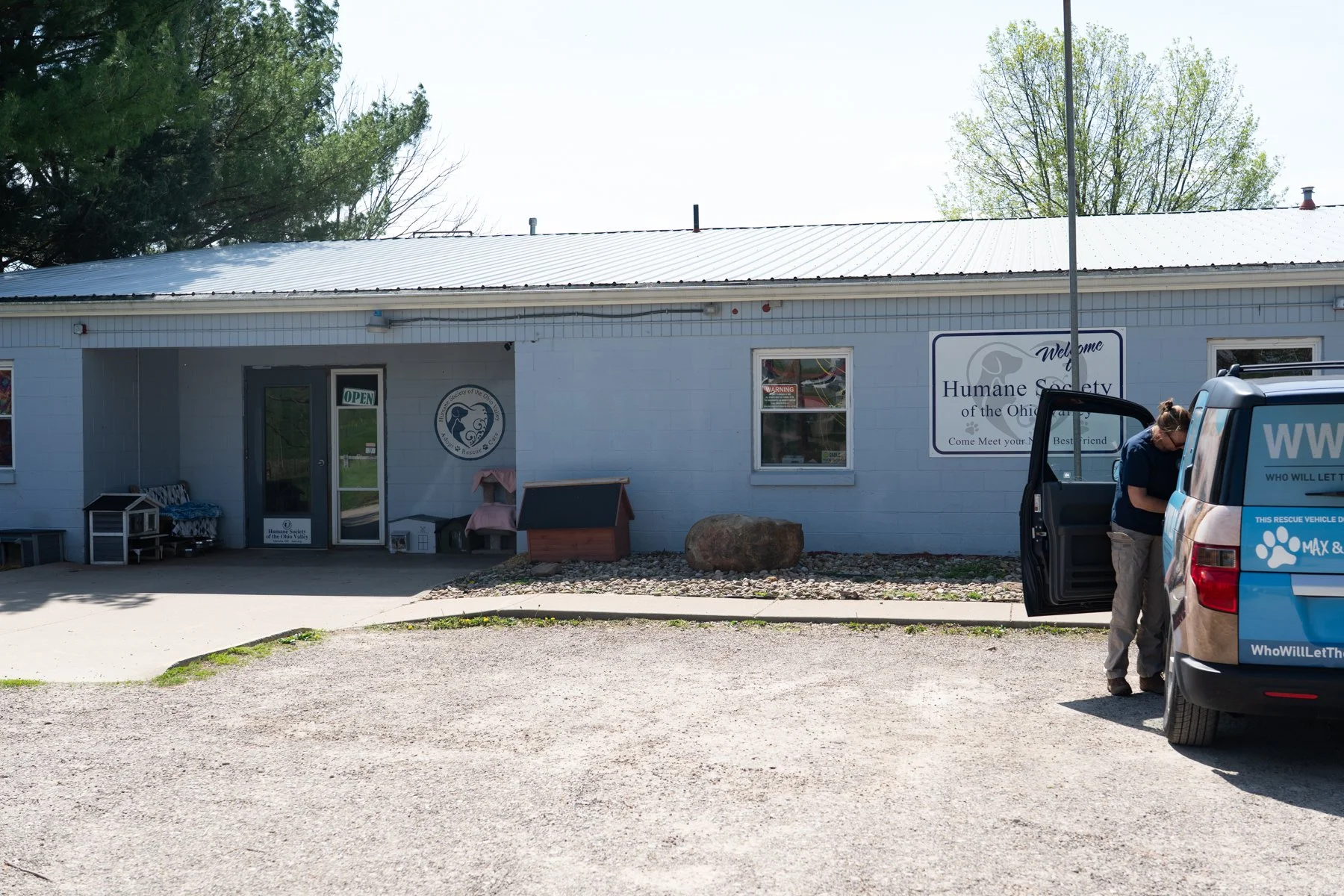
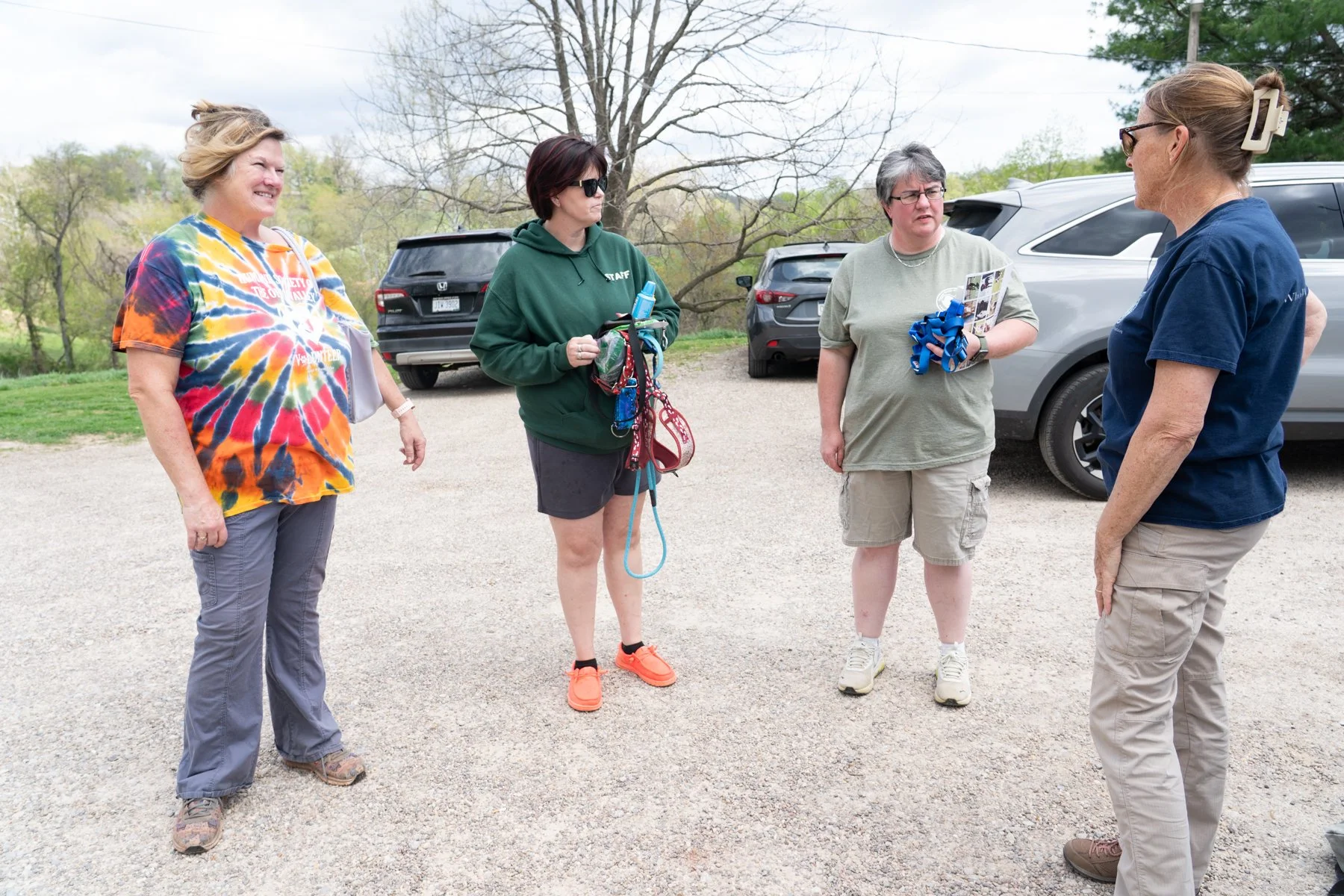
On our visit last March, we met with a few of the team to see the shelter, meet the animals, and hear their story. Amy has been the director for three years. Prior to that, she volunteered at the shelter for 10 years. We were invited to the shelter by Amber, a dedicated volunteer passionate about the shelter and its dogs. Tracy, the kennel manager, has been working for the shelter for a year and a half, but has been a volunteer since 2021. With a staff of 17 (15 full-time) and a solid core of volunteers, this trio is working hard to provide care for the 95 dogs, mostly large dogs they were currently housing.
Shelter is Overfull (like so many others)
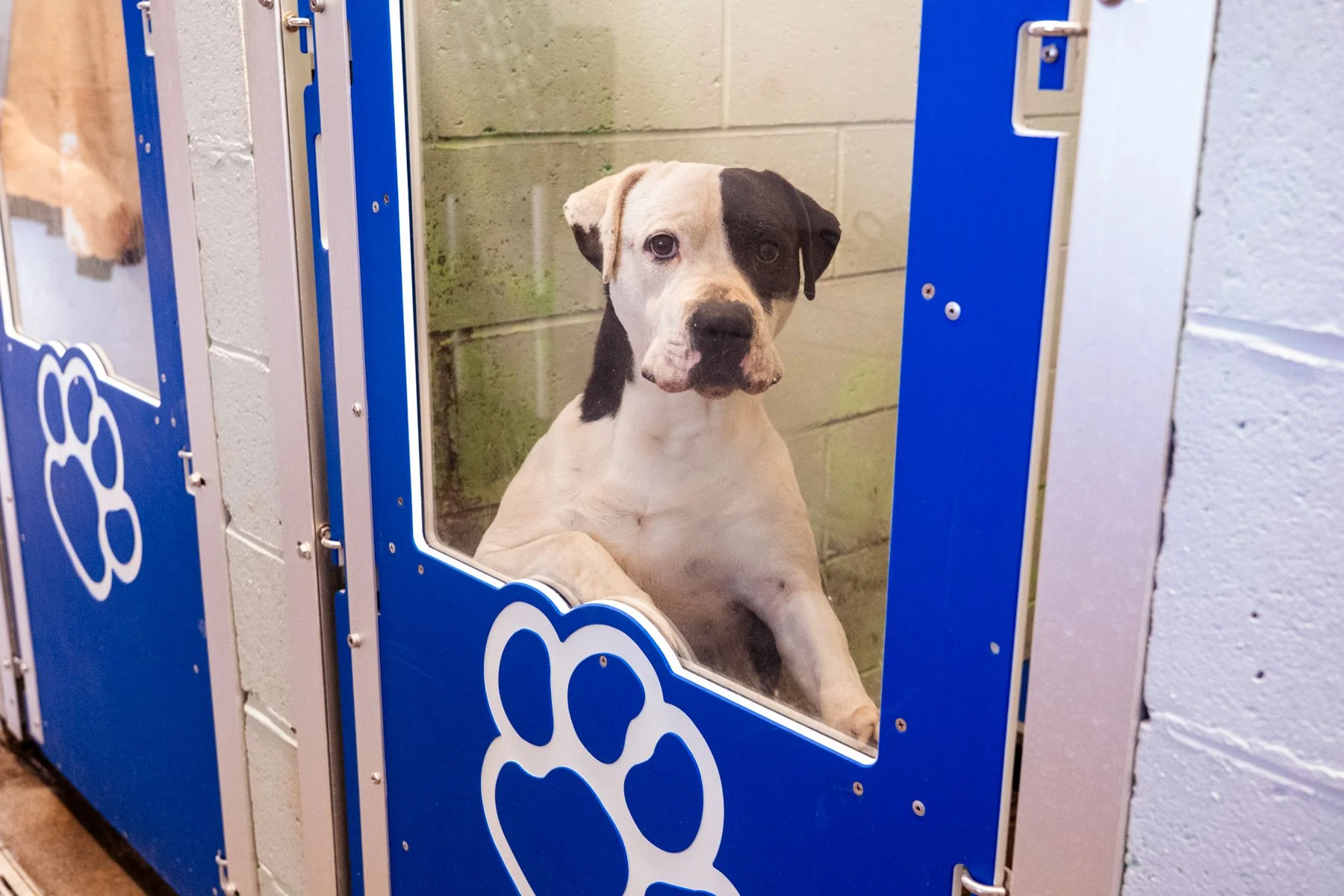
The shelter was built to hold 50 dogs, but rather than euthanize for space, the staff finds room – doubling up, using crates, repurposing rooms, and utilizing cat spaces. Much of the staff’s time is spent on daily care and cleaning, and they rely on volunteers to get the dogs out of their kennels. (With so many dogs, they could really use more volunteers to be able to give time and attention. If you’re local, reach out.)
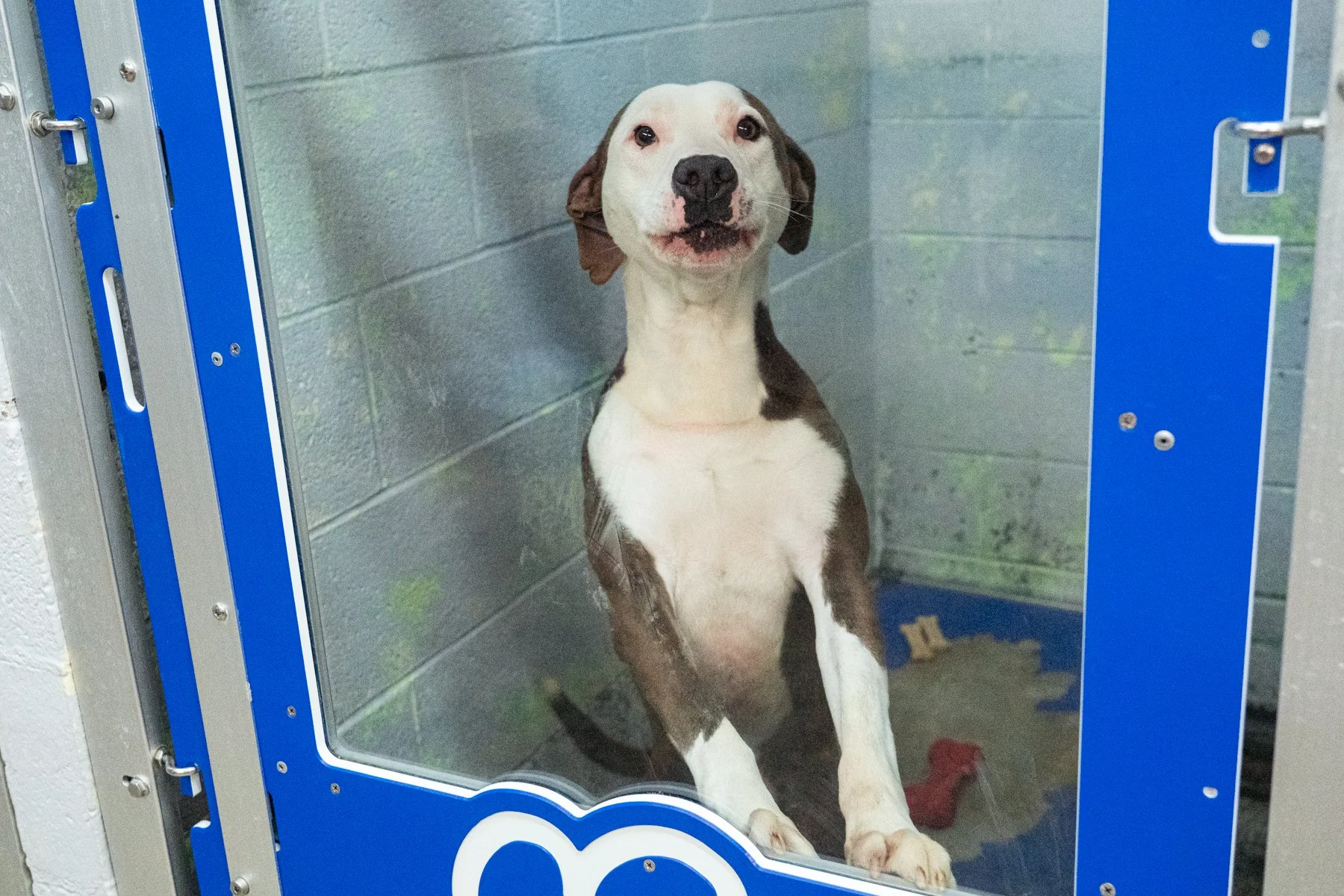
Every time we walk through a shelter kennel area, it is loud, and HSOV was no exception. Our presence added to the dogs’ stress, but the length of stay is clearly wearing on many of them. One of Amy’s goals is to shorten the length of stay. Currently, it could take a year or more for a large pit-type dog.
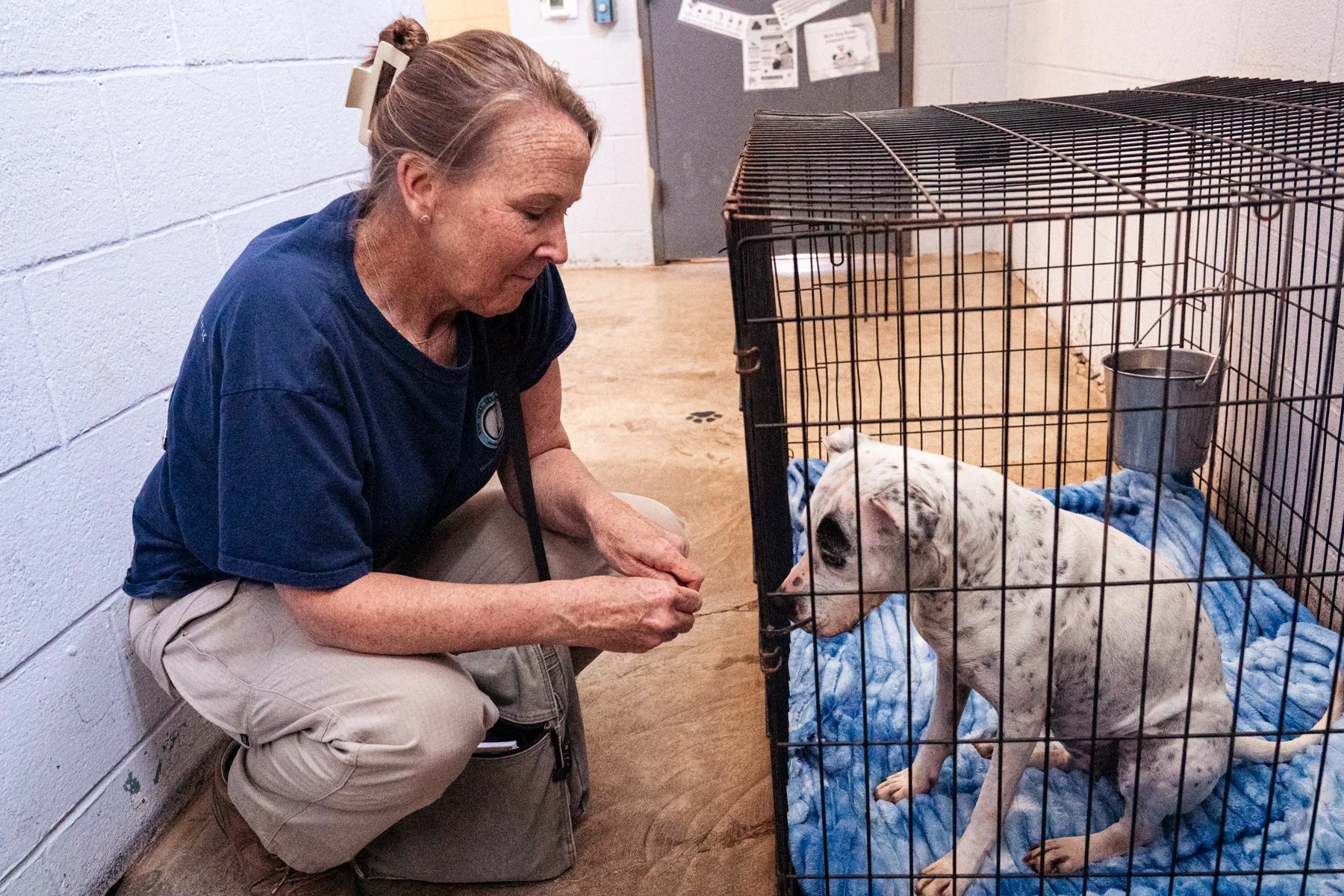
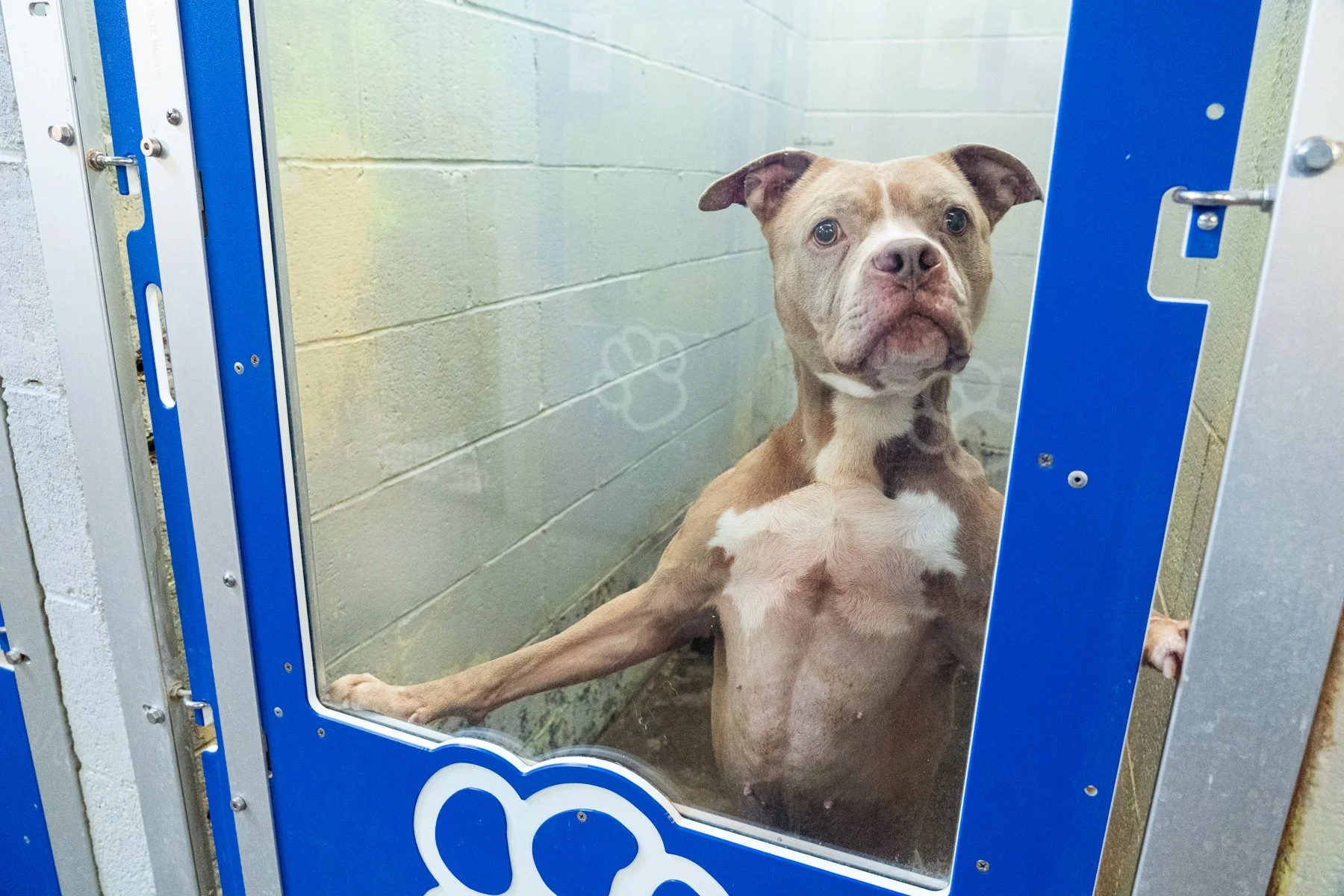
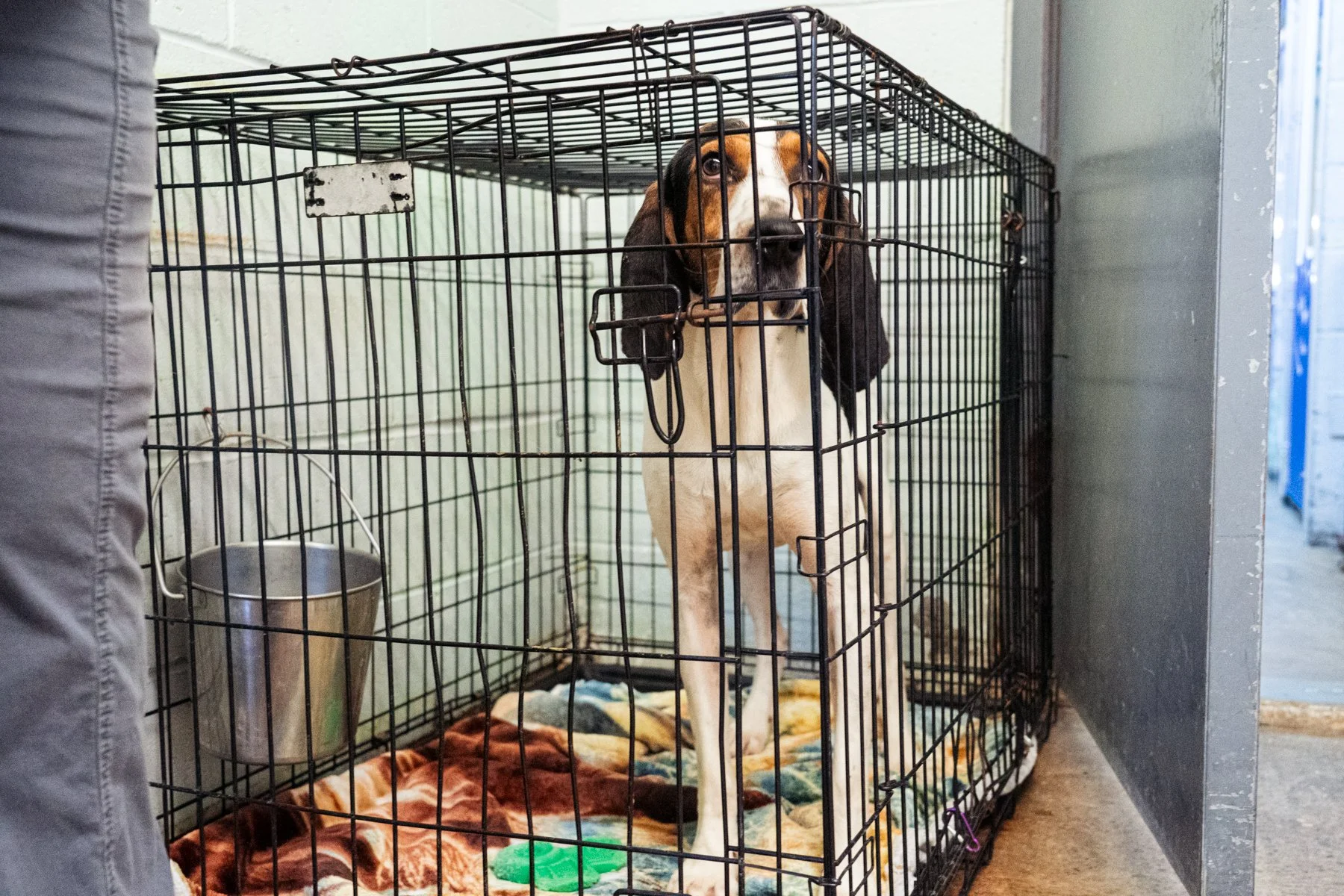
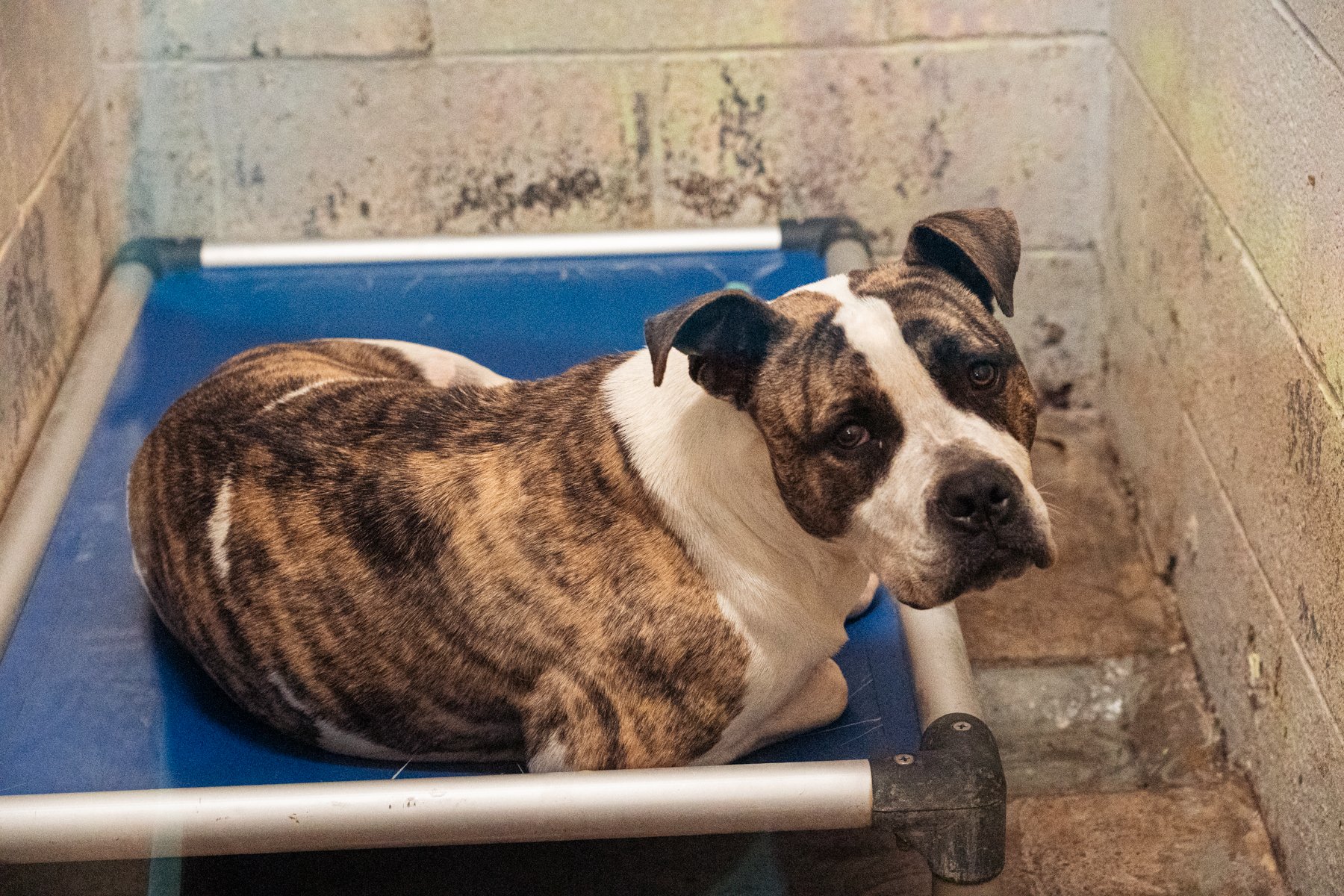
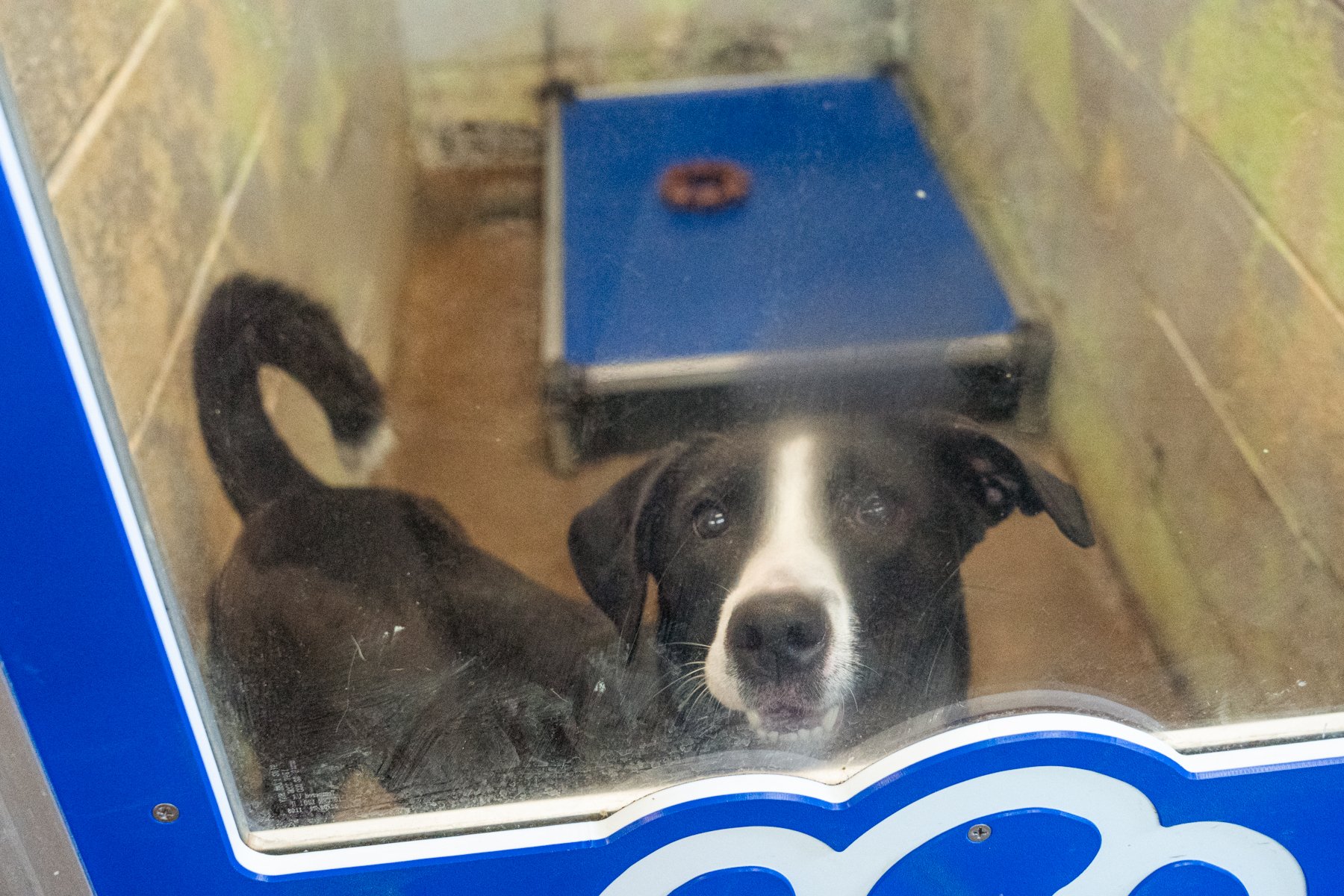
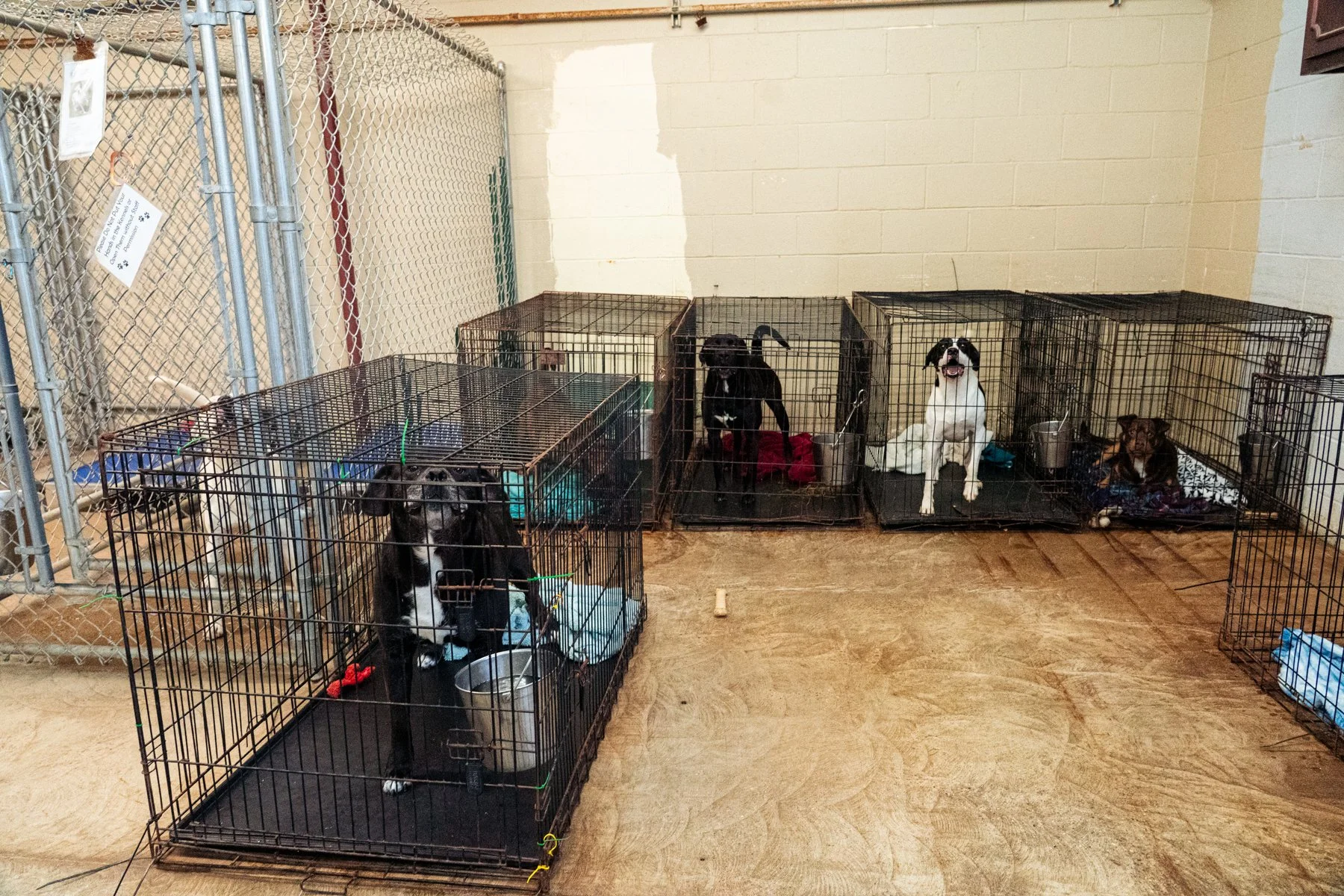
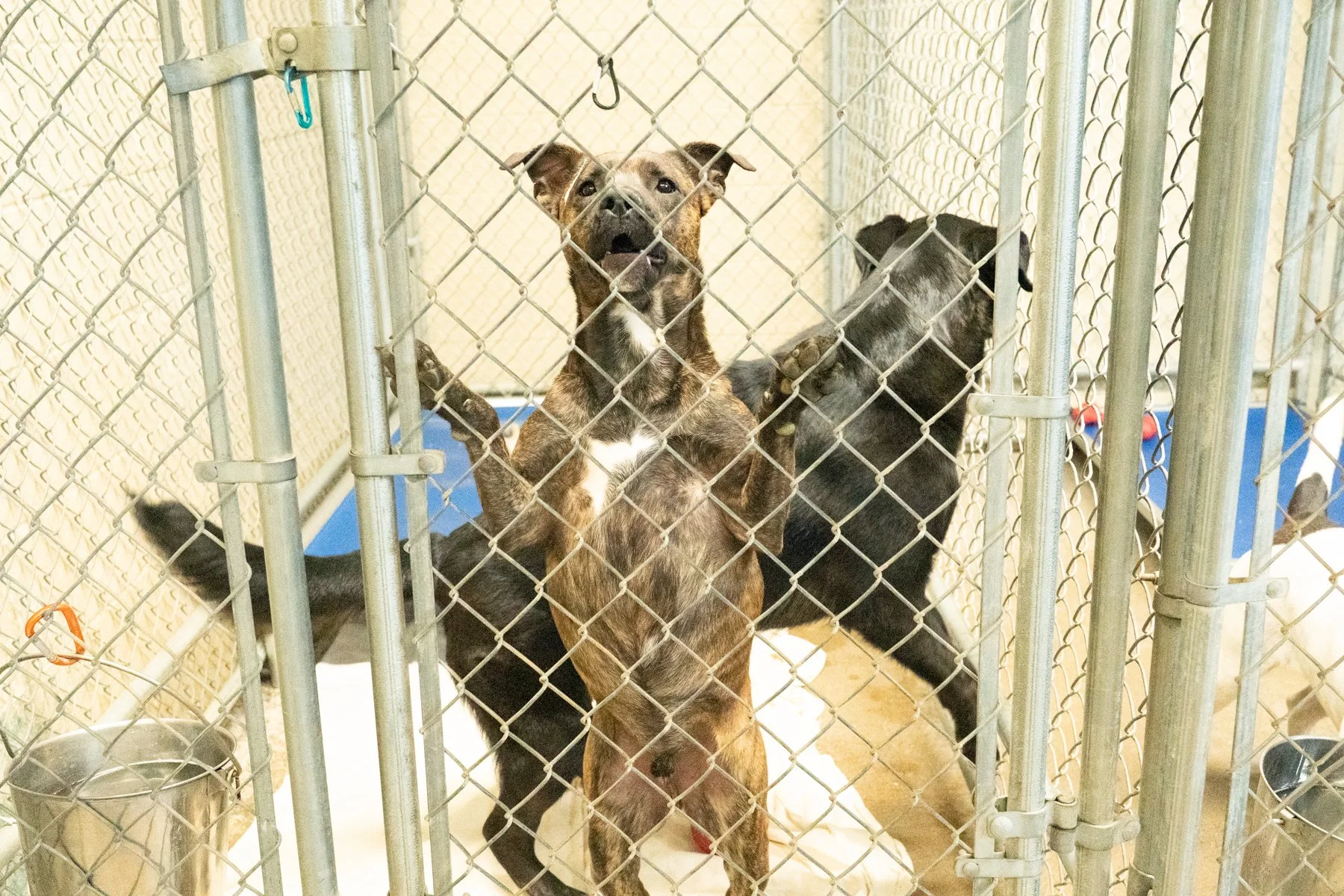
Rescue partners would certainly help, but the partners they’ve worked with in the past are overwhelmed with too many dogs themselves.
Playgroups could have a real impact here, and the staff has had some training, but they are too busy with care and cleaning to run them, so they rarely happen. Usually, it is with several dogs who came in together and are known to be dog-friendly with each other. We learned after our visit that they had reached out to Kanawha Charleston Humane Association for playgroup training for volunteers and staff.
The staff works hard to match up dogs well in adoptions, practicing ‘1000% transparency’ about each dog and its behavioral habits. Most of their dogs come in via their animal control contracts, but they do take occasional owner surrenders, especially if the animal’s safety is in jeopardy.
Involving the Community
Amy welcomes any opportunity for the shelter to participate in the life of the community. “Getting the dogs out for any reason – even if they don’t get adopted – is a win for the dogs.” Time out of their kennels could truly prove not just life-preserving, but life-saving for these dogs.
Amber says she always chooses a favorite dog, takes that dog out on adventures, gathers pictures and videos, and posts them to Facebook. Once that one is adopted, she chooses another, but with the numbers they have, she has multiple ‘favorites’ of late.
I love the idea of a volunteer, or even a community member, choosing a dog to advocate for, and have seen it presented as ‘virtual fostering’ at another shelter. With so many dogs here, people who take a personal interest in a particular dog and advocate on the dog’s behalf could save lives. Honestly, getting the number down to the shelter's capacity would reduce stress on the dogs—and the staff.
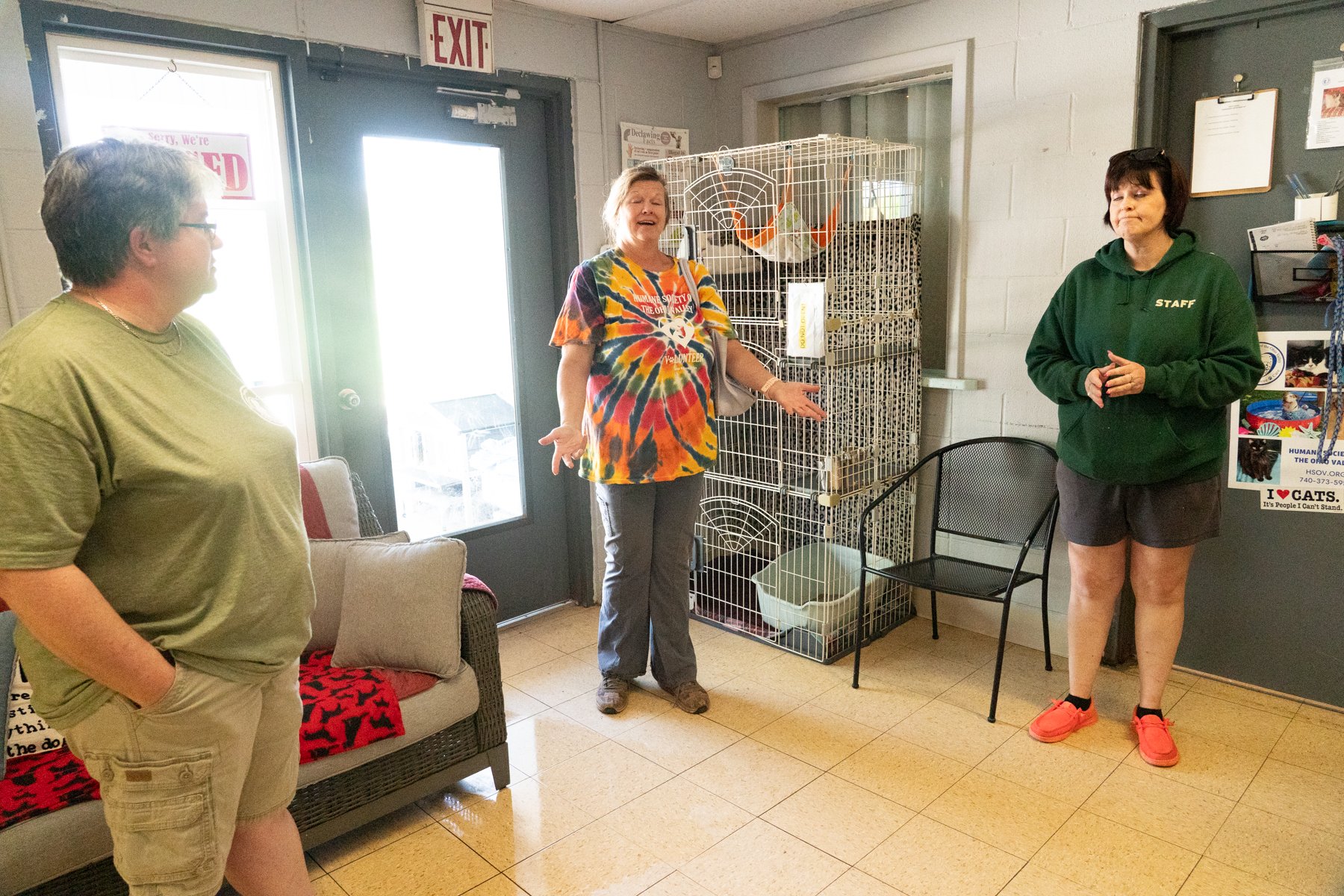
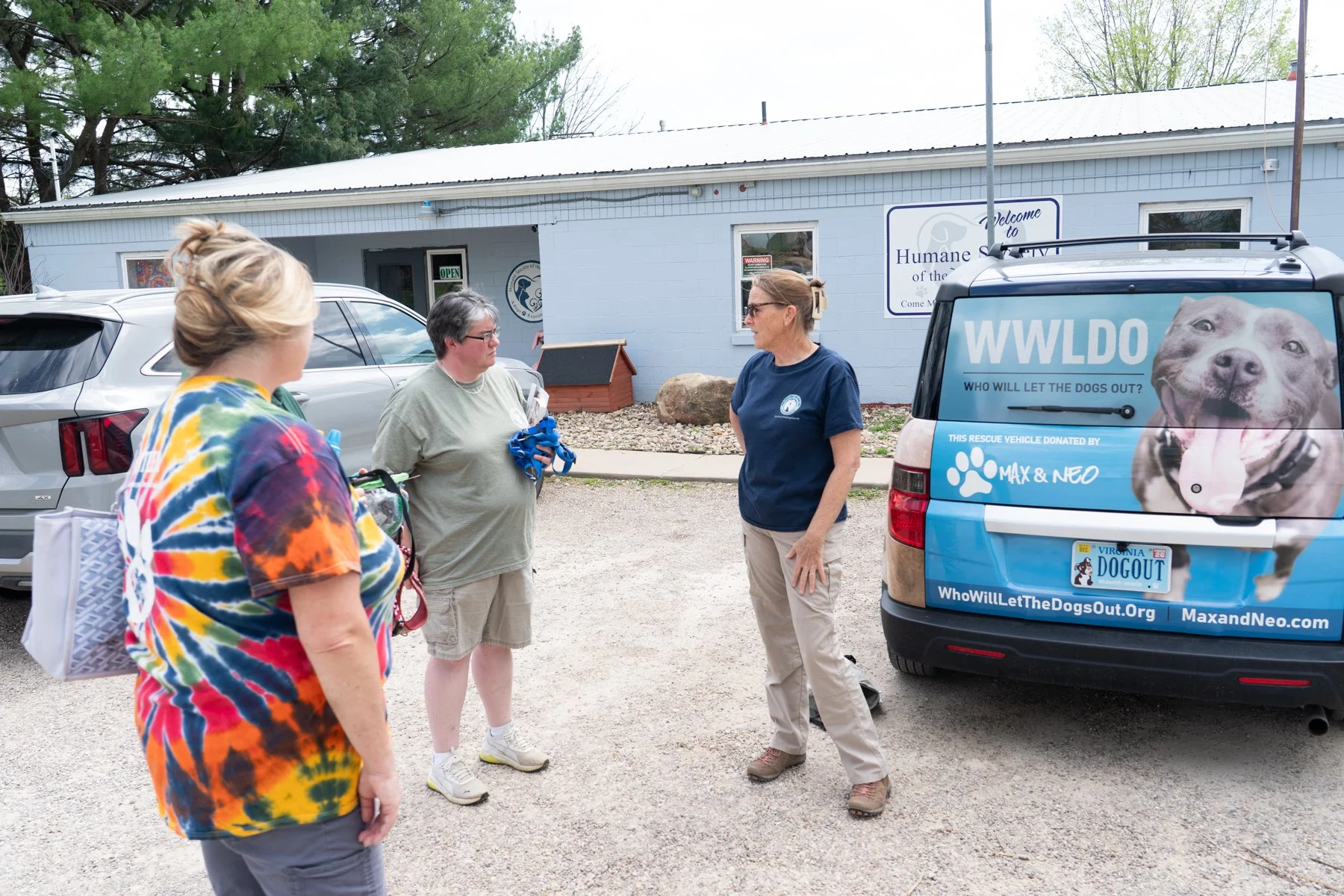
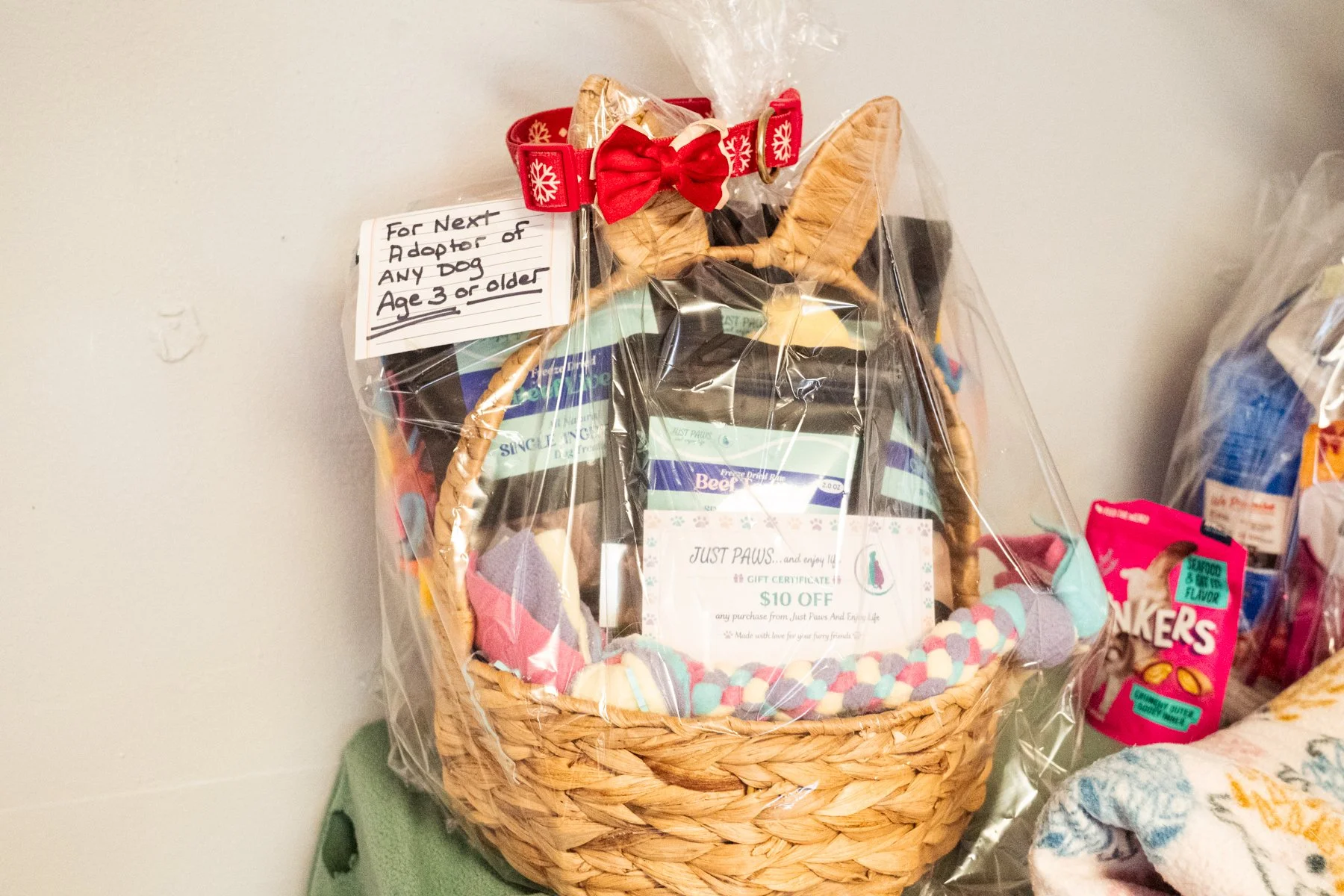
The shelter is partially funded through contracts with the county and city animal control, and mostly through fundraising and donations. Their biggest fundraiser of the year is The Furball, a dance and auction that happens every March. This year, they raised $44,000.
The shelter receives a lot of support from its community. When they post a need for food or supplies on Wishlist Wednesday, it is always met immediately.
Change is Needed
When I asked Amy what needs to happen in the area to bring real change, she replied, “Legislation.” She believes there should be legislation requiring that dogs be spayed/neutered before adoption. Amber agreed that improvements could be made to the dog licensing system, charging more for unaltered dog licenses. Tracy chimed in that requiring breeders to have a license would also help.
Just a few years ago, the shelter rarely saw puppies, and the ones that did come in were quickly scooped up for rescues, but now they get pregnant dogs and puppies regularly. They do have a few fosters who can take pregnant dogs or medical cases.
The shelter does not have affordable local access to veterinary care and drives two hours to Barboursville for spay/neuter services twice a month. If an adopter chooses a dog who has not yet been altered, they can ‘foster-to-adopt’ until the dog is altered at their own vet or a spot opens up at the shelter for it to be altered.
The shelter offers a vaccine and microchip clinic at a nearby church at least once a year, offering free vaccinations and microchips for $20. It is well received.
In the past, we’ve only encountered Ohio animal welfare when southern shelters told us they had rescue partners in Ohio. But it is sobering that this far north, we are seeing the same struggles as the deep south (minus heartworm, though one in five dogs tests positive for Lyme here).
The animal crisis is real. We need people like the amazing ones we met at HSOV who are looking for new solutions and persevering despite the uphill climb. Following our visit, we awarded HSOV our education grant to bring humane education to schools in their area. Education is the long game, but one worth playing if we want to finally fix our shelter crisis.
If you’d like to help this team, consider shopping their Amazon Wishlist: https://www.amazon.com/registry/wishlist/F596E0YDXW1Q/
Or donate directly: https://www.hsov.org/donate