

We Help Everyone: Building a True Community Animal Shelter
Edgewater Animal Shelter was our 200th shelter visit. So, it was especially exciting for us to spend time in this outstanding shelter. It’s an example of what a successful shelter looks like.
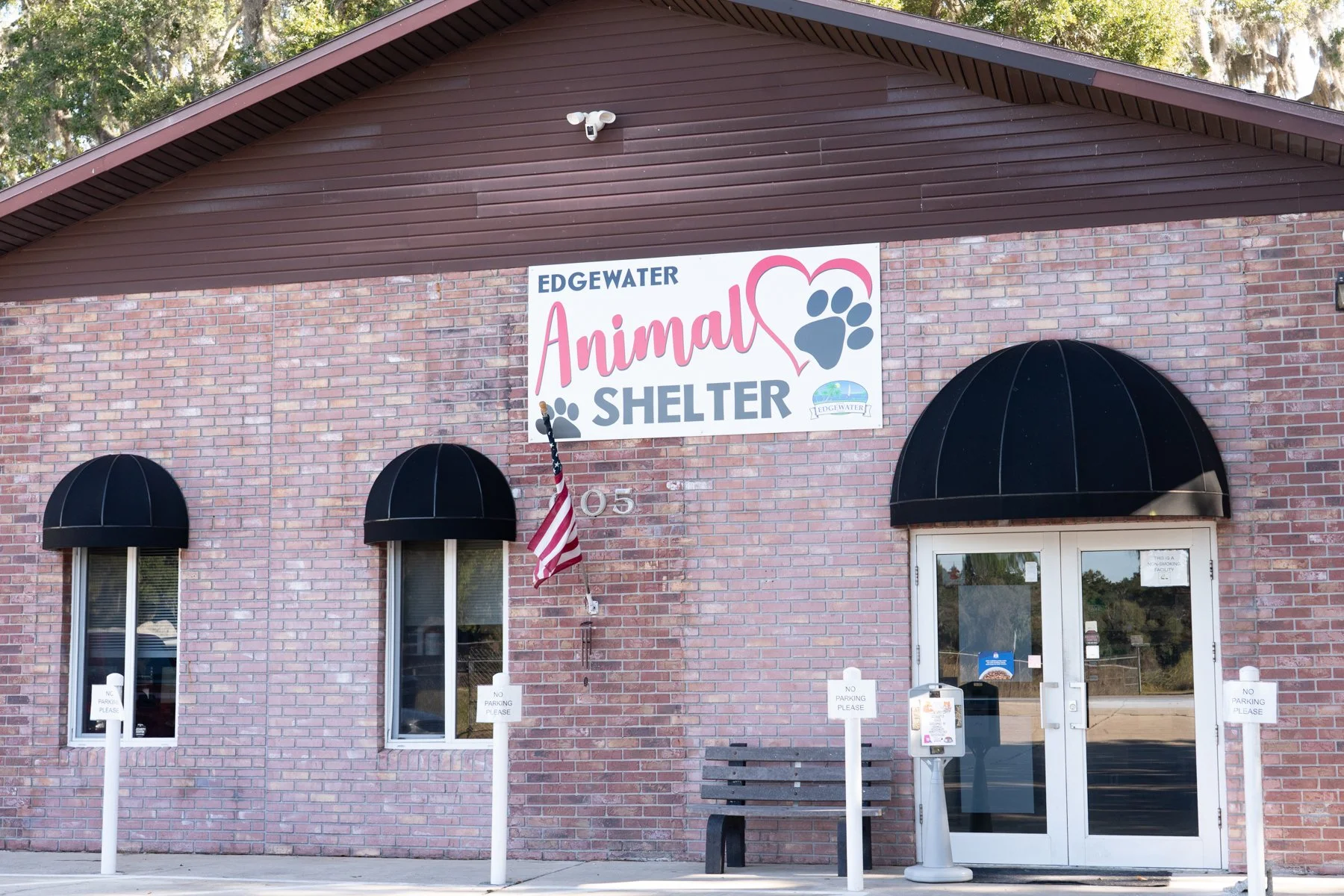
Technically, a nonprofit, Edgewater Animal Services on the east coast of Florida, 20 miles south of Daytona Beach, handles the Animal Control contract for five cities, as well as Volusia County.
In 2025, the shelter handled 801 animals. They accept animals from all six municipalities, whether they are strays, seizures, or owner surrenders. “Animal care is job one,” Roxanne, the director, told me. “Everything we do starts there.”
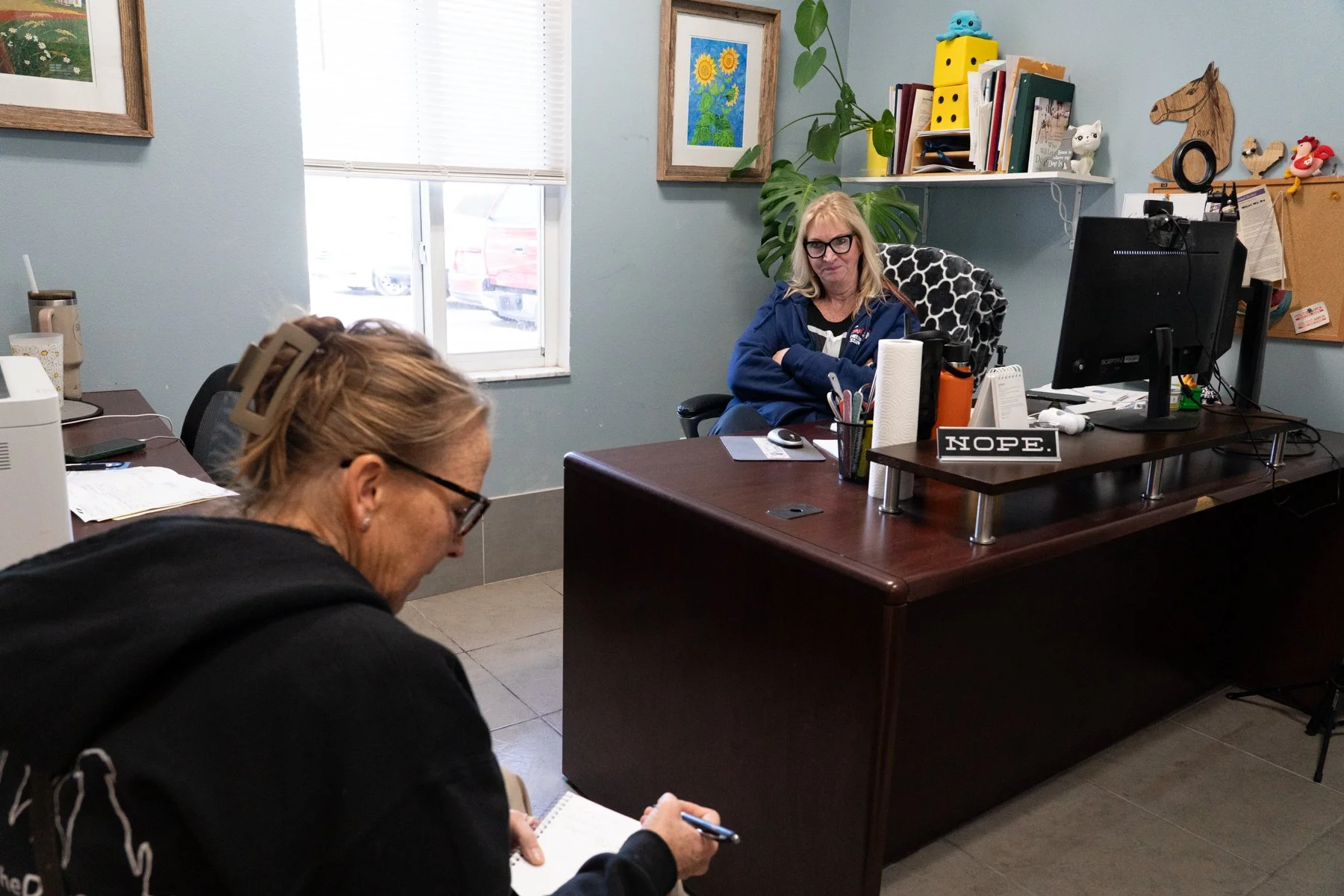
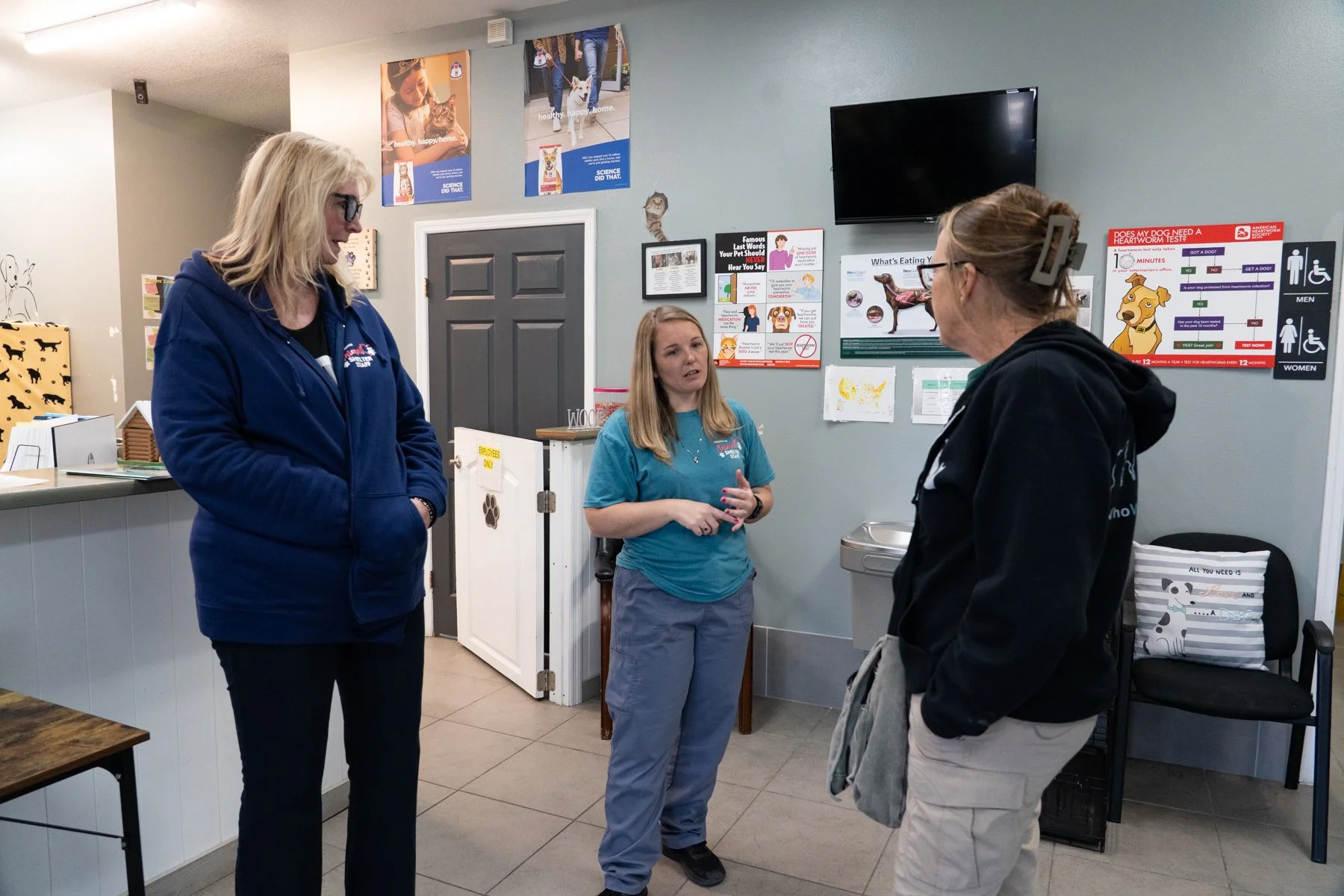
There are 20 people on staff at Edgewater Animal Services, although most are part-time. Kayla is the shelter’s vet, working two days a week (she also has a private large-animal practice). Having Kayla allows the shelter to operate a low-cost veterinary clinic two days a week (plus one Saturday a month) for their community, including spay/neuter surgeries and well-care.
When Roxanne took over the shelter ten years ago, she planned to stay six months, get things organized, and then return to her career running a marketing company. Now, ten years later, she is still here and invested in the work, beloved by staff, and operates a shelter that serves its community and expertly cares for animals.
Smart adoptions that stick
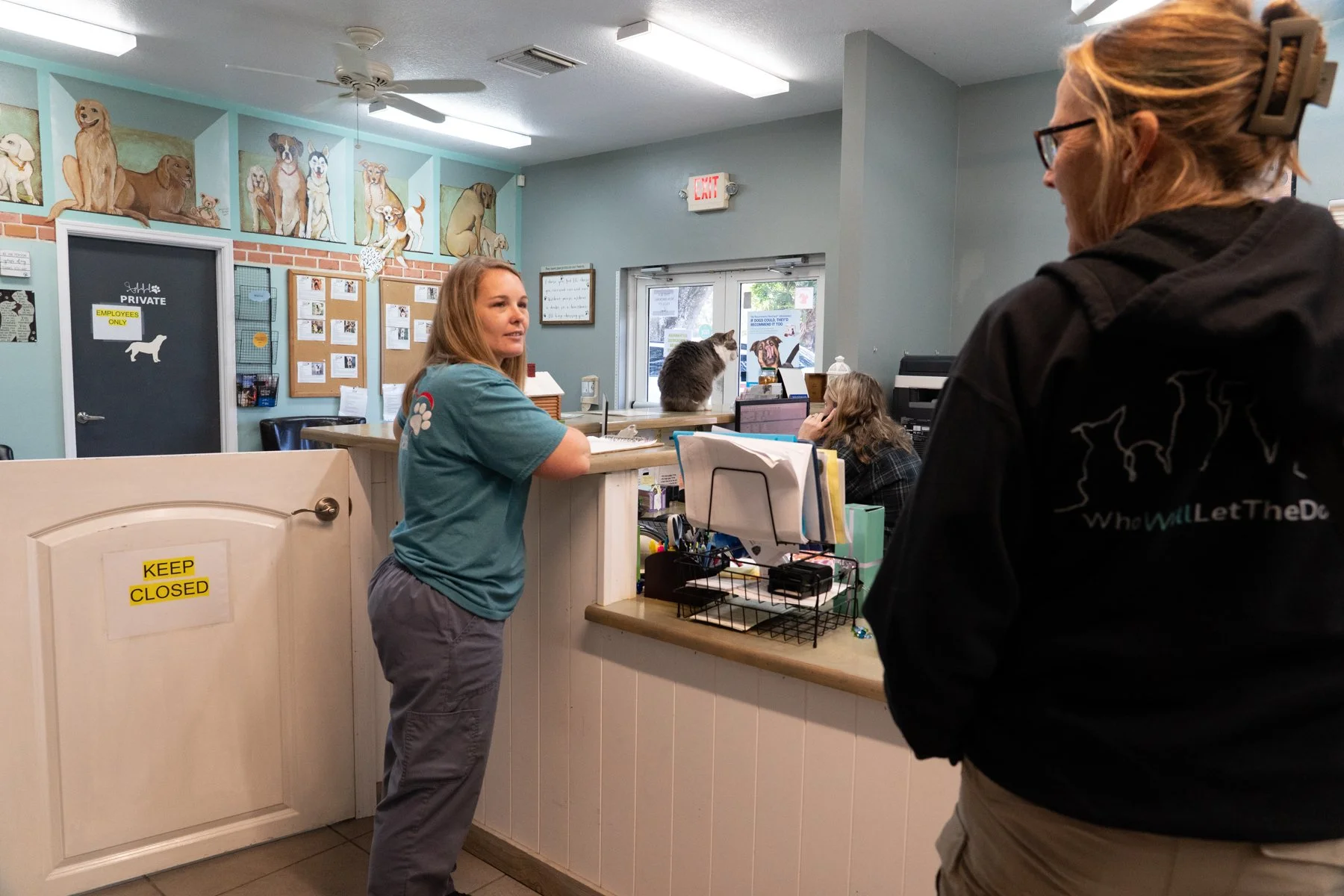
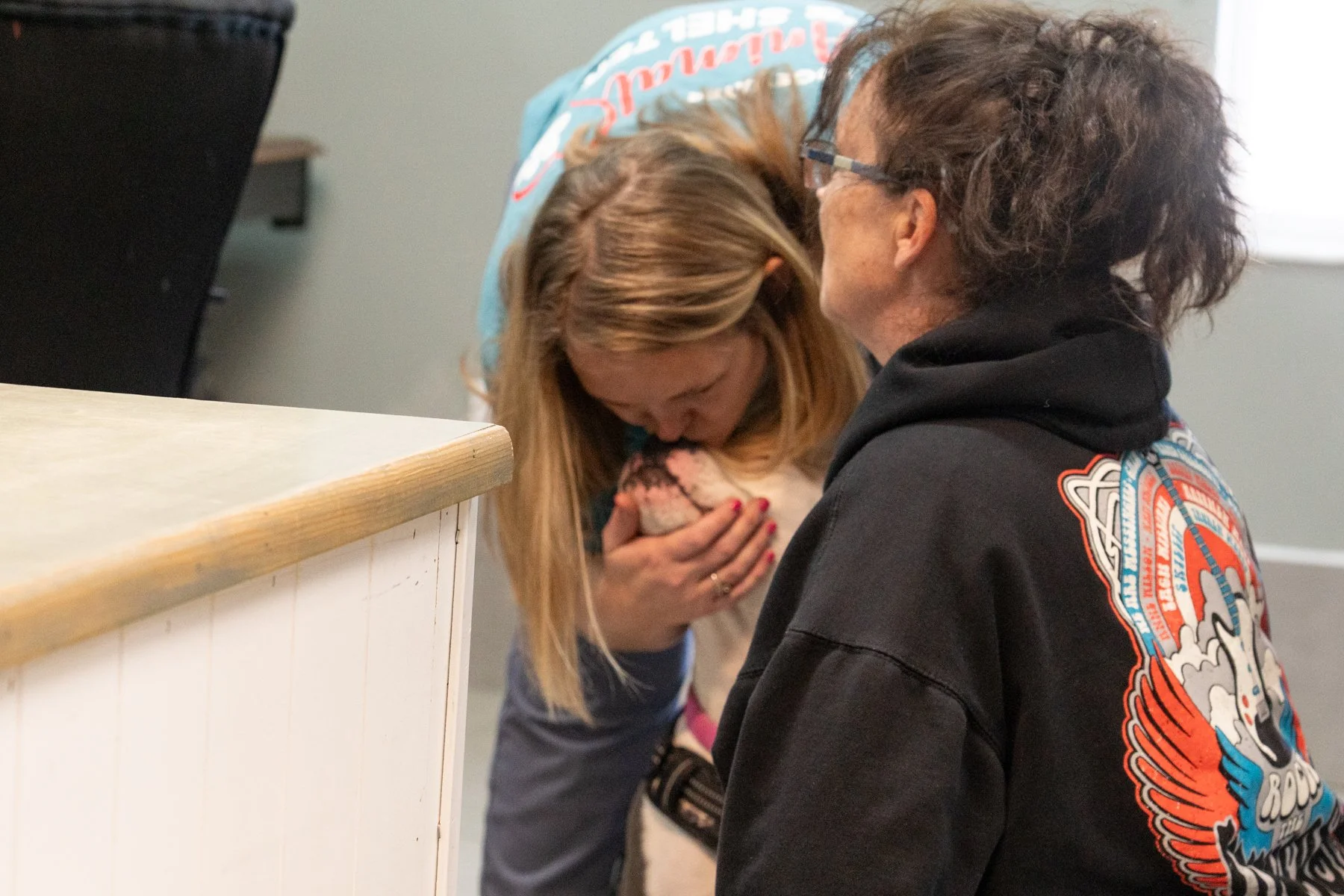
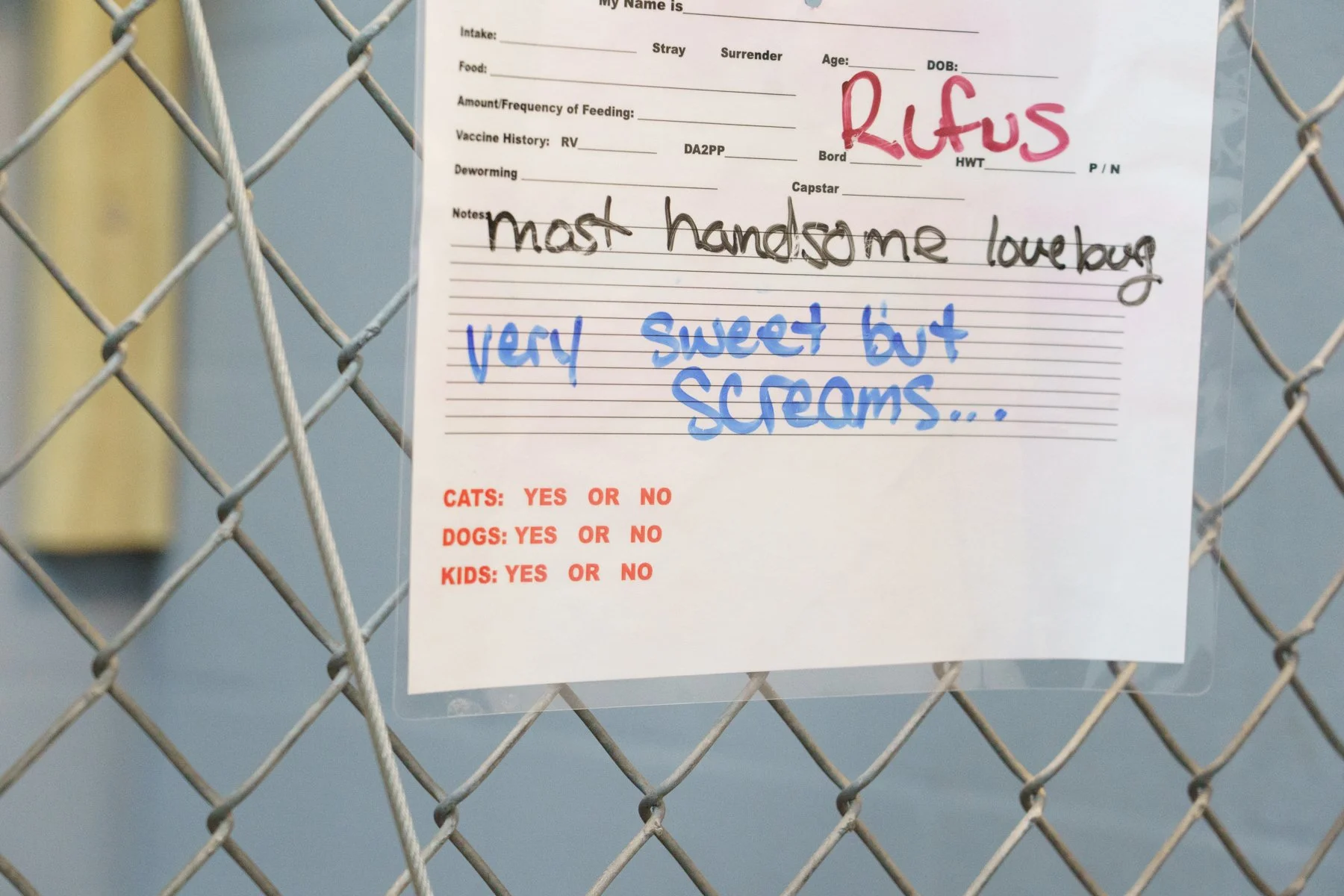
The shelter adopts its animals out locally, but as Roxanne explained, they are picky about adopters, so returns are rare. “We operate very ‘rescuey’, not ‘sheltery’ when it comes to adoptions.” The shelter’s adoption coordinator performs background checks, landlord/HOA checks, and makes careful placements.
Older animals are placed through their Silver Paws program, which matches seniors with seniors and then supports those adopters by providing food and vet care as needed. They have a network of hospice fosters for animals who are too old or feeble to adopt out.
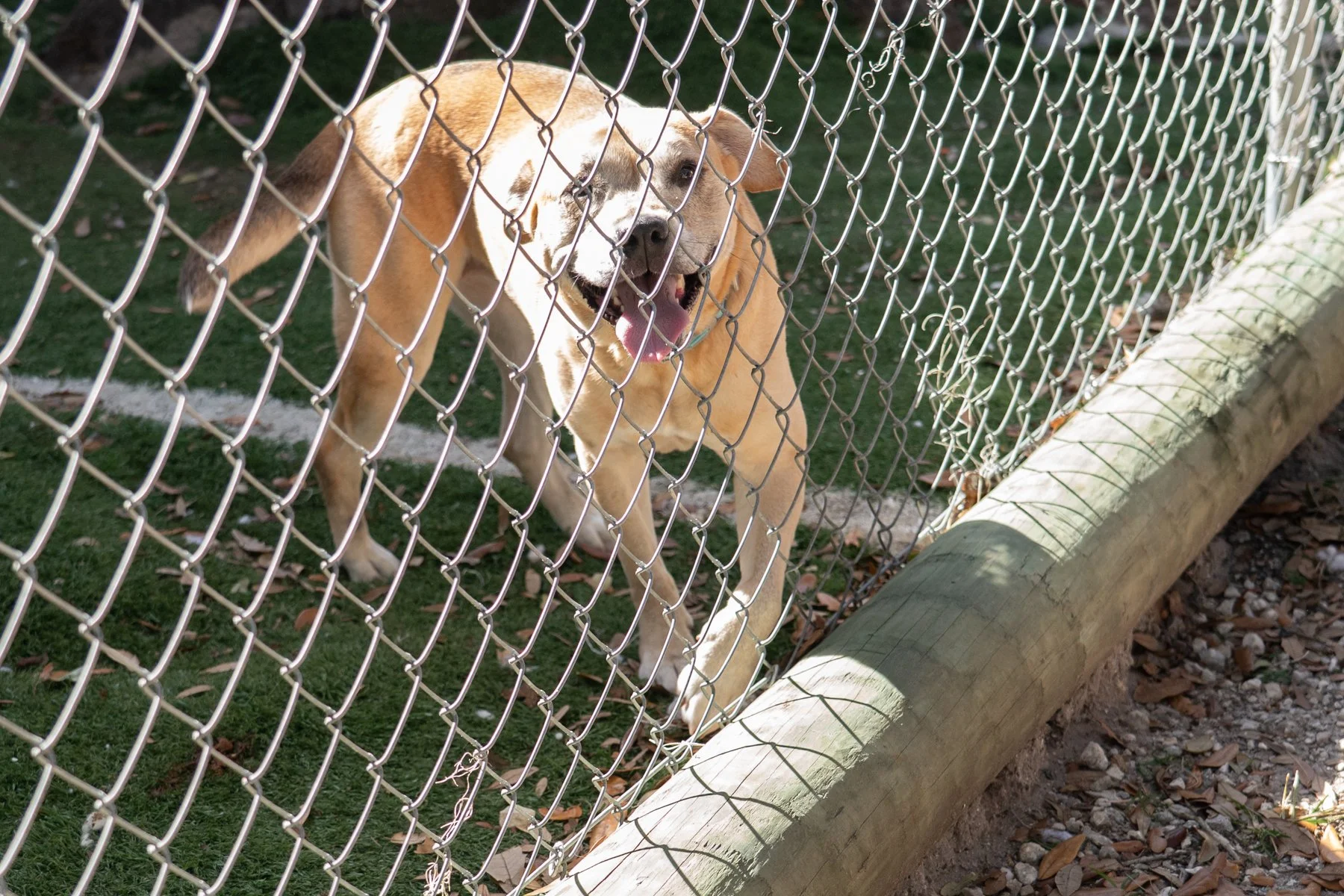
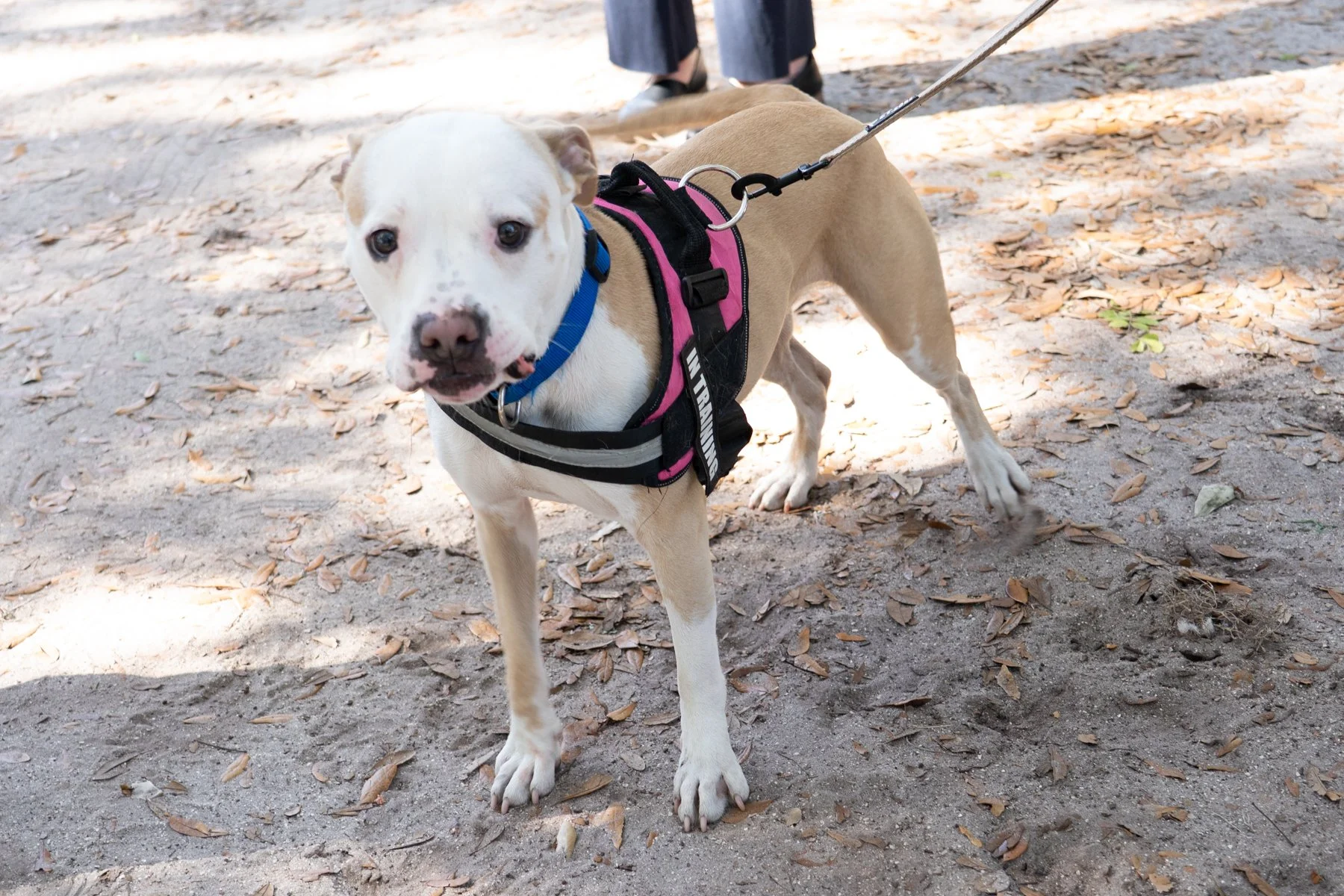
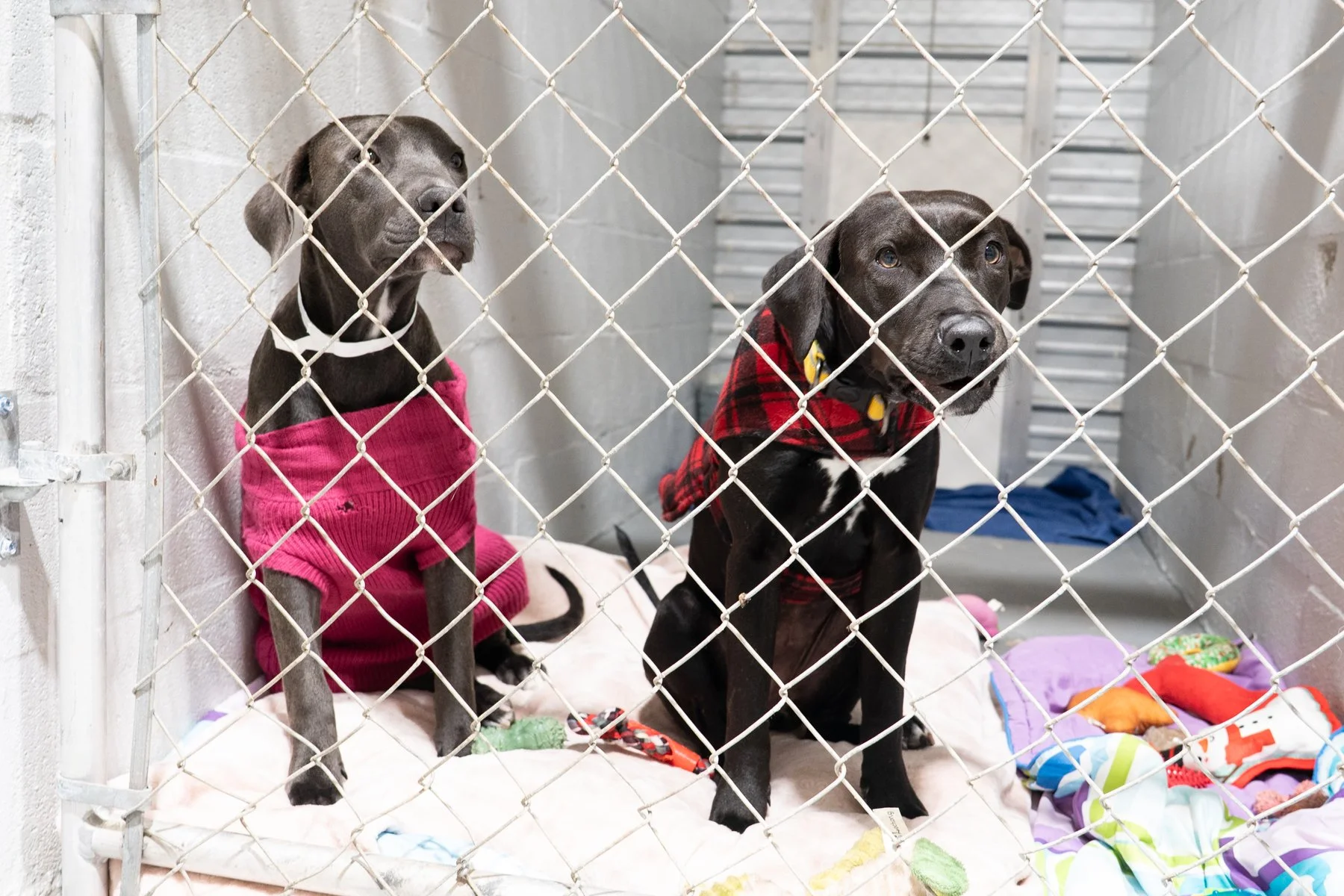
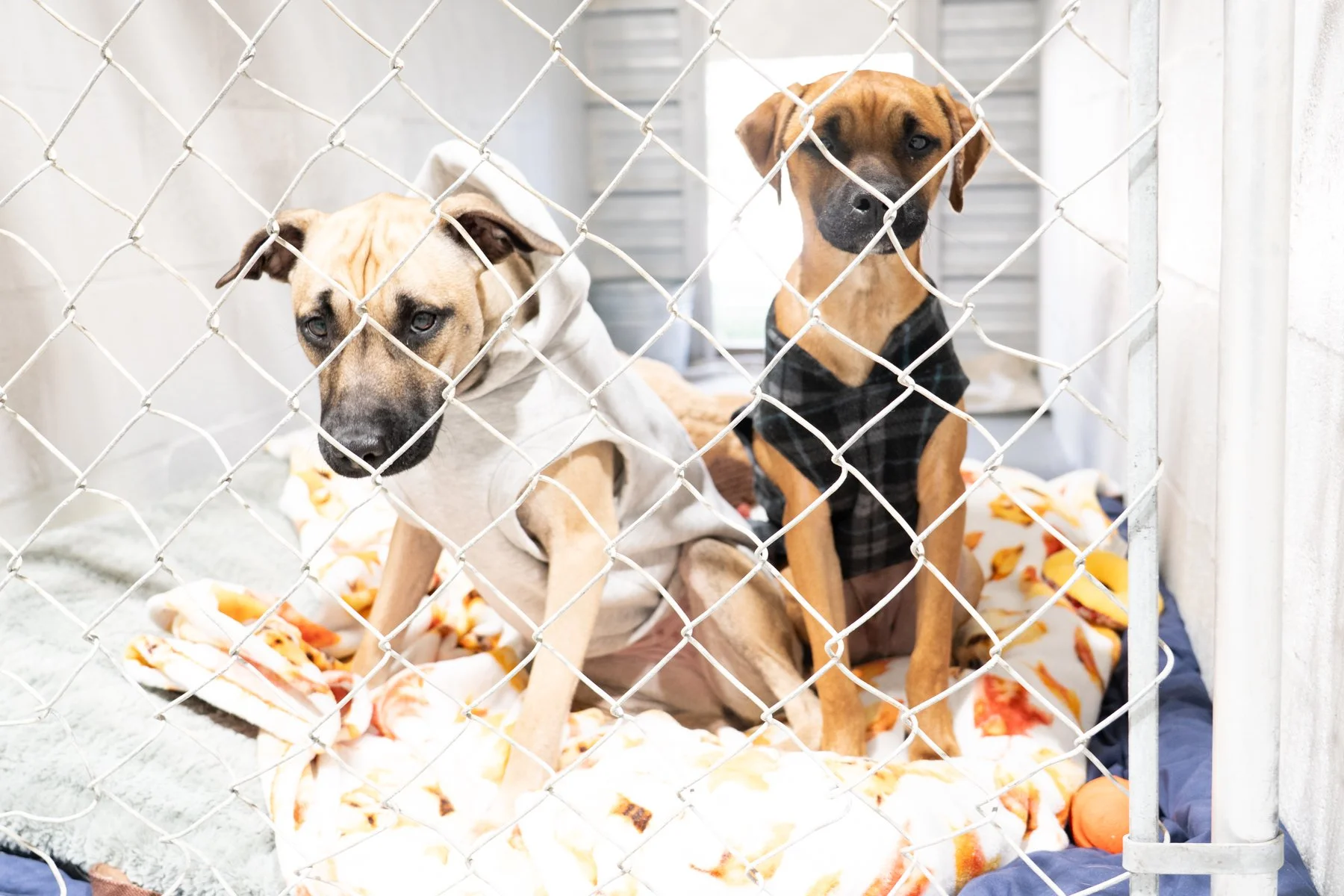
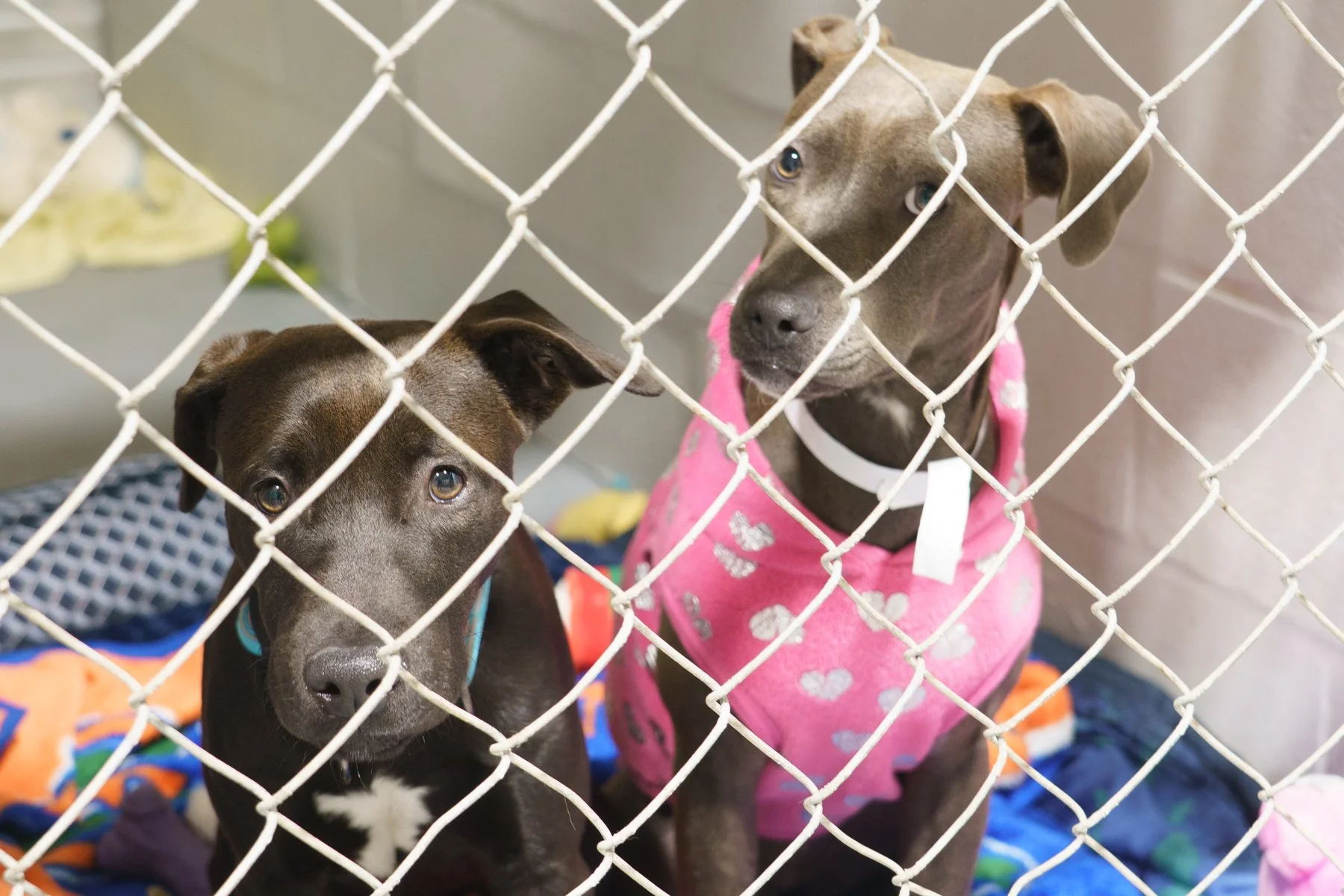
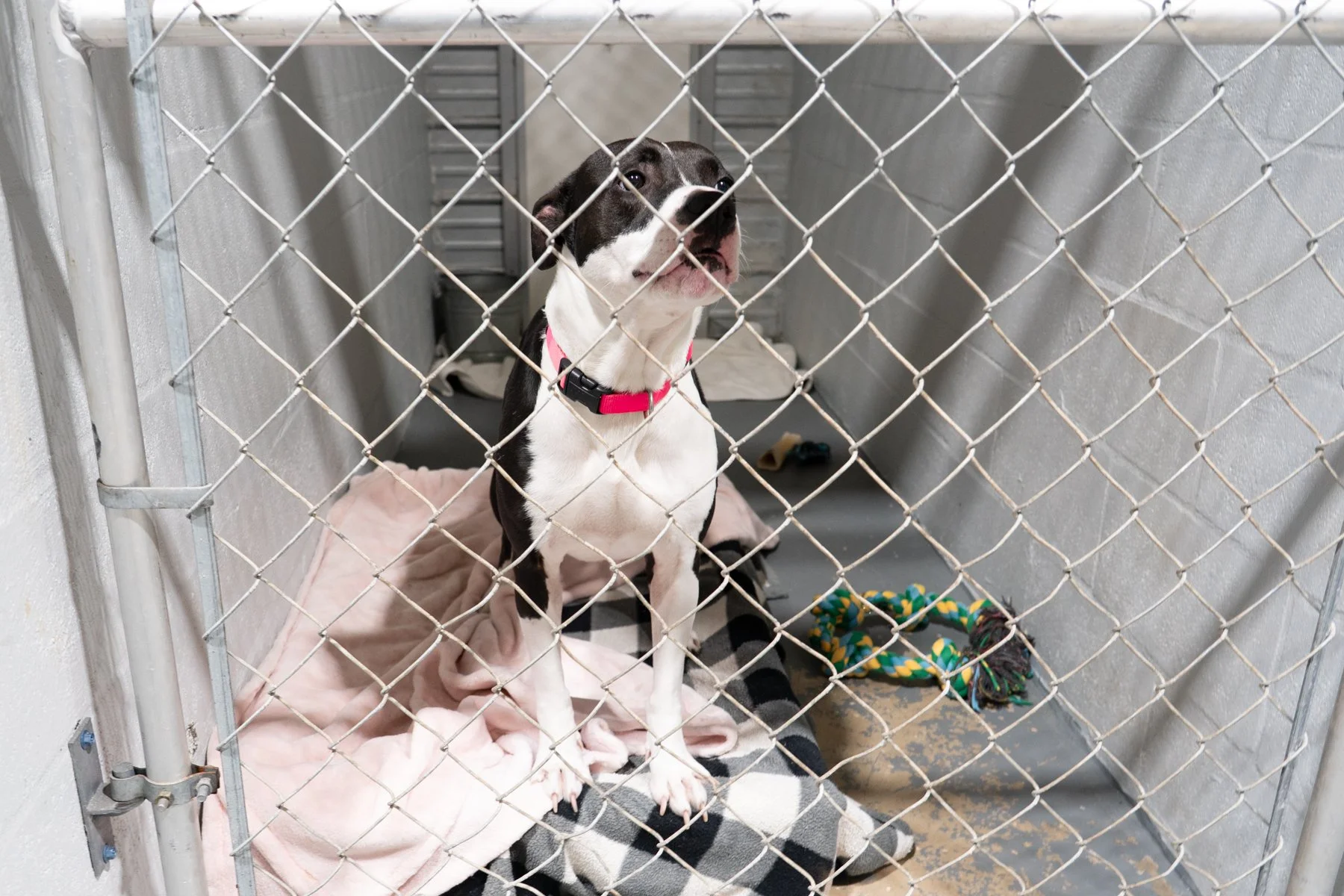
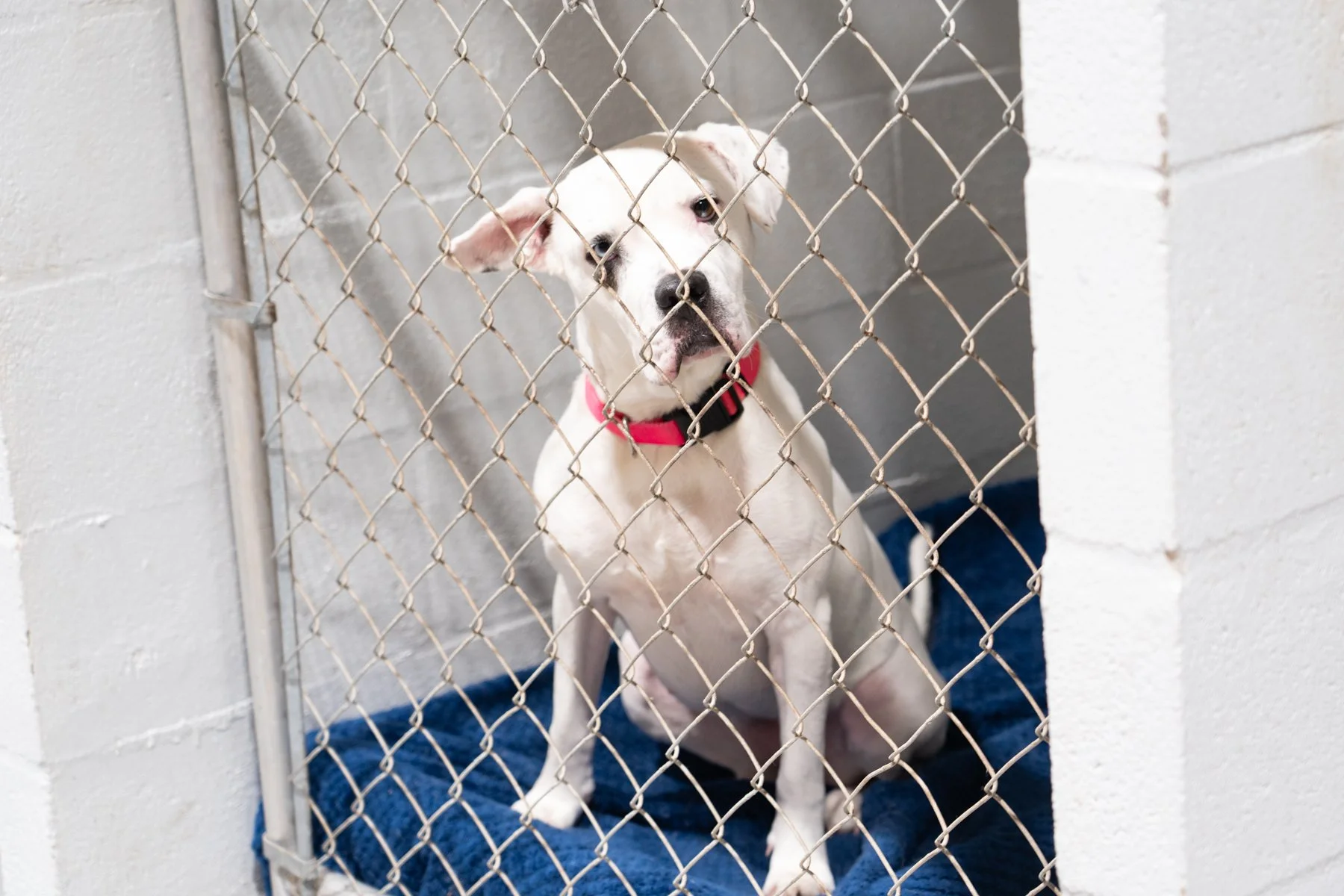
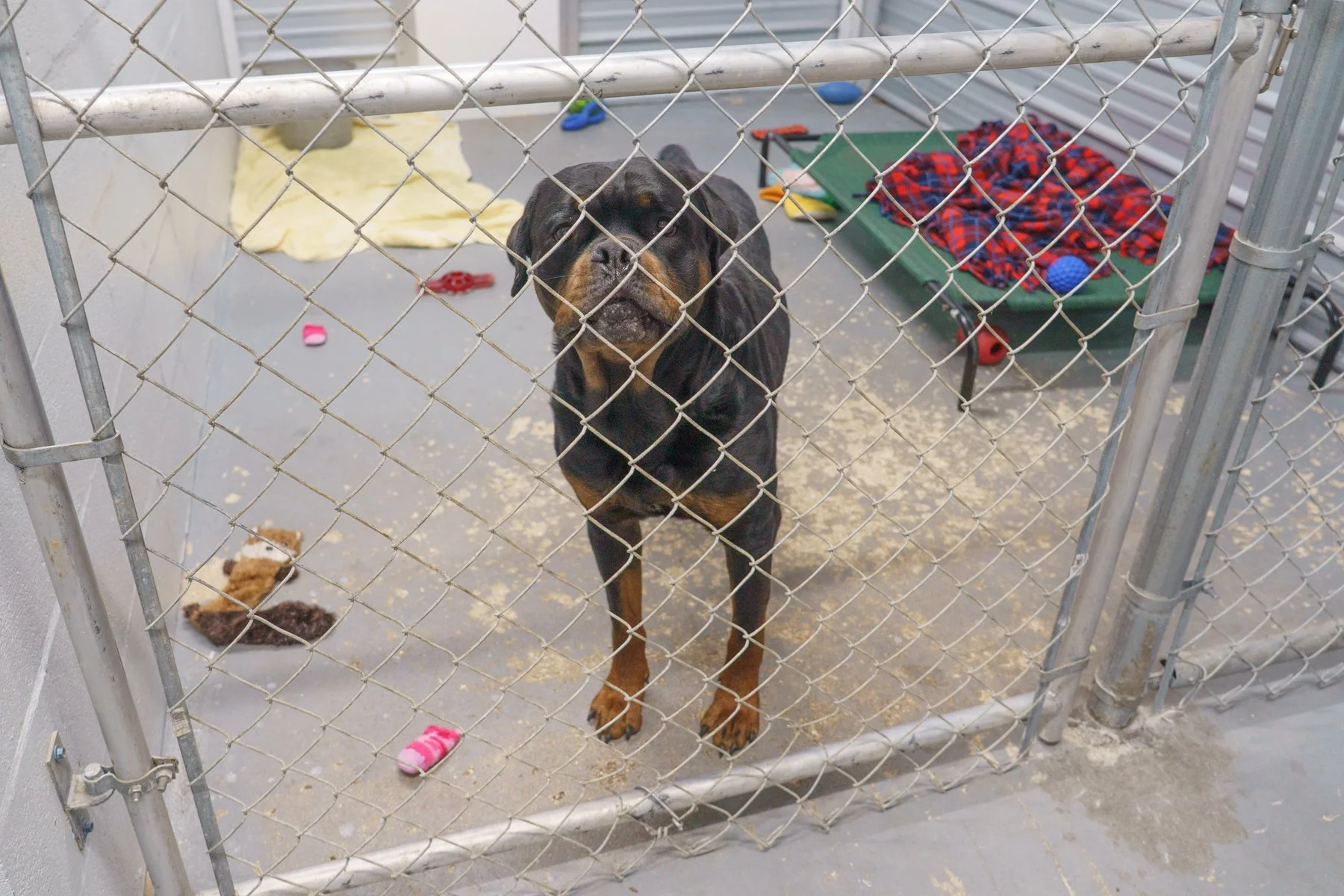
Smart strategies that set the shelter apart.
Roxanne has made a lot of smart moves, like having her Animal Control Officer (who she credits with teaching her how to run a shelter) and the shelter vet on the shelter’s board. The municipalities all pay into the expenses of the shelter, and the city of Edgewater owns and maintains the building. They are a nonprofit, so they depend on grants and fundraising for the rest.
EAS is an approved placement for veterans through the Department of Defense’s Skillbridge program, which helps people leaving the military transition by placing them in positions to explore their career interests. The shelter has had free Skillbridge placements at their front desk and within the shelter, and Roxanne says they’ve been amazing employees.
Bethune-Cookman University students are frequent visitors and volunteers at the shelter, especially during breaks. One of the professors brings them to volunteer.
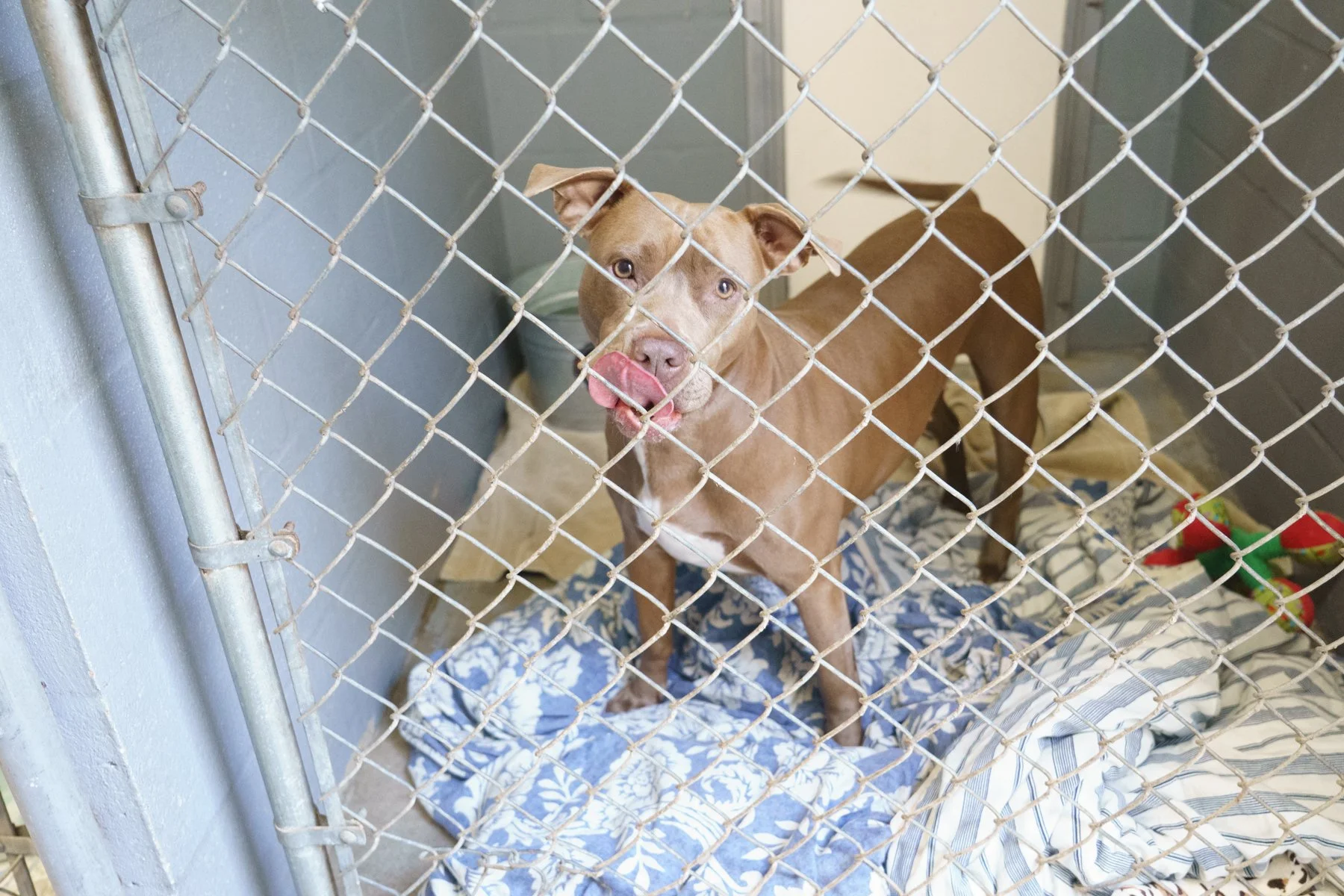
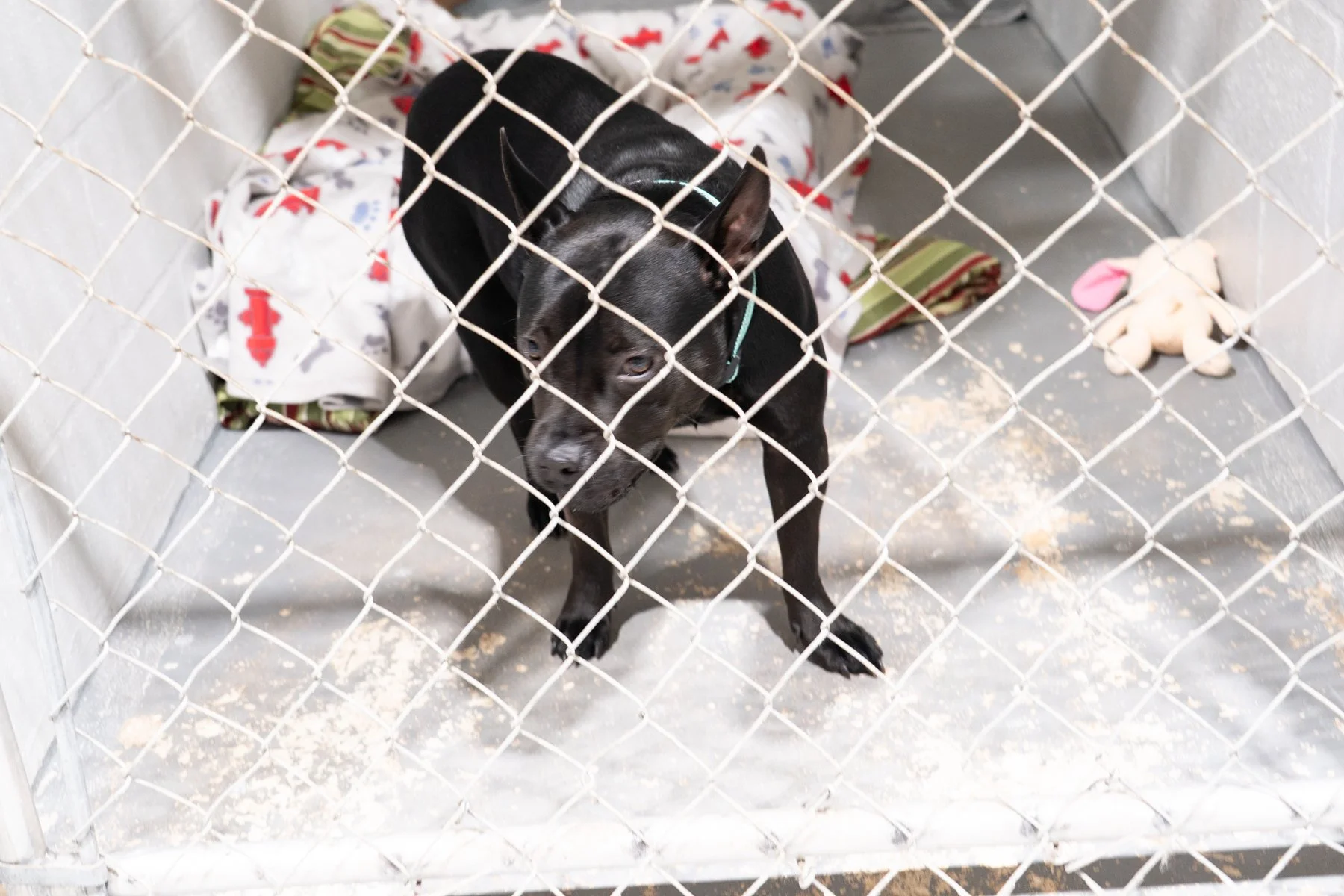
The shelter has 50 large dog kennels, and the average length of stay can run 4-5 months (for a 50lb pitbull type dog). They work closely with Sophie’s Circle, the local rescue that Roxanne volunteered with before taking over the shelter, passing some dogs back and forth depending on which organization is more likely to be able to place the dog.
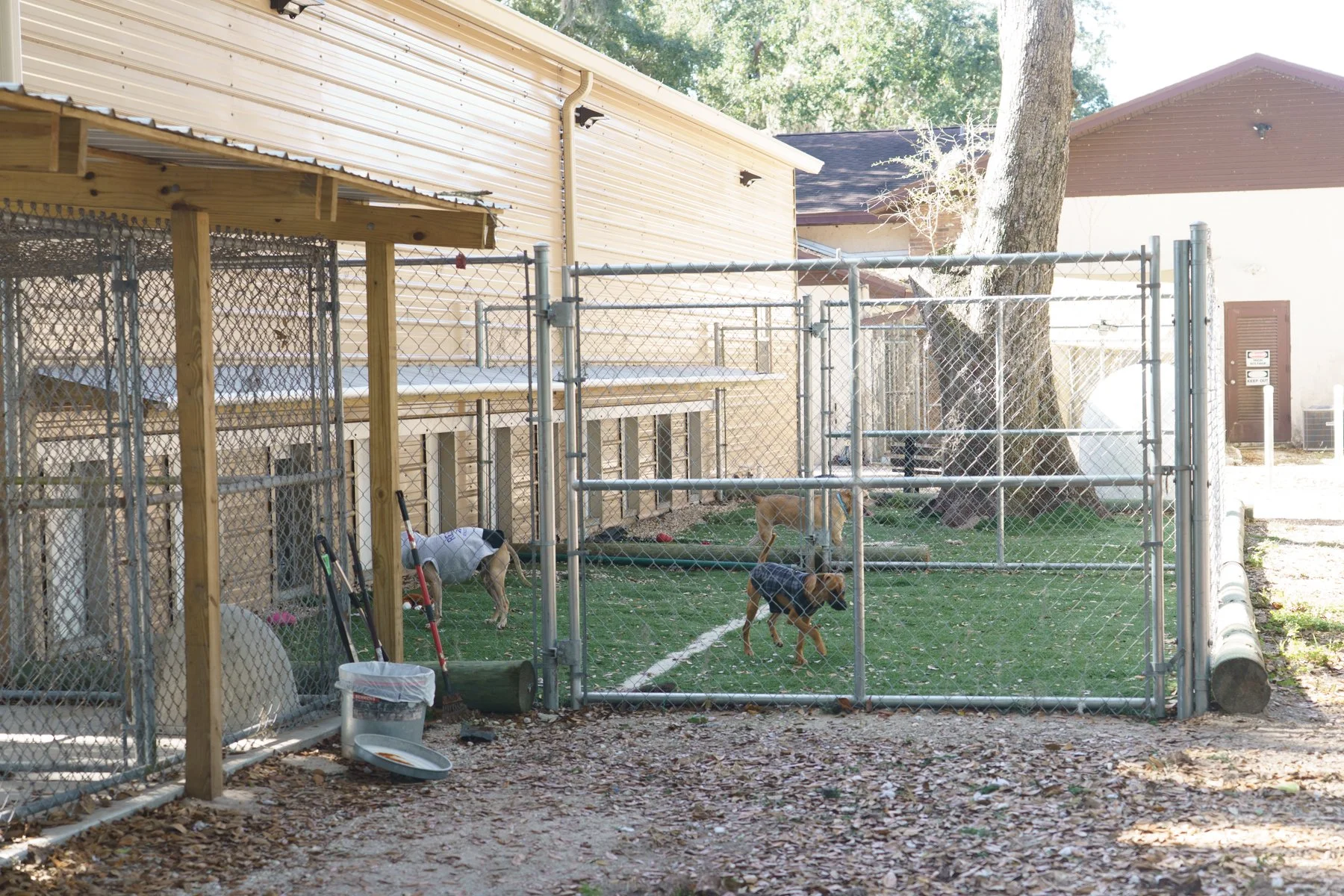
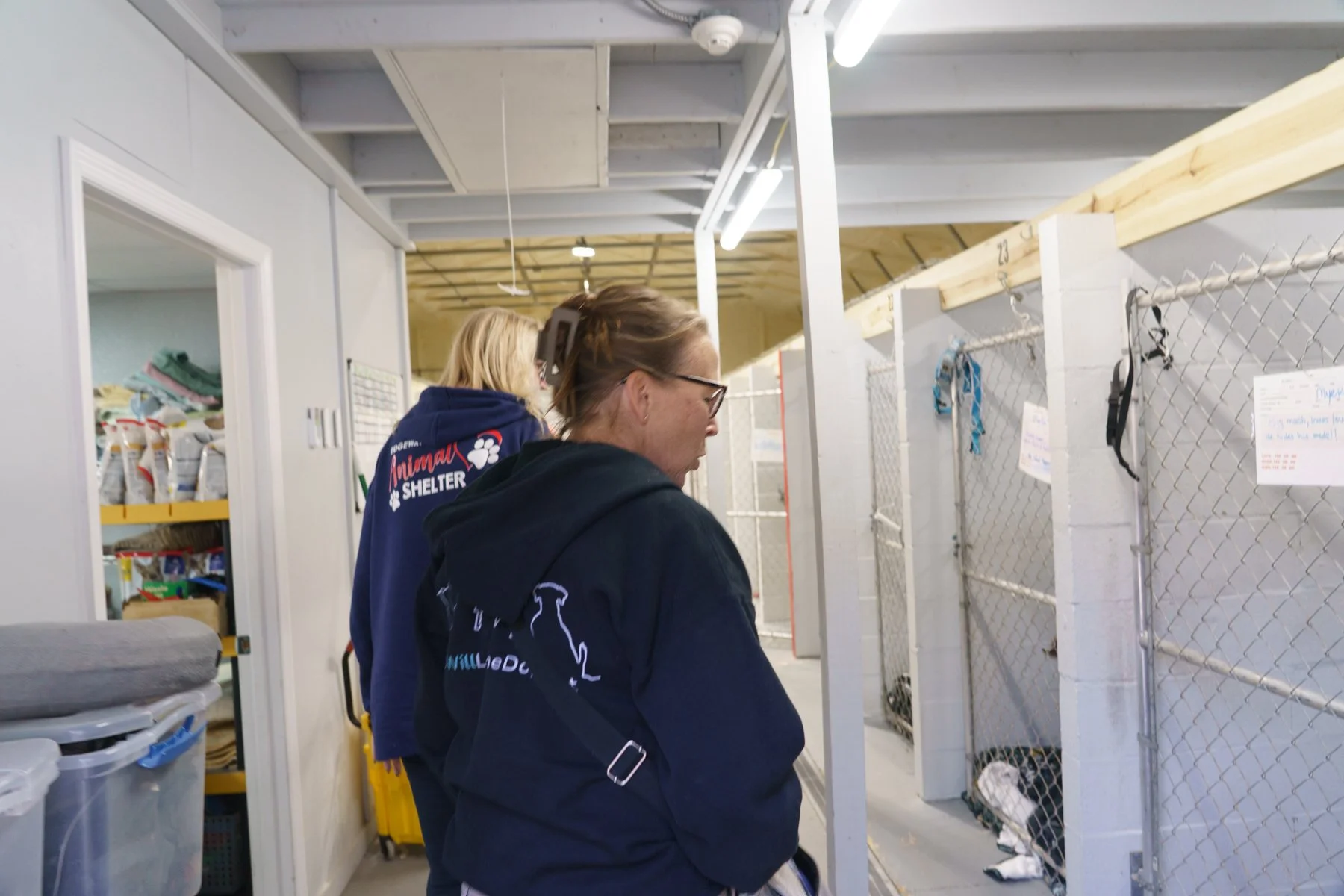
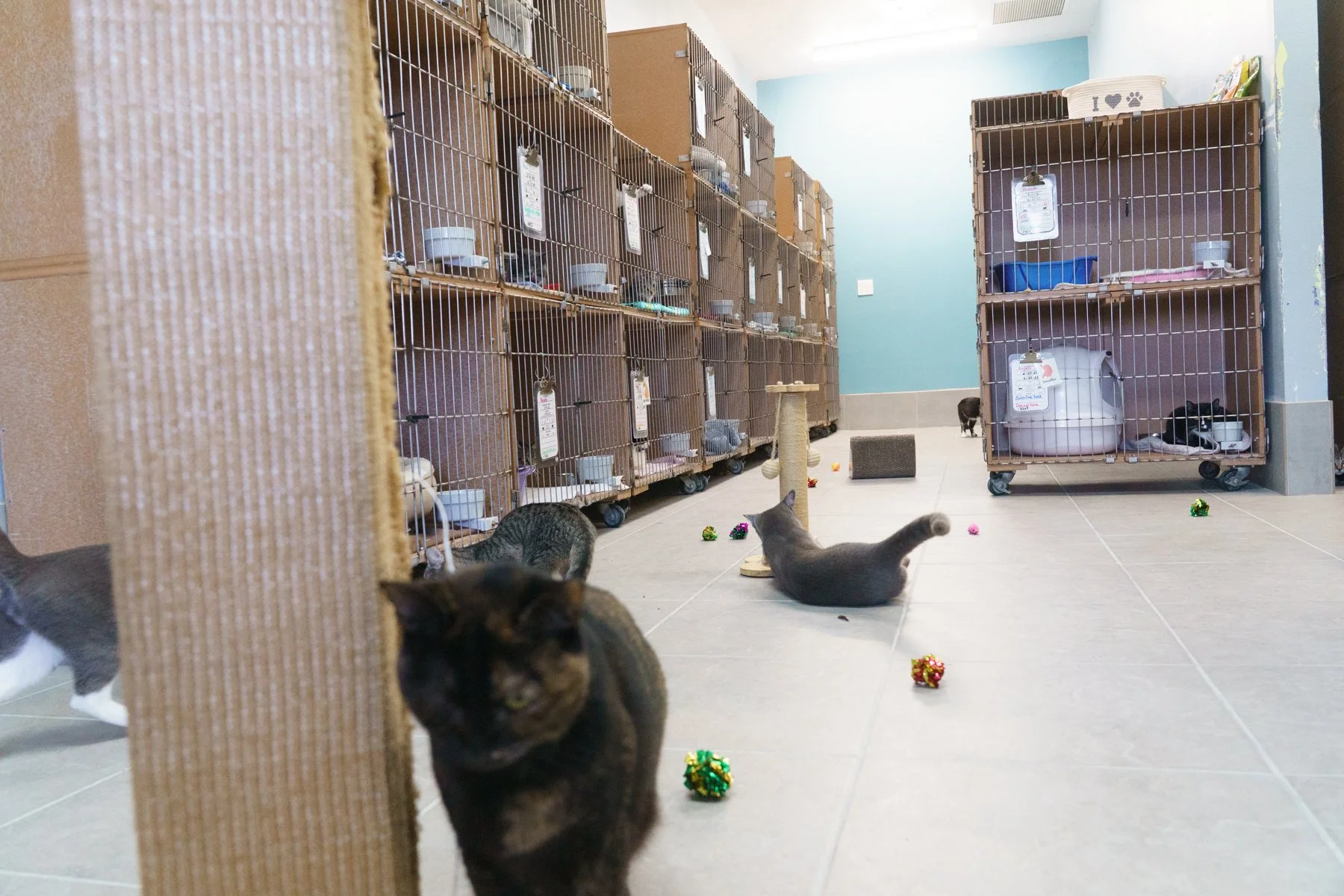
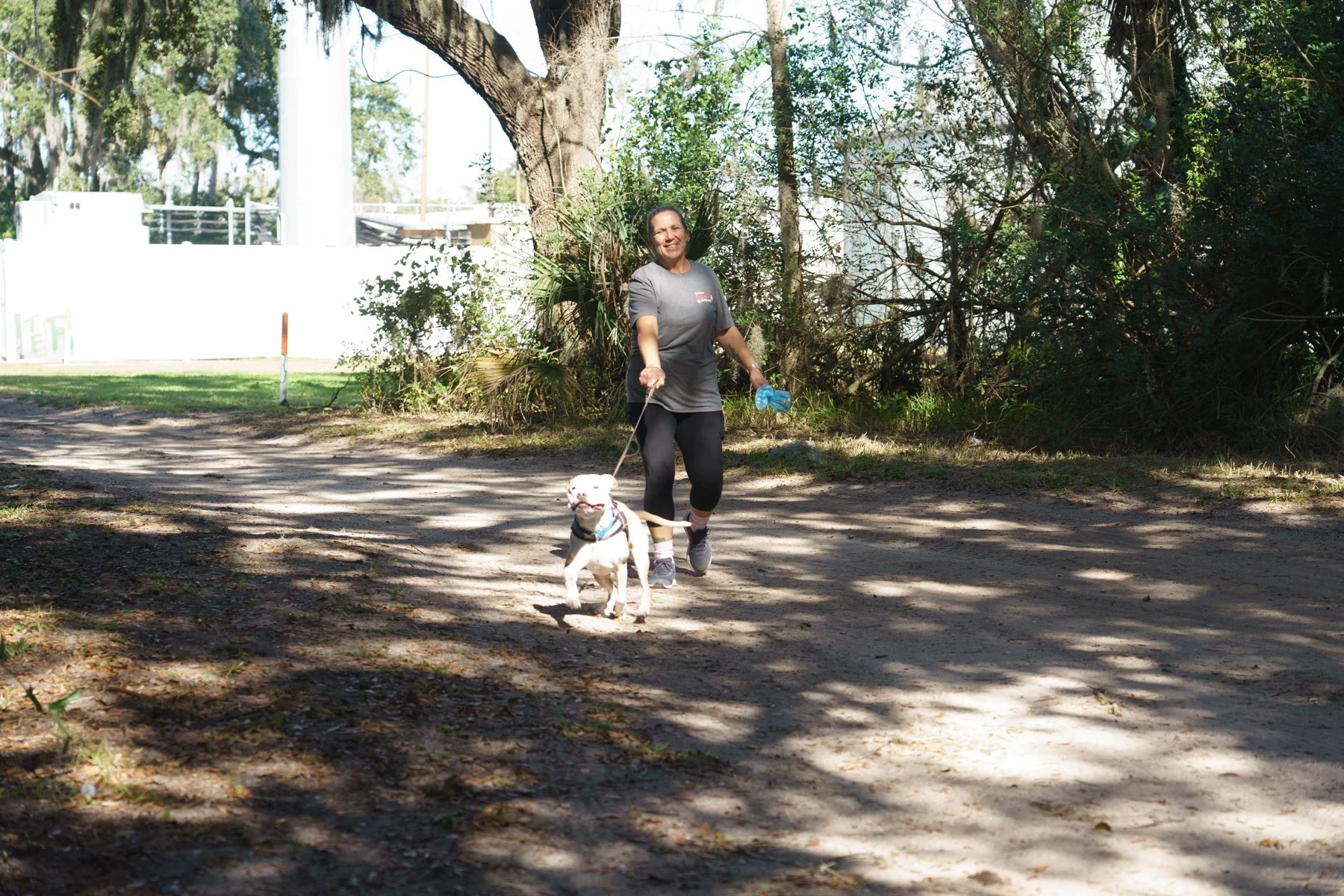
Volunteers help in the shelter and take dogs out and about in the community to give them experiences and help them find adopters. Fosters help with hospice care, nursing cats/kittens, and bottle babies. Like every shelter, they run short on supplies at times, but Roxanne knows that if she puts a plea out on Facebook for something like paper towels, her parking lot will fill up with donations.
Valuing staff and serving community
Roxanne values her staff and her community; her transparency and willingness to have hard conversations make her the right leader for the shelter and a good boss. She says Dynah, who is the office manager and so much more, is worth her weight in gold.
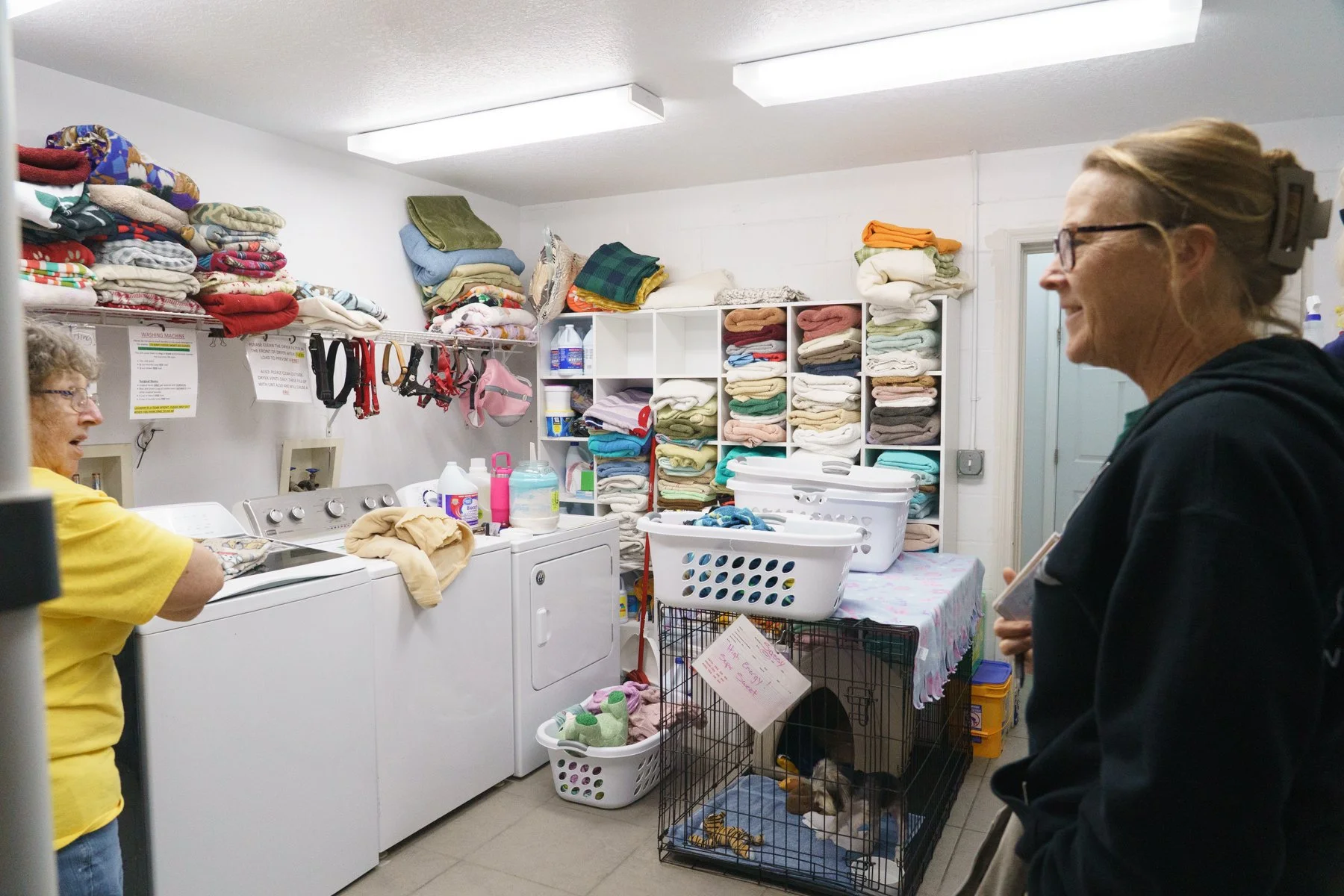
Cleaning protocols at the shelter are outstanding, and it’s possibly one of the only shelters we’ve walked through that didn’t smell like a shelter. That is thanks to Dynah, who has taken on that challenge from day one. The shelter uses the Wysi-Wash system to clean, plus plenty of Rescue and bleach, but interested people should reach out for advice.
Roxanne is very conscious about her responsibility to her community and the animals. She will not adopt out a dog who is questionable in terms of safety, and she will not hold a dog indefinitely, subjecting it to a lifetime in a shelter. This is a stance I wish more shelter directors would take, but it comes at the cost of upsetting your public, and it requires that you’ve built a strong, transparent relationship with your community. Roxanne has done that. As she said, “It’s taken time.”
We asked Roxanne what the secret is to building this kind of relationship with your community. “We help everyone who comes through the door.”
She explains that there is often a story behind every situation, whether it's a neighbor’s complaint or someone asking to surrender a pet. The staff is willing to listen and find the best solution. They would much rather accept someone’s animal than wait for that animal to be dumped.
As everywhere, they are seeing the stray population increase despite their policy of accepting owner surrenders. In 2025, they handled 225 more animals than in 2024.
We’ve been to so many shelters, heard so many stories, but this one stands out for all it can teach us about real sheltering. Edgewater Animal Services has created a place that not only saves lives daily but also serves as a true resource and important partner for its community.
If you’d like to support this outstanding shelter, consider shopping one of their wishlists and sending them a message of thanks!
Amazon: https://a.co/2Jmn9B1
Chewy: https://www.chewy.com/.../edgewater-animal-shelter-inc...
The Shelter Shift (we all need)
Roxanne has an excellent, very educational Instagram page called The Shelter Shift that I encourage anyone involved in shelter work or who wants to understand our animal crisis to follow.