

The Case for Responsible Pet Ownership Education
WWLDO is getting ready to launch our newest Grant program!
This program will be available to our shelter/rescue partners. It focuses on teaching responsible pet ownership to children utlizing a presentation created by Robin Lapre, as part of her work with one of our longtime partners, CASA Transport. Listen to Robin’s story of how and why the program came to be. Read to the end to find out how our shelter partners can take advantage of this new grant.
My first foray into the world of animal shelters began when I signed up to walk dogs at my local animal shelter in Tennessee in 2017.
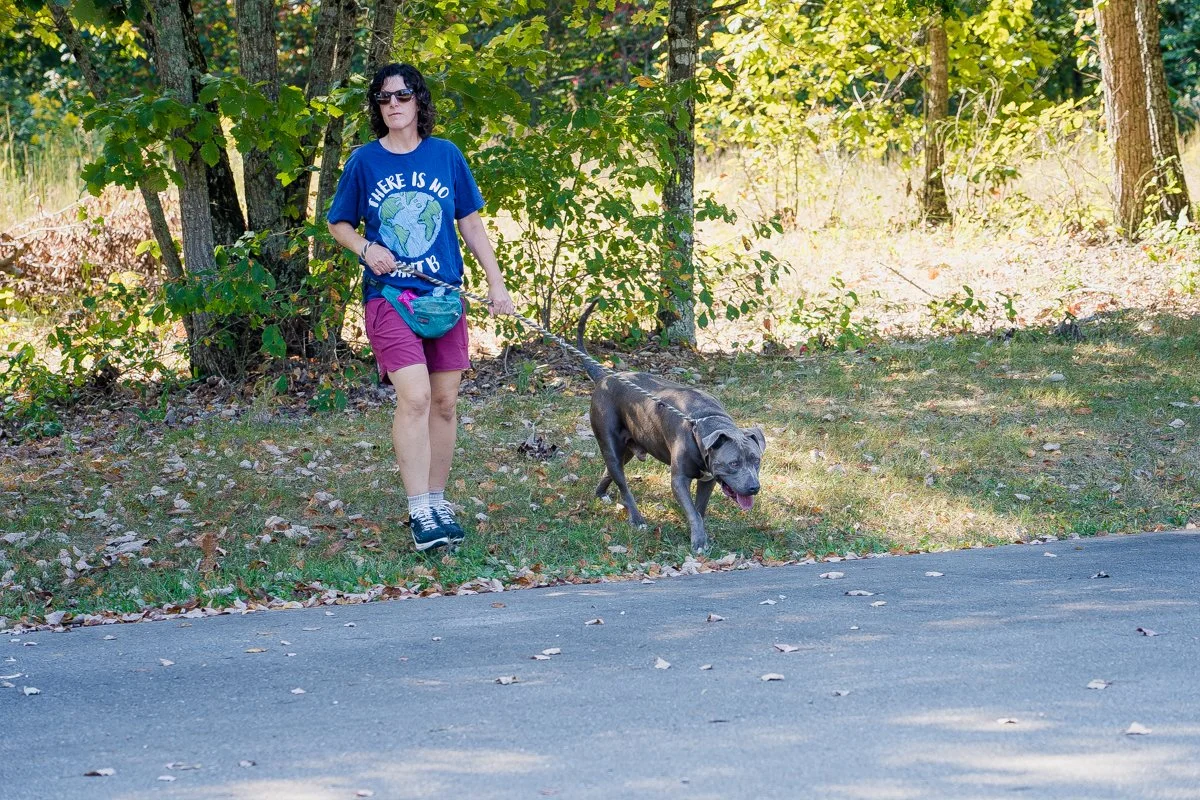
What started as an “extracurricular” activity soon became a passion, if not a calling. I quickly became very interested in why there were so many dogs in shelters and what we could do about it.
Despite amazing efforts to adopt every dog, it’s hard to feel we are winning the battle when dogs continue to come in at a dizzying pace. Looking at intake lists, common themes emerged: Dogs were roaming without identification, unaltered, and most would never be returned to their original owner.
Seeing this play out again and again, I concluded that many people had simply never learned the core components of responsible pet ownership. Without role models or education, how would they know? These were the very people we needed to reach, but the question was how?
For me, the answer was in our schools. In schools, you will find families from every corner of your community. Students are receptive learners who can share knowledge with their relatives, their friends, and neighbors. Children are our future pet owners. And frankly, young people have already seen a lot when it comes to animals. They are not naive in this regard.
With this in mind, I set out to find educational materials on responsible pet ownership to share with students. I needed a book that was easy to read, yet clearly explained the necessities of food, water, and shelter. I needed a book that talked about spay/neuter, microchips, and why we shouldn’t let dogs roam. And I needed a book that was short enough to be read in a single session, because I would likely have only one chance to talk to any given student.
I was surprised how hard it was to find this book! I found good books about practicing kindness and bite prevention, but very few about spay/neuter or microchips. This led me to the realization that traditional humane education is not primarily about responsible pet ownership. Humane education emphasizes social-emotional learning, particularly empathy, and is often intended for a younger audience. It’s excellent for giving children an appreciation for animals, the planet, and for each other. Responsible pet ownership can be considered a part of humane education, but it’s not the driving force.
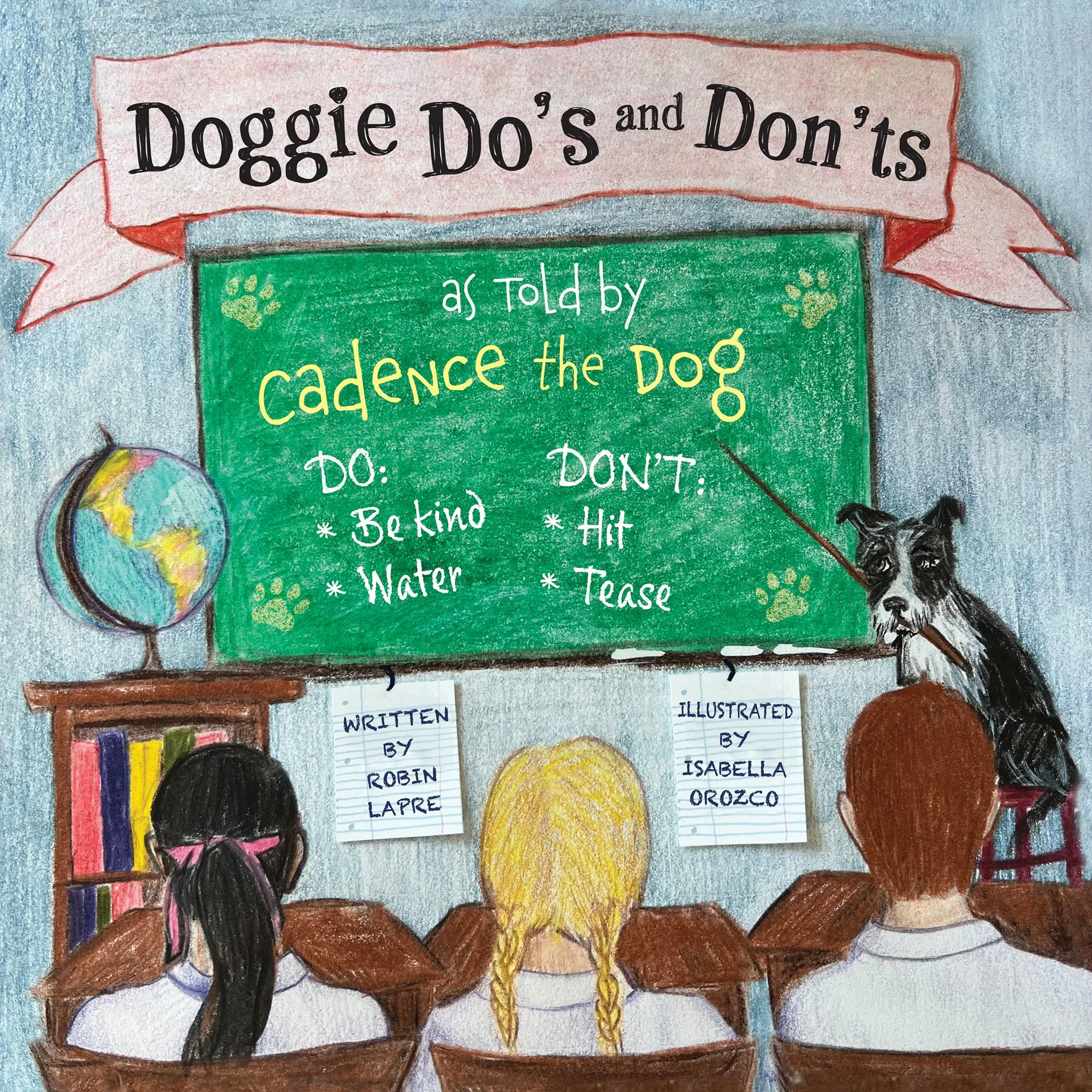
This explained my difficulty in finding books specifically on responsible pet ownership geared toward middle-to-late elementary age students. Still in need of teaching materials, I took the plunge and started writing my own books. In 2024, I published Doggie Do’s and Don’ts as Told by Cadence the Dog, illustrated by the talented local artist, Isabella Orozco. This book covers topics I wish all pet owners knew, but is written at a 2nd-grade reading level to make it accessible to readers of all ages.
Approaching schools required persistence, but one positive experience led to the next. When I saw that most schools used smart screens, I quickly switched from paper books to PDFs for computer-based presentations. The big screens allowed me to speak to large groups of students at one time. I got inspired to write three more books, including two about cats, with one focusing almost entirely on spay/neuter.
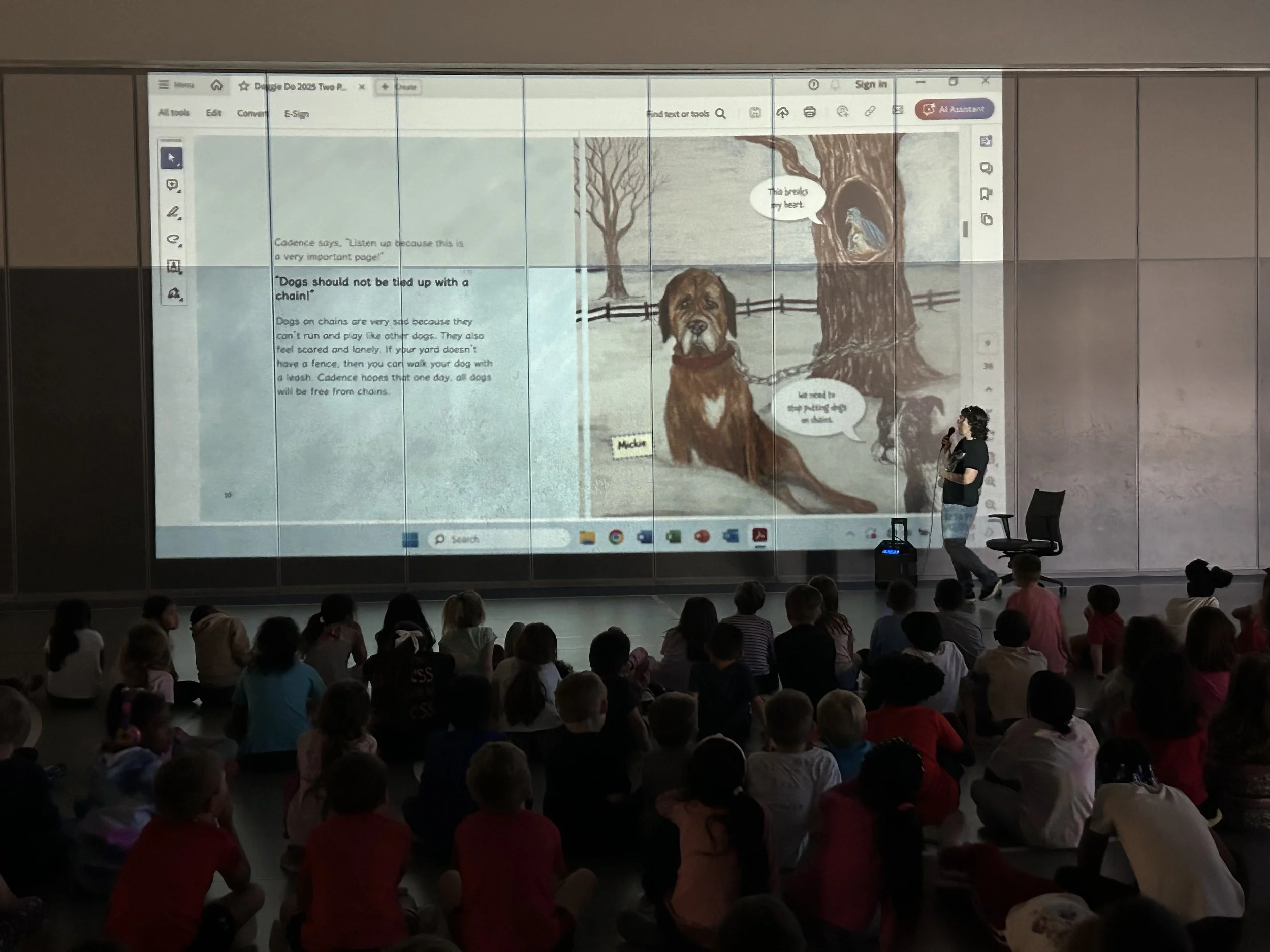
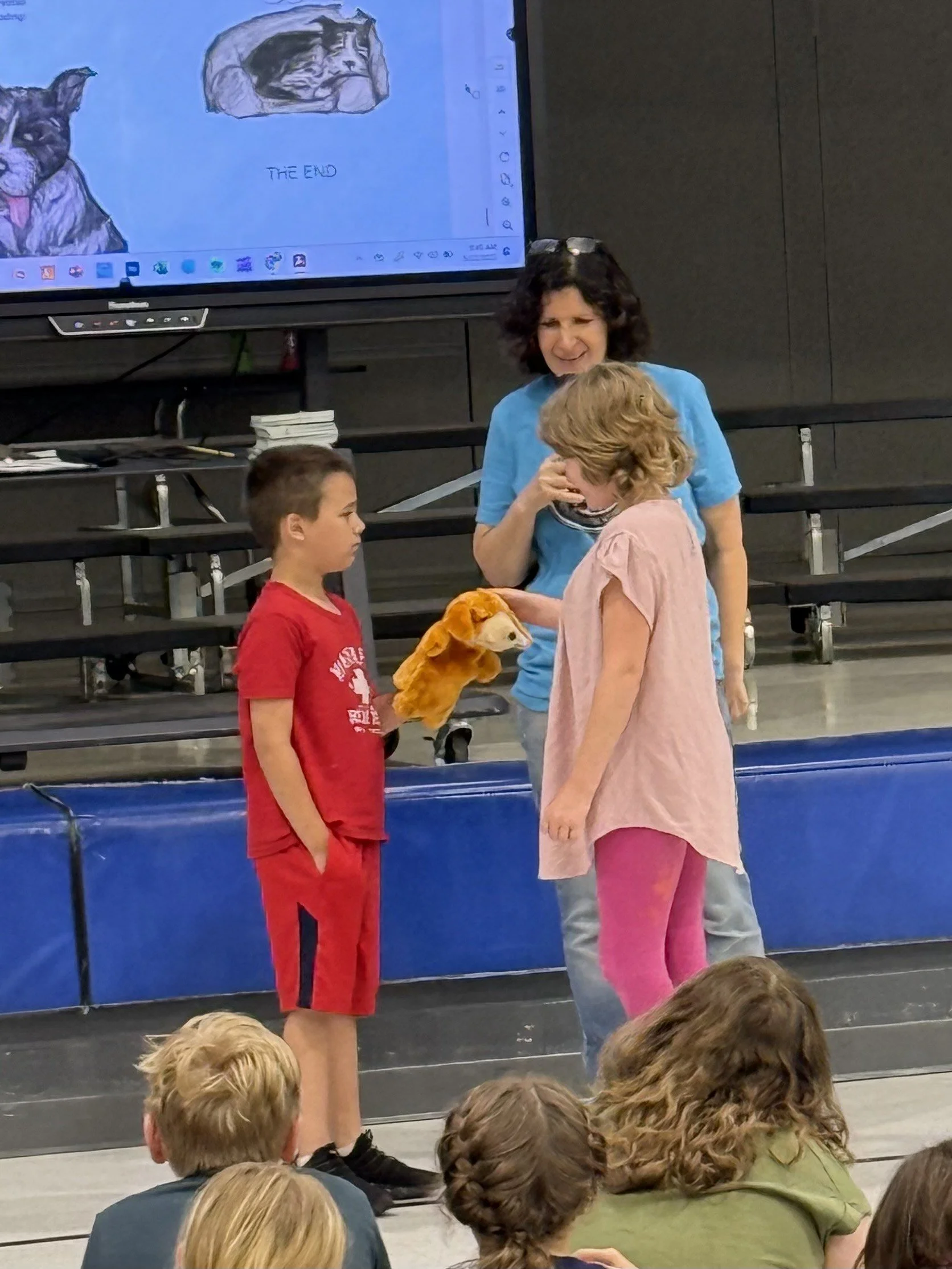
By December 2025, I had spoken to more than 9,000 students throughout Middle Tennessee, ranging from Pre-K through sixth grade. I have been impressed by the quality of the discussions and the students' candor. Quite a few have had nursing mama dogs at home and know a lot about animal behavior. Many have suffered dog bites. We make learning fun through lots of interaction and role play.
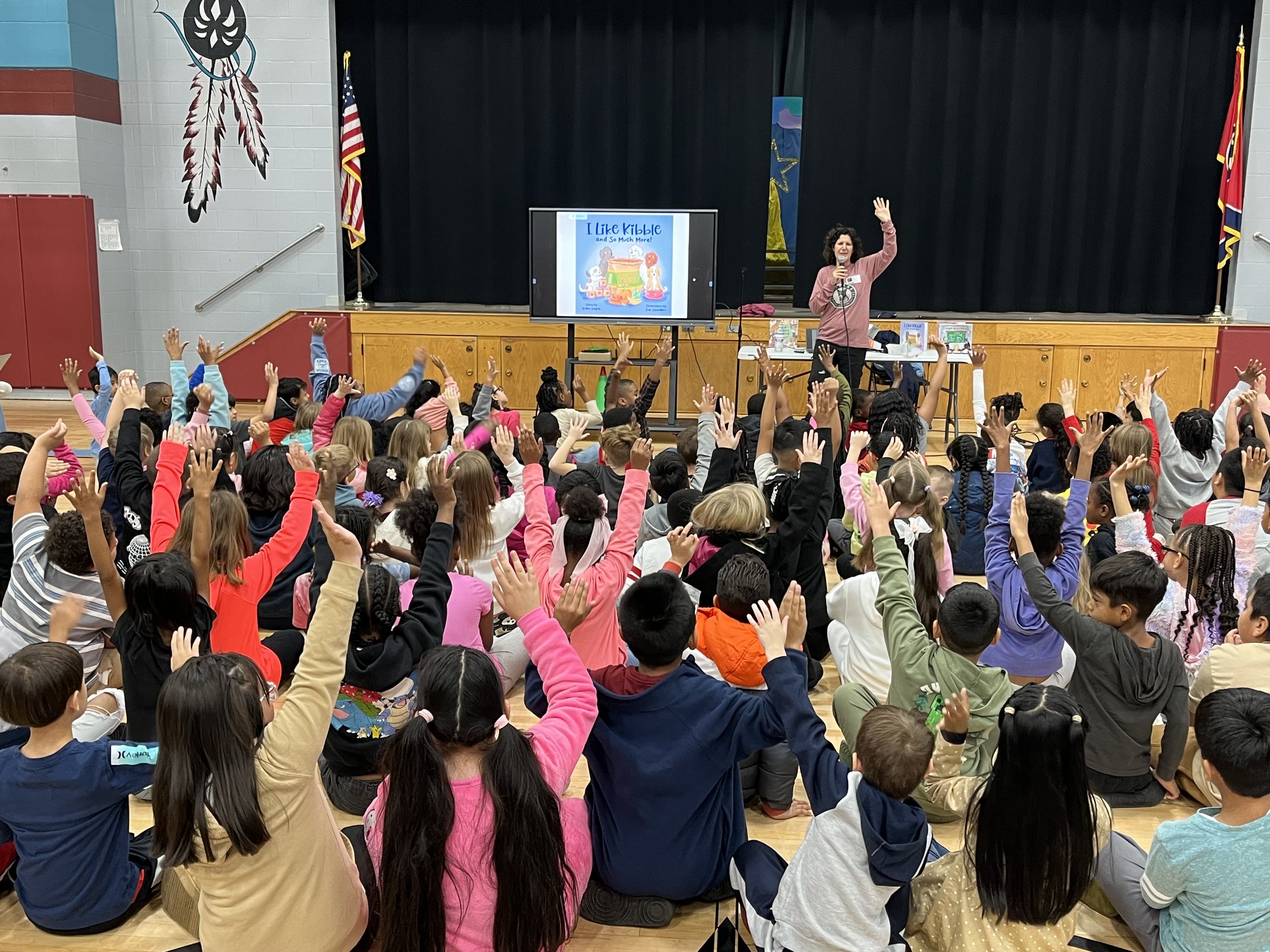
Will education bring about a change in how people care for pets? Not by itself. We still need accessible vet care and low-cost spay/neuter. But education is a necessary component to motivate folks to use these resources. The full impact of education might not be felt for years, but that only means we need to get going now, with some urgency.
My hope is that other organizations will embrace humane education with a shift towards responsible pet ownership. We have to make our case to the people (all of them), and seek out the demographics that are in greatest need of this information. The fact is that we cannot adopt our way out of pet homelessness. But when we pair education with access to services, then we can bring about lasting improvements in the care of dogs and cats in our community.
Ready to bring the program to YOUR area? Here is what is provided:
Educational Grant provides:
PDF version of Doggie Do’s and Don’ts as Told by Cadence the Dog.
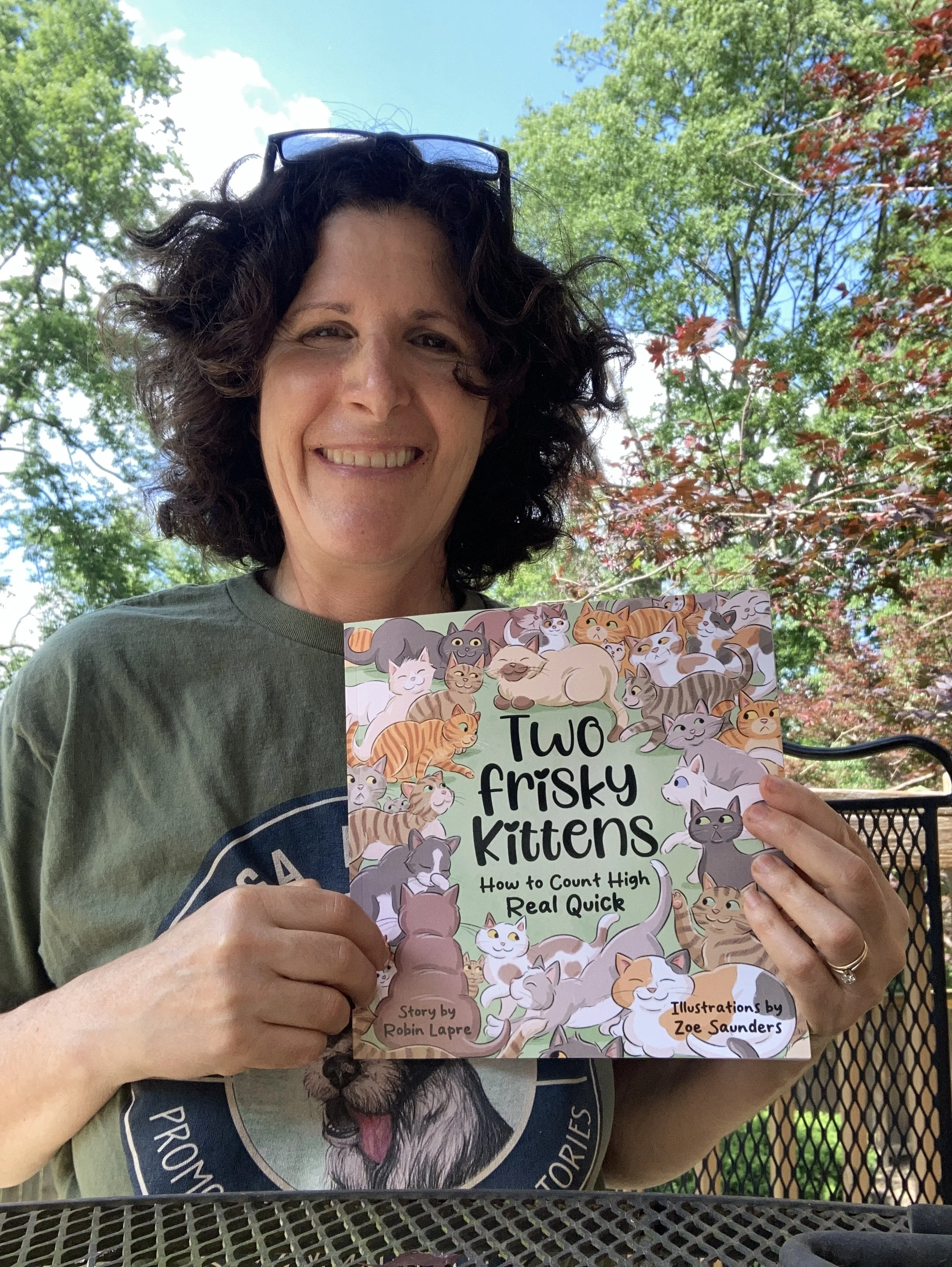
3 PDF versions of Two Frisky Kittens: How to Count High Real Quick
Working script to guide classroom conversation.
4 hardcover books of current CASA PAWS titles for the school library.
Doggie Do’s and Don’ts as Told by Cadence the Dog
Two Frisky Kittens: How to Count High Real Quick
I Like Kibble and So Much More!
I Lost My Cat! Now What?
If you are a WWLDO shelter or rescue partner interested in this grant, contact Patty@wwldo.org to learn more. If you are not one of our partner shelters or rescues, you can still get access to the program by contacting Robin at Robin@casatransport.org.
And if you’d like a copy of Doggie Do’s and Don’t as told by Cadence the Dog (or any of Robin’s other books) you can find them on Amazon.
If you’d like more information about WWLDO, our programs, Resource Guide, social media pages, or to donate, click below for more info: