

The Difference a Little Help Makes
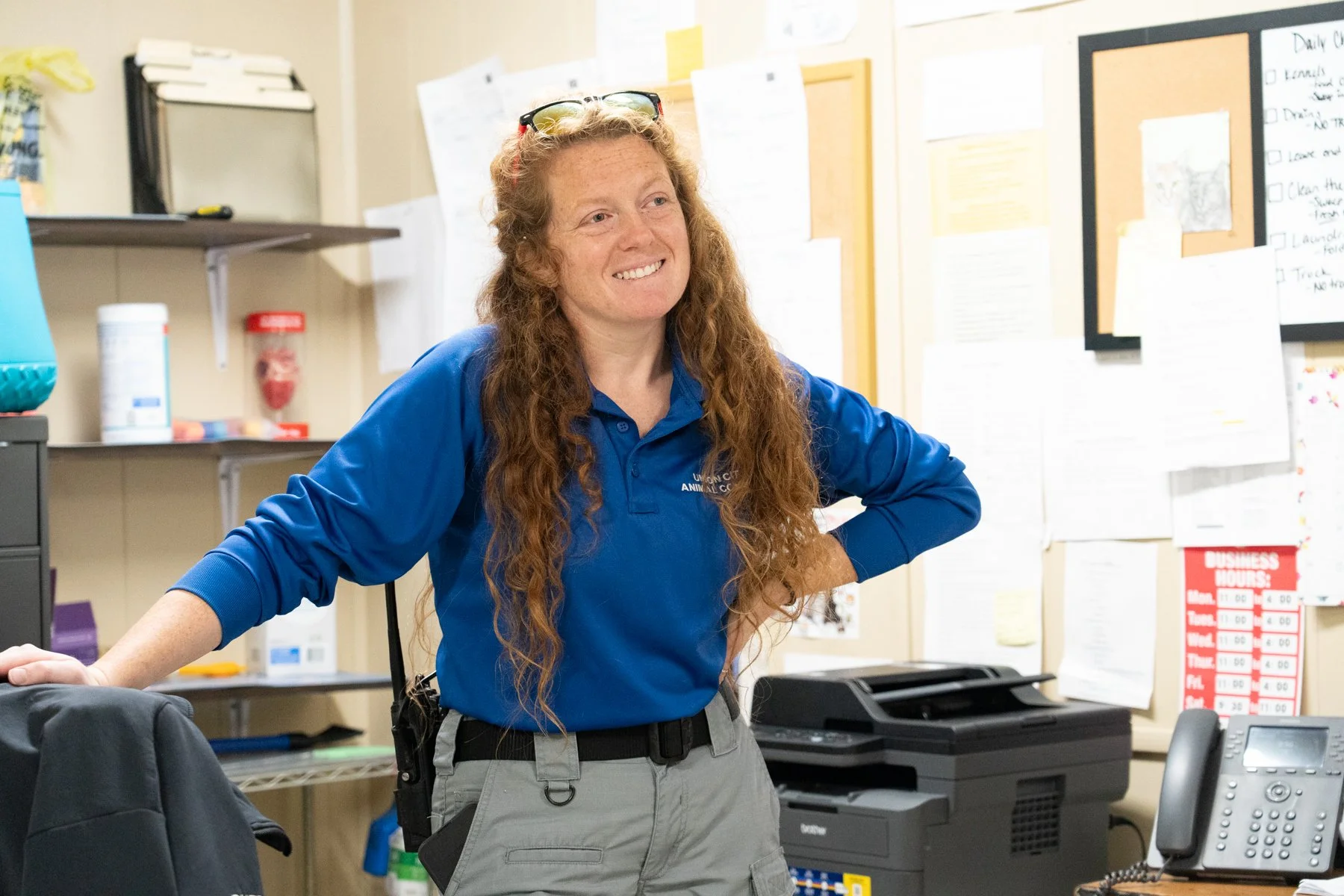
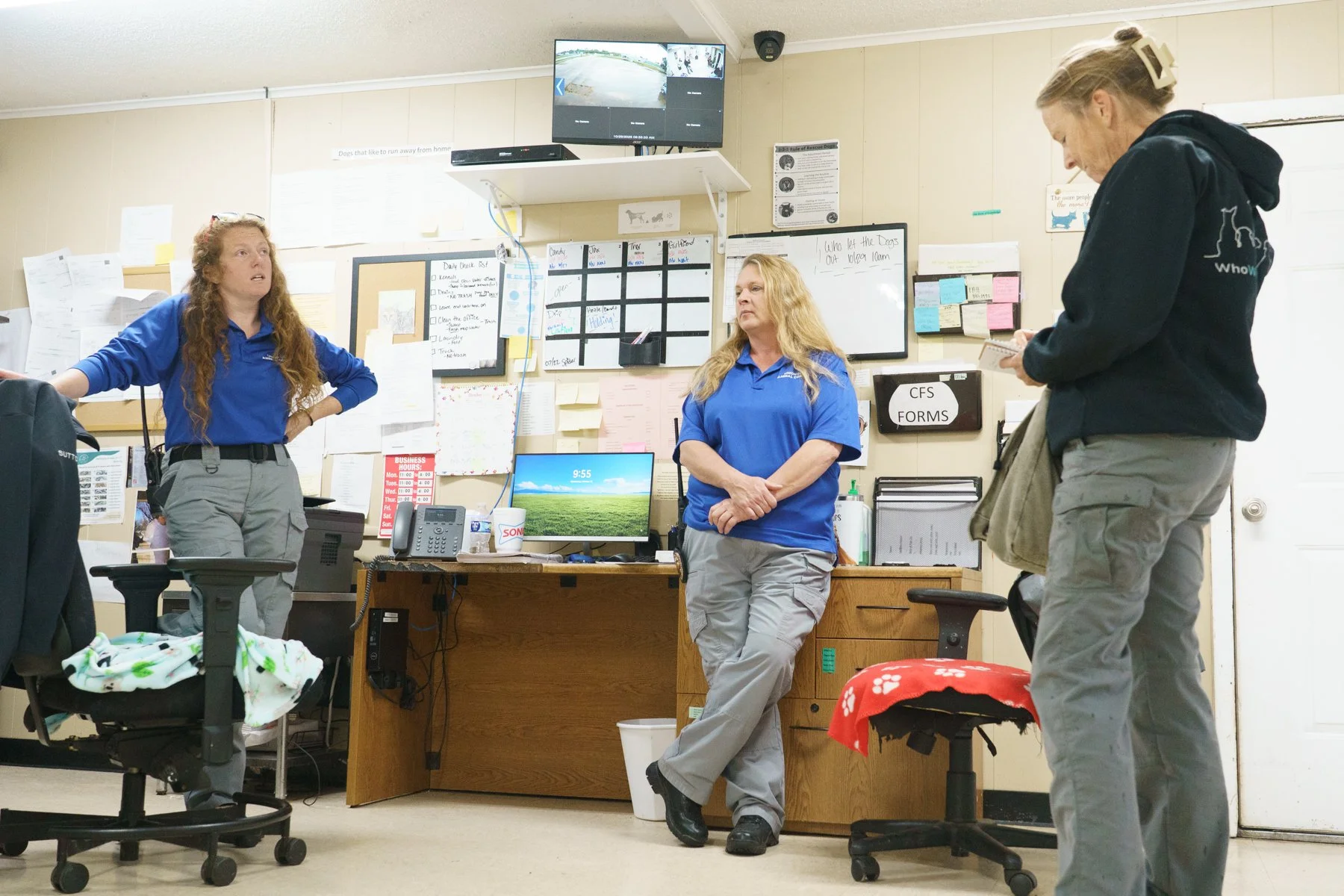
Alyssa has been the Animal Control Officer at Union City Department of Animal Control in northwest Tennessee for nearly six years. Much of that time, it was a solo show. Shelter work is hard, physically and emotionally. Hanging on to any help has proved challenging, and Alyssa has had nine employees in that time. Three months before our visit, the city hired Dana, who told us she would be sticking around.
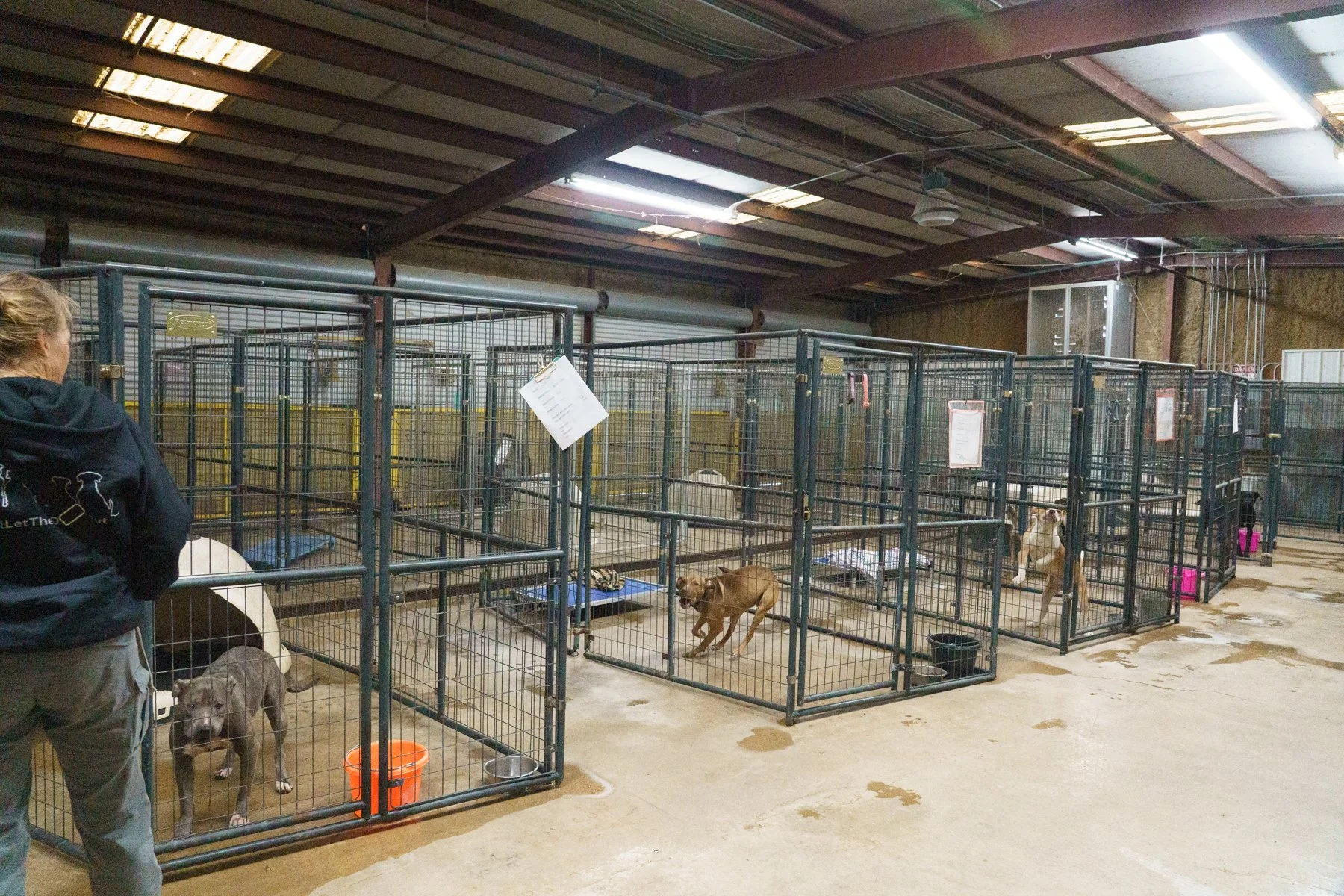
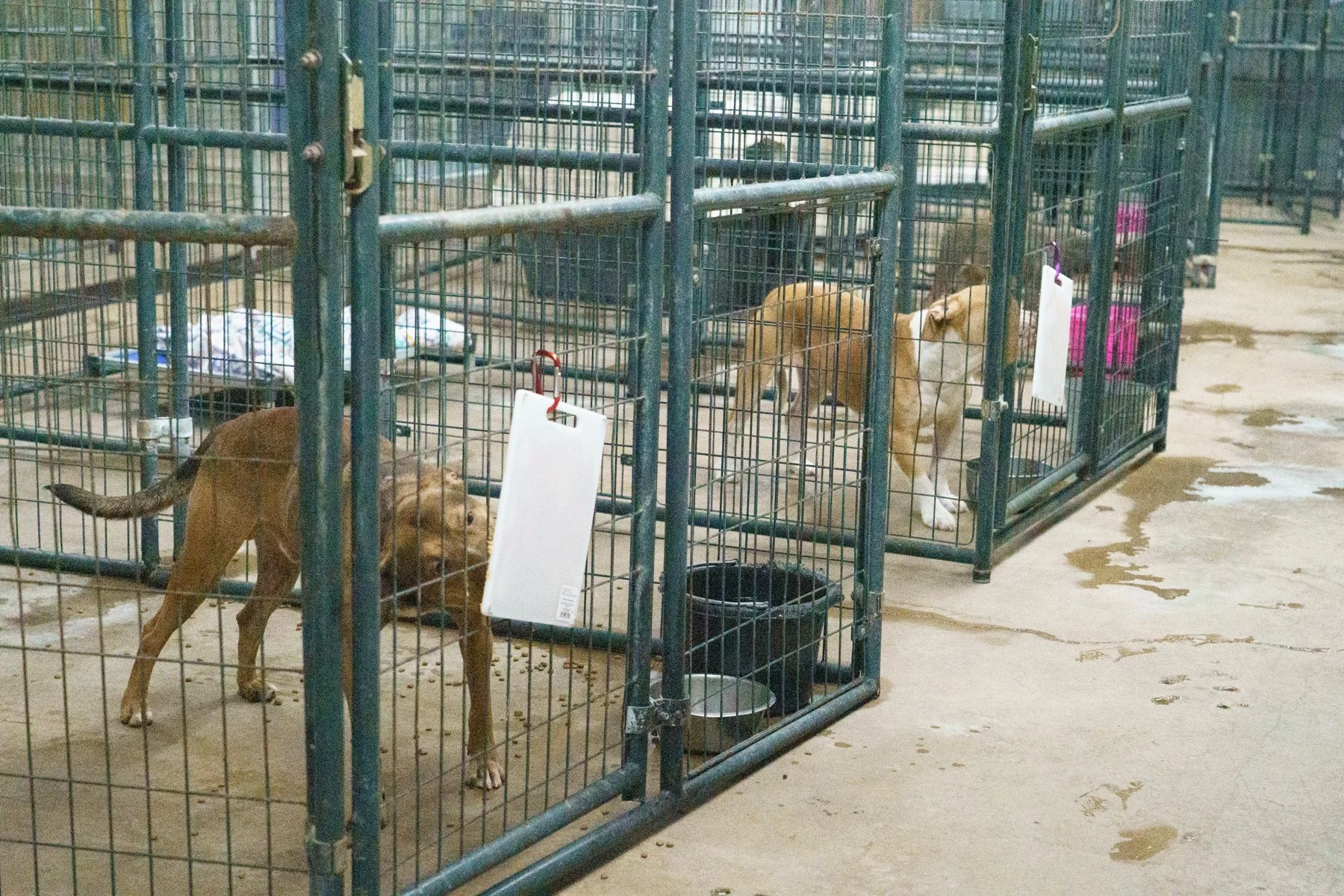
UCAC is housed in what appears to be a small distribution warehouse. The kennels are free-standing in a large bay. There are 12 available kennels, 2 emergency kennels, and several others that are too rusted and broken to use. Alyssa is hoping to find help via the community college to weld them back together and make them usable.
Space is critical to saving lives. The city’s stray hold is seven days. After that, Alyssa is supposed to euthanize the dogs, but as long as there is room and the dog seems adoptable, she will hold them longer.
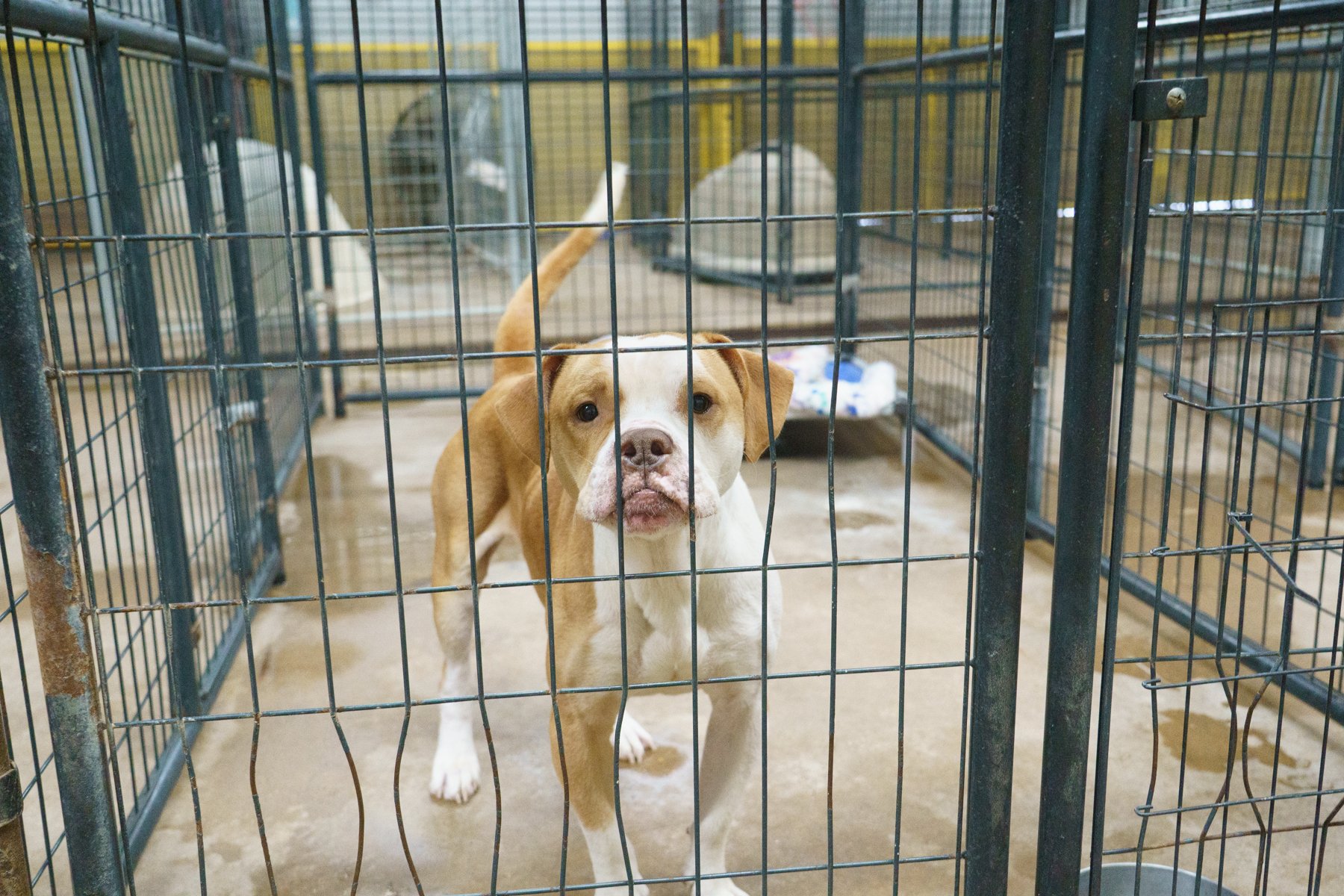
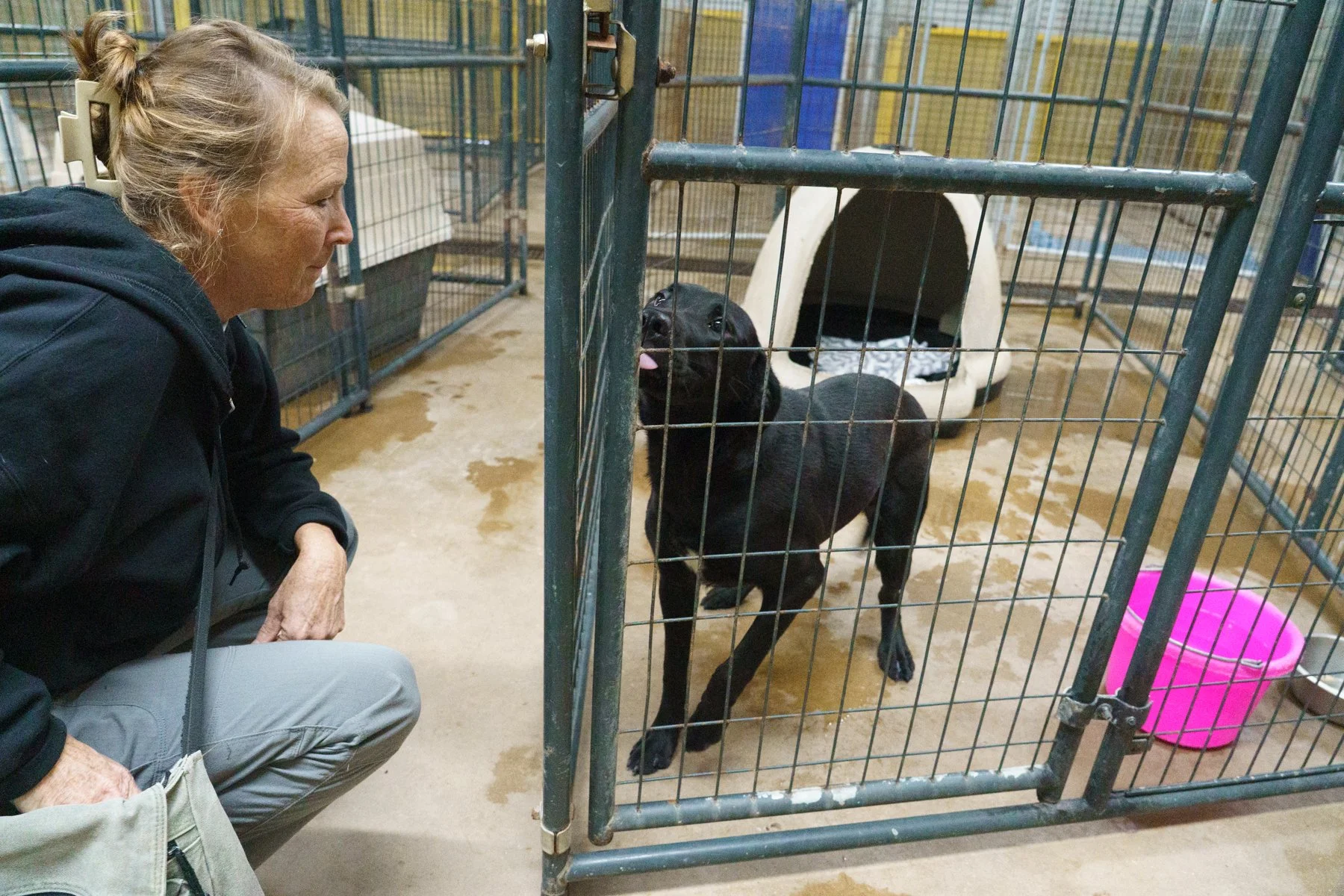
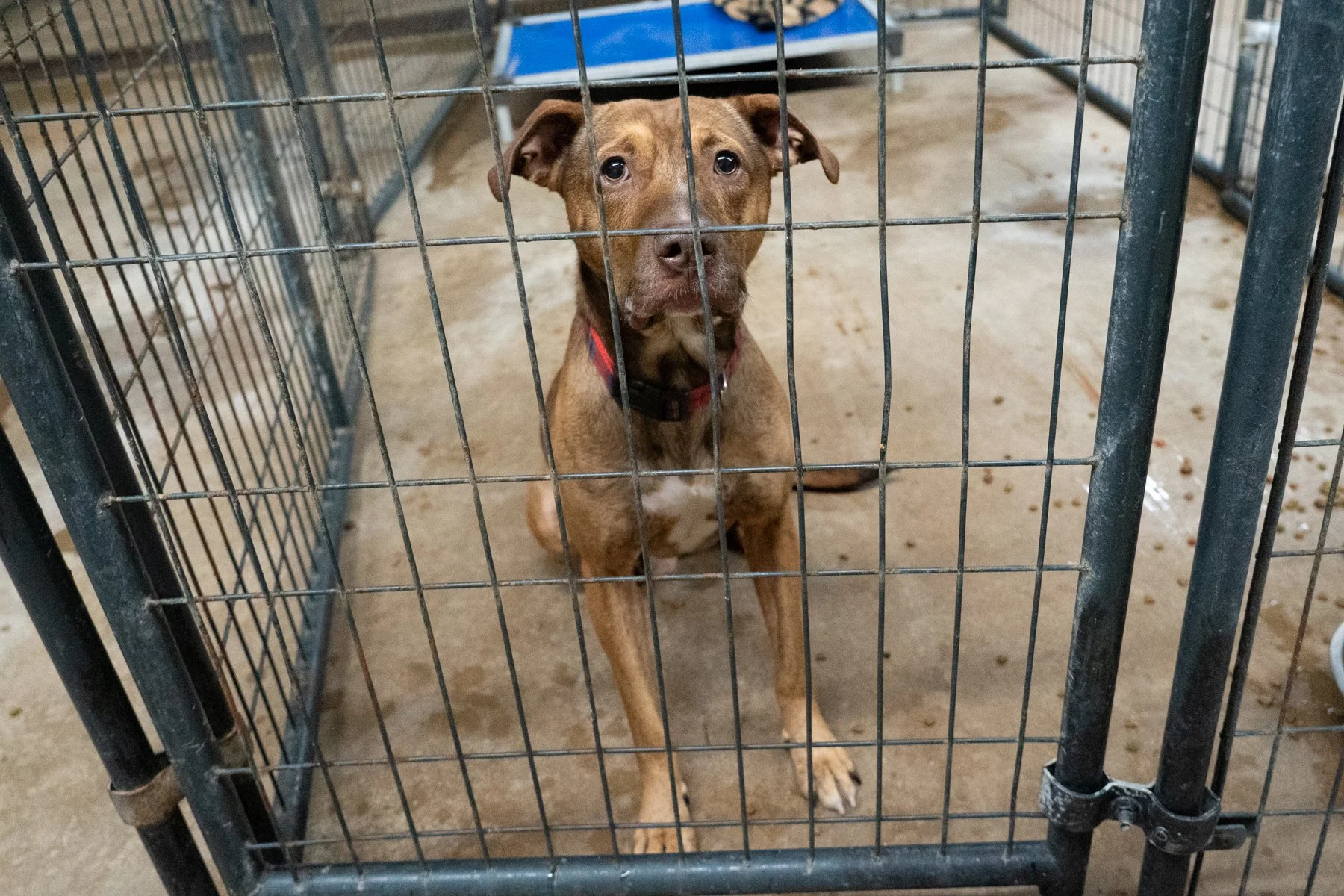
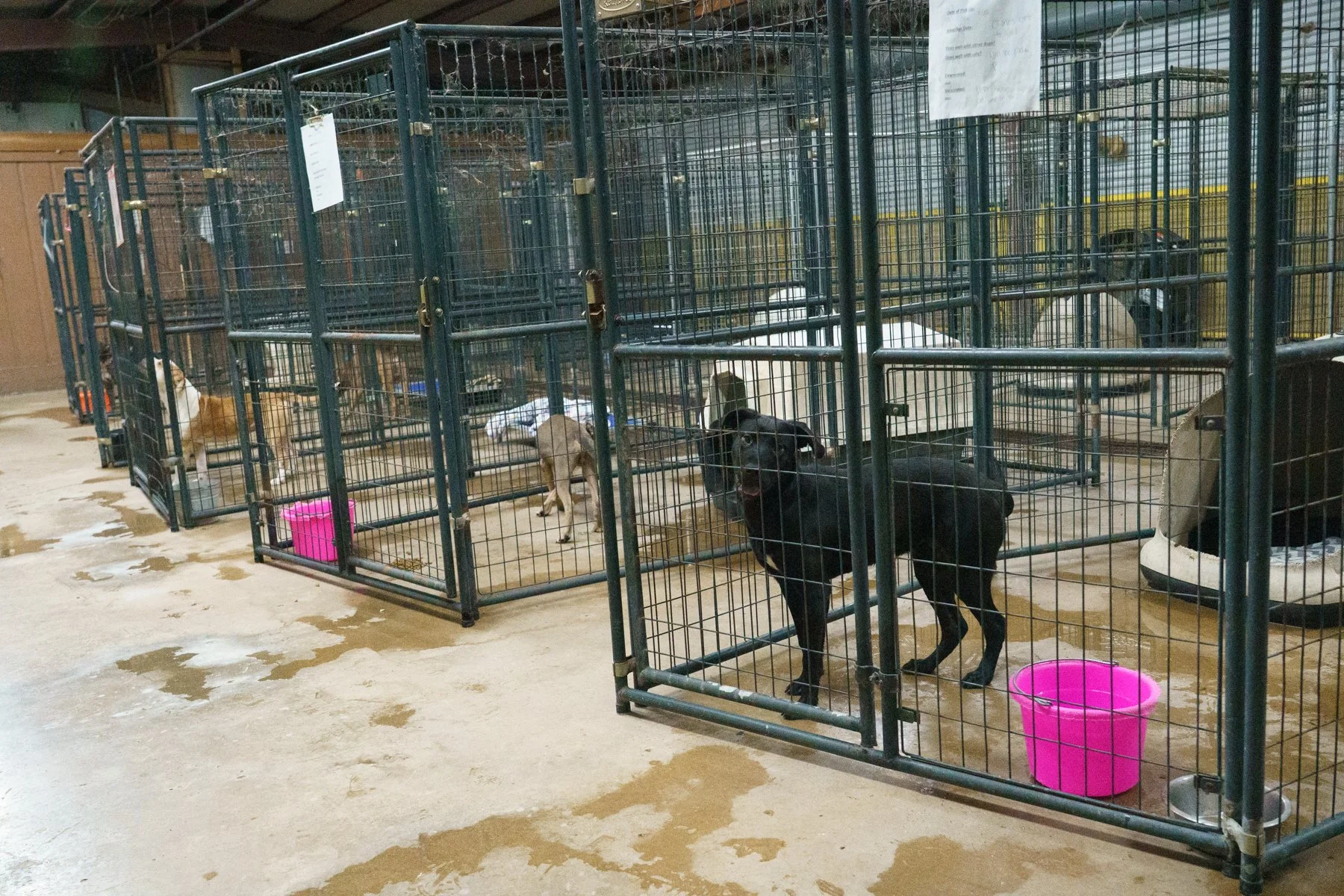
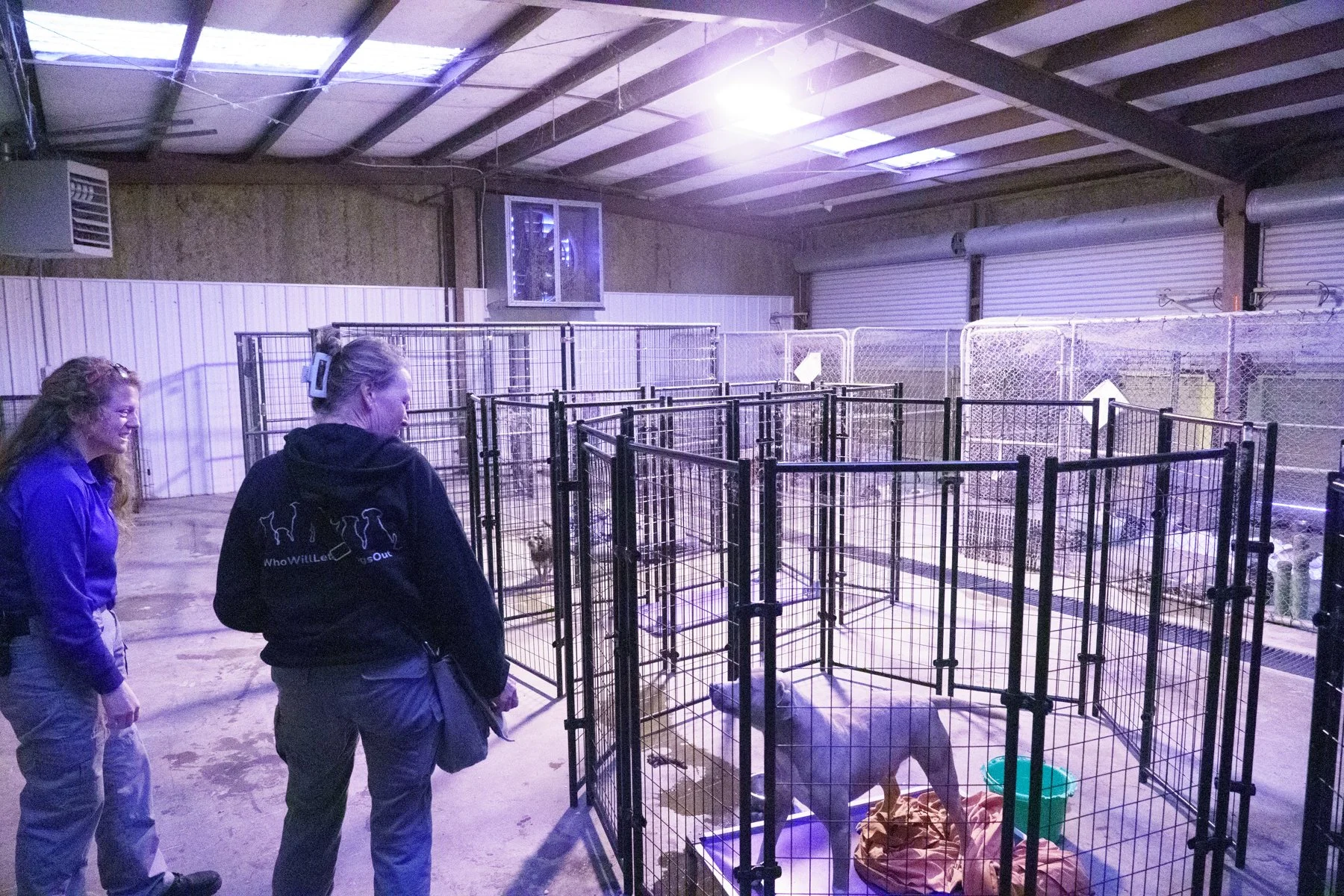
At the time of our visit (fall 2025), the shelter had adopted out 13 dogs, while 83 dogs were pulled by rescues and 40 were euthanized. All the records are kept in neat spiral-bound notebooks, but Alyssa would love to utilize shelter software once she has steady help, the resources she needs, and the time to do it.
Despite their hard numbers, Alyssa gets good support from the community and has never had to buy dog food. Between locals and the Tractor Supply, someone always comes through with food. They have begun vaccinating for distemper/parvo on intake after a bout with parvo this year.
All dogs have a rabies vaccine per law before adoption, but as of now, they leave unaltered, but pay a $25 deposit and promise to have the animal altered. The deposit is returned to them once they prove they have had their dog spayed or neutered by taking the evidence to the city clerk. There was no real low-cost option (dog spays are $241) and availability was challenging, so this is likely part of the reason for such low adoption numbers.
The job is not easy.
Alyssa must answer every animal control call, do all the care, and work to market the dogs/cats to rescues and via social media. She has a goal of getting the dogs up on Petfinder, but for now, they are all posted on the shelter’s Facebook page.
Alyssa worked as a vet tech previously, but took the shelter job because she needed the benefits. She commutes an hour each way to work. When I asked her why she stays in a job she admits is hard and getting harder, she choked up and needed a minute to gather herself before saying she stays because she doesn’t know who else would do the job.
Like so many people who work in shelters that are required by their municipality to euthanize for space, Alyssa takes plenty of abuse from critics who don’t understand the challenges here. Too often, we blame the staff who, like Alyssa, are given too little space, too few resources, not much assistance, and asked to do the impossible. Big hearts alone can’t save every life.
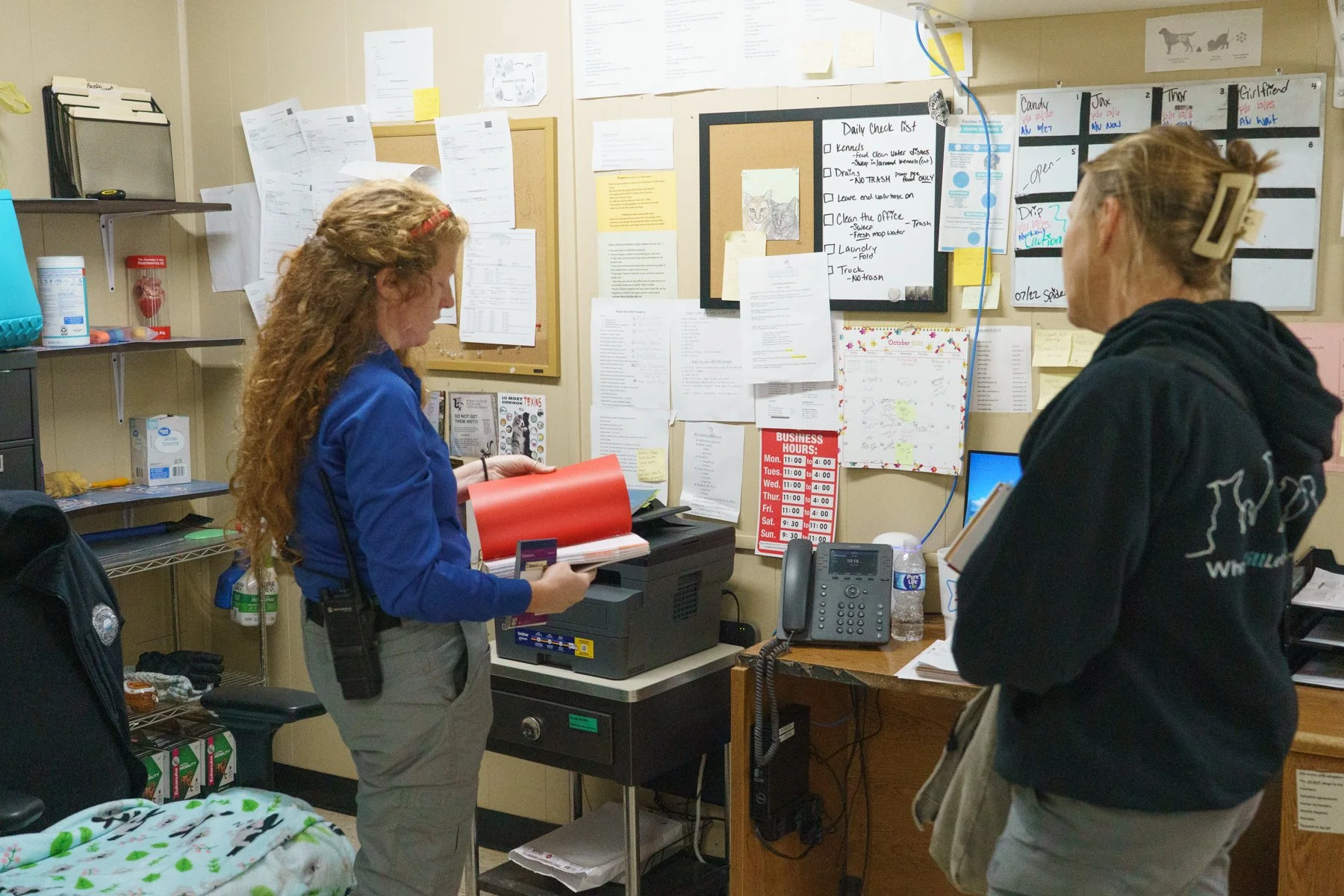
It was clear to us how much she cares about the shelter animals and the community. Alyssa recently put up a pet pantry just outside the shelter and got a microchip scanner to try to return lost pets. One wall of the lobby/office features the names, descriptions, and addresses of the ‘frequent flyers’ so they can be returned home when found roaming.
Goals for improving the shelter
Alyssa has other goals for improving the shelter, like being able to microchip the animals prior to adoption, getting her records online so she can apply for grants, and starting a TNR program to deal with community cats. The shelter handles lots of cats and, at present, has lots of adorable kittens.
With a regular employee to help her, the next step is to bring in volunteers. It has been challenging to have volunteers because, legally, they can only be in the building if a staff member is present. Running every call means Alyssa’s presence is unpredictable. When I checked in this week, five months later, Dana is still there! Having more than one employee has enabled Alyssa to do a lot of things since our visit, like getting their volunteer program back up and running.
She’s also reinstated a community service program. When an individual completes their required hours, they earn a certificate and have their picture posted on the shelter’s Facebook page. More than that, I would guess the shelter has a new advocate and has educated one more person about the reality of animal shelters. Much of what goes on in sheltering is unknown to the wider public. I remained convinced that if they saw it with their own eyes, a lot would change.
There is so much potential here. Yes, their numbers are hard, but changing that starts with involving the community. After all, these animals belong to them.
What’s happened since our visit
To that point, in 2025, the shelter adopted out 19 dogs, but in just over two months in 2026, they’ve already adopted out 13! Alyssa and Dana have been hard at work since our visit. Here is more good news Alyssa shared with me this week:
The local veterinary hospital has a new manager who is partnering with the shelter, which makes a big difference in their ability to get medical care and spay/neuter surgeries. They are even partnering with the shelter on events.
The local paper is posting a Pet of the Week.
A local business donated rubber stall mats for the shelter to use, and for the first time this year, the dogs' water bowls didn’t freeze overnight.
UTM (University of Tennessee Martin) vet students have been volunteering at the shelter in numerous ways.
Alyssa has been able to share a lot more good news on the shelter’s Facebook page, and the community has enjoyed seeing it.
They’ve gotten more rescue help pulling dogs and helping them keep numbers under control, which has helped the shelter, which remains open-intake even for owner surrenders, minimize euthanizing for space.
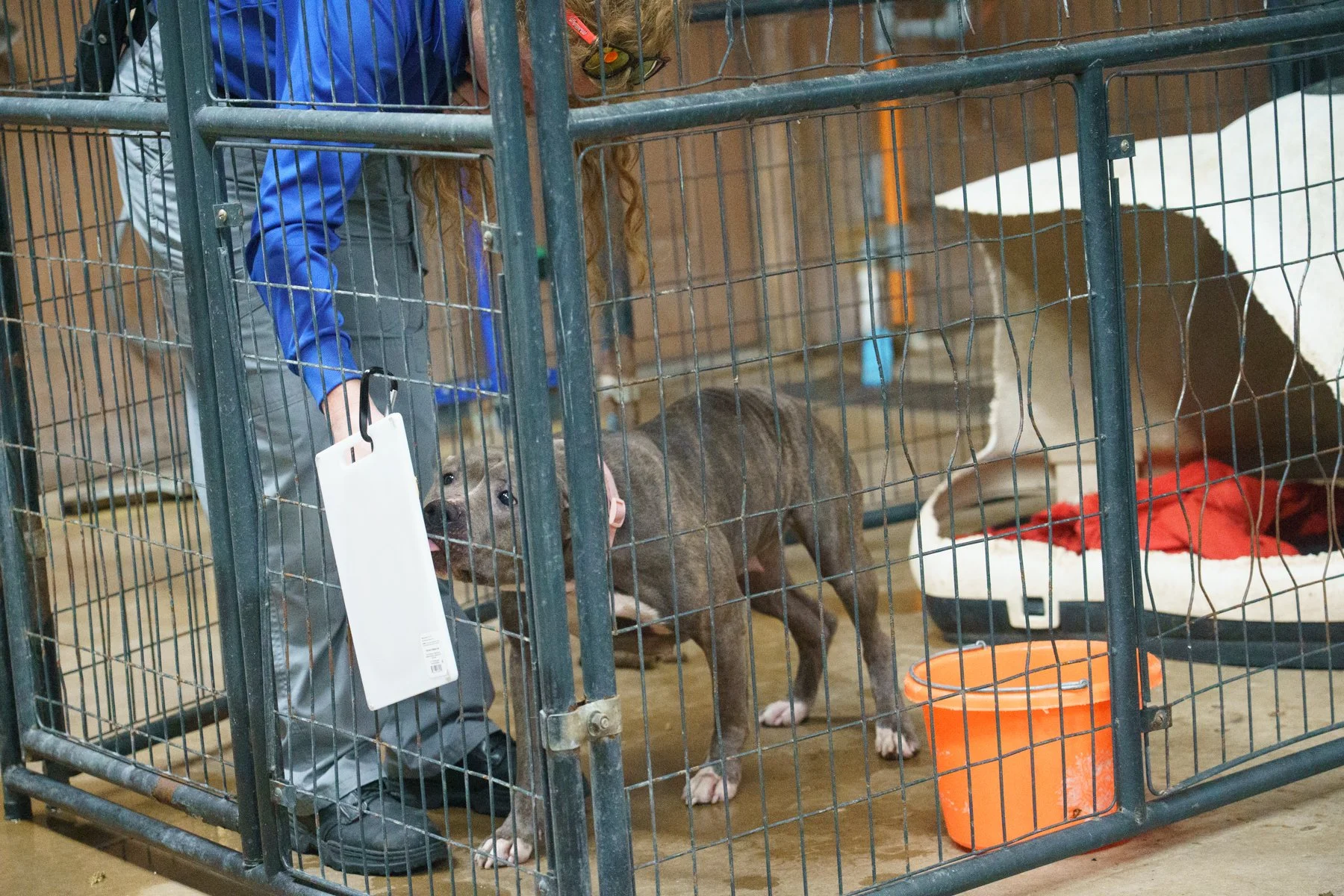
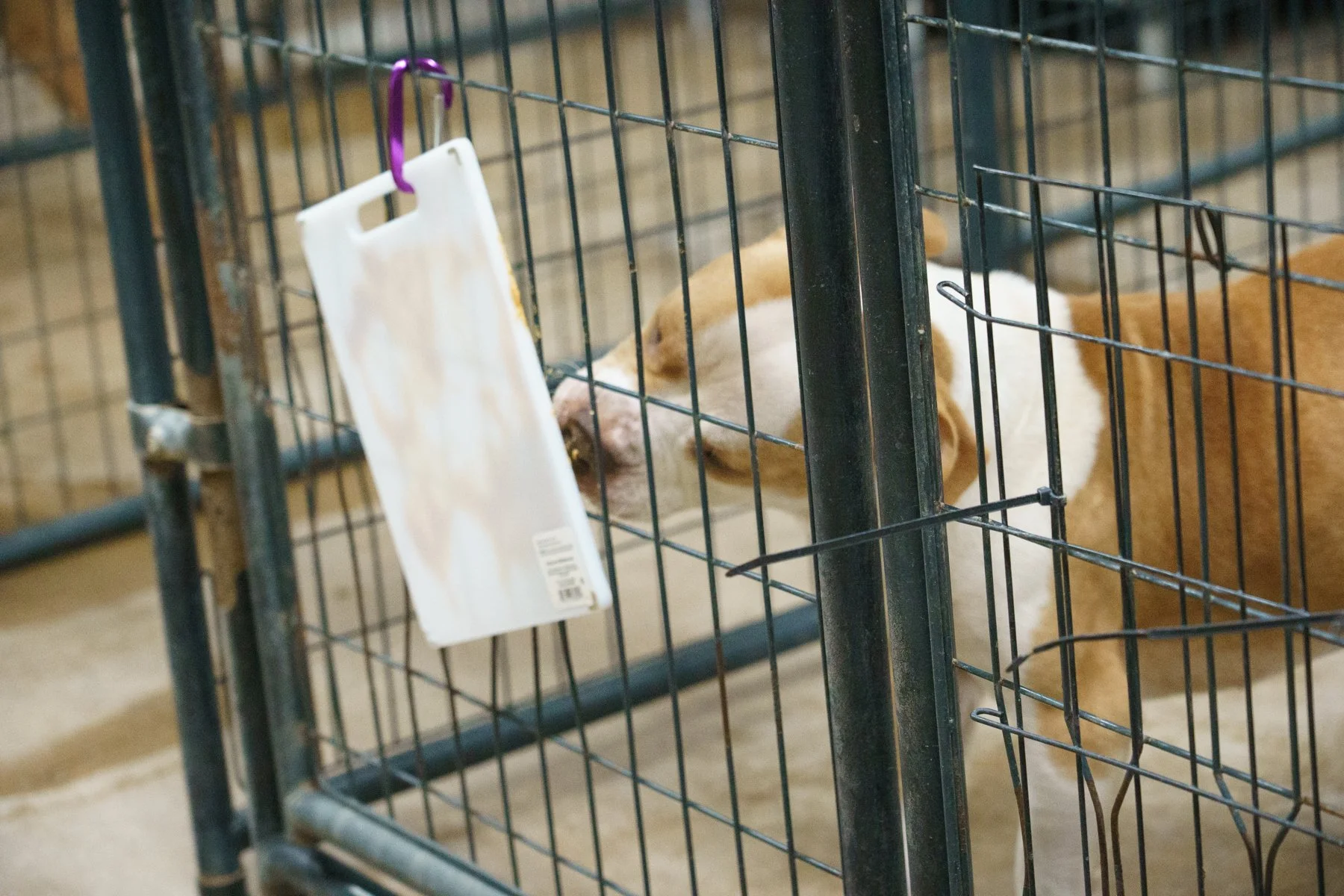
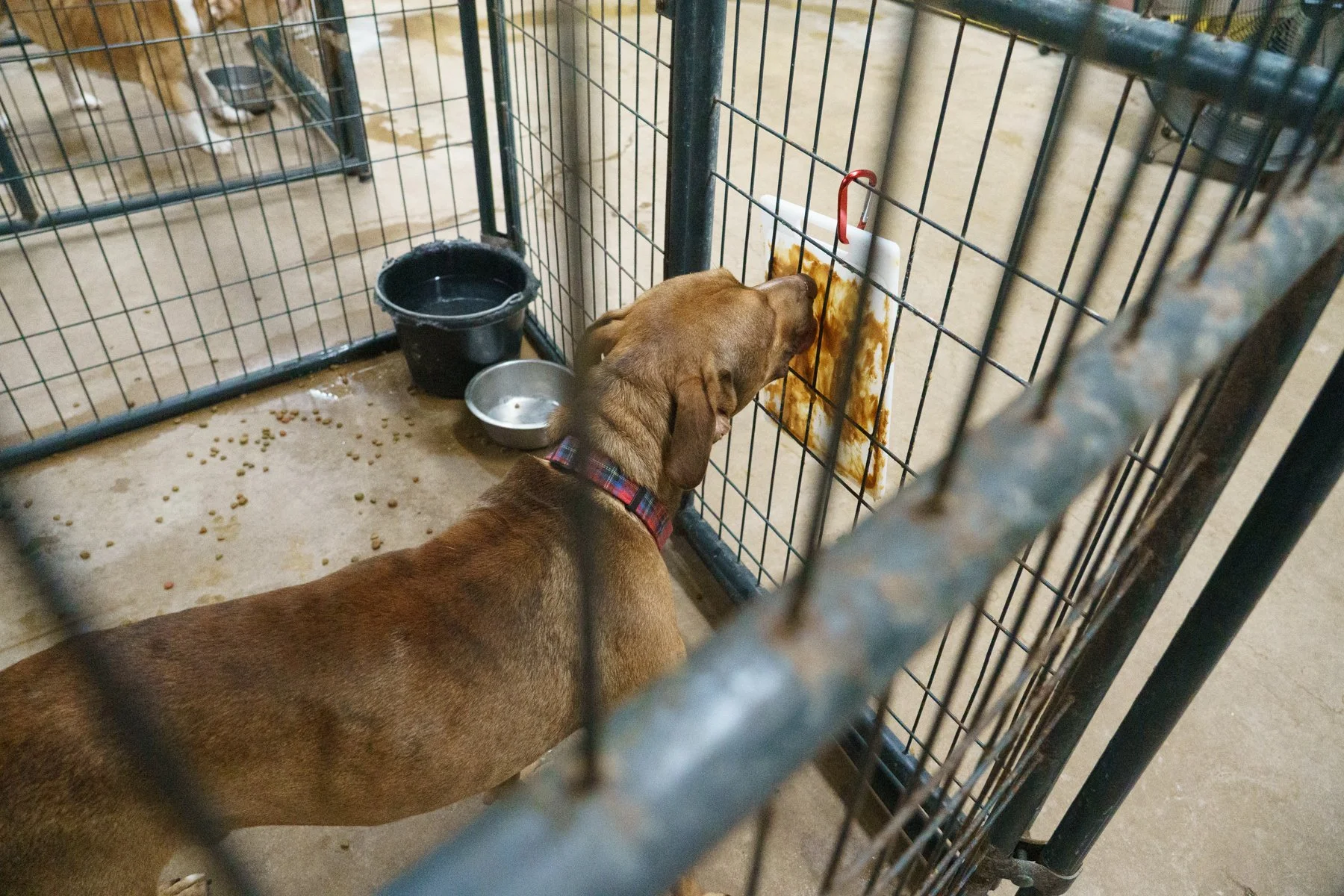
They are still utilizing the peanut butter lick boards we gave them and report that the dogs are loving the enrichment experience regularly.
It always astounds me that so many municipalities expect a single individual to bear the burden of saving the animals and serving the pet-owning community. There is so much good happening here, and all it took was having another reliable employee, which opened the doors to the volunteer program. That small change brought even more support from the community, which is helping to change the story. Alyssa is smart and resourceful; look what she has done with a little bit of resources and support, and imagine what she will do if more poured in.
The fact that they receive so many donations of supplies and food, plus volunteers, says that this community does care. There’s hope here. It’s time they write a new story.
If you’d like to encourage Alyssa and the work she does, consider shopping the shelter’s Amazon wishlist: