

The Key to Saving Lives is Community
In 2007, Charlotte-Mecklenburg Animal Care and Control had a 30% live release rate. Fast forward to 2025, and they saved 84% of the nearly 11,000 animals that came through their doors.
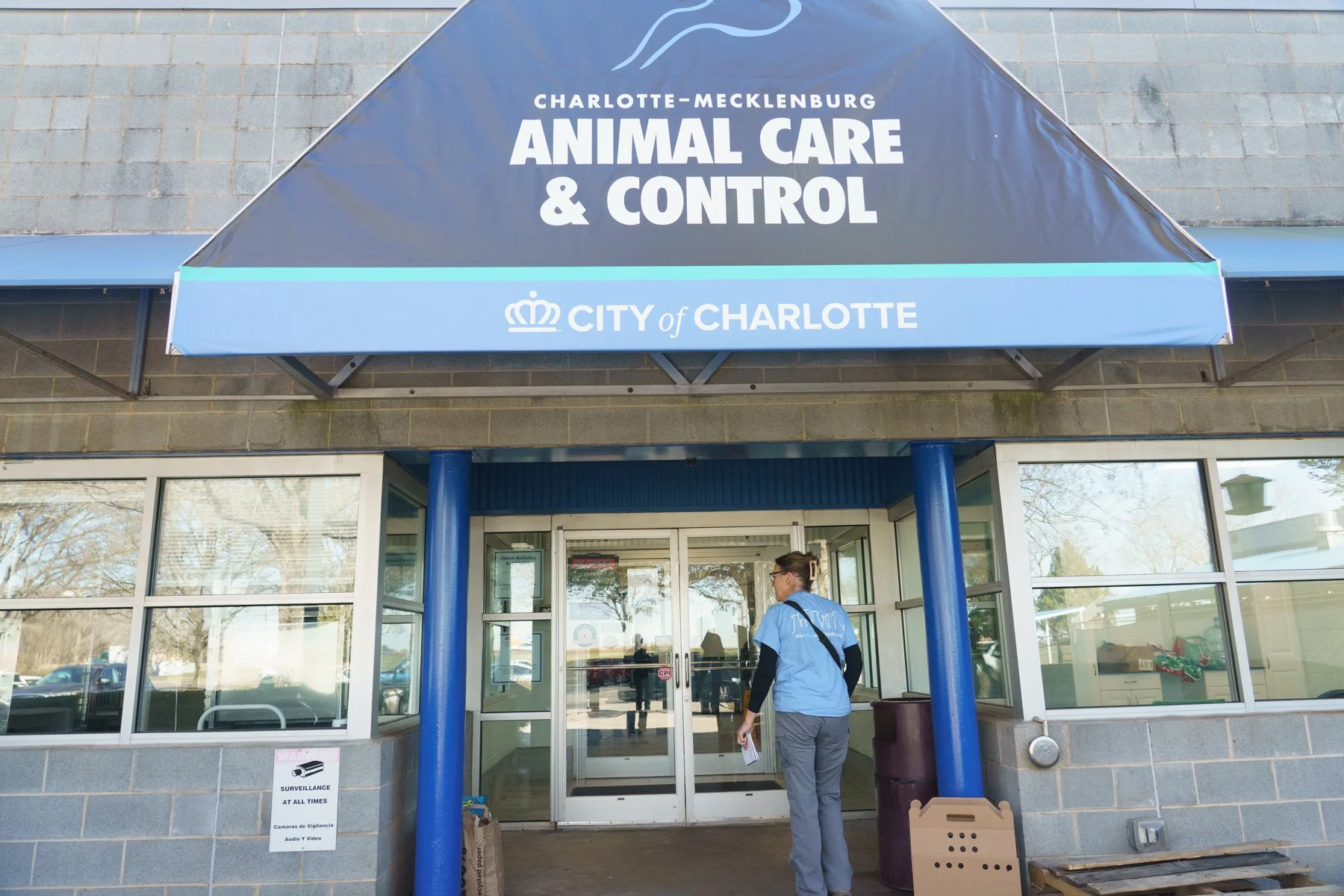
What happened? Their community stepped up. With over 600 active volunteers and 500 active foster families, and a staff of 100, CMACC offers first-class, innovative care for the animals and is a true and treasured resource for its community.
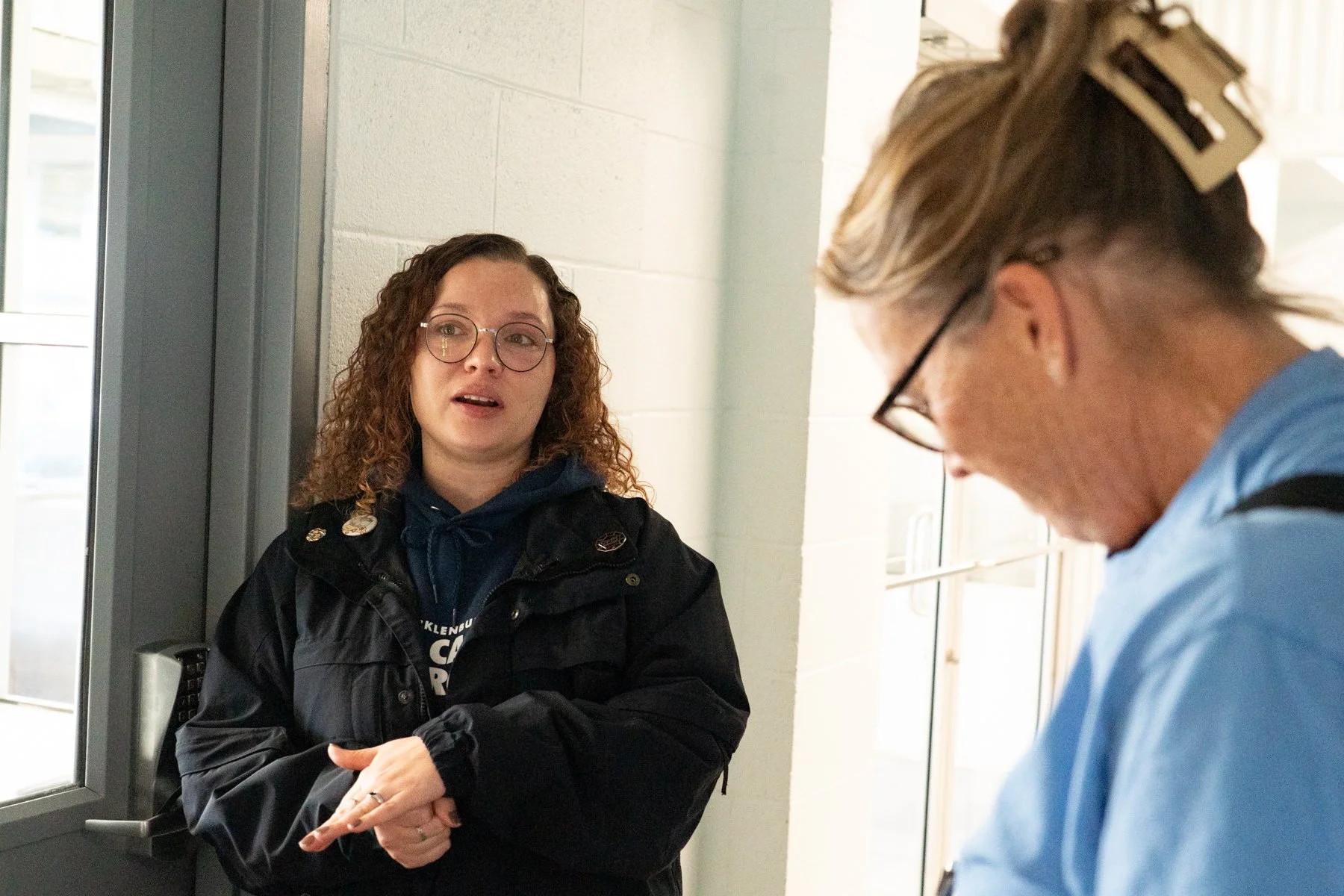
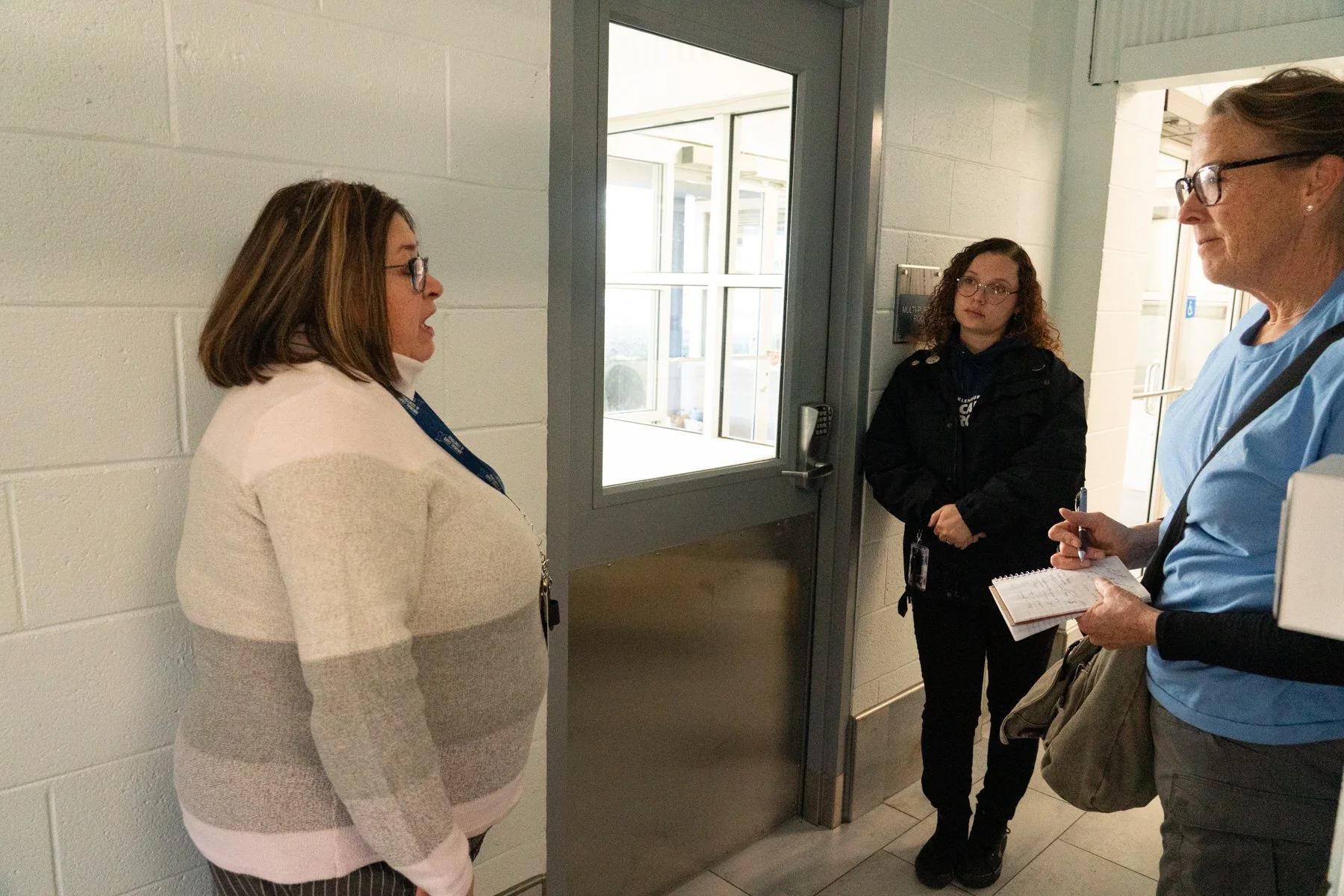
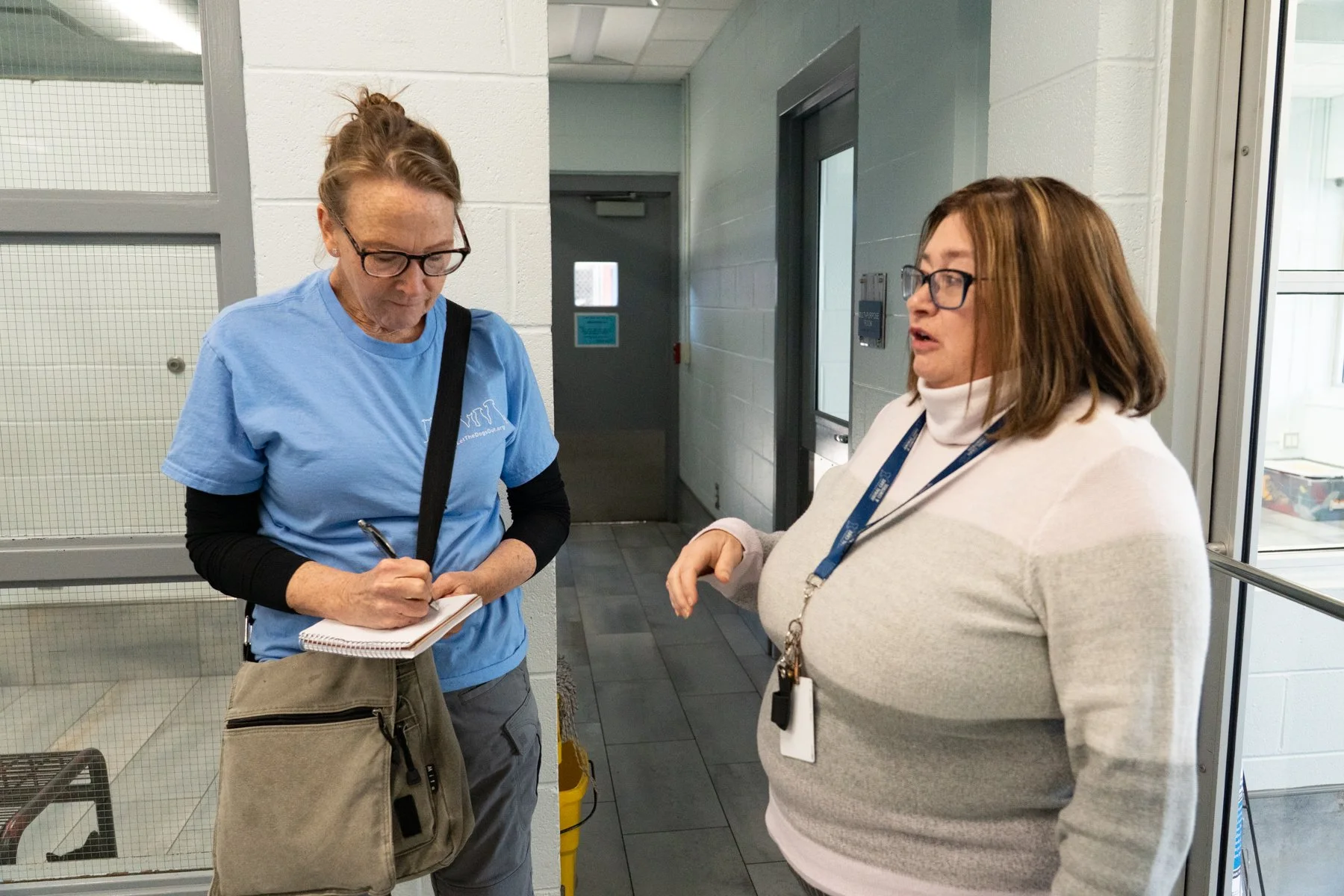
It was exciting to listen to Melissa (Communications and Outreach Manager) and Haley (Development and Donor Relations Specialist) tell us about the programs and people who make this shelter a real stand out. I couldn’t possibly list all their creative programs or smart policies, but I’ll try to give you a glimpse.
Melissa has worked at the shelter for 19 years and comes from a TV/Media background. For her, from the start, transparency was critical. She developed relationships with the local media and invited them through the doors. Sharing the story – the good and the hard – helped the community to become a part of turning the page.
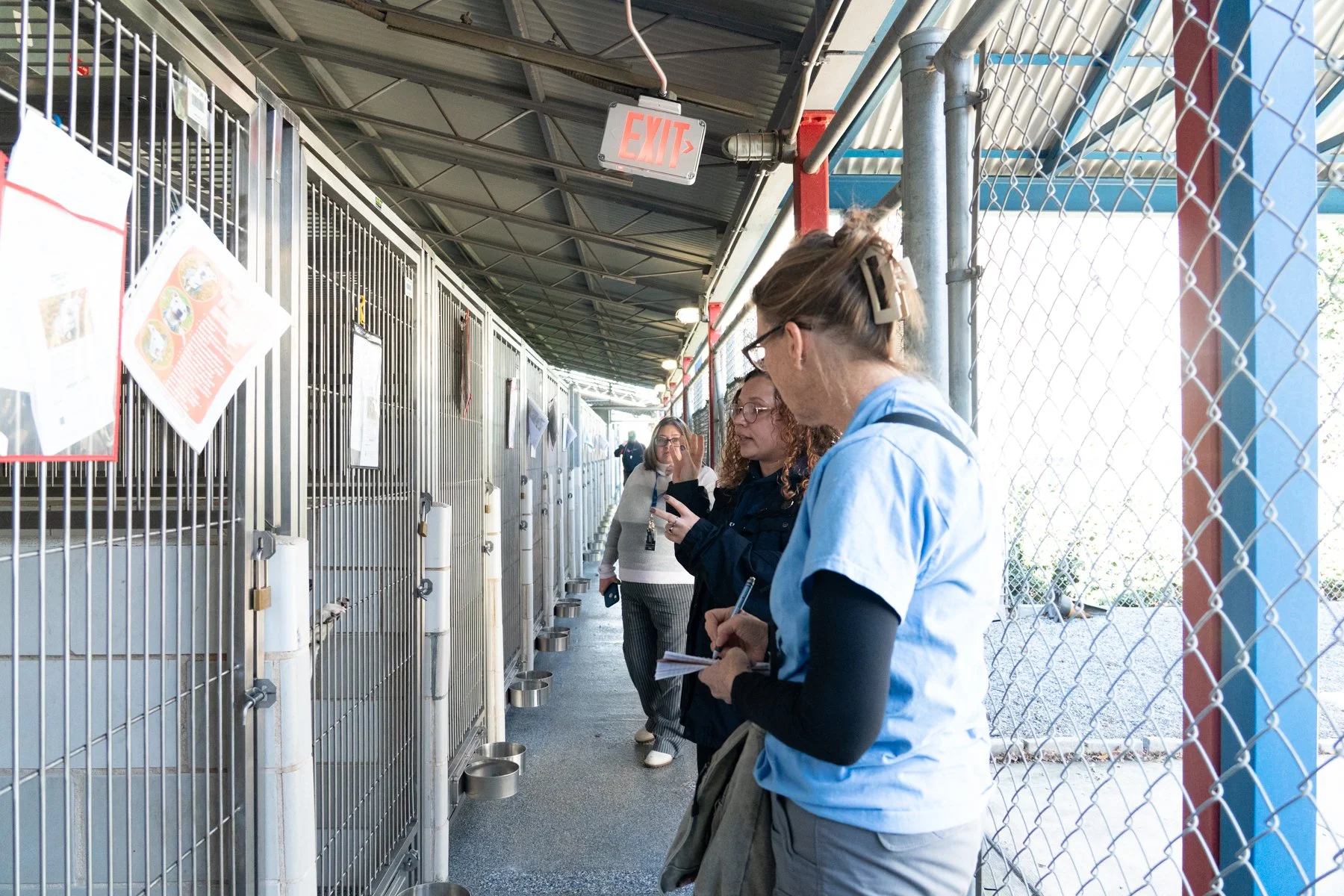
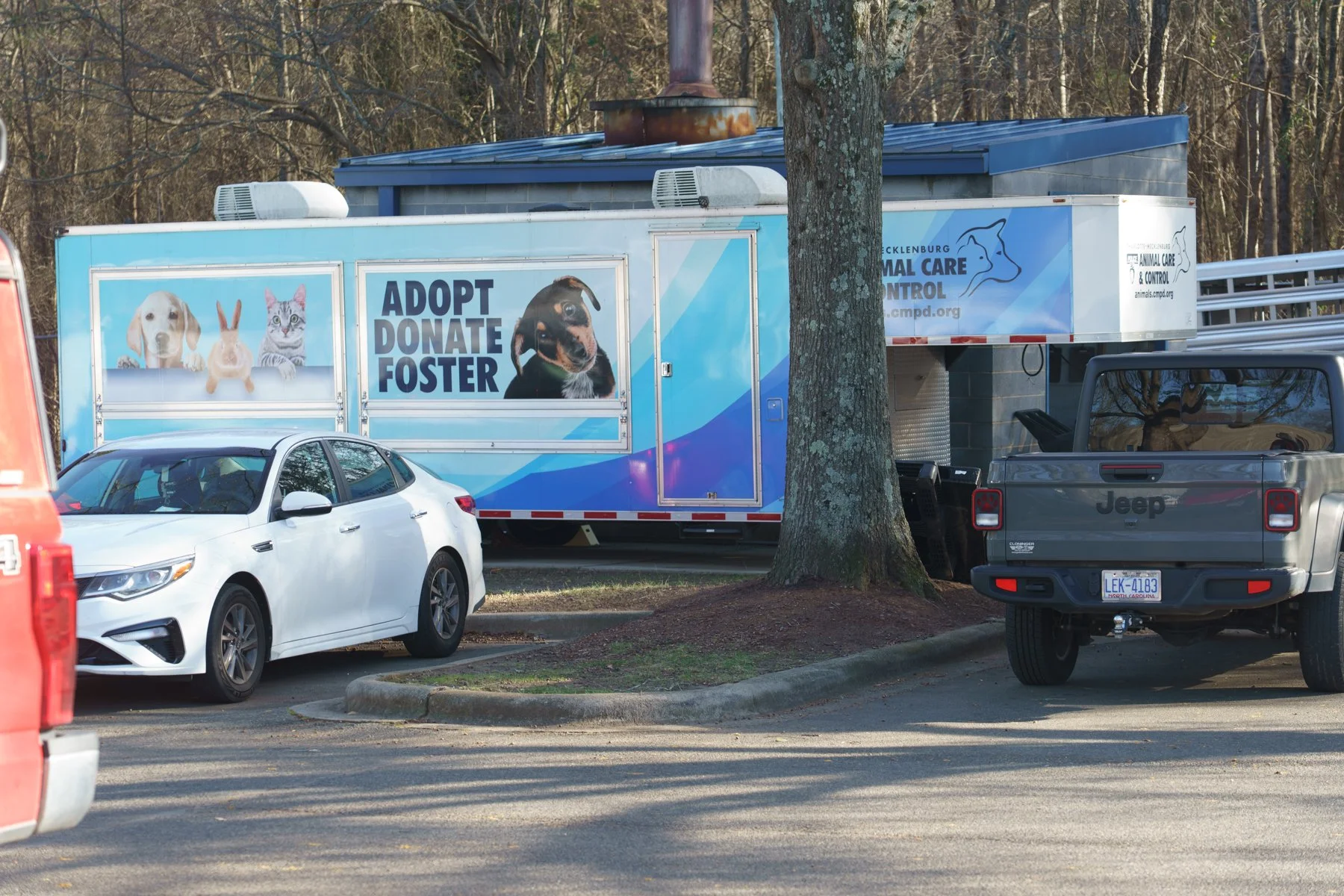
The shelter’s foster program is top-notch. There is a dedicated vet tech available each day to handle the needs of the hundreds of foster animals who come in for regular care. Three staff members are dedicated to coordinating the foster program. With an average of two events a week that serve as ‘foster showcases’ and are led by trained volunteers, this is not a shelter that shuffles its animals into foster homes and forgets about them. Fosters are provided with everything they need and can access supplies in the Foster Closet and Food Bin anytime the shelter is open.
Those shelter hours are another key to its success. It is open to the public Monday through Friday 11am-7pm, and 9am-5pm on Saturday and Sunday.
One very successful program that invites people to ‘try out fostering’ is the shelter’s Staycation and Daycation programs. Staycations allow community members to take a dog home for ten days. This takes the pressure off from committing to fostering indefinitely and leads to more than a few adoptions. Daycations work the same way, but allow individuals to take a dog just for the day.
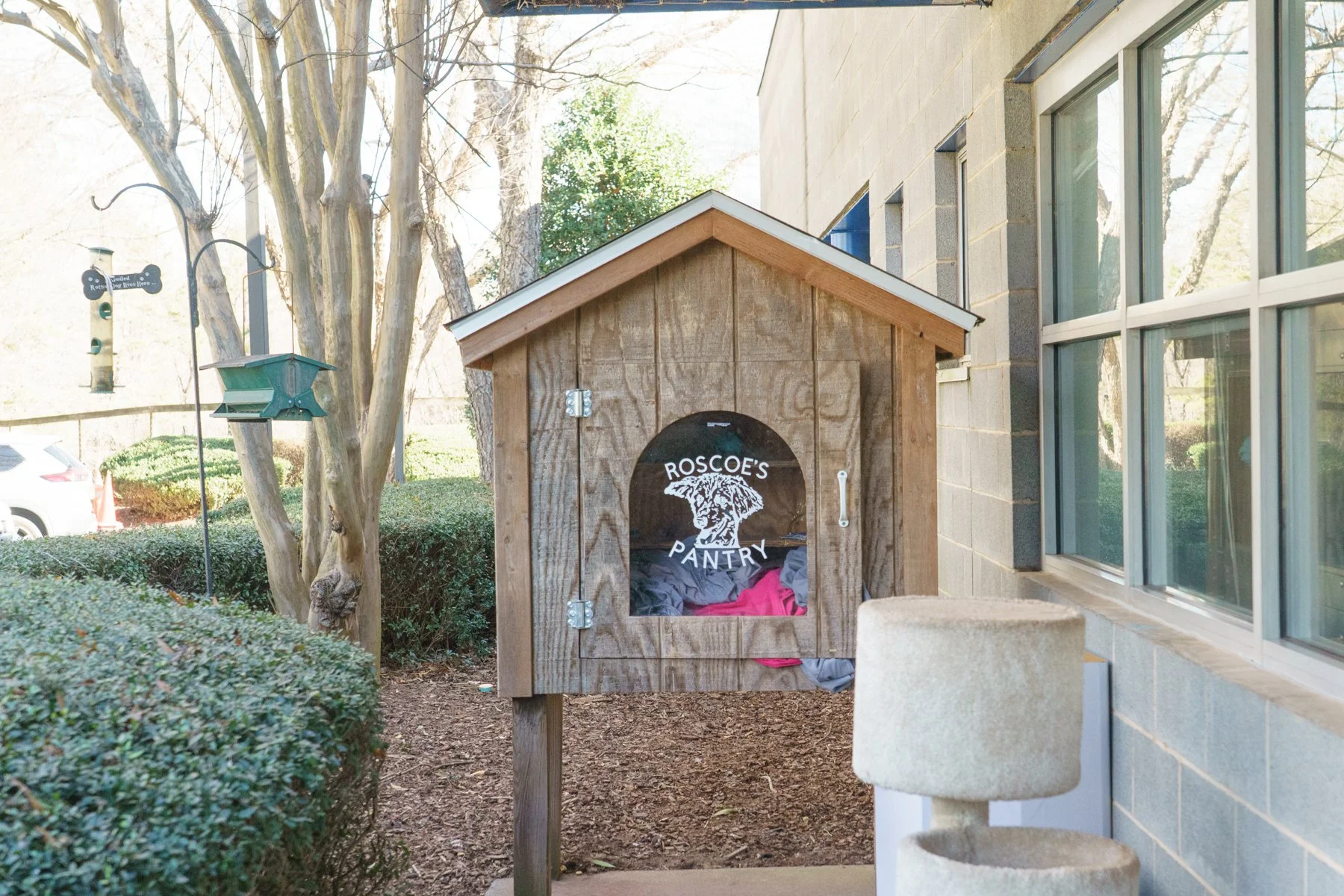
The shelter has several programs that target pet retention, helping keep animals in their homes. In addition to a Pet Pantry on the shelter’s front porch, the shelter has a donation fund to help community members with medical treatments, supplies, dog houses, and more.
Their 32 Animal Control Officers fielded over 27,000 calls in 2025, and part of that work was helping community members apply for help. When we visited in January 2026, Operation Warm Pet is in full swing providing cedar shavings for community members who house their pets outside. In order to qualify for assistance or Operation Warm Pet, animals must be spayed/neutered, which the shelter will do for free if they qualify or $25 for county residents.
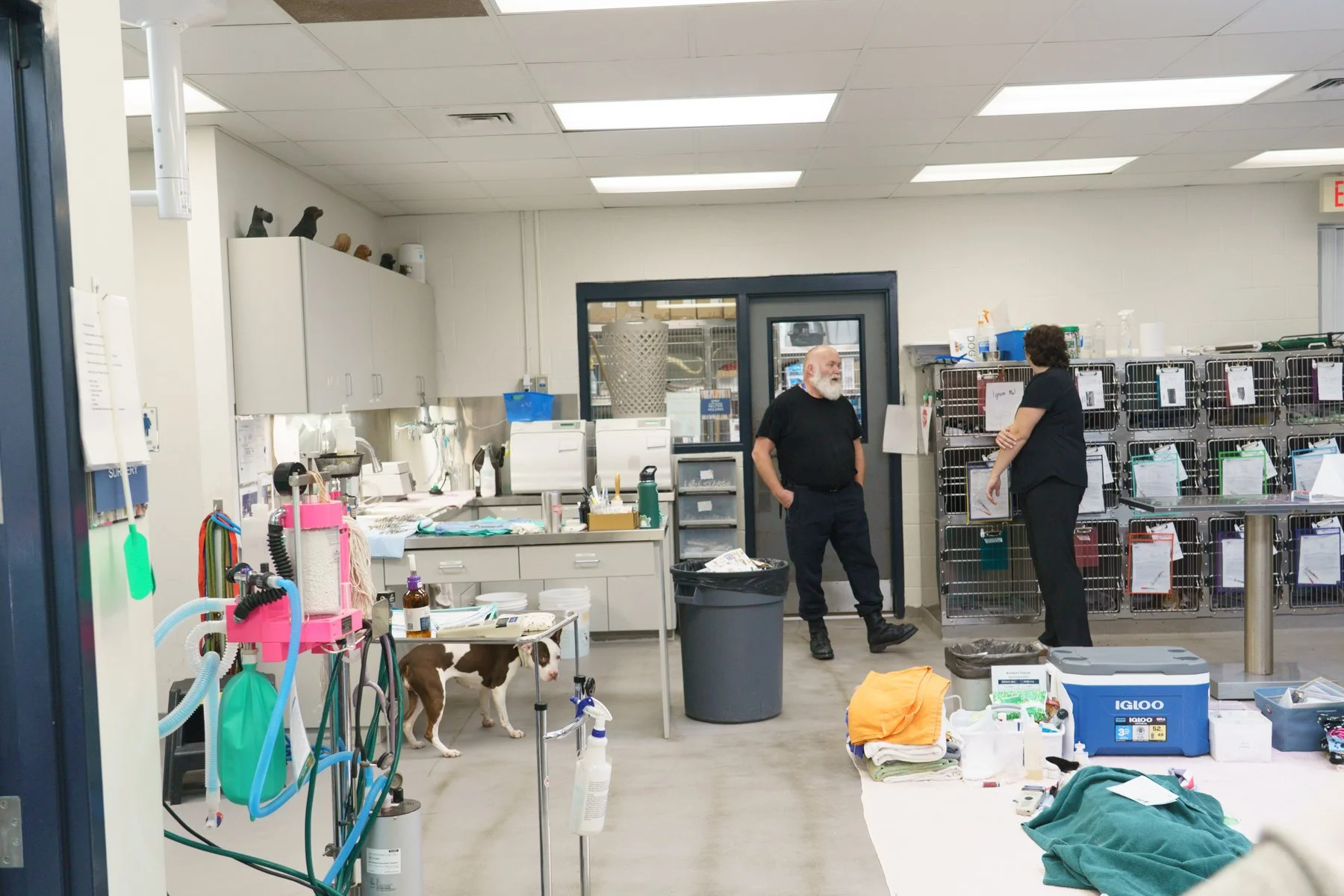
With three vets on staff, their spay/neuter clinic operates four days a week, with the fifth day set aside for special surgeries. The day we visited, the clinic altered 35 animals (34 from the shelter and one community pet).
The Safe Haven program offers anonymous boarding for up to six weeks for pets that belong to victims of domestic violence. They also offer six weeks of disaster boarding for people who are recovering from house fires or floods. In addition, they find fosters or pay to board pets for people who are hospitalized and have no one else to care for their animals. Programs like these keep pets with their families, which is always the goal for any shelter.
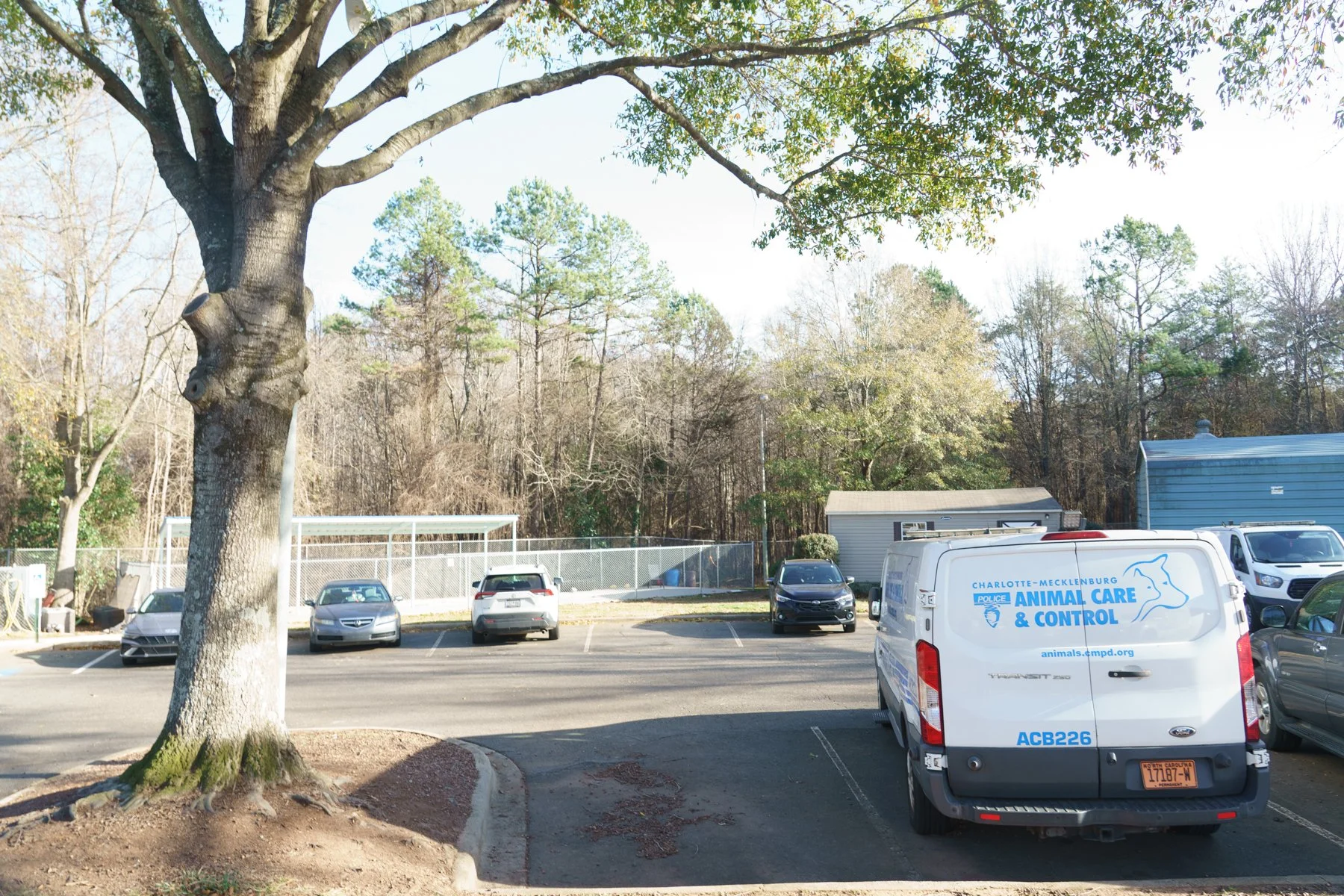
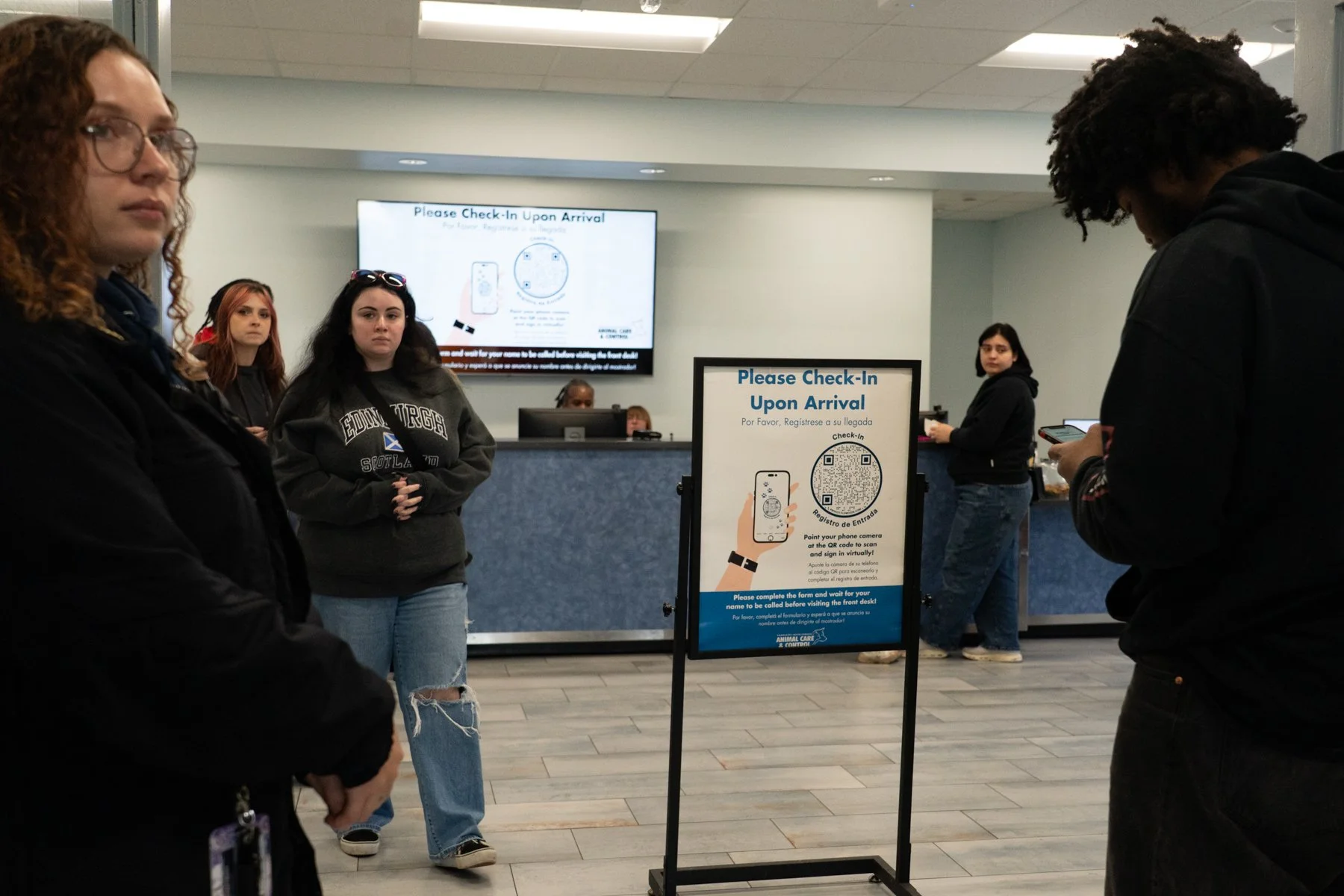
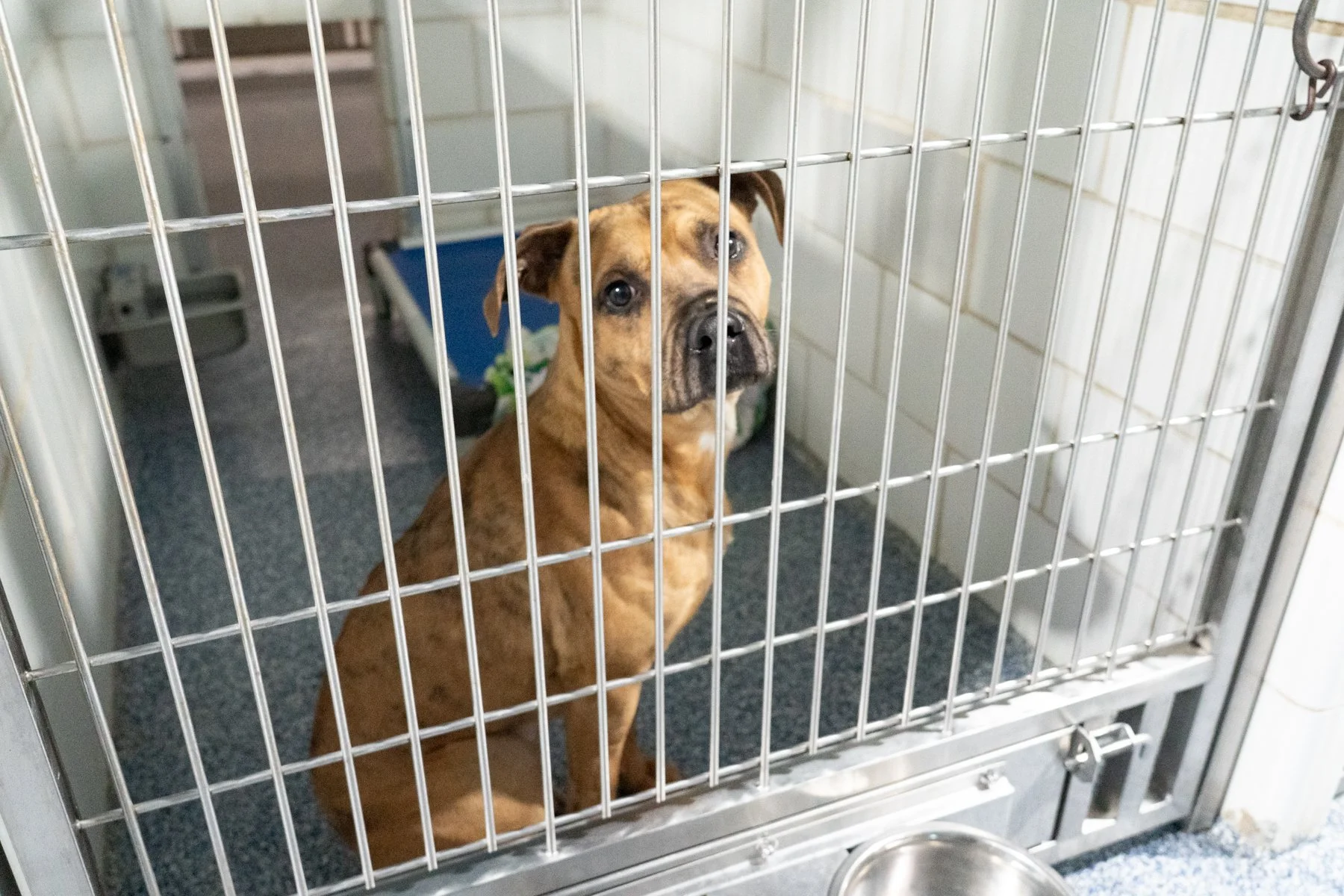
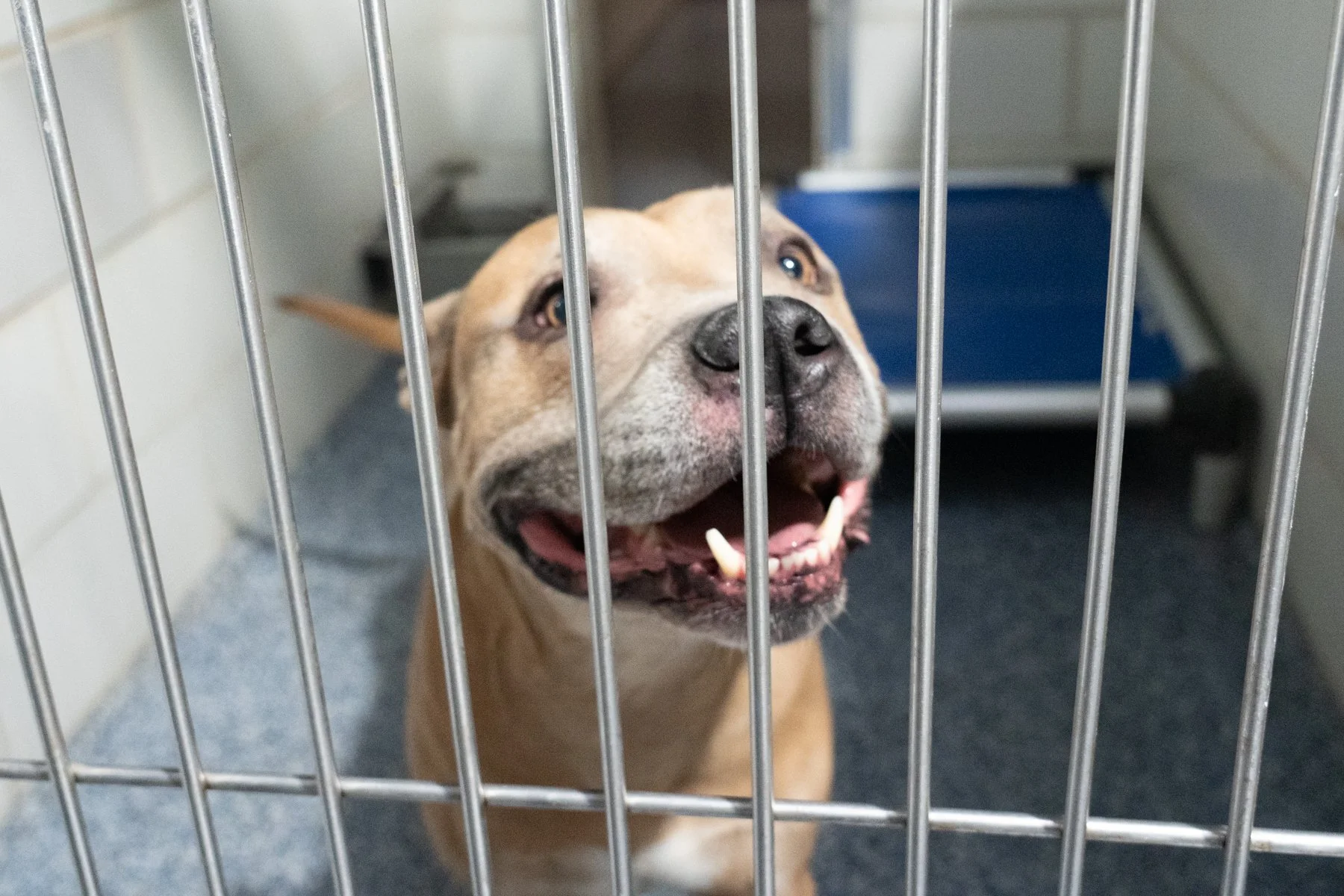
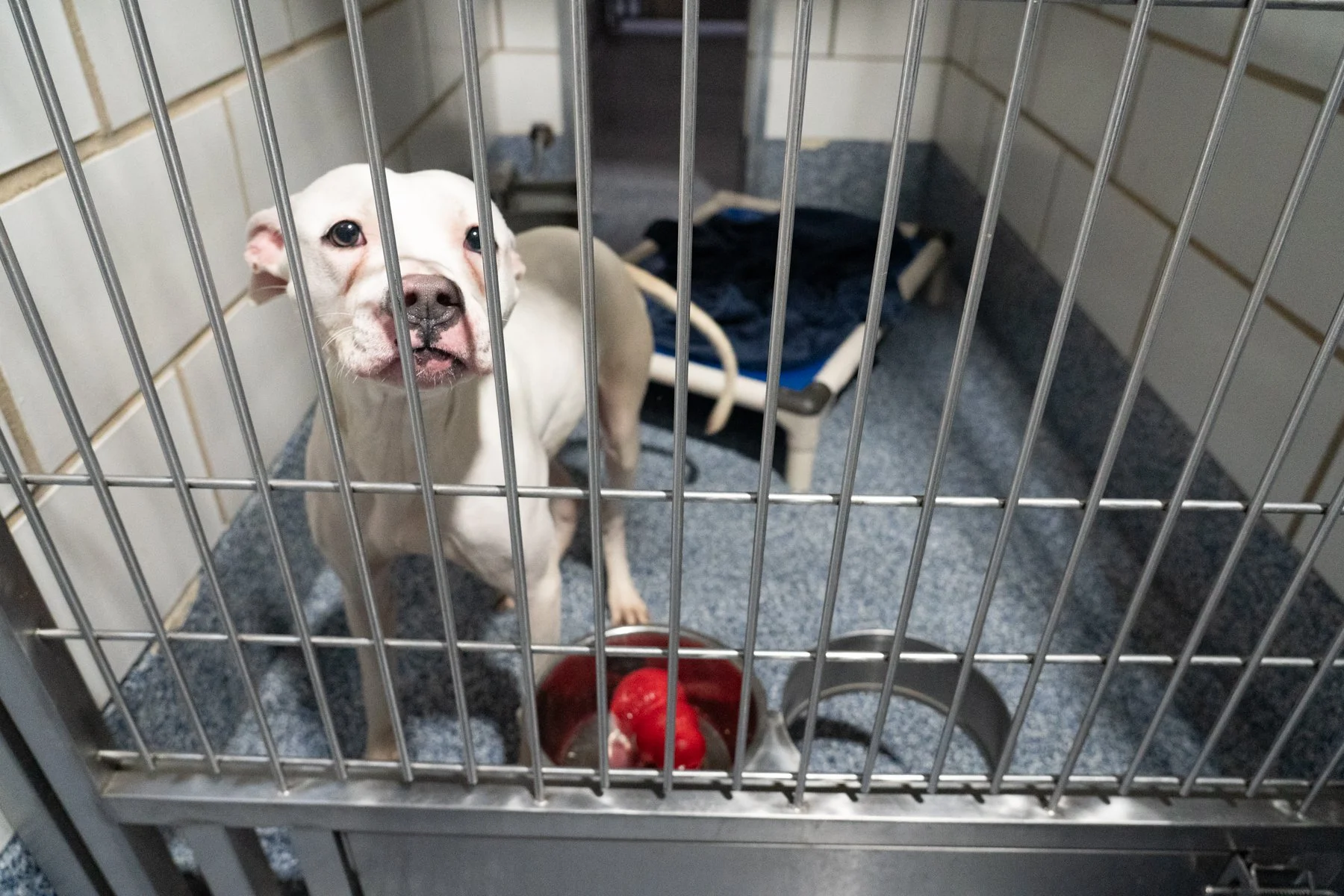
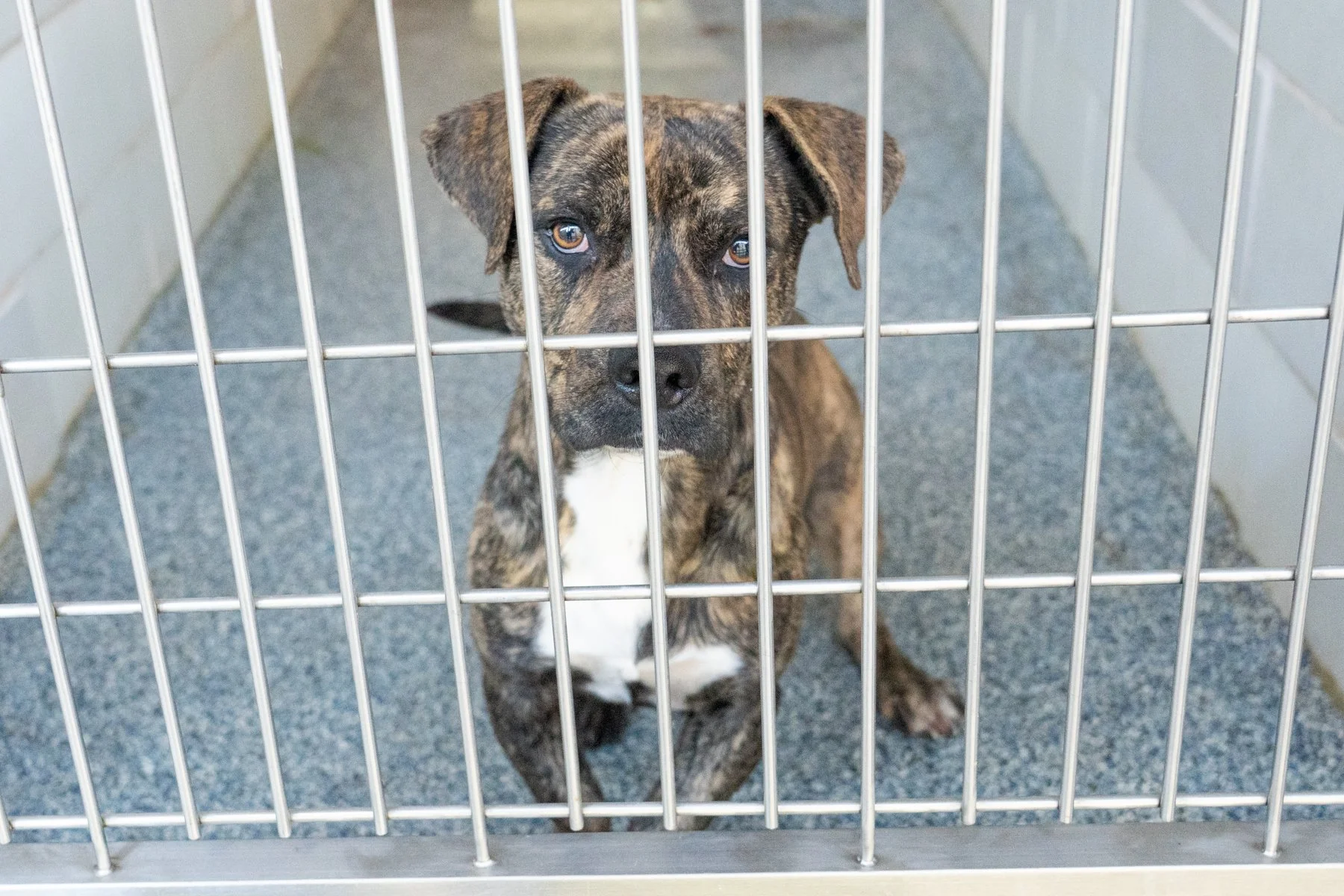
The shelter is vast and can comfortably house 200 dogs or more. The lobby was busy when we arrived, with potential adopters flowing in to meet animals and then spending time with them in one of the interaction rooms to decide if this was the pet for them.
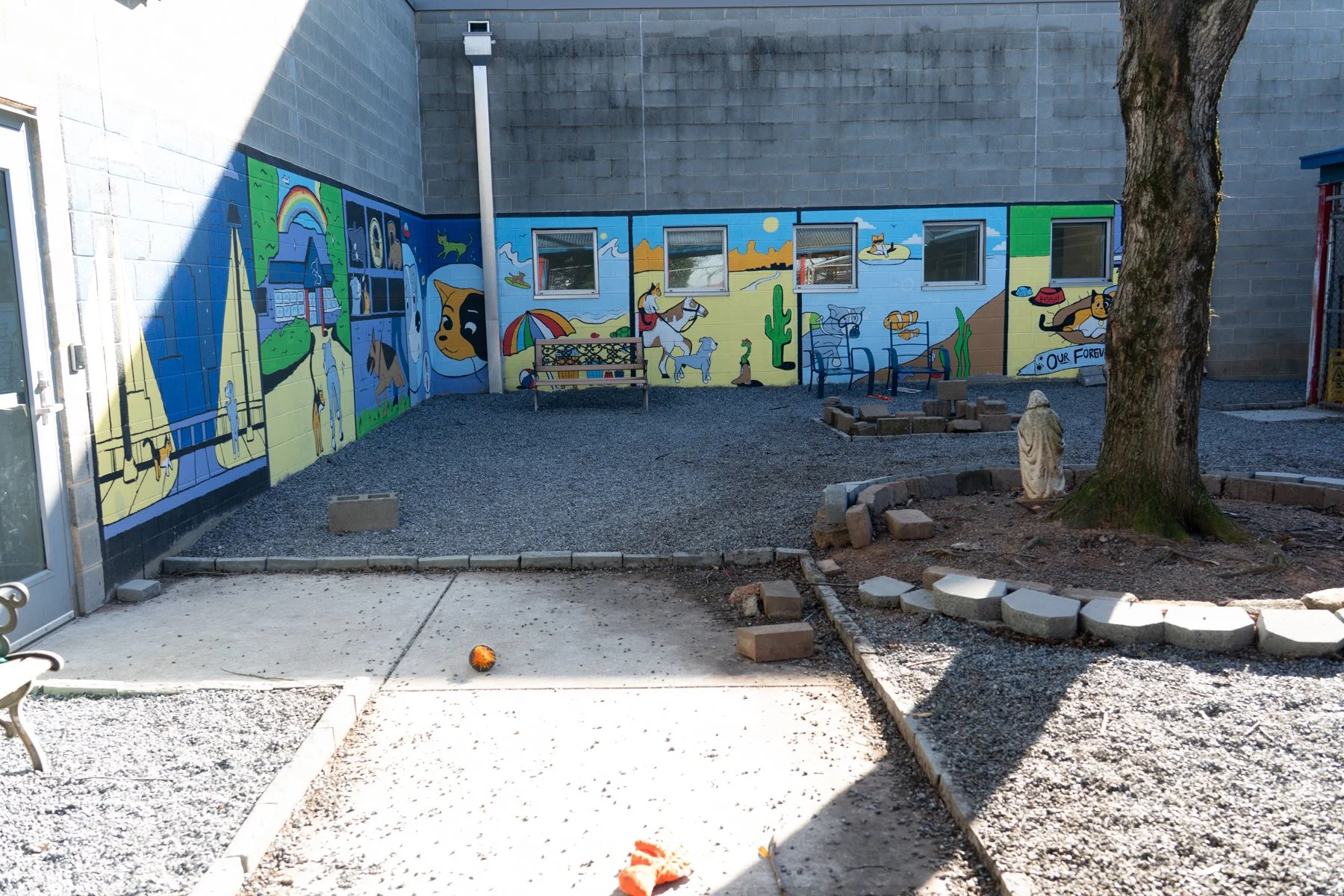
Haley works with local businesses to develop partnerships and plan events and fundraisers. Remarkably, the businesses approach the shelter looking for ways to work together. This community sees the shelter as a place they want to be a part of. Another part of Haley’s job is writing grants. This has been made far less complicated since the shelter was moved from under the Police Department to General Services, giving them much more autonomy and the ability to make changes (and apply for grants) faster.
Remarkably, the average length of stay for a dog right now is twelve days. That’s because of smart programs like allowing the public to view the dogs who are serving their 72-hour legal hold. People can apply, and the dog can be ‘pre-adopted’ if the owner does not reclaim, that person has the first right of refusal to adopt the dog. This translates to dogs spending much less time in the shelter building.
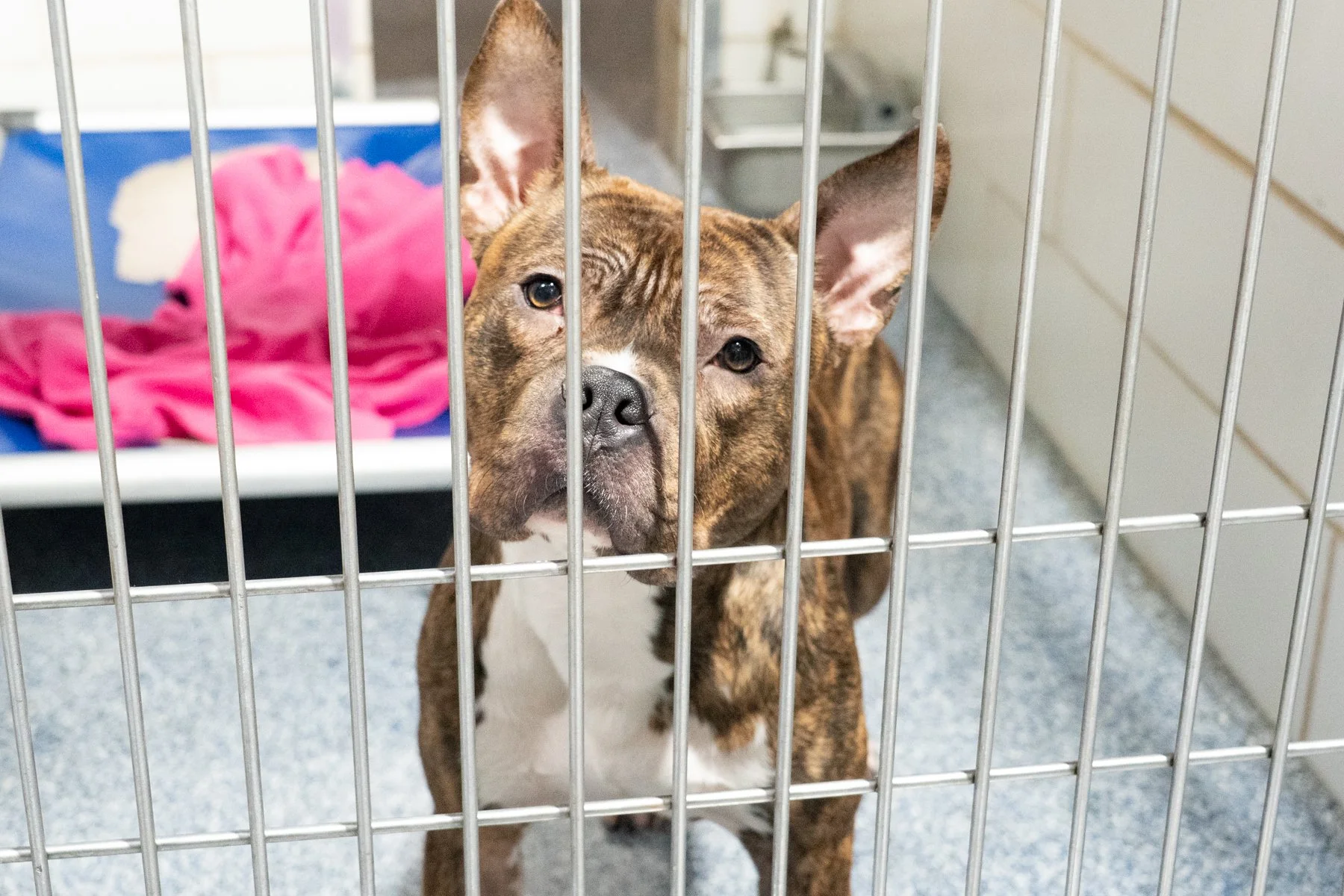

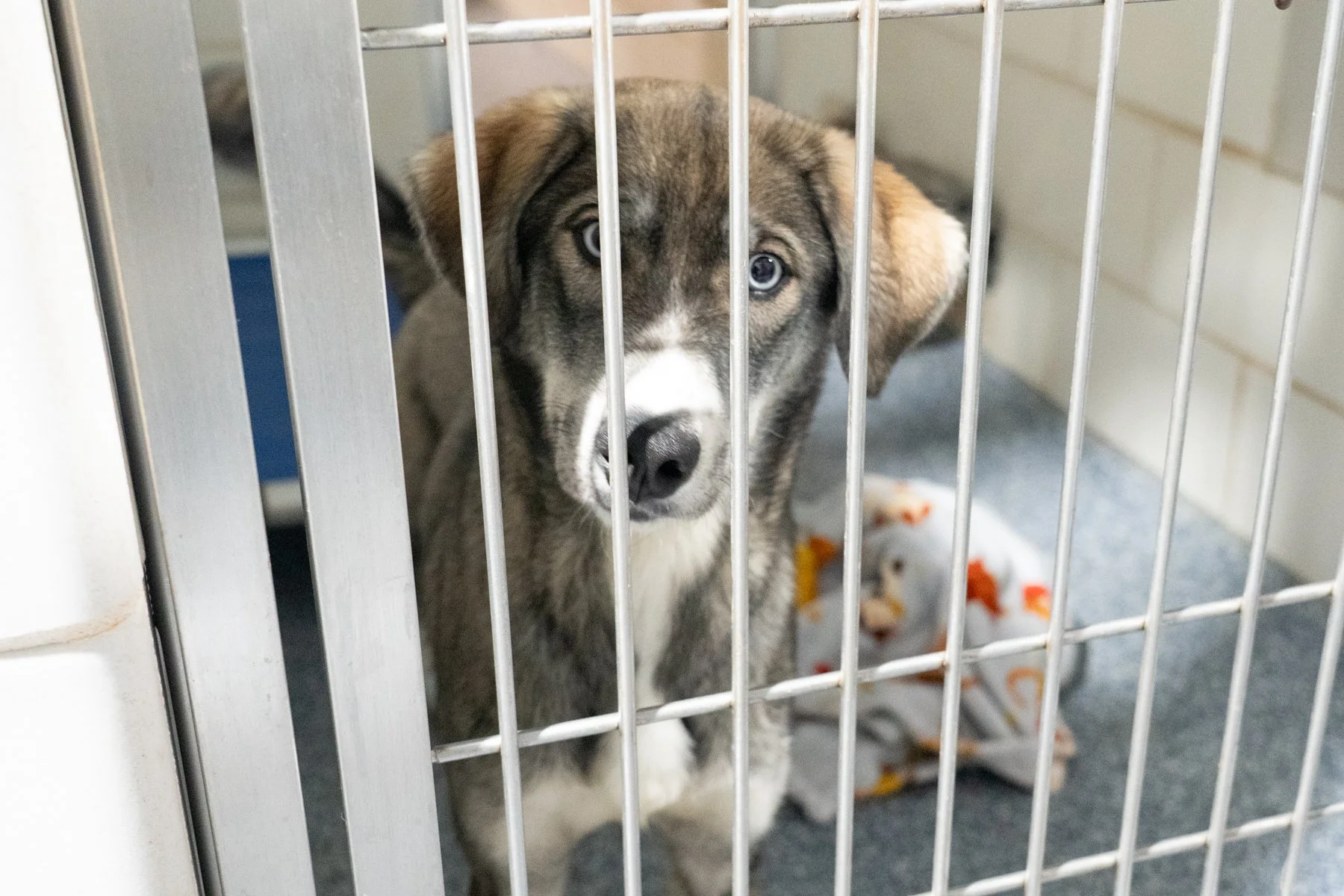
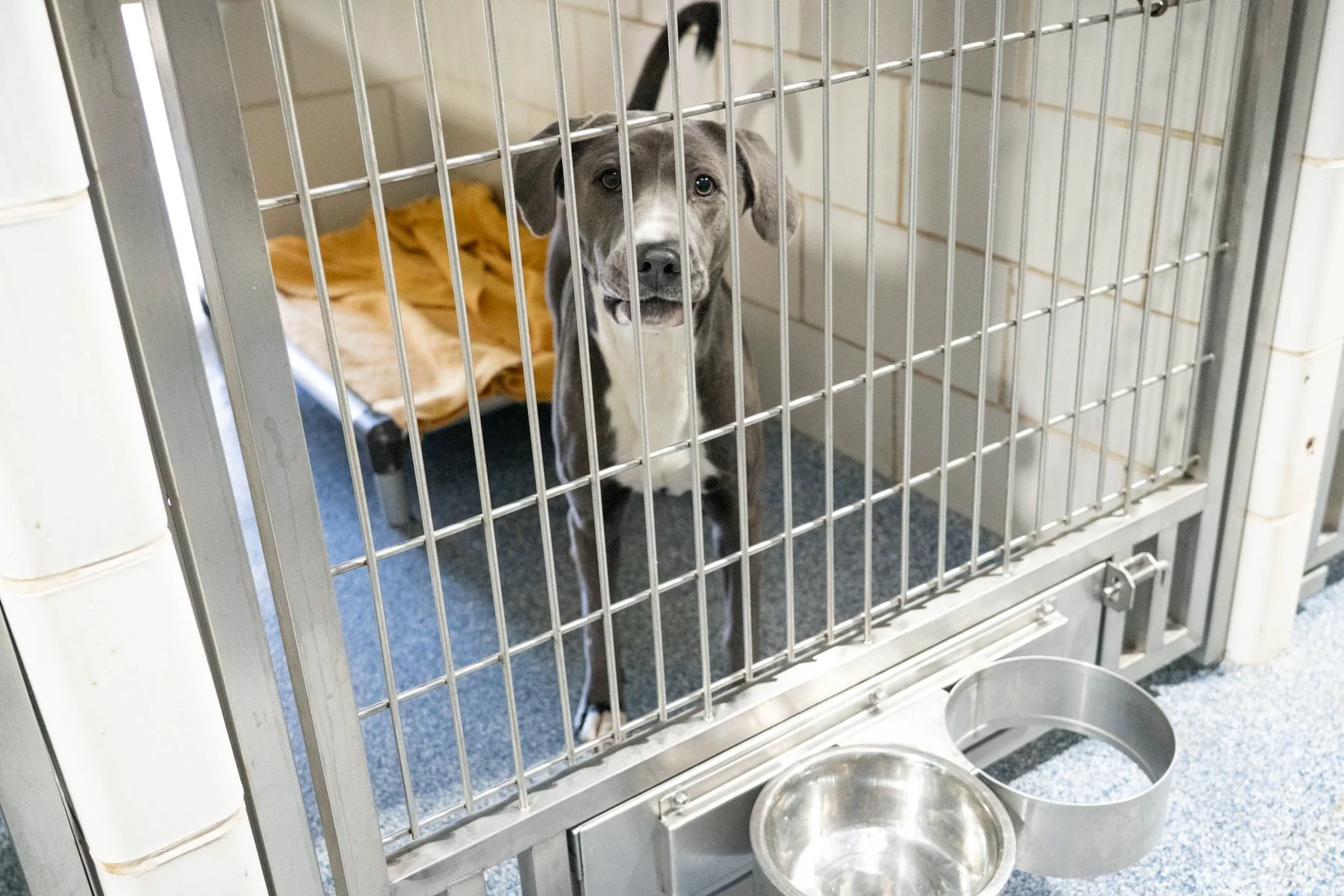
In addition to truly low cost spay and neuter services, the shelter staff holds monthly free rabies clinics, plus two mega clinics each year in which they give rabies and core vaccines, plus microchipping for 700-800 residents. North Carolina is the only state (that I know of) that offer rabies certification. The shelter’s ACOs are all certified, so they can give rabies vaccinations in targeted areas while out.
Melissa talks regularly with various media outlets and is a regular guest on their platforms, sharing the shelter's stories and needs. She is keeping the shelter’s work in the public eye and continuing to build trust through transparency.
As we walked through the building, one thing that impressed me tremendously was the warmth and respect that staff members shared with each other. The atmosphere at CMACC was refreshing – much hope, despite so much challenge and SO many animals.
The real story here is the community. Community engagement is the key to any shelter, anywhere, becoming a success story like this one. When the community understands and embraces the work of the shelter, there is no limit to what they can accomplish together.
To learn more about Charlotte-Mecklenberg Animal Care and Control, visit their website: https://www.charlottenc.gov/Animal-Care-and-Control.
Check out our resource guide with more information on How Community Engagement Helps Animal Shelters Save More Lives.