

Building Foster Programs for Animal Shelters and Rescues
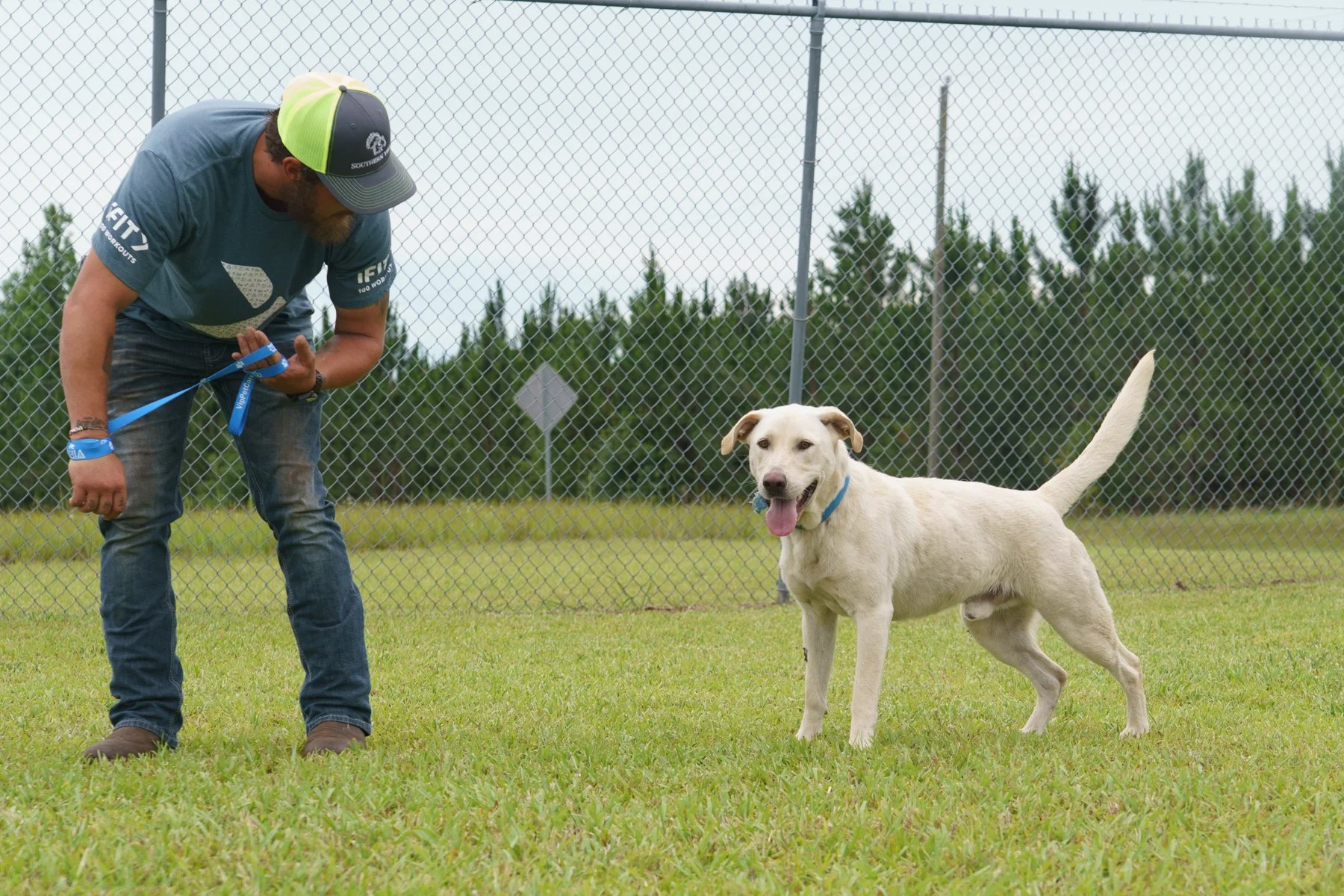
Fostering saves lives. This simple truth drives one of the most powerful programs any animal shelter or rescue can implement. Foster care provides animals with a temporary home environment where they can decompress, heal, and reveal their true personalities, making them more adoptable and ensuring better matches with forever families.
For animals who cannot handle the stress of shelter environments, fostering offers a critical lifeline. For shelters struggling with capacity issues, foster programs create space for incoming animals. For potential adopters, foster homes provide valuable insights into an animal's behavior and personality that simply cannot be observed in a kennel setting.
However, building and maintaining a successful foster program requires strategy, support, and dedication. Foster volunteers can easily feel overwhelmed and isolated at home with a challenging dog or a litter of kittens. Without proper support and appreciation, even the most committed fosters may burn out.
This comprehensive guide provides proven strategies for recruiting foster families, training and mentoring volunteers, managing foster programs effectively, and celebrating the incredible people who open their homes to animals in need.
The Foundation: Why Foster Programs Matter
Before diving into the mechanics of building a foster program, it's worth understanding the profound impact these programs create. Foster programs represent far more than just a temporary housing solution. They are a vital public relations tool, a volunteer recruitment pipeline, and a life-saving intervention all rolled into one.
The families who foster will talk about your shelter or rescue in their communities and spread the word about the good work you do. They become your advocates, your best volunteers, and a source of dedicated supporters. Many adopters are first recruited as foster volunteers, experiencing firsthand the joy of helping animals before committing to permanent adoption.
The Many Benefits of Fostering Shelter Pets
Understanding and communicating the benefits of fostering helps recruit new volunteers and keeps existing fosters engaged. The SPCA of Bradley County, Tennessee, articulates these benefits beautifully:
Foster pets learn they're loved and get to experience more about life in a new home. This socialization and positive human interaction prepares them for successful adoption.
Fostering saves lives by creating much-needed space in the shelter for pets who have no other place to go. Every animal in foster care frees up a kennel for another animal in need.
Some pets get very stressed in the shelter environment and foster homes offer them a place to relax and stay healthy. Stress-related illnesses are common in shelters, and foster care prevents these health issues.
Fostering offers flexibility and a temporary way to have a pet in your life. This appeals to people who love animals but aren't ready for permanent adoption due to lifestyle, housing, or other factors.
Caring for a foster animal can help you heal after the loss of a pet. Fostering allows grieving pet owners to channel their love toward helping another animal without the commitment of adoption.
Foster pets have a way of bringing smiles and laughter into their foster homes. The joy and companionship they provide enriches the lives of foster families.
If you fall in love, you always have the option to adopt your foster pet. Many successful adoptions begin with foster families deciding they cannot let go of their temporary houseguest.
How to Recruit More Foster Homes
Recruitment represents the lifeblood of any foster program. Without a steady stream of willing volunteers, even the best-designed program will falter. If your shelter or rescue is having trouble recruiting foster families, the following strategies can help you find new volunteer caretakers.
Simplify Your Onboarding Process
Research conducted by Maddie's Fund shows that organizations with the biggest foster programs have quick and easy onboarding processes. Shelters and rescues that require extensive home checks, landlord verification, and veterinarian references result in much smaller foster programs.
Successful foster-based rescues report to Maddie's Fund that their streamlined foster care application process helps them recruit dedicated and compassionate foster parents. While some screening is necessary, consider what requirements are truly essential versus which ones create unnecessary barriers.
Don't turn away potentially great foster caregivers with overly specific requirements. For example, only accepting foster applicants with previous breed experience, those who work from home, or those who have fenced-in yards can dramatically limit the number of qualified applicants. Many excellent foster homes may not meet these criteria but can still provide loving, appropriate care.
Leverage Word of Mouth Marketing
Word of mouth is one of the most effective ways to recruit new volunteers. Encourage your current foster and volunteer base to reach out to friends and family and let them know that the shelter needs foster caregivers and the positive impact foster homes play in the lives of shelter pets.
Purr Nation Cat Alliance encourages foster volunteers to post sign-up information on the nonprofit's behalf on Nextdoor, the free neighborhood network app. This hyperlocal approach connects shelters with nearby residents who are most likely to foster.
Optimize Your Online Presence
Make sure that visitors to the shelter's webpage can easily find information about fostering pets. Provide an easy-to-find link to an online foster application form prominently displayed on your homepage and navigation menu.
Maddie's Fund provides a valuable list of best practices when promoting your foster program online. These guidelines help ensure your website effectively converts interested visitors into active foster volunteers.
Communicate Consistently
Be sure that the importance of foster care in your shelter and rescue is being communicated as often as possible in newsletters, on social media, and in news releases. Highlight pets in foster homes and mention how well they are doing.
Keep educating your local community about the huge role foster families play in helping shelter pets find new homes. Explain how foster homes help reduce stress levels, encourage pets to become more trusting of humans, expose pets to living in a home making it easier for them to adjust to a new family, and reduce their exposure to germs that may be found in a crowded shelter environment.
Target Specific Demographics
Recently retired people and empty-nesters make excellent foster caregivers. Often retirees have time on their hands and are actively looking for volunteer opportunities. For empty-nesters whose kids have recently moved out, taking care of a foster dog may help fill a void.
These demographics often have the time, resources, and life experience to provide excellent care for foster animals. Targeted outreach through senior centers, retirement communities, and empty-nester social groups can yield dedicated foster volunteers.
Think Outside the Box
Creative recruitment strategies can reach potential fosters you might otherwise miss. The Santa Cruz County Animal Shelter posts "Need a Workout Buddy? Foster a Shelter Dog" fliers at popular hiking trailheads. What a great way to grab the attention of walkers who may be looking for walking buddies but not ready to commit to permanent adoptions.
This creative approach reframes fostering not as a charitable obligation but as a mutually beneficial relationship where the foster volunteer gains an exercise companion while helping a shelter dog.
Innovative Foster Program Models
Traditional long-term fostering works wonderfully, but innovative program models can expand your foster network by offering different levels of commitment and engagement.
Weekend Warrior Fosters
Weekend Warrior Fosters take shelter dogs into their homes for the weekend. This is a great way to give a dog a break from the shelter while providing shelter staff with valuable feedback about how the dog acted in the home. This helps find them the perfect forever family.
Weekend volunteer fosters at the Shelter Volunteer Network in Newberry County, North Carolina took their foster dog to visit the local Opera House. The dog wore pearls and a purple corsage and met many new friends. What a fun way to market a shelter dog while giving them valuable socialization and a break from the shelter.
Weekend fostering appeals to people who want to help but cannot commit to long-term care. It also serves as a trial run for potential long-term fosters who want to test the waters before making a bigger commitment.
Short-Term Foster Programs
The Montgomery Humane Society in Alabama invites short-term fosters to participate in the shelter's Adoption Ambassador Program. The purpose of this program is to provide shelter dogs with a break from the shelter and foster volunteers an opportunity to serve as ambassadors for the dogs they take home.
Adoption ambassadors provide love, attention, and care to the dogs while promoting them on social media and taking them to local events to help find them forever homes. This combines the benefits of fostering with active marketing, increasing adoption success rates.
Petersburg County Animal Shelter runs Foster Friday Highlights that shine a light on dogs in foster care through pet profiles and endearing images of the dogs with their foster families posted on social media. This visibility not only helps the featured dogs find homes but also showcases the fostering experience to recruit new volunteers.
The Friendly Finders Program
The Friendly Finders Program at the Montgomery Humane Society in Alabama encourages good Samaritans who find lost pets to foster them in their homes for a few days while the shelter works to find their owners. The shelter pays for food and supplies, and the friendly finder helps post fliers around the community and upload photos to missing pets websites.
At the end of four days, if no owner has been found, the good Samaritan can continue fostering or bring the pet to the shelter. This program leverages the finder's existing connection with the animal and their motivation to help, while reducing shelter intake.
Seniors for Seniors Foster Programs
Seniors for Seniors foster programs are designed to match senior citizens, typically 65 and older, with senior shelter dogs. This program gets older dogs out of the stressful shelter environment and places them into loving homes while providing senior foster parents with loyal companionship, unconditional love, and a sense of purpose.
Mature dogs typically have calm and gentle dispositions making them a perfect match for older foster parents. Many shelters run these programs in partnership with local senior centers, creating natural recruitment and support networks.
Shelters provide all the supplies the pets will need so there's no financial burden on senior fosters. There's also peace of mind because the shelter will take the dog back if circumstances change and the foster parent can no longer care for the pet.
A Seniors for Seniors foster program coordinator should be chosen to run the program and manage a team of volunteers available to offer support. For example, volunteers can do drop-off visits delivering food and making sure all is going well. They may also be called on to drive the foster dog to veterinary visits or the groomers.
This program can be promoted on social media and a shelter representative can visit senior center events to do a presentation and bring along a senior shelter dog. Local media can also help promote the program. Once the program is up and running, senior foster parents can help spread the word about the benefits of fostering older dogs.
Educational Partnerships: Tapping Into Academic Resources
Colleges and universities offer untapped potential for foster programs. Students often want pets but face housing restrictions or uncertain futures that prevent adoption. Fostering offers the perfect solution while providing educational benefits.
Veterinary Students Make Great Foster Parents
The Virginia-Maryland College of Veterinary Medicine has a wonderful Animal Care for Education foster program. Students in the program work closely with dogs fostered from local shelters to improve their physical and mental health while helping the dogs develop social skills making them more adoptable.
In return, the dogs help students learn clinical and behavioral training skills. Dogs are temperament screened before being enrolled in the program. When they leave the program, they are spayed or neutered, vaccinated, and have learned basic obedience skills.
At the end of the program, the college hosts a Meet and Greet with the canine instructors to help find them forever homes. Many of the Canine Instructors Class of 2023 graduates came from the Roanoke Regional Center for Animal Care & Protection in Virginia.
If there's a veterinary college in your community, it's worth reaching out to see if they would partner with the shelter to foster shelter dogs. In addition to fostering animals, some veterinary colleges offer other support to shelters such as low-cost spay and neuter services or help transporting animals.
Agricultural and Life Science Programs
If there's a college campus near the shelter, reach out to see if it has an Agricultural or Life Sciences program. Professors might be open to developing a foster program as part of the curriculum for students.
The Virginia Polytechnic Institute and State University launched the Paws for a Cause program. Students foster and work with shelter dogs from the Regional Center for Animal Care and Protection in Roanoke as part of a Shelter Dog Training course in the College of Agriculture and Life Sciences in the School of Animal Sciences.
The students socialize, train, and work hands-on with 24 dogs over the semester. Students are paired with one dog for about a month on the college campus and help find homes for the dogs at the end of their stay. In total, the course's 46 students work with three dogs over the course of the semester.
These academic partnerships provide multiple benefits: students gain hands-on experience, dogs receive intensive training and socialization, and shelters expand their foster capacity without additional recruitment efforts.
Training and Mentoring Foster Volunteers
Recruitment is only the beginning. Successful foster programs provide comprehensive training and ongoing mentorship to ensure volunteers feel confident and supported.
Initial Training
New foster volunteers need clear guidance on what to expect and how to handle common situations. Initial training should cover:
Basic Care Requirements: Feeding schedules, exercise needs, medication administration, and grooming basics specific to the animals you place.
Behavioral Expectations: Normal adjustment behaviors, signs of stress or illness, and when to contact the shelter for help.
Safety Protocols: Proper introductions to existing pets, child safety considerations, and preventing escape or injury.
Communication Expectations: How often to provide updates, what information to include, and preferred communication channels.
Emergency Procedures: What constitutes an emergency, after-hours contact information, and approved veterinary care protocols.
Ongoing Support
It's easy for a foster to feel overwhelmed and isolated at home with a challenging dog. It's important to help them stay connected to the shelter or rescue and for them to know they are appreciated and supported.
Regular check-ins via phone, text, or email help fosters feel connected and provide opportunities to address concerns before they escalate. Create a foster volunteer Facebook group or messaging channel where fosters can connect with each other, share experiences, and offer peer support.
Provide access to behavioral resources, training videos, and expert consultations when fosters encounter challenges. Having these resources readily available empowers fosters to handle situations independently while knowing professional help is available when needed.
Mentorship Programs
Pair new fosters with experienced volunteers who can offer guidance and encouragement. Mentors can answer questions, provide reassurance during challenging moments, and share tips learned through experience.
This relationship benefits both parties. New fosters gain confidence and practical knowledge, while experienced fosters feel valued for their expertise and deepen their connection to your organization.
Managing Foster Programs Effectively
Behind every successful foster program is an organized management system that tracks animals, supports volunteers, and ensures seamless operations.
Clear Policies and Procedures
Document your foster program policies including eligibility requirements, application and approval process, available support (supplies, veterinary care, etc.), foster responsibilities and expectations, adoption procedures for foster families, and return policies if fostering doesn't work out.
Clear policies prevent misunderstandings and ensure consistency in how the program operates. Make these policies easily accessible to all foster volunteers.
Foster Management Software
Consider using foster management software or databases to track foster placements, volunteer information, animal histories, medical records, and communication logs.
Good record-keeping ensures nothing falls through the cracks and provides data to evaluate program success and identify areas for improvement.
Supply Management
Make fostering as easy as possible by providing necessary supplies. Depending on your resources, this might include food, bowls, leashes and collars, beds and crates, toys, litter boxes and litter for cats, and medications.
Having supplies readily available removes financial barriers and ensures consistency in the care animals receive. Consider creating foster care packages that contain everything needed for a successful placement.
Regular Communication
Establish regular check-in protocols to stay connected with foster volunteers and monitor animal wellbeing. This might include required weekly updates, photo or video submissions, and periodic home visits when appropriate.
Regular communication helps identify problems early and ensures animals are thriving in their foster homes. It also makes fosters feel supported and valued.
Celebrating Foster Volunteers
Recognition and appreciation are crucial for volunteer retention. Foster volunteers give their time, open their homes, and often fall in love with animals knowing they must eventually say goodbye. Acknowledging their contributions keeps them engaged and motivated.
Public Recognition
Highlight foster volunteers and their foster animals on social media, in newsletters, and on your website. Share success stories, cute photos, and testimonials about the fostering experience.
This recognition makes foster volunteers feel valued while also serving as recruitment material for potential new fosters who see themselves in these stories.
Foster Appreciation Events
Host annual or semi-annual appreciation events where foster volunteers can connect with each other and shelter staff. These gatherings might include potlucks, awards ceremonies, or fun activities like dog-friendly picnics.
These events strengthen the foster community and remind volunteers they are part of something bigger than individual placements.
Small Gestures of Gratitude
Don't underestimate the power of small gestures. Handwritten thank-you notes, holiday cards, small gifts, or surprise treats delivered with supply drop-offs show volunteers their contributions are noticed and valued.
Foster Graduation Celebrations
When a foster animal gets adopted, celebrate this success with the foster volunteer. Share adoption updates, invite fosters to adoption events, or create certificates recognizing their role in the animal's journey to a forever home.
Acknowledging the bittersweet nature of foster goodbyes while celebrating the positive outcome helps volunteers process their emotions and feel proud of their contribution.
Measuring Success and Continuous Improvement
Successful programs continuously evaluate their effectiveness and adapt based on data and feedback.
Key Metrics to Track
Monitor the number of active foster volunteers, animals placed in foster care, average length of foster placements, adoption rates for fostered versus non-fostered animals, foster volunteer retention rates, and capacity created through fostering.
These metrics help you understand your program's impact and identify trends over time.
Gather Feedback
Regularly solicit feedback from foster volunteers about their experiences. What support was most helpful? What challenges did they face? What would improve the fostering experience?
This feedback provides invaluable insights for program improvement. Consider annual surveys, exit interviews with departing fosters, and informal check-ins to gather this information.
Adapt and Evolve
Use data and feedback to refine your program. If volunteers consistently identify the same challenges, develop resources or change policies to address them. If certain recruitment strategies prove more effective than others, invest more heavily in those approaches.
The best foster programs are living systems that grow and change based on experience and evidence.
Overcoming Common Challenges
Every foster program faces obstacles. Anticipating common challenges and having strategies to address them helps ensure program sustainability.
Foster Burnout
Prevent burnout by encouraging fosters to take breaks between placements, not pressuring volunteers to always say yes, providing robust support systems, and recognizing warning signs of overwhelm.
Remember that a sustainable pace is better than pushing volunteers until they quit entirely.
Foster Failures (Which Are Actually Successes)
When foster volunteers decide to adopt their foster animals, celebrate these "foster failures" as the successes they are. These adoptions represent perfect matches and open space for new foster placements.
Create a positive culture around foster adoptions rather than viewing them as recruitment setbacks.
Difficult Placements
Some animals require specialized care or present behavioral challenges. Be honest about these needs upfront and match challenging animals with experienced fosters who have the skills and resources to help them.
Provide extra support for difficult placements and be prepared to adjust if a placement isn't working. Sometimes finding the right foster match takes a few tries.
Communication Breakdowns
Prevent communication issues by establishing clear expectations, using consistent channels, responding promptly to foster questions and concerns, and documenting all interactions.
Good communication prevents small problems from becoming program-ending crises.
Building Your Foster Program: Action Steps
Ready to start or strengthen your foster program? Here's your roadmap:
Evaluate Your Current State: If you already have a foster program, assess what's working and what needs improvement. If you're starting from scratch, identify your resources and constraints.
Define Your Program Goals: How many foster homes do you want to recruit? What types of animals will you place? What support can you provide?
Develop Policies and Procedures: Create clear, written guidelines for your program. These will evolve over time but starting with a framework is essential.
Create Marketing Materials: Develop compelling information about your foster program for your website, social media, and printed materials.
Launch Recruitment Efforts: Use multiple strategies from this guide to recruit your initial foster volunteers or expand your existing network.
Provide Training and Support: Ensure foster volunteers feel prepared and supported throughout their fostering journey.
Celebrate and Recognize: Make appreciation and recognition core components of your program culture.
Evaluate and Refine: Regularly assess your program and make adjustments based on data and feedback.
The Ripple Effect of Foster Care
Foster programs create ripple effects that extend far beyond individual animals and placements. They build communities of animal advocates, educate the public about shelter animals, reduce euthanasia rates, increase adoption success, and strengthen your organization's reputation and impact.
Every animal who thrives in a foster home represents a life saved. Every foster volunteer who shares their experience with friends and family becomes an ambassador for your organization. Every successful adoption that began with foster care proves the power of this approach.
Fostering truly saves lives, not just through the immediate benefit of providing temporary homes, but through the sustainable, scalable impact of building a strong foster program that becomes the foundation of your lifesaving efforts.