Grant Seeking Tips for Animal Rescues
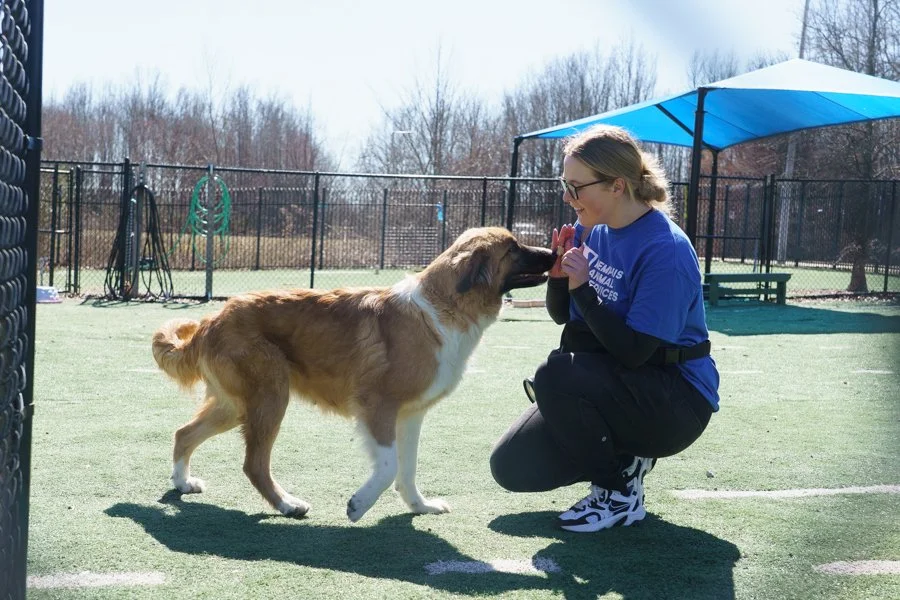
Running an animal rescue or shelter requires hard work, dedication, and dependable funding. While community donations often cover daily needs, grants can make the difference between maintaining your current efforts and growing your impact. Whether it’s launching a spay/neuter program, expanding foster outreach, or supporting emergency care, grant funding can help you make lasting change.
At Who Will Let the Dogs Out, we are committed to helping rescues thrive. This guide introduces the grant-seeking process, outlines what to consider before applying, and shares practical tips to help your proposals stand out.
Understanding the Grant Landscape
Grants are typically awarded by nonprofit foundations or charitable arms of pet-focused businesses such as Petco, Pedigree, or Petfinder. These organizations look for projects that align with their mission and create measurable impact.
Unlike individual donations, foundation grants are often restricted to specific uses. However, they can provide significant financial support, often between $1,000 and $5,000. For rescues, these funds can launch new programs or expand successful ones, helping more dogs find safety and love.
Finding the right grant is similar to finding the right home for a dog. It requires careful research to ensure the right fit. Start by identifying foundations whose missions align with yours. Many states have local funders that support animal welfare organizations, so look for opportunities close to home.
If you’re unsure where to start, contact WWLDO’s Grants Advisor Nicole Sandler at nicole@wwldo.org. She can help identify state-specific funders and provide support as you prepare applications.
Most foundations run one or two grant cycles each year, although some, especially those that fund emergency or disaster response, accept applications year-round. Plan ahead, as it can take several months to receive a funding decision.
Applications are usually submitted online and ask for information such as your mission statement, program goals, budget, board list, and financial reports. Some funders require additional details or may ask that your organization be a recognized partner before applying. For example, the Bissell Foundation requires six months of partnership.
Preparing Before You Apply
Before diving into the grant process, take a moment to assess your readiness. Do you have someone who can gather financials, statistics, and supporting materials? This person doesn’t need to be a professional grant writer, but should be organized, clear, and familiar with your mission and data.
Consider whether your rescue can meet the conditions of a grant. Will you be able to spend the funds within the designated time, track results, and submit reports on time? Think about how you will continue the program after the grant ends.
A strong proposal tells a clear and specific story that connects your rescue’s mission to the foundation’s goals. Start by learning about the funder’s eligibility criteria, focus areas, average grant amounts, and previous grantees. Many foundations share valuable insights through annual reports or webinars.
When writing, follow instructions closely. Applications often have strict word counts or document requirements, so keep responses concise and relevant. If a question doesn’t apply, write “Not applicable” instead of leaving it blank.
Be realistic about the amount you request. Some funders limit requests based on your annual budget, often allowing applications for no more than 10 to 30 percent of your total operating expenses.
Highlight your collaborations and partnerships. Funders appreciate seeing rescues that work with local governments, veterinarians, or other organizations. Collaboration demonstrates both capacity and community engagement.
Finally, remember that most funders will require a short report after the grant is complete. Describe how funds were used and how many animals were helped. When allowed, include high-quality photos and stories that show the difference your rescue made.
Having your key documents ready makes each application smoother. Keep these materials updated and easy to access:
IRS Determination Letter confirming 501(c)(3) status
Current Board of Directors list with affiliations
Annual operating budget
Form 990s for the past three years
Local demographic data (available at census.gov/quickfacts)
These documents form the foundation of almost every grant application.
Learning from Real Success Stories
To see how successful grant seeking works in practice, watch our interview with a shelter advocate and a volunteer grant writer who helped a struggling rescue secure multiple grants. Their two-part video series offers real-world advice and encouragement for anyone starting out:
Part One: Getting Started with Grants
Part Two: Writing Winning Proposals
Their stories show that with preparation and persistence, any rescue can find success in grant funding.
Final Thoughts
Grant seeking can feel intimidating at first, but every rescue has the ability to succeed. You do not need to be a professional writer, only someone who understands your mission and can share your story clearly.
Take the first step today and begin building a sustainable future for your rescue. Together, we can help more dogs find the homes and care they deserve.