Spay-Neuter Funding Support Programs for Shelters and Rescues
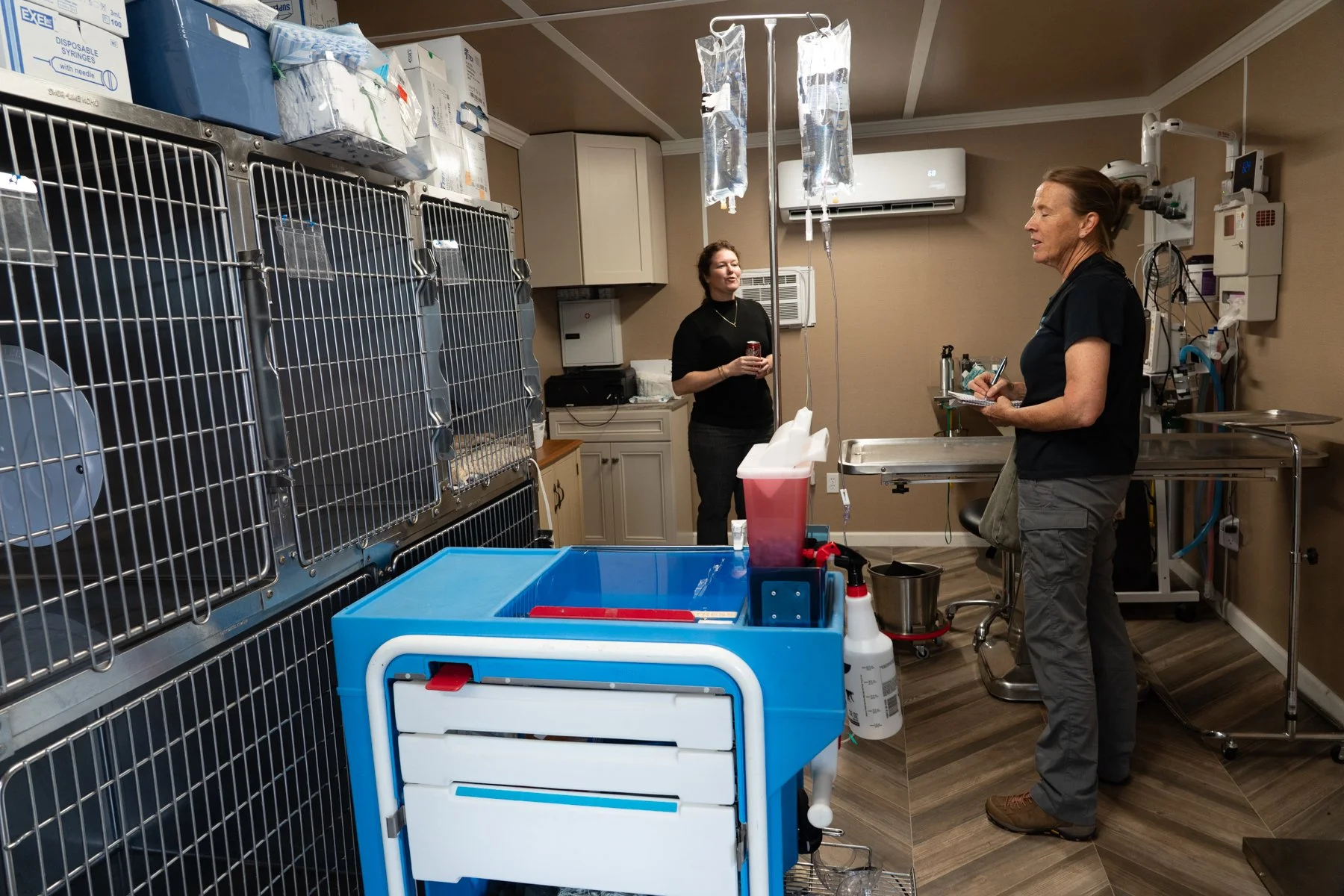
Pet overpopulation remains one of the most challenging issues facing animal shelters and rescue organizations across the United States. The solution is clear: accessible, affordable spay and neuter services. However, funding these critical programs can strain already limited shelter budgets. Fortunately, numerous organizations and initiatives exist to help shelters provide spay and neuter services to their communities.
This comprehensive guide explores over a dozen spay-neuter funding programs, grants, mobile clinic partnerships, and innovative service models designed to help your shelter make a bigger impact in reducing pet overpopulation.
Why Spay-Neuter Programs Matter
Before diving into available resources, it's important to understand the critical role spay-neuter programs play in animal welfare. A single unspayed female dog and her offspring can produce 67,000 puppies in just six years. For cats, the numbers are even more staggering. Without intervention, pet overpopulation leads to overcrowded shelters, increased euthanasia rates, and community strain.
Spay and neuter programs not only prevent unwanted litters but also provide health benefits for pets including reduced risk of certain cancers and behavioral improvements. By making these services accessible to low-income pet owners, shelters can keep pets in homes and prevent future shelter admissions.
National Grant Programs and Partnerships
Petco Love: Multiple Grant Opportunities
Petco Love offers numerous grant opportunities specifically designed for animal shelters and rescue partners. Their Access to Care grant helps fund spay and neuter clinics, full-service low-cost providers, and TNR (Trap-Neuter-Return) programs. In 2025, applications for this grant will open September 1 through 30.
Additionally, shelters dedicated to providing free vaccine services to the community can apply for a Vaccinated & Loved grant. Unlike the Access to Care grant, applications for the vaccine grant are accepted year-round. Shelter partners can apply online for all grant opportunities through the Petco Love website.
Jason Debus Heigl Foundation: Namaste Spay & Neuter Initiative
To address the pet overpopulation problem, the Jason Debus Heigl Foundation launched the Namaste Spay & Neuter Initiative. Through this program, the foundation partners with qualifying 501(c)(3) groups to fully fund the cost of spay and neuter surgeries, including associated pain medication and any necessary vaccinations.
On Namaste Days, pet owners bring their cats or dogs to pre-approved host clinics for completely free surgery. This removes the financial barrier entirely, making it possible for any pet owner to have their animal spayed or neutered. Shelters can apply online to organize a Namaste Spay and Neuter Clinic in their community.
Onyx and Breezy Foundation: Comprehensive Support
The Onyx and Breezy Foundation helps shelters and rescues across the nation by providing grants and funding for numerous initiatives. Their support extends beyond just spay and neuter programs to include rescue of animals from kill shelters, pet food, medicine and supplies, equipment for medical facilities, support for shelters, rescues, foster groups and sanctuaries, and assistance for pets of individuals facing medical hardship (helping keep pets out of shelters).
This holistic approach recognizes that preventing pet overpopulation requires addressing multiple aspects of animal welfare. For more information about grant opportunities, email info@onyxandbreezy.org.
MuttNation Foundation: It Takes Balls Campaign
The MuttNation Foundation's It Takes Balls campaign works to raise awareness about the importance of spaying and neutering while offering grants to qualifying low-cost programs in East Texas, North Texas, and the Texas Panhandle. While grant applications are currently closed, the foundation plans to open the program to the rest of Texas in 2025, significantly expanding access to spay-neuter funding across the state.
Regional and State-Specific Programs
West Virginia Spay and Neuter Assistance Program
The West Virginia Spay and Neuter Assistance Program is a grant program administered through the West Virginia Department of Agriculture. Municipal animal shelters and animal control organizations can apply for grants during the annual application period, which runs from mid-December through January 15. This state-funded program demonstrates the growing recognition of spay-neuter services as a public health and animal welfare priority.
HOPE (Helping Over-Population End): Kentucky Services
HOPE provides low-cost spay and neuter services for companion animals as well as feral cats throughout Kentucky. The organization's goal is to reduce overpopulation and unnecessary euthanasia through accessible veterinary services. Community education and involvement are essential components of HOPE's efforts and are key to its success. By engaging local communities in the solution, HOPE creates sustainable change.
Hope Animal Sanctuary: Mississippi SNAP Program
Hope Animal Sanctuary serving rural Mississippi recently launched a Spay & Neuter Assistance Program (SNAP). The low-cost and no-cost spay and neuter program is available for low-income pet owners and those receiving government assistance. These services are initially being offered in Montgomery and Carroll Counties, Mississippi, with plans to eventually extend the program into neighboring counties. Applications can be found online and need to be mailed to the animal sanctuary.
This program specifically targets rural areas where access to veterinary services is often limited, addressing a critical gap in animal welfare infrastructure.
Texas-Based Spay-Neuter Resources
Texas faces unique challenges with pet overpopulation, particularly in underserved communities. Several organizations focus specifically on providing spay-neuter services throughout the Lone Star State.
SNAP (Spay-Neuter Assistance Program): Houston and San Antonio
The mission of SNAP is to prevent the suffering and death of companion animals and to enrich the human-animal bond by providing accessible and affordable veterinary services including spay and neuter surgeries. The organization operates in two major Texas metropolitan areas: Greater Houston and San Antonio, with three Spay-Neuter and Animal Wellness Clinics located in Houston, Pasadena, and San Antonio.
A majority of SNAP clients live at or below the poverty level, and the organization serves a large segment of Hispanic communities in both Houston and San Antonio. This targeted approach ensures services reach those who need them most. For more information, call 713-862-3863.
Spay Neuter Network: Dallas Fort Worth and San Antonio
The Spay Neuter Network (SNN) operates four spay and neuter clinics, a mobile spay-neuter program, and a transport program in and around the Dallas Fort Worth Metropolitan area and San Antonio. The nonprofit partners with more than 16 counties and 36 cities to provide free and affordable spay and neuter and essential wellness services for financially challenged pet parents.
The mission of the network is to provide free and affordable high-quality spay and neuter, wellness, and vaccination services for dogs and cats in neighborhoods with little or no access to basic veterinary care. This comprehensive network approach maximizes reach and impact. For more information, you can send an online message or call 972-472-3500.
STAR Group: Corpus Christi Mobile Clinic
The nonprofit STAR Group operates a Mobile Clinic that performs low-cost spays, neuters, and wellness services in the Corpus Christi area. During the week, the mobile clinic is located at Peewee's Pet Adoption World & Sanctuary, 1307 Saratoga Blvd., Corpus Christi. The mobile format brings services directly to underserved areas, eliminating transportation barriers for pet owners. Appointments can be booked online or by calling 361-229-8202.
Innovative Service Models and Partnerships
Spay FIRST: Multiple Program Models for Remote Areas
Spay FIRST is a nonprofit organization dedicated to the education and development of surgical and non-surgical spay/neuter solutions designed to reach the most remote and economically challenged regions of the world. The organization operates and mentors numerous spay/neuter programs in rural and chronically impoverished communities through three innovative models.
The MASH Model: Mobile Animal Sterilization Hospital
The Spay FIRST MASH (mobile animal sterilization hospital) program is a temporary clinic set up in areas where no local spay/neuter options exist and the area is too remote for transporting animals to clinics in the region. The visiting MASH team provides the veterinary services and supplies including all the medical equipment needed for carrying out the surgeries.
The local shelter and rescue groups are responsible for finding a location for the clinic, community outreach, and volunteer recruitment to help support the clinic. This partnership model leverages local knowledge and connections while bringing in specialized expertise and equipment.
Mini Clinics: Permanent Low-Overhead Solutions
Spay FIRST Mini Clinics are a standing clinic model that operates in a low-cost or donated space. These clinics require low-overhead, part-time staff, and limited volunteer support. They work well in a spare room at an animal shelter or an office trailer on an existing shelter property. These spaces should already have the required animal-friendly zoning and utilities in place.
This model is ideal for shelters that have available space but lack the resources to operate a full-service veterinary clinic. The low-overhead approach makes it financially sustainable even in communities with limited funding.
Private Practice Partnership Model
The Spay FIRST Private Practice Partnership model involves a partnership between a local veterinary clinic and an animal shelter. The veterinary team performs low-cost spay/neuter services on days when the clinic is otherwise closed, or they block out two or three hours each week to conduct these surgeries. The shelter staff operate as support staff doing check-ins and working the front desk while the veterinary team carry out the procedures.
This innovative model benefits both parties. Veterinary clinics can utilize their facilities during downtime while contributing to their community, and shelters gain access to professional surgical services without the overhead of maintaining their own clinic.
For more information on the Spay FIRST remote programs, email info@spayfirst.org, call 405-535-3050, or complete an online form.
Instasnip
InstaSnip is a spay/neuter grant program that provides immediate financial assistance for spay and neuter surgeries to Who Will Let the Dogs Out partner shelters and rescues. This animal welfare funding program, which was generously funded by the ASPCA and a private donation, addresses the critical need for accessible spay/neuter services in under-resourced Southern shelters, which is essential for solving the current pet overpopulation crisis.
Spaying and neutering are proven methods for controlling pet populations, reducing animal shelter intake, preventing unwanted litters, and improving overall animal well-being. The InstaSnip program minimizes bureaucratic red tape and enables community donations to go directly to shelter-specific veterinary funds, ensuring that resources reach the animals who need them most.
National Referral Networks
SpayUSA: Nationwide Affordable Service Network
North Shore Animal League America's SpayUSA is a nationwide referral network for affordable spay and neuter services. The program's goal is to make spay/neuter services affordable to those who might not otherwise have their pets fixed. SpayUSA provides referrals to over 1,900 low-cost sterilization programs and clinics nationwide as of 2019.
To find a list of local clinics offering low-cost spay/neuter services, pet owners can enter a zip code on the SpayUSA website. This searchable database is an invaluable resource that shelters can share with their communities, helping pet owners find affordable services even if the shelter doesn't provide them directly.
Maximizing Your Spay-Neuter Program Impact
Having access to funding is just the first step. Here are strategies to maximize the impact of your spay-neuter program:
Community Outreach and Education
Partner with community organizations, schools, and local businesses to spread awareness about available spay-neuter services. Many pet owners want to spay or neuter their pets but are unaware of low-cost options. Regular outreach ensures your services reach those who need them most.
Remove Barriers to Access
Transportation is often a significant barrier for low-income pet owners. Consider partnering with volunteer drivers, offering pickup services, or scheduling mobile clinics in underserved neighborhoods. The easier you make it for pet owners to access services, the more animals you'll help.
Track and Report Your Impact
Most grant programs require detailed reporting on the number of animals served and community impact. Implement systems to track surgeries, demographics, and outcomes from the beginning. This data not only satisfies grant requirements but also helps you identify trends and improve services.
Build Veterinary Partnerships
Cultivate strong relationships with local veterinarians. Many private practice vets are willing to offer discounted services or volunteer their time if approached professionally. These partnerships can extend your capacity beyond what grants alone can fund.
Leverage Multiple Funding Sources
Don't rely on a single funding source. Apply to multiple grants, cultivate individual donors, and seek corporate sponsors. Diversifying your funding streams creates program stability and allows you to serve more animals.
Application Tips for Spay-Neuter Grants
When applying for spay-neuter funding, keep these tips in mind:
Start Early: Many grants have specific application windows. Mark your calendar well in advance and gather required documentation ahead of time.
Tell Your Story: Numbers matter, but so do stories. Include compelling narratives about individual animals or families you've helped. Demonstrate the human and animal impact of your work.
Be Specific: Clearly outline how you'll use the funds, how many animals you'll serve, and your expected outcomes. Vague proposals are less likely to be funded.
Demonstrate Need: Provide data on pet overpopulation in your area, shelter intake numbers, and community demographics showing the need for affordable services.
Show Sustainability: Grant makers want to fund programs that will continue beyond their initial investment. Explain how you'll sustain the program long-term.
Follow Up: If your application is declined, ask for feedback. Understanding why your proposal wasn't selected helps you improve future applications.
The Future of Spay-Neuter Programs
The spay-neuter landscape continues to evolve with new technologies, service models, and funding opportunities. Non-surgical sterilization methods are being researched and may someday provide additional options for population control. Mobile veterinary services are becoming more sophisticated, bringing comprehensive care to remote areas. And increasingly, spay-neuter programs are being integrated into broader community wellness initiatives that address pet retention, basic veterinary care, and pet owner education.
As recognition grows that pet overpopulation is a solvable problem, more resources are flowing into spay-neuter programs. State legislatures are considering funding for spay-neuter services as a cost-effective alternative to sheltering and euthanasia. Corporate partners are stepping up with grants and in-kind donations. And innovative partnerships between shelters, veterinarians, and community organizations are creating new models for delivering services.
Taking Action
Reducing pet overpopulation through spay and neuter programs is one of the most impactful actions any shelter or rescue organization can take. The programs outlined in this guide provide pathways to fund and expand your spay-neuter services, regardless of your organization's size or location.
Start by assessing your current capacity and identifying gaps in your service area. Are there neighborhoods without access to affordable spay-neuter services? Are there populations you're not reaching? Use this assessment to determine which programs and funding sources best fit your needs.
Next, create a plan. Which grants will you apply for? What partnerships could you develop? How will you measure and report your impact? A clear plan increases your chances of securing funding and successfully implementing or expanding your program.
Finally, take action. Submit those grant applications. Reach out to potential partners. Start small if needed, but start. Every animal spayed or neutered prevents countless future litters and reduces shelter intake. Your efforts today create a ripple effect that will benefit animals and communities for generations to come.