Rethinking the Rural Dog Pound: The New Face of Quitman Animal Shelter
The City of Quitman Animal Shelter in South Georgia has a tough history, but in 2022, all that changed when a determined woman named Elana got involved. Elana runs a local rescue, and when she stepped into the shelter and saw the conditions and the freezer full of dead dogs, she knew things had to change.
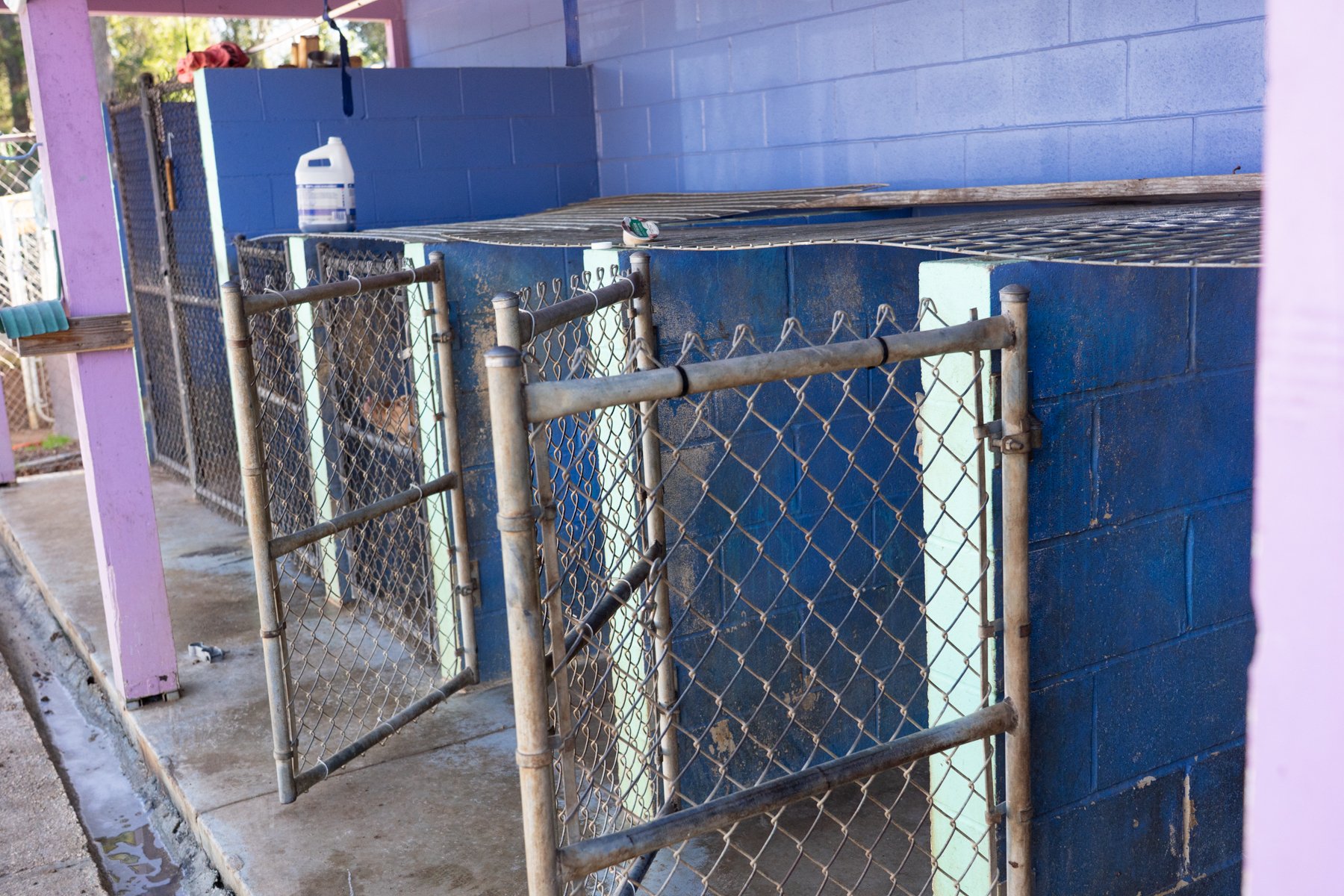
At first, Elana and a group of volunteers ran the shelter, operating it much like the rescue – offering excellent care, spaying and neutering everything, testing and treating Heartworm (with the help of Thomasville Humane Society, which also helped them with serious medical needs), and installing fenced areas so the dogs could get out of the old kennels to play.
They cycled through a few employees whose shelter experience led them to run the shelter like a dog pound. Elana changed their search to look for someone with the right qualities who simply loved animals. 18 months ago, they hired Anna, a former vet tech who had recently relocated to Quitman. Anna came to Quitman from Atlanta after buying a house off of Facebook Marketplace and moving here, knowing nothing about Quitman other than that she loved the house and was looking to make a fresh start.
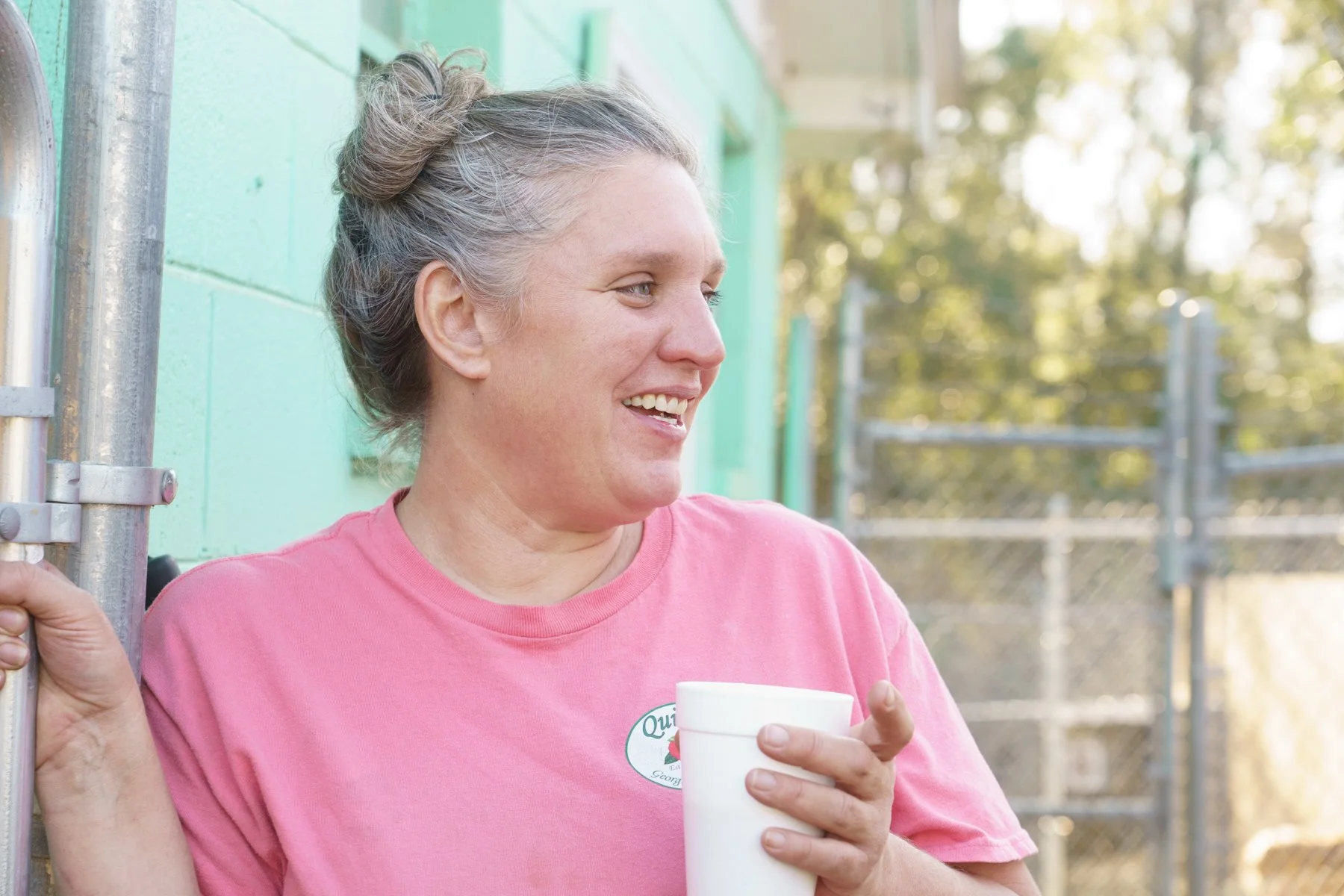
Since then, with Elana’s help, Anna has learned on the job. For a time, the two ran the shelter together as a rescue, saving over 500 dogs, primarily through local adoptions. As Anna learned more, she recognized that the shelter needed to be run as a shelter and not a rescue.
The Difference Between a Shelter and a Rescue
This is an important point that too many people miss. Shelters and rescues have completely different purposes and missions. A municipal shelter is funded primarily by tax dollars (although in most places that is not nearly enough to provide quality care, and extra fundraising is critical). Its purpose is to serve the community by taking in stray, unwanted animals and assisting pet owners who are struggling to care for their animals, with public safety as the driving force.
It’s a critical service and the safety net for animals left behind by death, injury, incarceration, and eviction. The shelter also takes in stray animals that would otherwise multiply and potentially spread disease and danger if left to roam. The shelter houses animals, attempting to find their owners and/or an adoptive home or rescue placement.
A shelter’s mission is not to save every animal that comes through its doors. Its mission is to provide animal services for the community. Often that does mean saving lives, but with the number of animals currently in shelters and on the streets in the U.S., it is not a guarantee, and they cannot ‘save them all’.
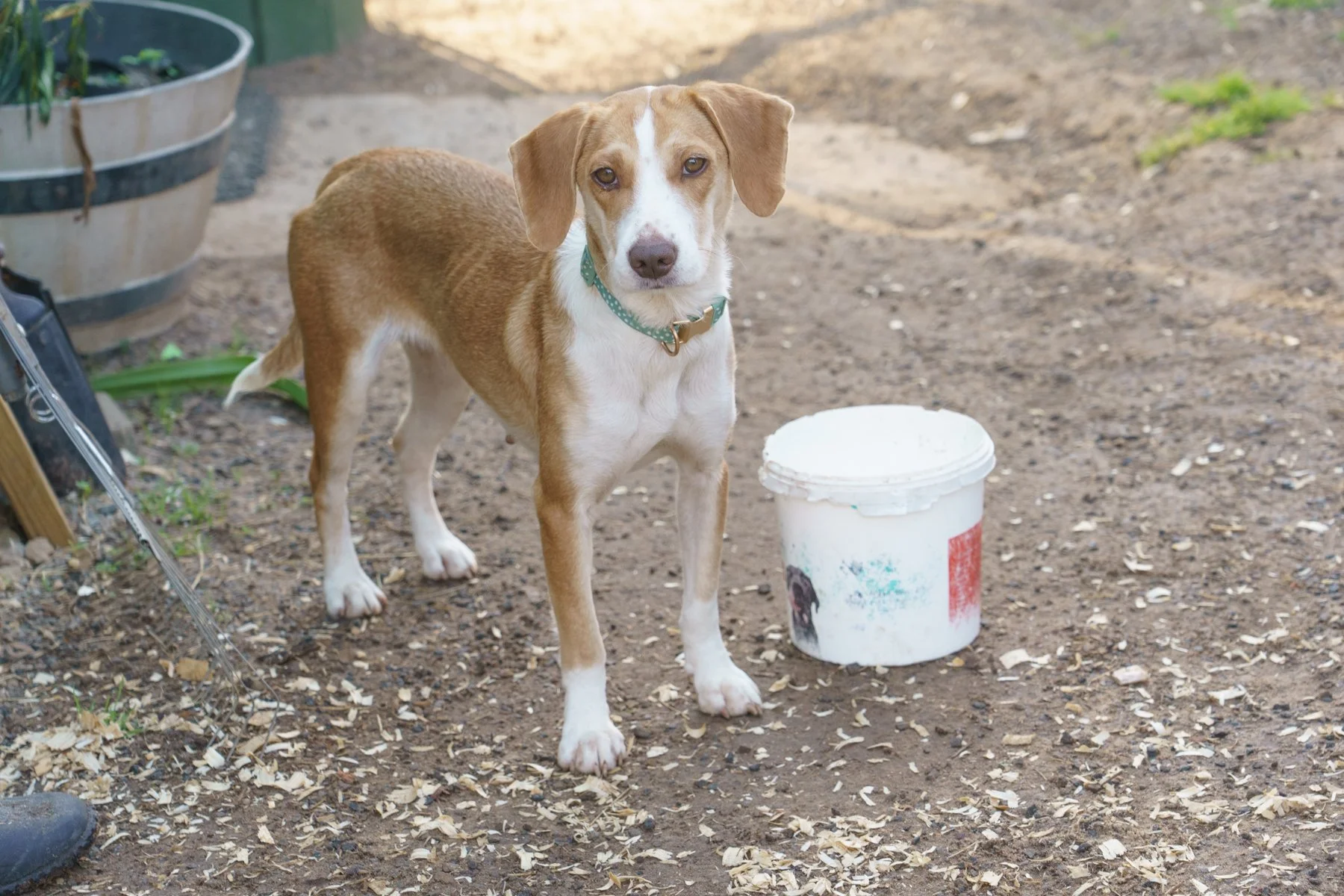
‘Saving them all’ is a mantra for a rescue. A rescue is privately funded and typically run as a nonprofit. Their purpose is to save animals. A rescue can pick and choose which animals they take in, which makes saving them all possible. A rescue may have the time, space, and funding to work with challenging animals who are not immediately ready or safe for adoption into a home.
In a Perfect World….
In a perfect world, rescues work with their local shelter, pulling dogs when the shelter is overcrowded, helping with medical cases, and taking the animals that cannot survive in the shelter environment. A rescue may also help with owner-surrendered animals if the shelter is full. In that utopian world I dream about, the rescue enables the shelter to avoid euthanizing for space or length of stay. It supports and complements the shelter’s work.
Hopefully, that’s the model Quitman will build. As a municipal shelter, the city of Quitman pays for the shelter building, the Animal Control truck, and Anna’s salary. Everything else must come in through donations.
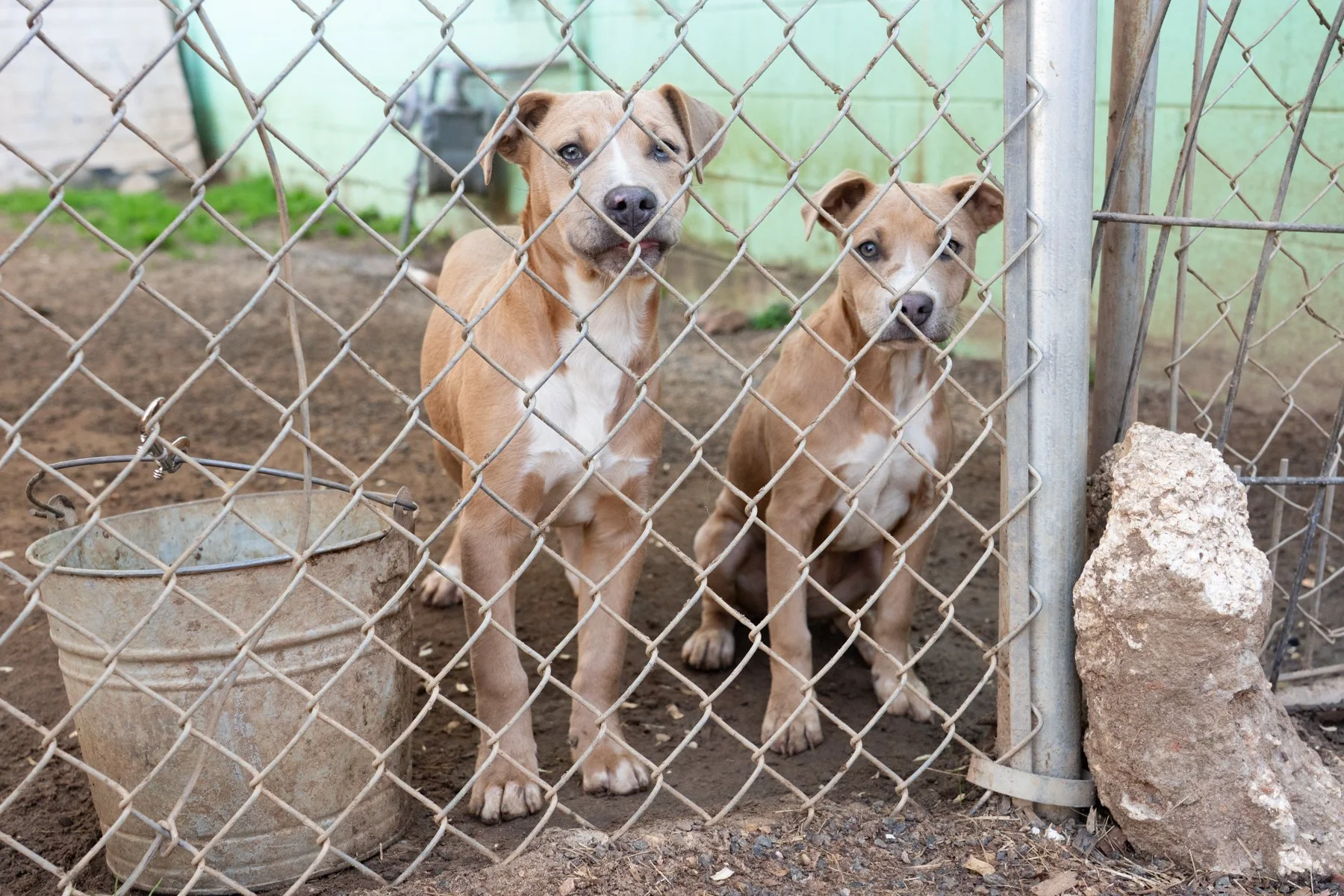
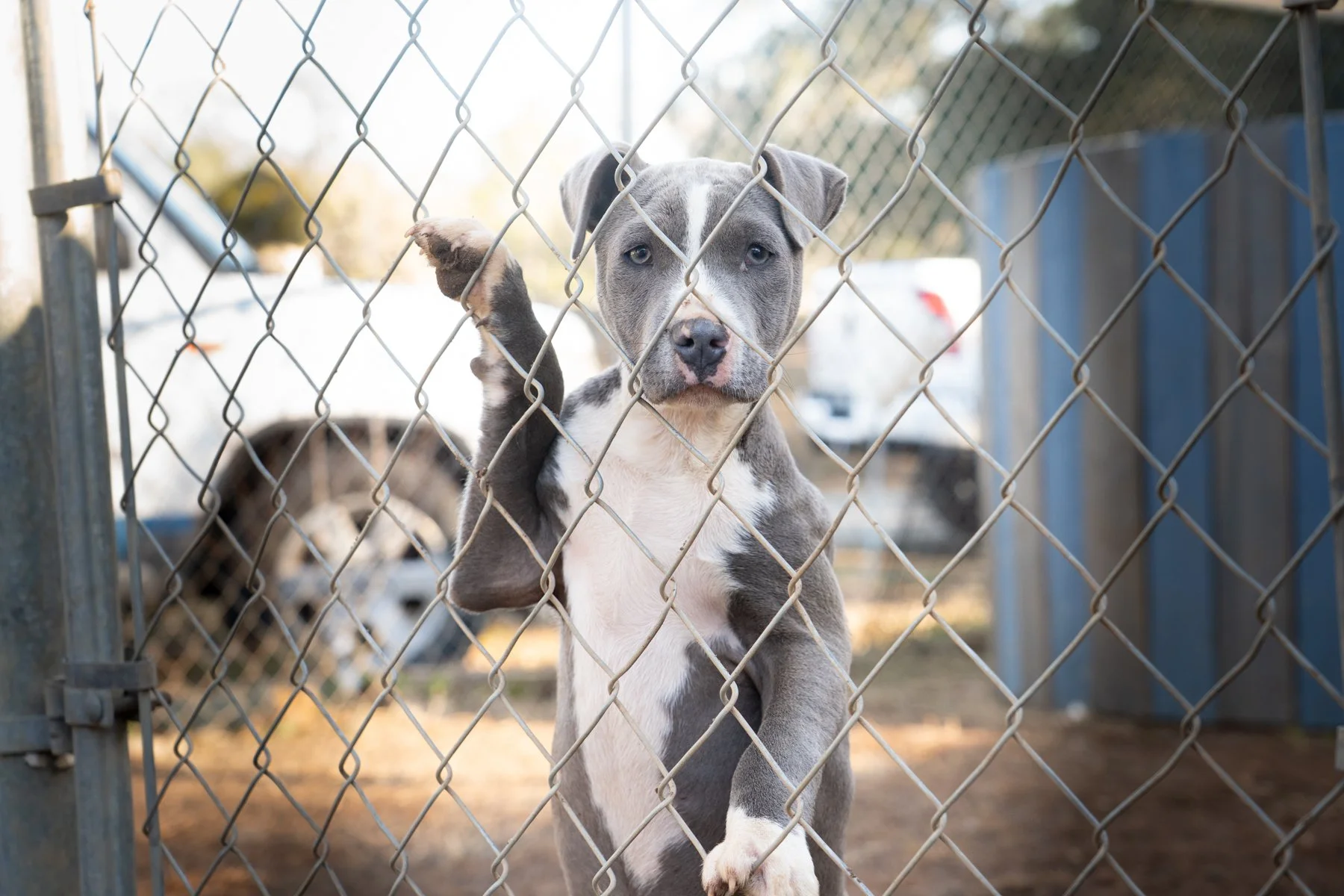
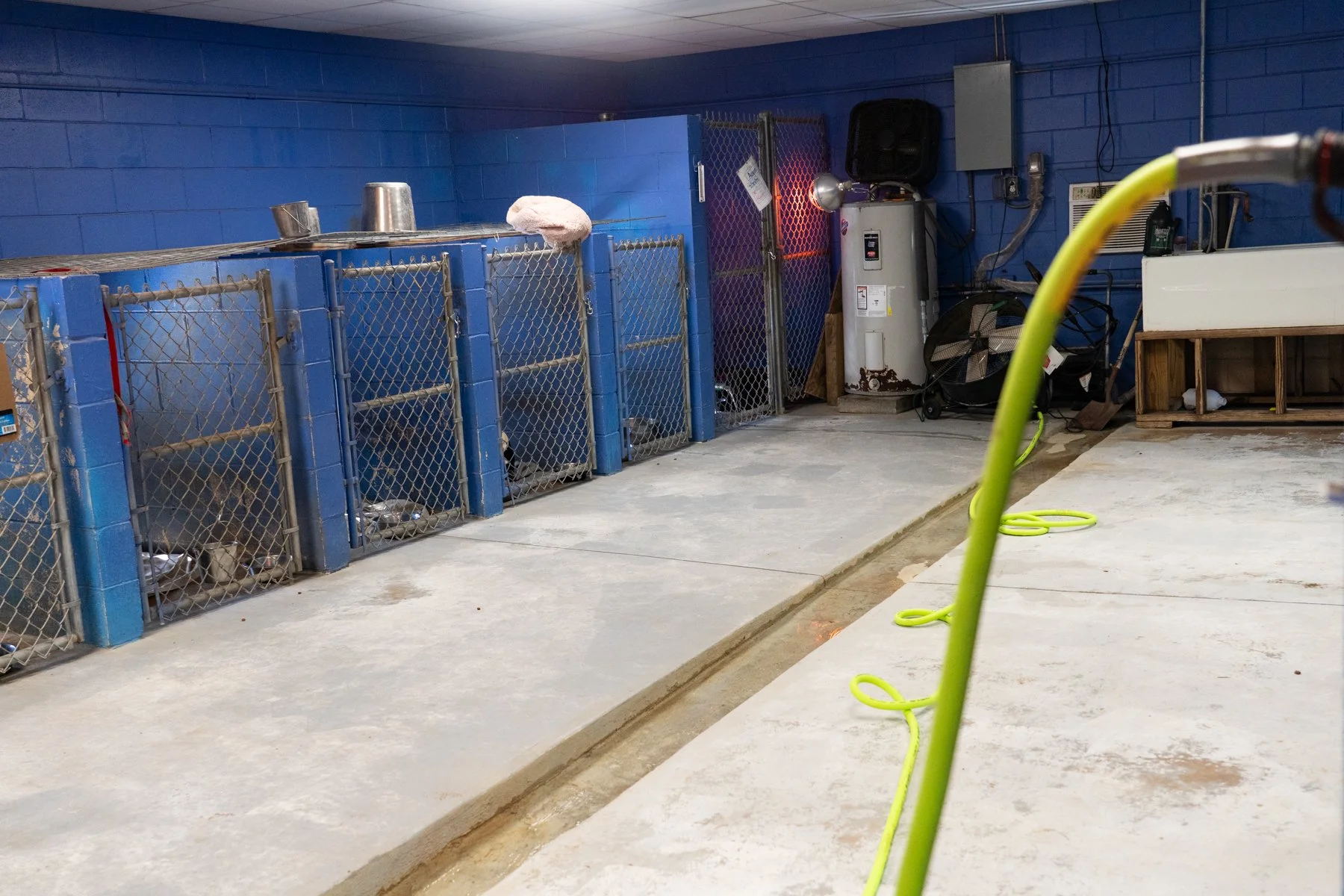
Built to comfortably hold 40 dogs, at the time of our visit in January 2026, they had 42, including four mamas with puppies. Puppy season goes year-round in the south (and elsewhere these days). Most of the dogs looked highly adoptable and would likely find homes at one of the many adoption events held weekly in nearby Valdosta.
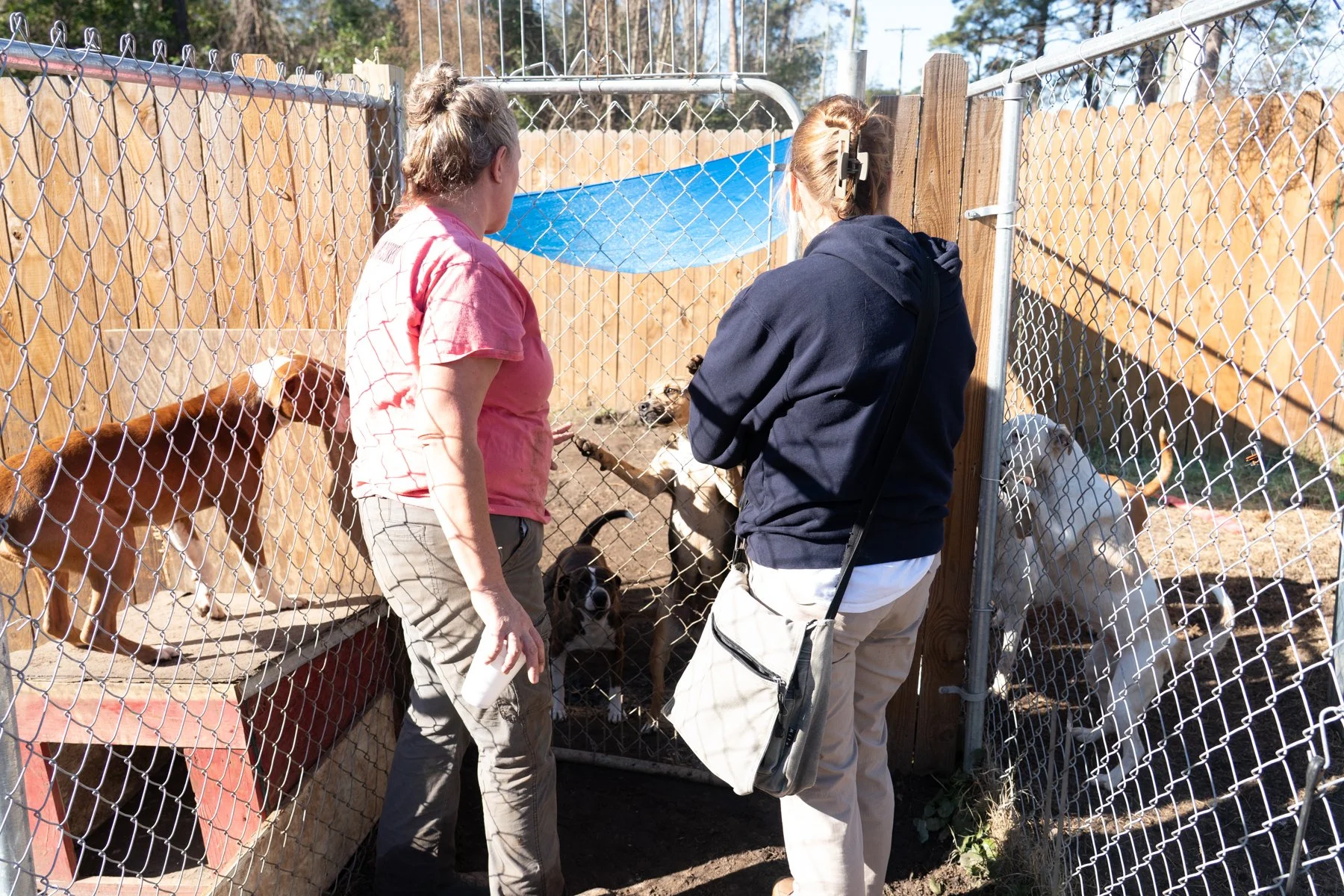
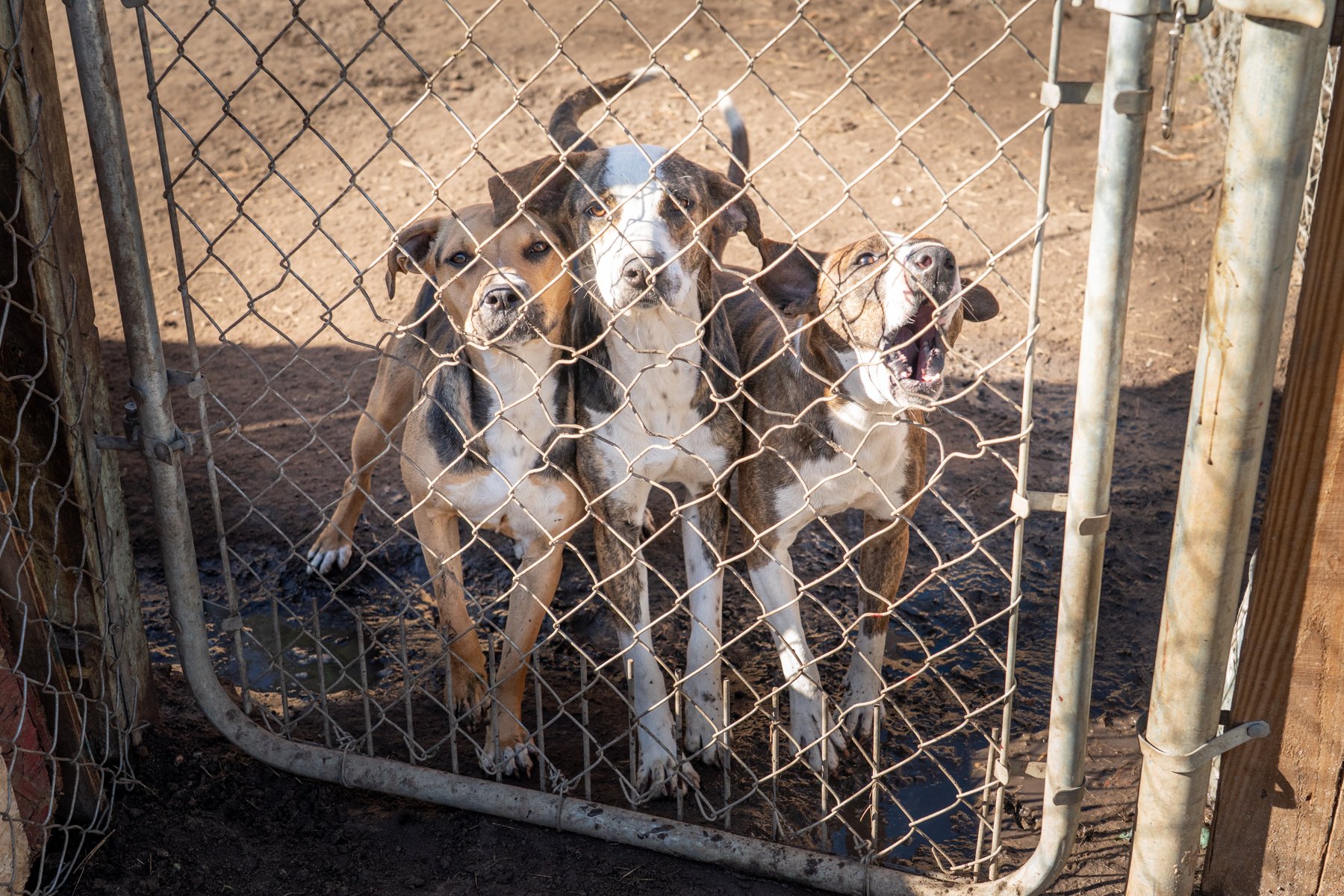
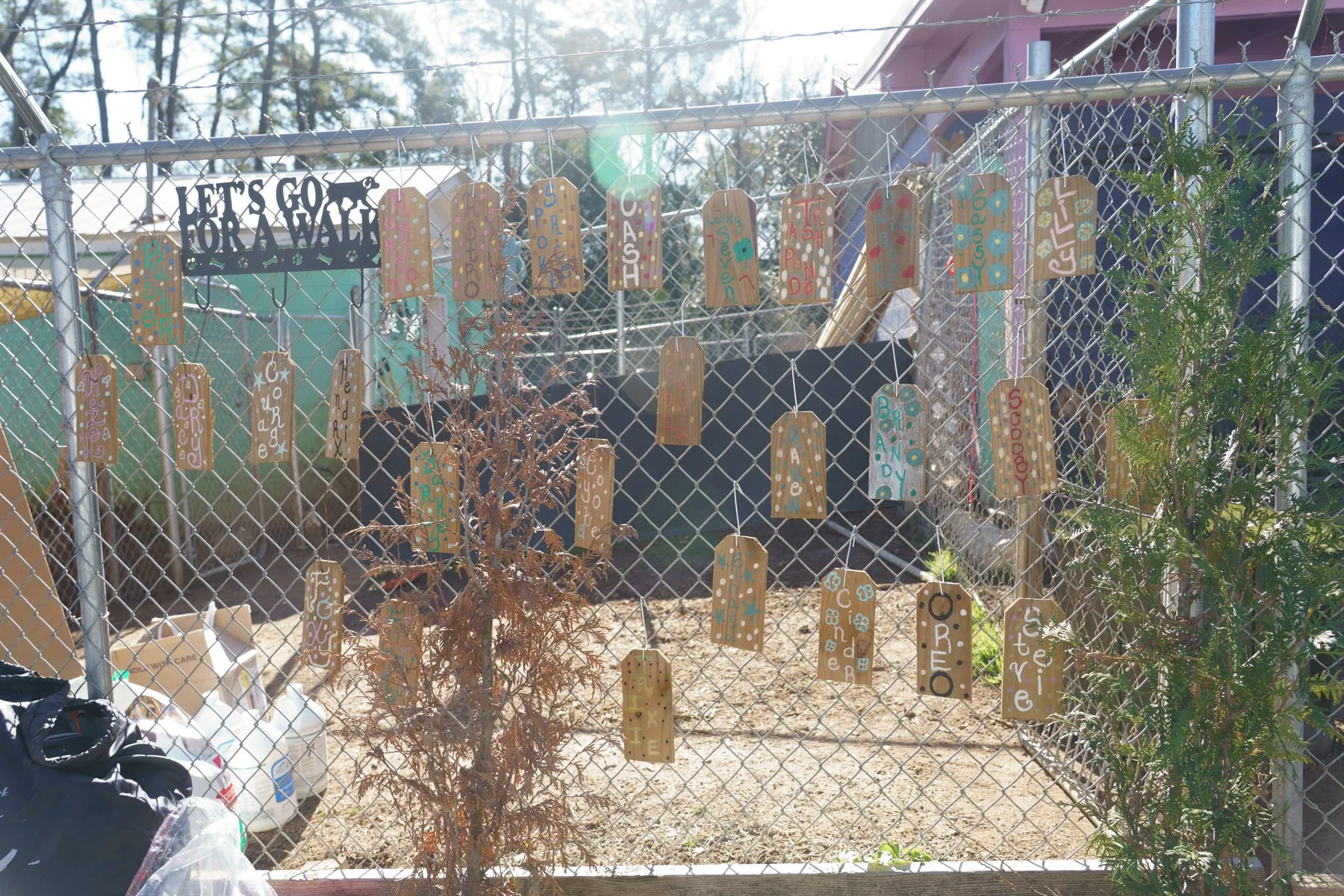
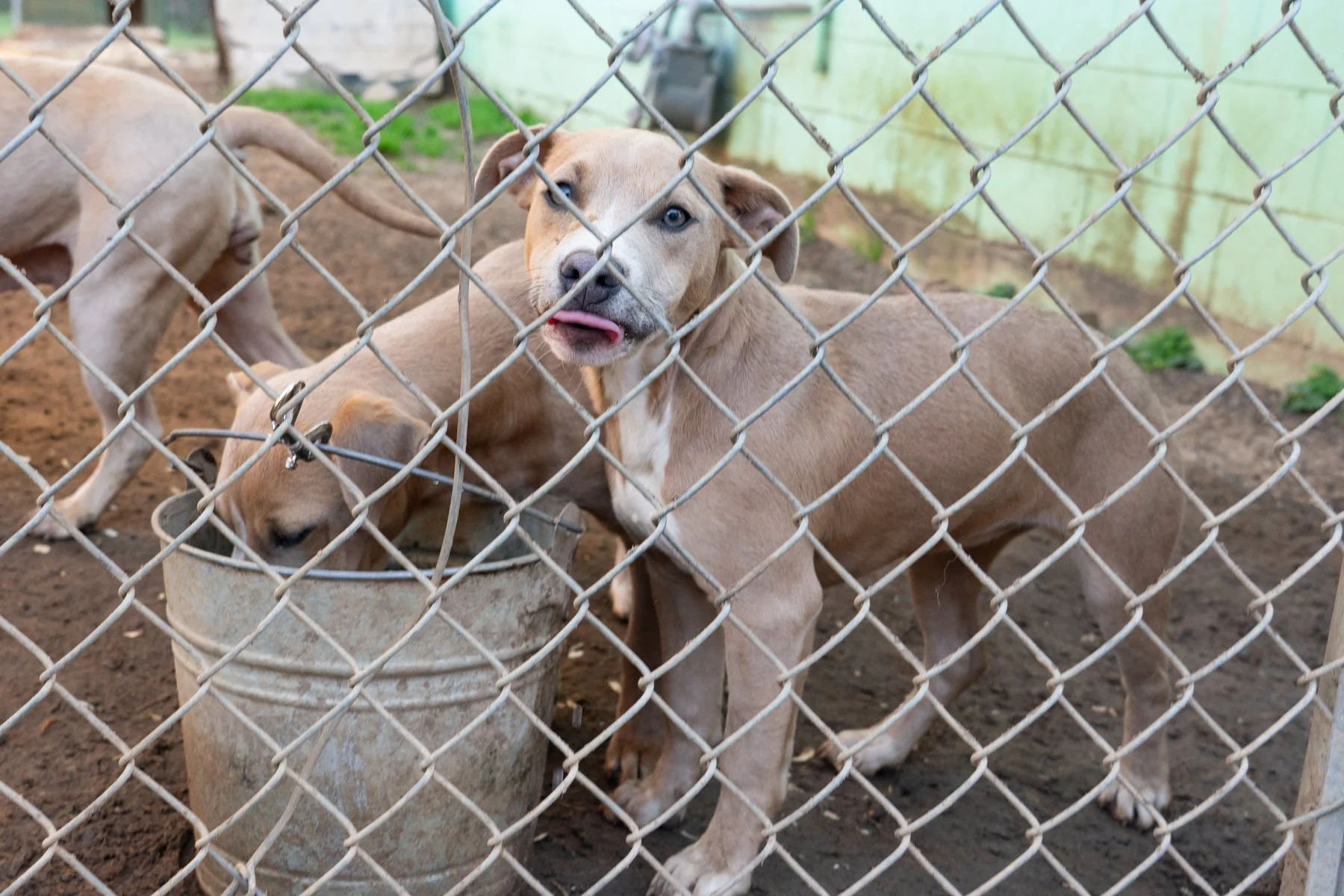
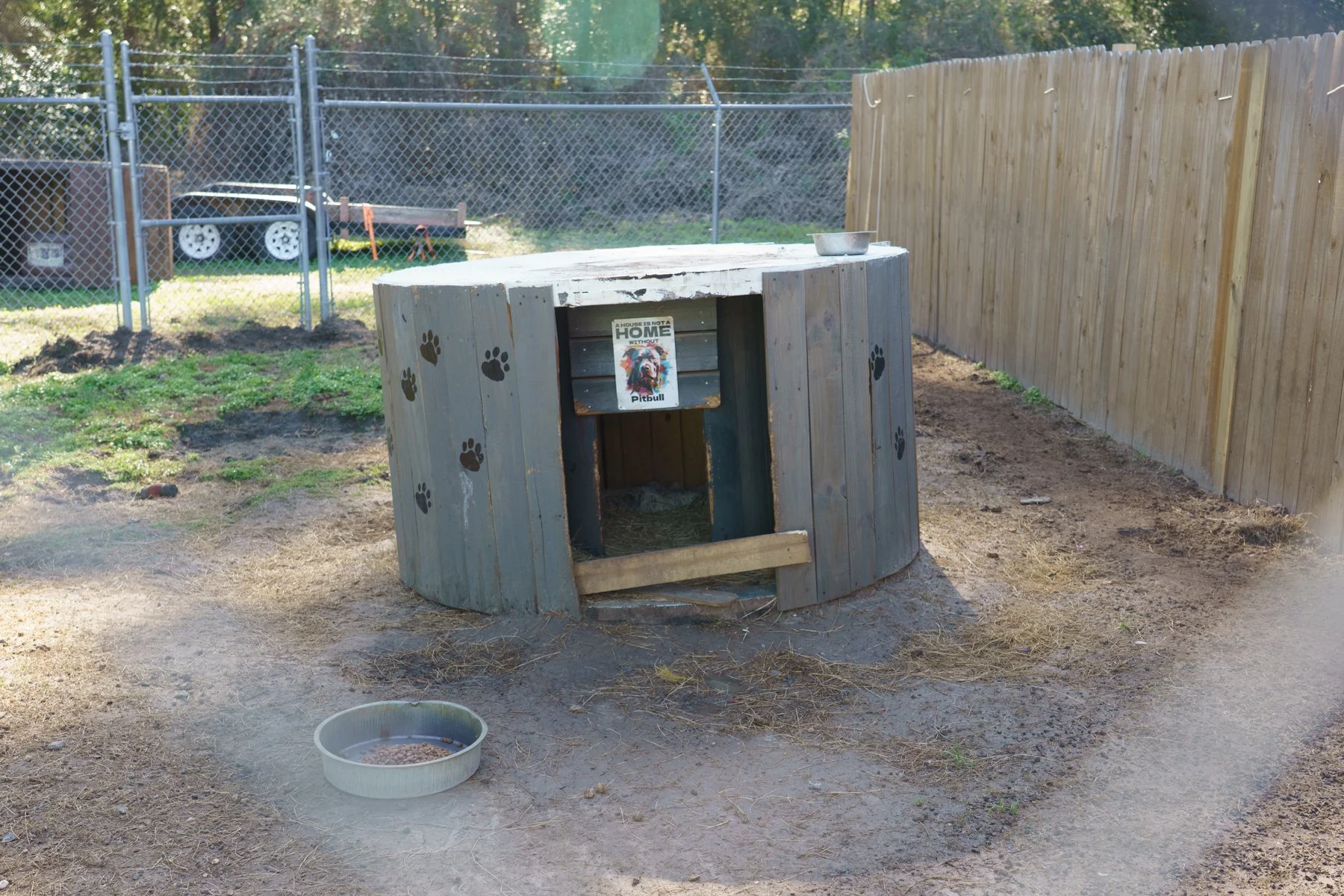
In addition to having a background as a veterinary technician, Anna has also worked doggie daycare, so she’s very good at putting together what she calls, ‘Friend groups’. These are groups of about 3 dogs who go out to play together in one of the yards daily. All four of the mama/pups families have their own playyard and doghouse (made from cotton spools!).
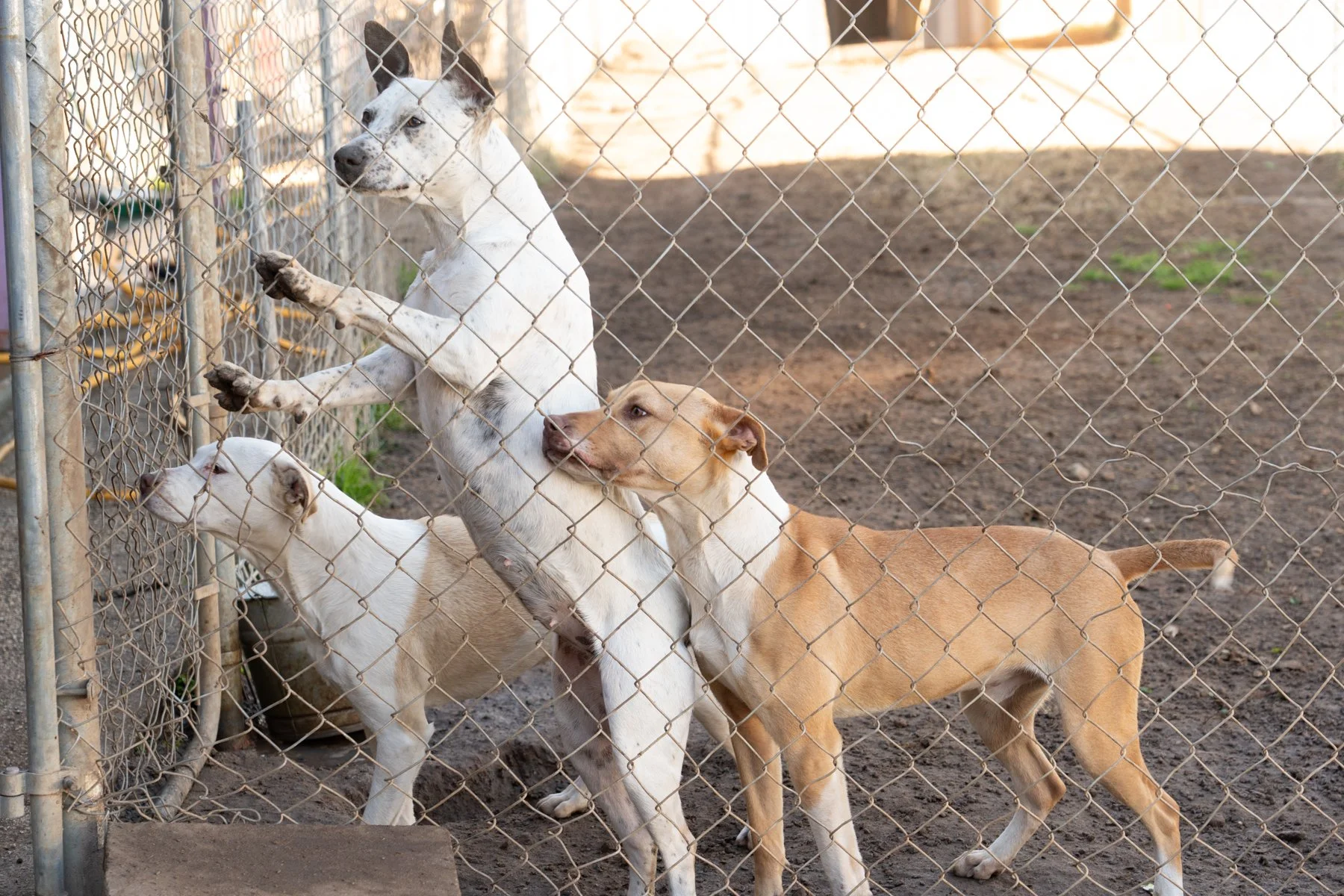
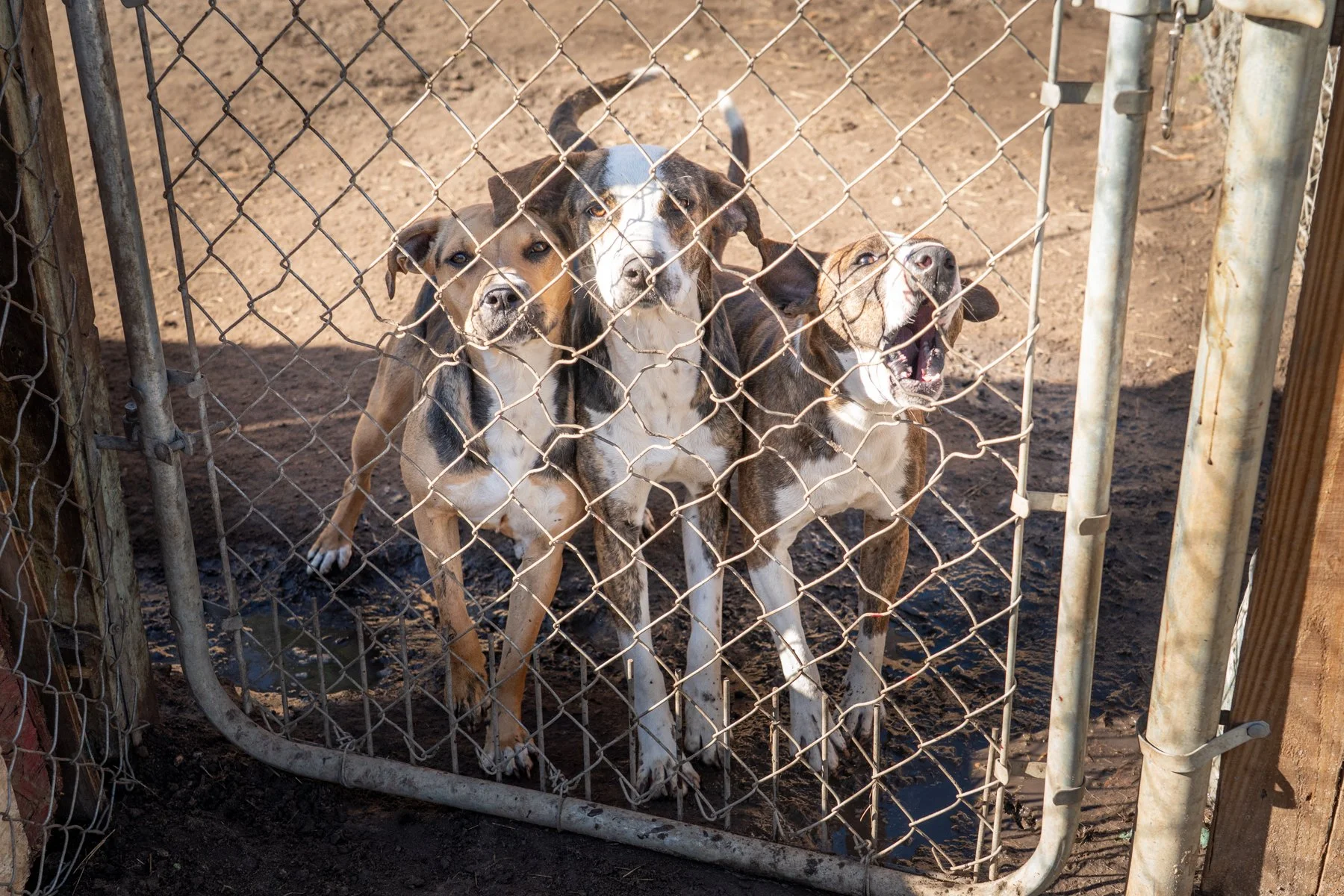
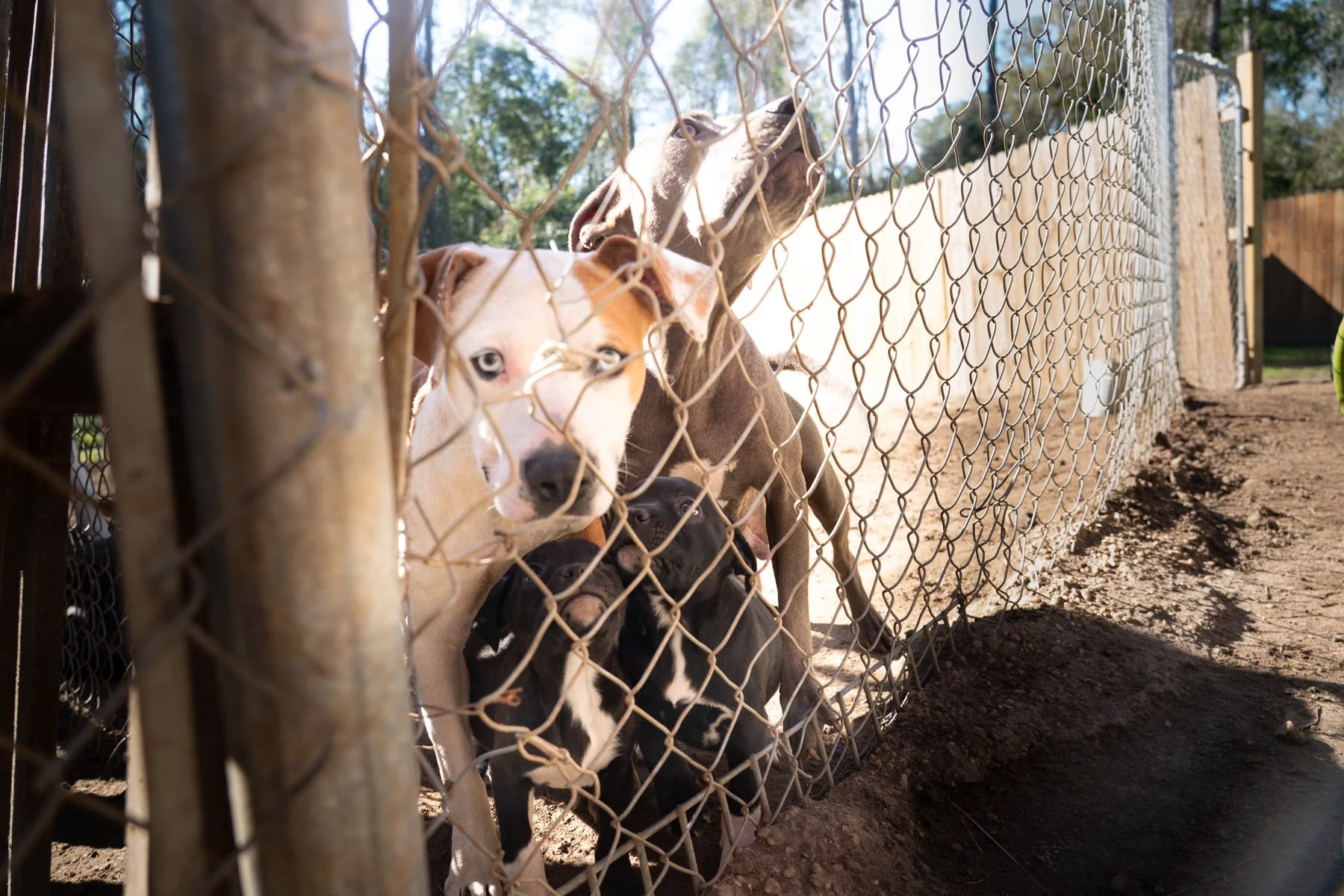
The shelter relies on donations for food, medical care, preventatives, and other supplies. Right now they are desperately in need of flea/tick preventative and heartworm preventatives. When we walked through the kennels, the dogs had blankets and toys, and all looked happy and healthy as I handed out treats. The average length of stay at the shelter at that time was two months. Most of the dogs come to the shelter as strays, cruelty cases, or bite holds, but they’ve recently been taking in owner-surrendered dogs as well.
It Takes a Village (quite literally)
The shelter has a few solid volunteers, but it also recruits young volunteers through community service hours. Anna is grateful for the opportunity to educate them about humane care in this part of the south where dogs are often left outside, and spay/neuter is not embraced by the general population.
The city has recently created some good ordinances, but it’s challenging to enforce them. Anna can cite people, but not bring cruelty charges. Like much about this shelter, it’s a work in progress.
Since our visit, the city has hired Alexa to work with Anna. The two seem to be excellent partners and are excited about the shelter's future. They’ve been working with other local municipal shelters to share resources and take dogs when one is overfull and another has room. In a place like South Georgia, working together is critical. There simply are not enough resources, but support, advice, and cooperation go a long way in saving lives.
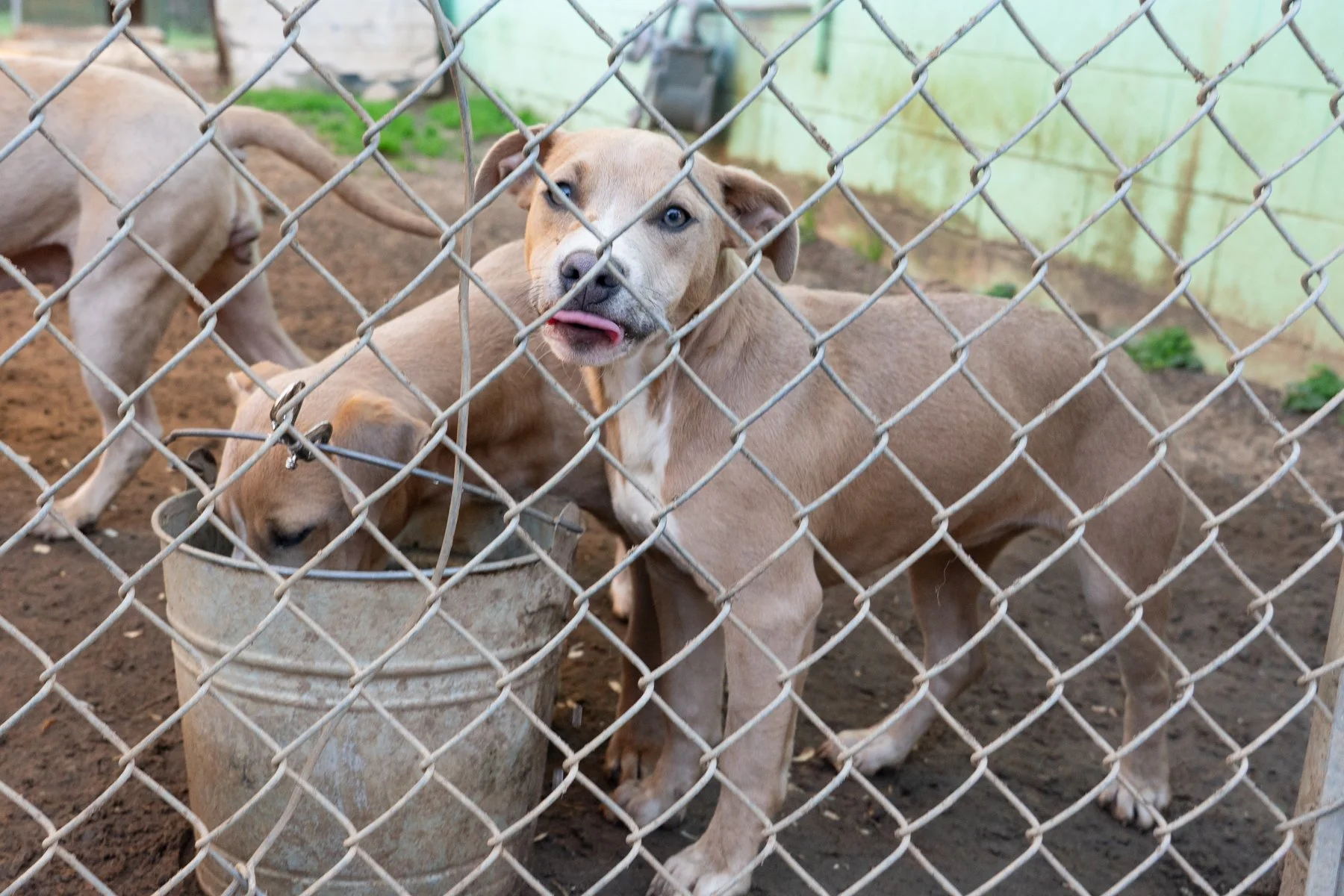
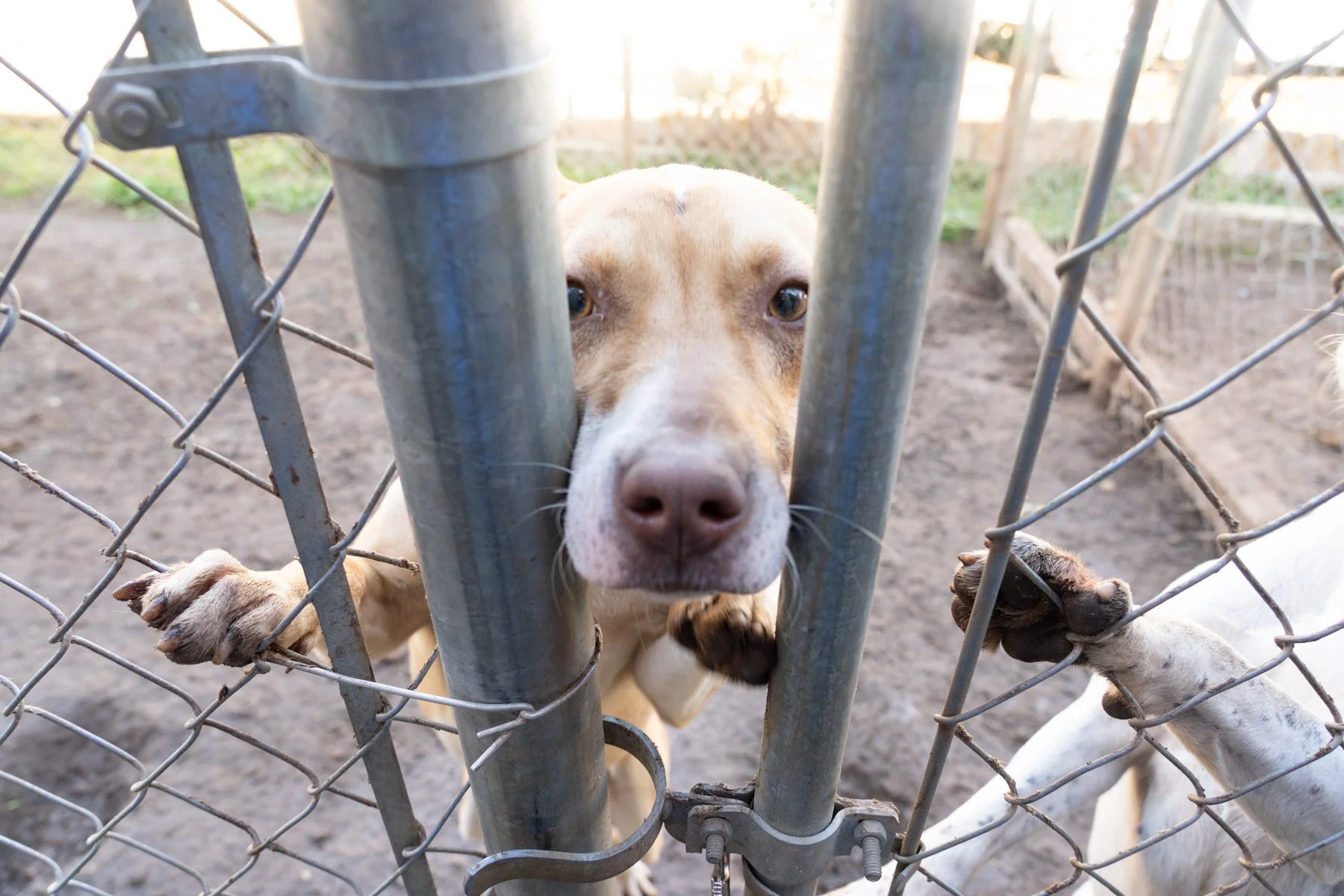
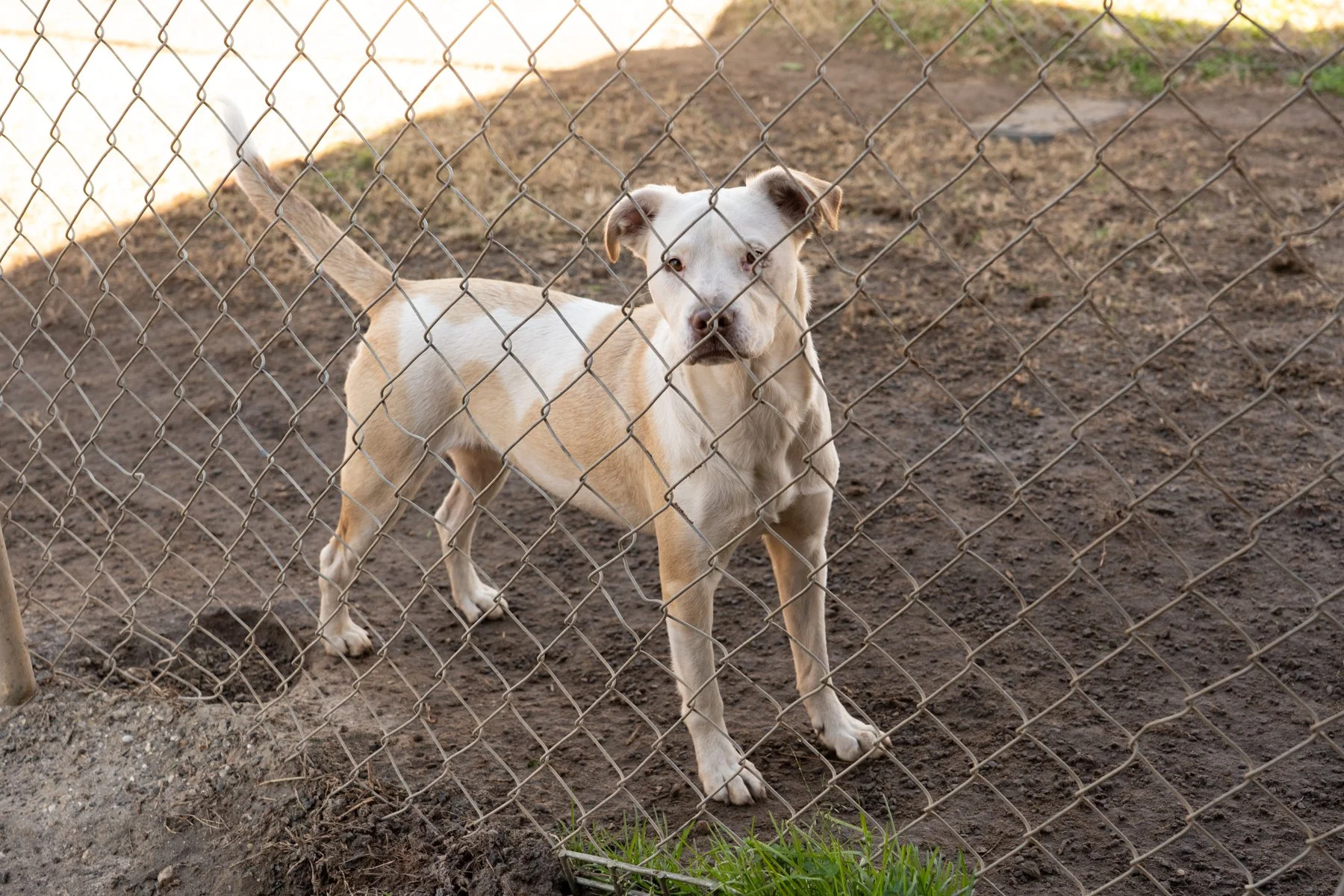
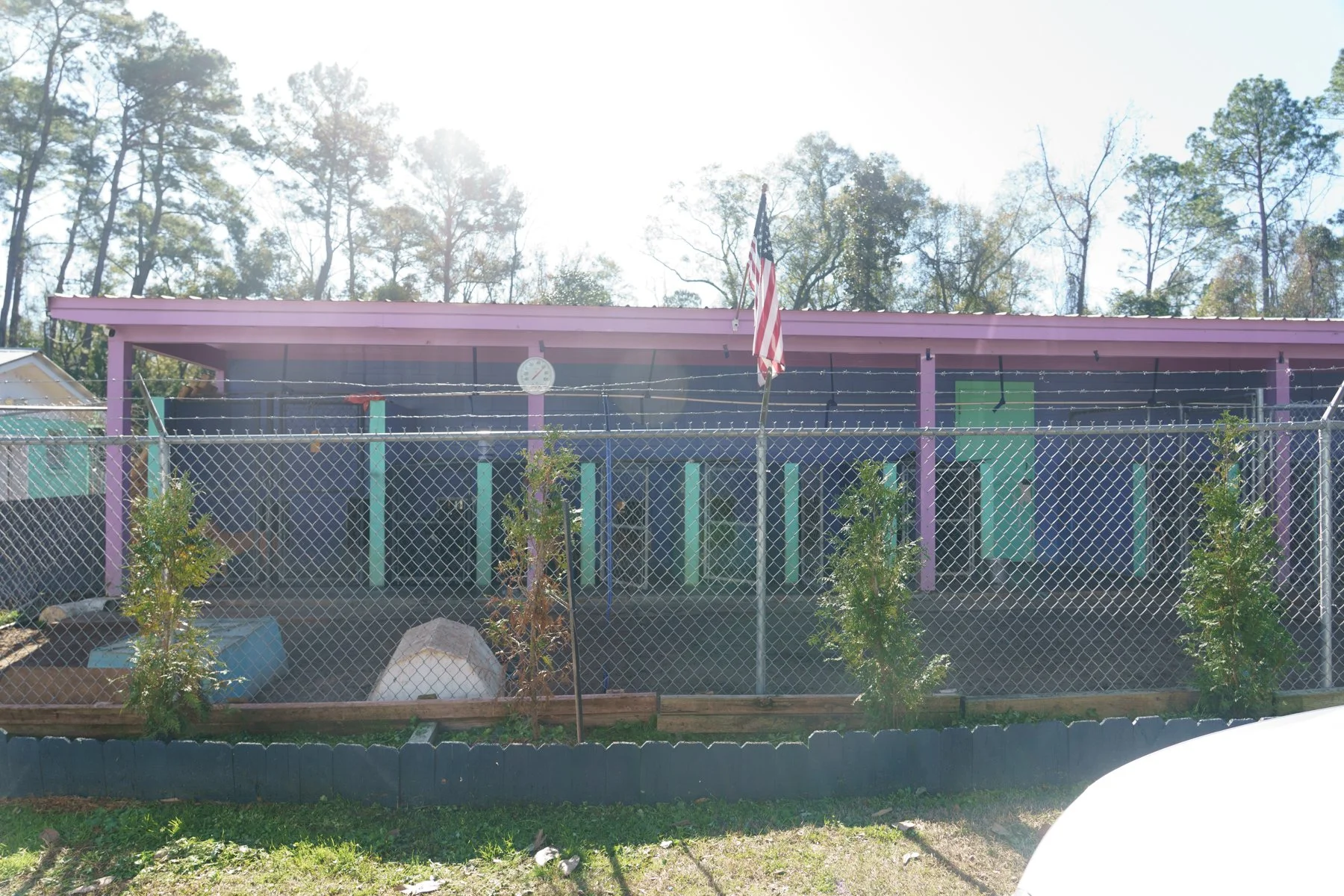
This shelter might look a little like a colorful hodgepodge of buildings and play yards, but it works. Sheltering in rural Georgia is not easy, but Anna, Elana, and now Alexa’s work is paying off. Good things are happening here, and I imagine it’s only the beginning.
If you’d like to support the shelter’s work, consider shopping their Amazon wishlist: https://www.amazon.com/registries/gl/guest-view/3AT87YTYX3UH7
The shelter could definitely use donations to purchase heartworm and flea/tick preventatives, food, and medical supplies. You can donate via cash app ($QuitmanShelter) or paypal (@quitmanshelter).