

Driving home from our latest shelter tour, Nancy and I marveled at how every trip teaches us more. Here are the top ten things we learned, including a brilliant fundraising idea, a free tool for shelters and rescues that builds connections, reduces returns, and helps adopters (and their new dogs), and even some travel tips.
#10 New tools for animal welfare are being created all the time.
Here is one cool tool we learned about on this trip:
Petszel is a free app that automates post-adoption communication with adopters. It makes it simple to stay in touch, especially in those first days, months, and year when dogs (and cats) go home. It’s easy to sign up and works with your current shelter software. Petszel sends 8 dedicated contacts (by email/text) to adopters with good advice and resources, but more importantly, alerts you to any issues adopters are struggling with so you can help before it becomes a return, plus the app sends you the happy reports and collects valuable data to help improve your process.
#9 People who don’t come from the shelter/rescue world often have great ideas.
On this trip, we met a director and his top volunteer (he calls his unpaid executive director) in Georgia, both nearing their first year running a shelter. They stepped into a tough situation at a shelter whose previous leadership had left it in shambles. In the past year, they’ve learned a lot by asking questions, seeing help, and trying new things.
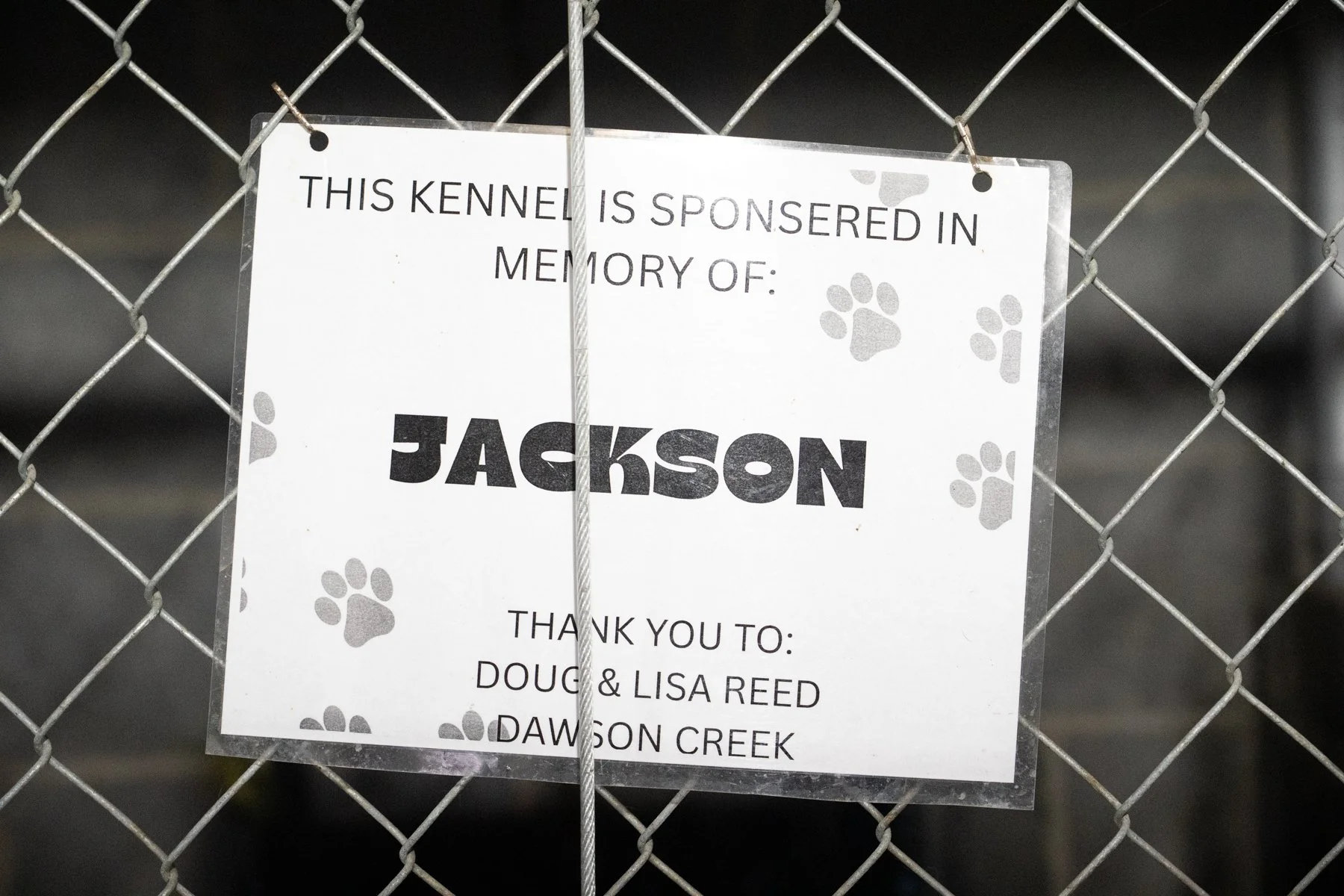
One great idea for creating an ongoing funding source was kennel sponsorship. Individuals and businesses were invited to sponsor a kennel in honor of or in memory of someone (human or animal). Sponsorships are $30/month or $300/year. A sign is placed on the sponsored kennel, and then the shelter sends regular updates about the dog in that kennel. Not only does this create a source of revenue, it also engages community members in the adoption of a particular dog—creating advocates and likely making the path to adoption quicker.
#8 The Drury Inn is a great place to stay.
Visiting so many shelters and rescues means we stay in a lot of hotels. We travel as cheaply as we can, and on this trip we discovered the family-owned Drury Inn. Not only does it have well-appointed rooms and great service, but it also provides a free happy hour each night that includes not just drinks, but basically an entire dinner, plus a delicious free breakfast the next morning. Definitely a win for us.
#7 Post animals in multiple places and keep them up to date.
More than once, we left a shelter and then tried to find a particular dog online and couldn’t. Not on Adopt-a-Pet, Petfinder, or even Facebook. We recommend that every shelter and rescue do several things:
1. Do an adoptability audit. Ask someone who does not follow your work to look for your animals online. See how many places they can find them.
2. Post your animals to Adopt-a-Pet, Petfinder, and Rescue Me, at a minimum. If you have a software system that automates this, be sure it’s working. We discovered it’s not for several shelters.
3. Don’t create only one post about an animal on Facebook. Create an album and pin it at the top or refresh it daily so that it is up to date and people see it. Remember that only 2% of the people that follow you see any given post on average. Don’t assume that just because you put up a dedicated post of an individual animal that’s enough –it isn’t.
#6 Respond quickly to any question, request, or application.
It’s a VERY competitive world for adopters out there. Most adopters are shopping around and looking on multiple sites. The person who responds quickest is most likely to land the adopter. This means being sure someone is watching your social media notifications to answer inquiries there. I asked Heather at Paws of Love, a tiny shelter in Mississippi, how she got so many dogs adopted, many from out of state. She said, “I jump on every comment, question, or app.” The early fastest bird definitely gets the worm adopter.
#5 Exercise, enrichment, and human contact really matter.
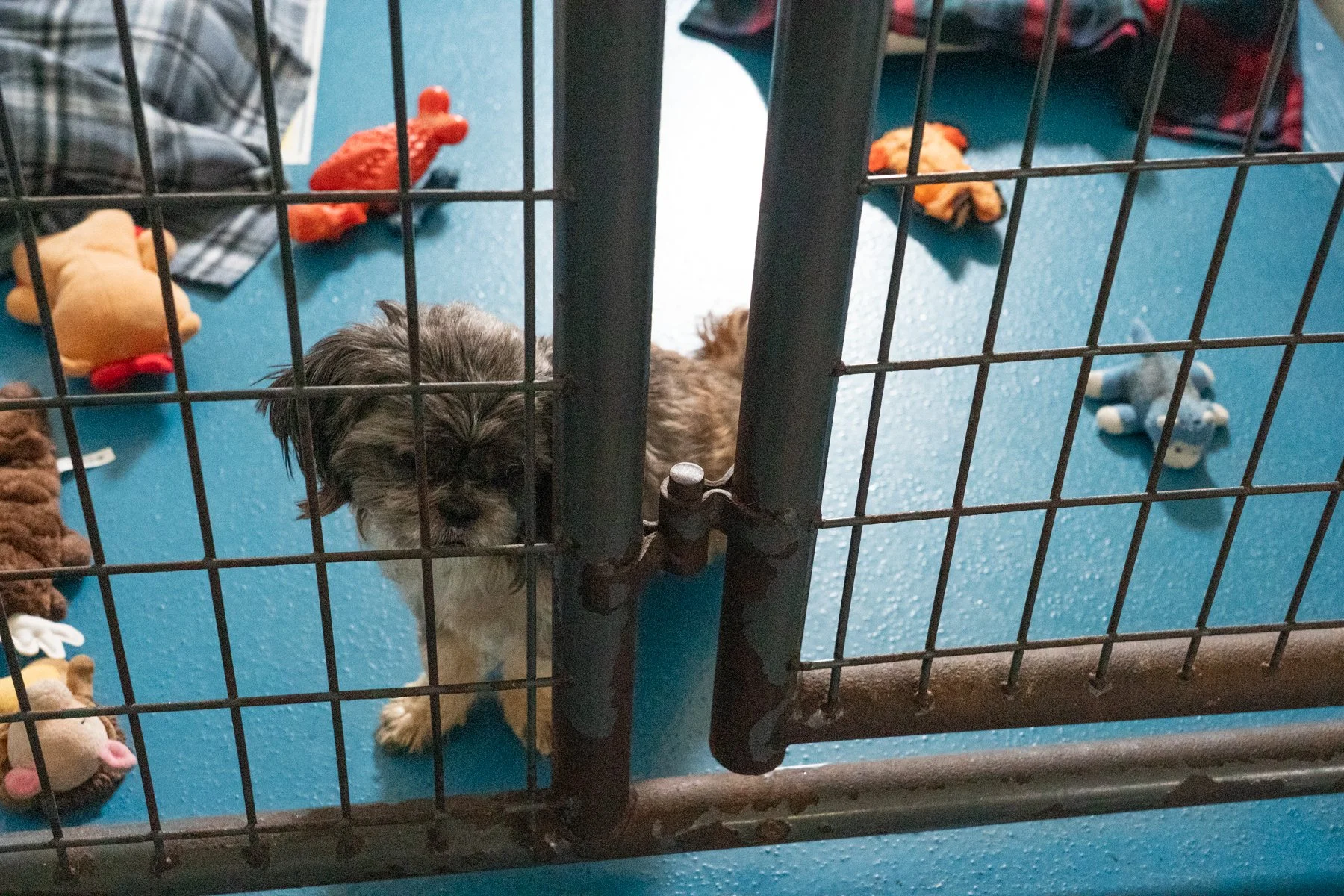
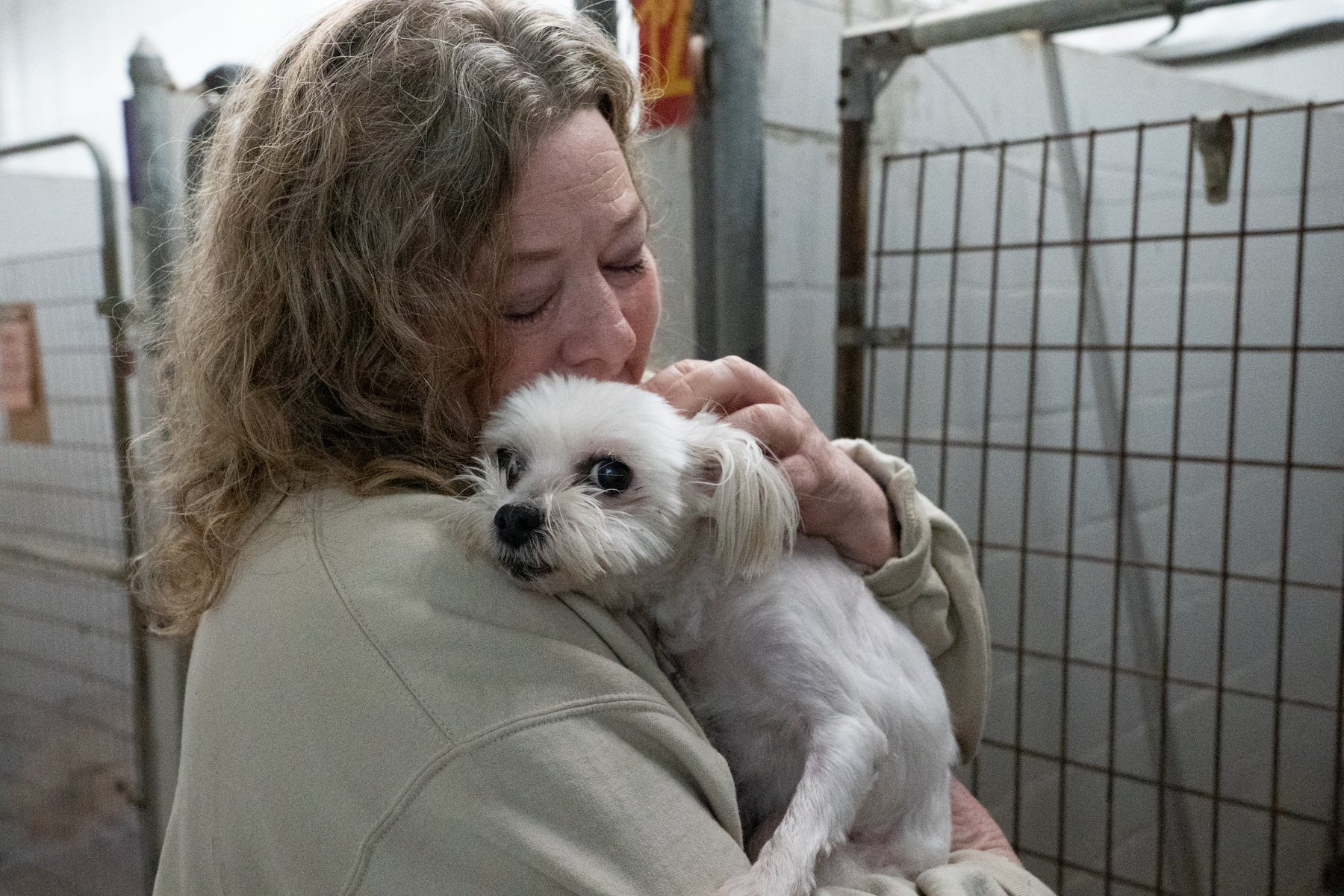
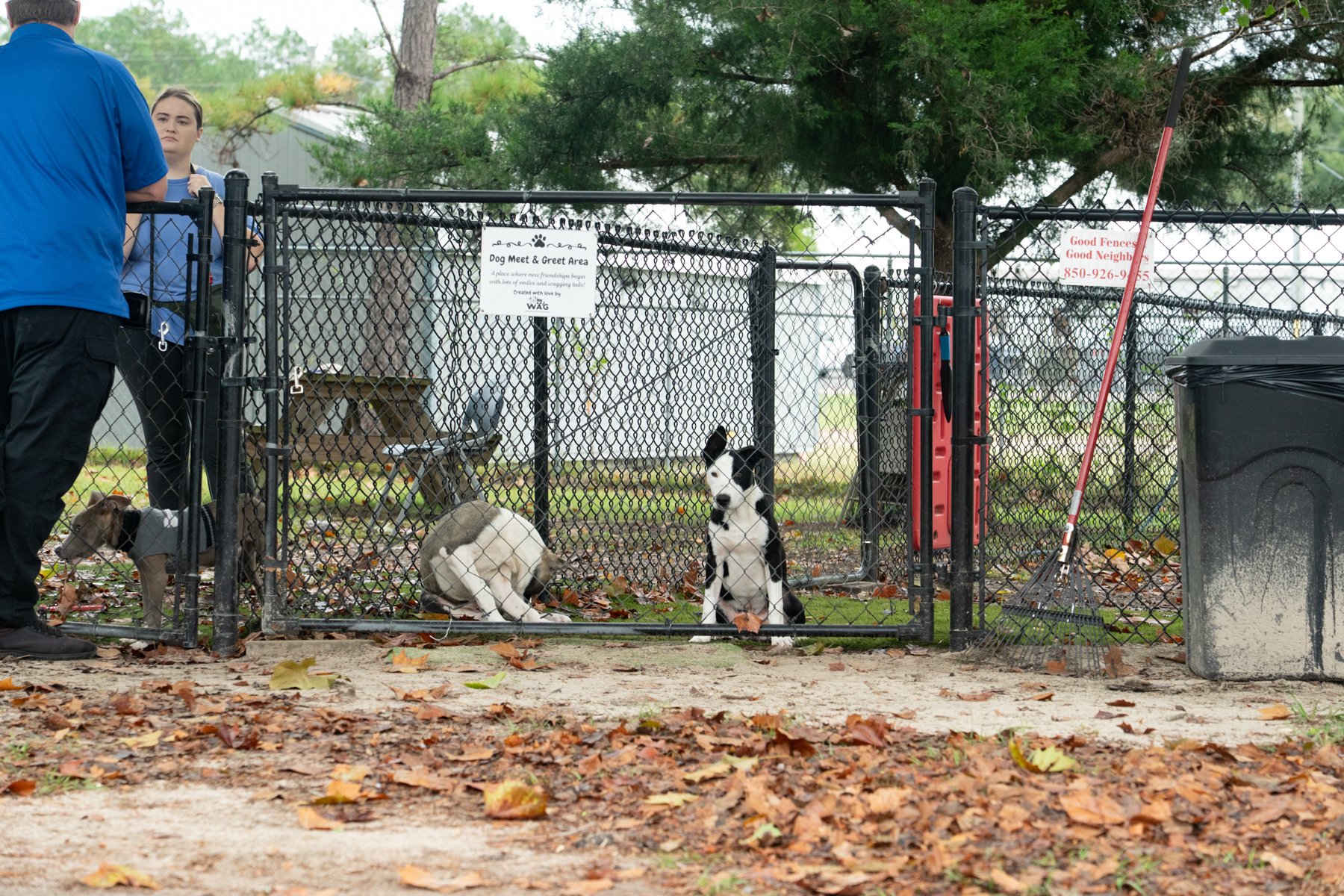
It was clear as we visited shelters which ones were invested in those practices by the stress level of the dogs. It’s not enough to play with a dog briefly when you move the dog to clean the kennel. They need real human contact, even if it’s just putting a dog in the car with you to run errands or inviting them to hang out in the office. Prioritize human and canine interaction, and you will increase your dog’s chances of getting out of the shelter mentally, emotionally, and physically healthy.
#4 Always unplug the clock radio.
I know, I know. Nobody uses a clock radio anymore, but the thing is that hotels still have them. And inconsiderate guests set alarms and then don’t turn them off when they leave. Or maybe obnoxious guests set them just to mess with the next person staying there. Make it a habit to unplug the clock radio so the unexpected alarm (and the glaring red light) doesn’t ruin a good night’s sleep.
#3 Pet retention should be proactive, resourceful, and creative.
When someone wants to surrender a pet, most shelters at least offer resources like food and crates to see if that will help the person keep their pet. These days, you have to go beyond that. You may have to make phone calls, round up help to repair fences, and explore creative ways to solve the problem. And if possible, create a fund (or recruit a donor) just to pay for it.
Also, all ACOs should have universal scanners on their trucks, but go beyond that and consider setting up universal scanners that the public can access at any hour. Consider putting them at fire stations, police stations, hospitals, and anywhere they can be accessed after hours. Be sure to let the public know they exist—tell them on your recorded phone message and on your website and social media.
#2 We have amazing supporters.
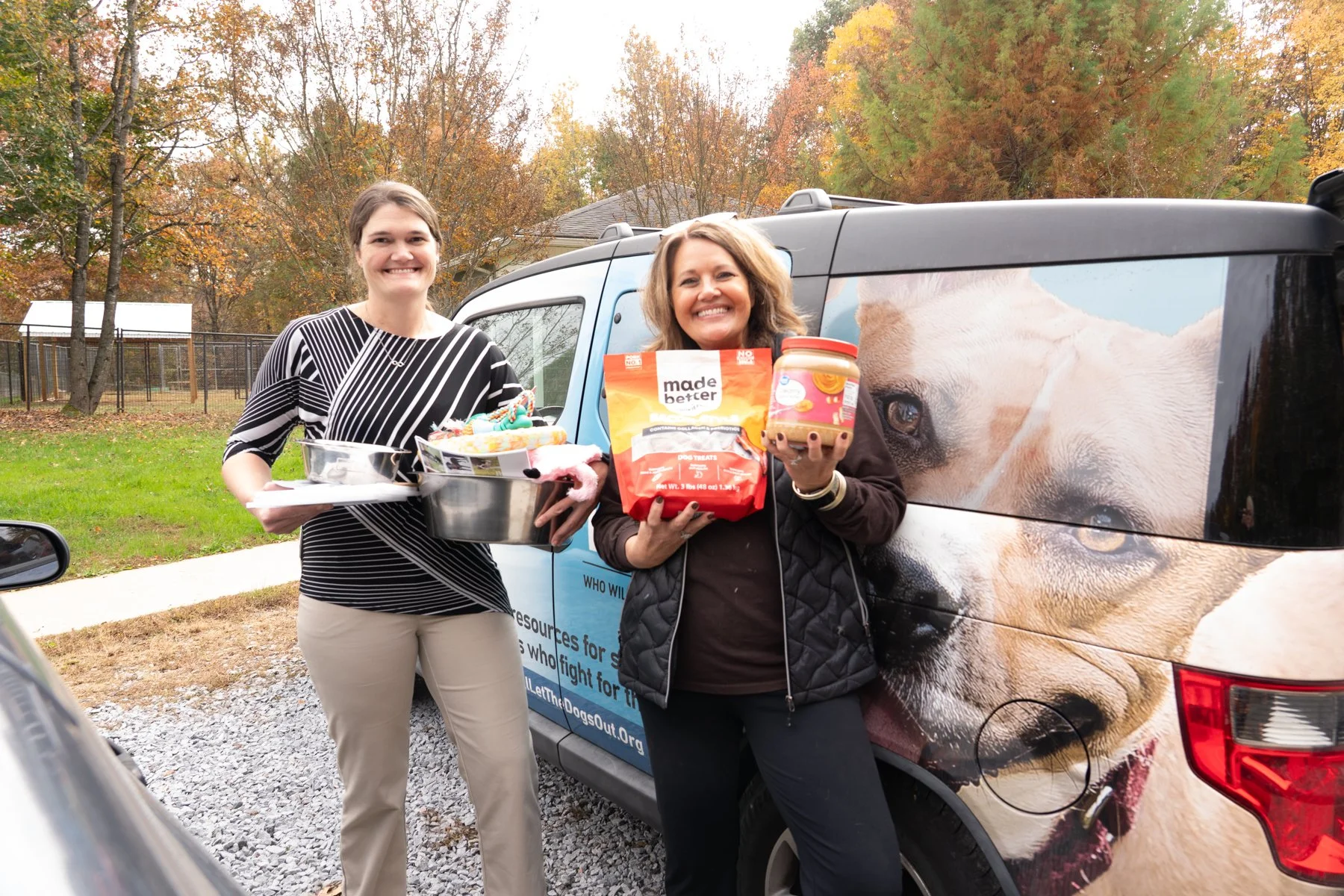
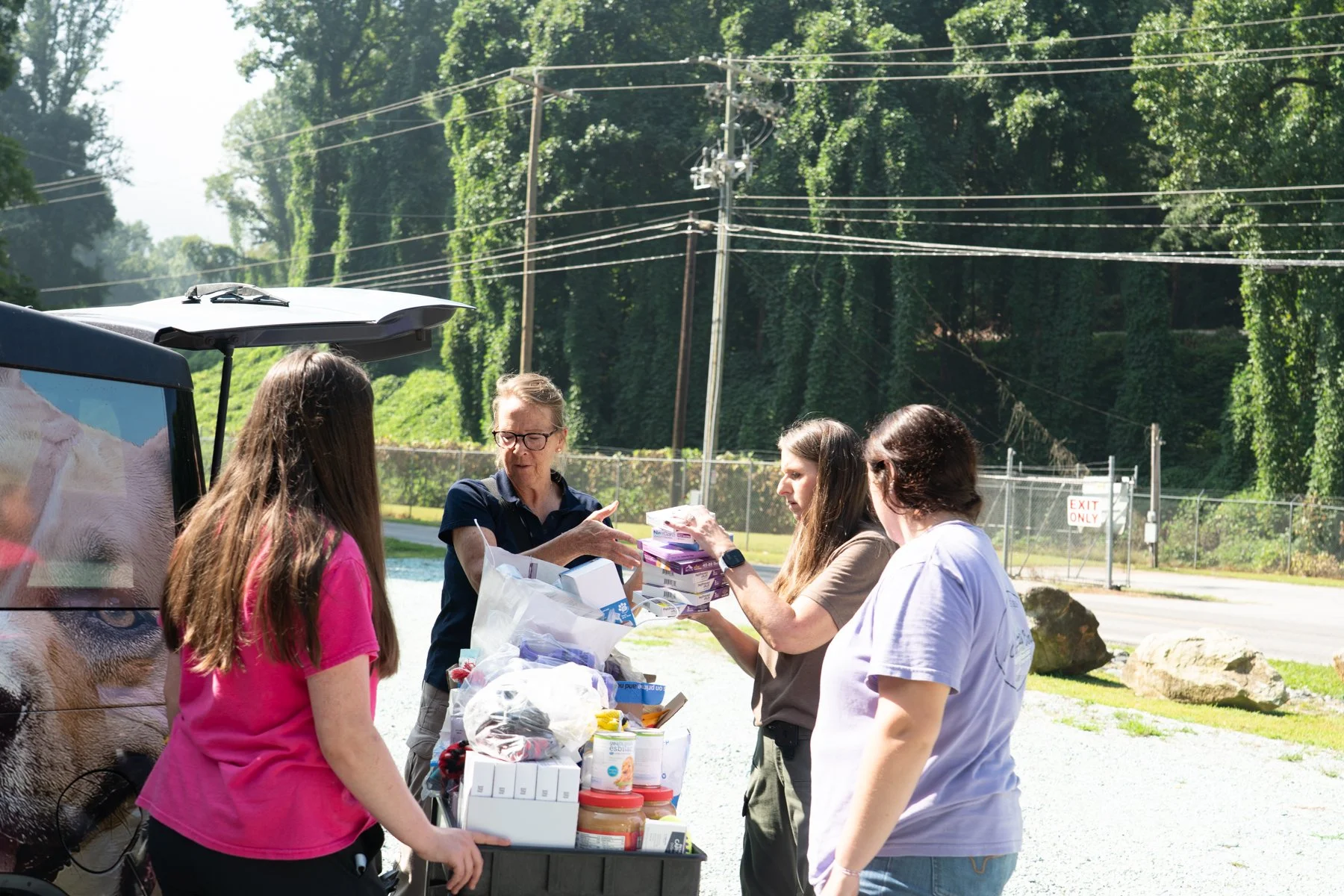
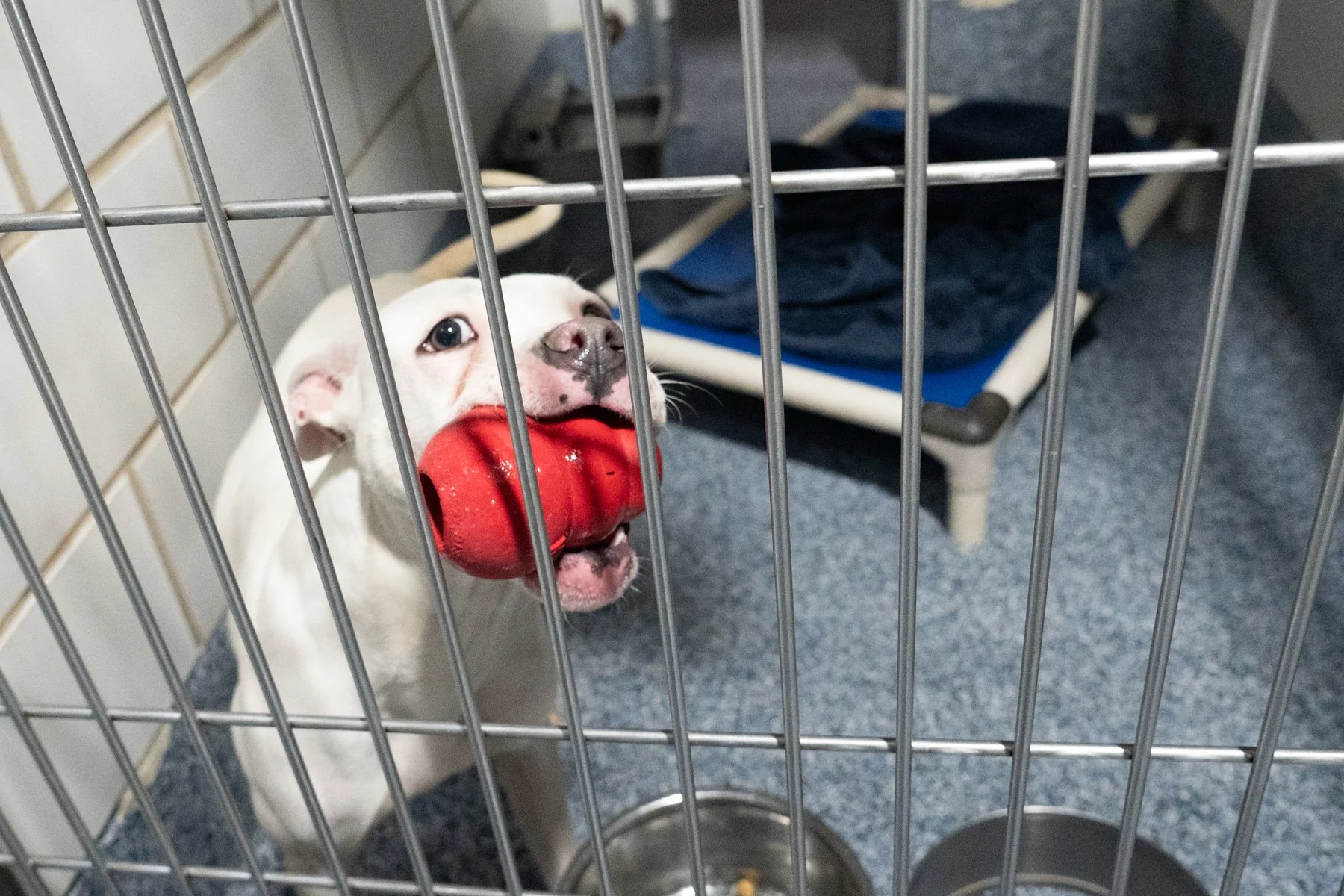
Last year Kong sent a full box of Kongs to every shelter we visited. This year they sent each shelter two! (Plus, they gave us Kongs for the swag bags at Stronger Together!). These tours are primarily supported by donors who support us not just with cash donations, but by shopping our wishlist, so we have high-value supplies to take to the shelters. And of course, we wouldn’t be able to go anywhere without our WWLDO mobile, which was donated (and beautifully wrapped) by Max & Neo, who also give us boxes of supplies to give to the shelters while on tour.
#1 No-kill is not working.
We’ve been quietly saying this for some time, but over the last year, while on tours, the evidence is getting impossible to deny. The absolute brainwashing by No-Kill advocates has taught the public that humane euthanasia is the worst possible thing that could happen to a dog. Sorry, folks. We’ve seen much worse.
On this tour, three of the shelters we visited had all-new staff and were recovering from hoarding situations that evolved from the previous staff’s practices in pursuit of a No-Kill certification. One shelter built for 25 dogs was housing 300. One would-be rescuer described it as a ‘House of Horrors’.
Pressure to be No-Kill incentivizes practices like warehousing and hoarding, but it also leads municipal shelters to refuse owner surrenders or even good Samaritan turn-ins. Some shelters put would-be owner-surrenders on lists that are years long. Everywhere we went, we heard about growing stray populations – a result not just of lack of affordable, accessible spay/neuter, but because shelters were closed to intake and left desperate people to do desperate things.
More evidence that No-Kill is not working can be found in the increase in Rabies outbreaks, dog bites and maulings, and communities overrun by stray dogs packing up. Nearly every shelter in this country, not just the South, is overfull and struggling. Rescues are overwhelmed and closing down and, in some cases, turning into hoarding situations.
The original practices of No-Kill are still valid; high-volume spay/neuter, foster care, volunteering, TNR, and community engagement are still critical. No one is arguing that. But No-Kill, as the public understands it, has been distilled down to one thing: a number. The biggest driver of our current animal crisis is municipal shelters shifting their goal to a 90% live-release rate above all else, and ceasing to do what they were created to do: provide a safety net for unwanted animals and address public safety issues involving animals.
I’ll say it again: No-Kill is not working.
We believe it’s time for responsible sheltering.
Responsible shelters:
1. Help Everyone Who Contacts the Shelter with an Animal Concern
2. Assist, Promote, and/or Offer Spay and Neuter Services
3. Engage the Community in the Work of the Shelter
4. Proactively Educate the Community
5. Manage the Shelter Population to Prevent Suffering
If you’d like a copy of our handout describing Responsible Sheltering, message me Cara@WWLDO.org
You can also find a replay of the webinar where we presented this idea on Youtube and our podcast.