

No Kill is not working; it’s time for a better way of sheltering. As we travel through the South on our current shelter tour, that’s crystal clear, but the real evidence is in the North, where NoKill supposedly fixed the problem.
And it had.
Many northern shelters embraced the practices put forth in the original NoKill movement. They used ideas like high-volume, low-cost spay & neuter, fostering, transports, TNR, rescue partnerships, community engagement, volunteer programs, and more. Those practices, along with dog licensing and stronger animal ordinances, seemed to fix the problem.
But then the pandemic happened, and since then, northern states are struggling with some of the very problems southern shelters have always wrestled with – overcrowding, backyard breeding, lack of access to veterinary care (specifically spay/neuter), growing stray population, increased incidence of rabies, and declining live release rates.
Why?
What has changed?
We’ve been traveling to shelters and rescues before, during, and after the pandemic. We’ve made more than 240 visits in 17 states. Here is what we’ve seen change—in the South AND in the North.
Pressure has increased from national animal welfare organizations and the general public for shelters to be NoKill. Municipal leadership has felt that pressure and, in turn, put that expectation on municipal shelters.
The definition of NoKill has been watered down to one thing—a 90% live release rate despite the fact that in the original NoKill movement, a 90% LRR was NEVER mentioned.
To reach that number, municipal shelters began bad practices like warehousing, closing to owner surrenders, and leaving animals where they were found, which have led us to where we are now.
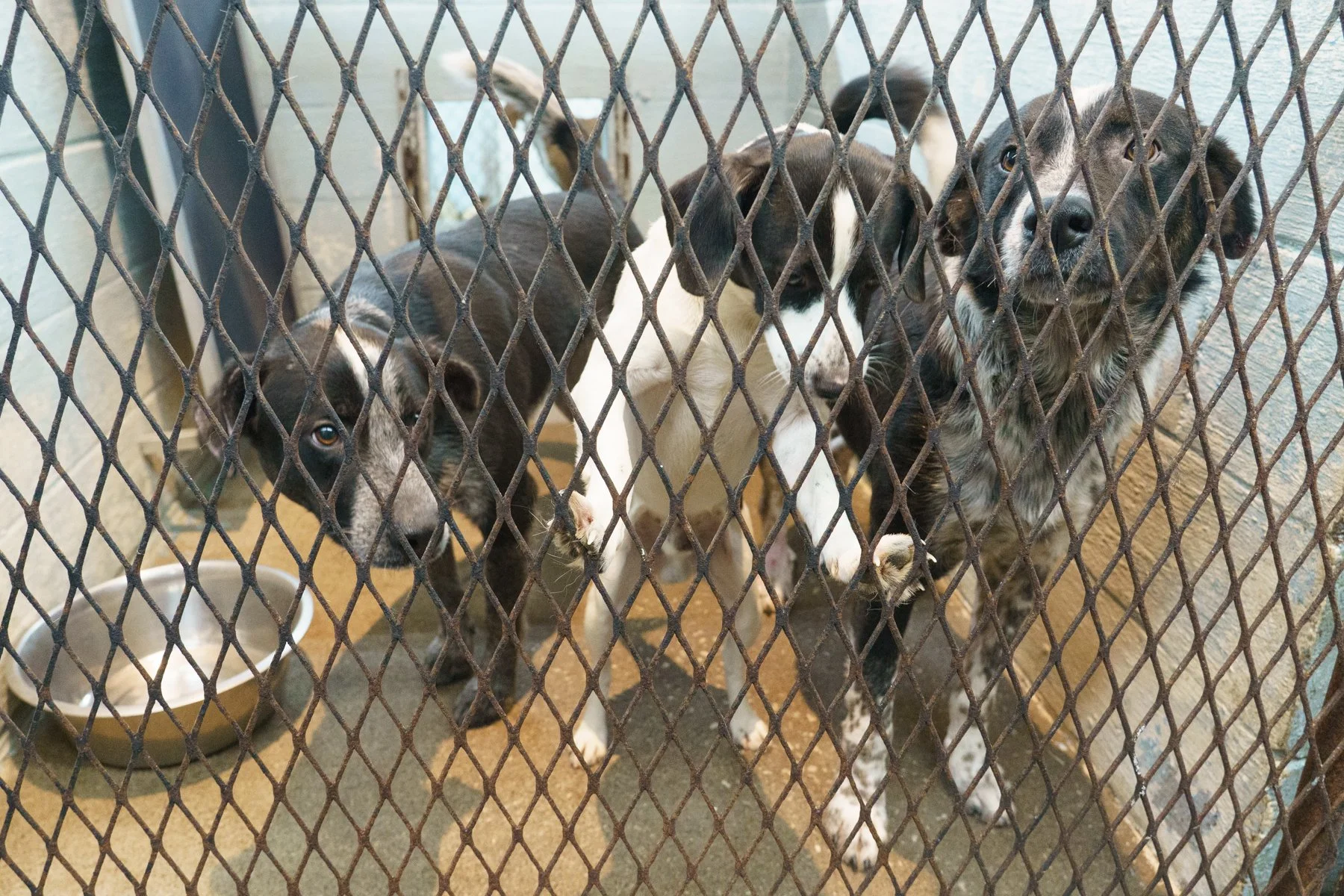
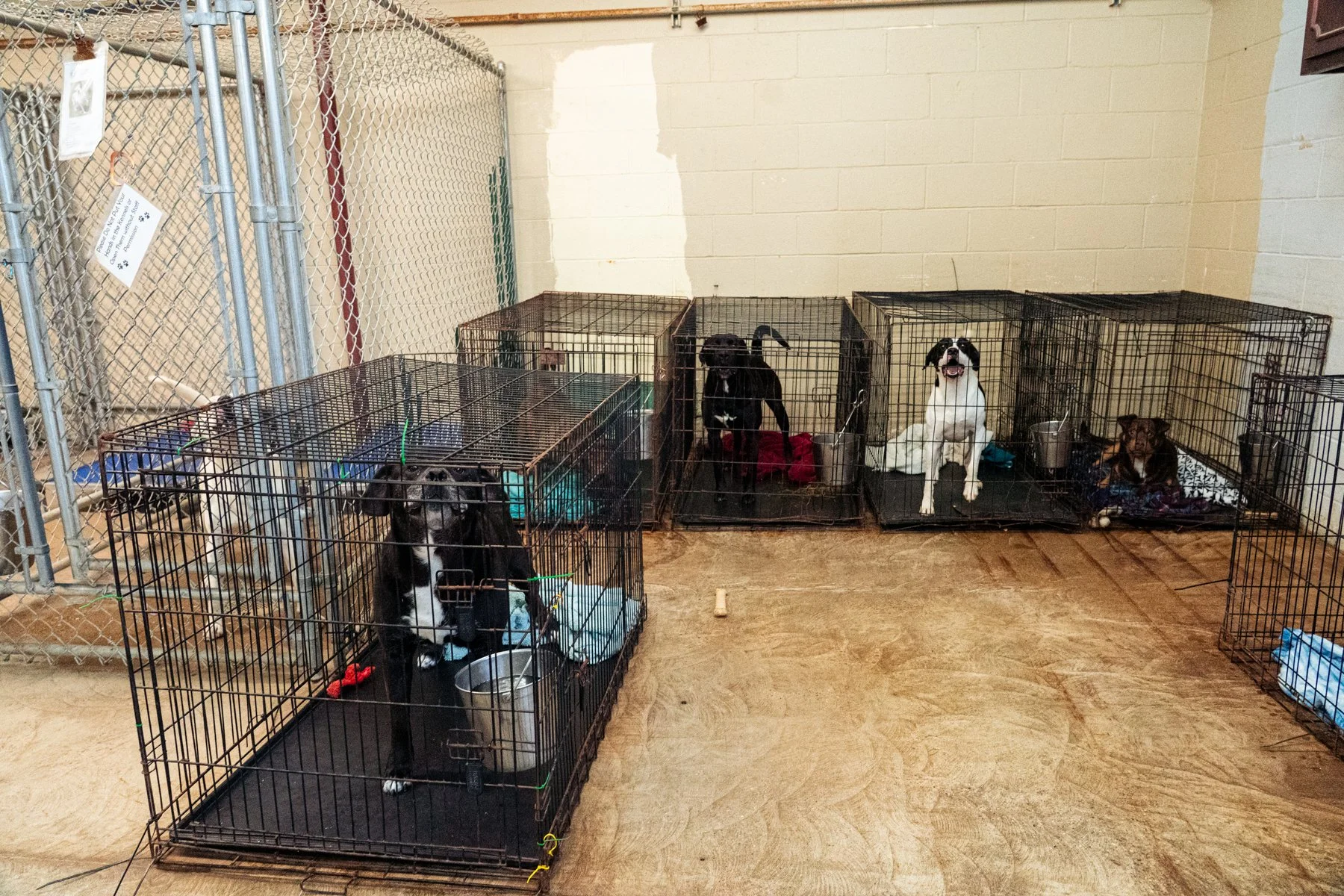
How can a shelter striving to be a NoKill shelter be a bad thing?
Before answering that, I need to clarify something which I believe is at the heart of the problem. Shelter and rescue are not interchangeable words. They are not the same thing. They do not (or should not) have the same goals.
The difference between a rescue and a shelter
A municipal shelter's goal is public safety. Their goal is not to save animals. It is to serve the public by taking in animals that have nowhere else to go. This keeps them from suffering and multiplying, or from becoming a danger to the public or spreading disease.
The goal of a rescue, on the other hand, is to rescue animals. They were often created to save dogs from being euthanized at municipal shelters or because their area had no municipal shelter.
Vastly different goals, yet the NoKill movement expects both shelters and rescues to strive to be NoKill. They’ve set the target at 90% live release rate—a completely arbitrary number created to enable us to measure the success of a shelter or rescue.
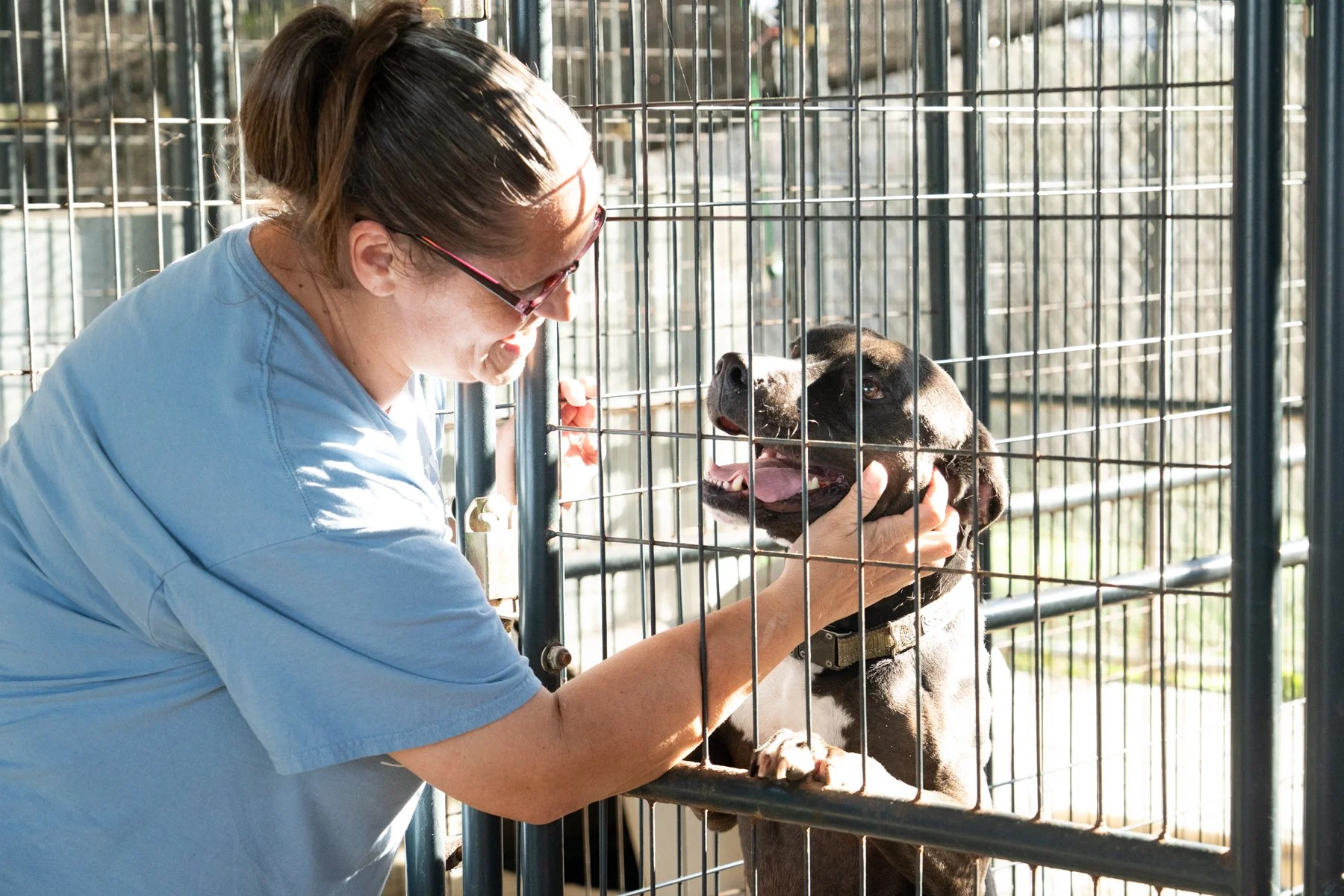
90% LRR is a perfectly fine goal for a rescue organization, but it is not just wrong, but dangerous to make that the goal of a municipal shelter. Go back and read the goal of a municipal shelter—public safety.
Adopting out dangerous dogs or warehousing dogs to avoid euthanizing makes that impossible. Closing to intake when you are full, leaving dogs where they are, refusing owner surrenders (and assuming people will accept their responsibility), or encouraging finder-fosters are all practices that endanger the public.
What we are experiencing around the country is the mistake of making NoKill the only goal.
We would have gotten here eventually, but the pandemic sped up the situation. Two of the shelters we visited this past week are recovering from NoKill practices that led to hoarding and devastating results for the animals and the public. They have begun the hard work of sheltering responsibly and rebuilding the public trust.
When you don’t spend your days in a municipal shelter, it’s very easy to sit back and declare that NoKill should be the goal—of course, no one wants to euthanize dogs. But not letting them in doesn’t make them disappear, and keeping them in shelter situations for months and years is torture for too many dogs. Yes, they are alive, but that does not mean they are living.
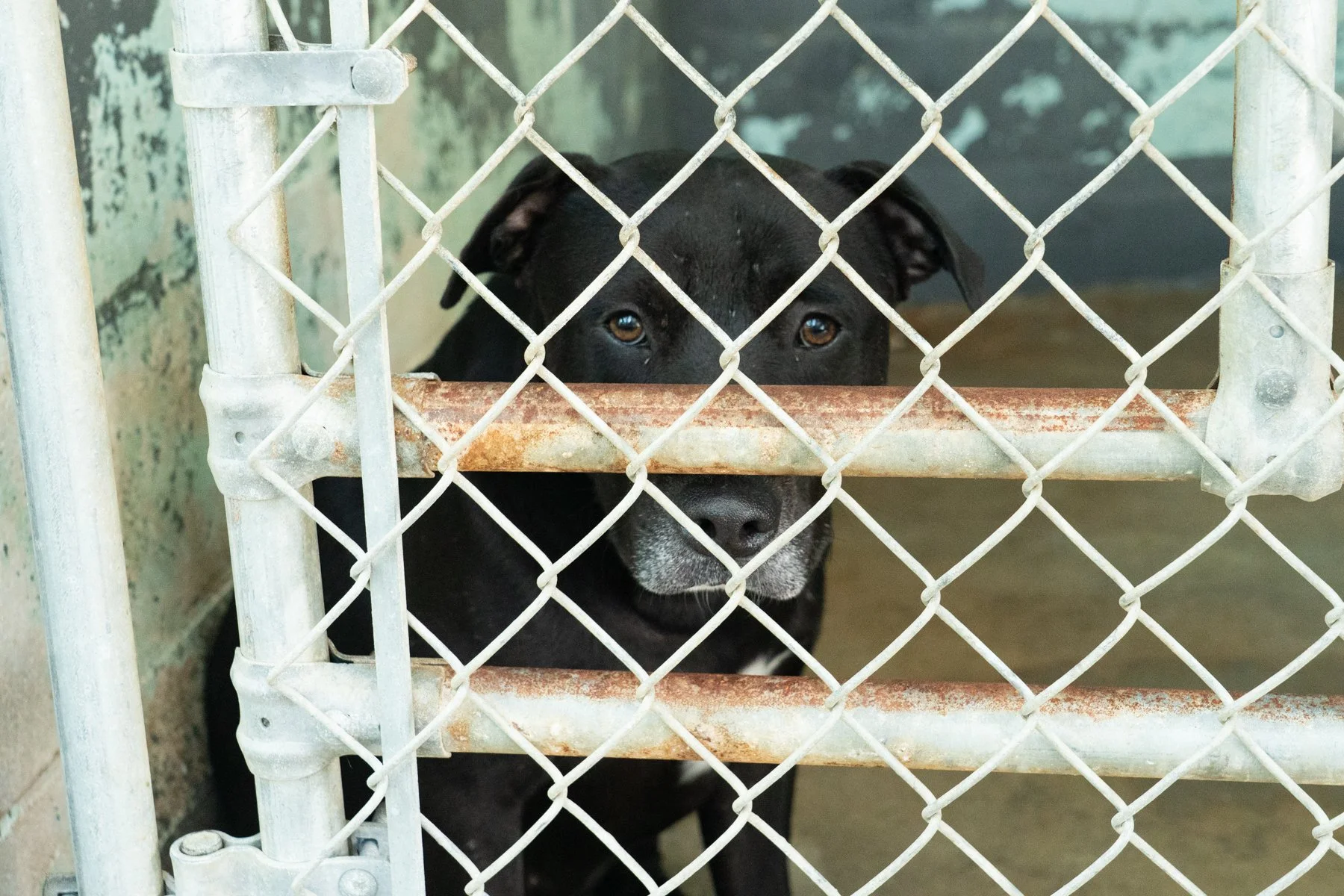
We’ve walked through hundreds of kennels now, witnessing the heartbreak on faces and bodies that deserve better. It is time we all let go of the unrealistic goal of NoKill and shelter responsibly for the animals and the people in our communities.
What does that look like? Read our recent Facebook post about Wakulla County Animal Adoption Center for an example of a municipal shelter with the right goals. They are open-intake, engage the public deeply, offer resources and education, and provide excellent care.
And yes, they do sometimes have to euthanize animals. But they prove it is possible to shelter responsibly AND save lives. Their live release rate fluctuates, as it will in any municipal shelter because cruelty cases, hoarding, backyard breeding, and a challenging economy will affect the number of animals in need.
On the day of our visit, WCAAC’s LRR was 94%. That’s impressive, but it’s not the goal—serving the community is.