

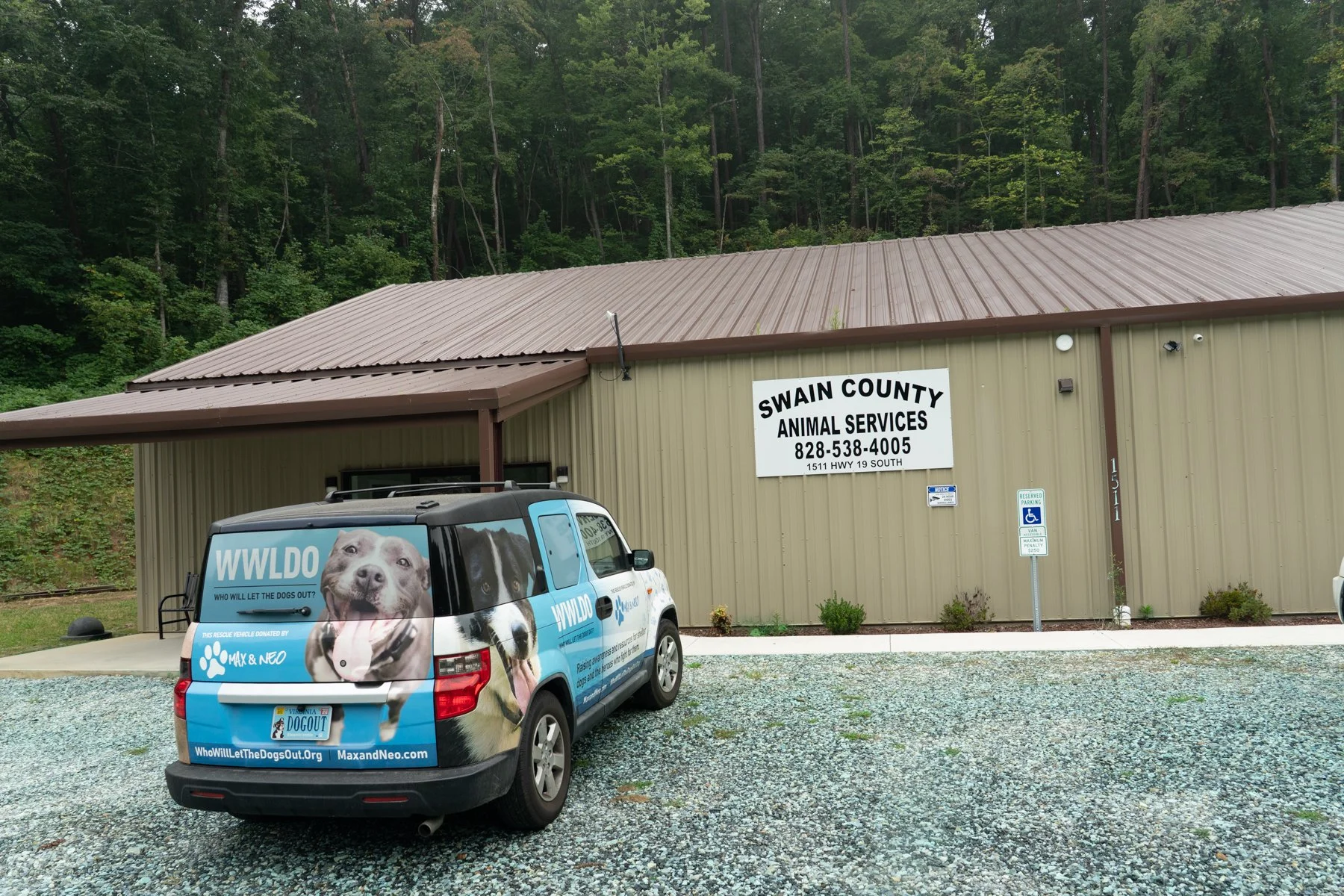
Until April 2026, there was no municipally funded open intake shelter in Swain County, North Carolina, considered the gateway to the Great Smoky Mountains.
In 2019, the county commissioners surveyed citizens, and it was clear they wanted (and needed) a county shelter. They started a fund, and eventually, in late 2024, acquired land and plans to build the Swain County Animal Services shelter.
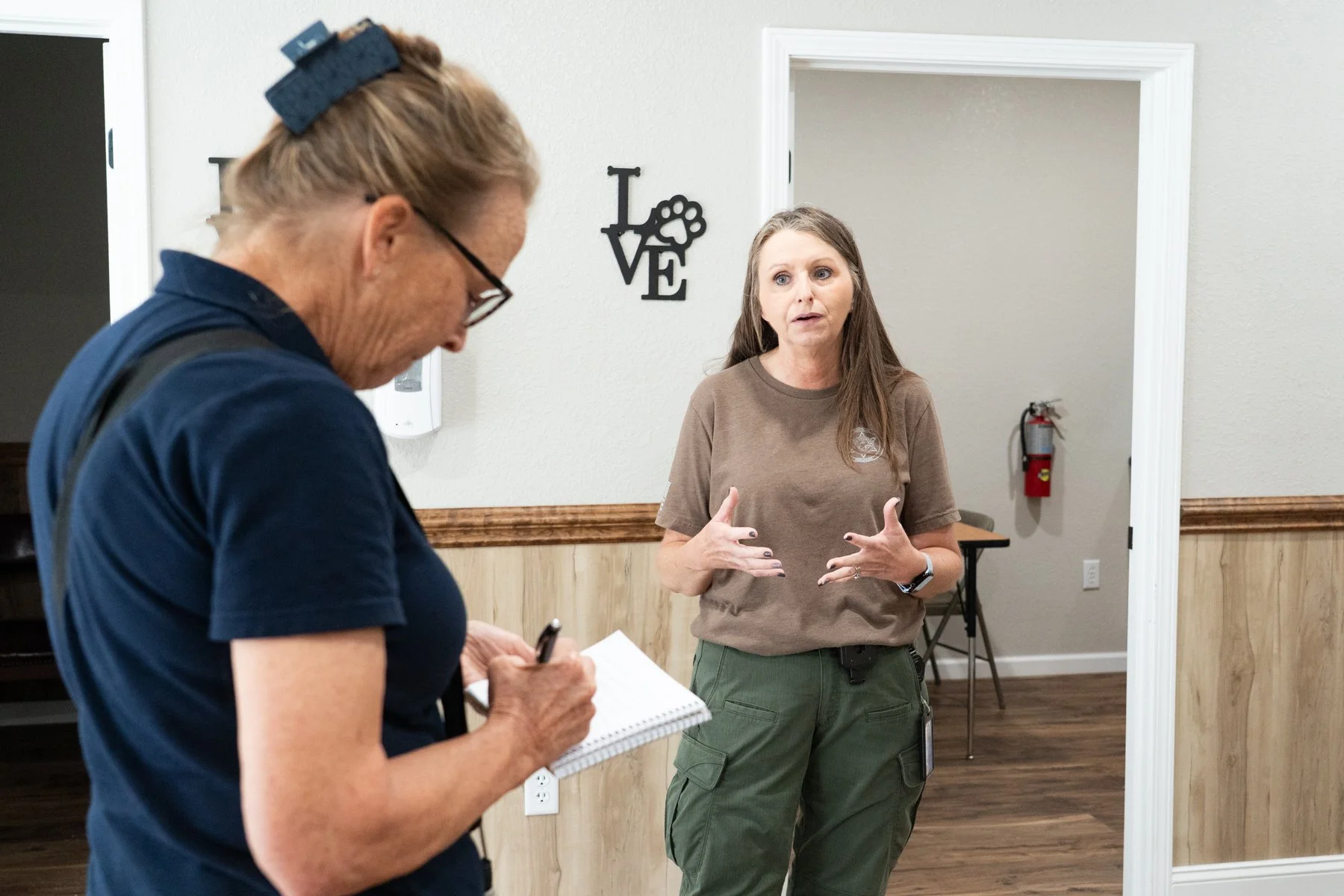
In July 2025, Pam was hired as an Animal Control Officer. She spent the intervening months between when she was hired and when the shelter opened its doors this past April helping in any way she could and learning. She completed training to become an Animal Control Officer and earned her euthanasia and rabies vaccine administrator certifications. In April, she was hired as the new shelter’s director.
A Leader Who Cares
On her own dime, Pam also enrolled in an online veterinary assistant program through the University of Georgia and is nearly finished.
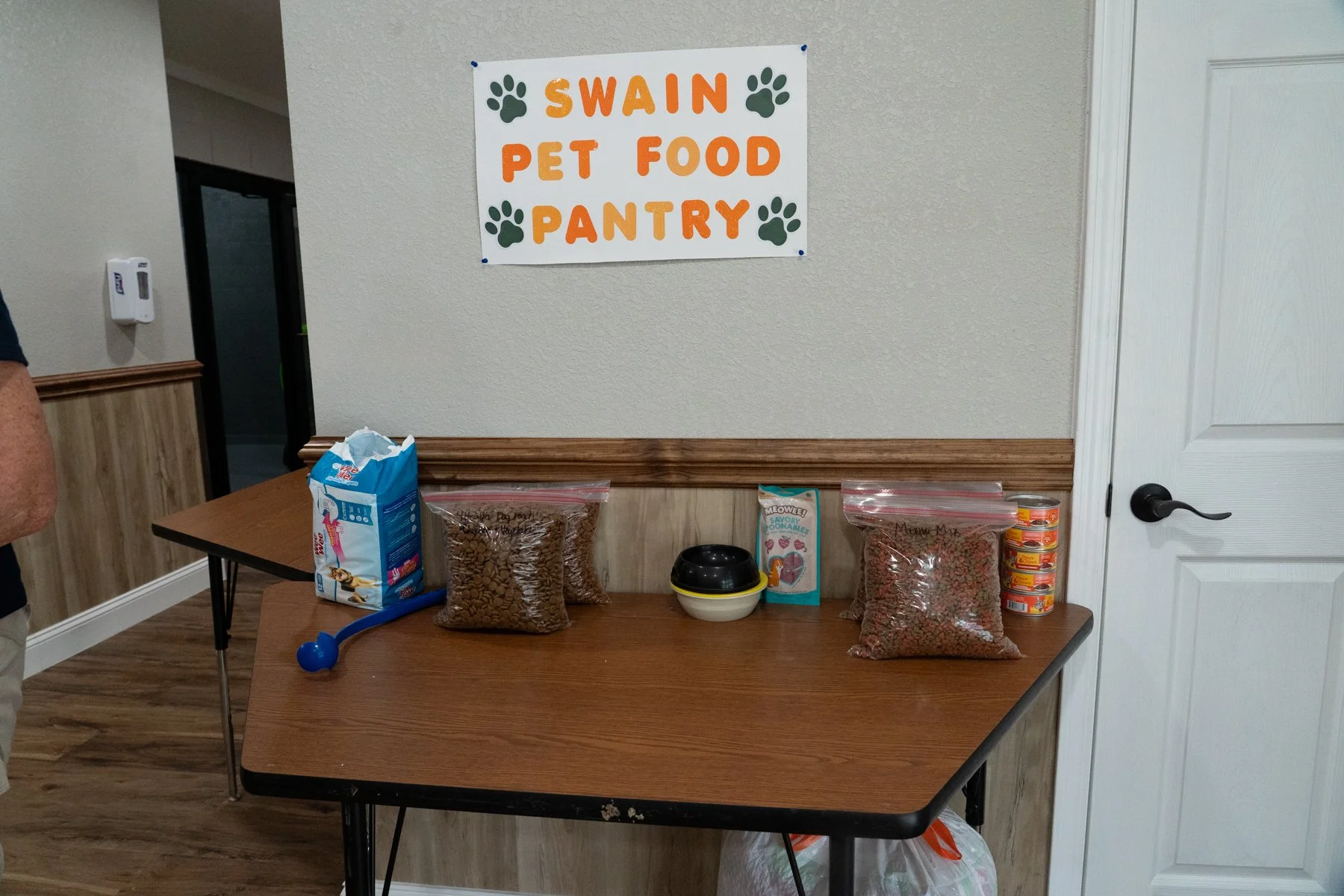
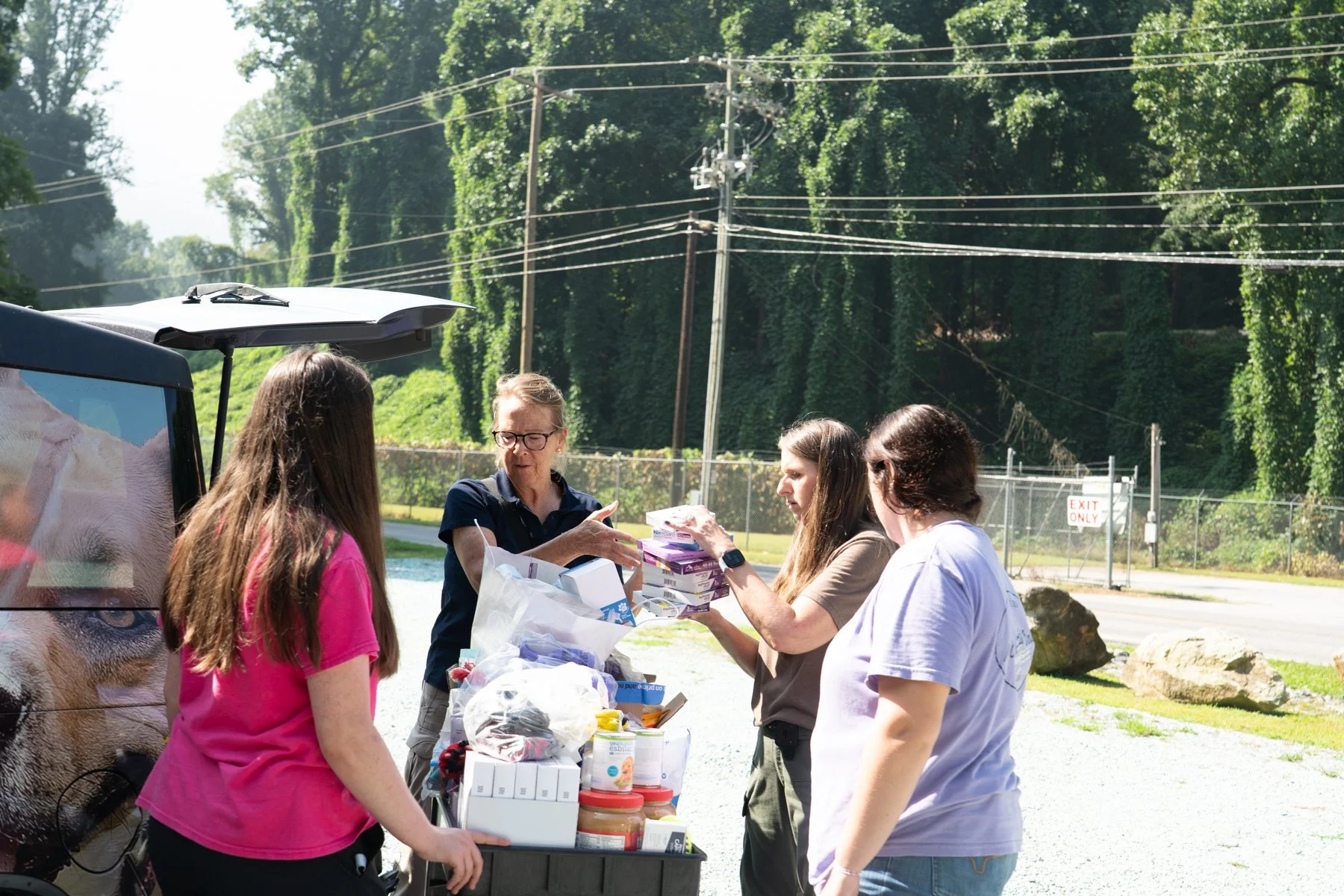
Pam’s is a voracious learner and wants to know all she can so that she can best help her community. To her mind, that’s the purpose of the shelter and her work—to serve the community. That means operating the shelter as an open-intake facility and doing all she can to find the best possible outcomes for the dogs. She has developed excellent care practices, set up the shelter smartly (including a community food/supply pantry), and is already working with rescue transport and local adoptions.
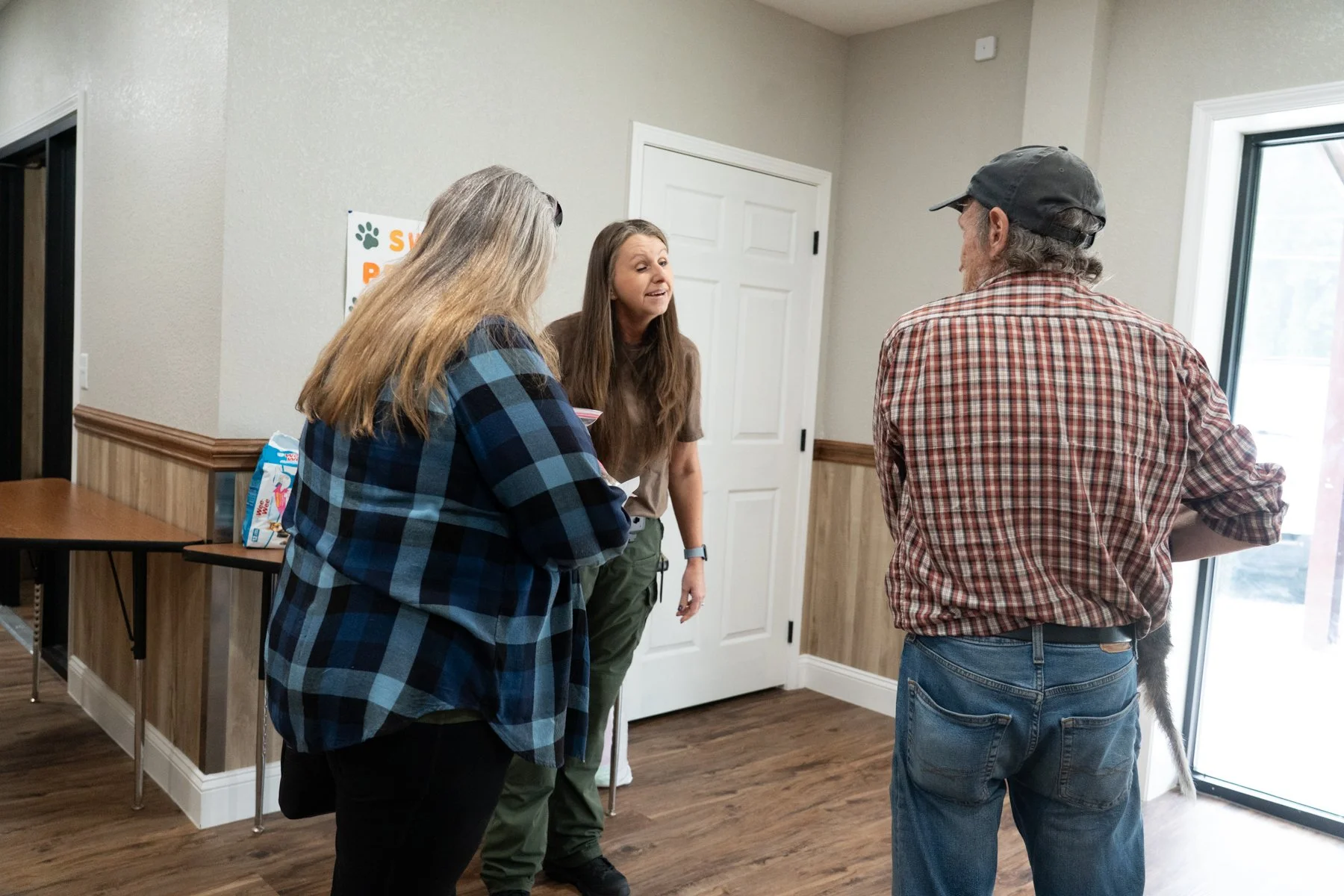
Serving the community also means meeting people where they are and doing what’s best for them and their animals. The night before our visit, the shelter took in a stray beagle and posted his pictures on its Facebook page. After shelter hours, Pam heard from a citizen who said they knew the dog’s owner, but he was elderly, on a limited income, and worried he couldn’t afford to reclaim his dog (reclaim fees are $25/day).
Pam told her to make sure the owner knew the dog was safe and fed, that he could come get his dog in the morning, and that there would be no fee. We arrived just as the owner was picking up his dog. Pam also vaccinated his dog for rabies (and waived the $10 fee) and sent him home with two bags of food, telling him to let them know if he needed more and to be sure to come back next September for another rabies vaccine.
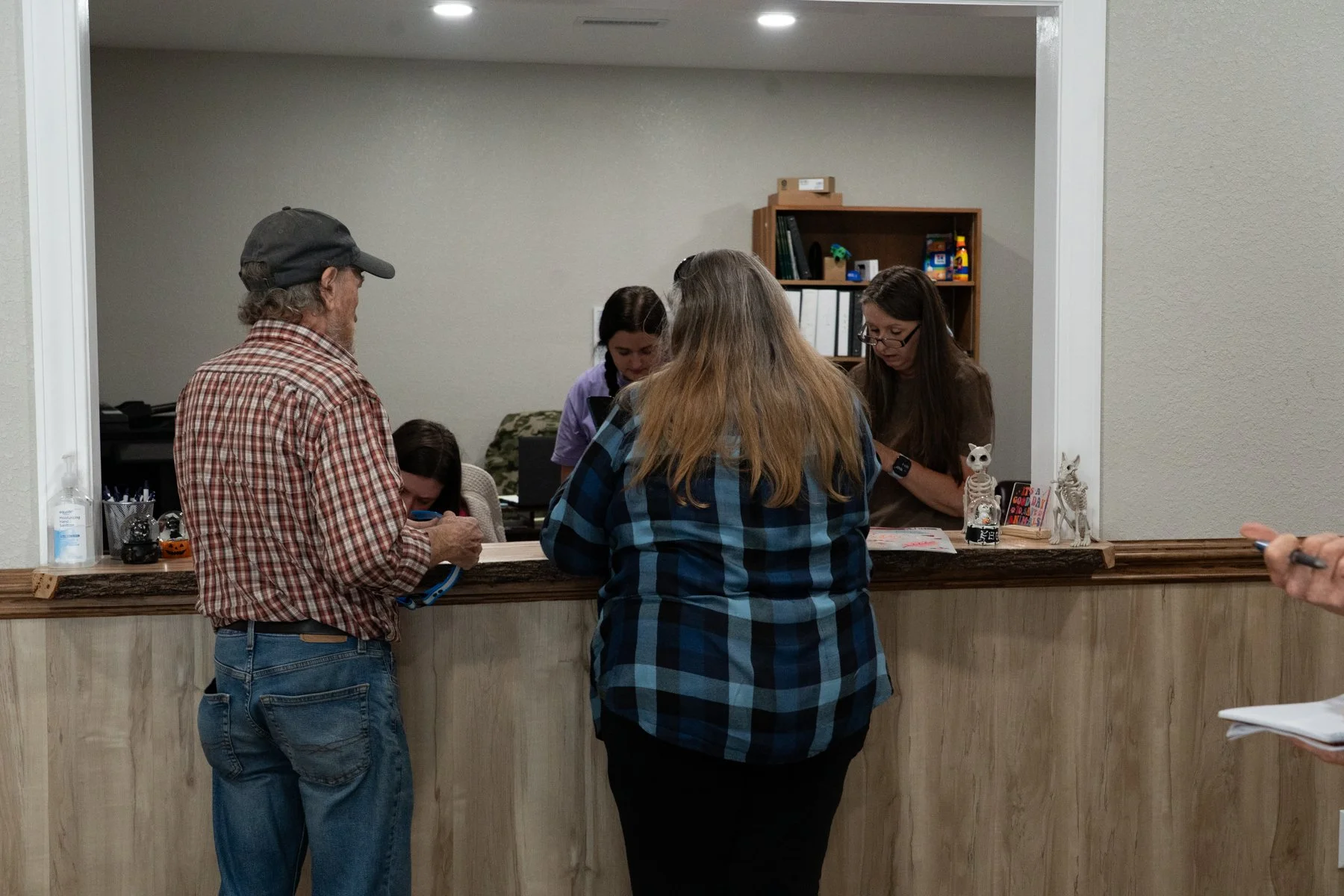
The new building is not grand, but it’s enough.
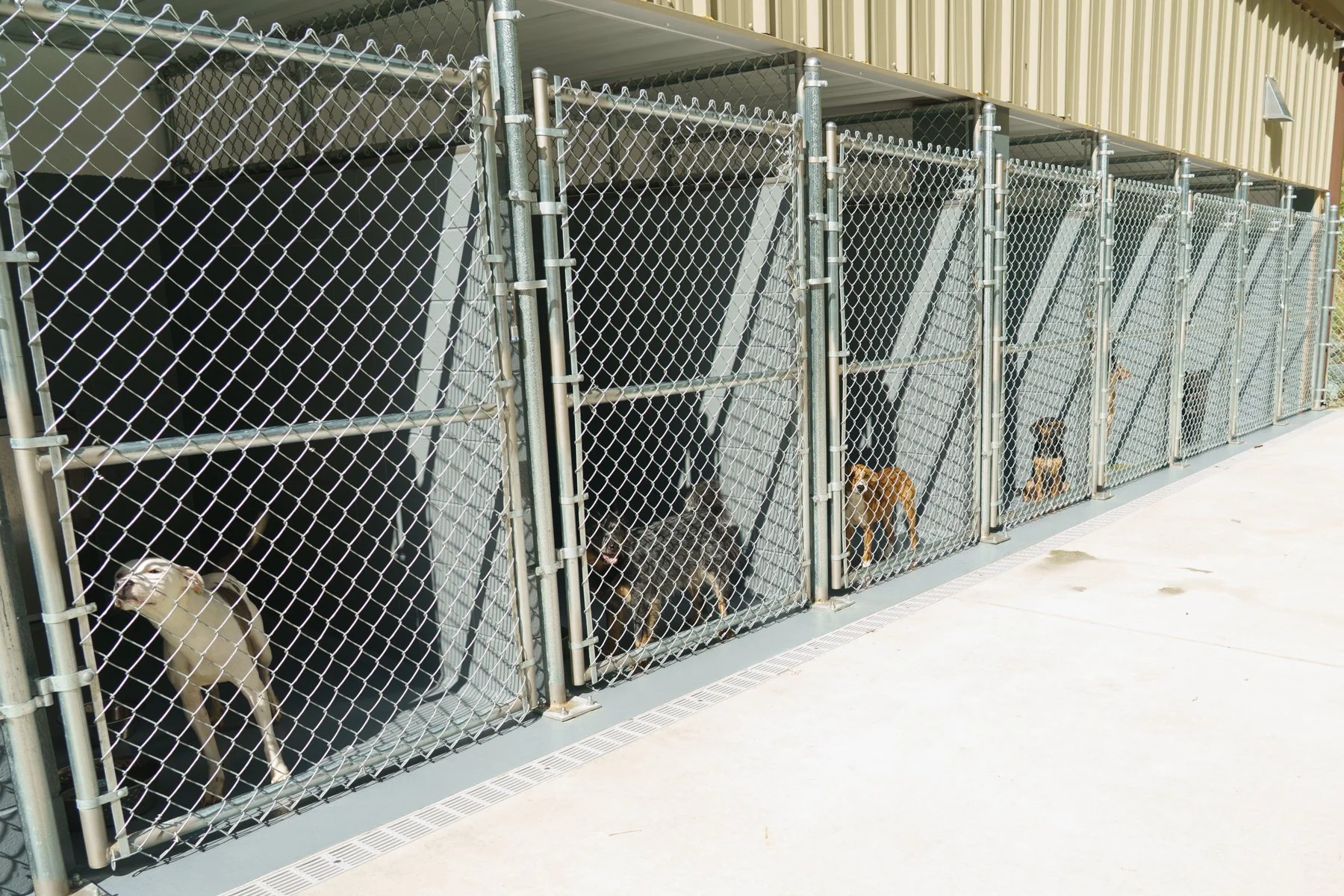
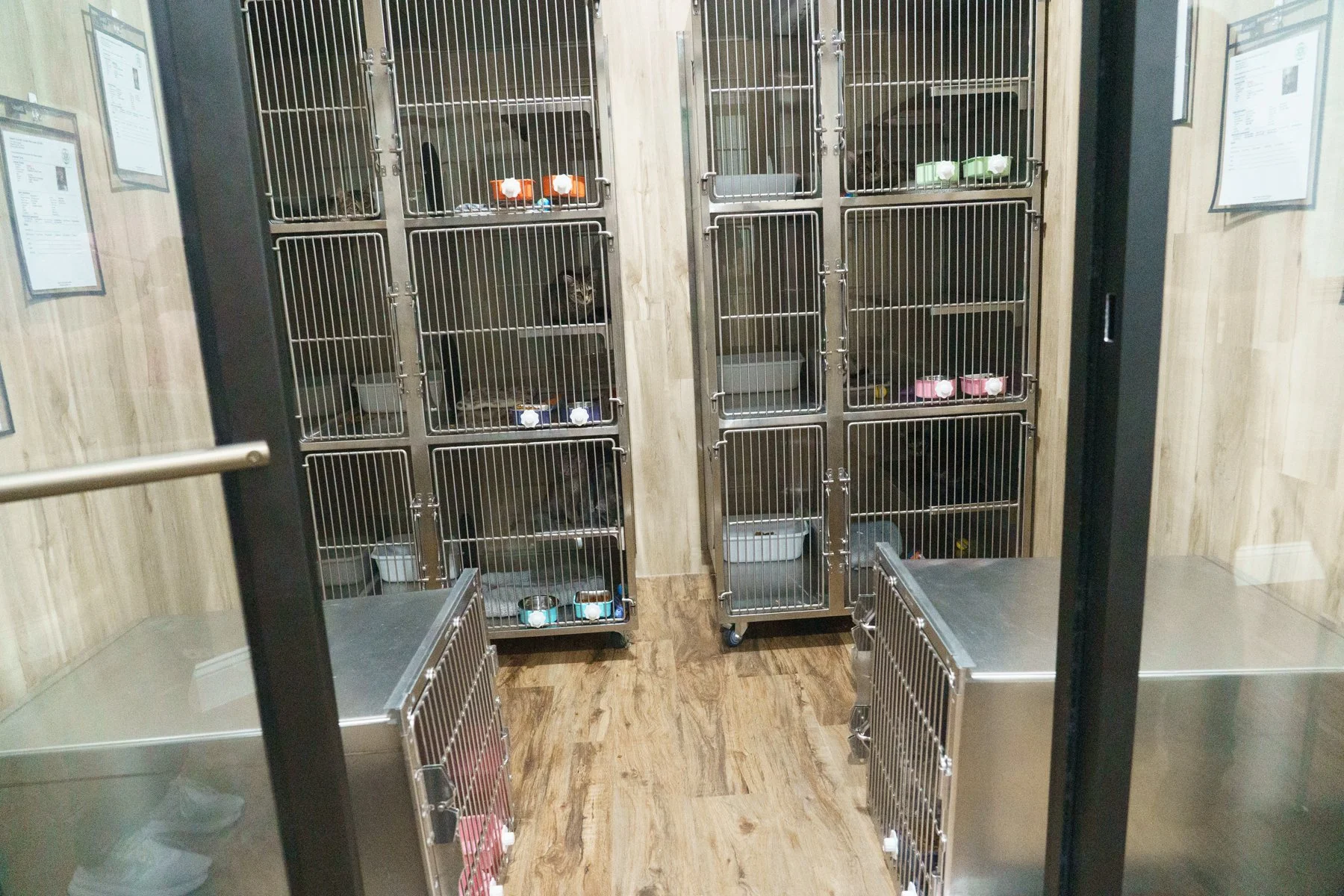
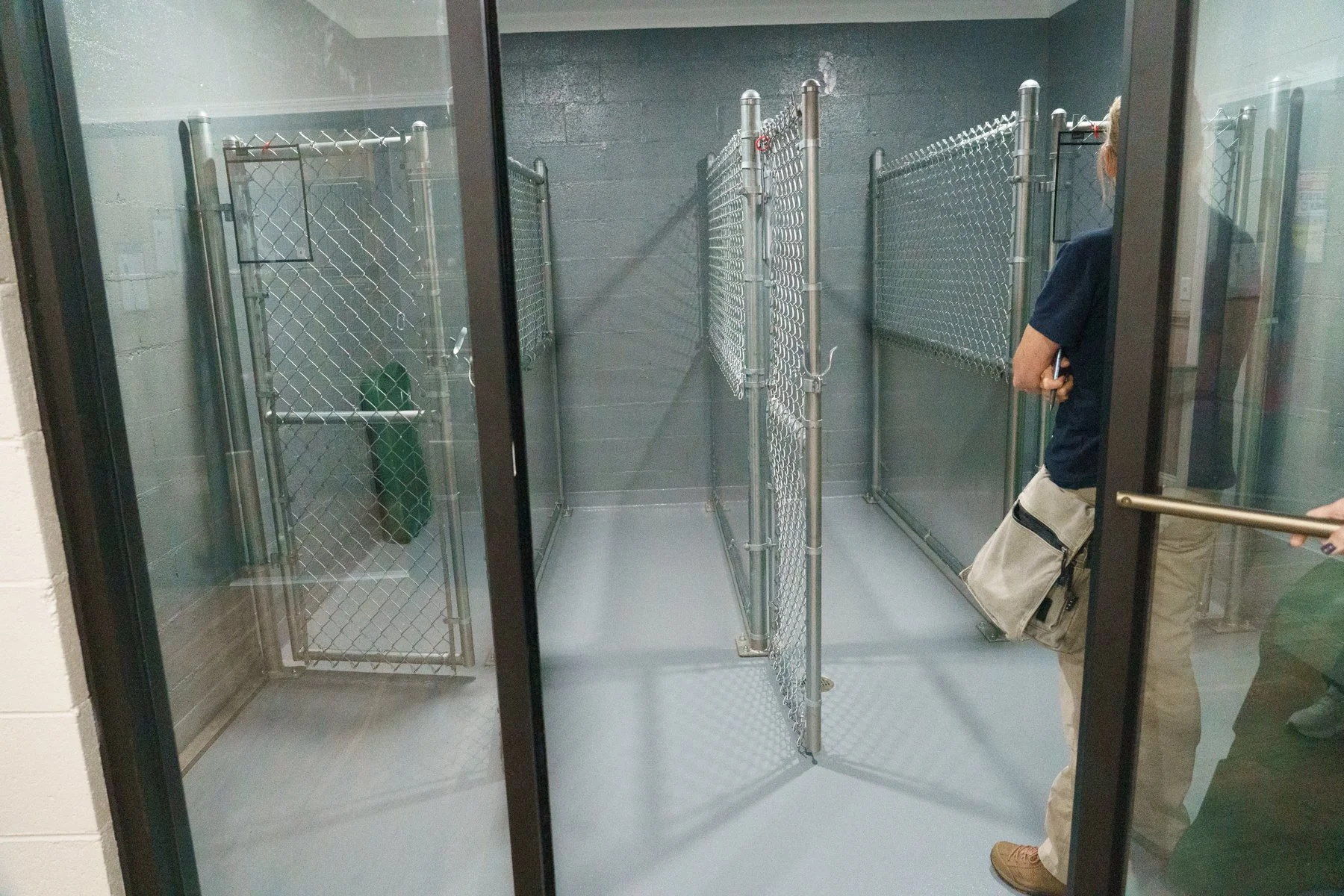
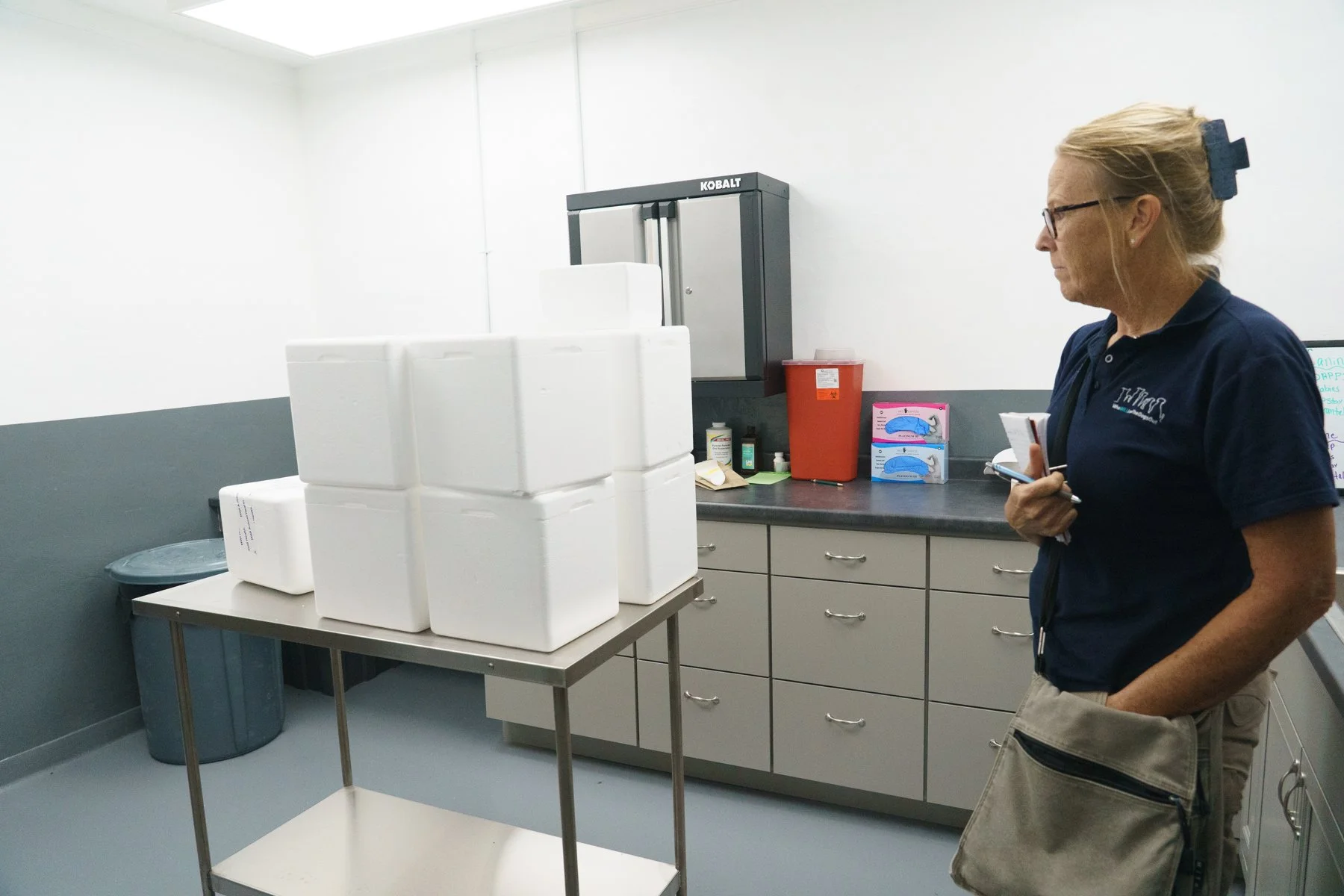
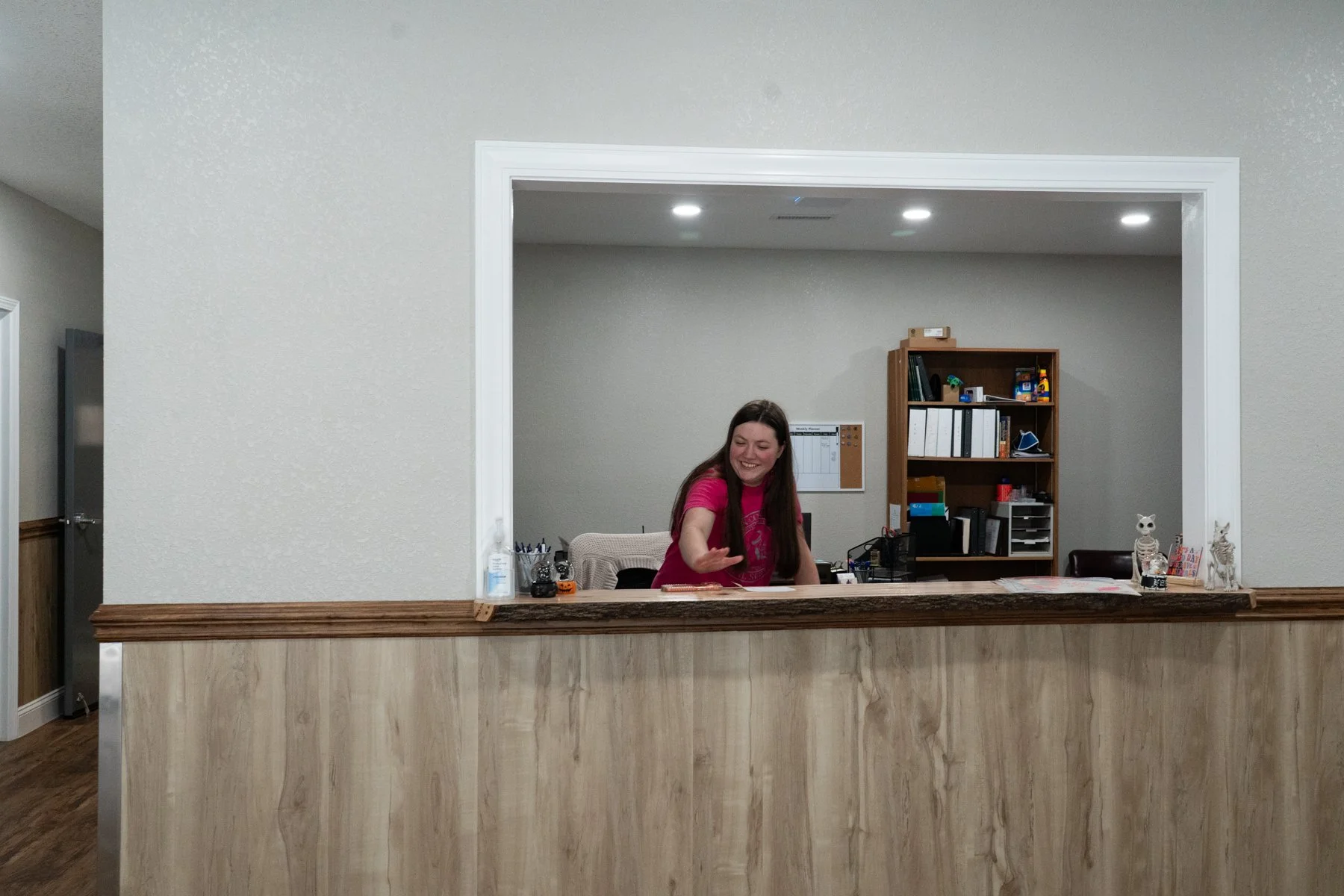
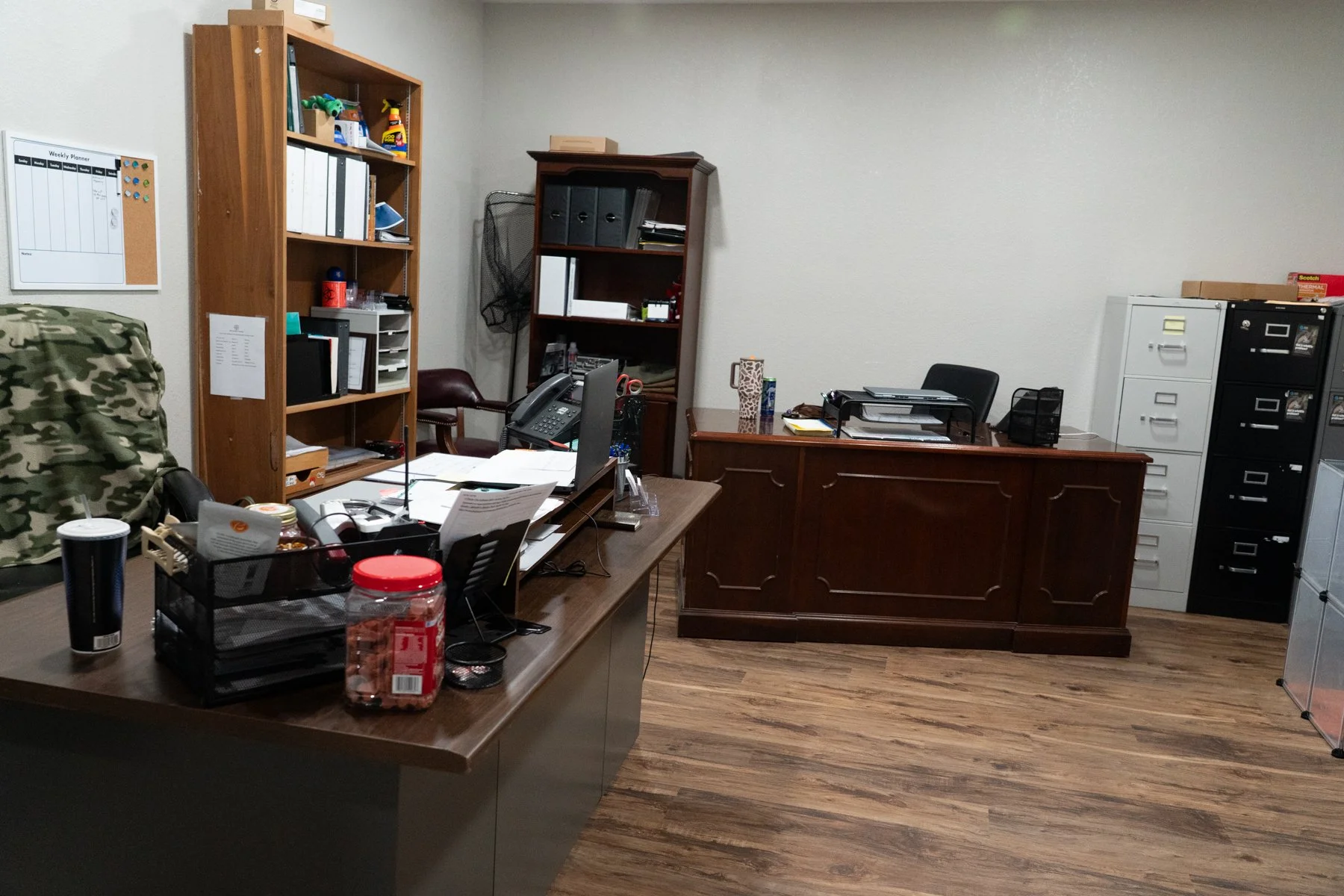
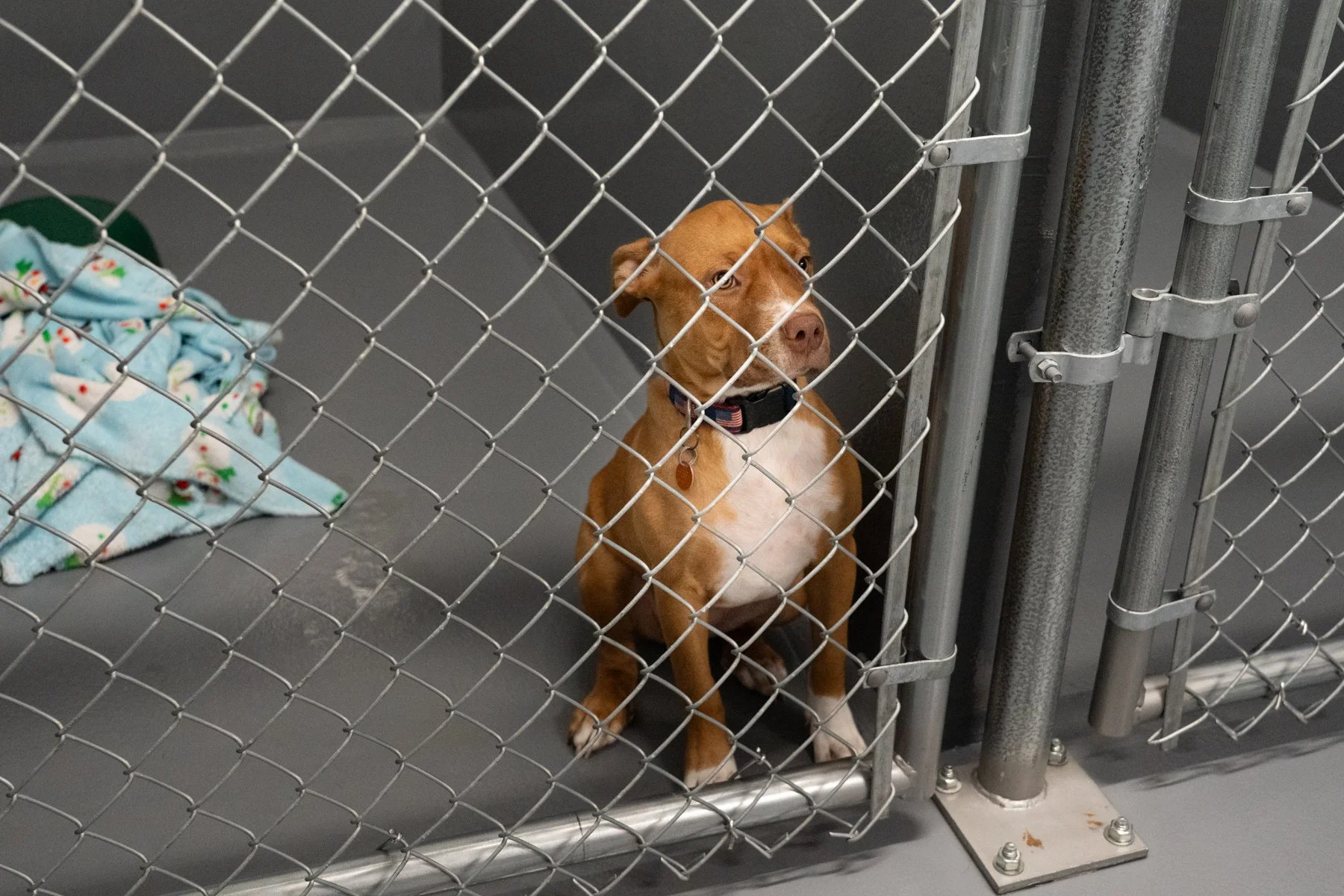
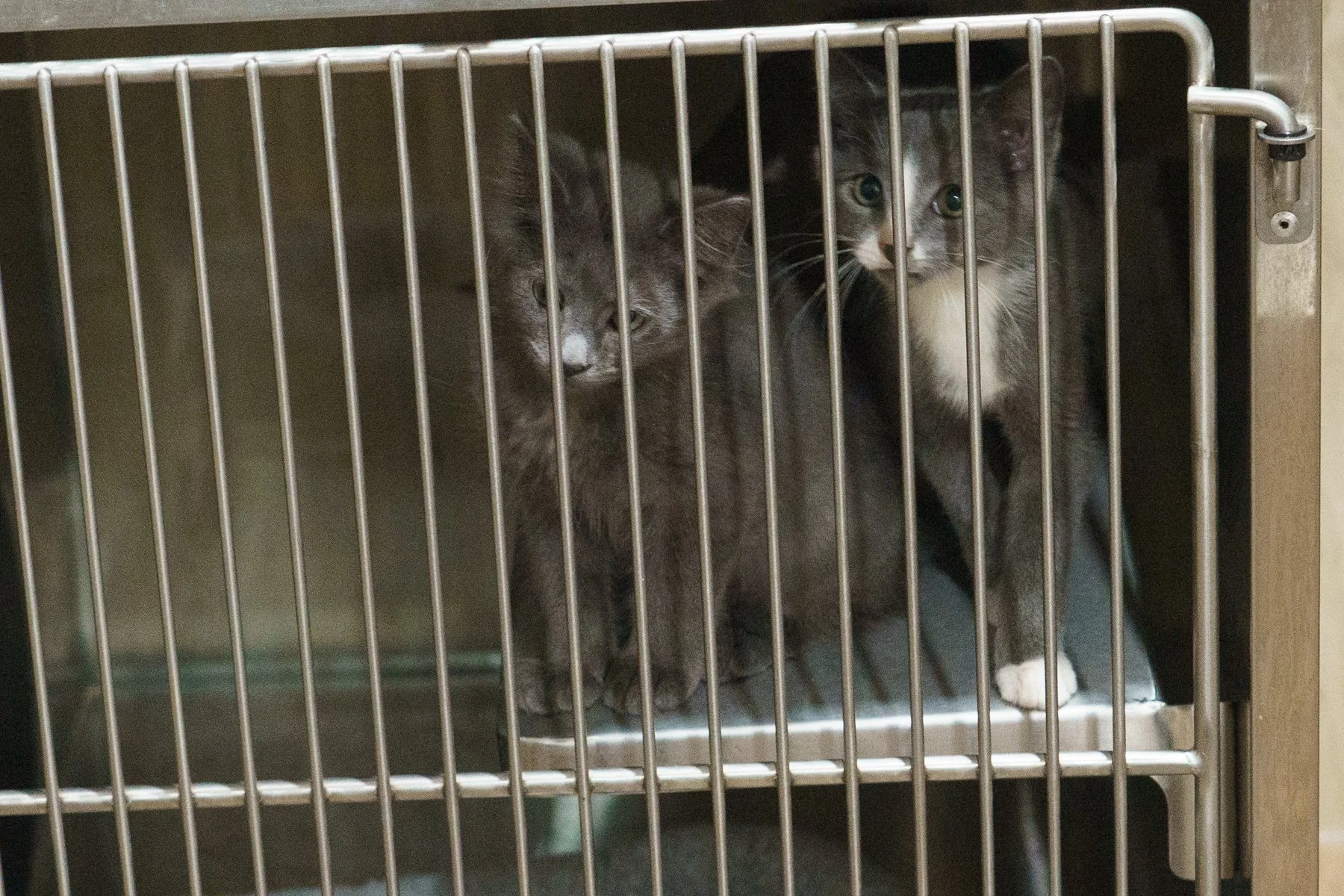
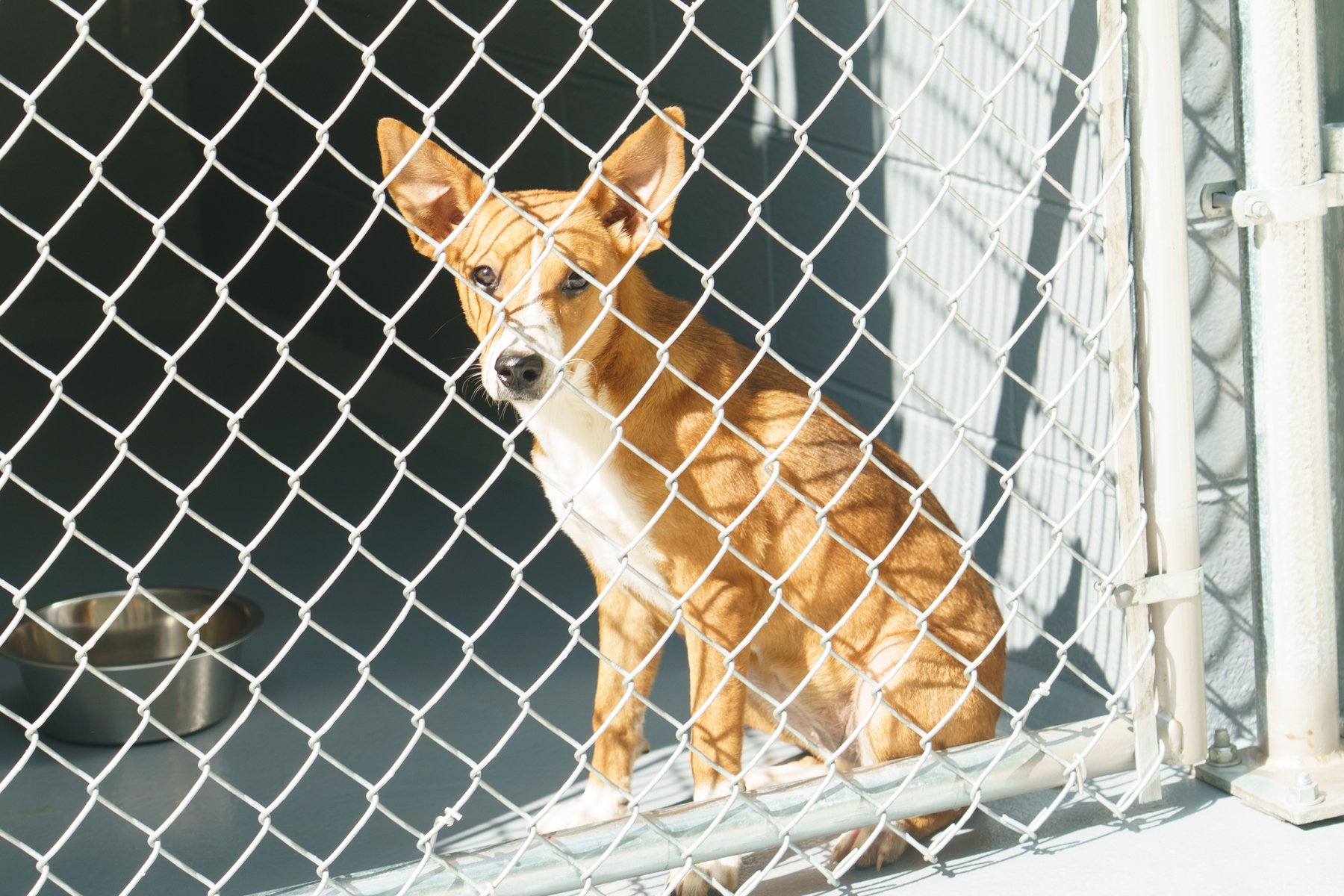
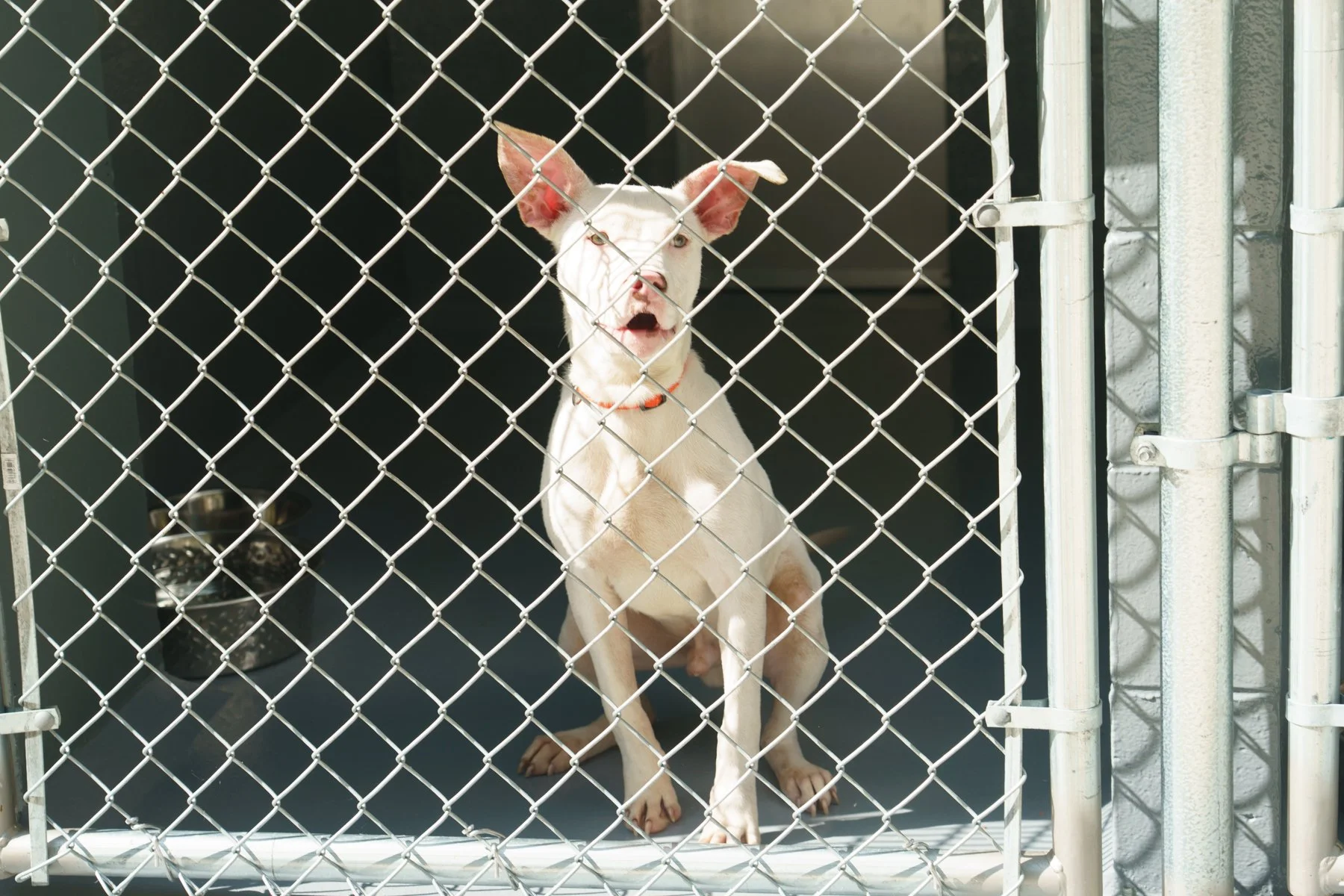
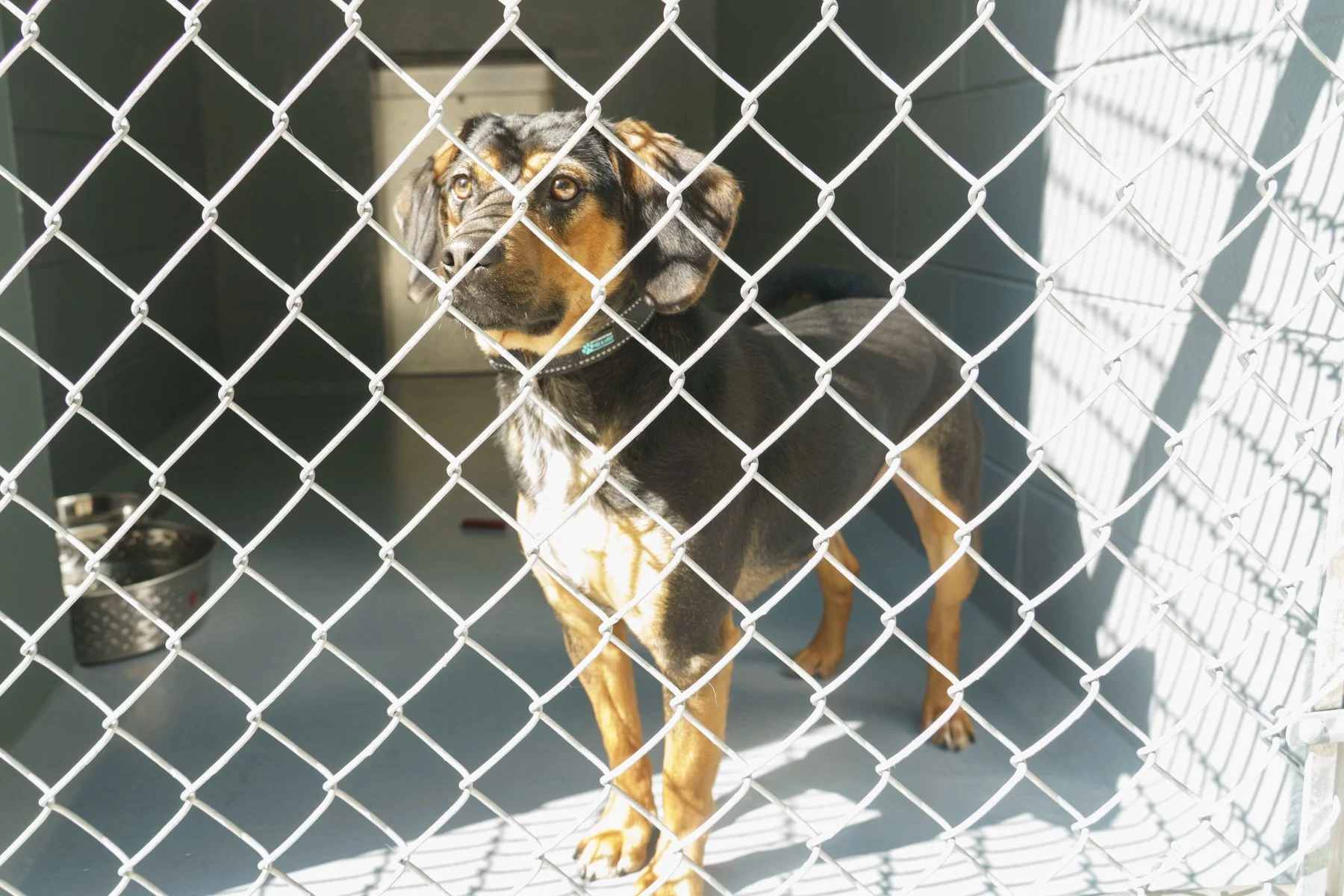
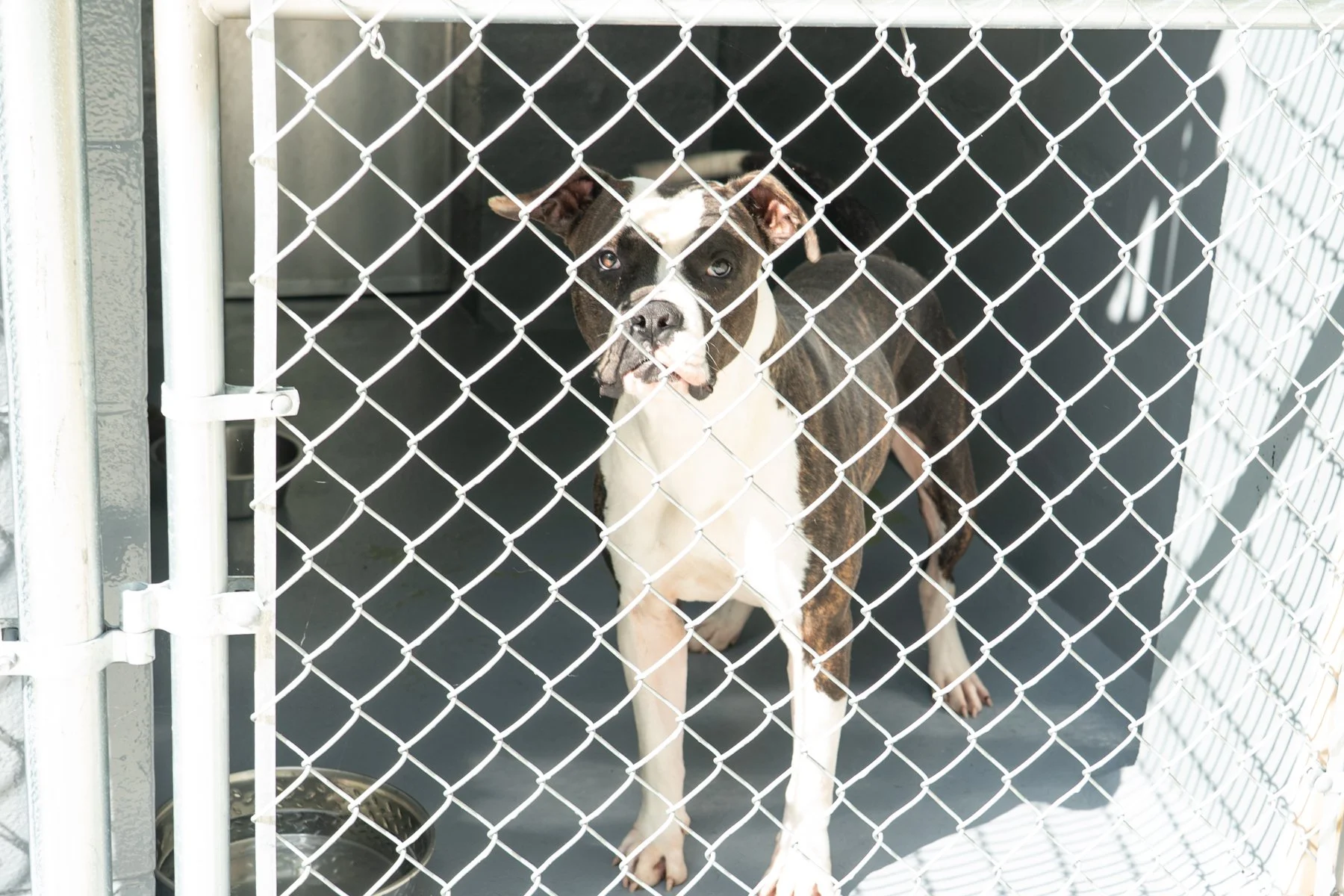
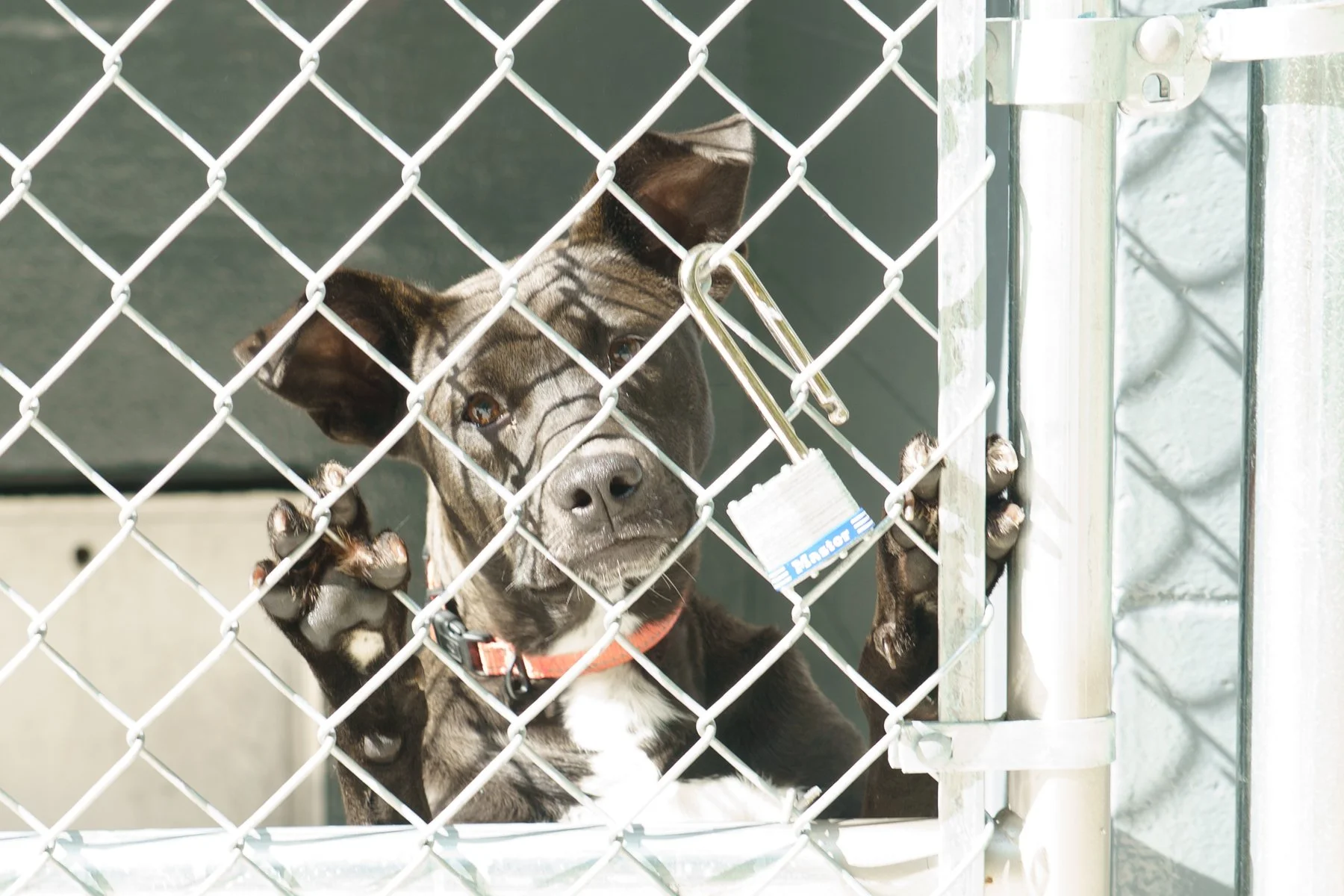
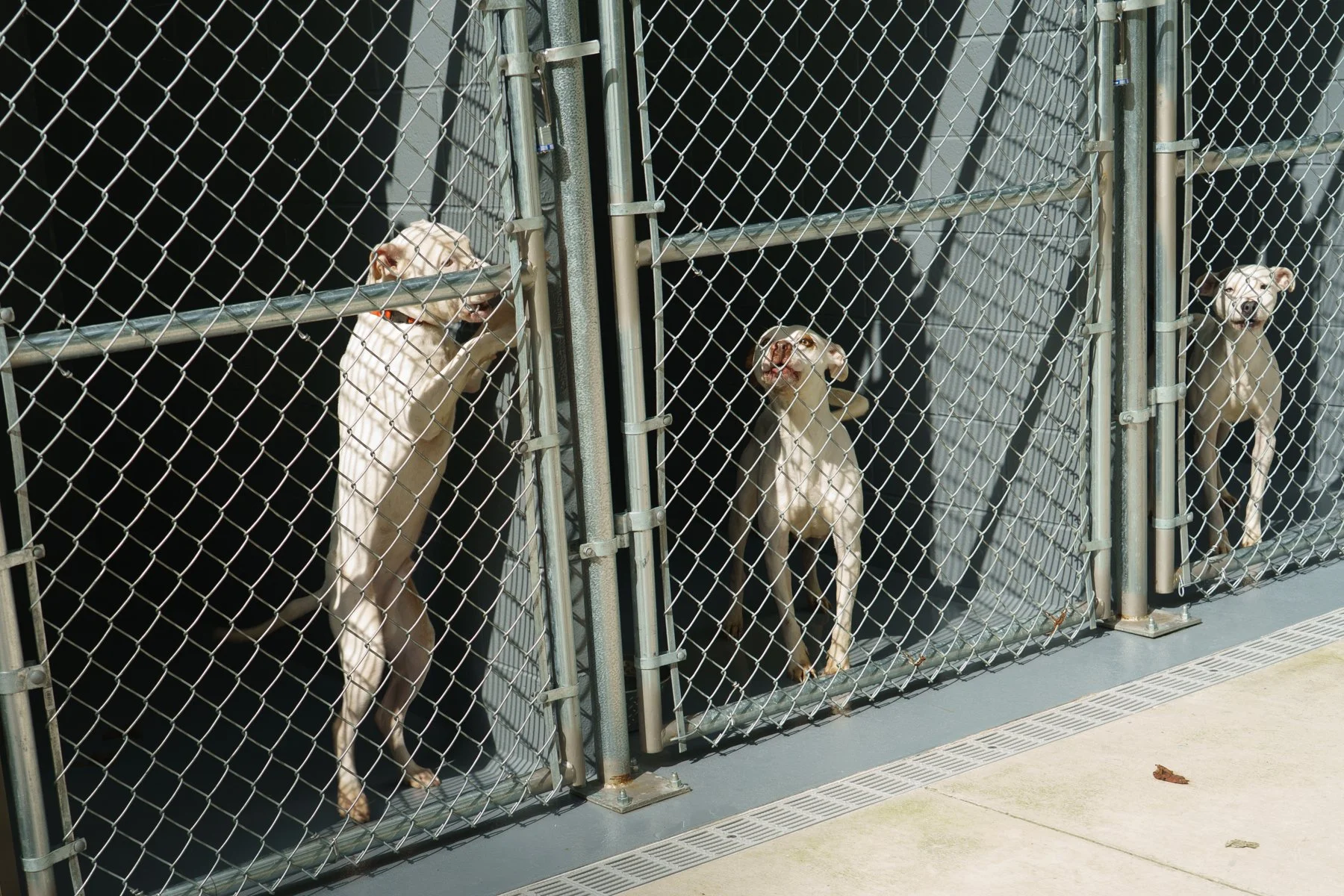
The brand new shelter has a bright lobby and a large office area. It has 10 adoption kennels and 2 holding kennels. Each dog kennel has indoor and outdoor spaces separated by a guillotine door. Pam is working with the county to reconfigure space to create a better quarantine and holding kennel area. The original bite-quarantine design is not safe for dogs or staff. The shelter includes a space for cats, plus a cat isolation area, medical treatment room, laundry, supply room, and grooming area.
The shelter’s property is literally cut out of a hill and sits on county property across the road from the trash/recycling center. The area behind the shelter is fenced and paved, with a paved area for exercising the dogs and allowing the dog-friendly ones to play together.
Building an excellent team
In addition to Pam, there are two full-time kennel techs, Hannah and Kaylee. Hannah is also the unofficial cat coordinator since cats are her area of expertise (and Pam is allergic to cats!). Hannah has a cat nonprofit, Bryson City Cat Sanctuary, so if the shelter can’t find adopt them out, find a rescue transport, or place them in the cat café they work with in Tennessee, she will take cats and find outcomes through her organization.
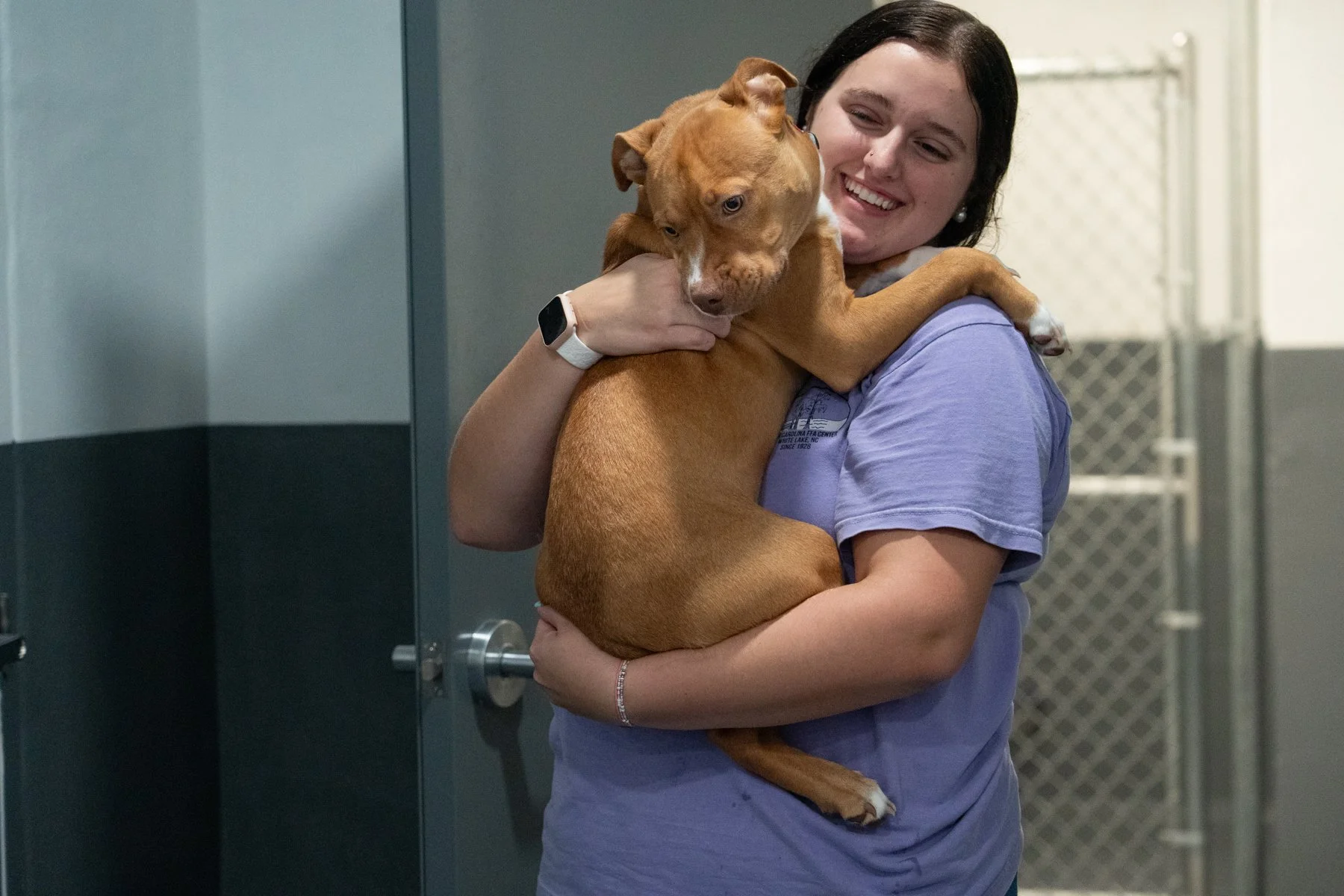
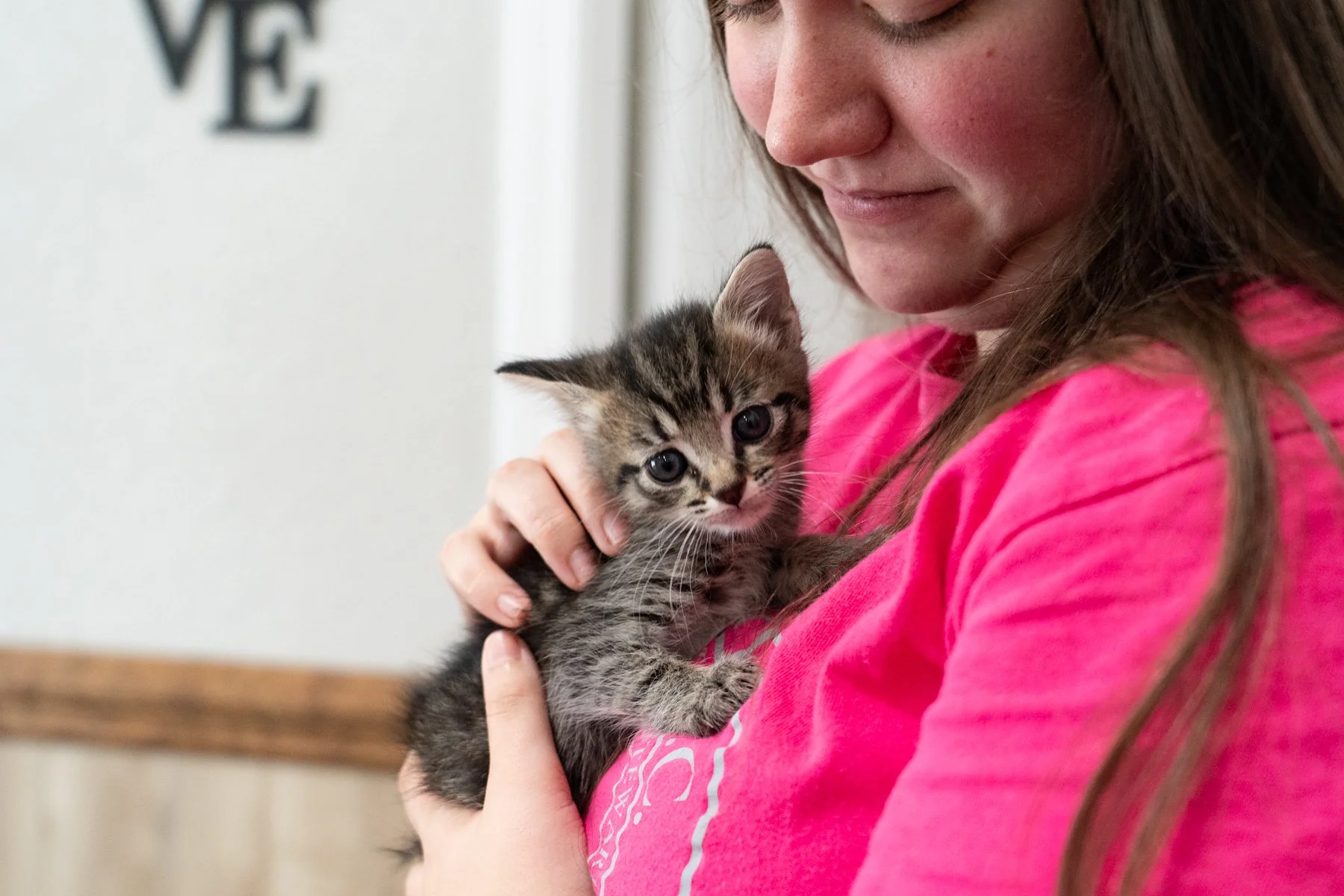
Kaylee has only been on the job a few weeks. She seems to have a soft spot for dogs. She carried one caramel-colored pocket-pittie around like a baby (a pup I would have loved to sneak home in our truck). Hannah and Kaylee take turns doing the cleaning on weekends.
SCAS has one excellent volunteer already, a retired RN who comes two days a week to spend time with the dogs – getting them out for exercise and attention.
The staff works closely with county and city services, responding to any EMS or police situation where an animal is involved. They also investigate bite cases. “I had no idea how many bites happened until I took this job,” Pam said. 90% of those cases involve owners being bitten by their own dog or being bitten when they step between two dogs fighting. In North Carolina, dog bites are reported by medical services and followed up on by Animal Services.
Handling the veterinary desert
Swain County has no veterinary clinics, so staff handles regular vaccinations, flea/tick treatment, and deworming. Whisker Waggin’ Mobile Veterinary Care provides other veterinary services and offers a discount rate for nonprofits. They are available when needed, including spay/neuter surgeries done right in their van in the parking lot.
Pam hopes to partner with the ASPCA, which regularly brings a mobile spay/neuter clinic to neighboring Jackson County. That would give them another low-cost option not just for shelter animals but for community animals.
In North Carolina, shelter staff can be certified to administer rabies vaccines, so the shelter plans to hold regular rabies vaccine clinics.
Small community proving animal services are possible
It was exciting to meet Pam, Hannah, and Kaylee and see the bright new building. They are well on their way to creating a shelter that serves as a much-needed resource and safety net for its community. It’s only a matter of time before the public realizes the gem in their midst, and I predict they’ll have plenty of volunteers and community support.
Too many places in this country, particularly in the South, lack basic animal services. What Swain County has built didn’t cost millions and didn’t take decades. They are a wonderful example of what is possible when citizens speak up, and leadership listens. Animal services are critical for the health and safety of every community—not just the animals, but the people as well.
If you’d like to encourage this brand-new team, please consider shopping their Amazon wishlist: