

Resilience and Heart: Inside Davidson County Animal Shelter
Davidson County, North Carolina, lies directly south of Winston-Salem and is home to the world’s largest chair (which we did not see!).
The Davidson County Animal Shelter NC (DCAS) was built in 1999, and the structure seems to be holding up rather well, considering the steady stream of animals (4K+) that pass through its doors each year.
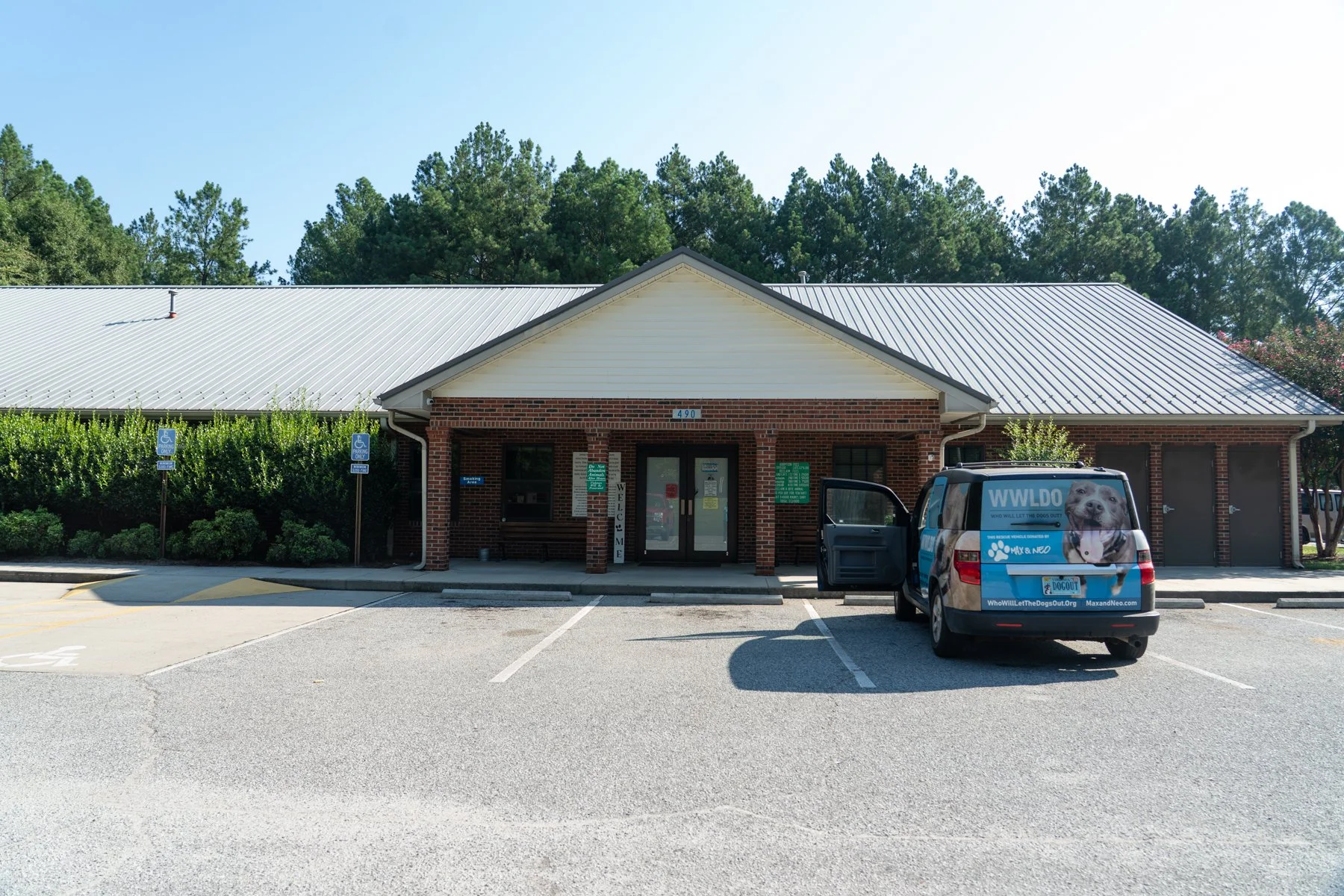
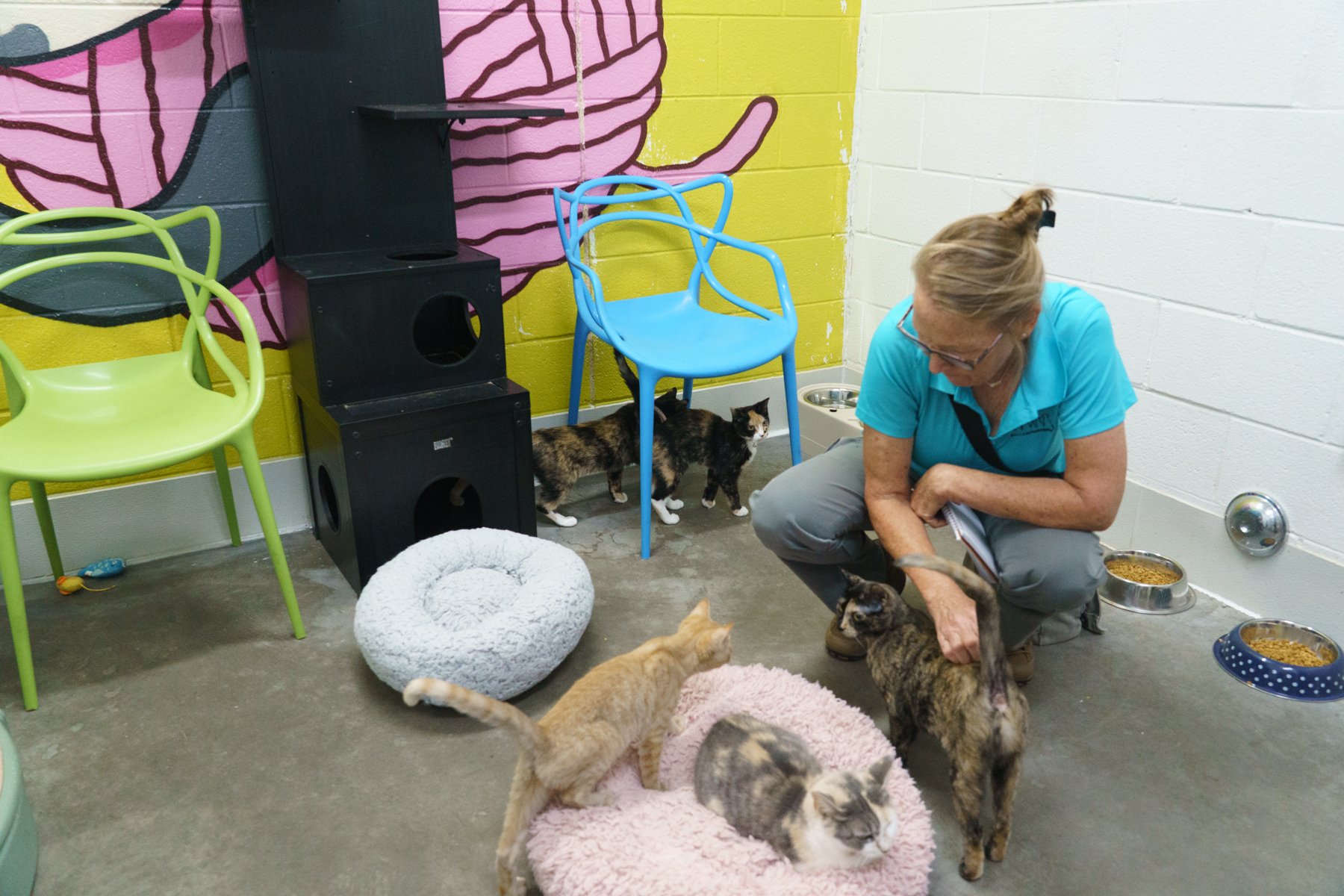
As an open-intake municipal shelter, they are always full and are obligated to take animals brought in by Animal Control officers from the county and all three ‘cities’ within it, plus strays brought in by the public, and animals from court holds, bite quarantines, and owner-surrendered animals.
It’s the People Who Make the Difference
DCAS is blessed with Mindy, the kind of volunteer we call a ‘super-volunteer’ – one who's been volunteering a long time (10+ years), is there many days a week, knows where everything is, knows who everyone is (animals and humans), and can handle any task thrown her way. Every shelter should have at least one. Mindy was the person who reached out to invite us to visit the shelter.
Christina became the director just a month before our visit in September 2026, but had been with the shelter for 12 years (minus a brief hiatus during a turbulent time). She has worked many jobs at the shelter, including kennel attendant and veterinary assistant, but as the shelter lost staff temporarily and permanently over the last year, she’s taken on multiple roles, including shelter operations coordinator, front desk, and director. Her role as director was made permanent on August 1, 2026, yet she continues to fill several other roles while seeking to hire staff.
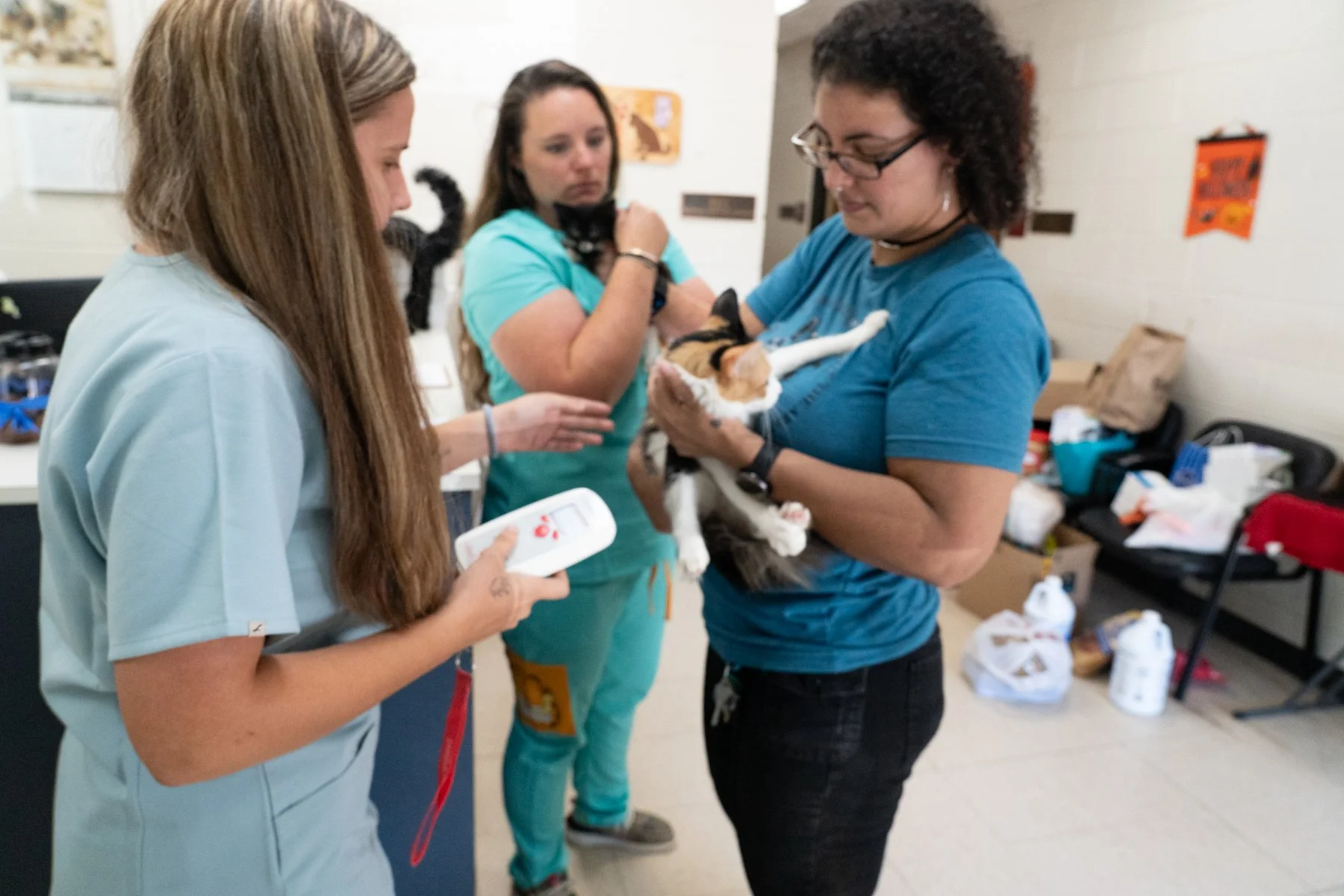
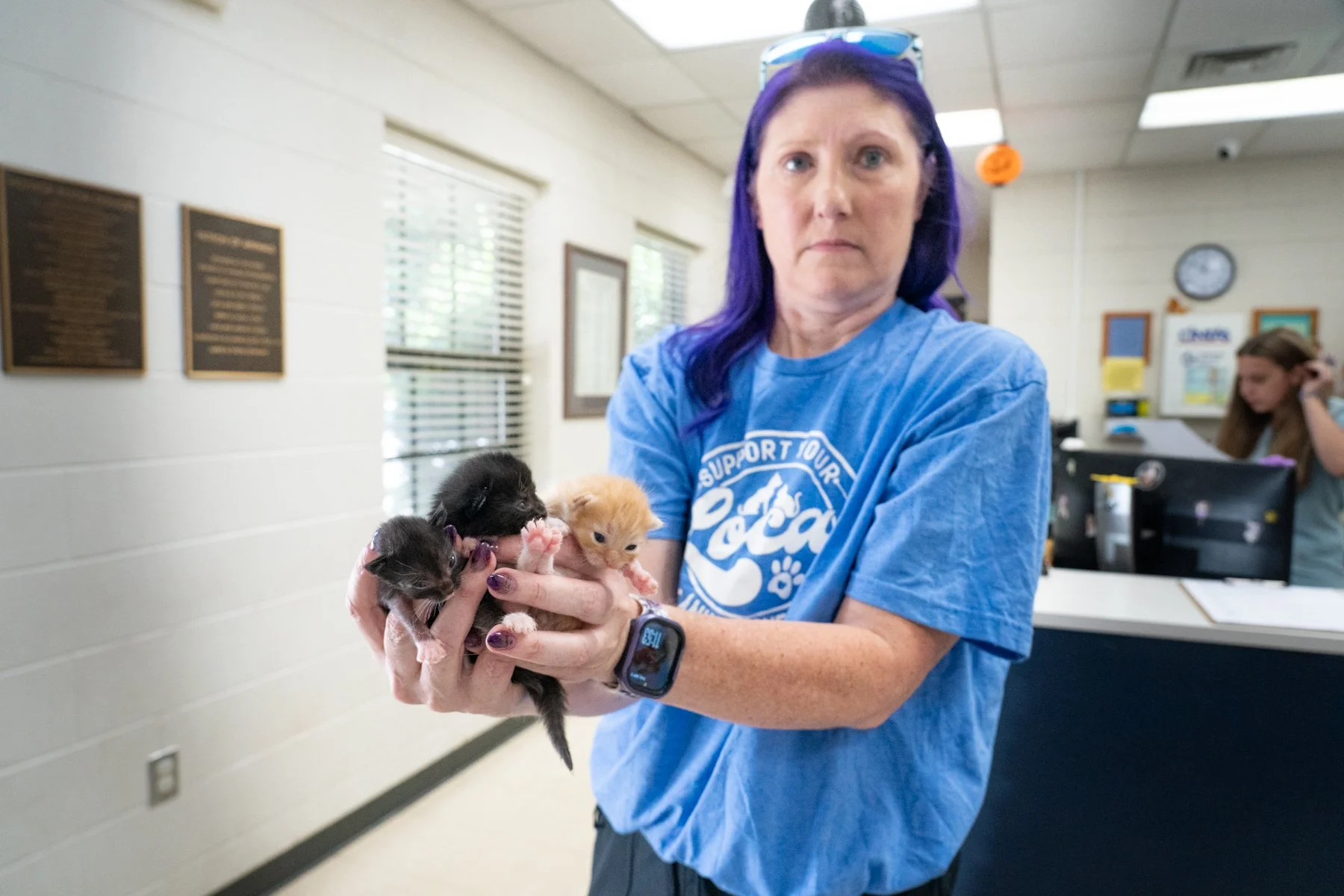
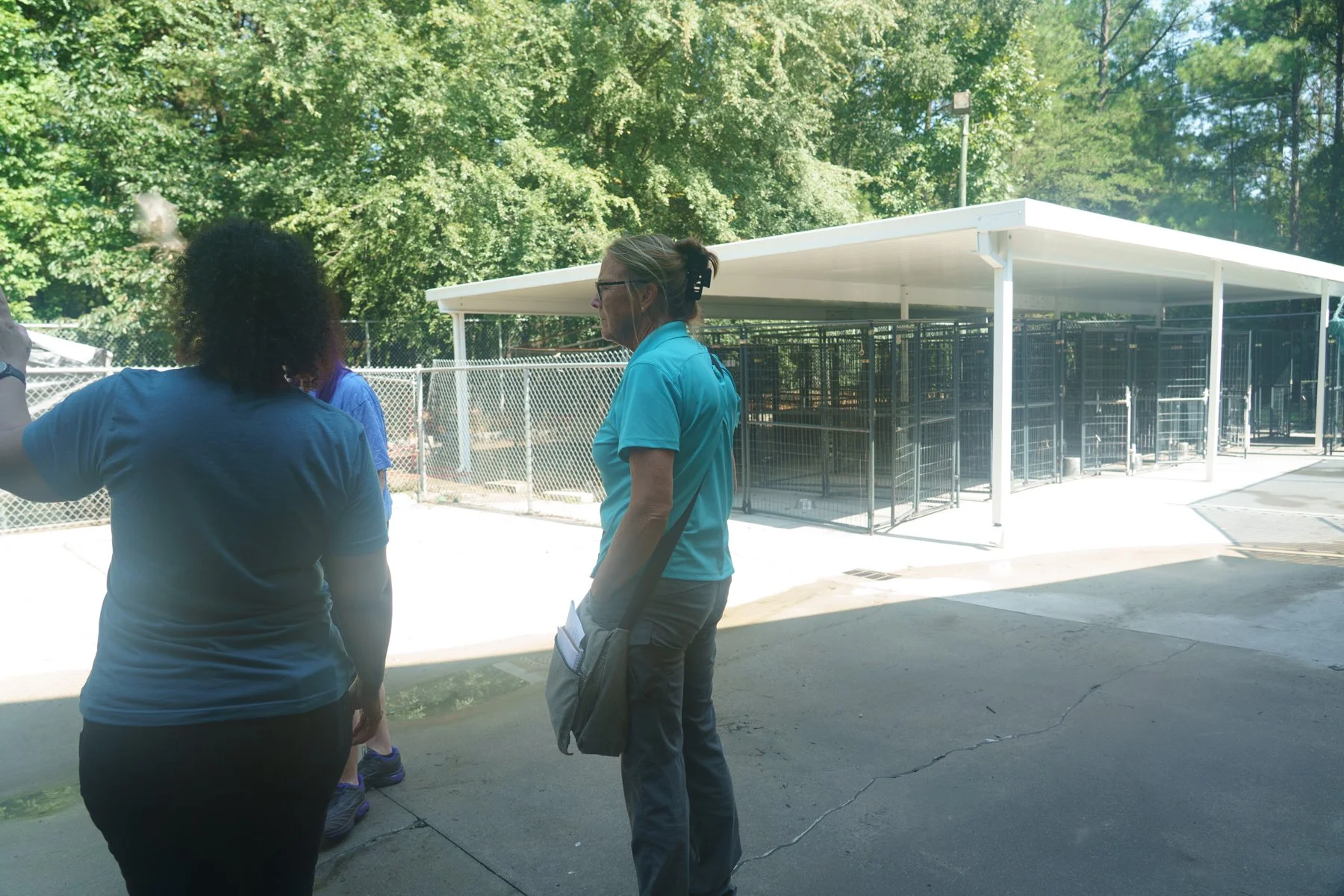
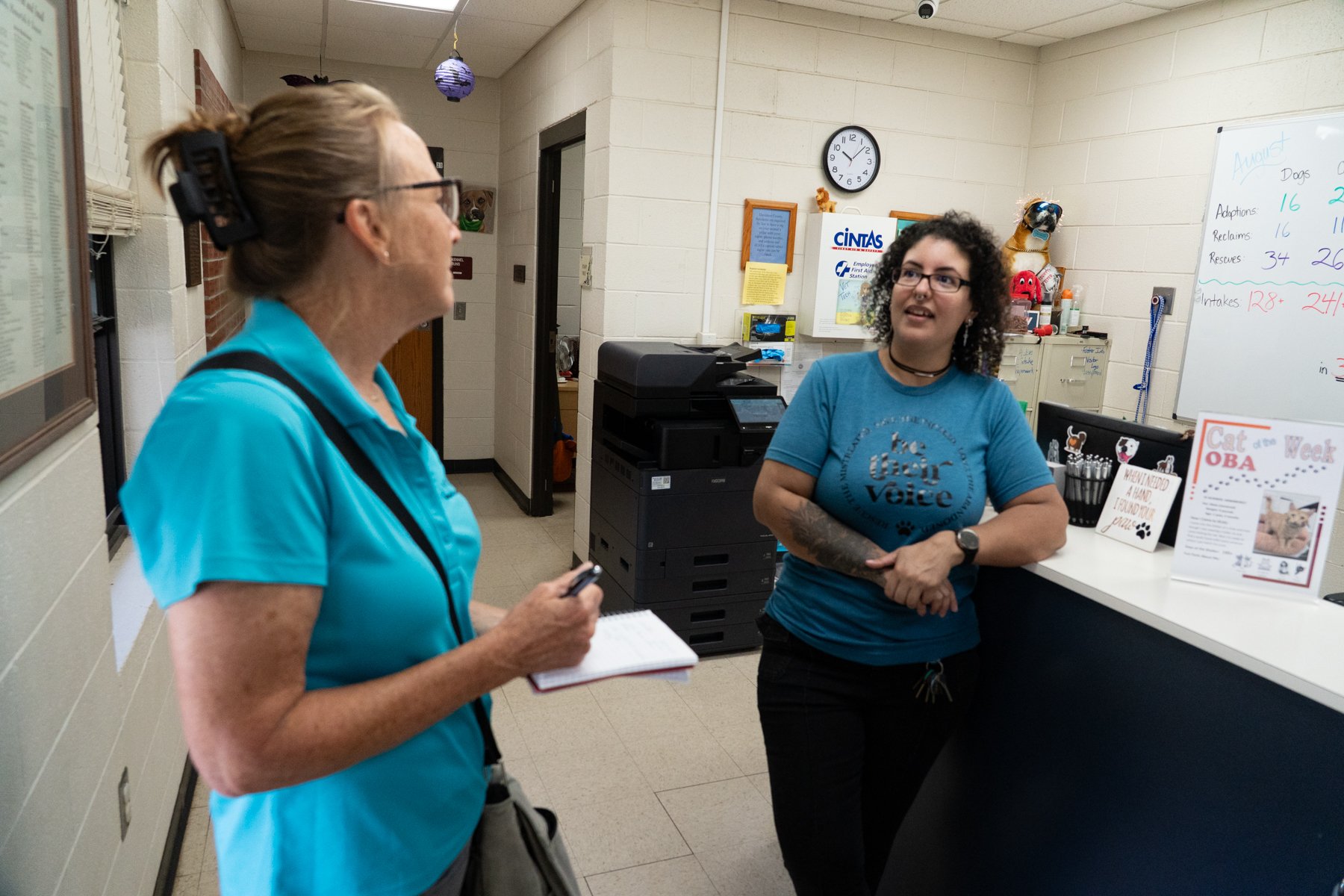
Christina has many goals, like expanding community engagement, increasing volunteers, and developing a dog foster program, but for the time being she is juggling more balls than a circus performer.
Lack of Resources and Number of Animals Mean Tough Decisions
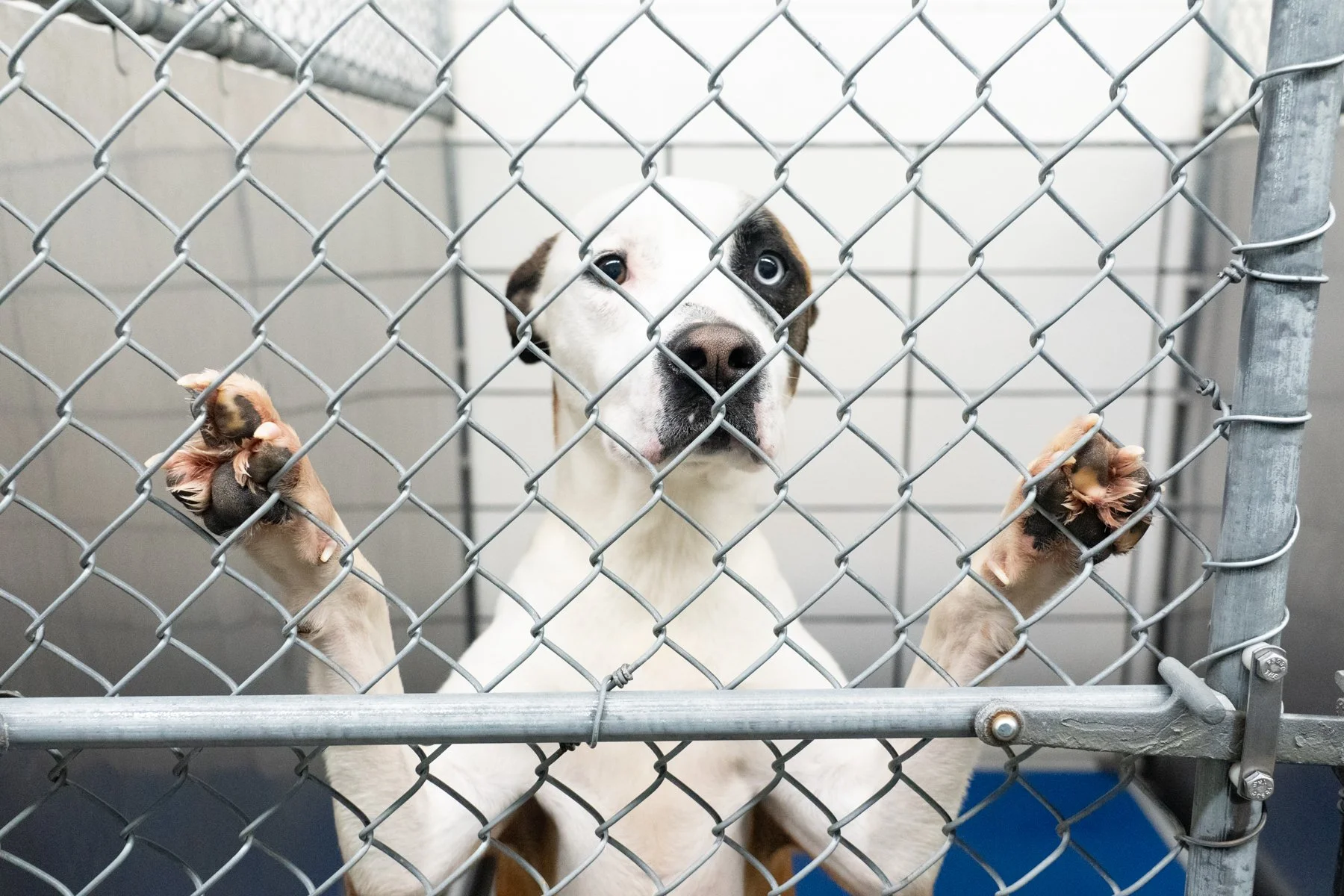
DCAS has 16 adoption kennels, 16 intake kennels, 16 holding kennels, and 8 bite quarantine kennels, but with the high number of animals flowing in daily and despite the hard work of getting about half the animals out through rescue, staff must euthanize almost daily for behavioral, medical, and space reasons.
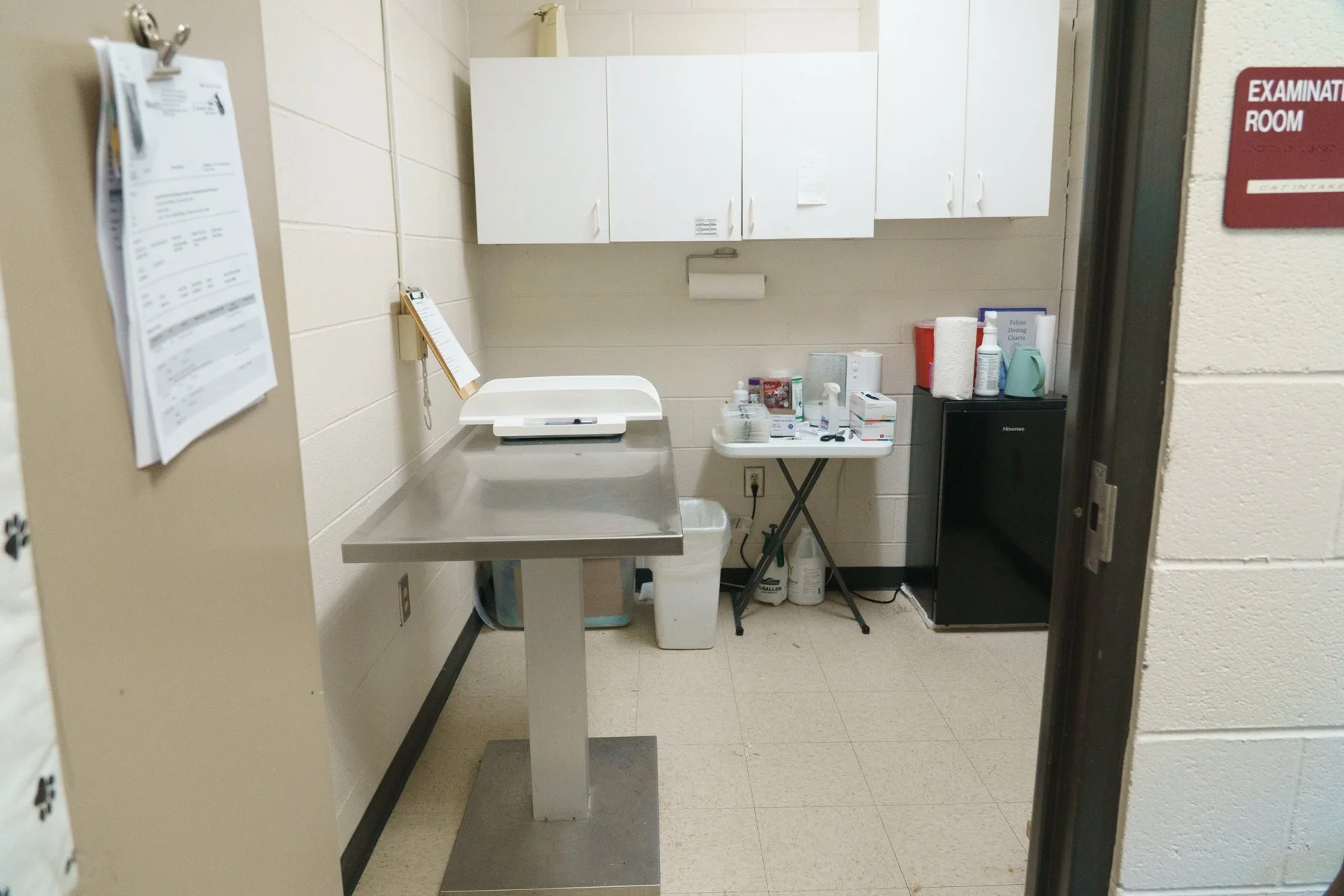
With very limited veterinary access (once a week) and limited kennel space, animals who come in heartworm-positive, or sick or injured with conditions that cannot be treated by the shelter staff, are typically euthanized (if they can’t find rescue).
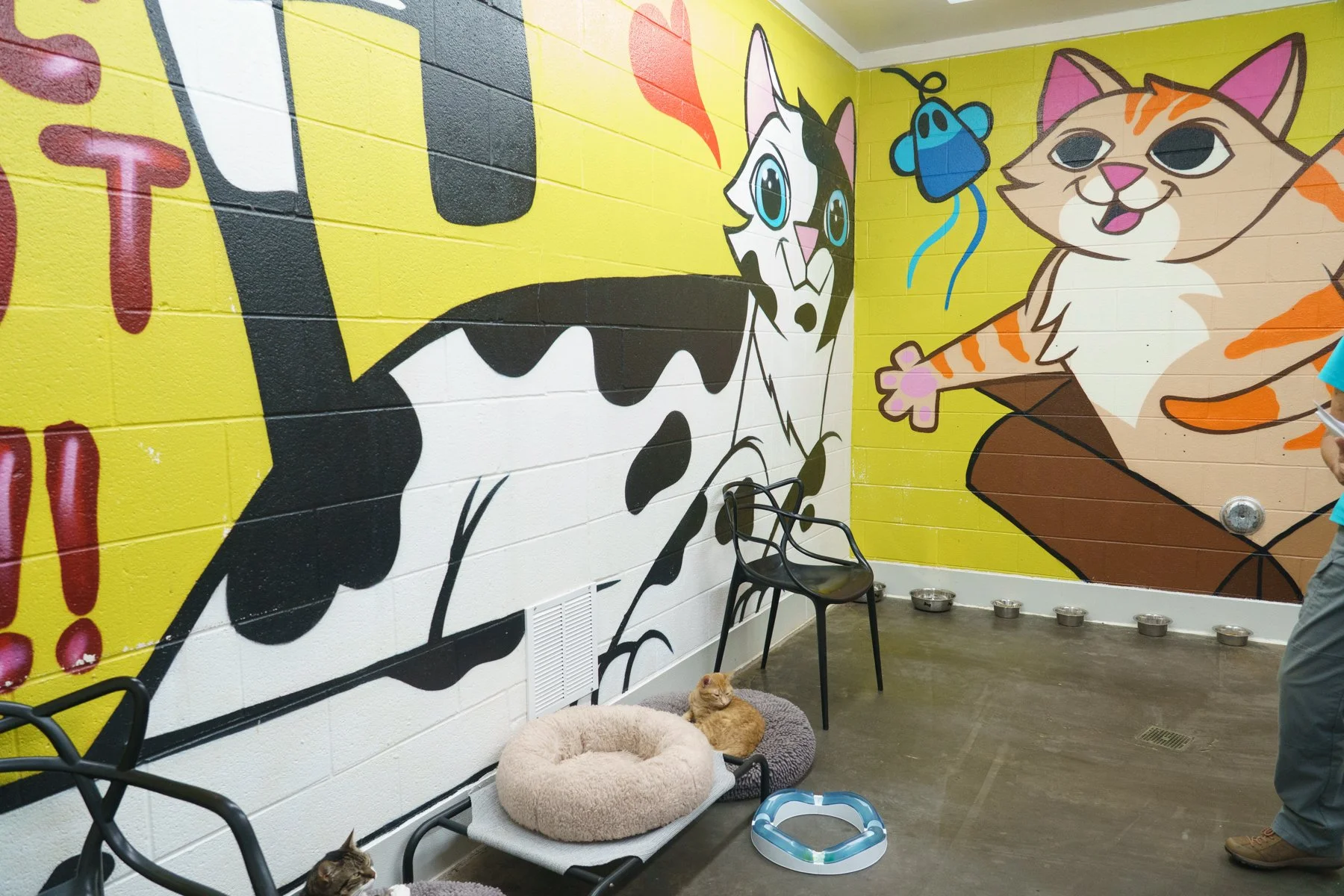
While staff try to counsel residents who want to surrender animals, they are often too busy to do more than hand them a list of potential rescues and resources that may be able to help. They inform the residents that owner-surrendered animals are the first to be euthanized, hoping this will give them the incentive to rehome the animal themselves.
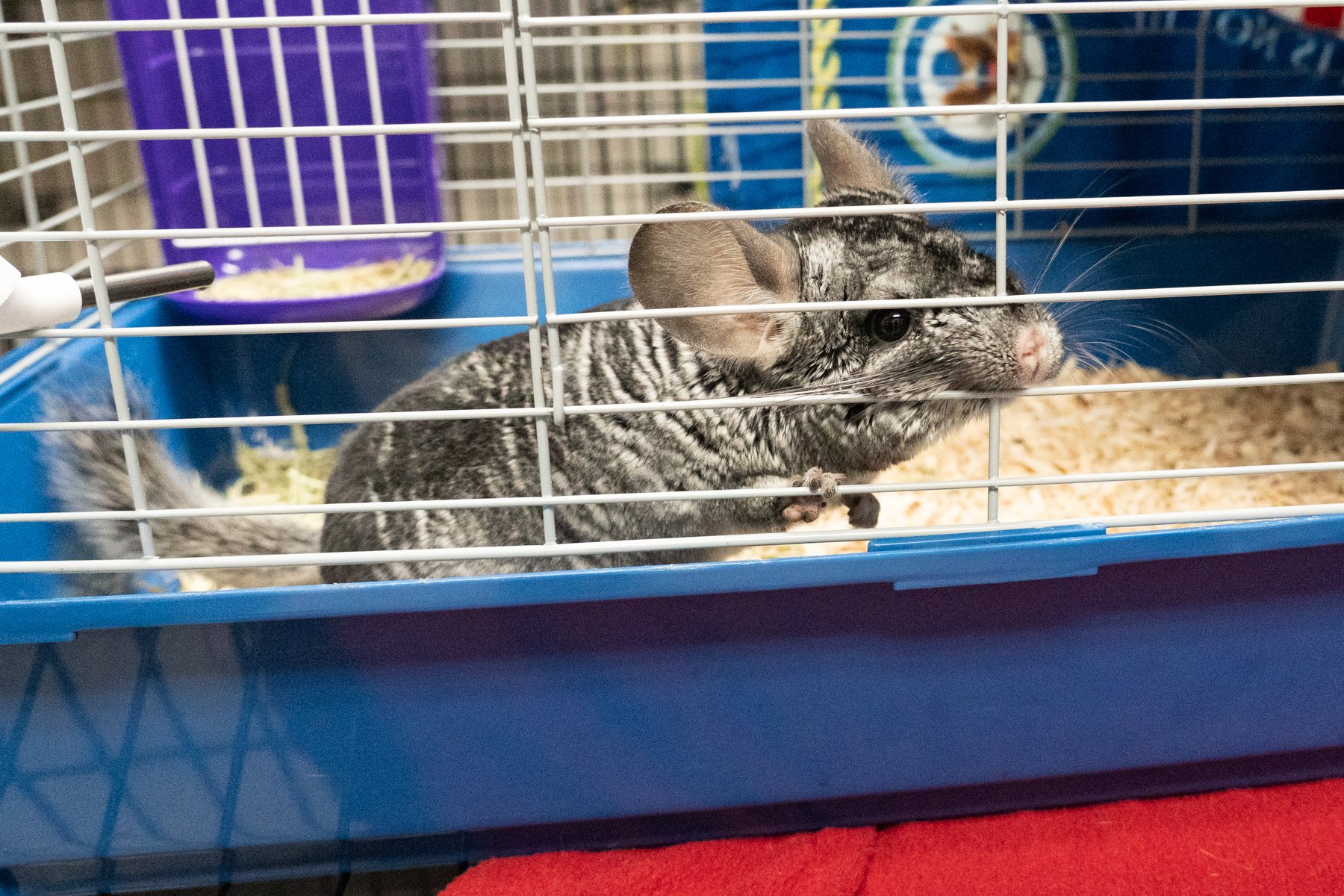
Many of the people who arrive with an animal to surrender have already decided and cannot be deterred. Recently, someone brought a parakeet to the shelter and told staff that if they wouldn’t take it, she would simply let it loose (they took the bird). Like so many places, animals are surrendered due to housing restrictions, but too often it is simply people who are tired of them or choose not to reclaim their animals.
The Challenge of Spay and Neuter
Spay and neuter surgeries are only available for shelter animals one day a month, when a mobile clinic sets up in their parking lot, and can typically alter about 50 animals. Dogs and cats are not made available for adoption until they are spayed/neutered, so this bottleneck can create timing tragedies for some when rescue is not available.
Despite being open-intake, the shelter is seeing an increase in strays. In 2025, they handled 4,387 animals, of which 2,100 were strays. Last year, 4 Paws Spay & Neuter Clinic opened in the county, so they are hopeful this will have an impact.
The Dogs
All of the dogs in the adoption kennels are spayed/neutered, microchipped, heartworm negative (and on preventatives), and vaccinated. If they make it to the adoption floor, they can stay as long as they are able to handle living in the shelter setting without deteriorating.
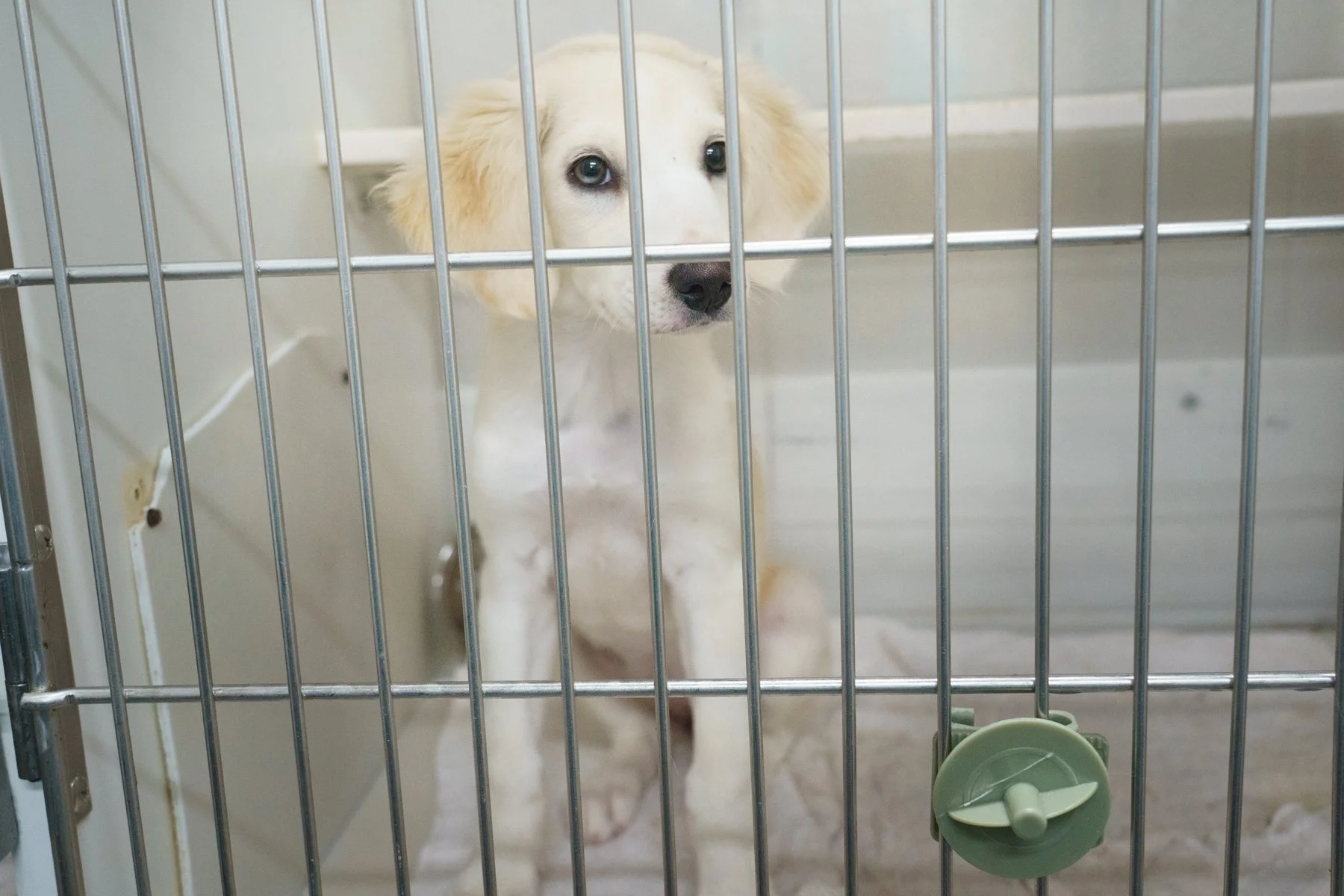
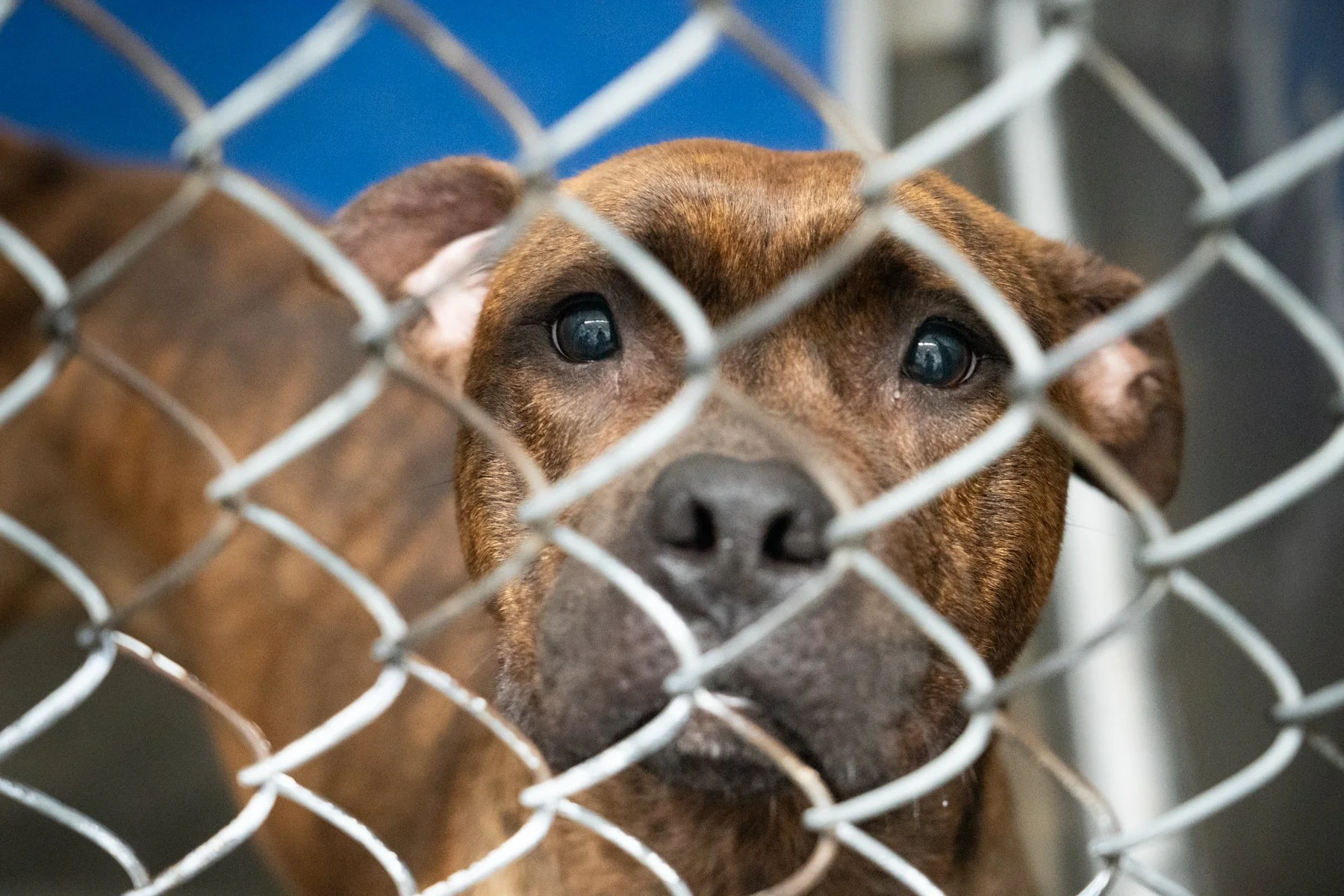
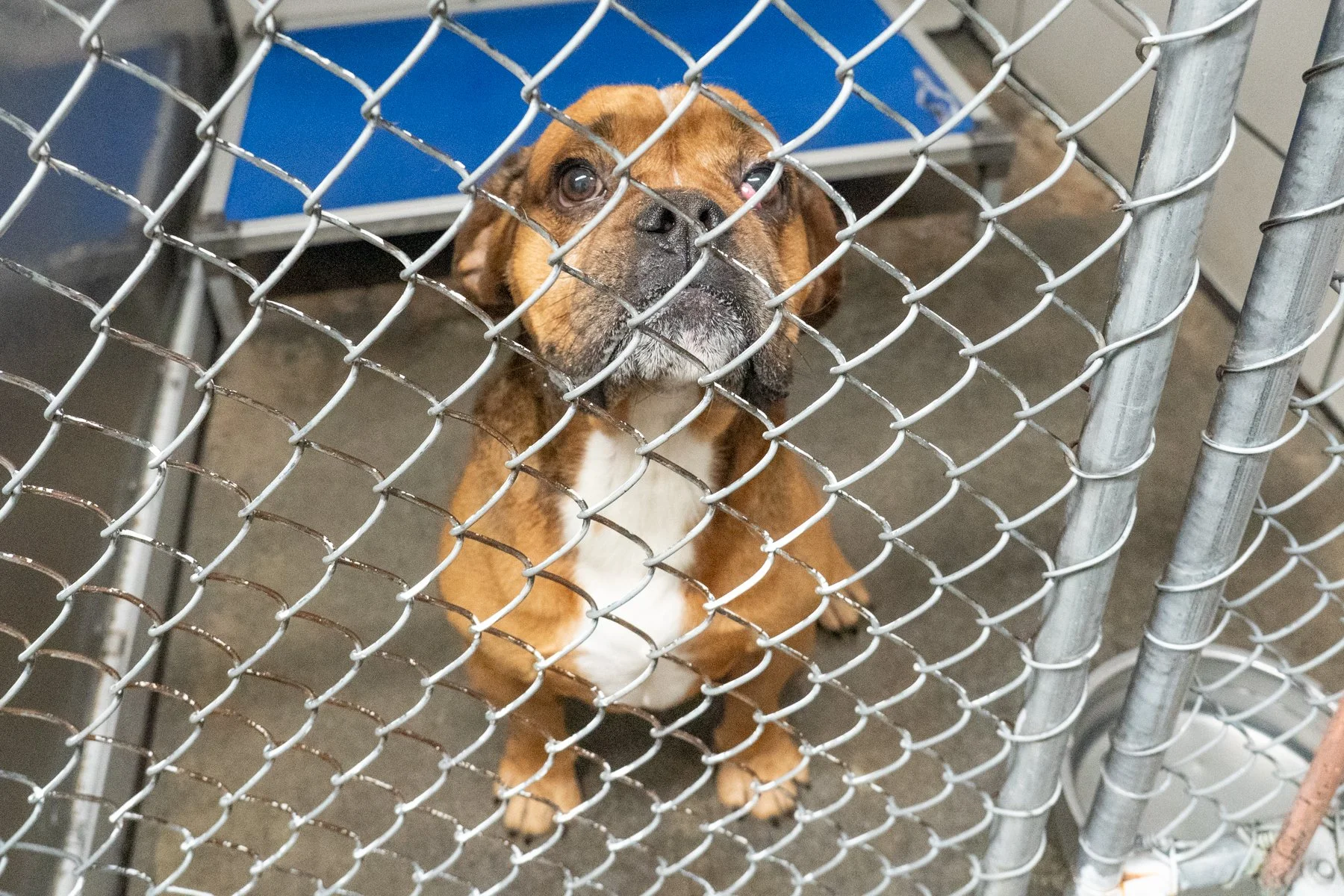
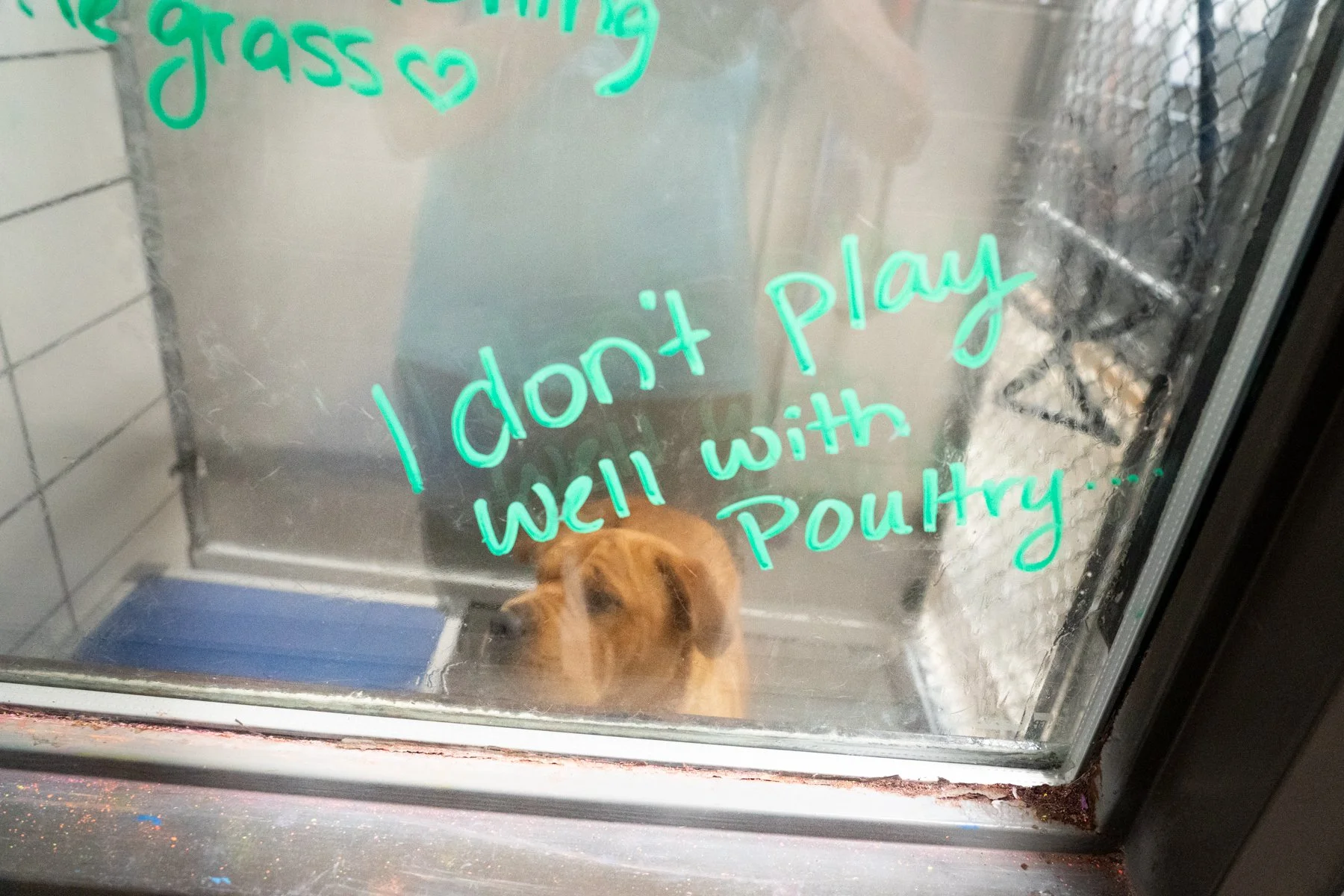
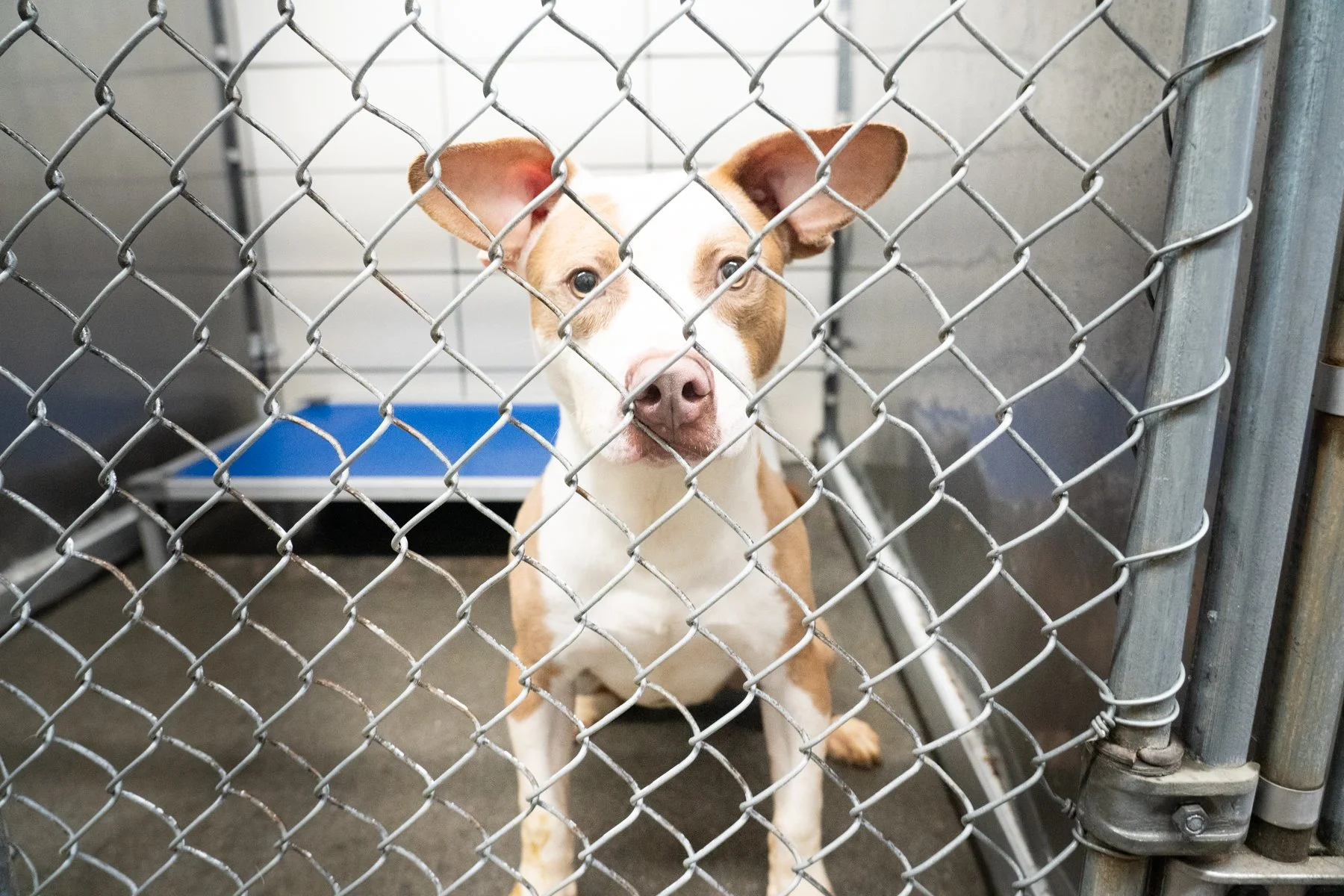
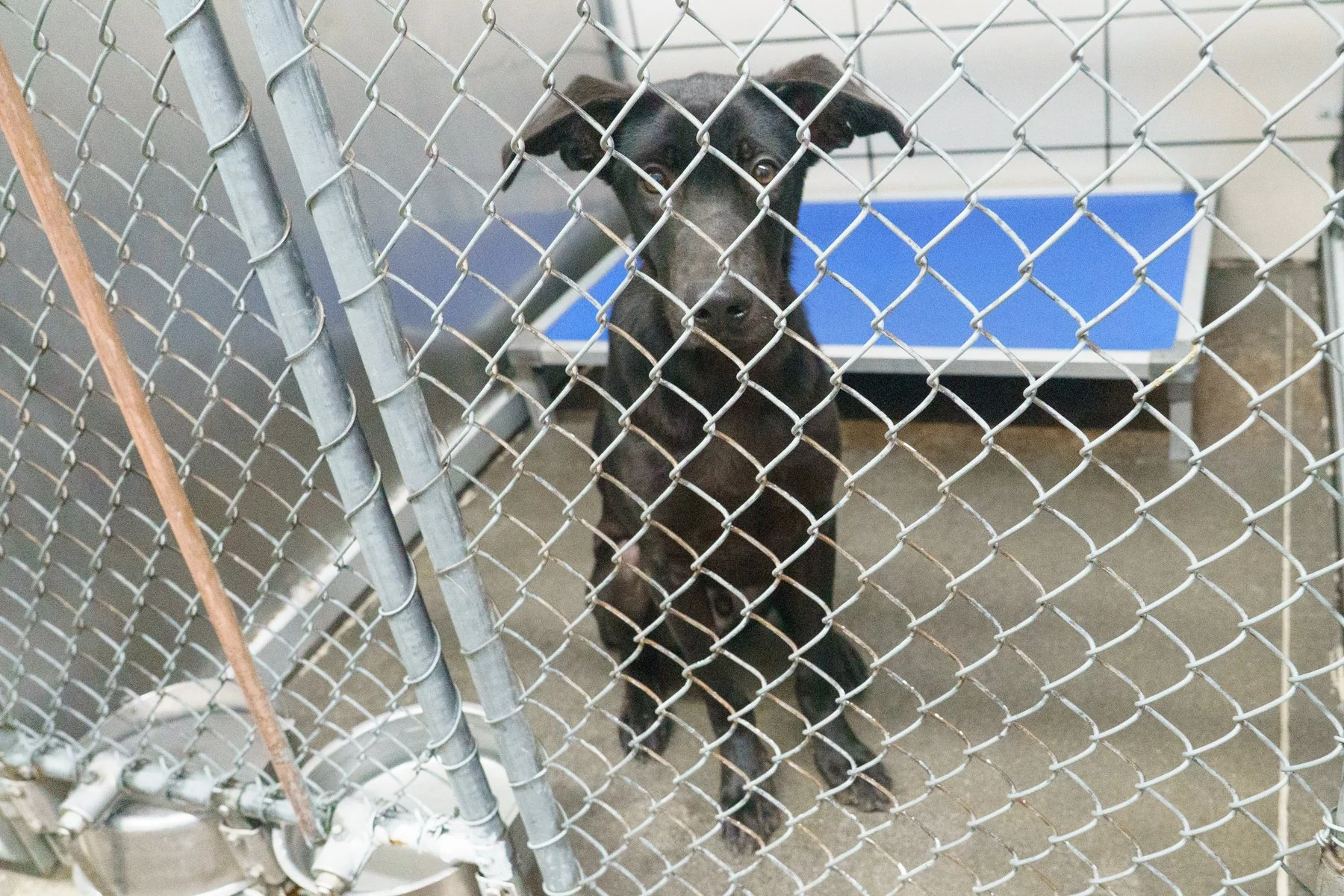
This is North Carolina, so enrichment is required, and staff and volunteers (when they have them) get the dogs out for walks and provide lick boards and stuffed Kongs. Christina would love to have dog fosters, which would go a long way to saving more lives. The hurdle is having staff time not only to recruit but also to supervise fosters.
What Can Bring Change?
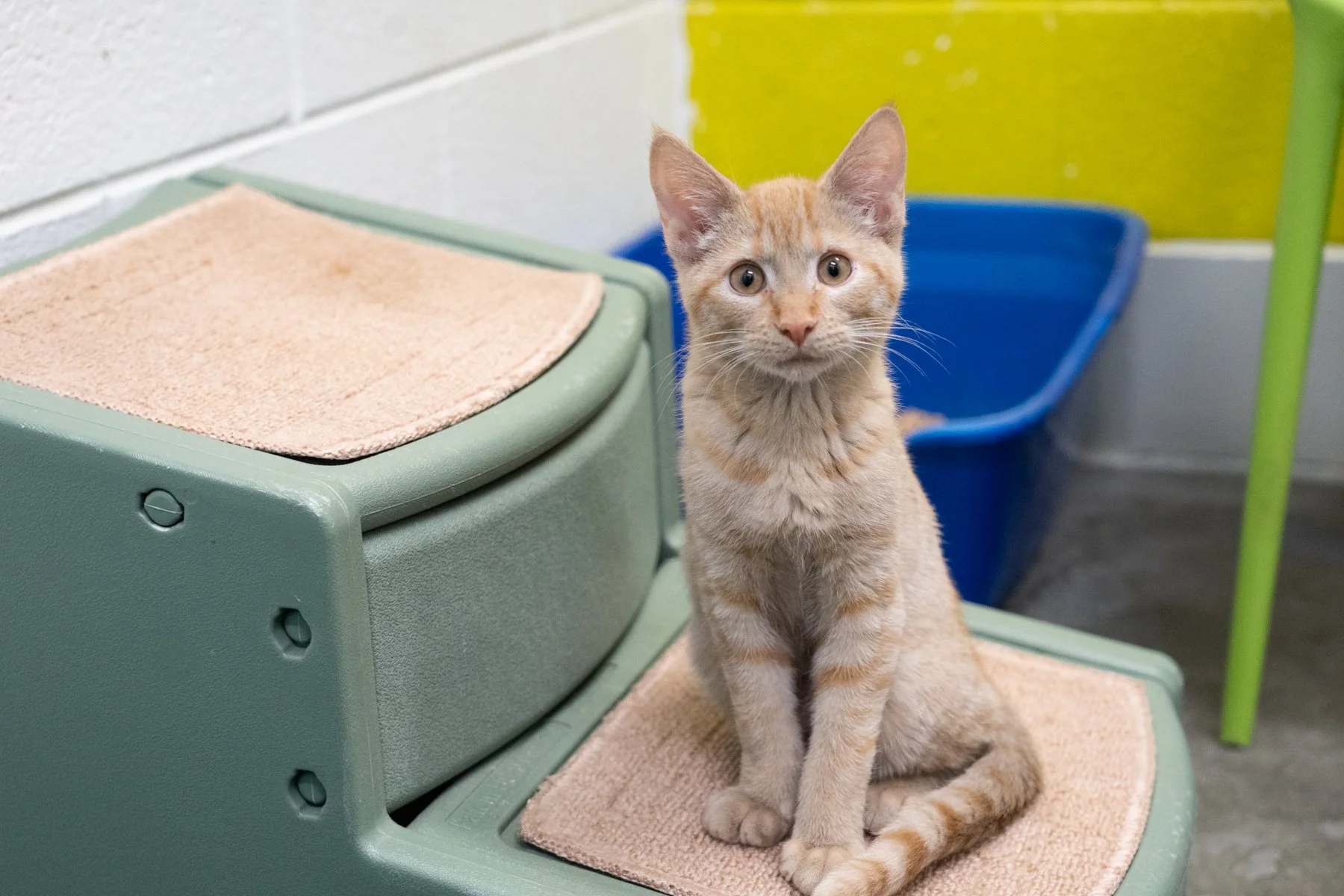
It’s two steps forward, two steps back here. In the two hours we were visiting, calls came in from groups wanting to volunteer, and then a resident turned in 13 cats and kittens (as directed by Animal Control). One of their ‘long stay’ dogs in the adoption wing has two approved applications, yet in the first two days of September, they’ve taken in 17 dogs.
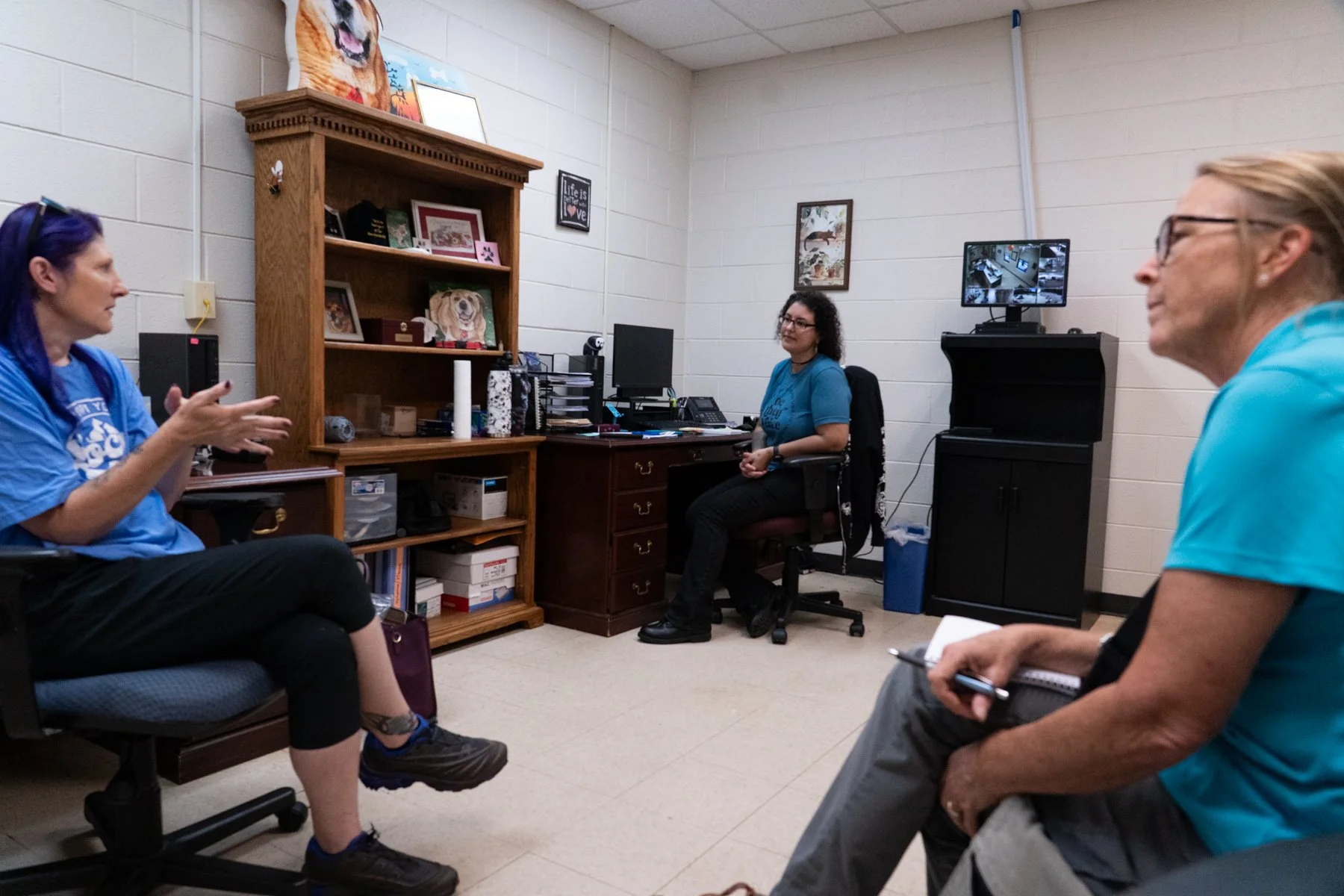
I asked Christina and Mindy what it would take to change the narrative. Heavy sighs all around. Christina thinks more access to true low-cost spay/neuter would help. They also believe there is a huge need for education and resources. If the shelter were fully staffed (only 4 of 6 full-time positions are currently filled), they would have more time to offer pet retention counseling, host adoption events, build a volunteer and foster program, and create programs like Doggie Day Out.
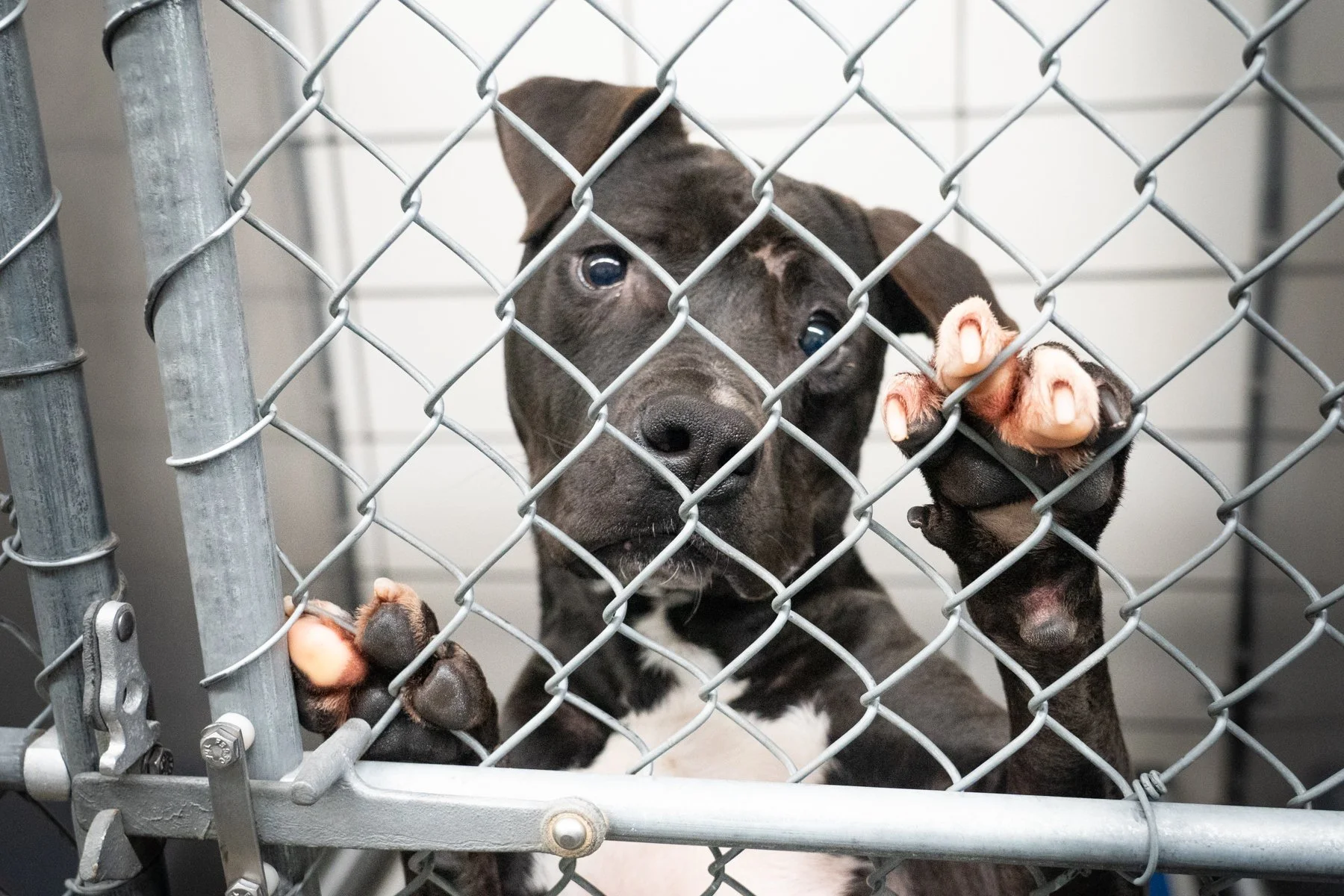
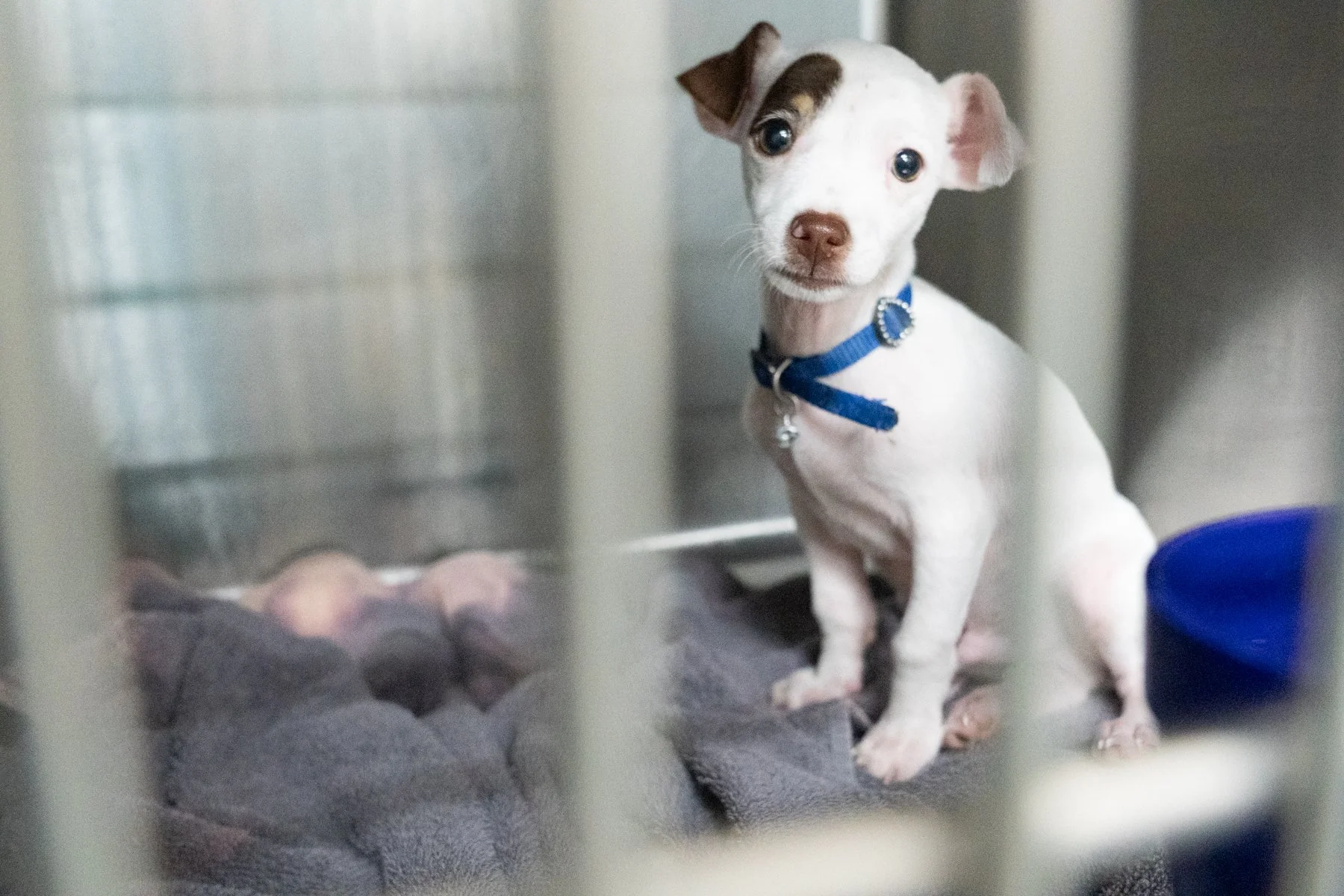
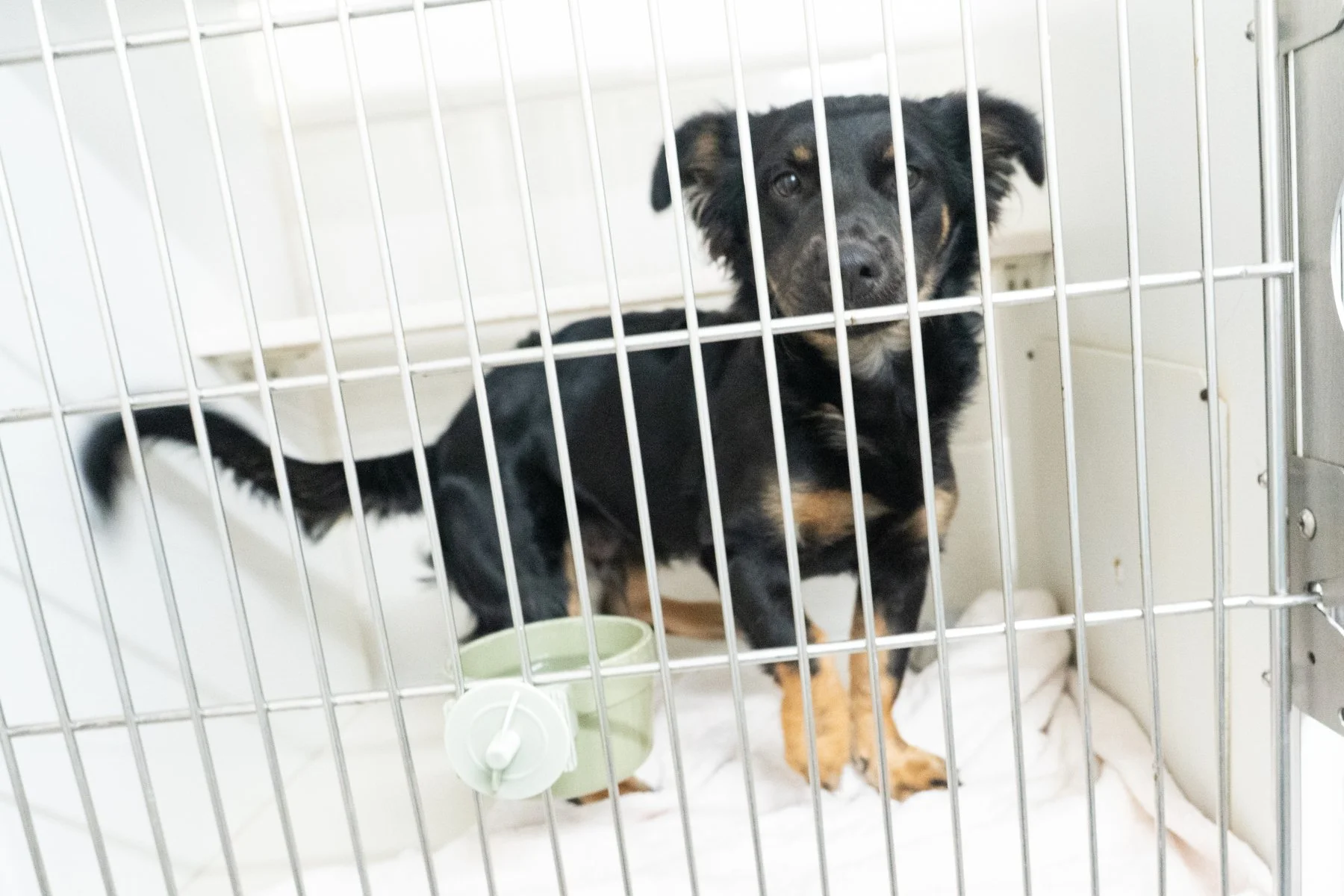
This is a hard story, but one with clear potential for better outcomes. Like a drowning swimmer, they must first get their heads above water so they can start helping their community. Sadly, that’s not a simple feat. The number of animals in need remains unchanged year after year despite the shelter’s work. It feels like survival is the best that they can do.
But I don’t believe that is the end of this story. The answers aren’t easy, but they become clearer with every visit we make. What’s still missing here (and pretty much everywhere) is pet-friendly, affordable housing; humane education; affordable, accessible spay/neuter services; strong dog ordinances; a fully staffed shelter; and a community deeply engaged in the shelter's work as fosters, volunteers, and adopters.
That kind of change is slow, hard work. I think that once Christina gets her feet under her, has a full staff, and the support of more volunteers like Mindy, together they can invite Davidson County to work with them to create a shelter that is a true community resource.
If you’d like to support DCAS, consider shopping their Amazon wishlist or donating a raised dog bed.