

Compassion, Creativity, and Conscience at Forsyth County Animal Shelter
Forsyth County Animal Shelter (FCAS)is located in the Winston-Salem area in the Piedmont Triad of North Carolina. It is the municipal shelter for approximately 400,000 residents.
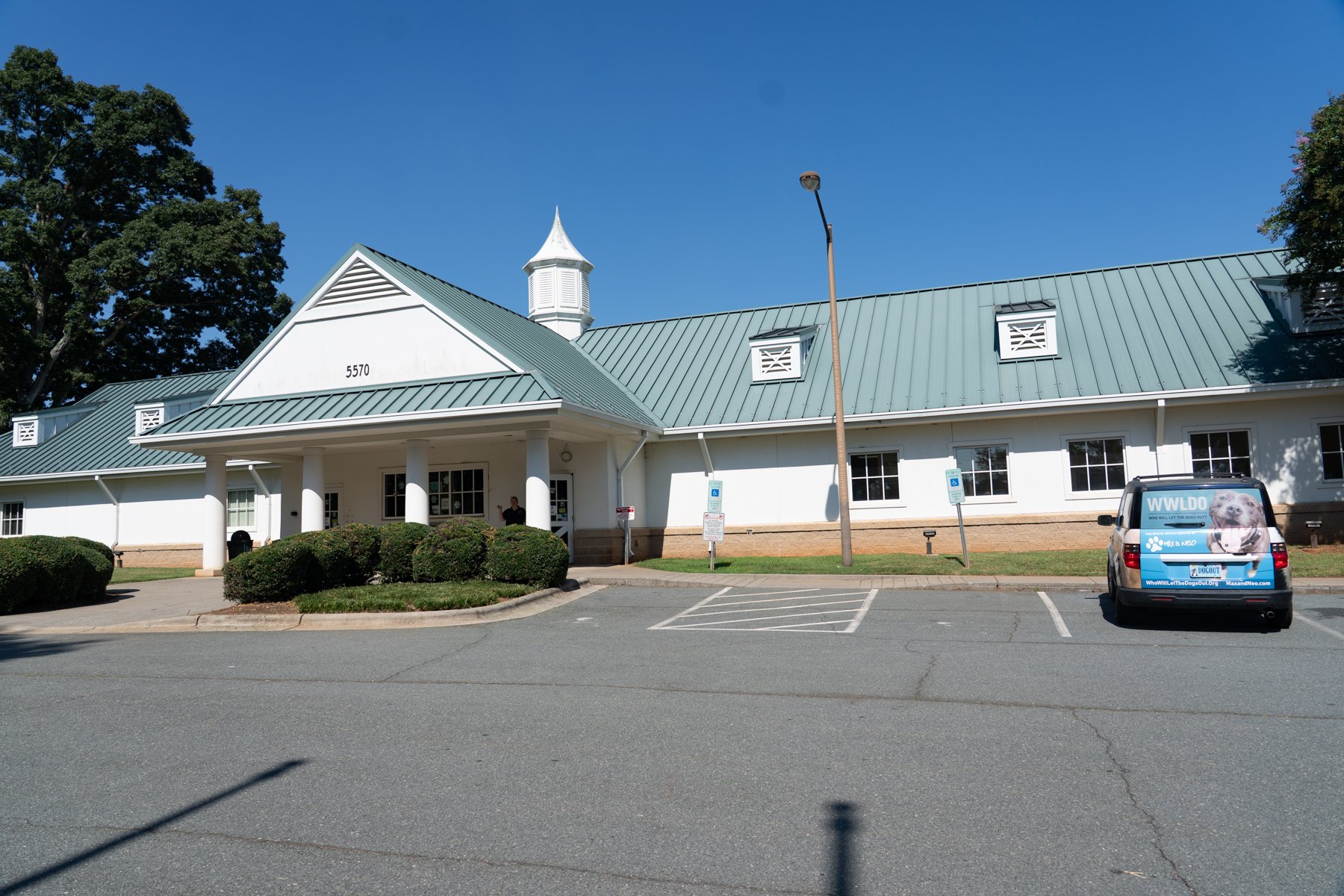
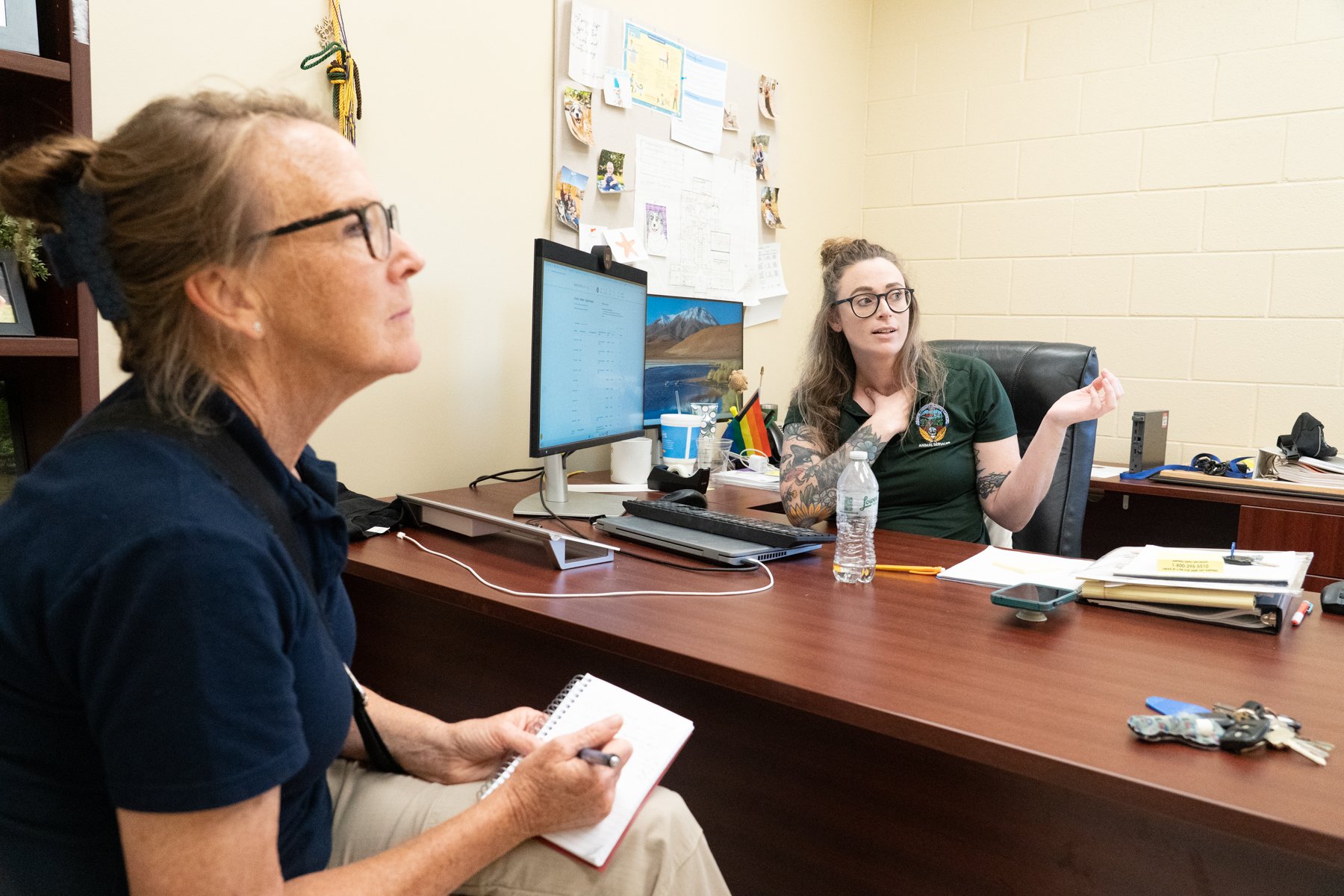
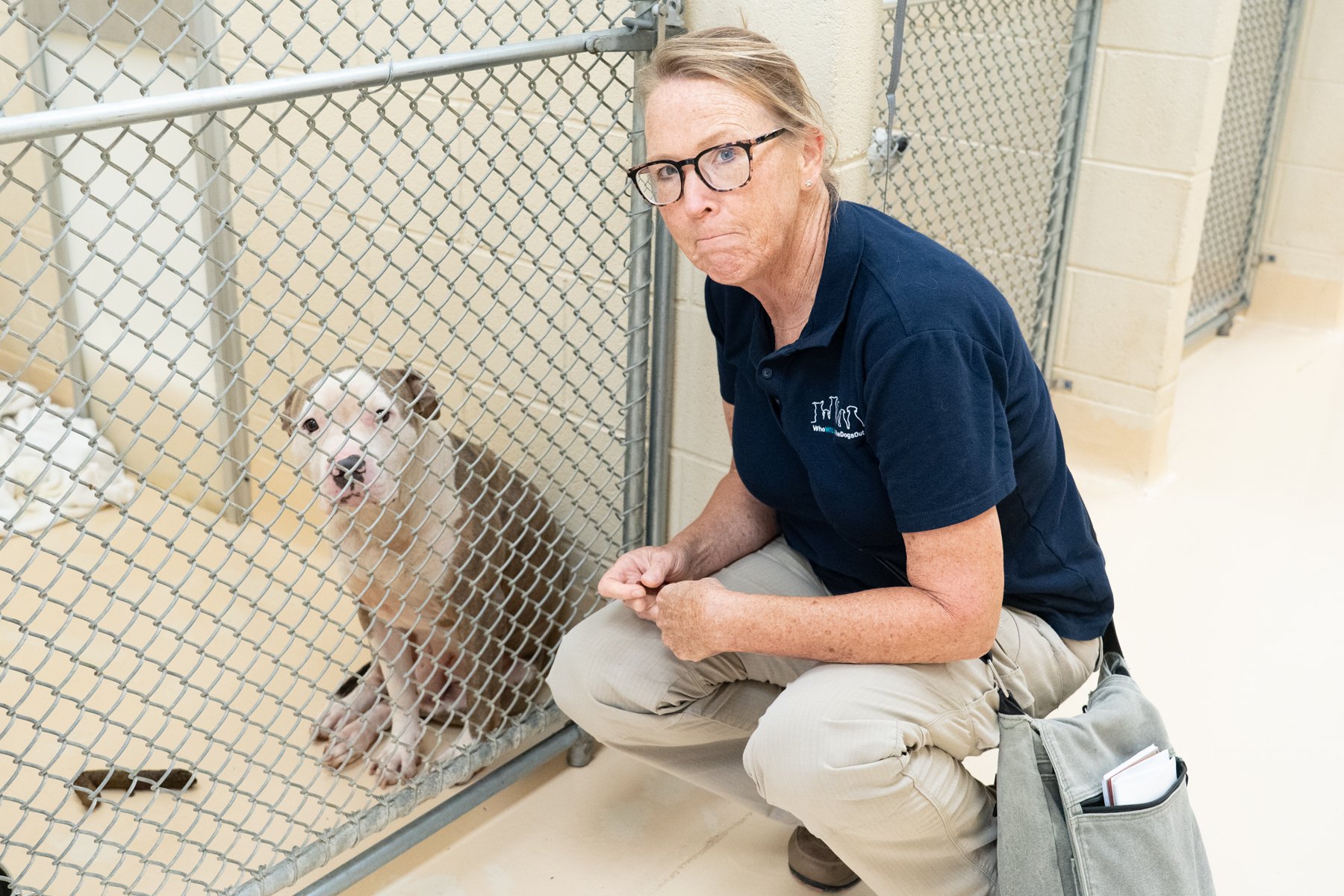
At the time of our visit in September of 2026, Jamie had been the director for the last 16 months, but her history with the shelter through her involvement with Forsyth Humane Society (FHS)goes back 12 years. From 2017 to 2023, the Humane Society was contracted by the county to run the shelter, and Jamie worked at the shelter during that time.
After the painful split in 2023, Jamie’s job with the Humane Society took her back to working at the FHS adoption center, but many others lost their jobs. Tonya, the current FCAS office administrator (and, from my impression, the woman with the keys to the kingdom at the shelter), has worked for the shelter for 12 years before, during, and after the merger and split, so she has seen a lot.
Jamie and Tonya have a great rapport and, together with Ally (Care Manager) and Martha (Medical Manager), lead a shelter that truly serves its community.
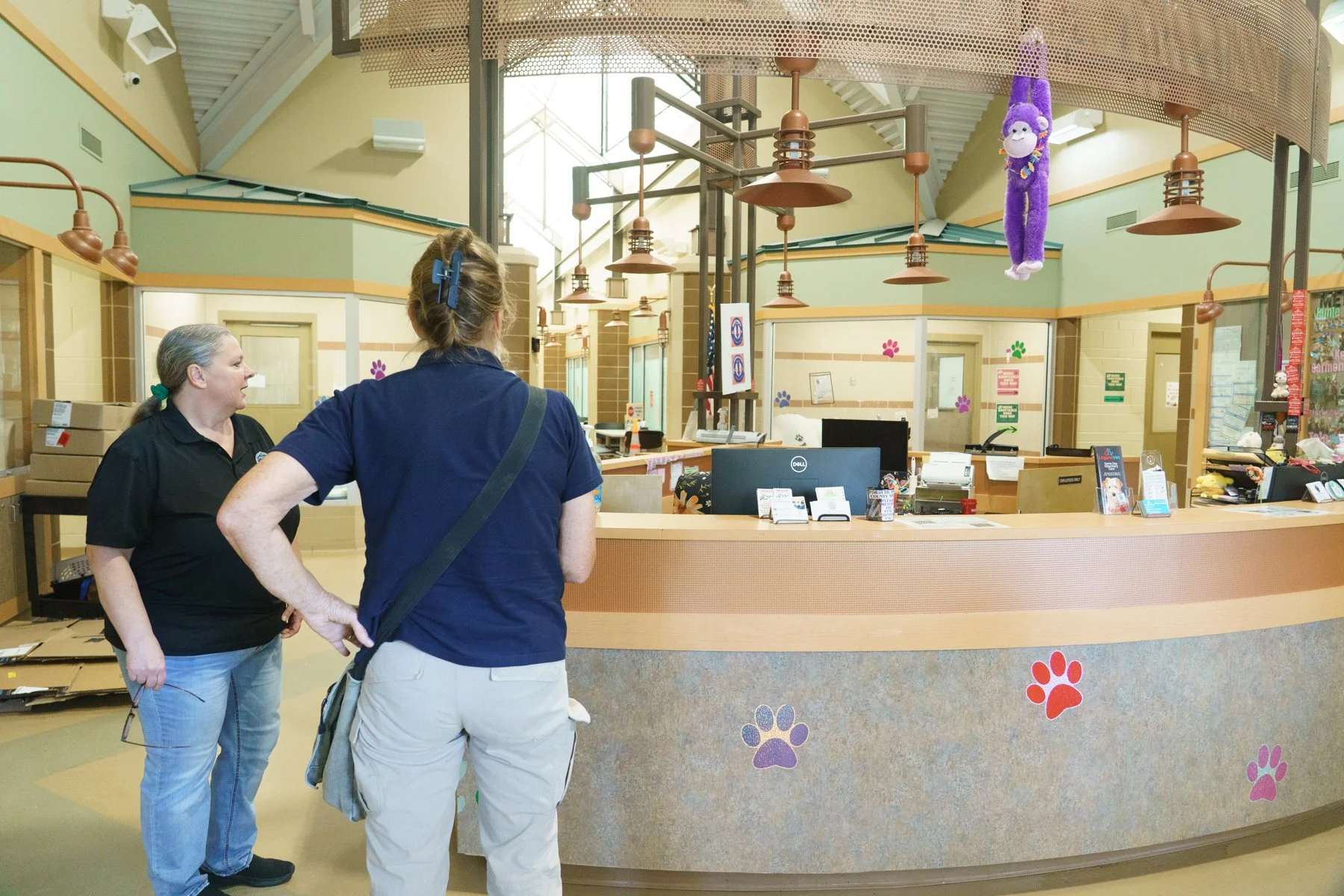
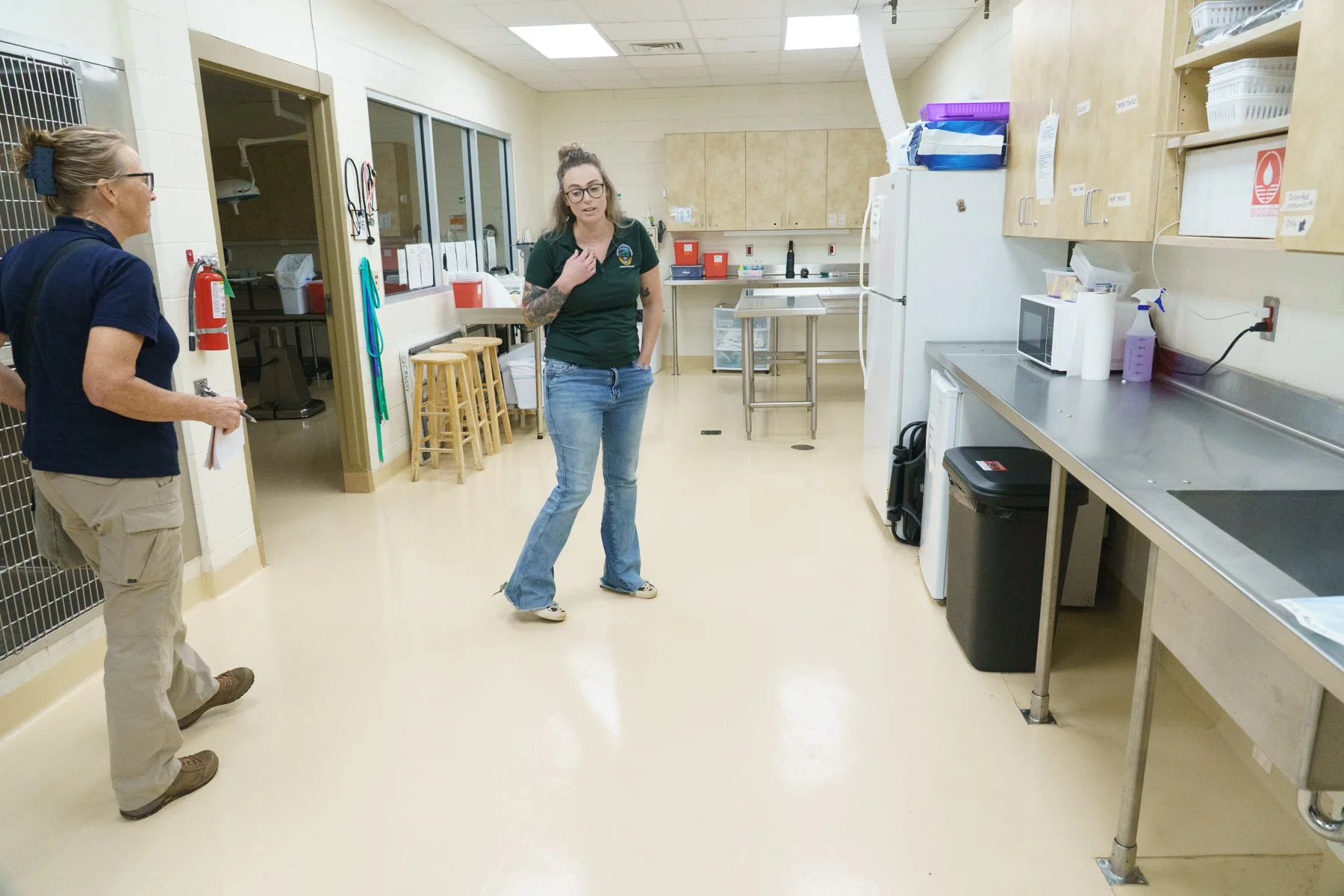
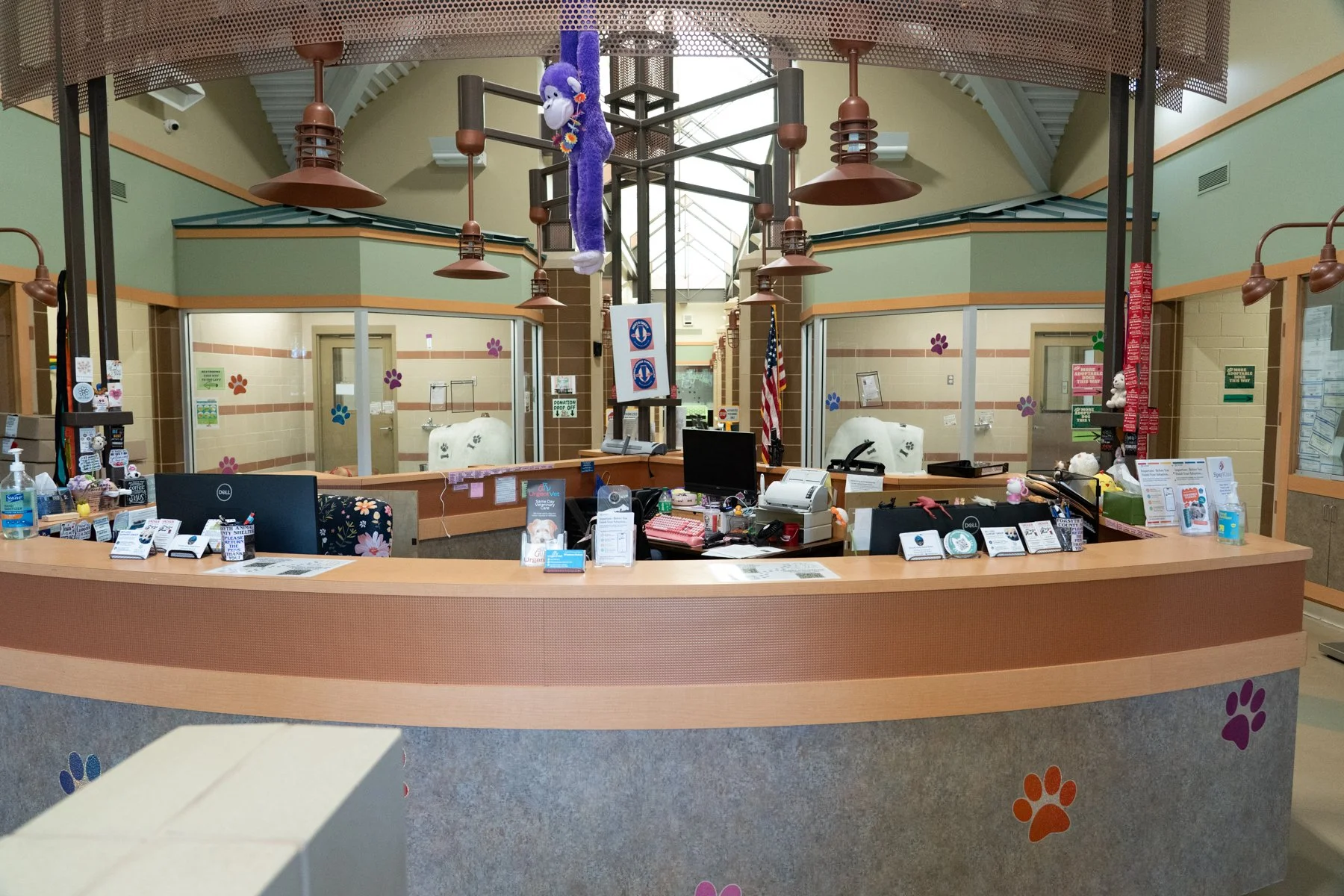
The 25-year-old building has a beautiful lobby and many hallways leading to multiple well-used, dedicated spaces, including a surgery and medical area currently used by SpayKind, a local nonprofit that primarily operates on cats (including the shelter cats).
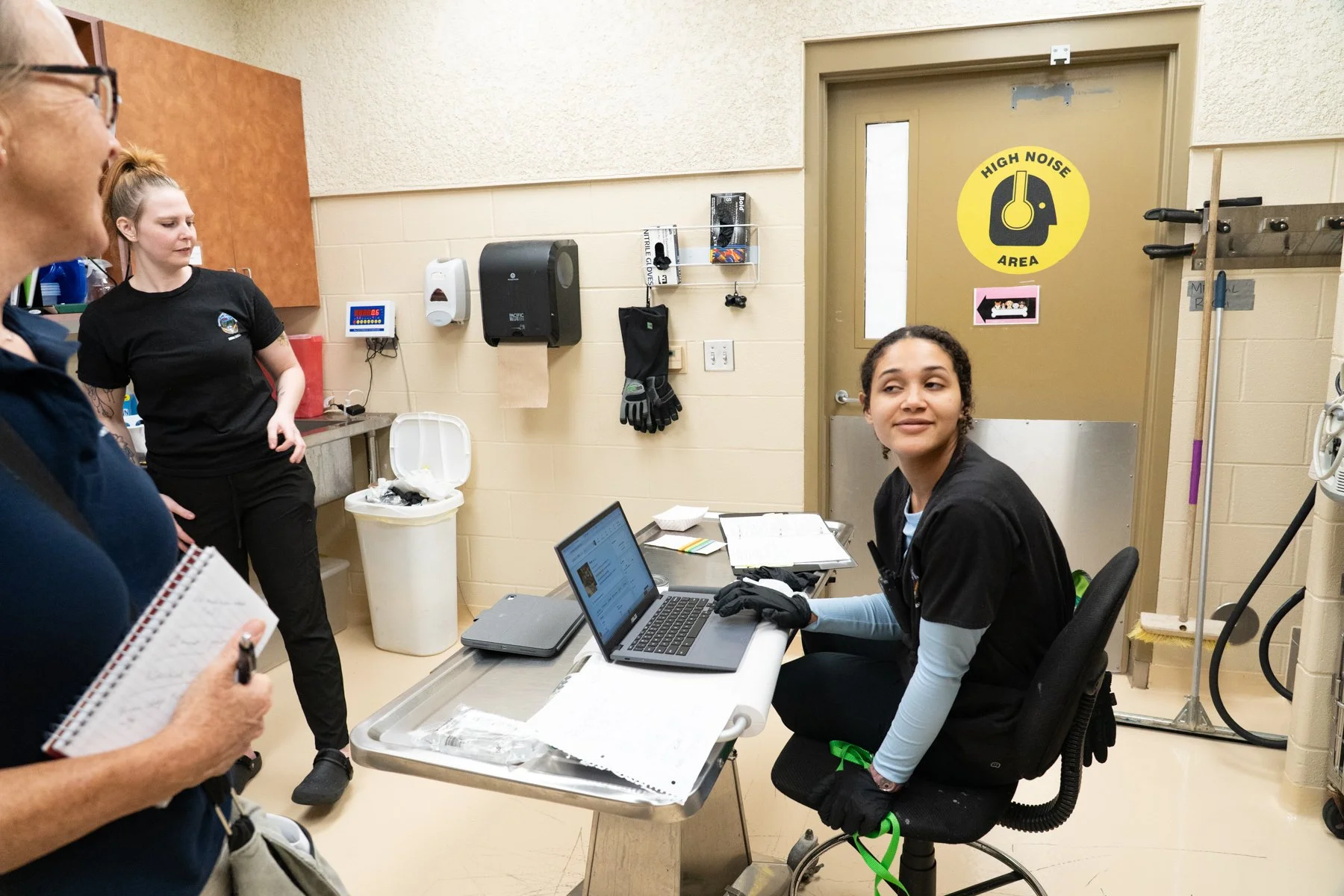
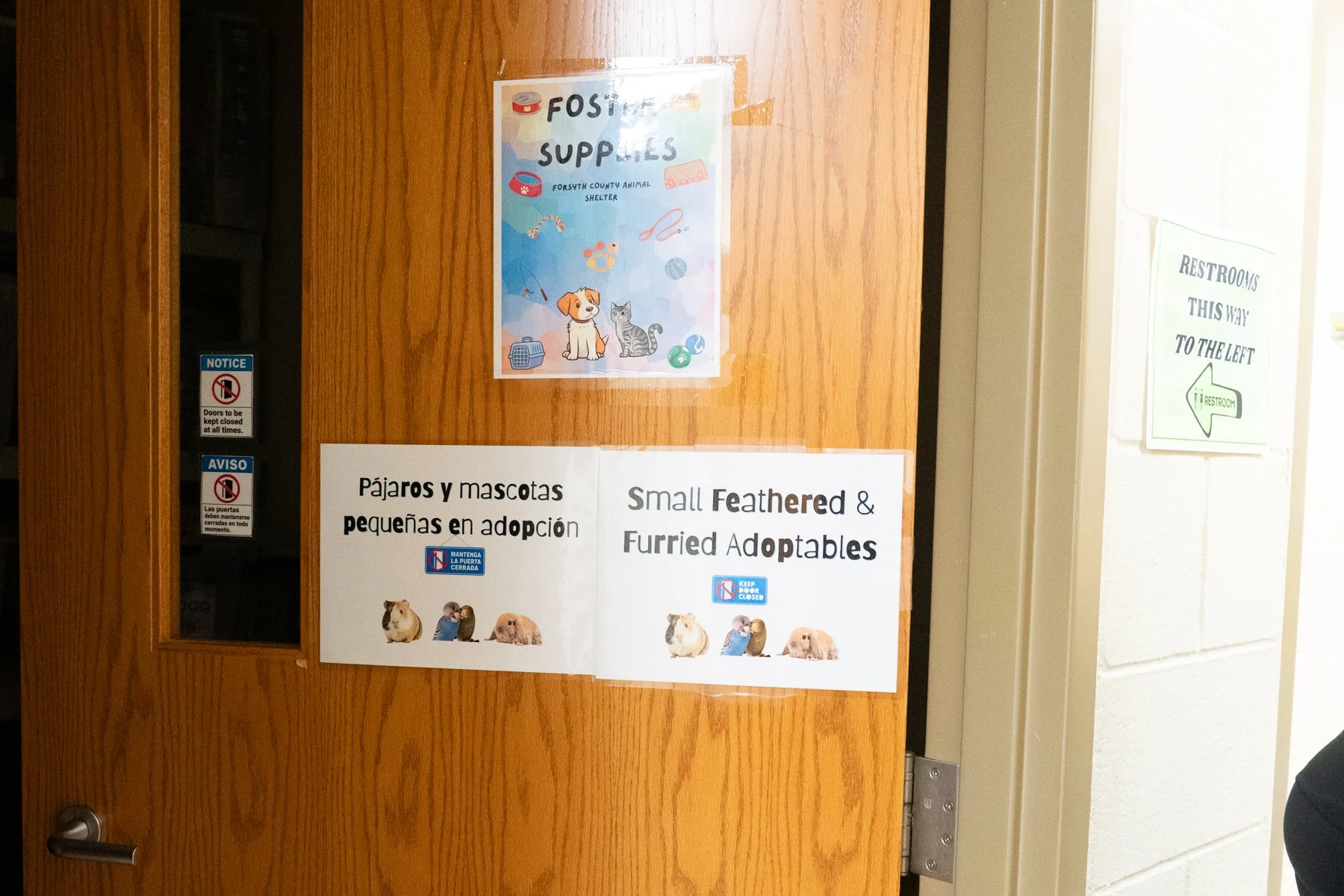
SpayKind is expanding and moving to a new space, so the shelter will soon have its clinic space back. Currently, the medical staff utilizes a small room just off the lobby for medical care. FCAS is lucky to have the services of a local veterinarian one day a week, plus another vet who volunteers her time two days a week.
When the shelter regains use of the clinic area, they will be able to expand their work to include some surgical procedures, lab services, and hopefully, X-rays (they are looking for funding). Currently, staff transport animals to receive those services.
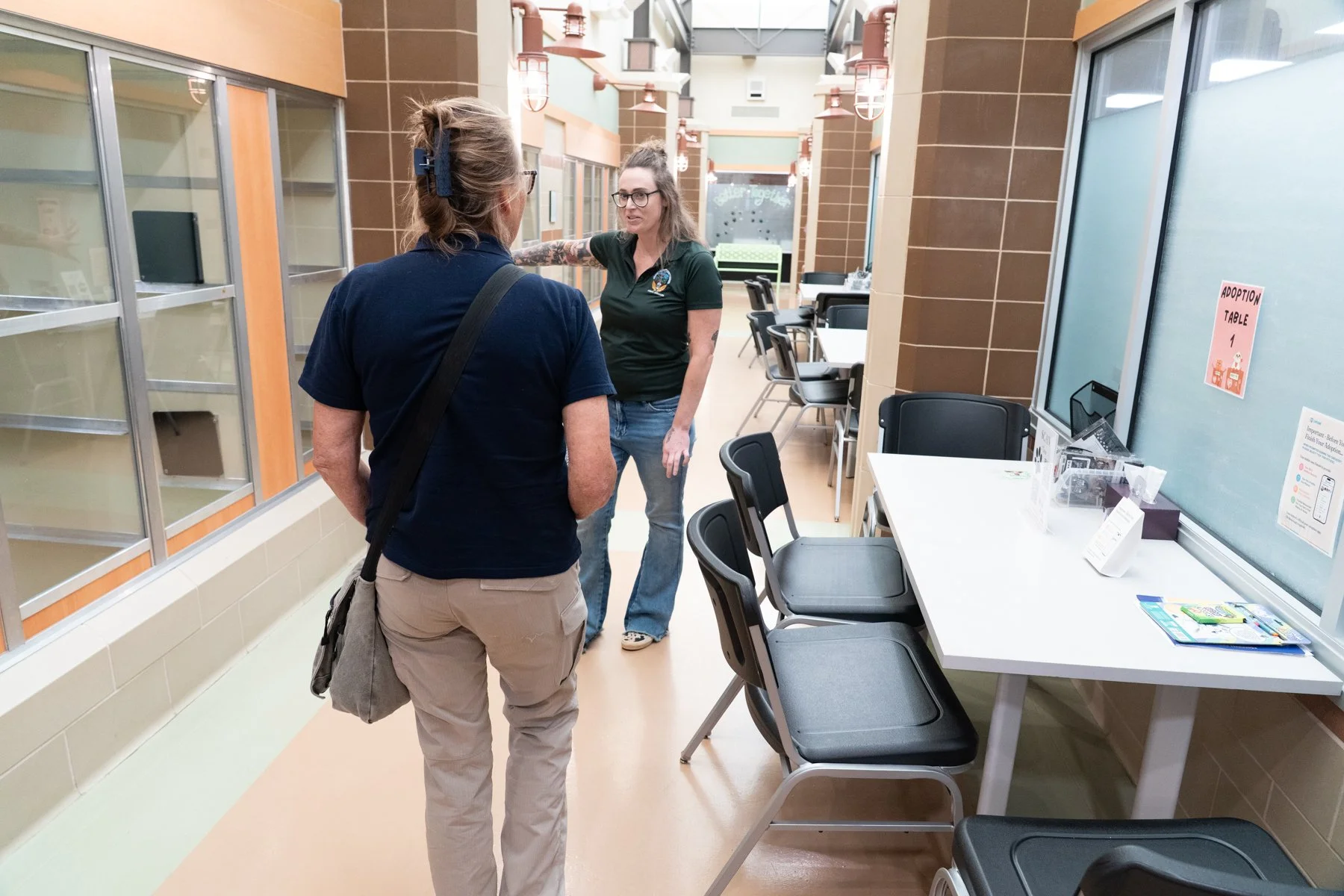
In 2024, FCAS handled 3555 animals, and in 2025 they handled 3422, primarily dogs, but also cats, hoofed animals, and (of late) a lot of chickens (from cock-fighting busts). Jamie and Tonya agreed that 2026 is on pace for the shelter to see a higher number of animals.
About half the animals leave the facility through rescue transfers (local rescues like the Humane Society and beyond), but Emily, the rescue and foster coordinator, says those numbers are slipping because rescues don’t take as many animals as they used to.
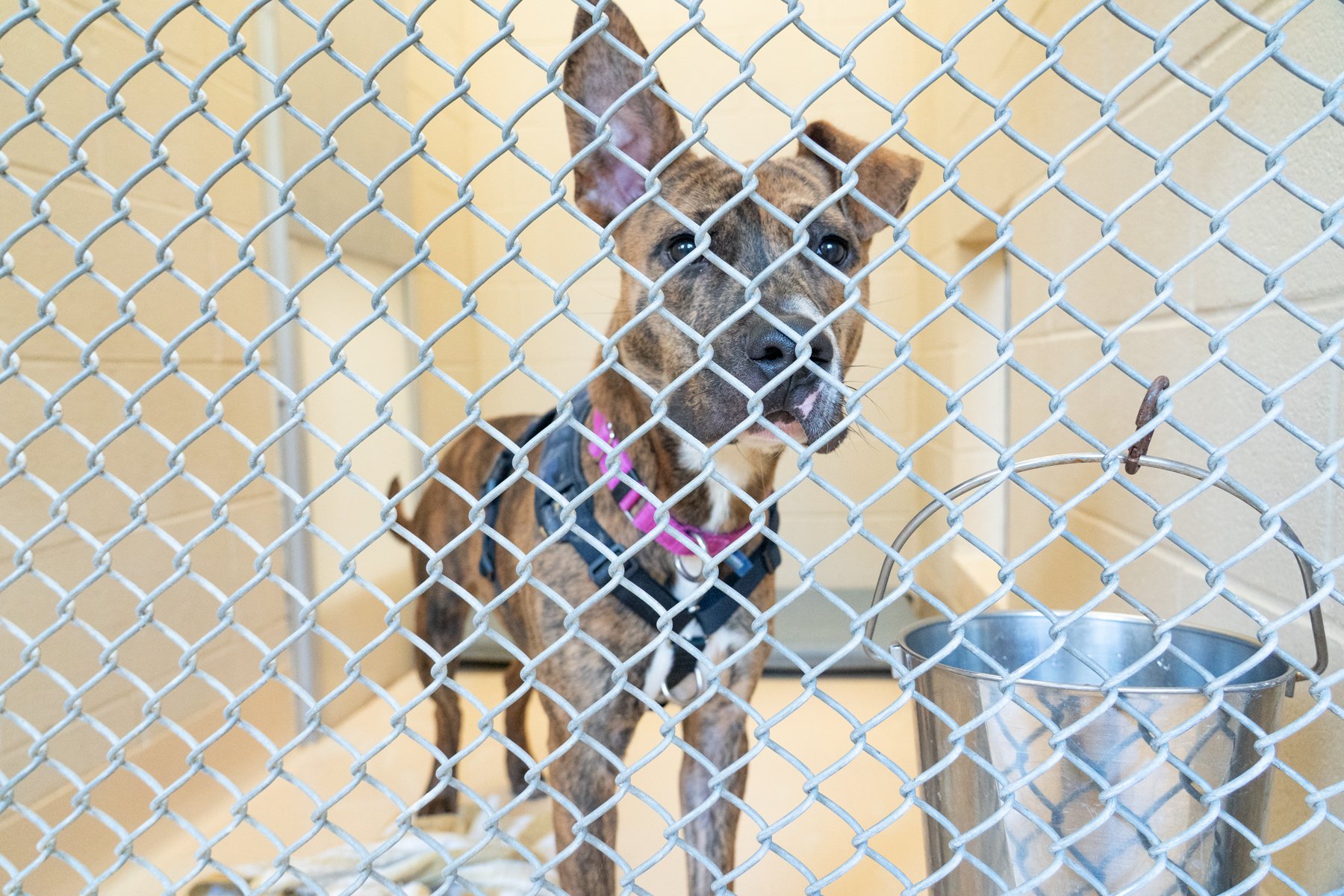
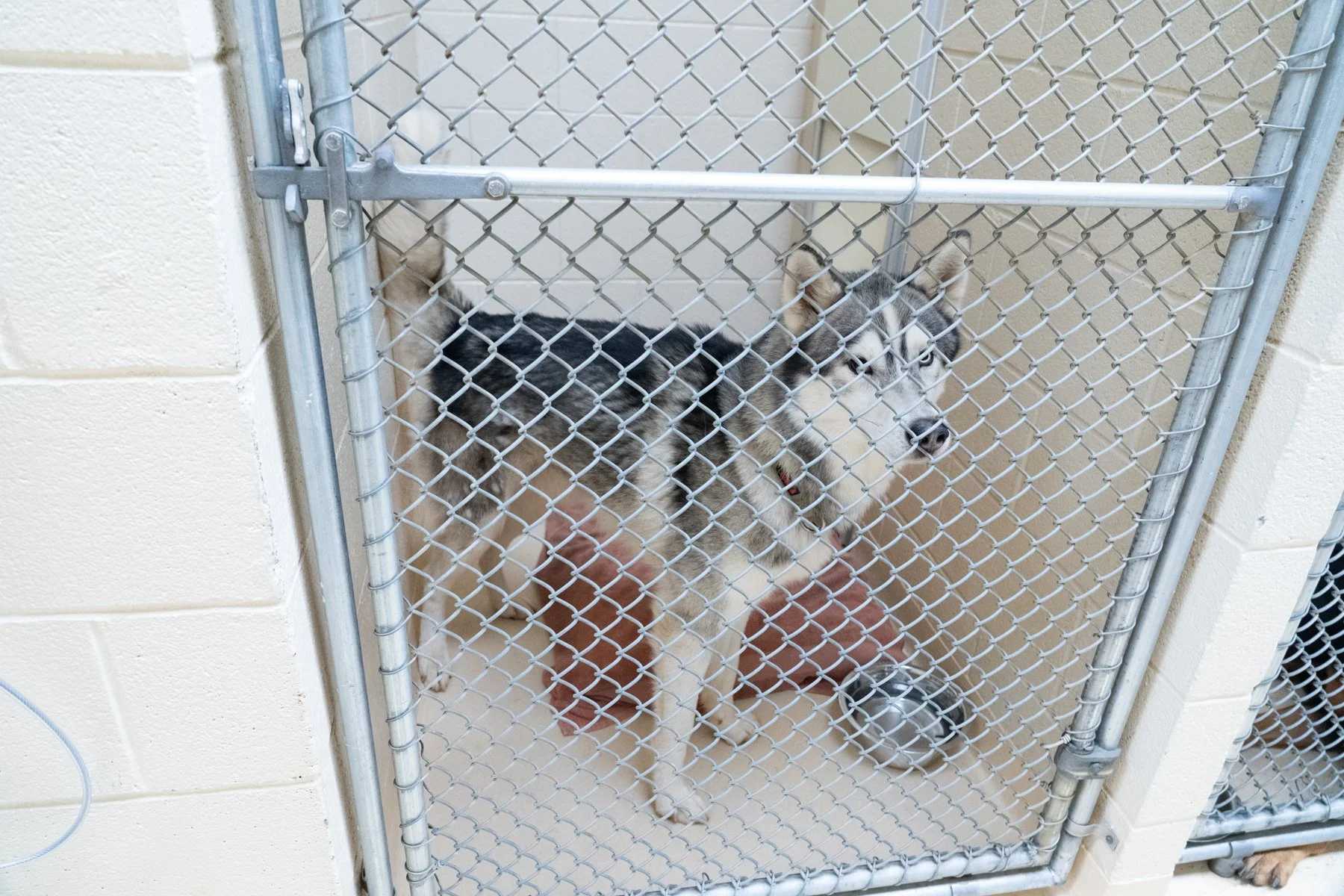
The shelter’s biggest challenge is kennel space. The building is decades old and built to serve a much smaller population. FCAS has 19 adoption kennels and 19 holding kennels (17 of which are currently filled with bite-holds/rabies quarantines). This means that the shelter often has to euthanize for space, something that is very hard on the staff.
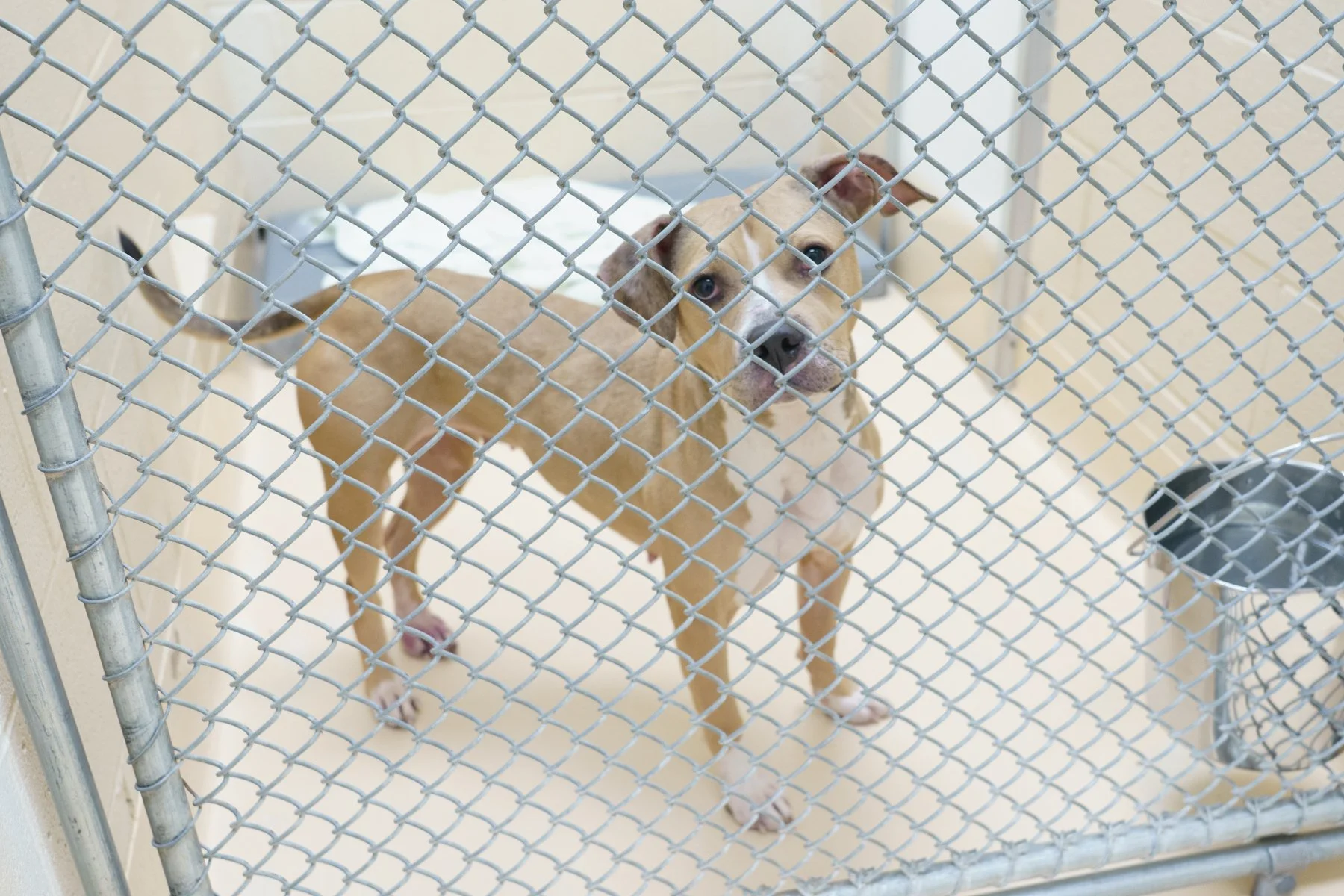
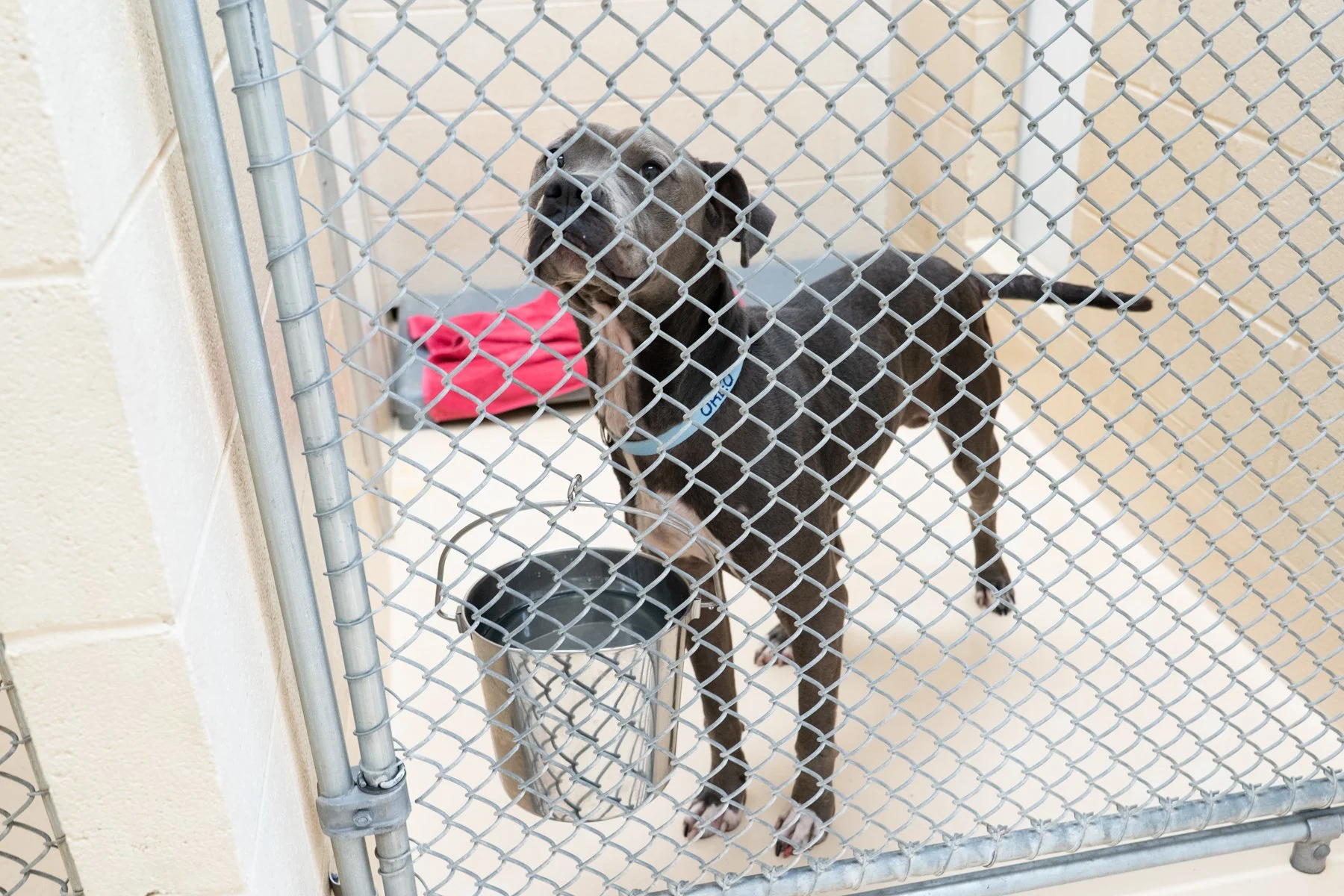
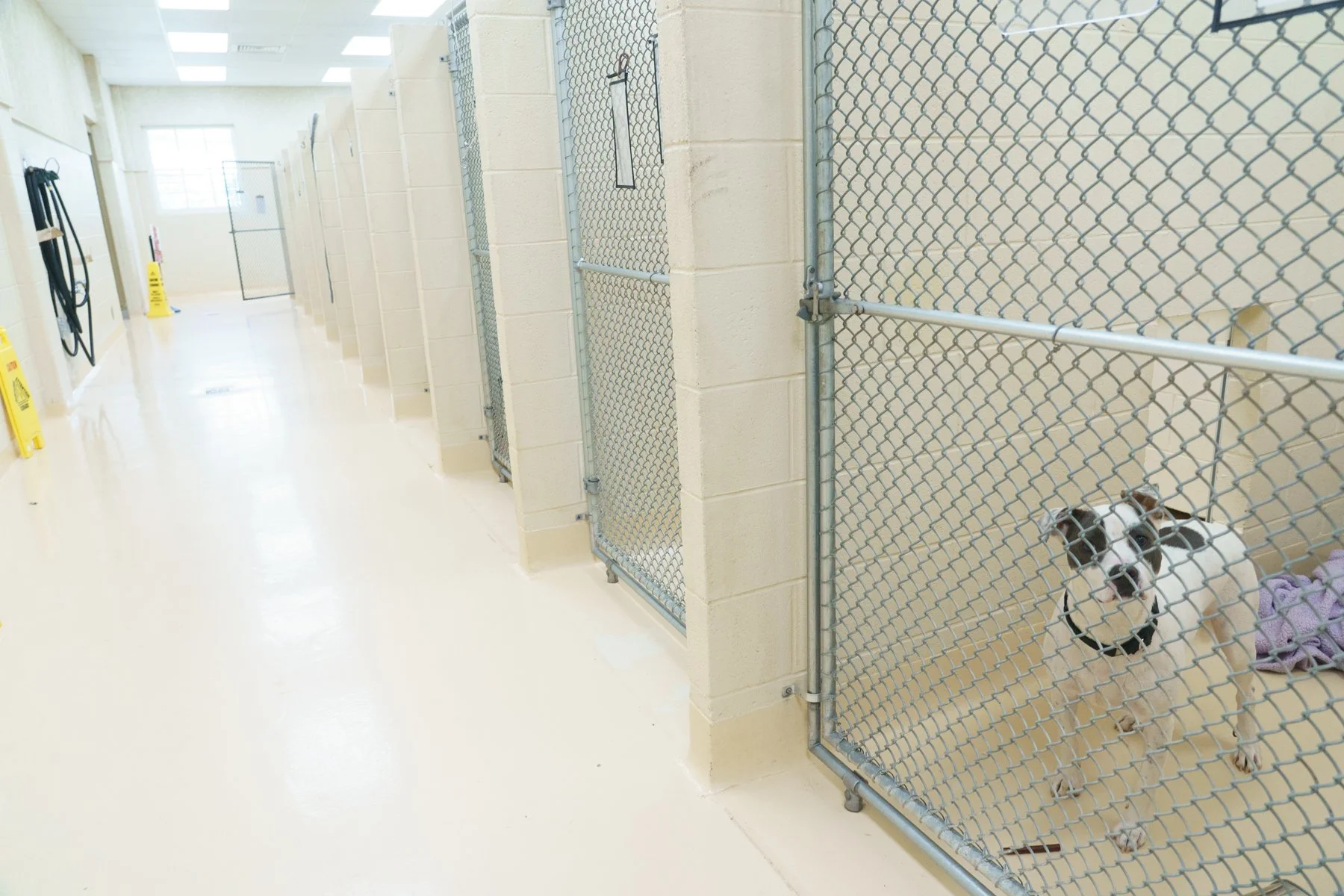
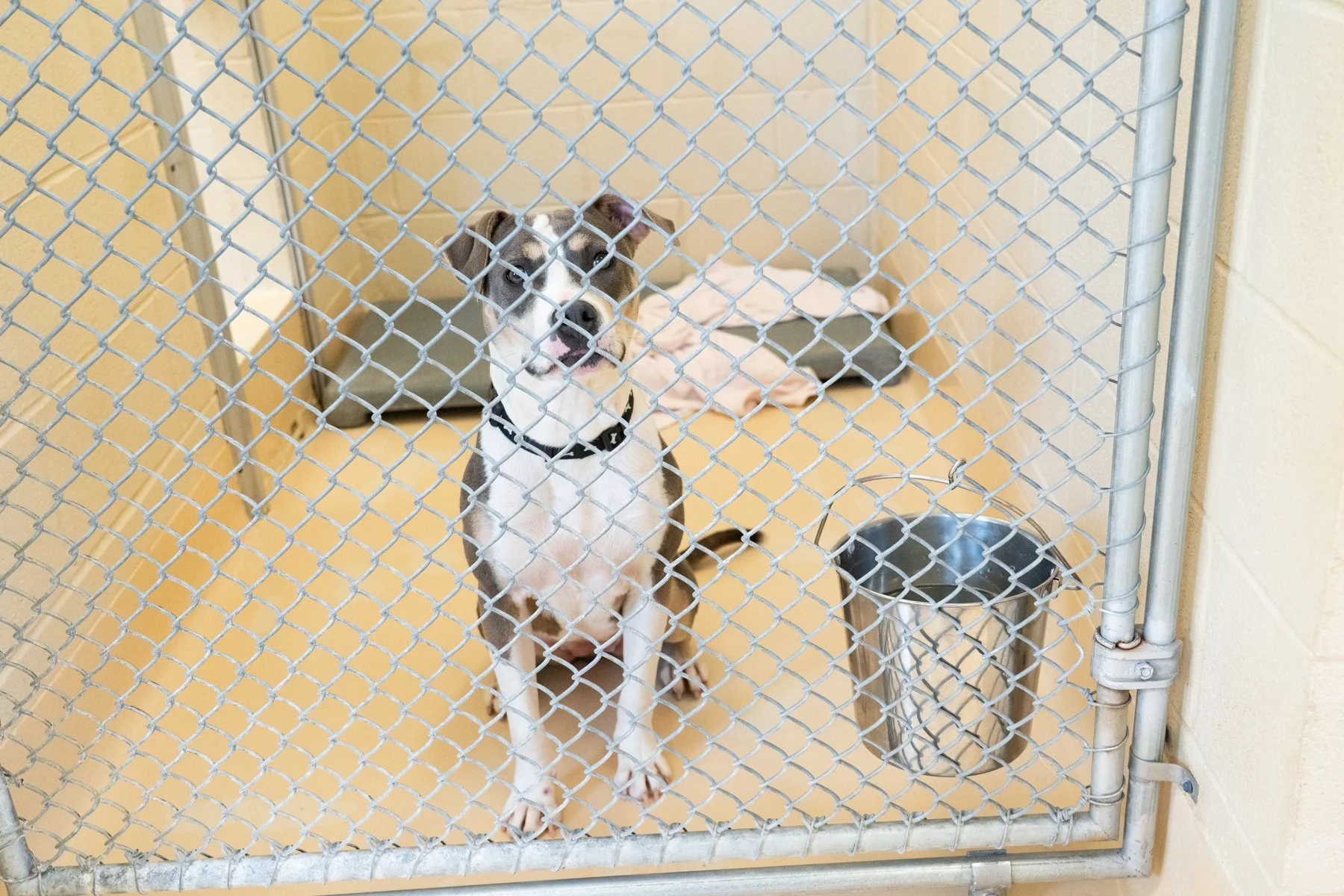
The staff must regularly evaluate animals for behavior and space, using an extensive system to determine each animal's adoptability. Of late, they have also begun using the behavior evaluation tools on Shelter Luv to aid them in their challenge to make fair but necessary decisions about humane euthanasia.
FCAS is technically an open-intake facility; however, Tonya is quick to say they are not a ‘kill shelter.’ Whenever someone asks if FCAS is a kill shelter, she uses the opportunity to educate, explaining, “Killing requires malicious intent. There is no one in this building with malicious intent.”
She then describes what humane euthanasia is and why it is necessary in a shelter with a finite amount of space and a mission to serve the entire county. The rescues in the county have the luxury of choosing which animals they take in; the shelter does not.
Shelter staff counsel owners who want to surrender their pet, offering resources to help them stay in their home. If resources won't help, the situation is not reconcilable, or they cannot be deferred to one of the local rescues, the shelter will take their animal. Staff does explain that it is possible their animal will be euthanized.
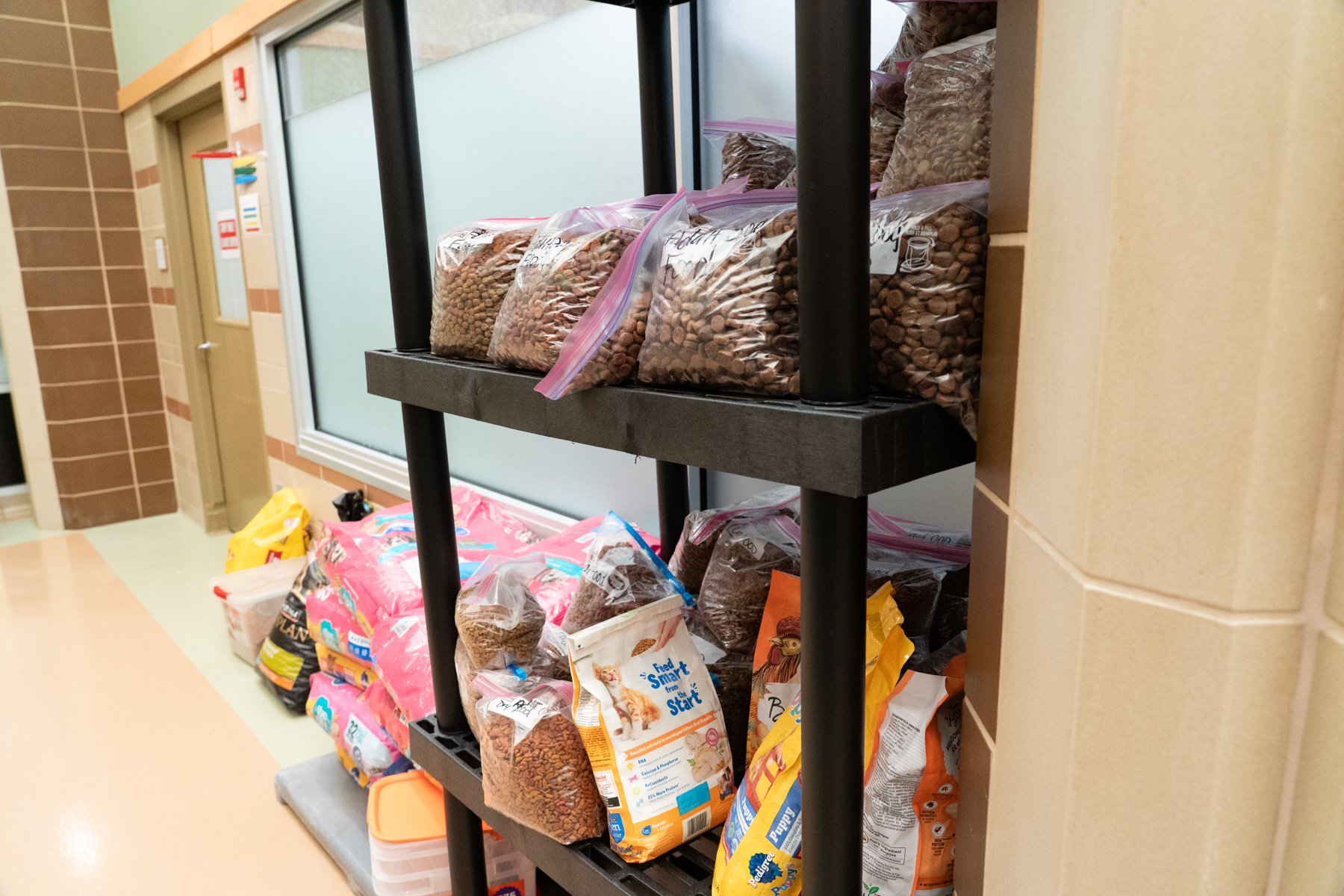
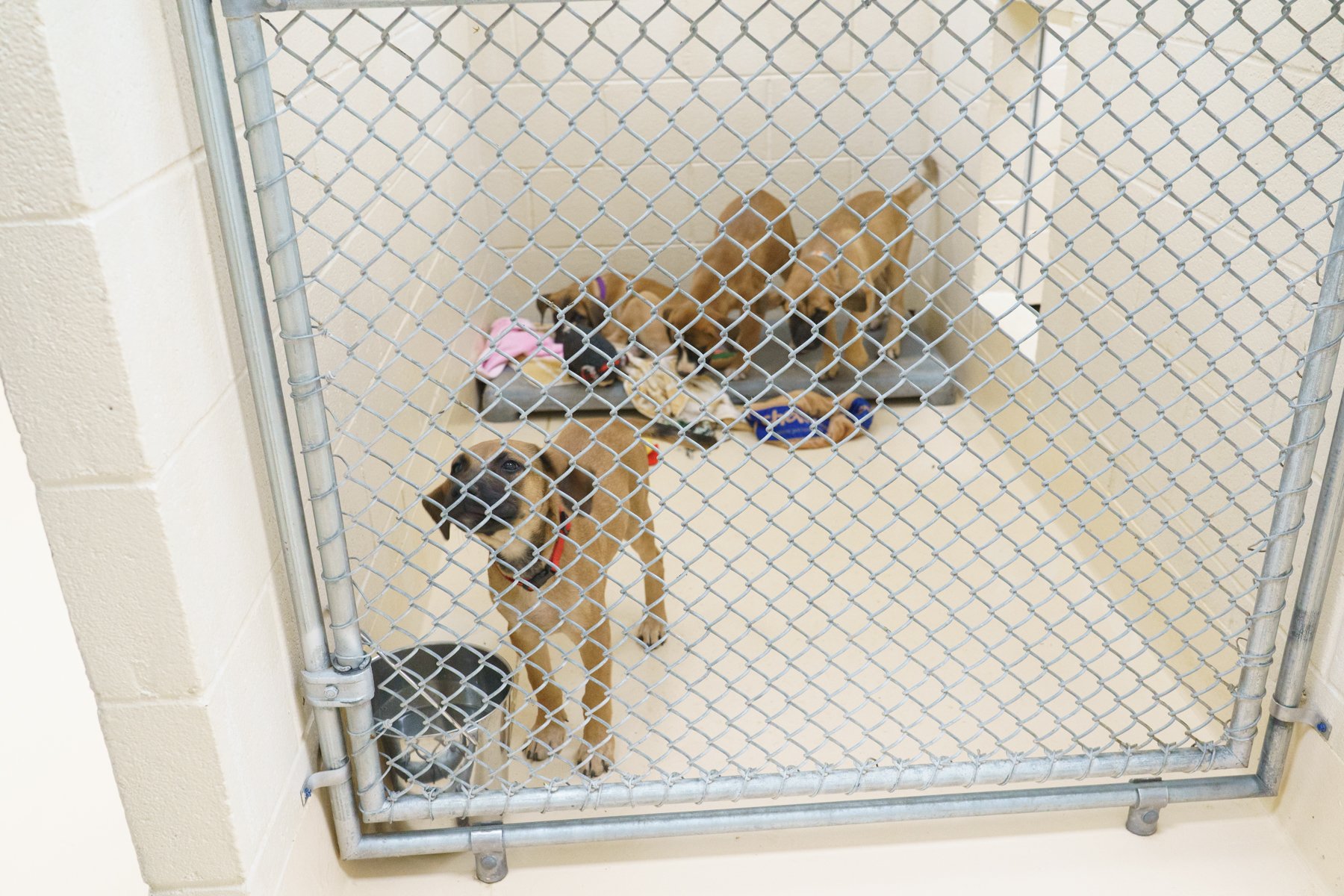
When residents ask to bring in stray animals, staff will first ask them to ‘Wait-48’. Wait 48 is a community pet diversion program that asks the finders to hold onto the animal for 48 hours and see if they can find the owners themselves before the shelter takes the animal into care.
This practice is one form of ‘managed intake,’ and it can work in some cases. However, we caution any shelter utilizing “finder-fosters” to be sure that some form of evaluation of the animal AND the potential foster is critical for public safety.
Good municipal shelters, like Forsyth, have to balance serving their communities, providing compassionate care for animals, and protecting the emotional health of staff. Jamie and Tonya do all they can to care for their staff. They offer support and appreciation, provide many free meals, and Tonya is putting together a Compassion Fatigue workshop.
Through all the encounters with the public, staff are asked to maintain a positive tone, regardless of their personal feelings. Tonya uses the shelter’s social media to educate, rather than blame/shame.
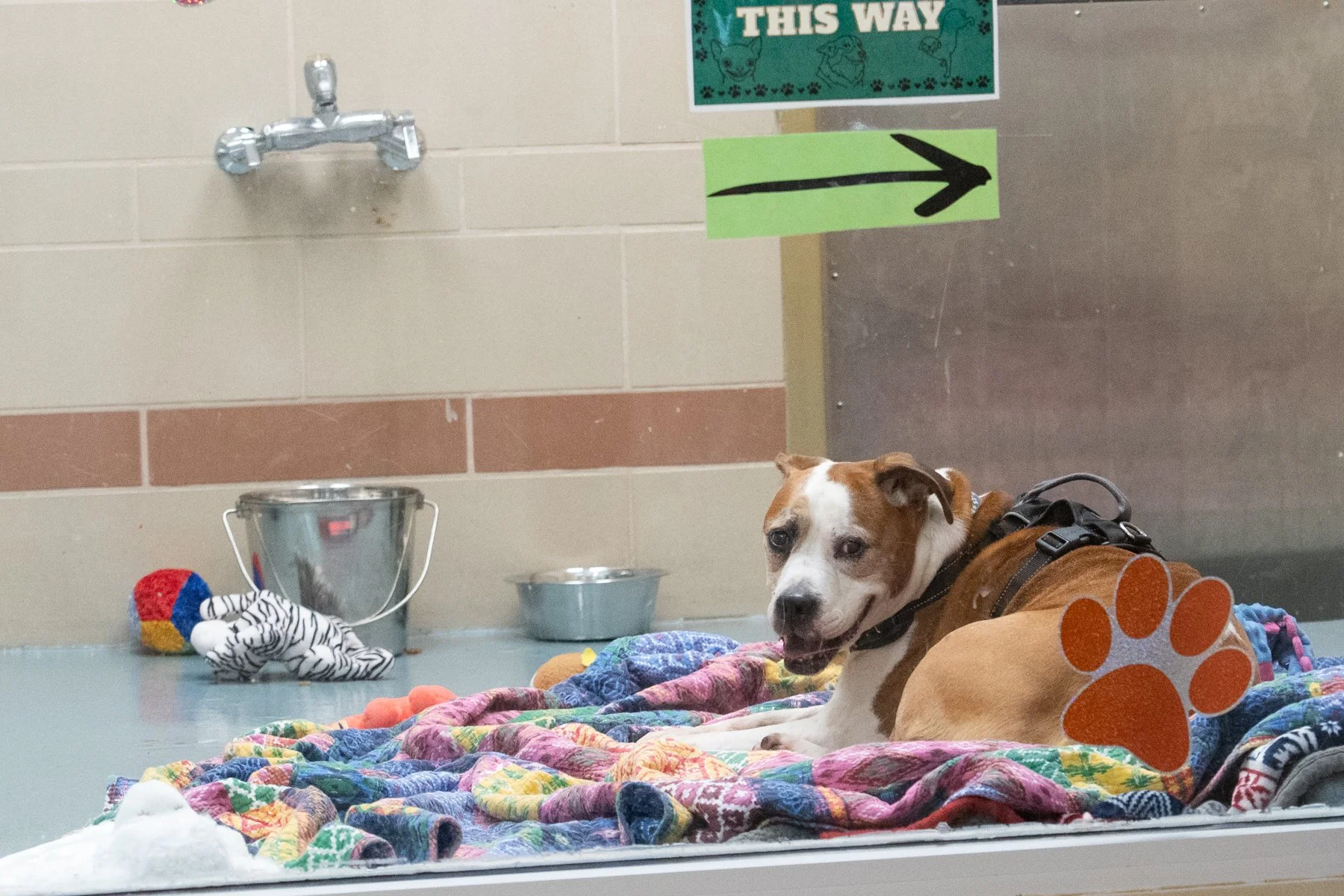
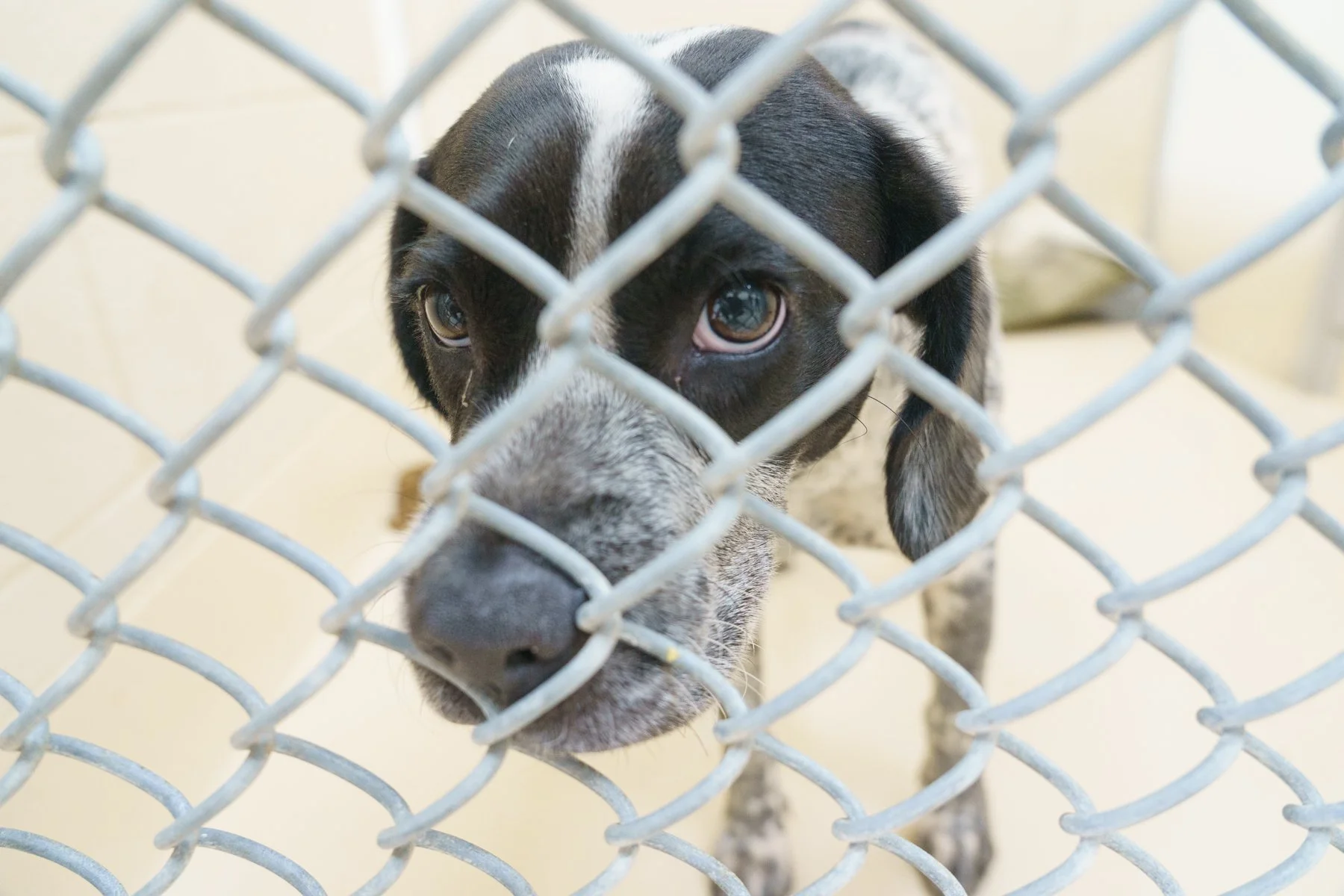
In North Carolina, shelters are required to provide daily enrichment to animals who remain in their care for more than 30 days. FCAS starts that enrichment on day one, and it shows. Despite not having been outside that day, the majority of the dogs were quiet as we walked through the kennels. Enrichment exercises the mind, just as playgroups exercise the body.
Jamie and Tonya hope to do more to engage the community. They would like to find more ways to get their animals and staff out into the public. They would also like to bring in more volunteers and fosters. FCAS has some excellent regular volunteers and a walking club that comes once a week and gets all the dogs out.
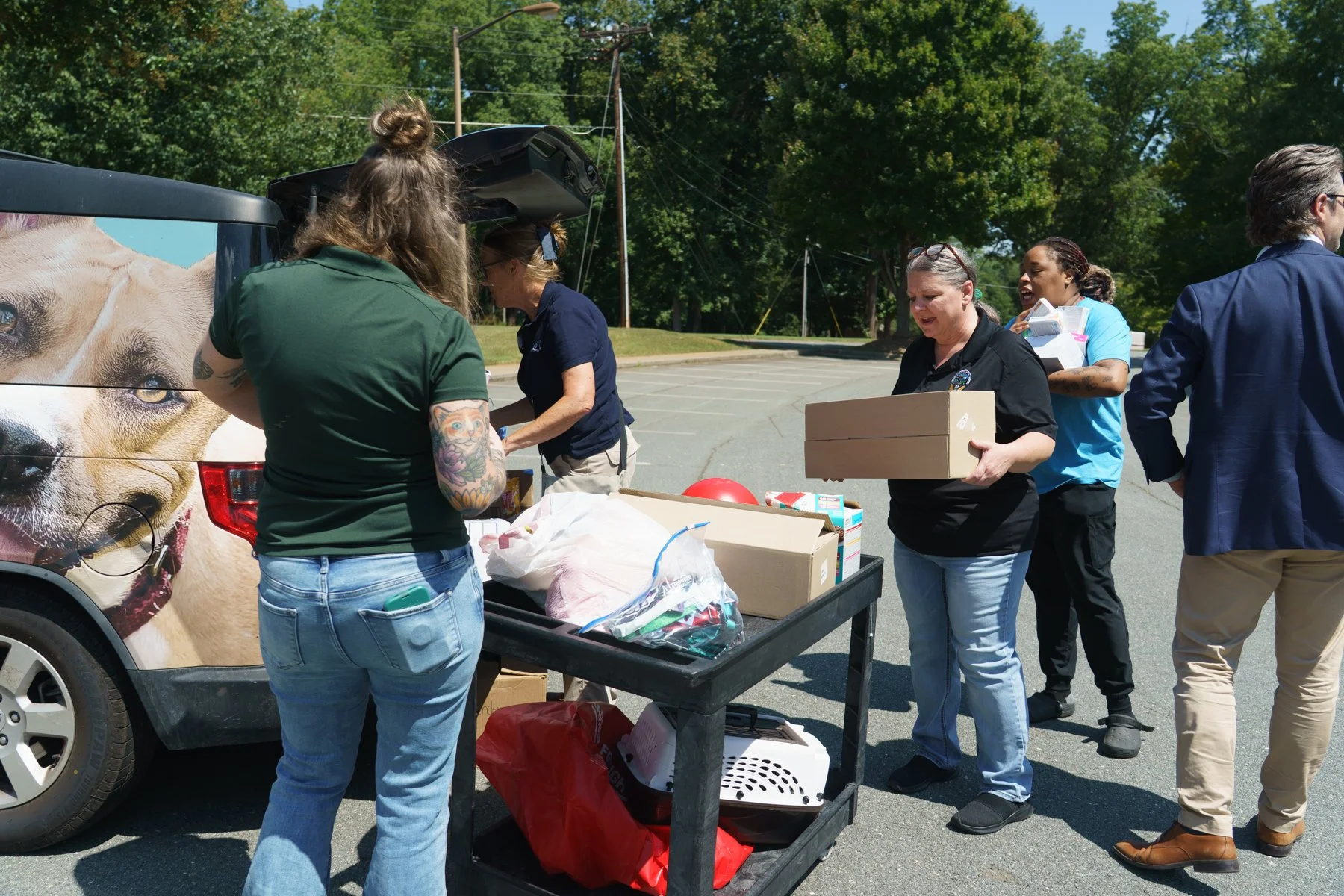
Jamie introduced us to VetCove.com, an online marketplace (think Amazon for shelters) that she uses to find shelter supplies at the lowest possible prices.
ACO usually stands for ‘Animal Control Officer,’ but at Forsyth, it stands for ‘Animal Care Officer.’ These are nonsworn officers who work for the sheriff’s department and can do everything regular officers can, except make arrests or serve warrants.
A lot of things are done a little differently at FCAS. It was refreshing to meet shelter staff who are reimagining what it means to serve their community, their staff, and the animals. This work is not easy, but they are tackling it head-on, with compassion, creativity, and conscience.
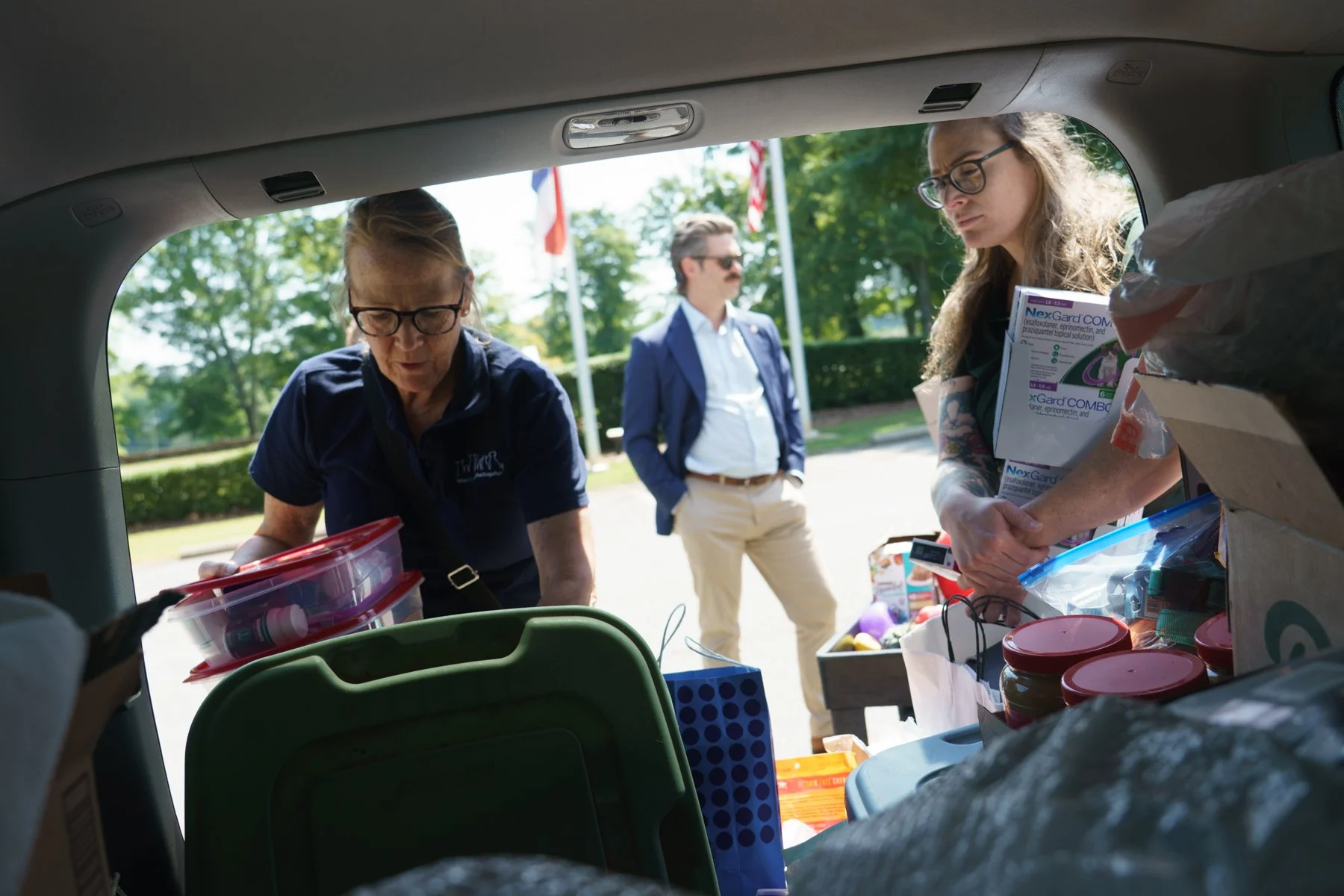
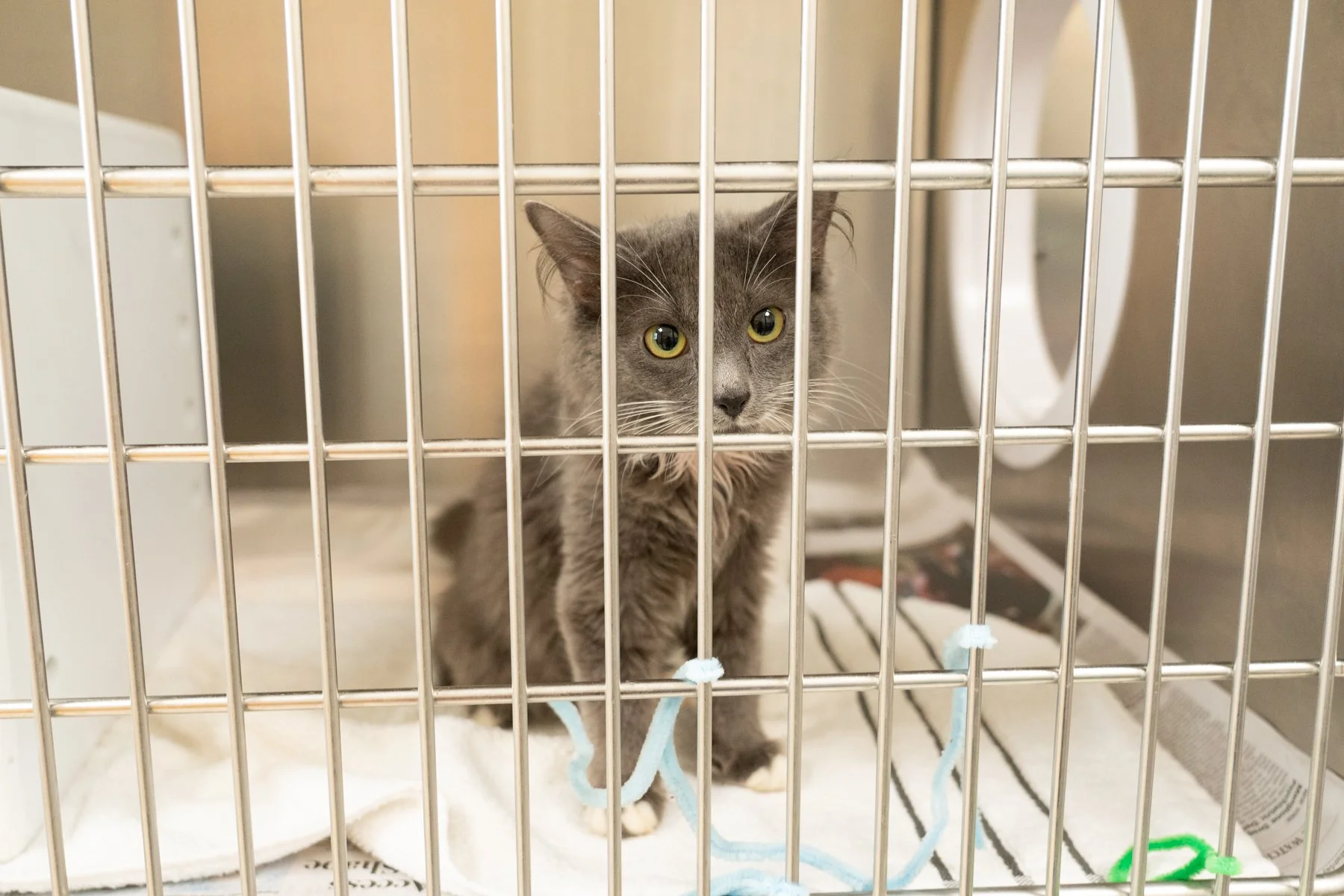
If you'd like to help FCAS, consider shopping their Amazon wishlist:
https://www.amazon.com/hz/wishlist/ls/FXLHM1FW9ATG/
Or making a donation: