

The Middle of Nowwhere, the Center of Care: Sussex County Animal Shelter
We bounced down miles of desolate roads (paved and unpaved) in search of the shelter. Sussex County Animal Services of VA is quite literally in the middle of nowhere.
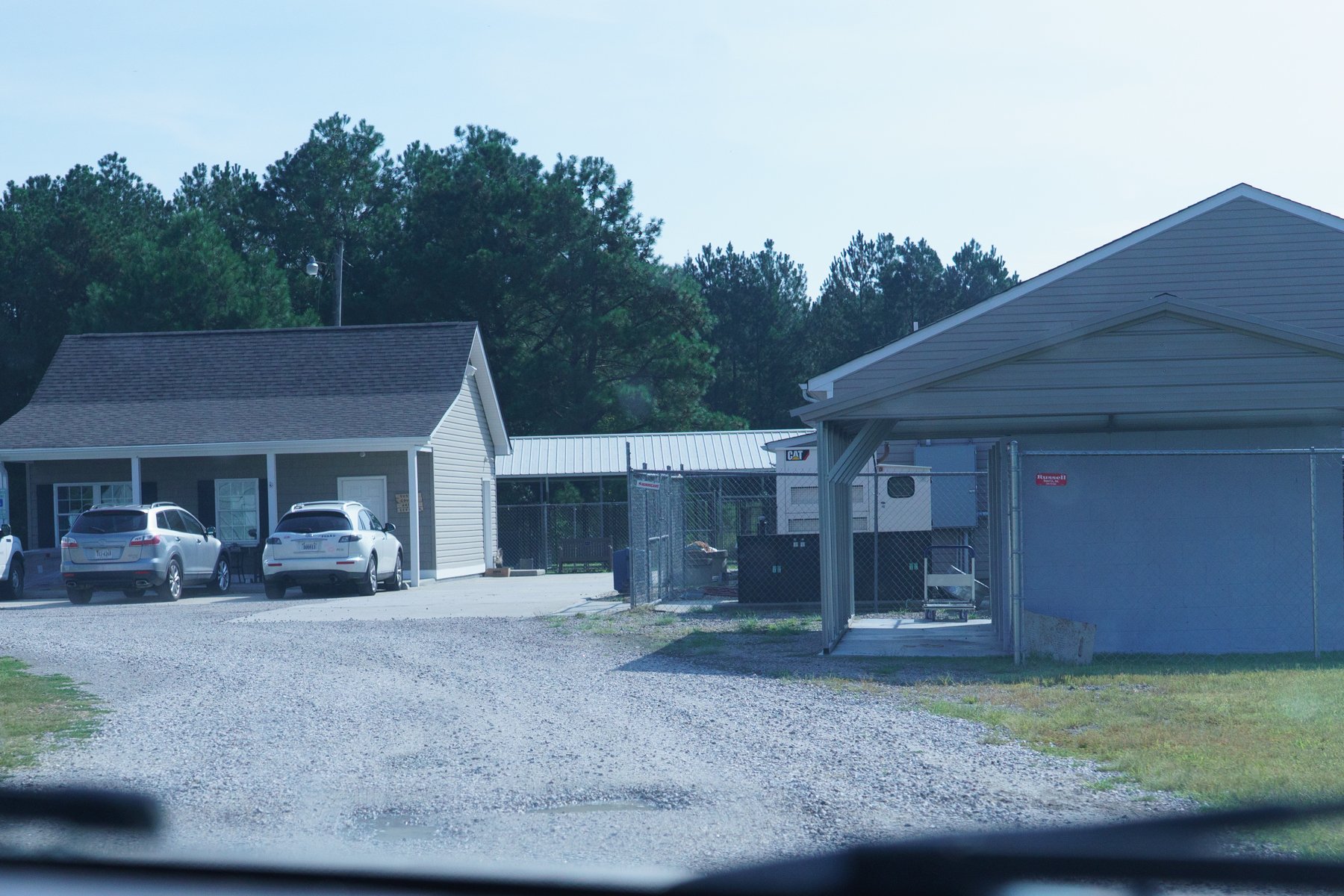
It’s a huge property 45 miles southeast of Richmond with a shelter building, a small office building, and a barn for livestock, plus pastures, outdoor pens, and a mile-long walking trail around the perimeter.
The shelter handles about 700 animals a year, more dogs than cats (or horses, donkeys, pigs, or emus!). They are housed in a single building with dog kennels in the main part and cat rooms off to the sides. Staff move dogs to outdoor kennels each morning to eat and get fresh air while they clean.
SCAS is blessed with an amazing veterinary setup. A local retired veterinarian gives them (and another shelter) standing appointments each week for spay/neuter and regular vet care, and makes himself available for emergencies. The shelter provides community members with discount spay/neuter vouchers for the PETA mobile vet that serves the area.
New director is not new to sheltering
Traci is the ‘new’ director. She’s worked at the shelter since July of 2025, taking a pay cut to be a kennel attendant (she previously worked as an Animal Control Officer in Prince George County) because her family moved to Sussex County. Since last October, she’s been serving as the director (the previous director was on medical leave), but the position was made official on August 1, 2026.
Traci brings a wealth of knowledge and an enthusiasm for the job and the animals, and is quick to brag about the quality of her staff. The shelter operates with far fewer staff members than needed nearly constantly, as finding and keeping part-time kennel staff is a challenge in this rural farm country. (They’re hiring, if you’re looking.)
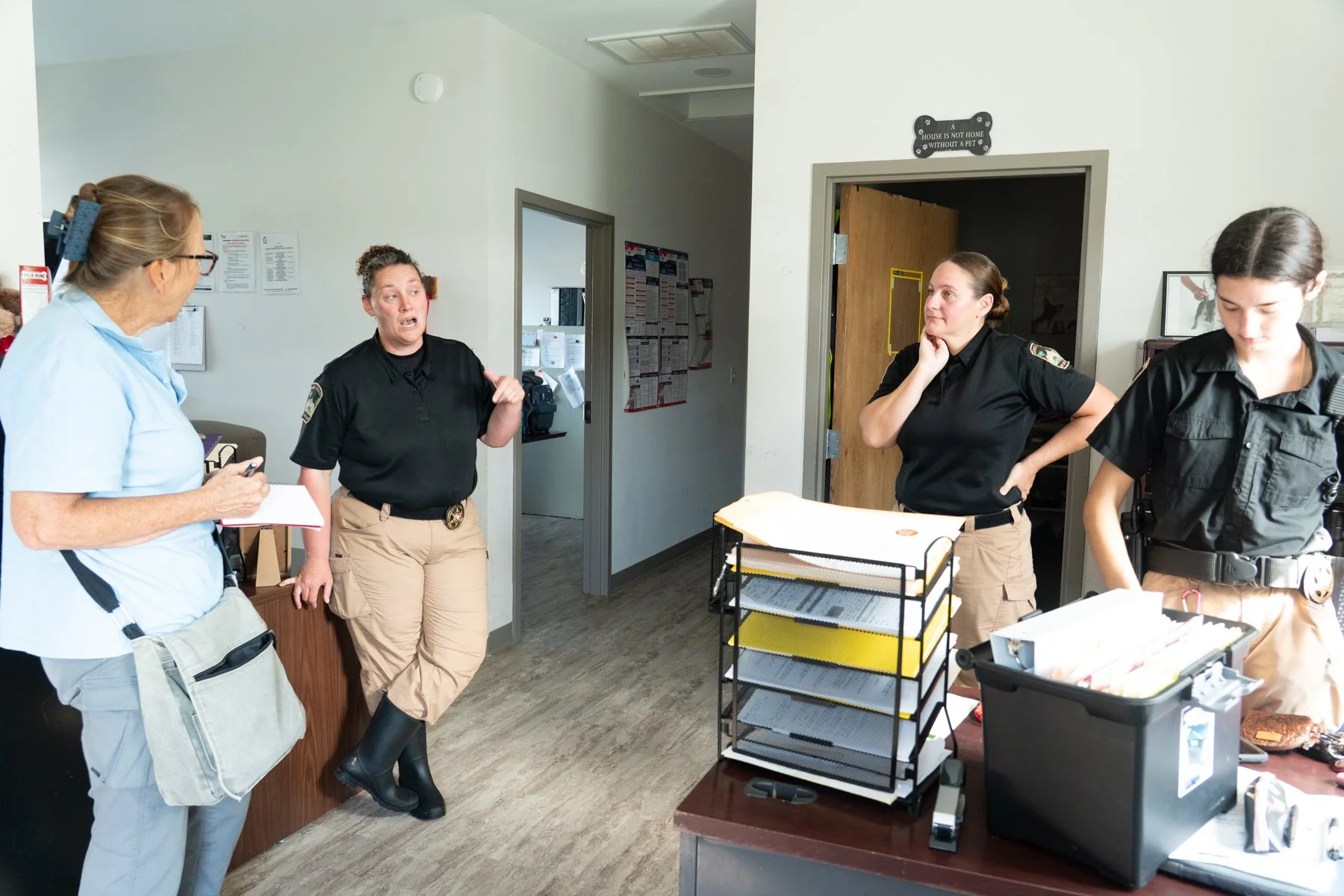
She acknowledges that bringing the public to the shelter property is a challenge – and one she hopes to meet. Coming from a busy shelter where the public stopped by regularly, this quiet atmosphere is a change for her.
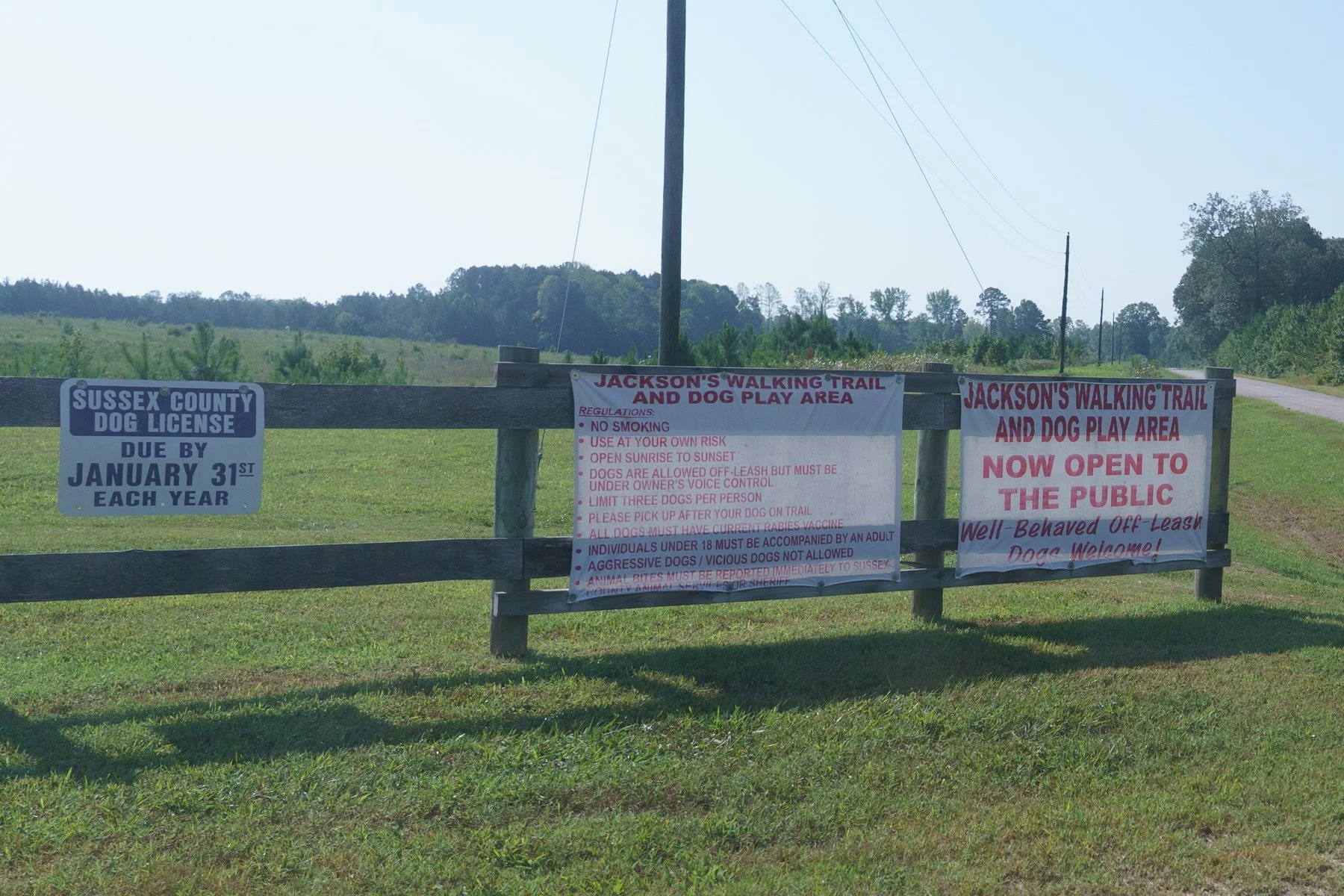
Traci hopes to eventually host adoption and pet-friendly events, making the shelter campus a welcoming place. Worn signs at the front of the property invite the public to come and walk their dogs. At Prince George County, the local military base sends soldiers needing community service hours to volunteer at the shelter, and Traci would love to bring that program to Sussex.
As of now, most volunteers are people ordered to complete community service hours, as well as some high school sports teams. There are very few regular volunteers.
Operating as open-intake and making room
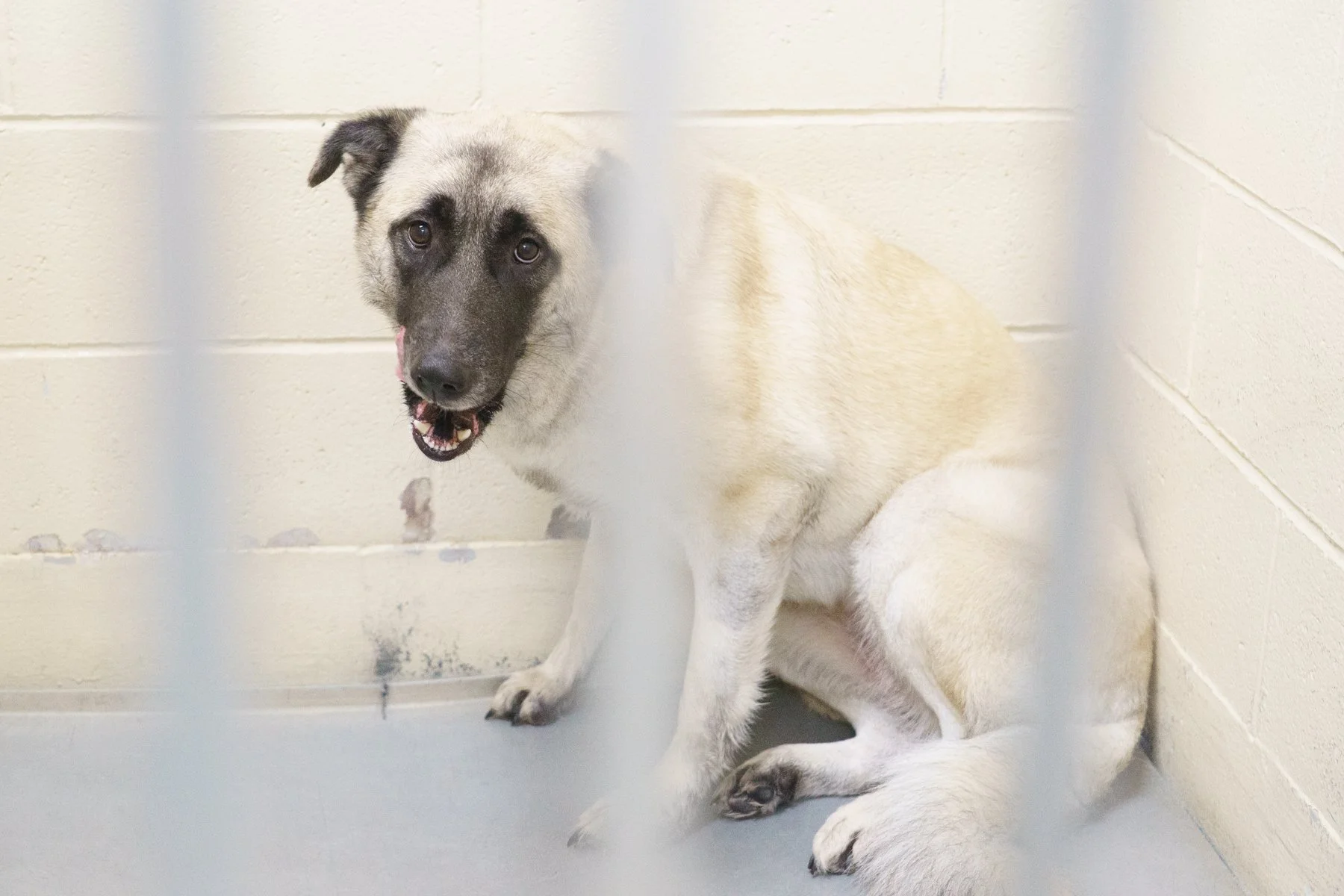
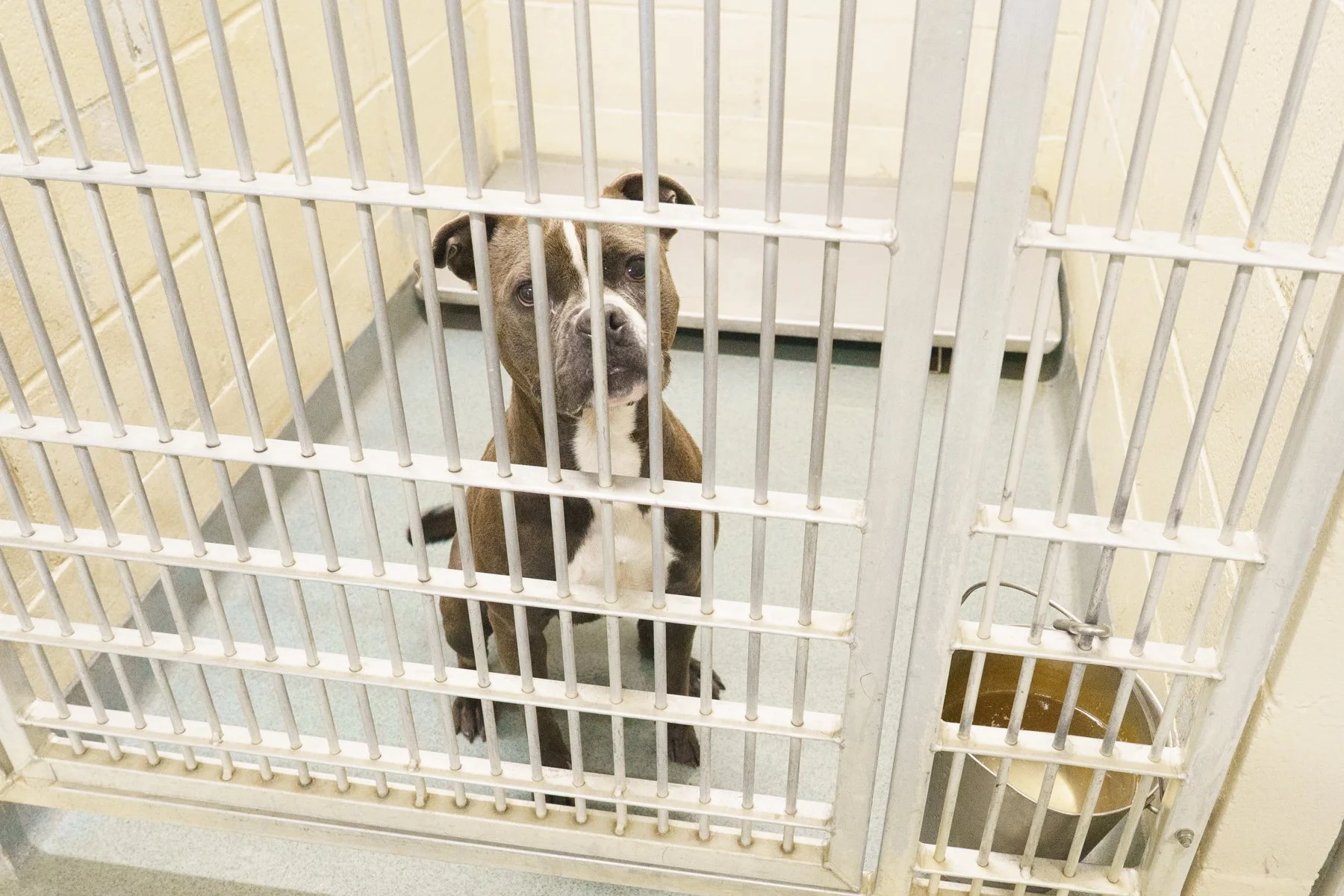
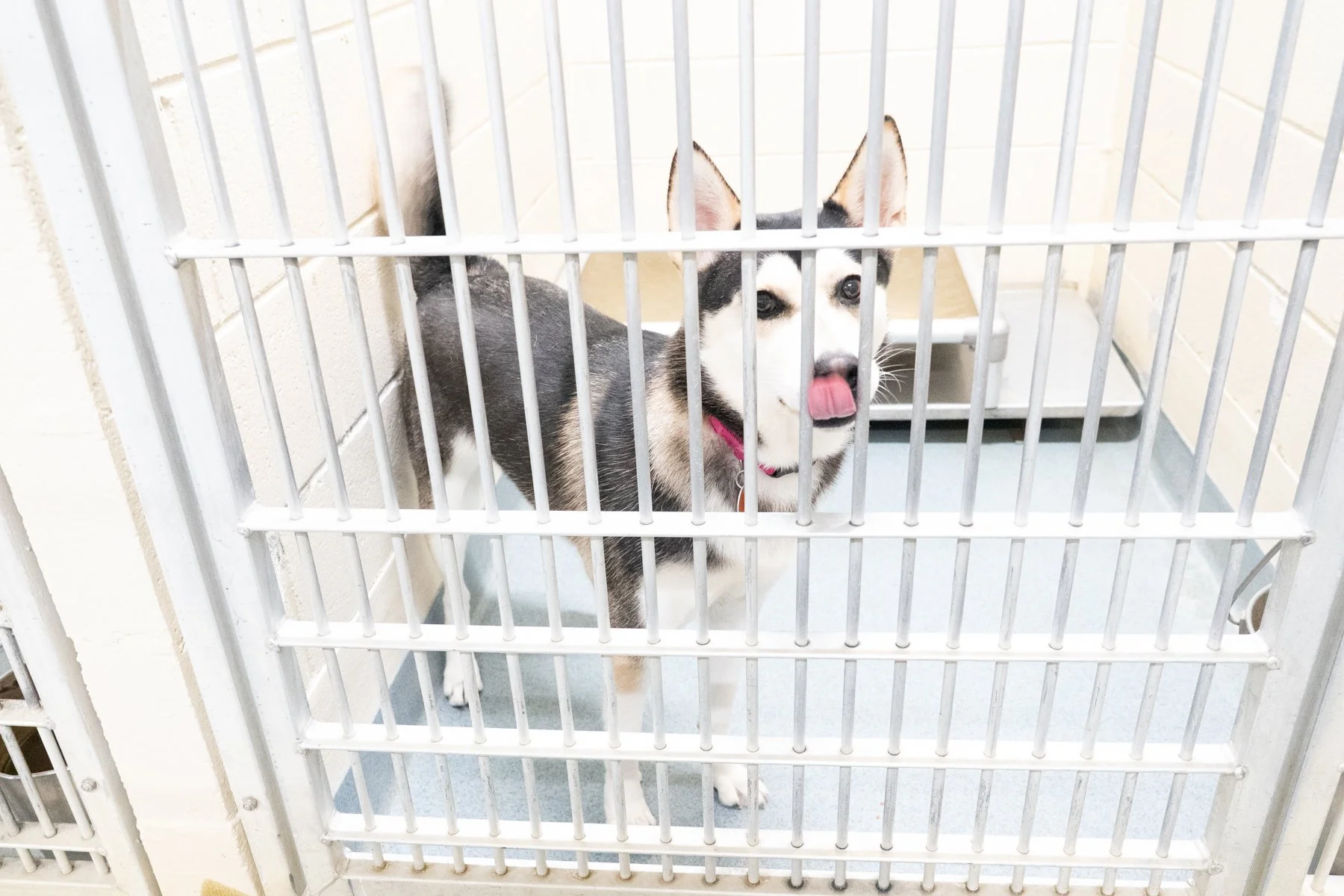
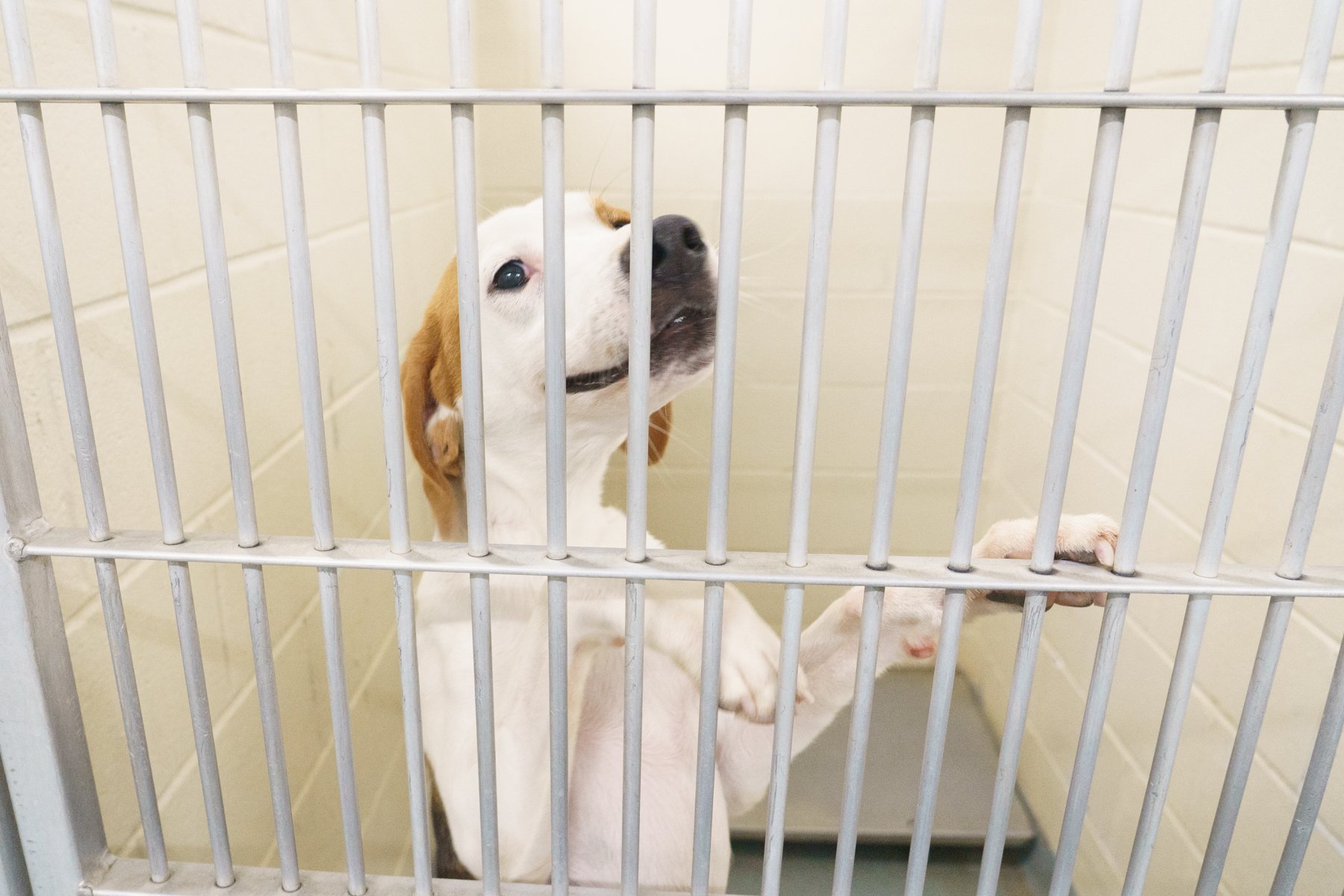
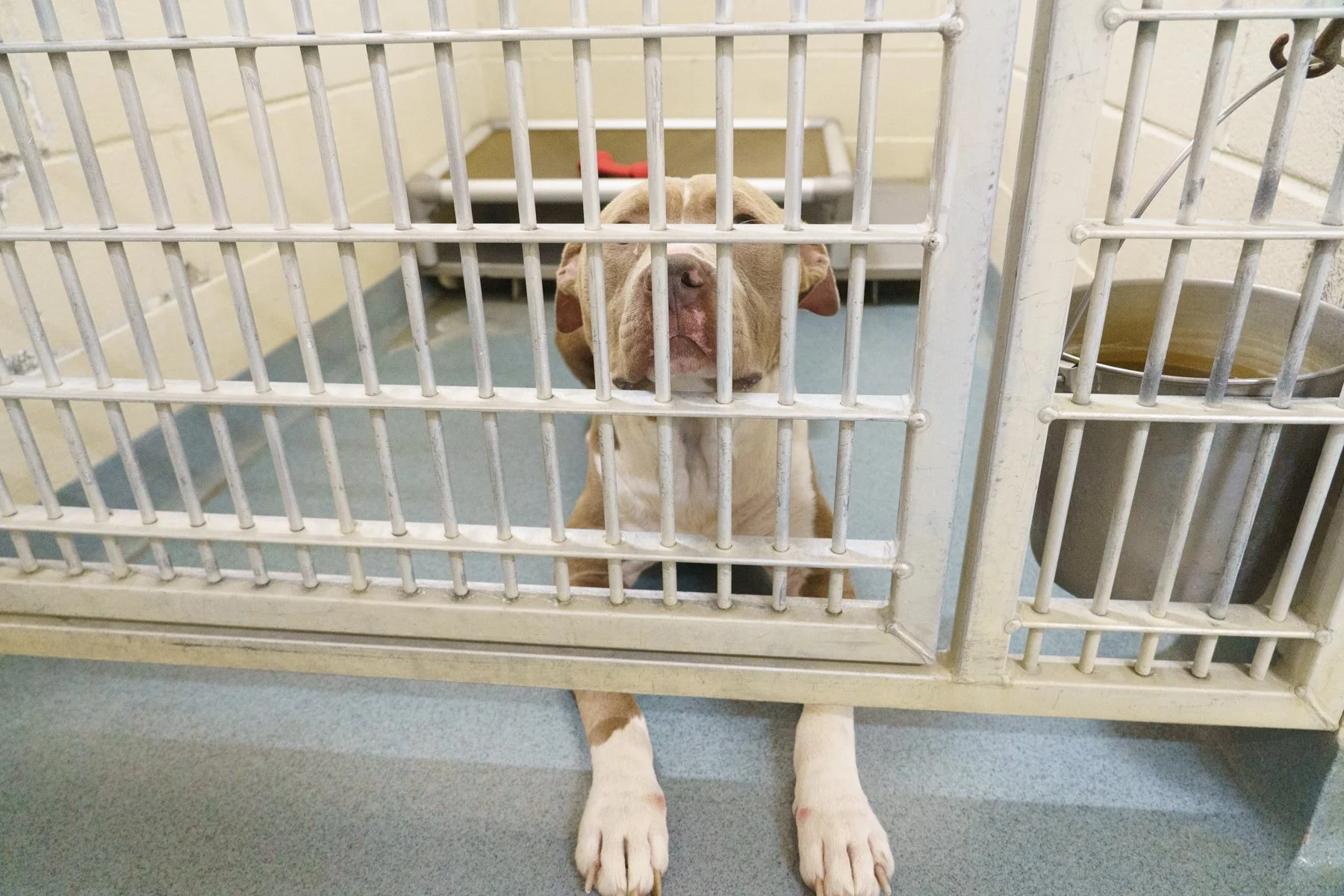
As an open-intake shelter, more than half of the dogs SCAS takes in are owner-surrendered. When we visited in early September 2026, there were 26 dogs (and puppies) in the building, most of them medium-to-large adolescent dogs that definitely lean hound.
The open-format shelter building is deafening when the dogs bark, but Traci assured me they were only showing off for guests. When only staff are working, the dogs are quiet. Many are doubled up for company, and the kennels themselves are spacious. Sound abatement would go a long way to encouraging regular visitors and adopters (and likely protect the long-term hearing of the staff!). It’s something I wish every shelter could afford.
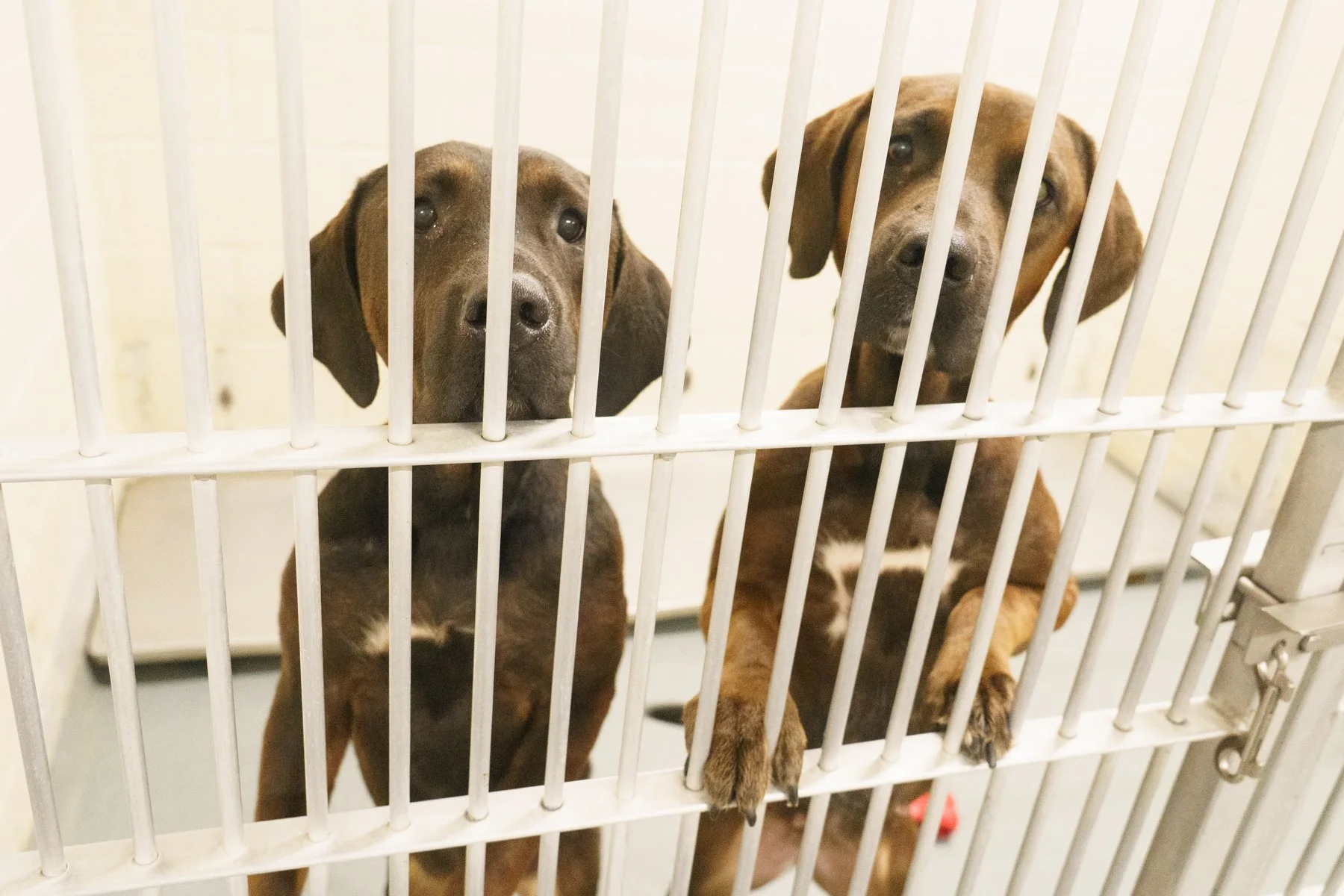
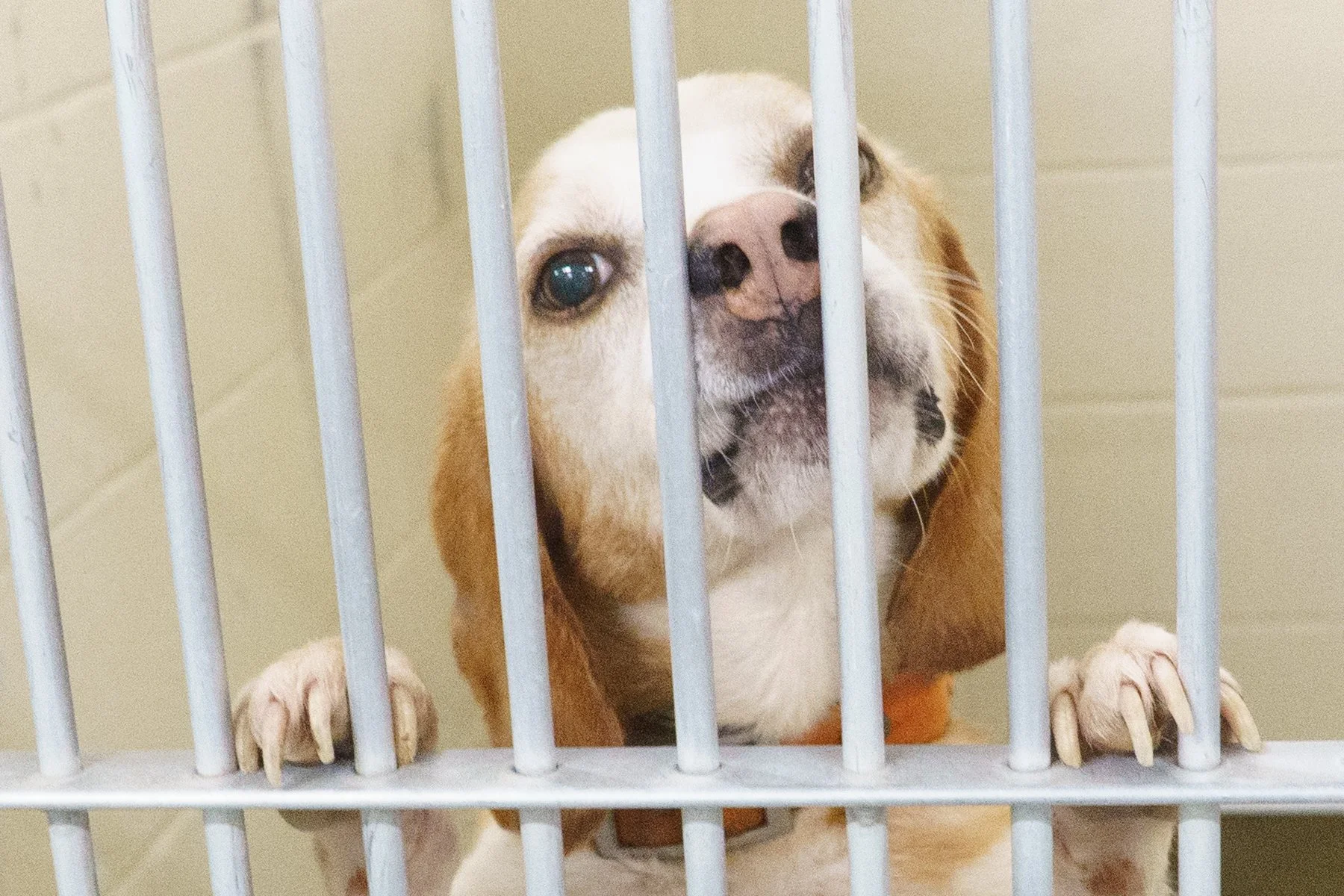
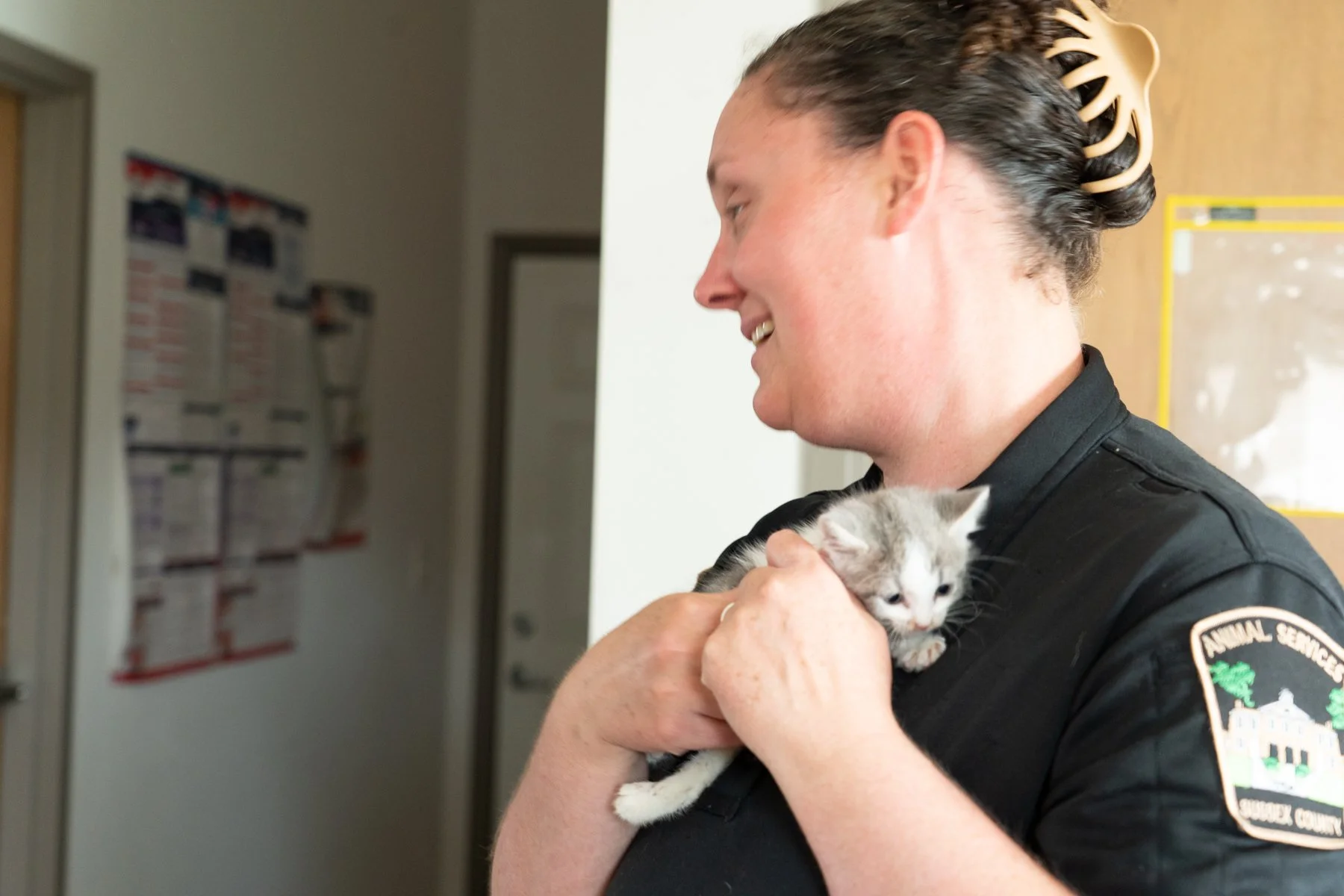
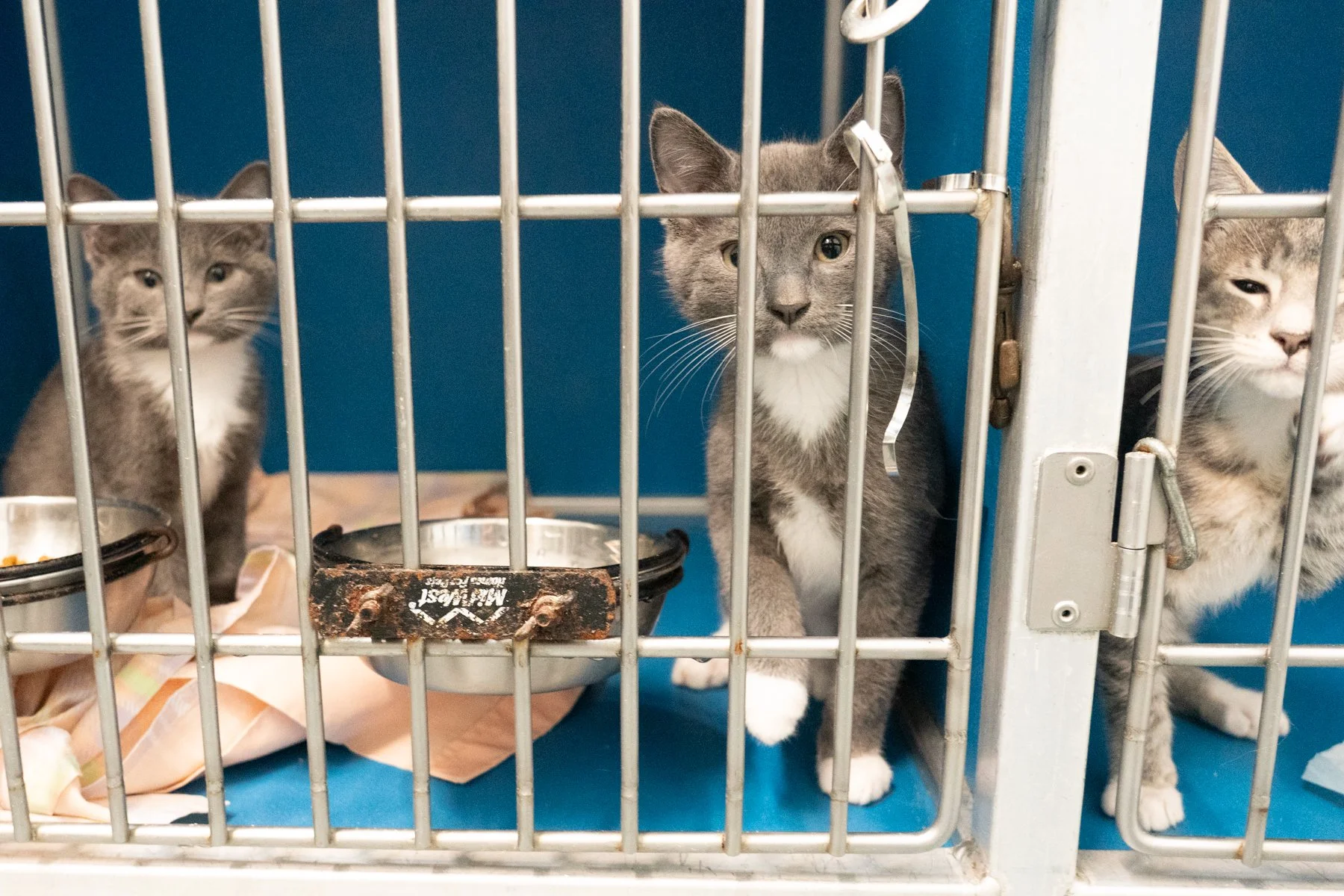
When we visited, the shelter was inundated with cats and kittens (34), plus two tiny foster kittens Traci brought to work and an older (gorgeous) cat who recently had his teeth removed and was temporarily lodging in the office area. The number of animals that come through the shelter annually has held steady, but this year’s numbers are on track to be higher than normal.
There is a ‘play yard,’ but outdoor kennels take up most of the space. Traci would love to expand the play yard to give the dogs more room to run. Giving them the chance to really stretch their legs would go a long way toward reducing kennel stress.
The shelter has no formal foster program, but residents occasionally step up in certain situations. Two older puppies were being housed with families who planned to adopt them but were ‘fostering’ them until they can be spayed/neutered. The shelter is blessed with another foster who takes bottle-baby kittens.
Inviting the public to get involved with the shelter
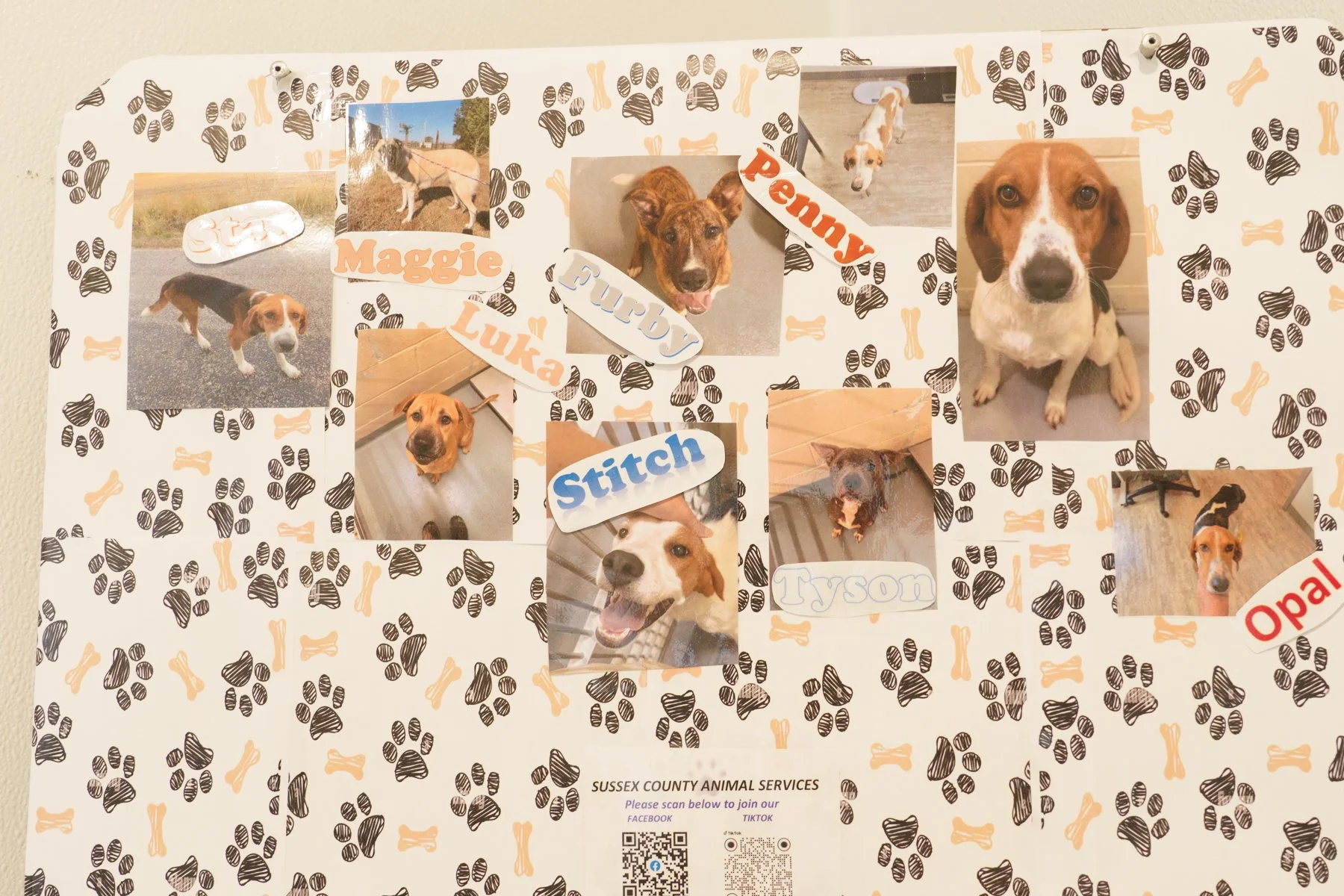
One of Traci’s goals as the new director is to increase local adoptions. She hopes to do that by advertising the animals and increasing weekend hours (currently they do not have funding to staff public hours, so weekends are by appointment). She’d like to find ways to get more people to come to the shelter. Regular volunteers would make a real difference, so the small staff would have time to do more than clean kennels and feed animals.
With their big open space, Traci hopes to explore hosting dog-friendly events with food trucks or entertainment. She has already found ways to partner with a local school and a restaurant for fundraising and donation drives. The county’s length stretches an entire hour’s drive through peanut farms and vast expanses of brushland and crops, so engaging this community will require real effort. Traci seems up for this challenge.
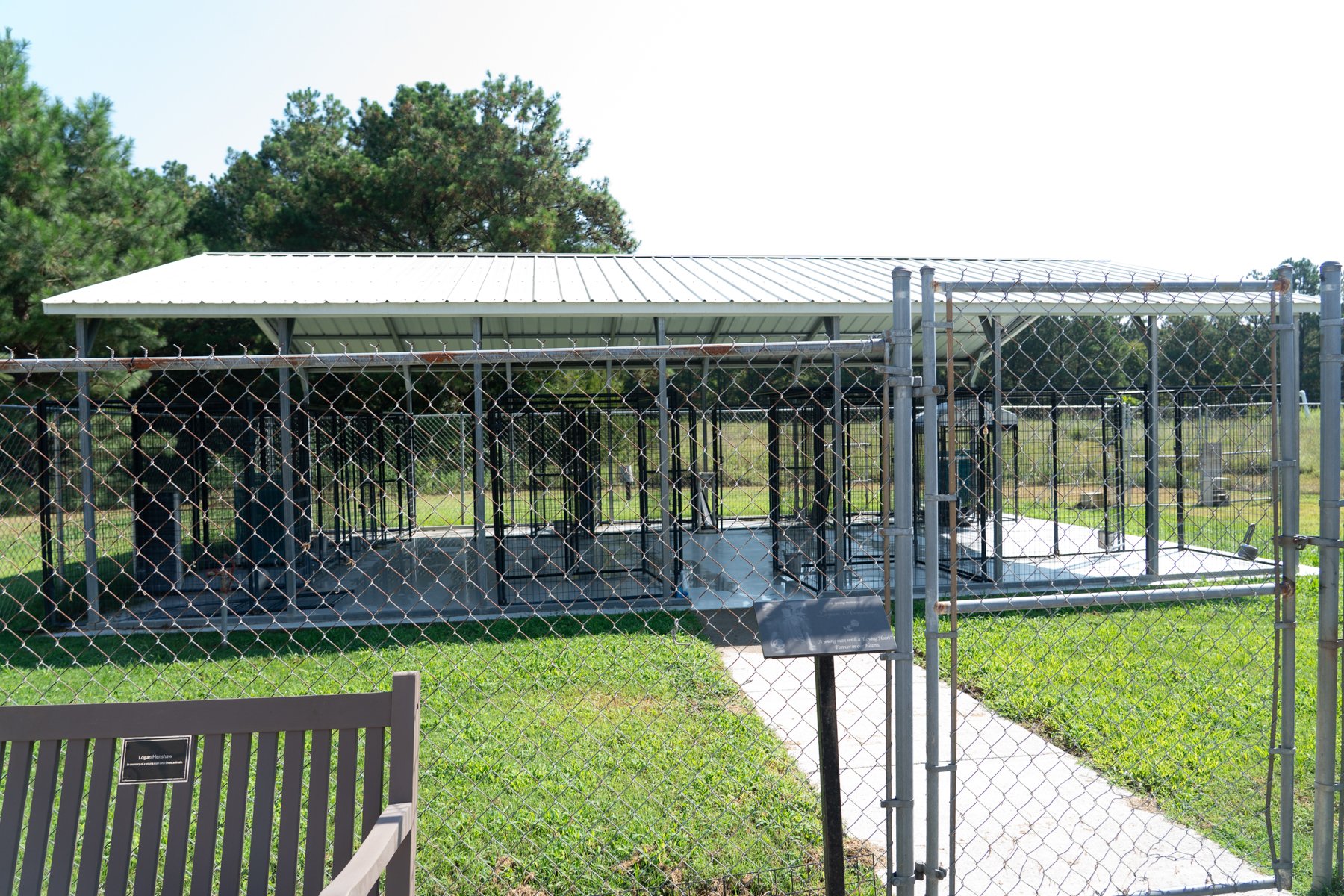
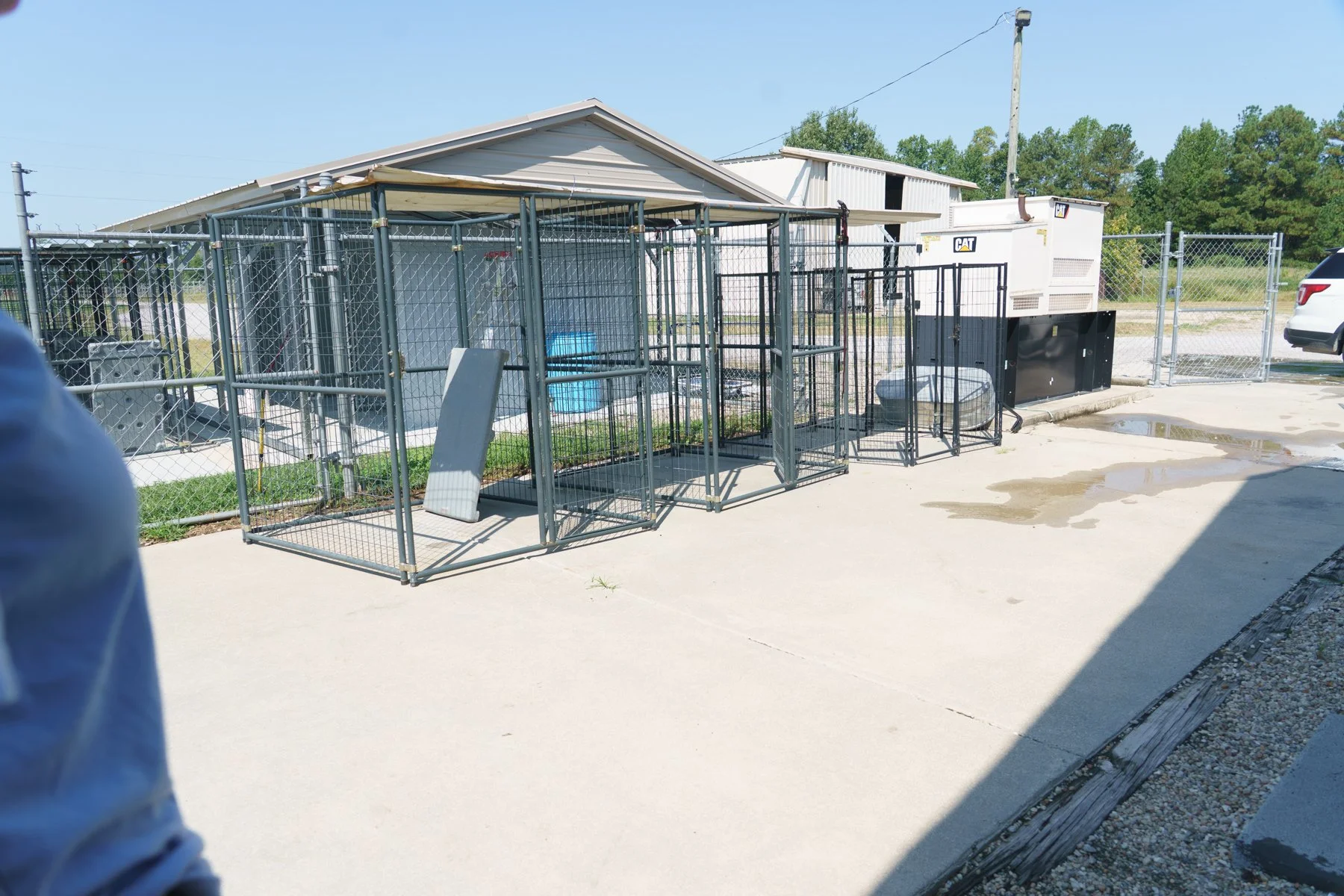
The staff acknowledged that many people in the county likely don’t even know the shelter exists. Hopefully, that will change. Residents should be very proud of the animal services this dedicated team provides for the county.
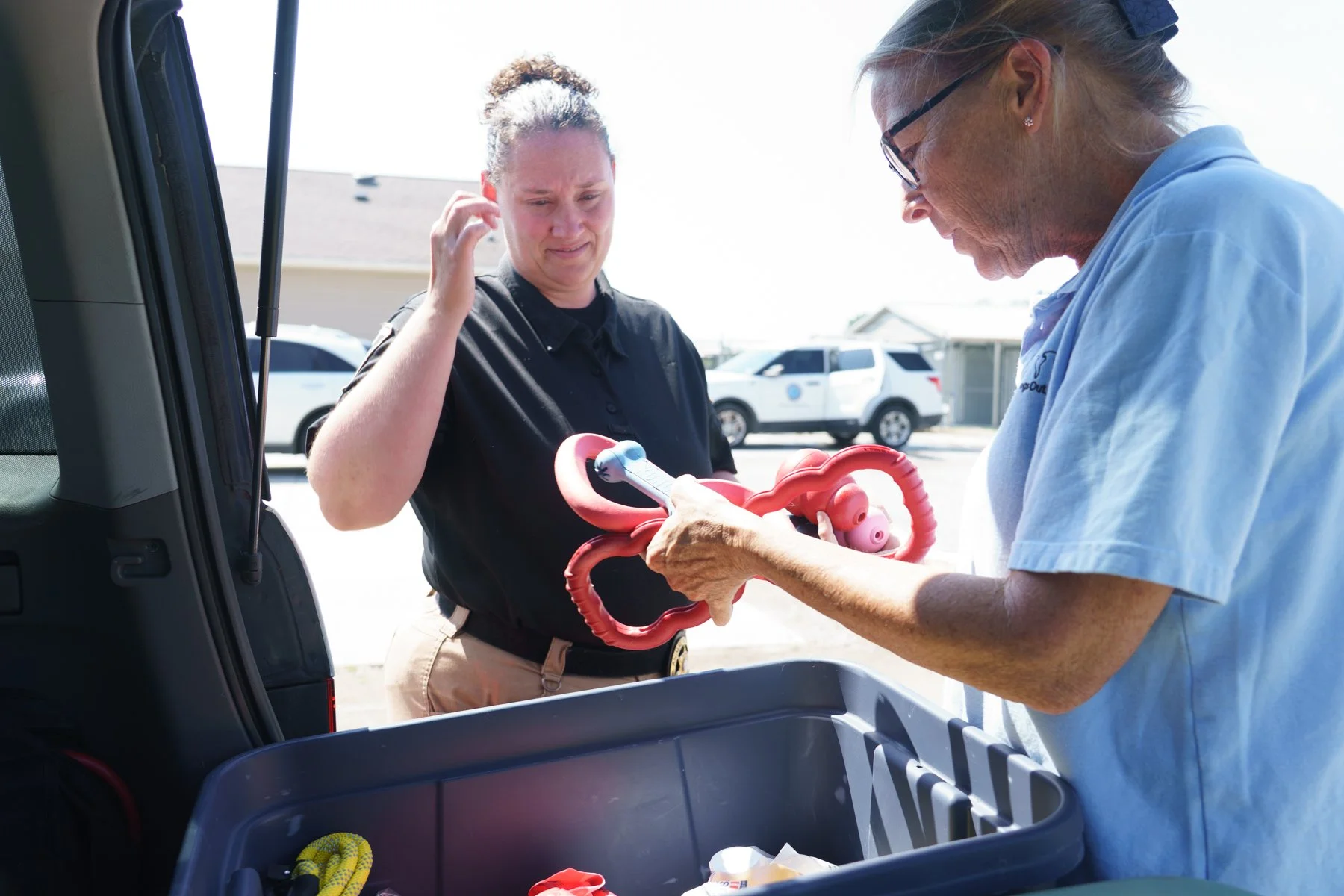
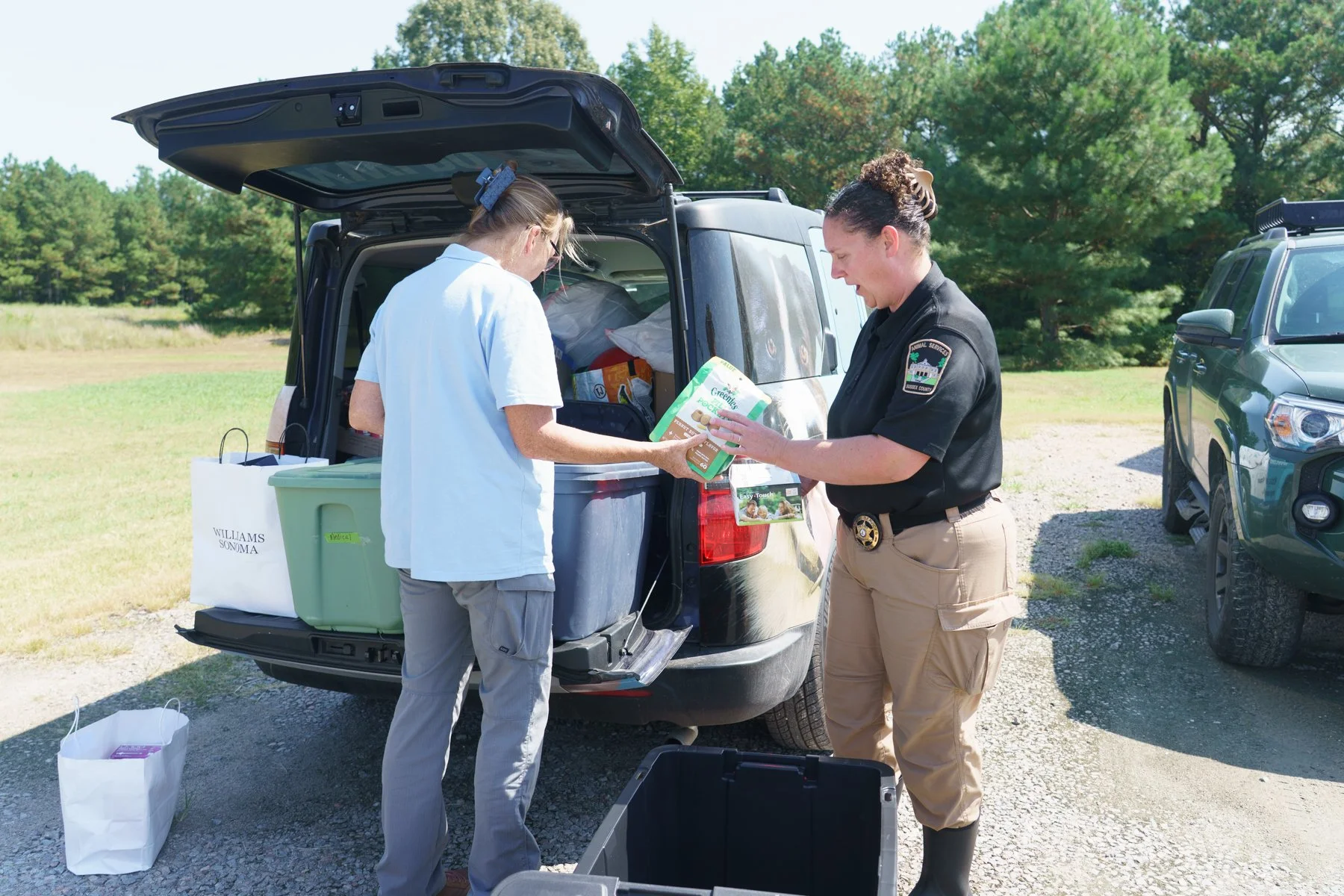
SCAS is grateful to have the support of Richmond Animal League whose volunteers deliver donated items for adopters and pet owners, keeping a bin of free items full in the shelter's tiny but welcoming meet-and-greet room.
Dependent on rescue and a hard-working staff
What SCAS lacks in community engagement, they make up for with a staff committed to providing the best possible care and outcomes for the animals. Just think what would be possible if the community joined them in the effort.
Currently, most animals leave through rescues. The shelter pays for vetting (including vaccinations and spay/neuter at the shelter’s expense), and staff transports the animals to rescues. Those regular runs take time away from work and have worn out at least one shelter van (currently down and out until they can afford repairs). Traci credits Officer Moseley for building and maintaining an incredible rescue network that enables the shelter to move dogs.
For now, they depend entirely on rescue transfers to stay afloat. It’s troubling that this is the case in so many places, as many northern states continue to increase barriers to rescue transfers amid their own struggles.
If you’d like to encourage this hard-working staff, consider shopping their Amazon wishlist: https://a.co/01BX7aNv