

The Five Tenets of Responsible Sheltering
If we want to finally tackle the animal crisis in this country, we need to create shelters that truly serve their community. That means not just housing and rehoming animals, but helping people.
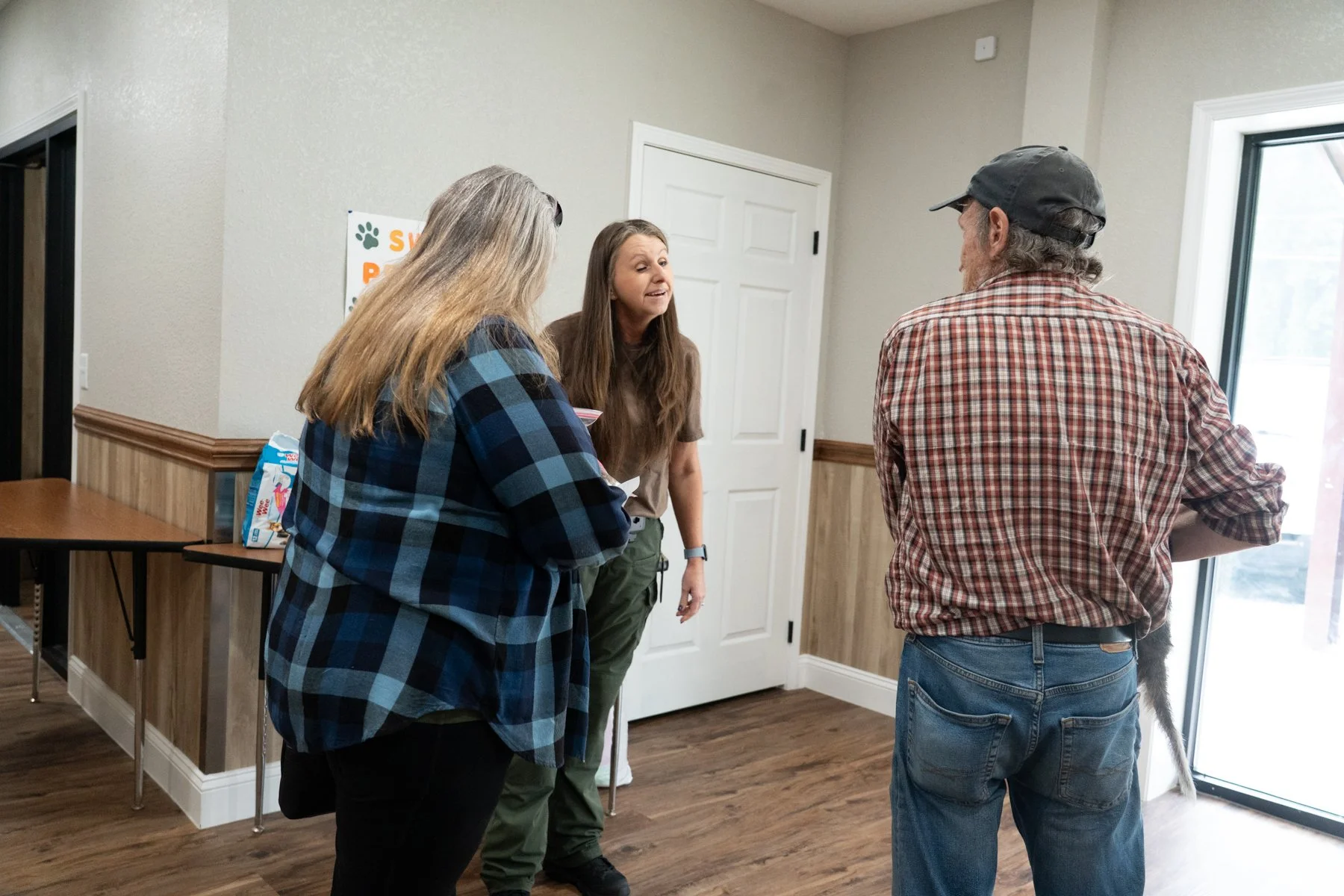
Animal shelters do so much more than kill or not kill animals, so why do we evaluate their success based on only that metric?
What if, instead, we evaluated our shelters by whether they shelter responsibly and build a system that creates a humane community? That means solving the systemic problems that keep this crisis growing.
We need to ask the questions that lead us to creating that system:
Are our municipal shelters and private nonprofit shelters/rescues working together to maximize their impact, rather than competing for resources?
Are there enough affordable, accessible spay/neuter services to meet the community’s needs?
Are we proactively educating the current and the next generation about responsible pet ownership and humane care?
Do our Animal Shelters provide reliable help for residents who need emergency, urgent, and/or ongoing help with their animals?
Does our Animal welfare system (including shelters and rescues) provide a large enough safety net for lost, stray, and abandoned animals?
We believe that solving the animal crisis will take all of us. We’d like to invite you to join us in creating a new paradigm for sheltering:
Responsible Sheltering for a Humane Community
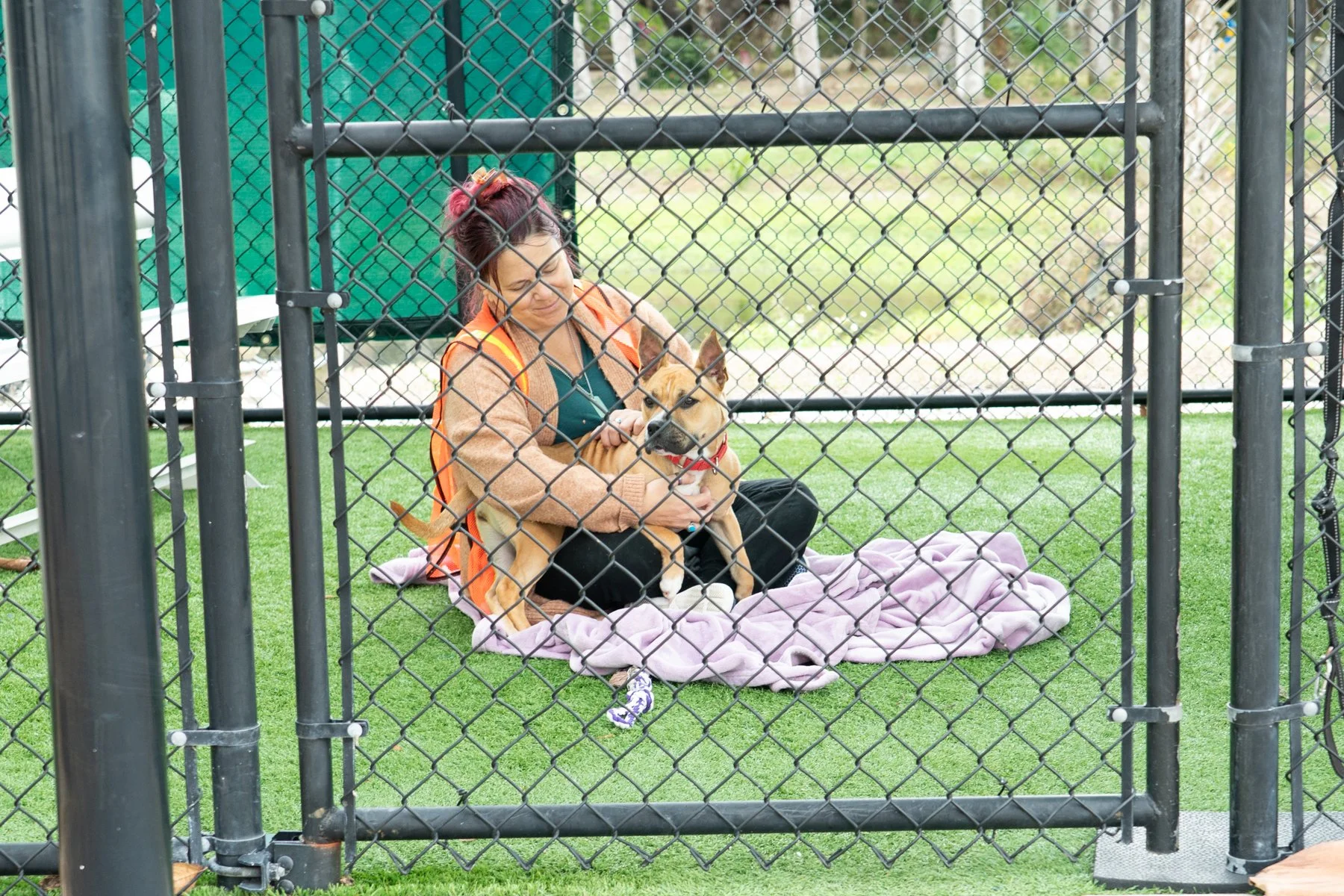
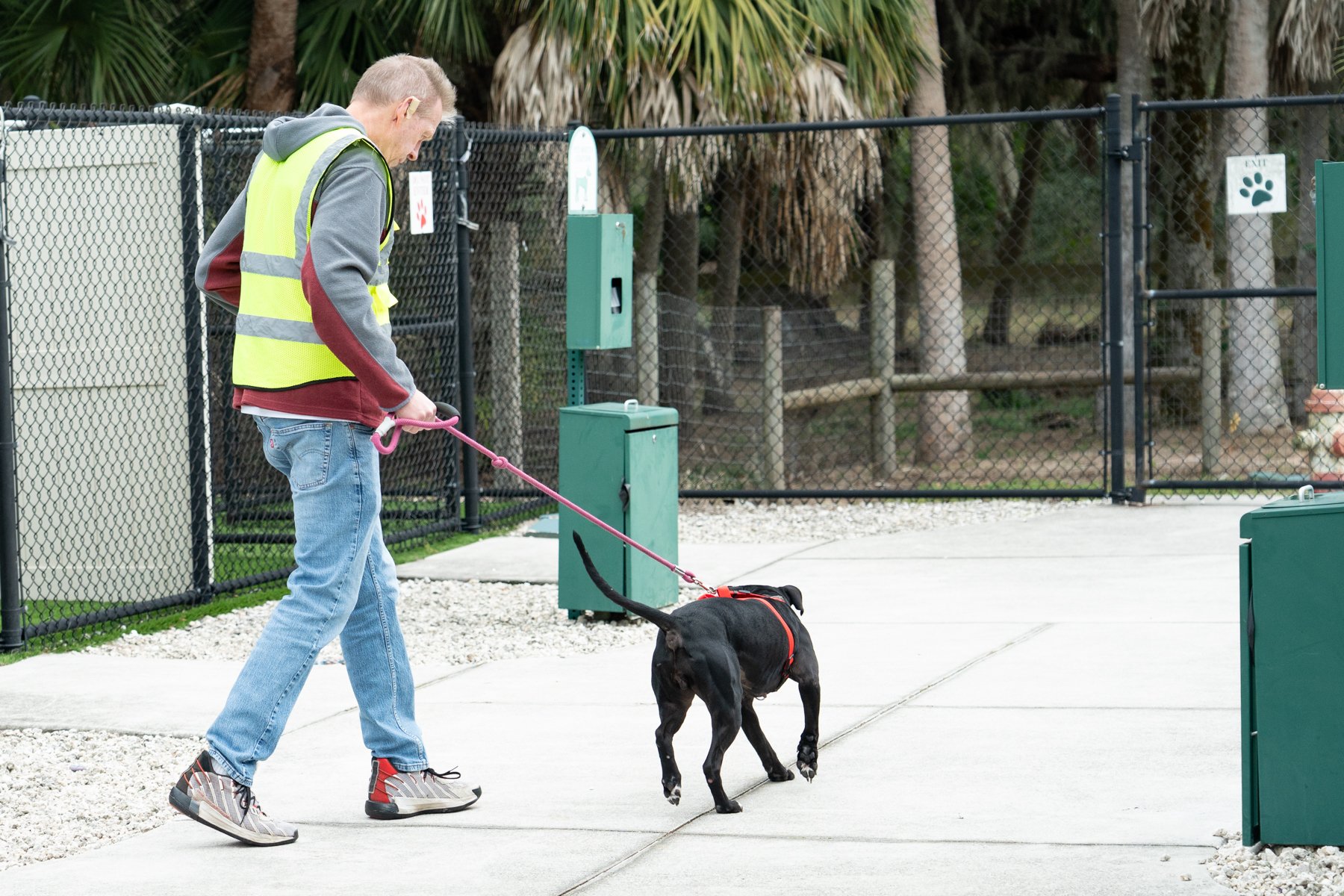
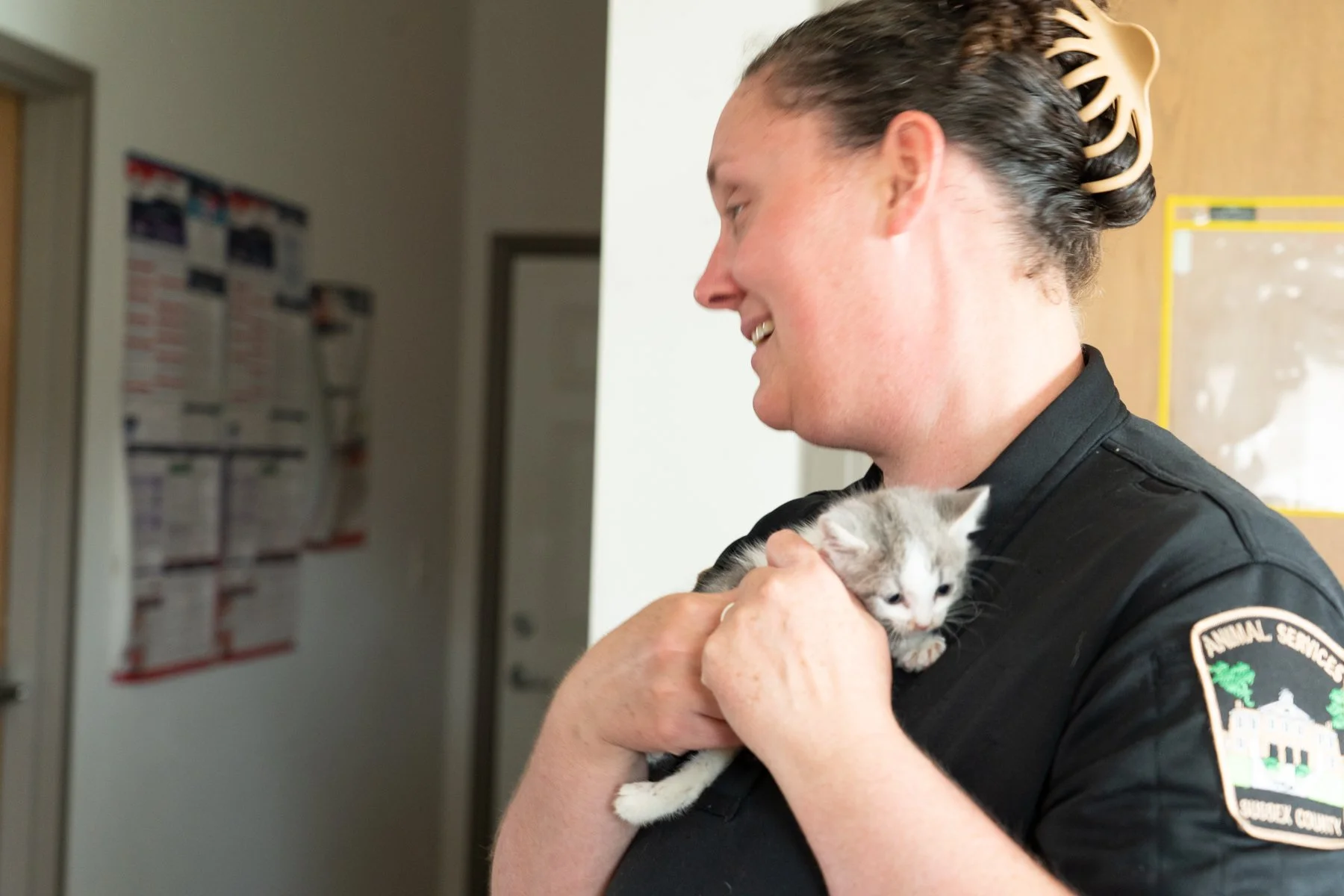
I first heard the term ‘responsible sheltering’ from Meridith Perry, an animal advocate in Mississippi who took on the challenge of turning a failing shelter into a vibrant community resource. She did so by focusing on creating a responsible shelter that served its animals and its community.
The term humane community was introduced to me by Lisa Milot, an attorney and animal advocate who has a profound impact on her community in Athens, Georgia, and is currently creating an animal welfare system from scratch for the state of Vermont. I’ll share the basic tenets of that concept in an upcoming post.
The two terms go hand in hand. A responsible shelter will be much easier to create in a humane community. A humane community will enable responsible sheltering.
Responsible sheltering means that the shelter offers help to anyone in the community who needs it. It provides or assists with spay/neuter services to keep the community’s animal population from getting out of control. It welcomes the community to work with it in every aspect of sheltering. It proactively educates the public regarding humane care and responsible pet ownership. And, perhaps most critically at this moment in history, it manages its shelter population to prevent suffering and create a dependable safety net for any animal in need.
5 Tenets of Responsible Sheltering
1. Help everyone who contacts the shelter with an animal concern.
Offer resources, training help, advice, rehoming tools, etc.
Intake animals if resources aren’t enough to keep them home
Connect individuals with potential rescue help (and follow up)
Offer respite/temporary foster care
Offer critical care assistance
2. Assist, promote and/or offer spay and neuter services
Create an in-house veterinary clinic
Offer transportation to/from spay/neuter services
Maintain and share a list of available spay/neuter services
Create a fund for community spay/neuter assistance
Follow up on any inquiries to verify they were able to find services
Partner with mobile clinics, offering space/marketing/volunteers
3. Engage community in the work of the shelter
Develop, market, and support a foster program
Develop, market, and support a volunteer program
Encourage supporters to form a Friends of the Shelter nonprofit
Advocate for and participate in a Citizen Advisory Board to assist municipal leadership
Partner with businesses on projects and programs
Connect with area colleges (especially vet and vet tech programs)
Create satellite and/or pop-up adoption centers in heavily trafficked areas
Develop relationships with rescue organizations, working hand in hand with them to address the local animal welfare needs
Offer public hours that allow the public to come to the shelter during non-work hours.
4. Proactively educate the community
Develop and work with volunteers to offer school programs and library programs to teach humane care, owner responsibility, and safe interaction with pets
Host microchip and vaccine clinics
Have a shelter open house to invite community into the building (include collar/harness fitting, basic obedience, resources)
Offer free/low cost training classes for adopters and community
Host pack walks, canine sports walks, puppy play groups
Construct walking trails and/or a dog park on shelter grounds
Participate in festivals, parades, and other opportunities to engage with the public
5. Manage the shelter population to prevent suffering
Create a path to adoption for adoptable dogs
Regularly evaluate animals regarding shelter stress and make adjustments
Utilize rescue transfers for the most vulnerable
Utilize foster homes
Create doggie day out programs
Intentionally build in training/enrichment
Facilitate daily play groups
Allow every dog to get outside every day for walks, play time, adventures
Make ethical decisions so the shelter does not turn away animals, including euthanizing for space when necessary
Euthanize dogs who are not safe for the public or are rapidly deteriorating with no pathway out of the shelter
Have a transparent and responsible adoption application system
As we continue to define this concept, we invite your input. What is missing? What could be better defined? Please reach out with your ideas by commenting on this post and/or email Cara@WWLDO.org.