

Catch 22 in Clark County: No-kill Multiplies Stray Population
In Clark County, Arkansas, they have a lot of dogs, but they also have a lot of good people who care.
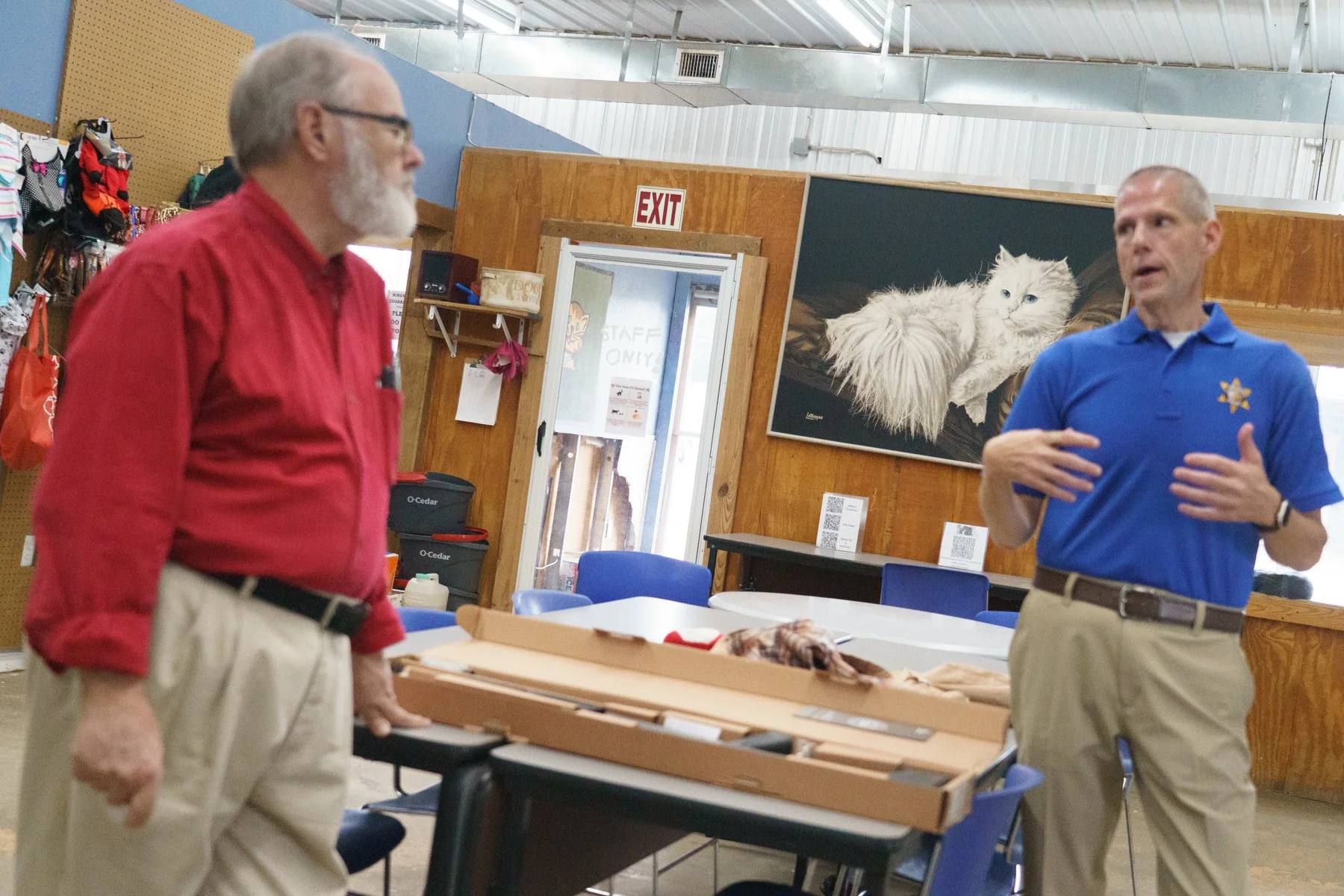
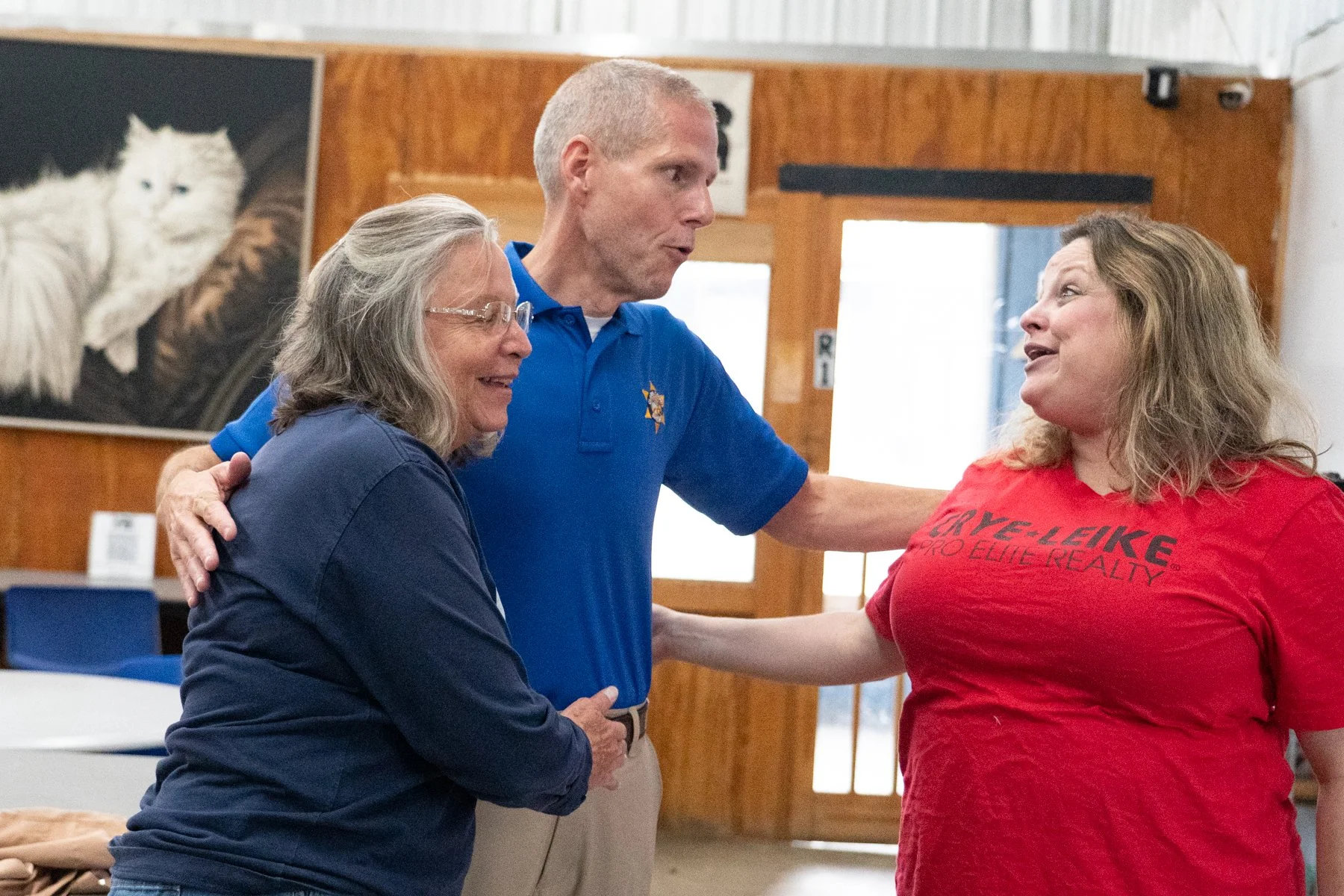
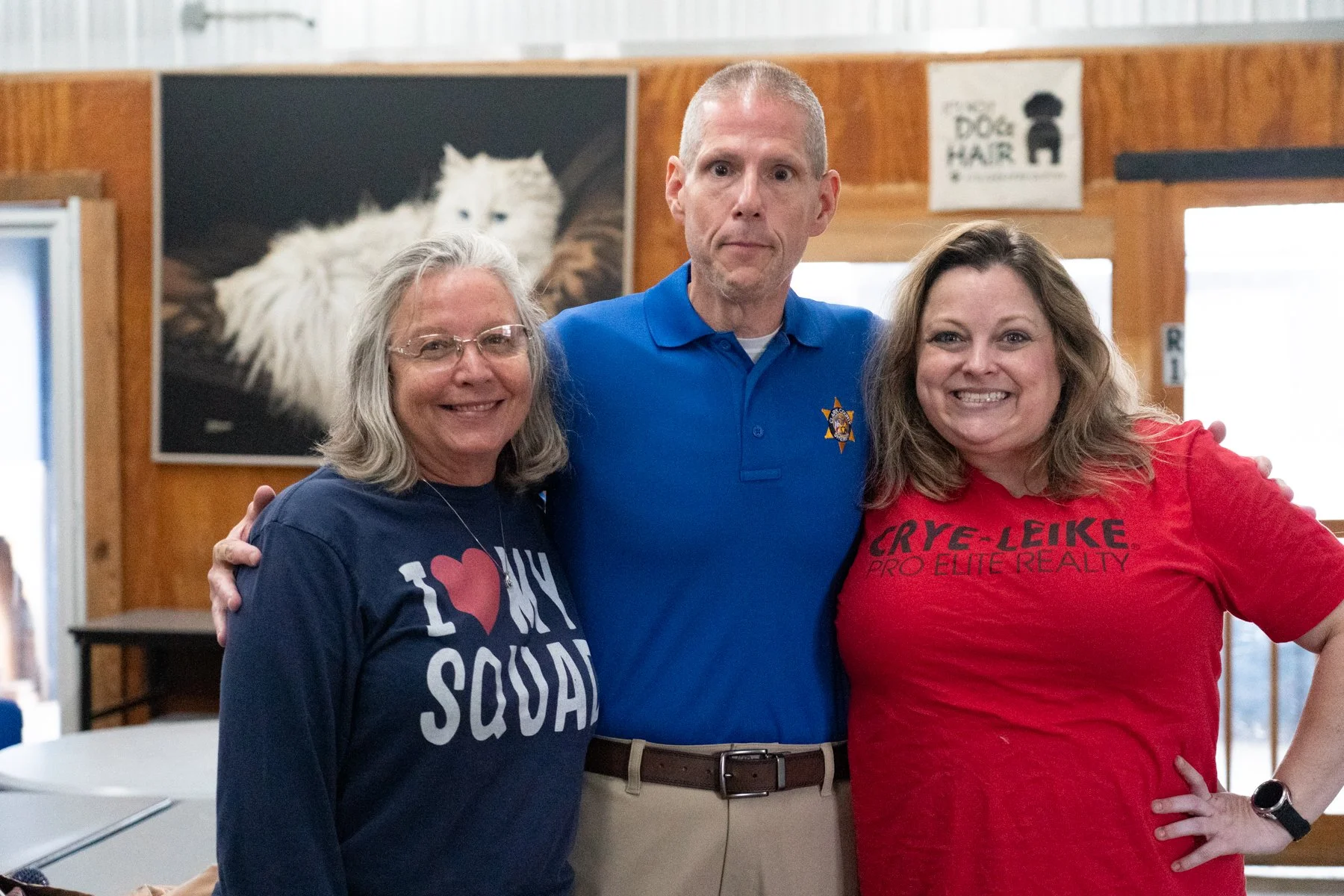
The sheriff and his deputies keep dog food in their cars so they can feed the strays. We met the sheriff when he stopped by the shelter while we were there. He had brought a new shotgun to donate to the shelter’s upcoming silent auction.
He told Les, the acting shelter manager (and board member) at the Humane Society of Clark County, Arkadelphia, that he was worried about a cat he’s been feeding who he hasn’t seen in three weeks. She was just one of the cats the sheriff has been feeding ever since their caretaker died and had no family to claim his body, let alone deal with the dozen or so cats dependent on him.
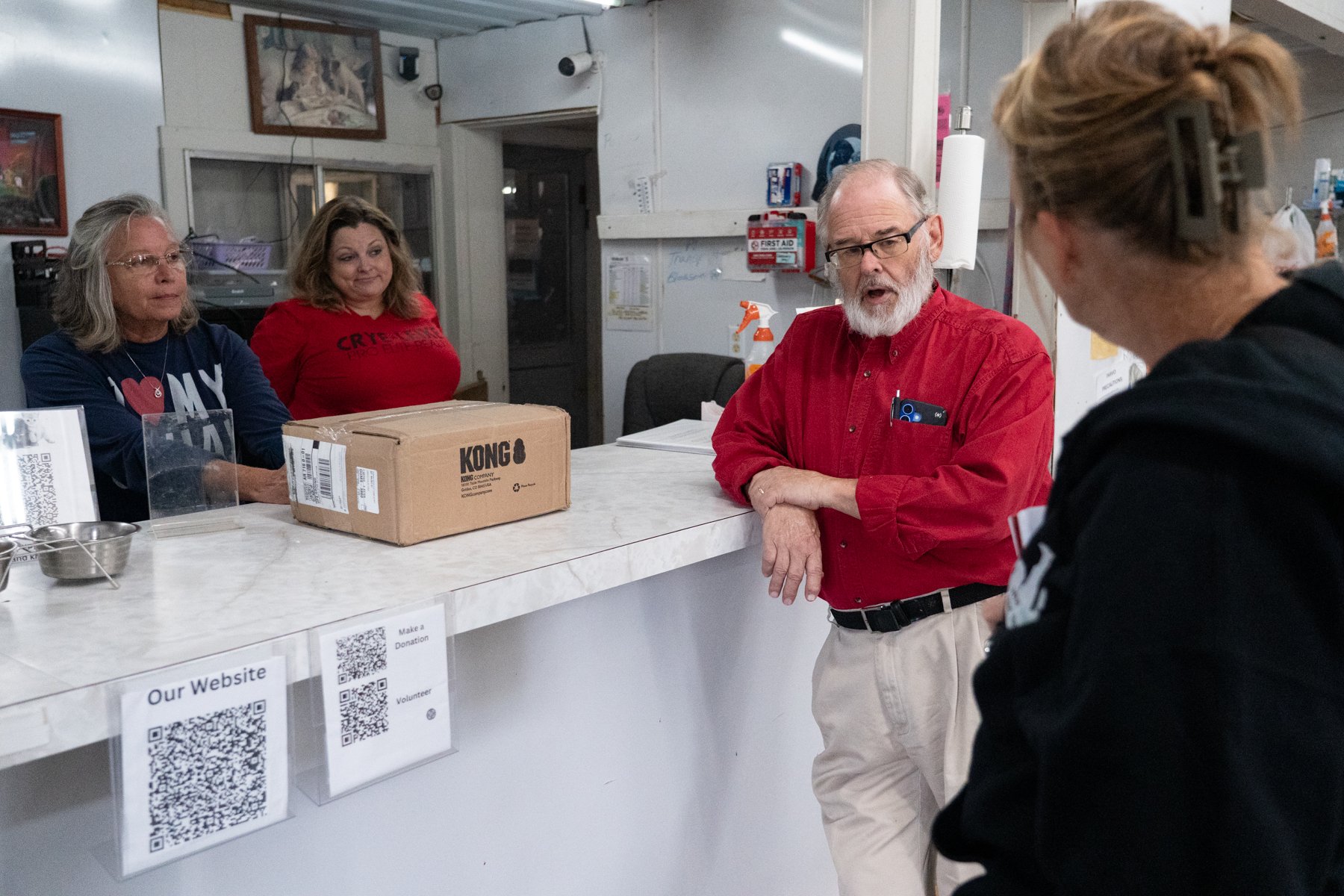
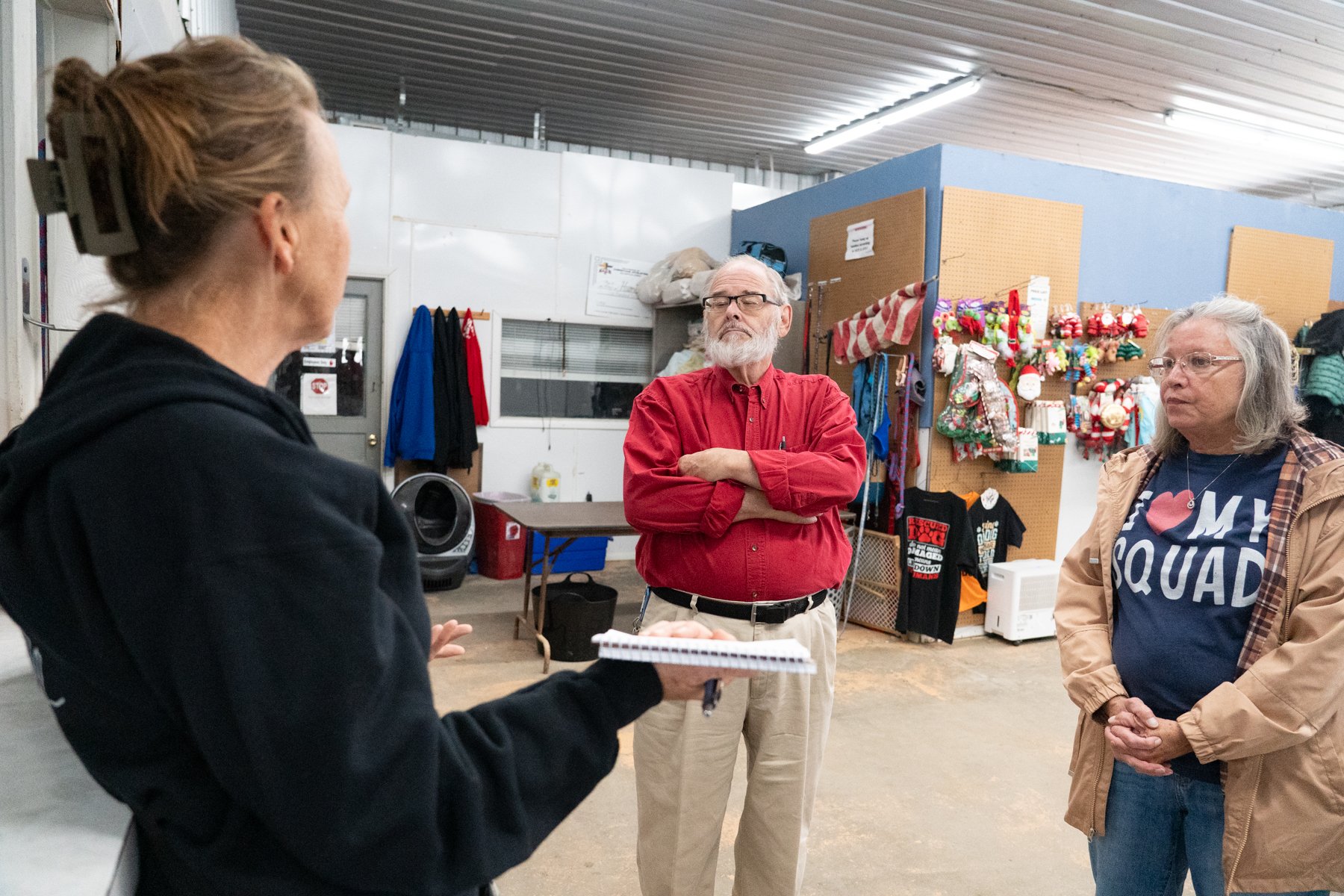
Les asked about Clark, a stray dog the sheriff had recently found. There was no room at the shelter (currently full with more than 80 dogs in a space that could more comfortably house 30), so Clark had been living at the jail. The sheriff said Clark was doing well and having a positive impact on the inmates. Clark ran off the other day, and while they searched for him to no avail, he came back later in the day.
The Humane Society of Clark County in Arkadelphia, Arkansas, is a nonprofit shelter that has been around since 1989. They’ve been in their current downtown location since 2005.
The worn-out building has flooded twice, most recently this April 2025. When the water rose above the dogs’ heads in the outdoor kennels and then knee deep inside the shelter, board members, law enforcement, the fire department, and other concerned locals helped to evacuate them to higher ground. The shelter’s video cameras showed dogs swimming around the building and people wading through the waist-high water to help.
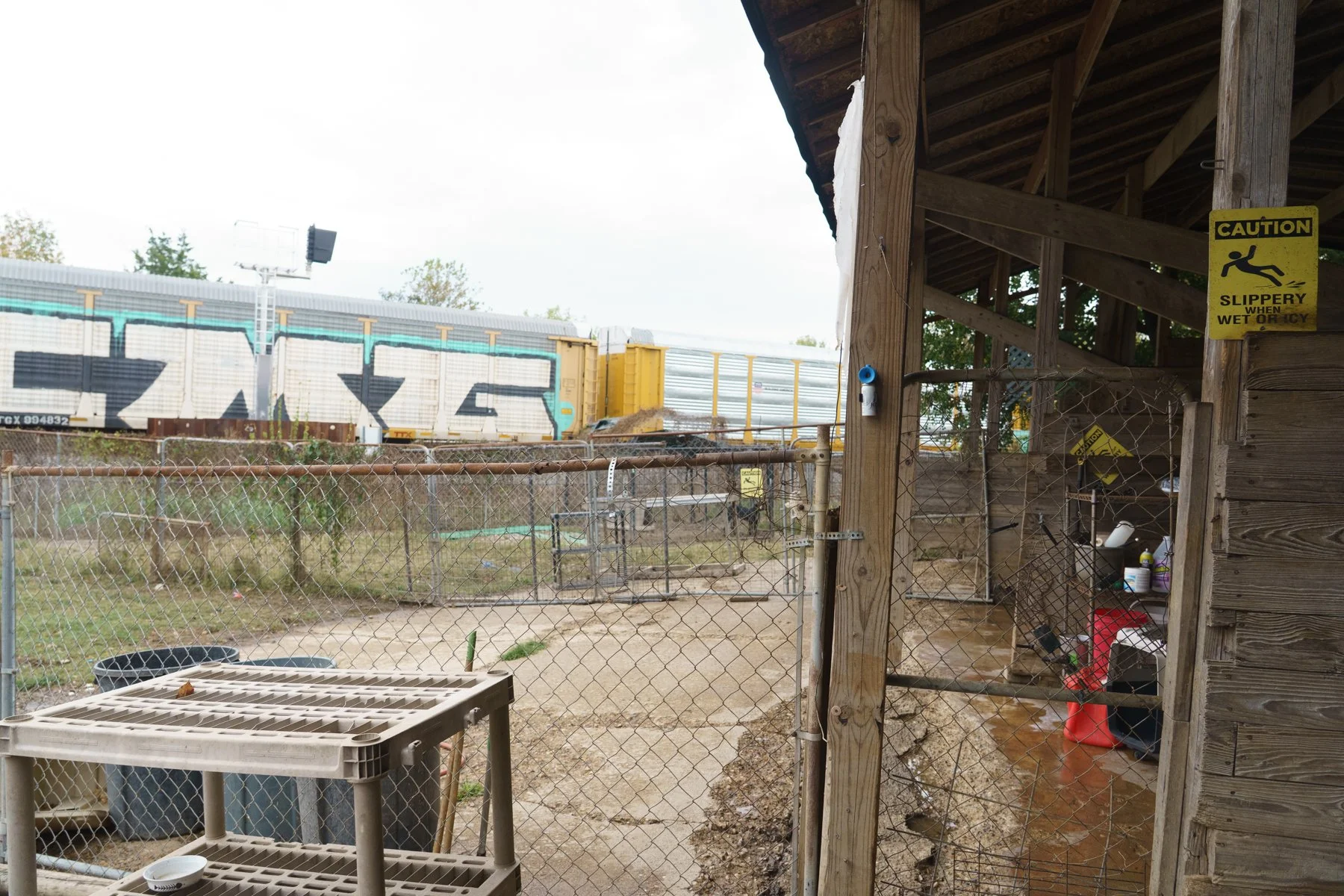
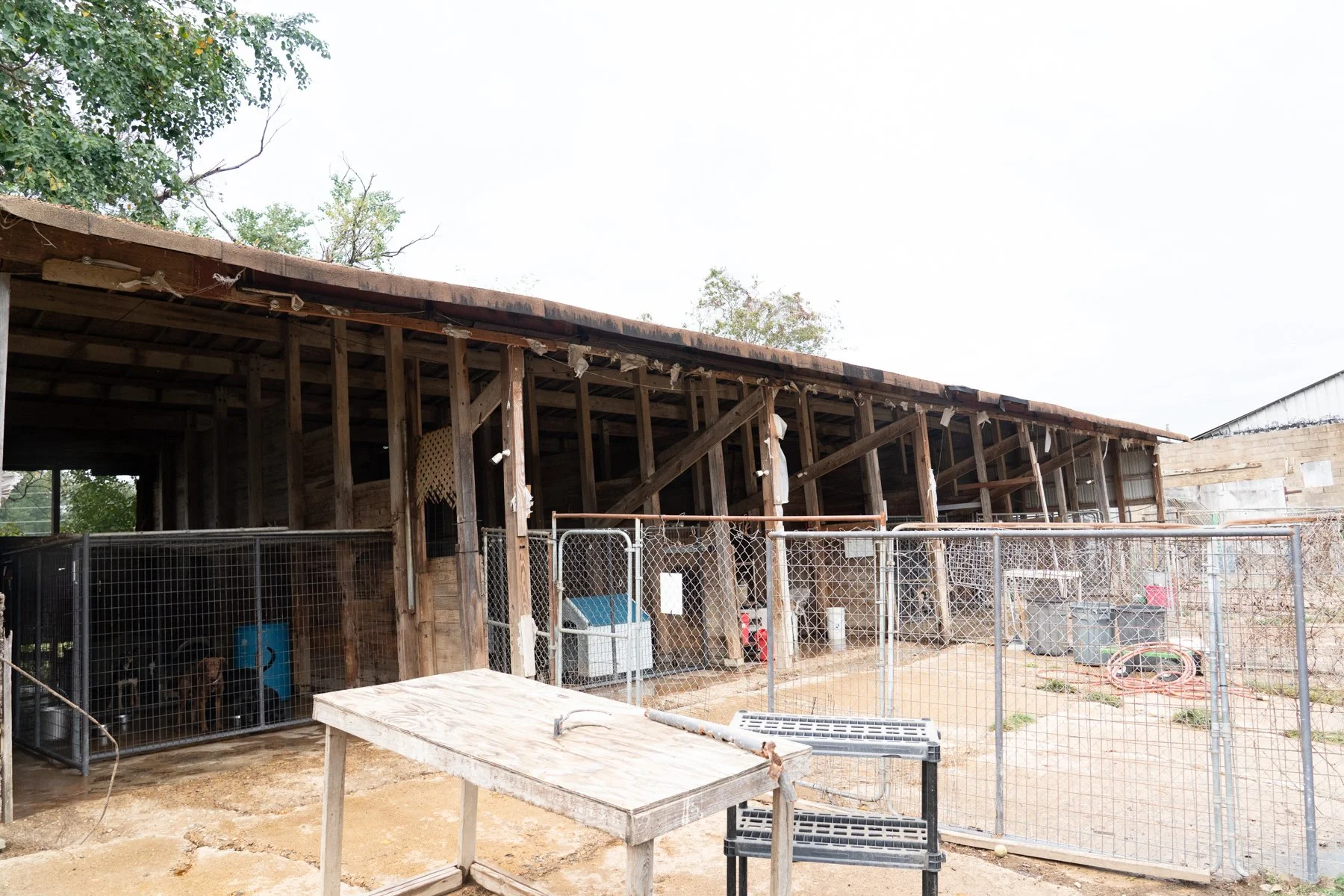
The building has since been dried out, but an out-of-state foundation recently adopted the shelter as its cause and has offered to donate 250K towards a new building if the citizens can raise the same amount. While fundraising is going well, the hold up is that they’ve been unable to find any land outside of the flood plain. They’ve approached a few landowners, but so far, no one is willing to donate or sell them the handful of acres they need. Despite sharing their need regularly in the local news, so far they’ve come up empty.
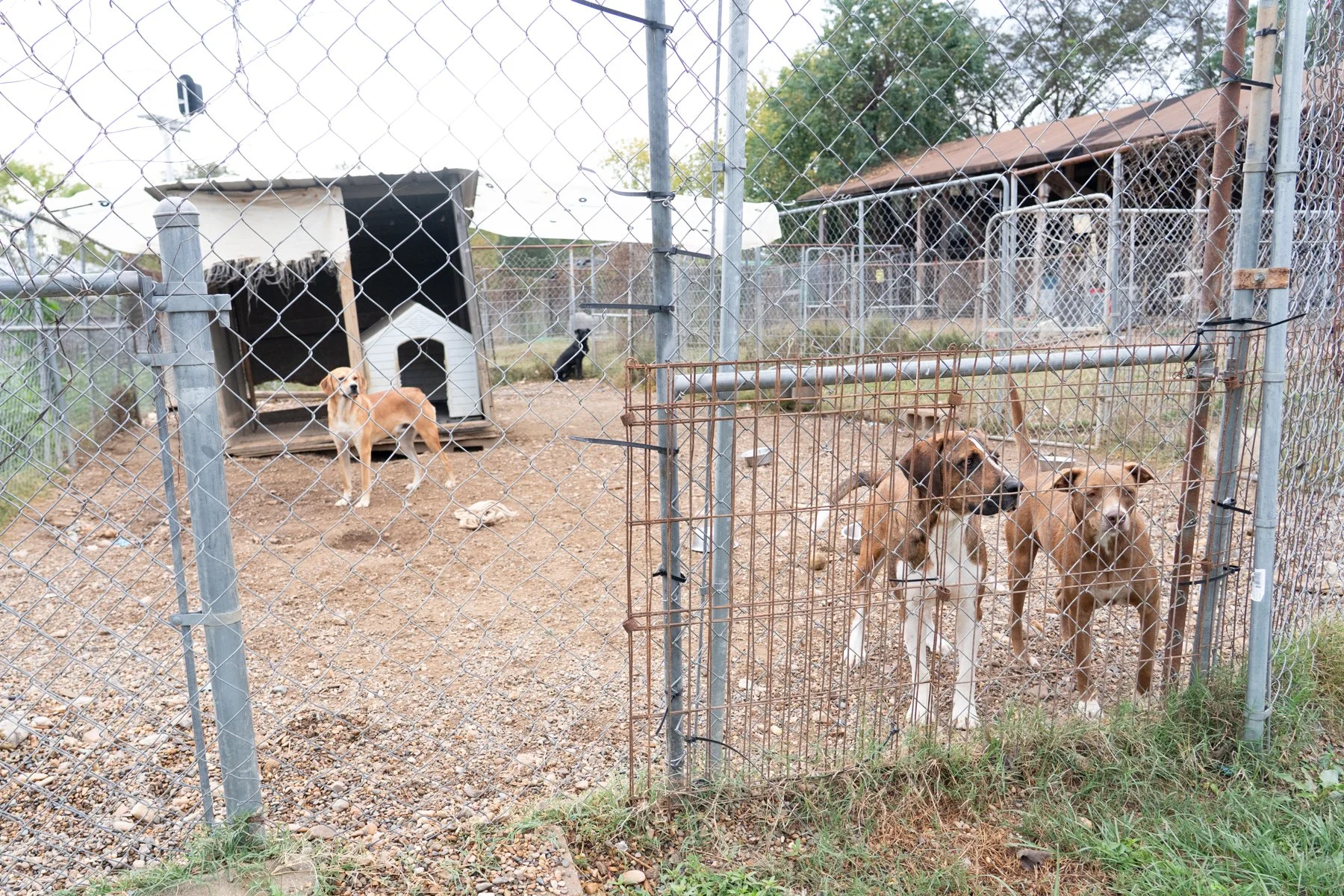
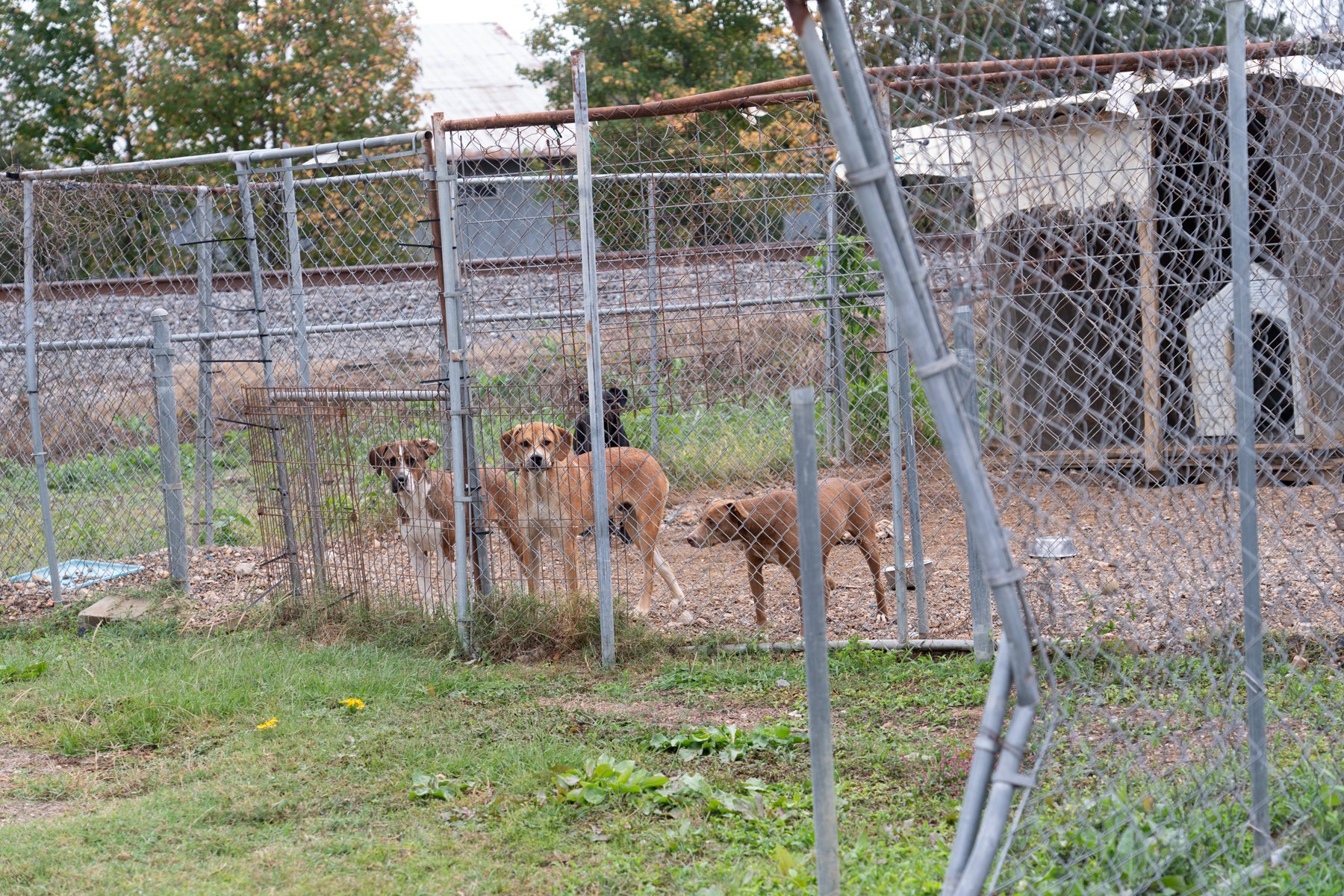
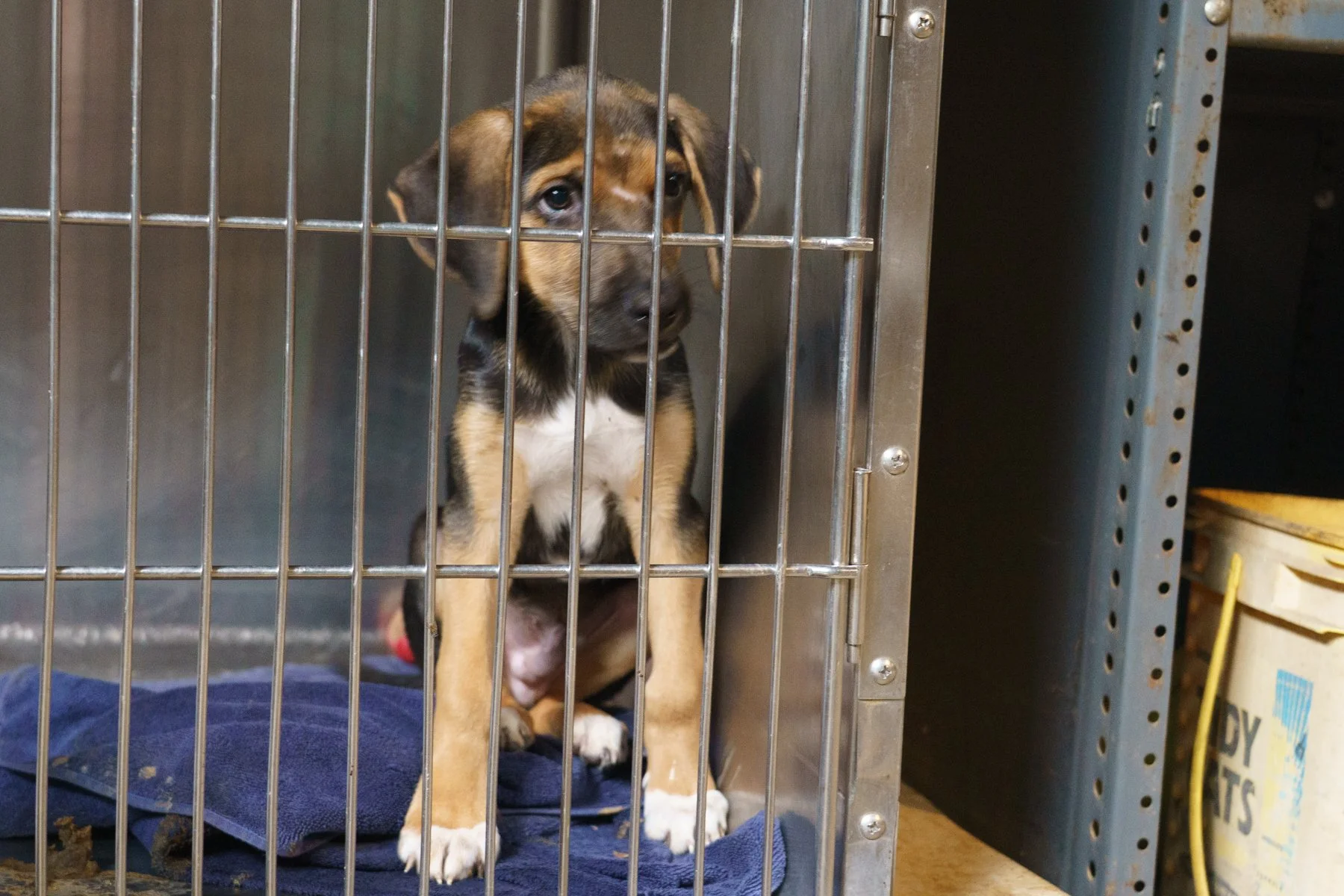
We visited in October 2025. All the dogs except three (puppies) were housed in large outside kennels that each housed two to six dogs. The dogs definitely run to a type: forty to sixty pounds with pointy noses and long legs. They come in every color imaginable. There was a small pack of low-rider dogs, a couple large hounds, one red husky, and, surprisingly, very few pitbulls.
Some of these dogs grew up here, coming in as puppies. A few had been there for 4 years, but most stay at least a few months to several years. The shelter has one rescue partner in Connecticut, but they (like a lot of rescues) have been pulling fewer and fewer dogs.
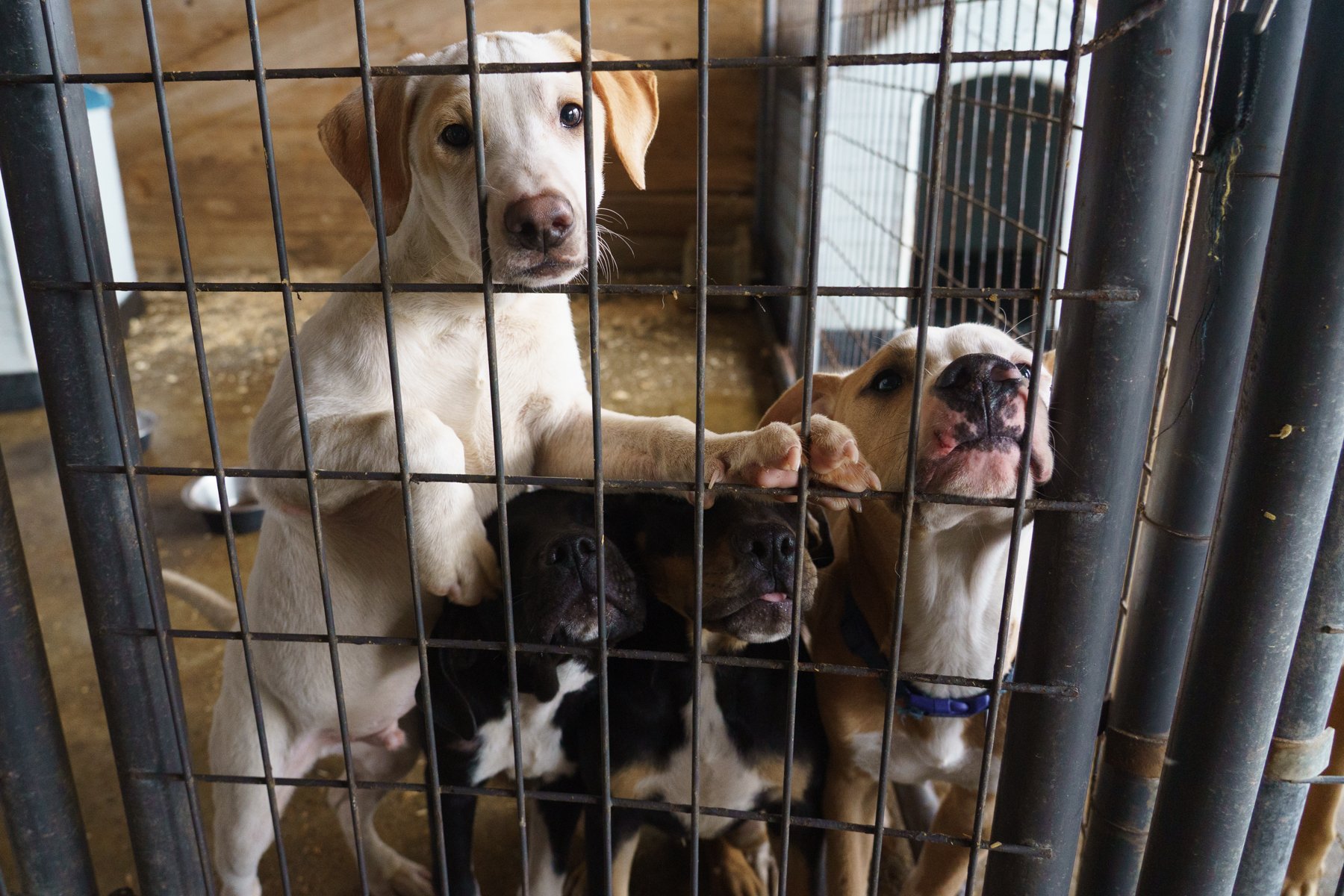
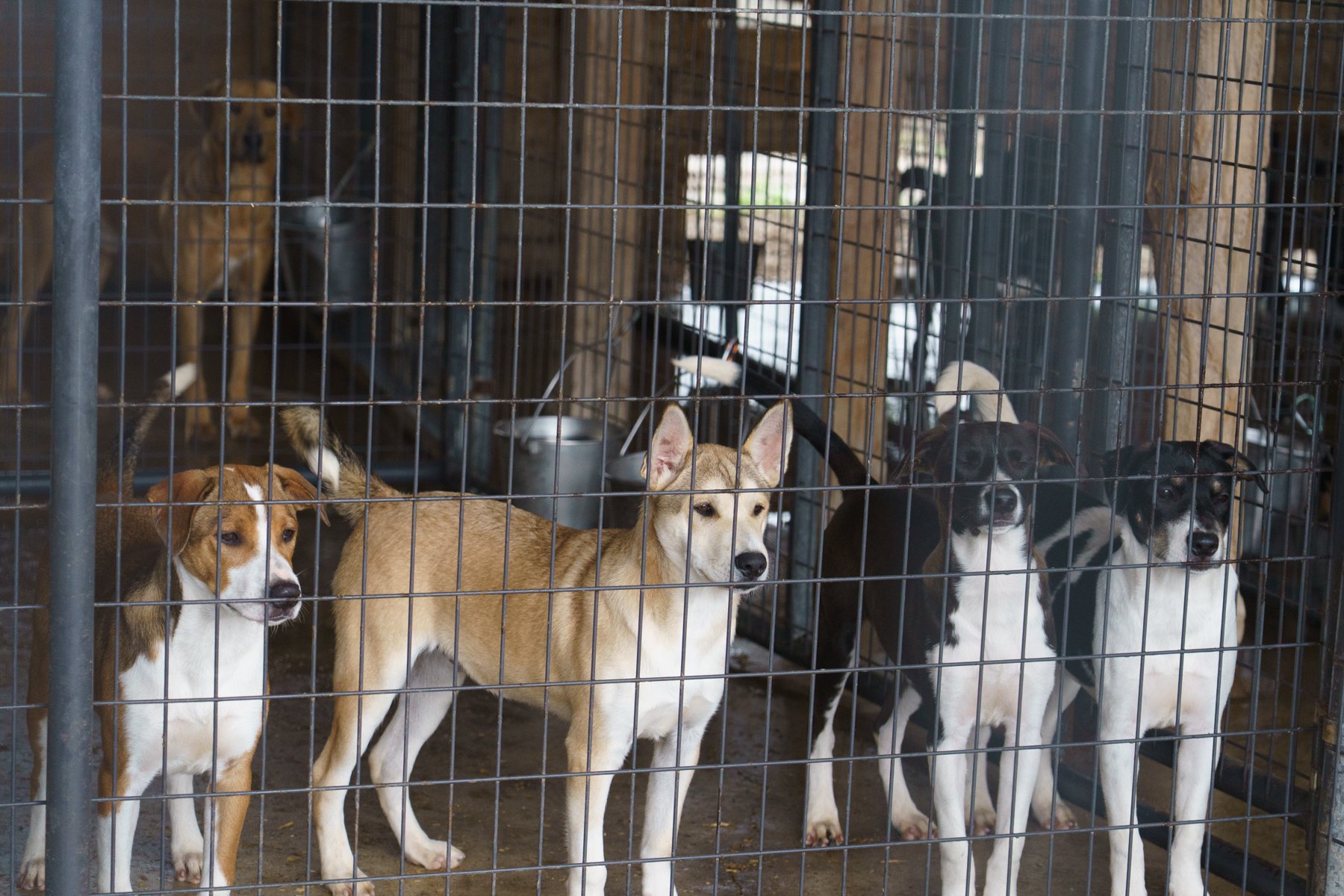
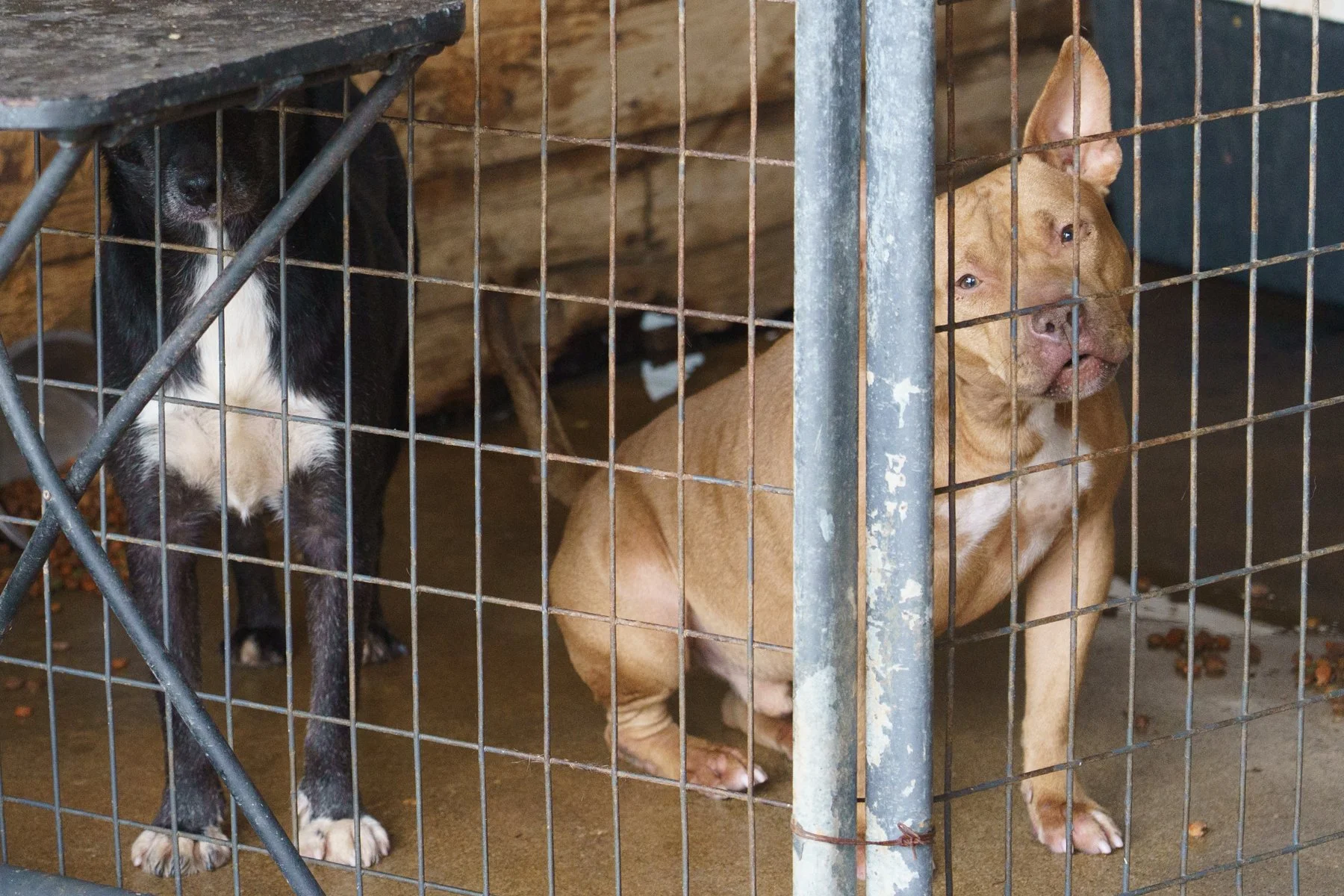
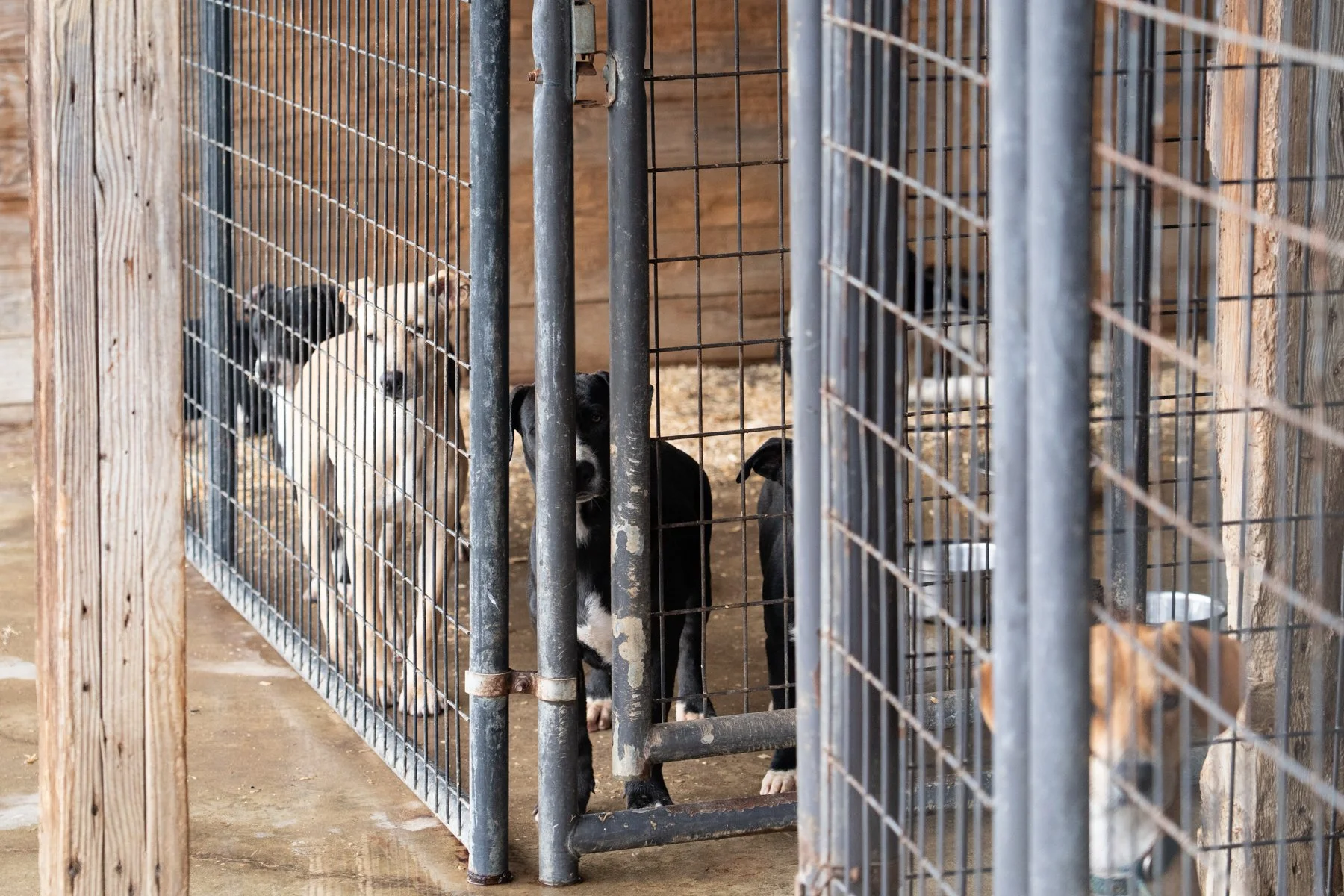
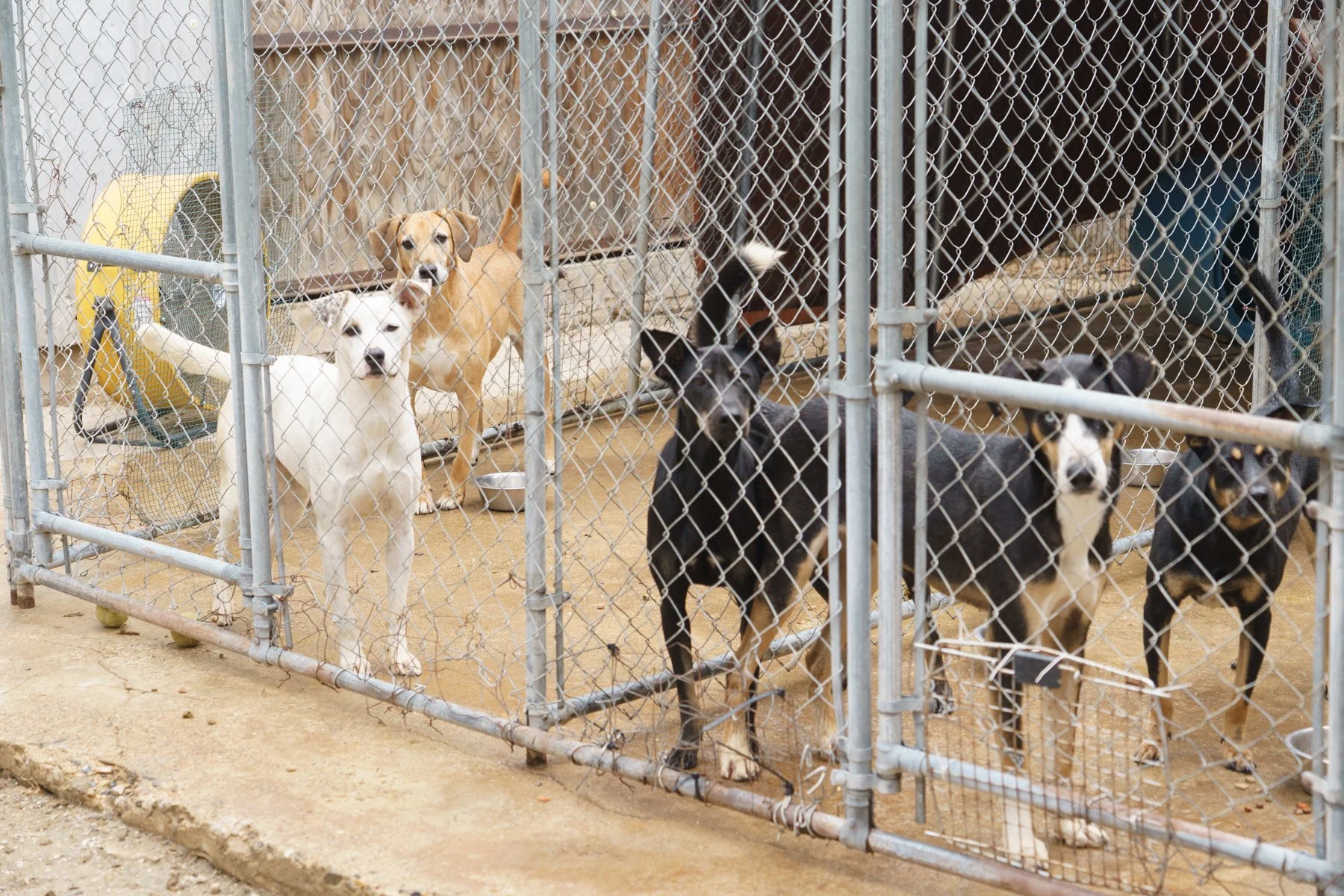
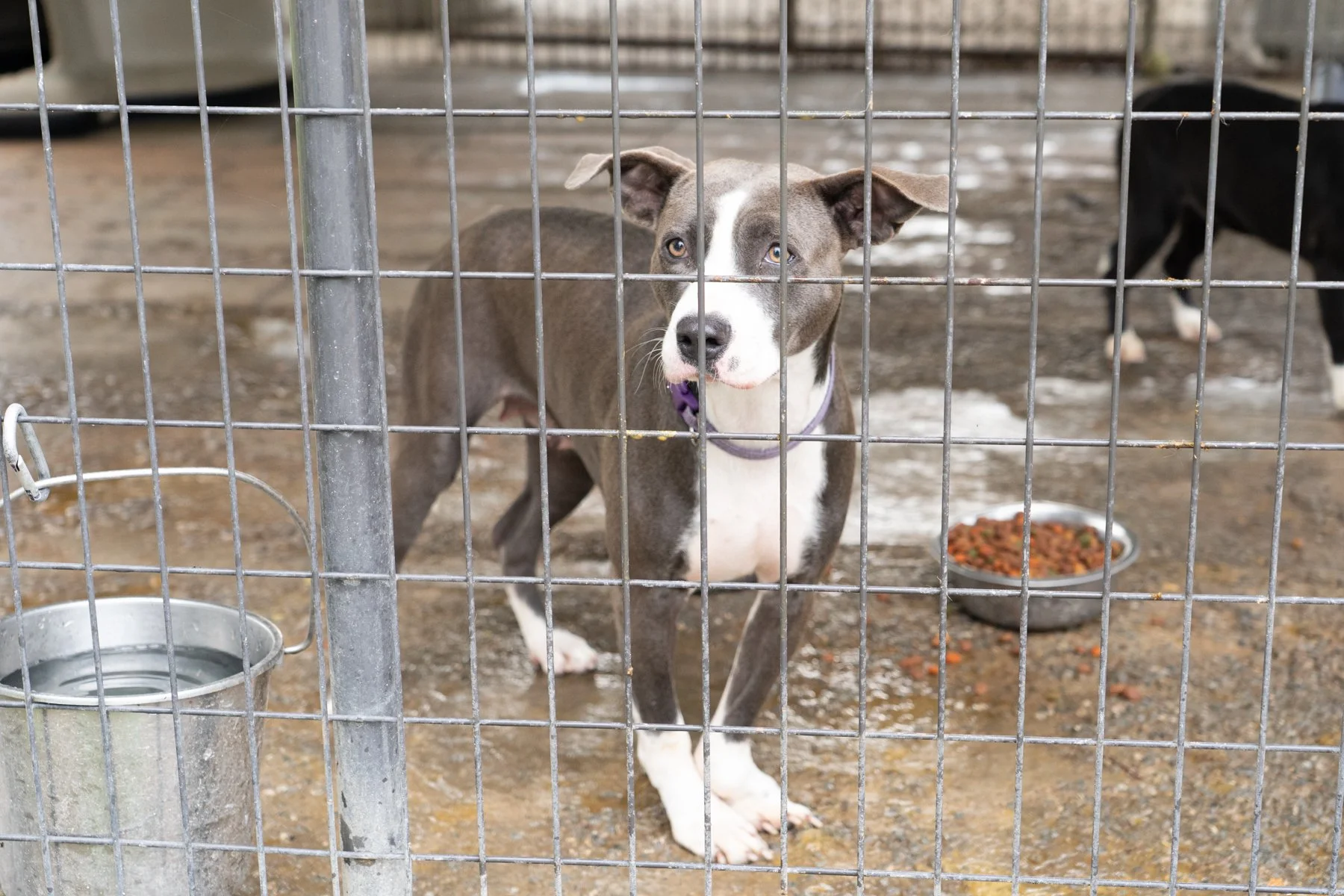
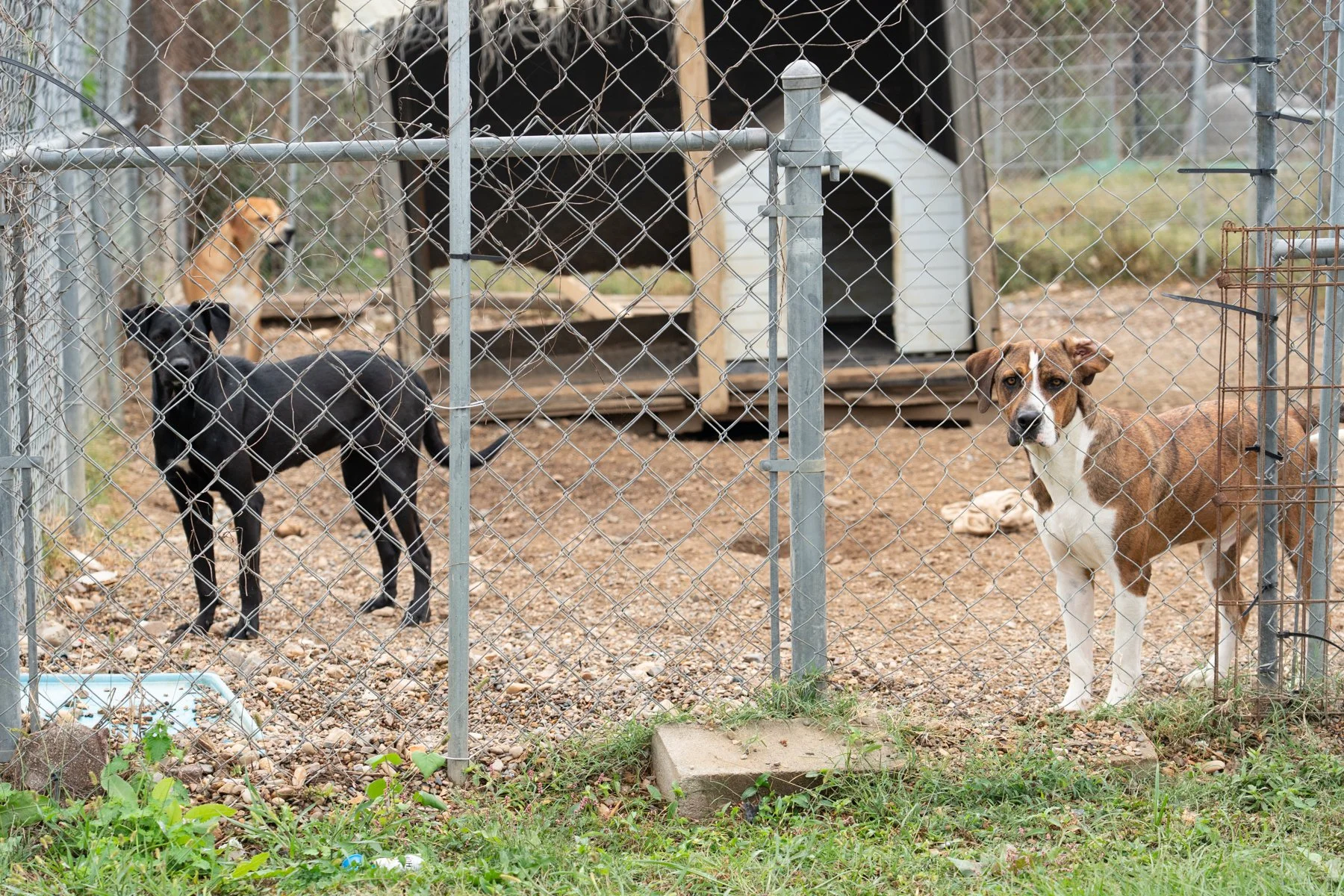
While the dogs’ accommodations are tough in the hot or cold spells and storms, the dogs look healthy, and almost all of them came to the front of their kennels for attention and treats. In some ways, they have it better than many shelter dogs who have only a small indoor space and live on concrete all alone.
Is it ideal? No. But with no real public shelter (only a small dog pound/dog catcher situation in the town of Arkadelphia), it is the best they can do. Arkansas has an odd practice of only funding municipal shelters in the ‘cities’ and not in the counties. They depend on nonprofit shelters, like the Humane Society, to fill that gap.
HSCC is funded by grants, donations, and fundraising. They do not adopt out dogs unaltered, have all their dogs on heartworm preventative, and vaccinate appropriately. At the time of our visit, they had adopted out 49 dogs and 172 cats that year. They field regular calls about strays, but do not go out to catch them because they have no room.
They are committed to not euthanizing for anything except extreme medical situations, but that creates a catch-22. They can’t bring dogs in because they are overfull, but leaving them to roam will only lead to the dogs multiplying, thus compounding the problem. It’s a familiar scenario all over the South. And it’s another reason why dog overpopulation is only growing worse.
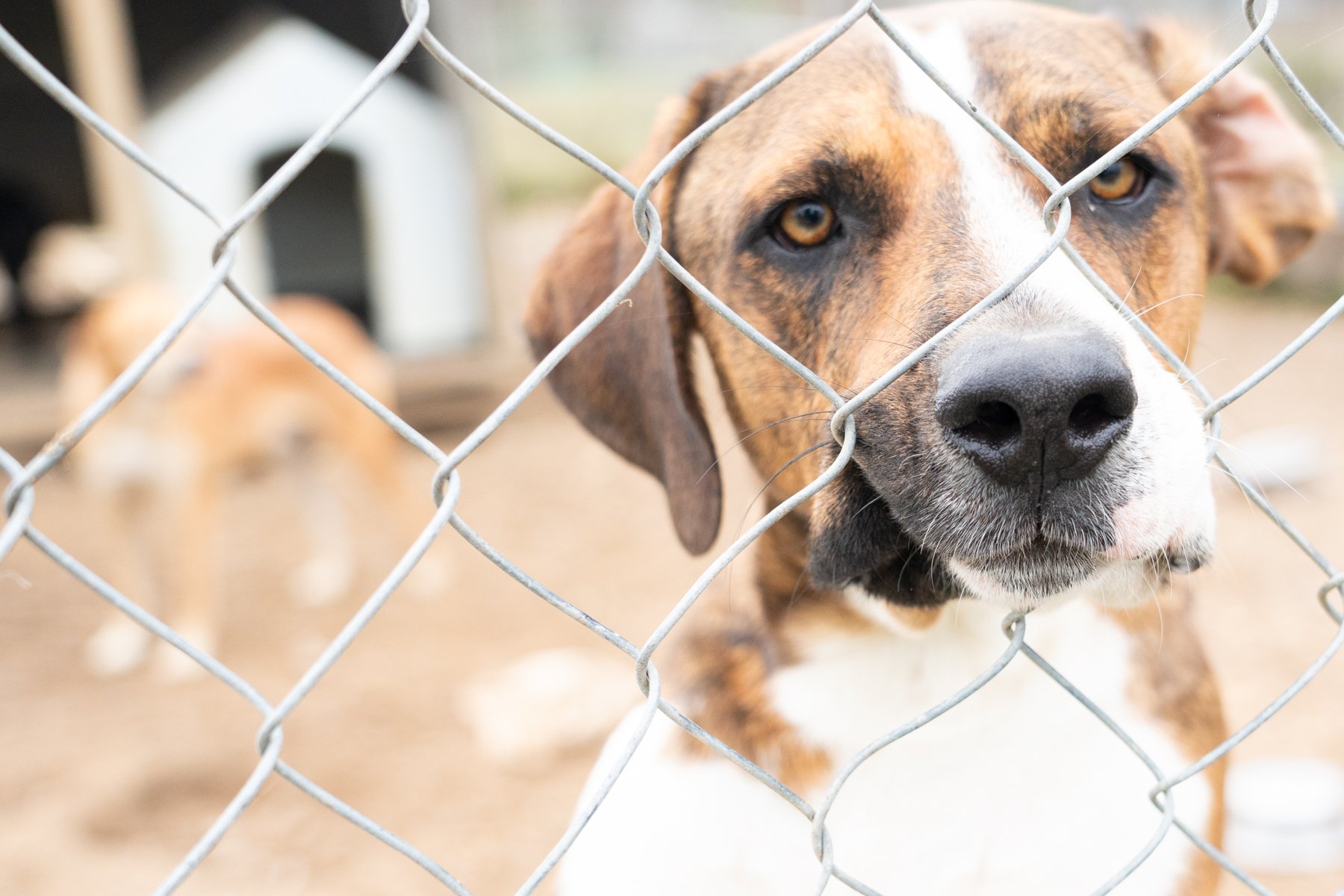
Still, dogs do find their way in. Several times this year, they were up to 100 dogs. Tinman is a puppy that someone tossed into their tin can collection bin in the parking lot a week ago. The person left the puppy and, inexplicably, a bottle of wiper fluid. Tinman tested positive for parvo, but he was so far not symptomatic.
While we were visiting, two students from one of the local colleges stopped by to pick up a cat to foster. An older woman also stopped in. She had lived in Arkadelphia all her life but never been to the shelter. She and her husband recently lost their bichon, and she was curious to learn about rescuing a dog, even though her husband wanted to buy a dog.
Another dog exchange took place in the parking lot: someone wanting to surrender a chihuahua handed it off to someone looking to adopt one (it was arranged by Janie, the shelter's part-time vet assistant).
Les is the acting director (for no pay), running the show ever since a series of unfortunate events. First, the previous director quit suddenly, and they learned the dogs hadn’t been getting preventatives. 20 tested positive for heartworm (they were being treated).
Then the shelter had a parvo outbreak, followed by the flood. Despite all that, there was a good energy – all the staff, board members, community members, and the sheriff clearly believe in the mission.
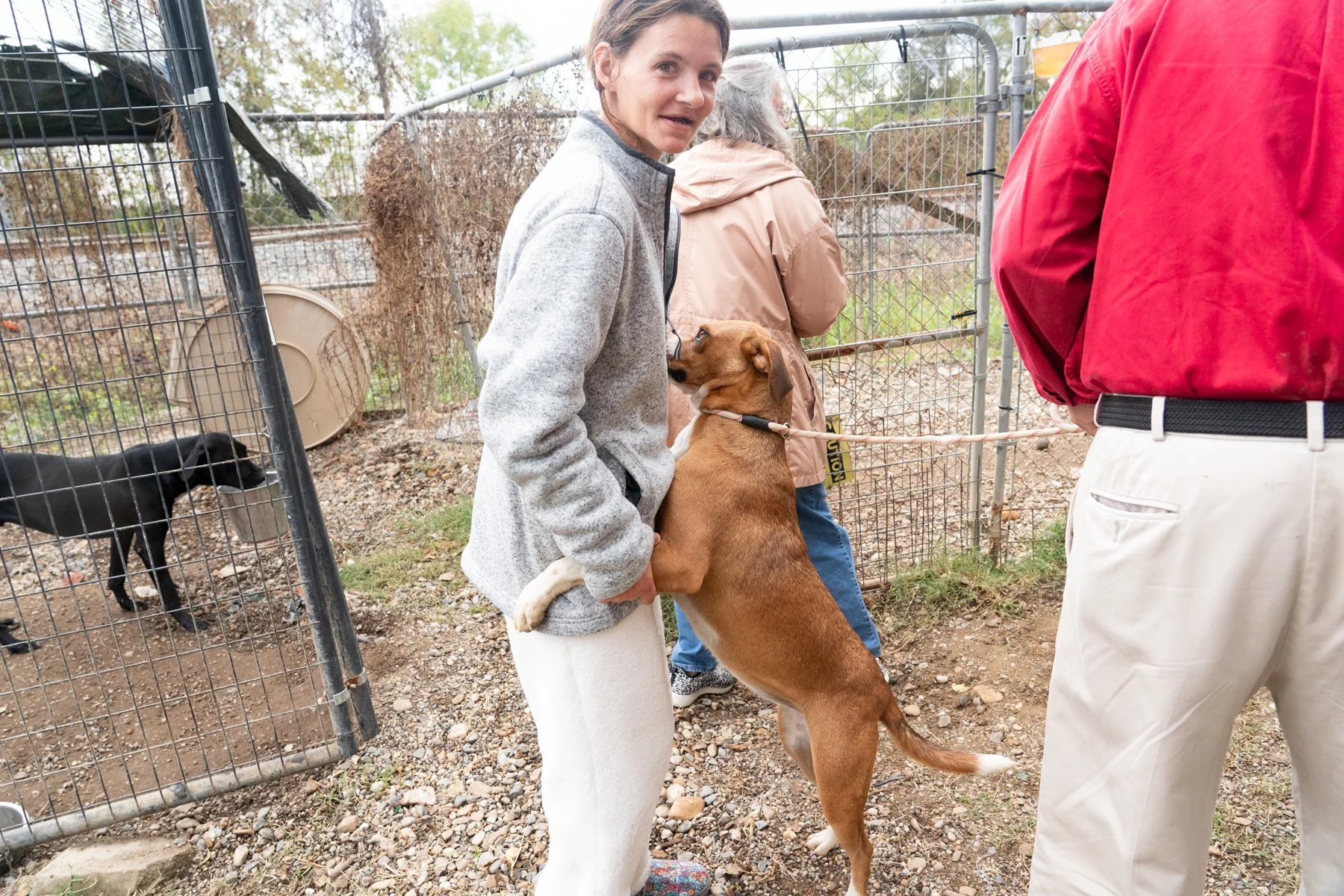
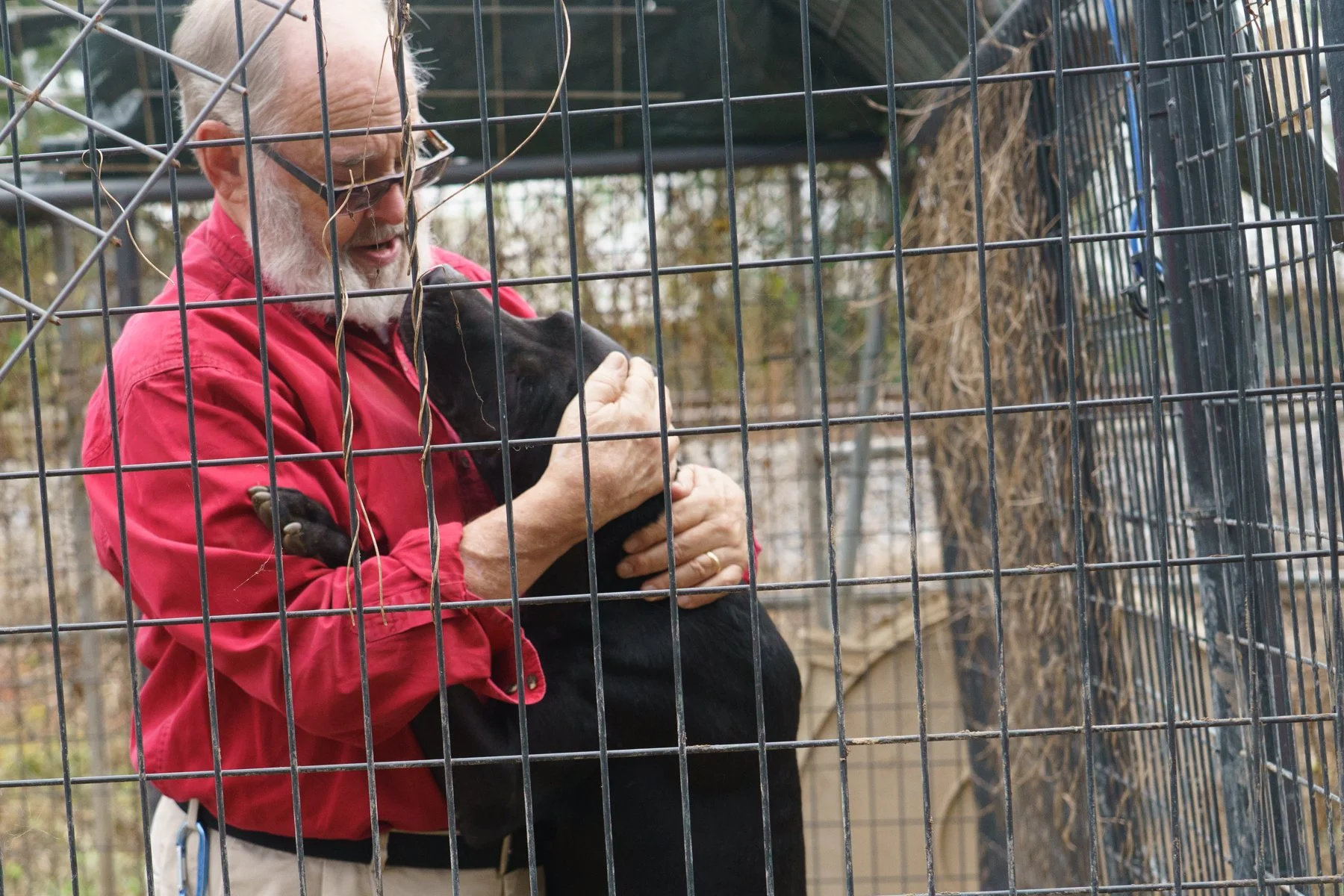
The shelter needs more volunteers, fosters, and rescue help, but the shelter's conditions make it hard for older people to help. The hodge-podge of kennels with patched fencing and very little shelter from the elements is not inviting for volunteers and likely overwhelming for would-be adopters.
A new building on higher ground could be a game-changer. There is so much goodwill here, and there is no doubt that this community would come together to make it happen if only they could find a place to build it.
Learn more and find out how you can help at www.HumaneSocietyofClarkCounty.com