

A Shelter by Design: The Power of Intentionality at Pasco County
“Pasco County Animal Services practices pro-active sheltering,” Gina, the Community Partnership and Programs manager, told me when we arrived at the shelter north of Tampa Bay, Florida. Like so much at this shelter, those are intentional words.
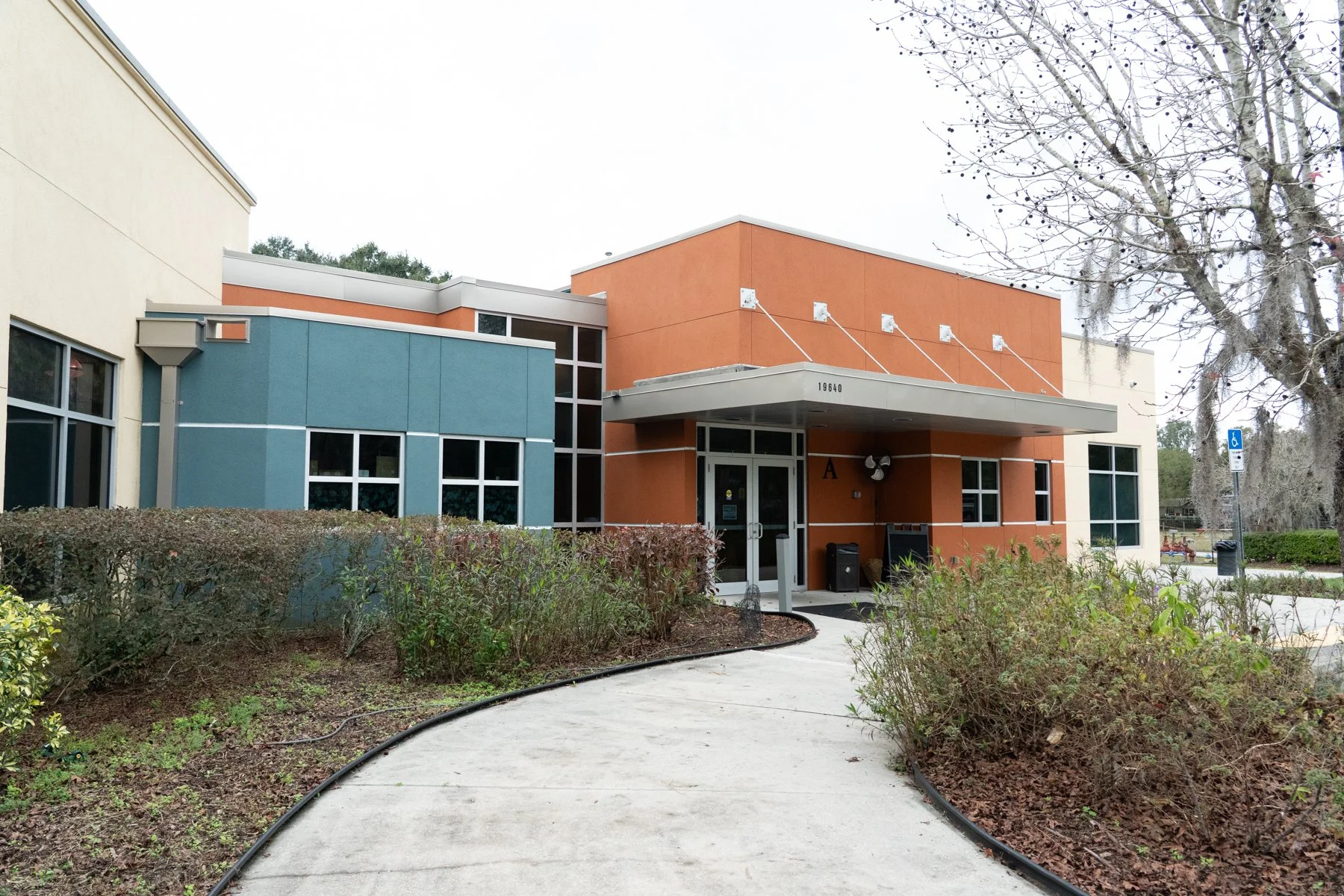
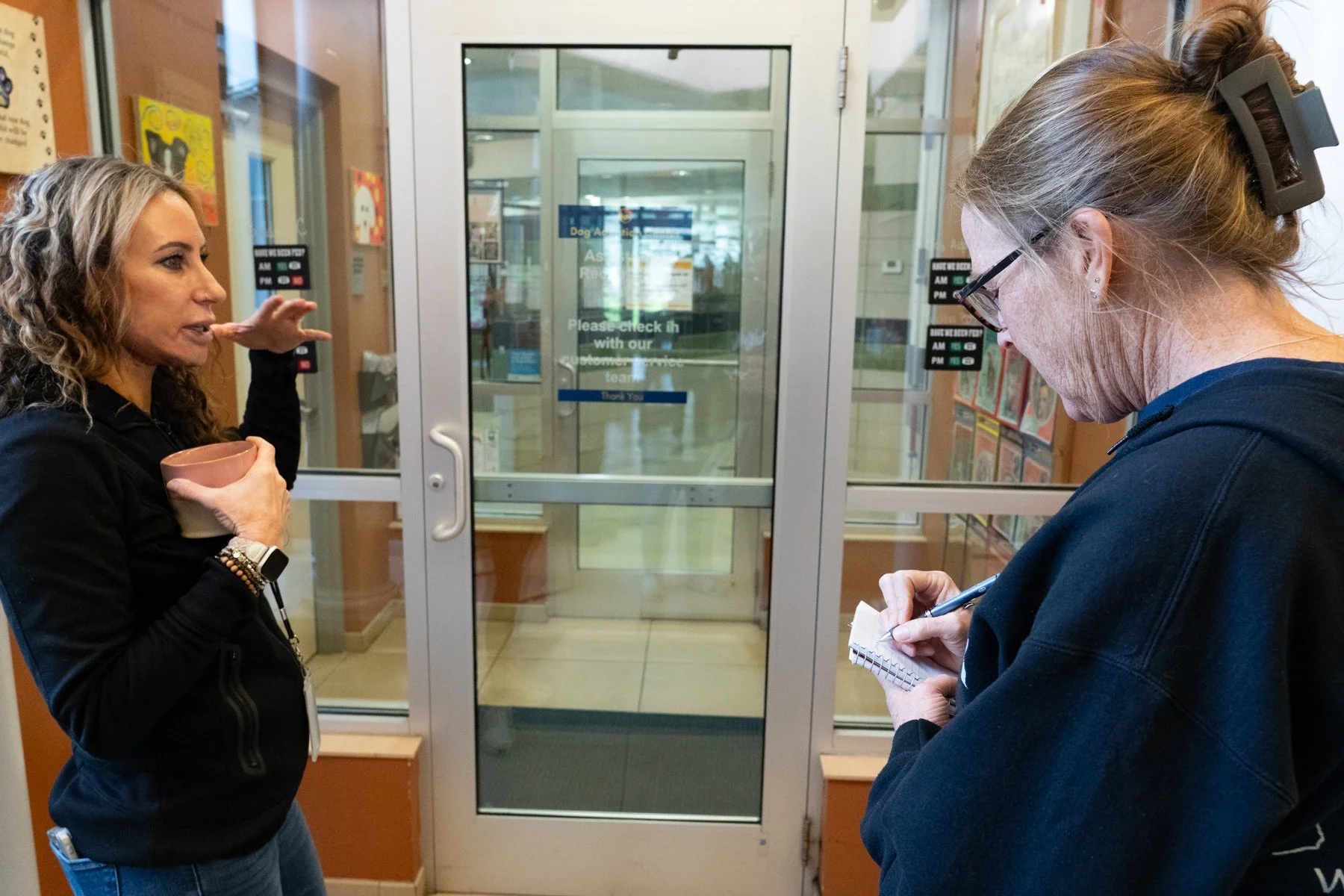
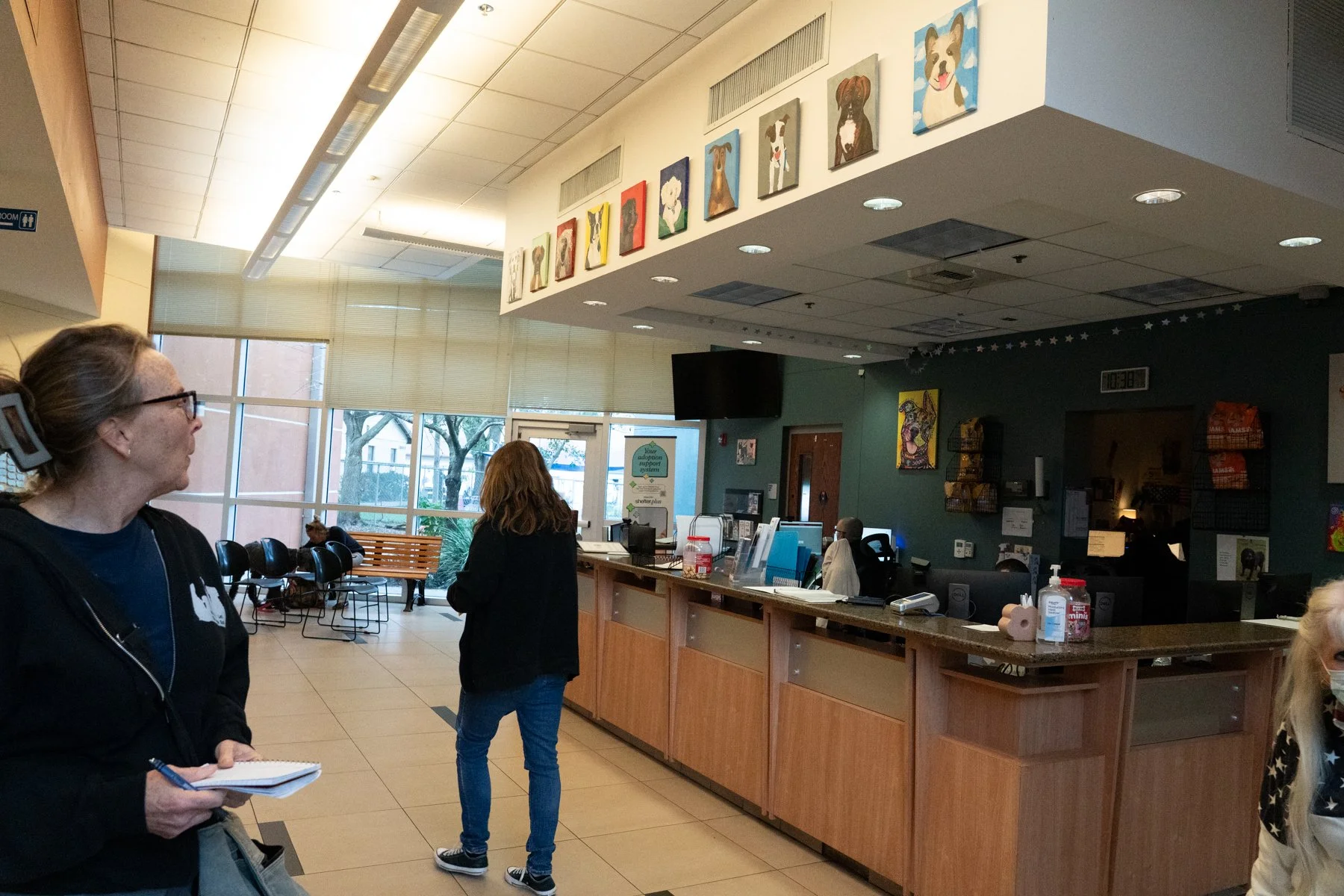
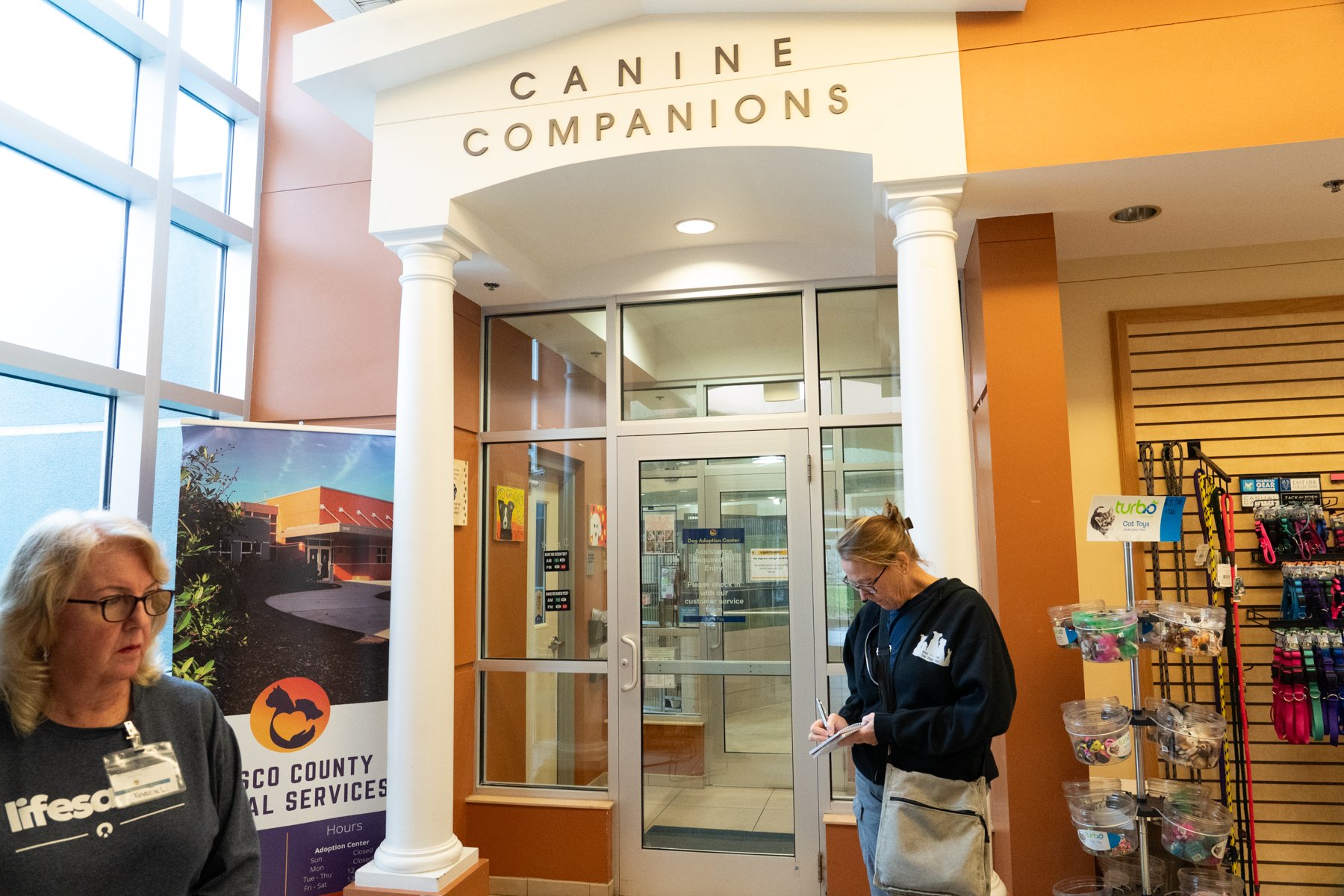
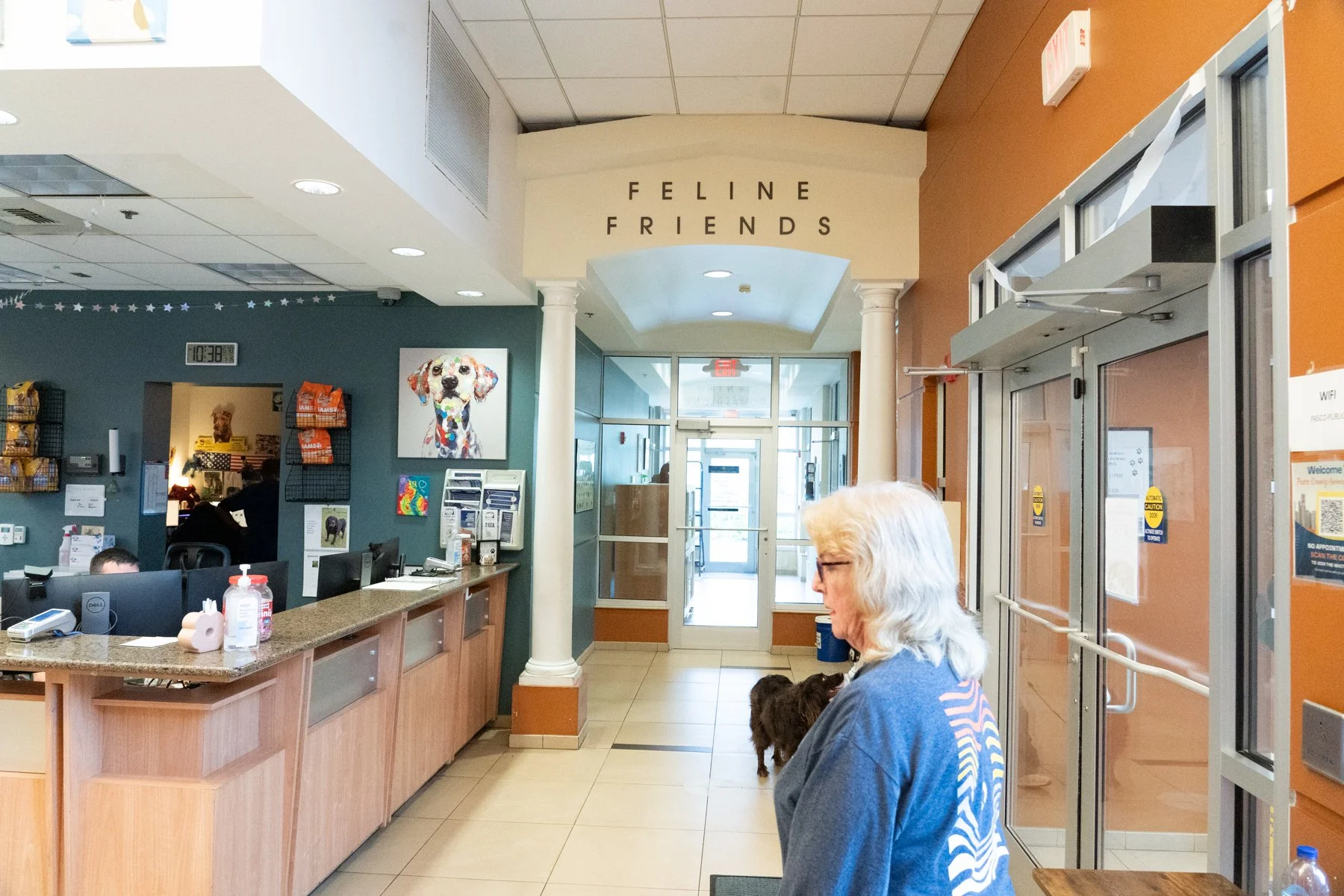
Gina has worked at the shelter since 2015, when she started there as a vet tech. She is smart, compassionate, inspiring, and quite obviously loves the animals. Listening to her talk about the programs and policies at the shelter is impressive, but when she talks about the people, it’s clear where her heart is.
The shelter’s operations and its 54 staff members all fall under the Department of Public Services. While this arrangement is all too rare in the sheltering world, it makes sense and could be why there is a pervasive atmosphere of service at PCAS.
The new director, Gary, had been on the job for just three weeks at the time of our visit in January 2026. I asked how it was going, and he raved about the professional, passionate staff he’d inherited. They are definitely that – we met dozens of them.
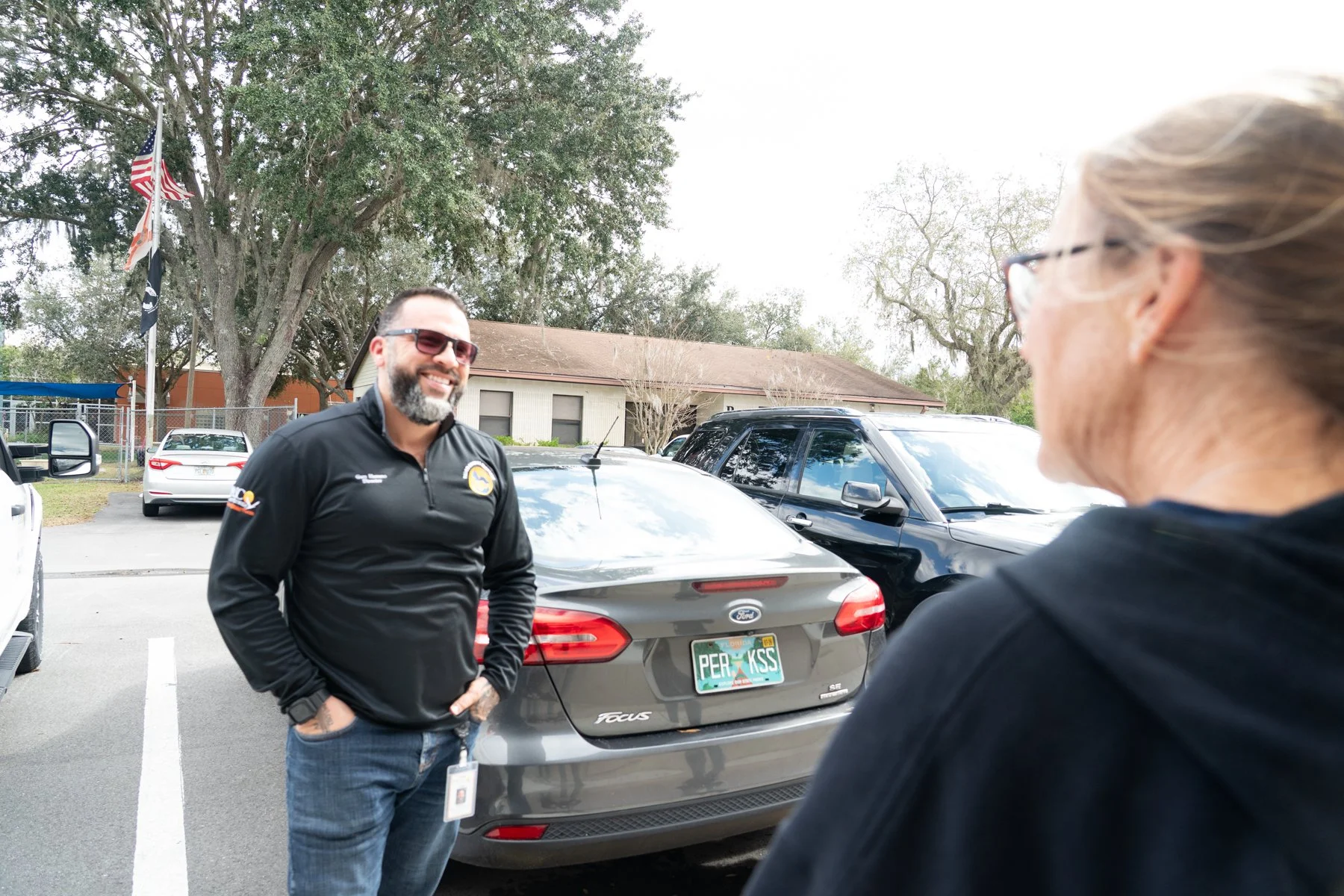
When we arrived in the morning, the shelter was bustling. Every Tuesday and Thursday, the shelter offers low-cost rabies and other core vaccines, microchips, heartworm testing, and more for any community members who make an appointment.
Being proactive means creating programs and practices that support and educate the community, so more animals don’t enter the shelter’s care.
PCAS has a food pantry anyone can access, and once a month they take food to the highest-need areas in the county. The shelter has switched its animals to Pedigree brand food because it is an affordable option for most people and provides adequate nutrition. That makes the transition home easier for adopters and helps them affordably maintain their animals.
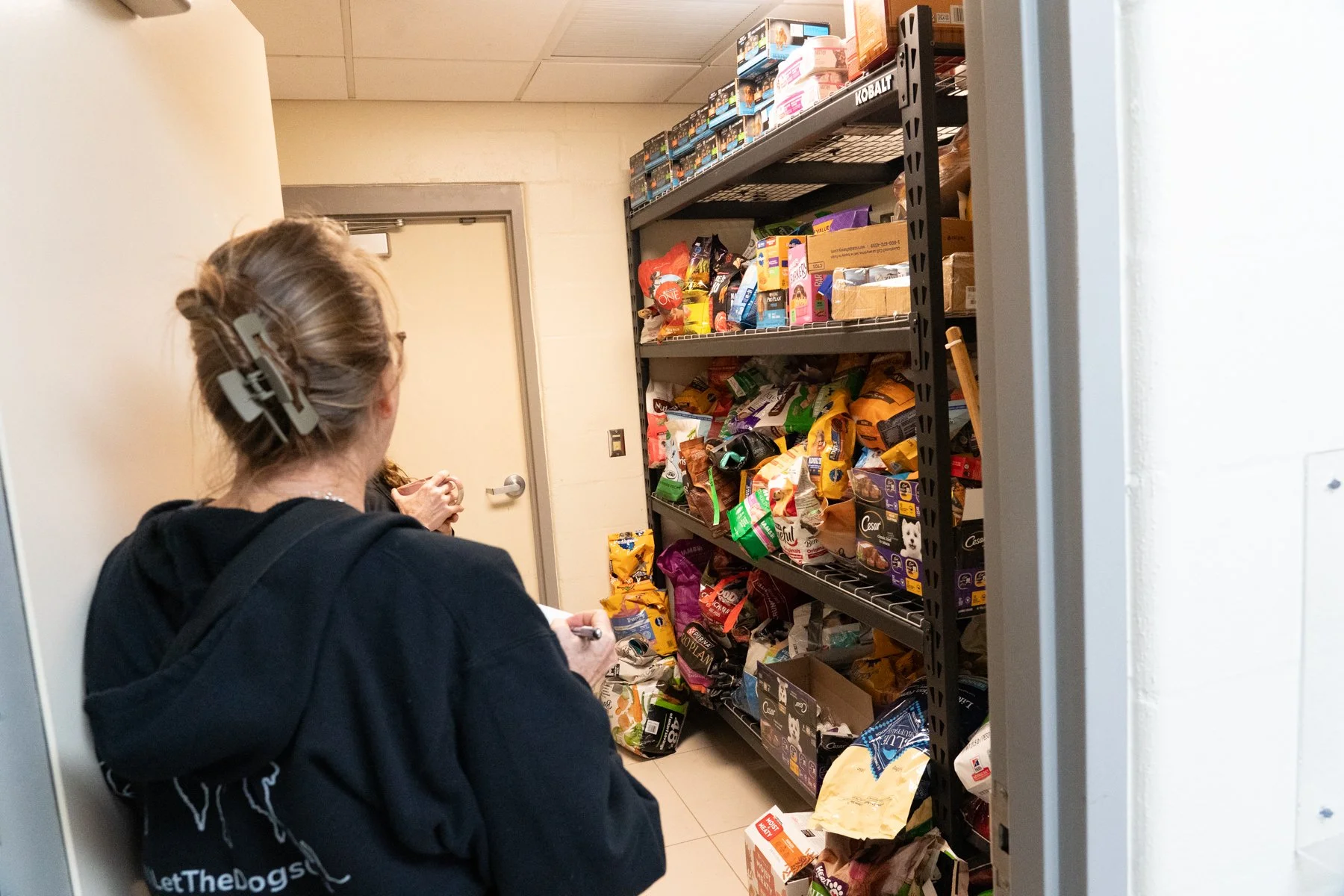
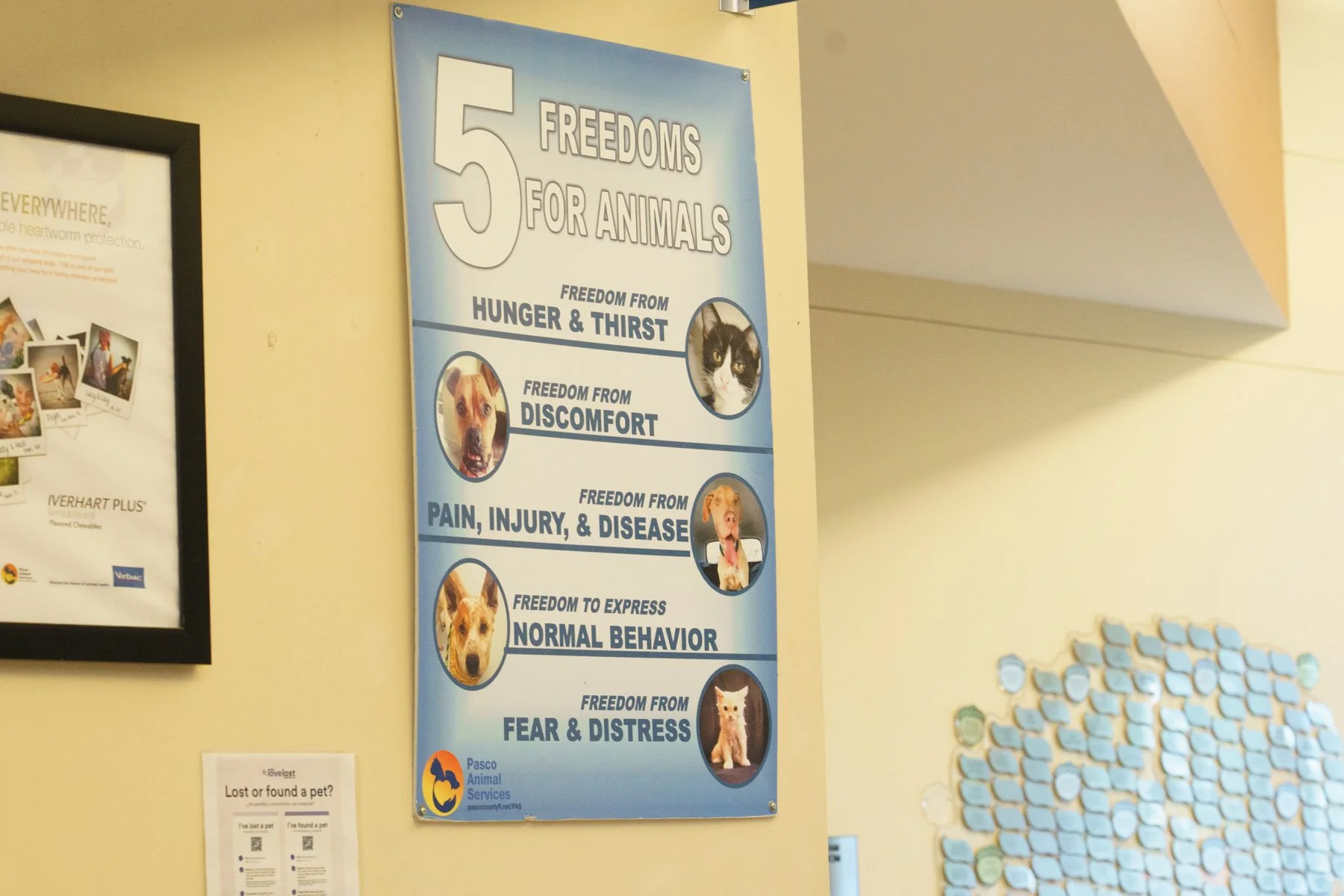
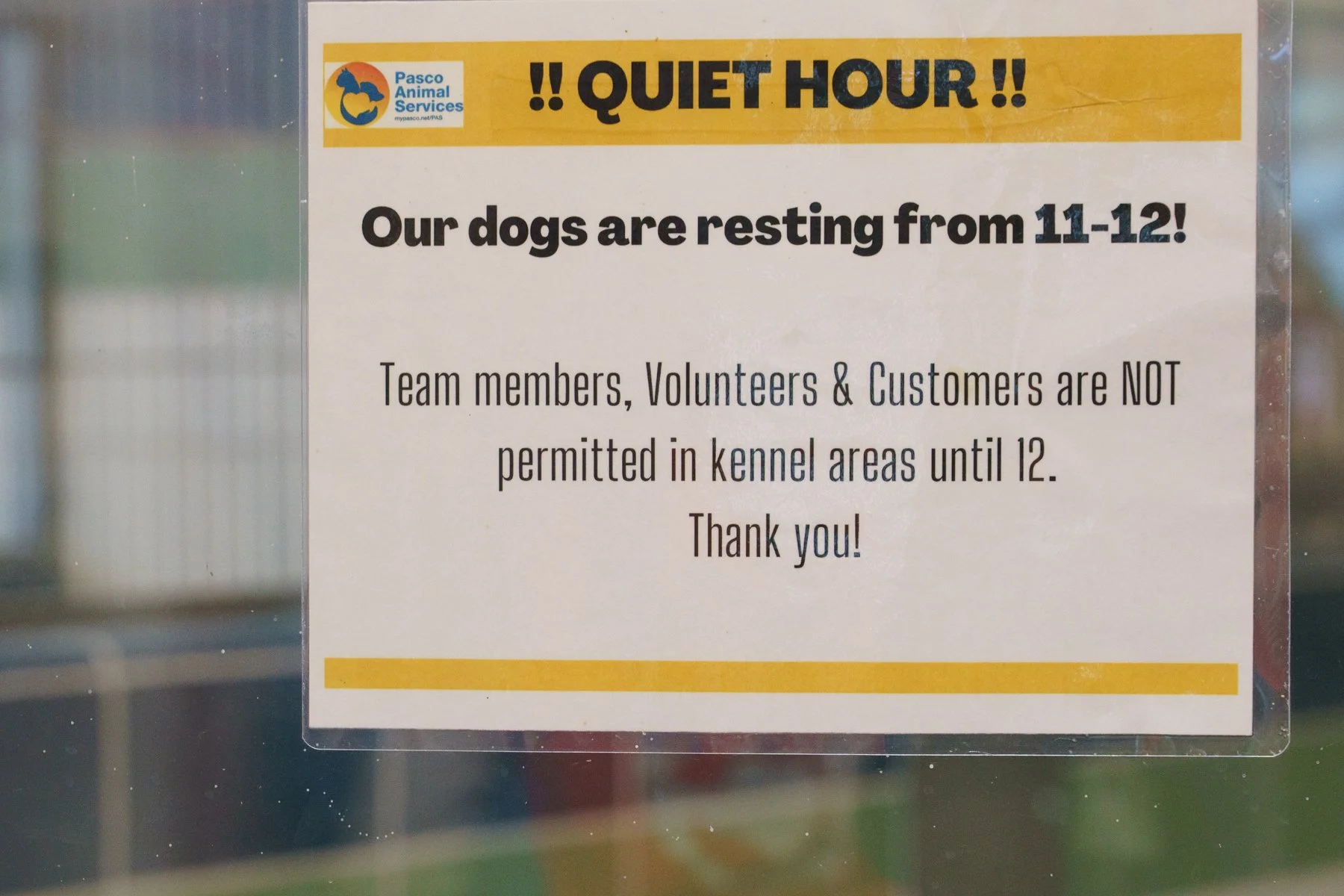
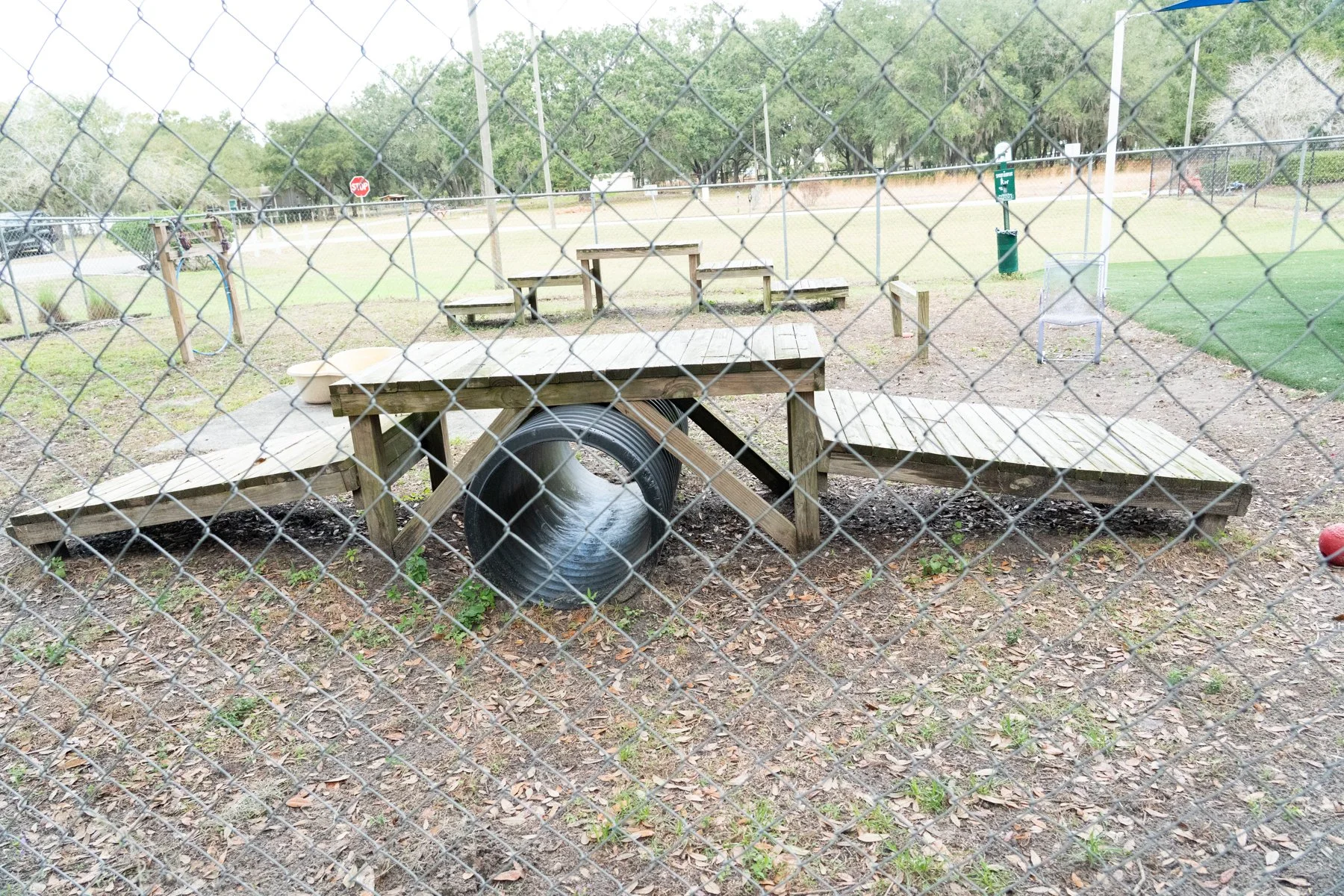
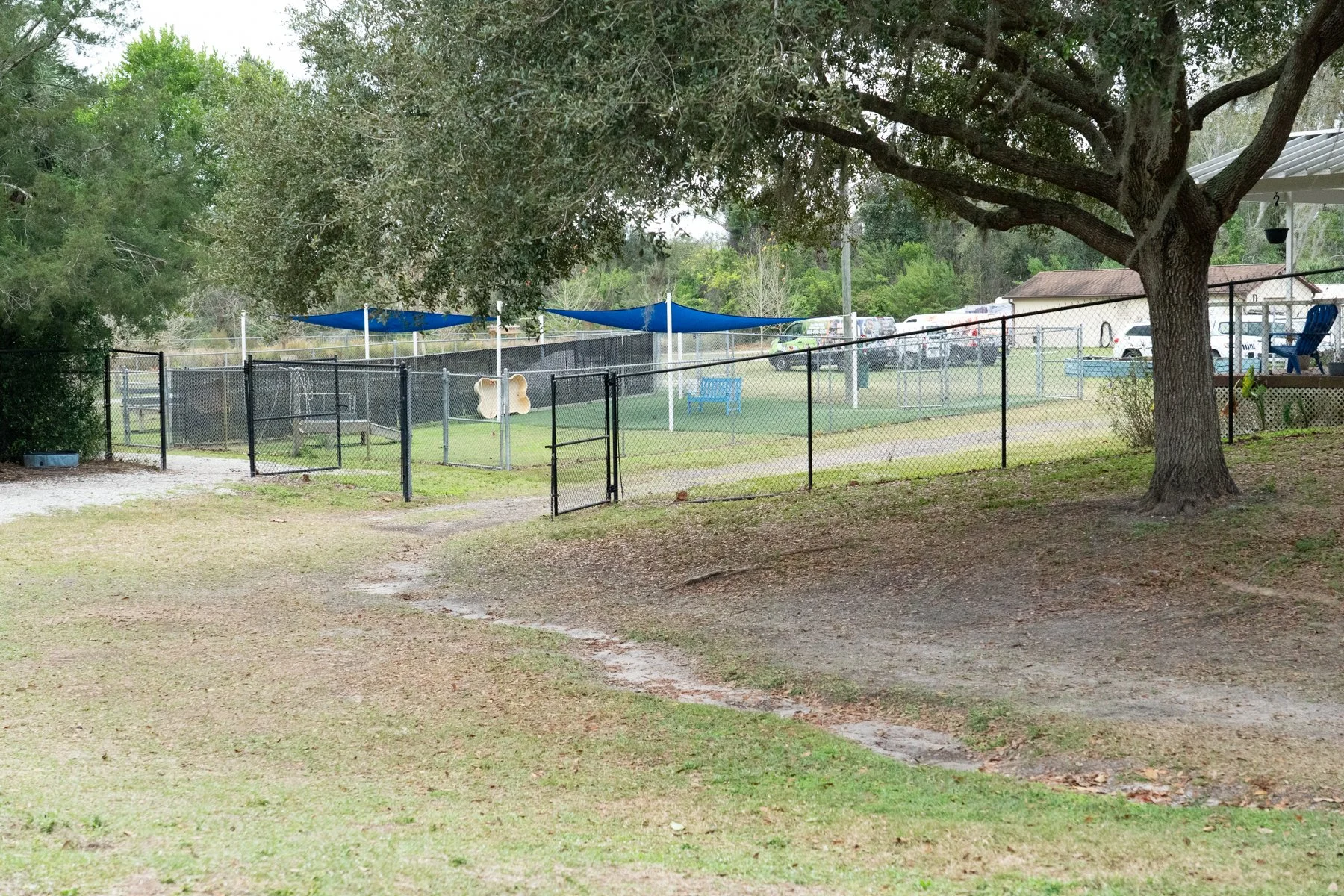
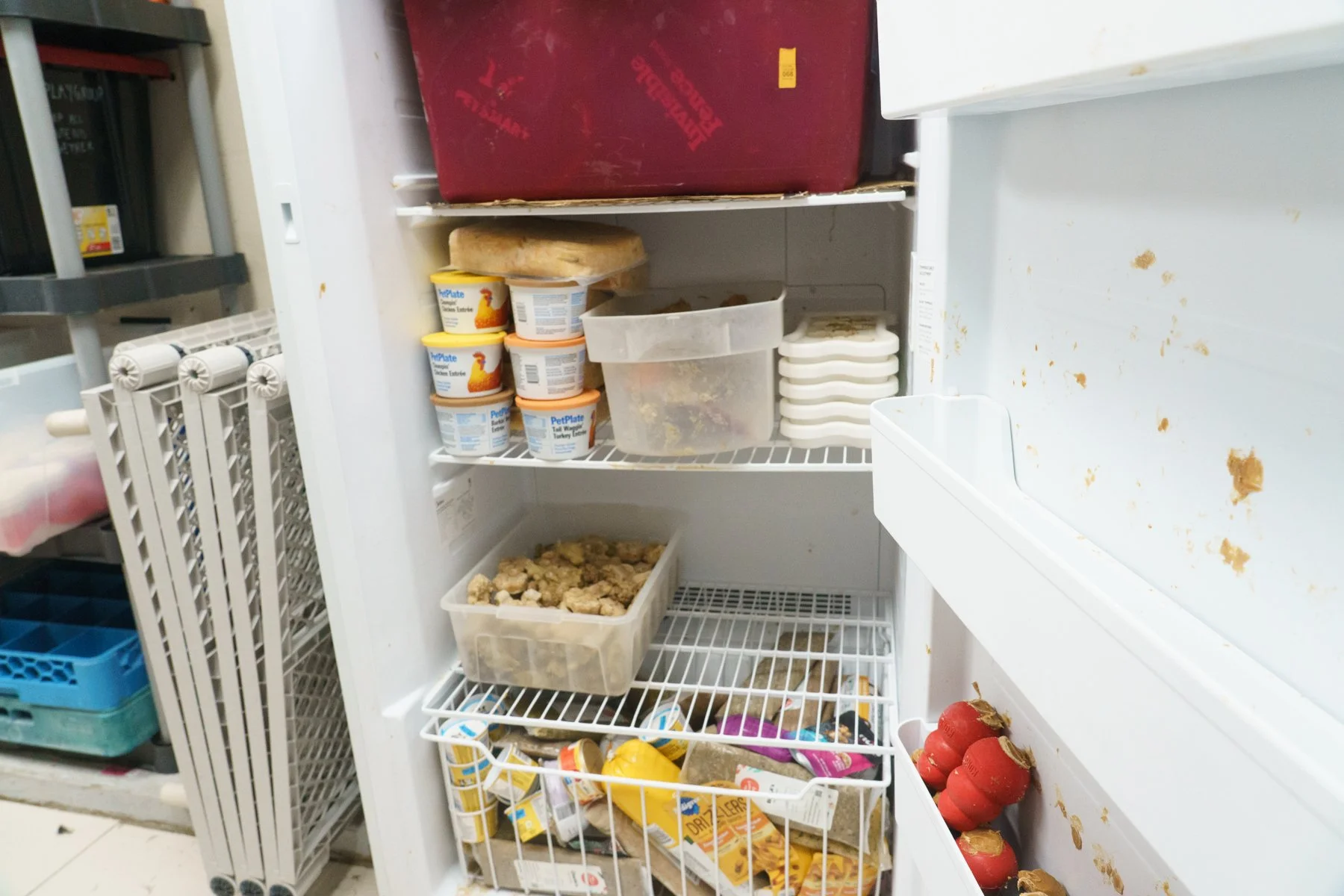
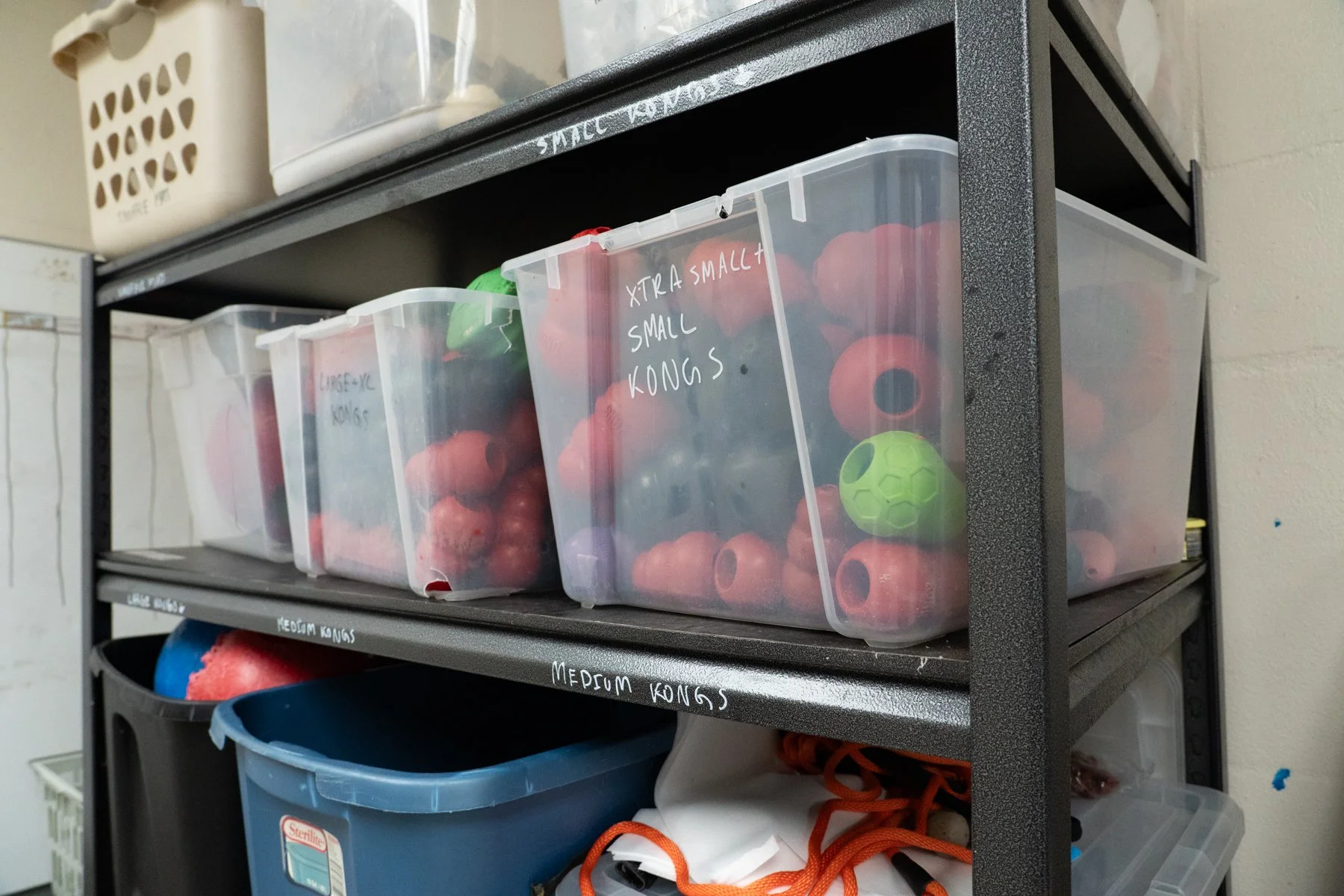
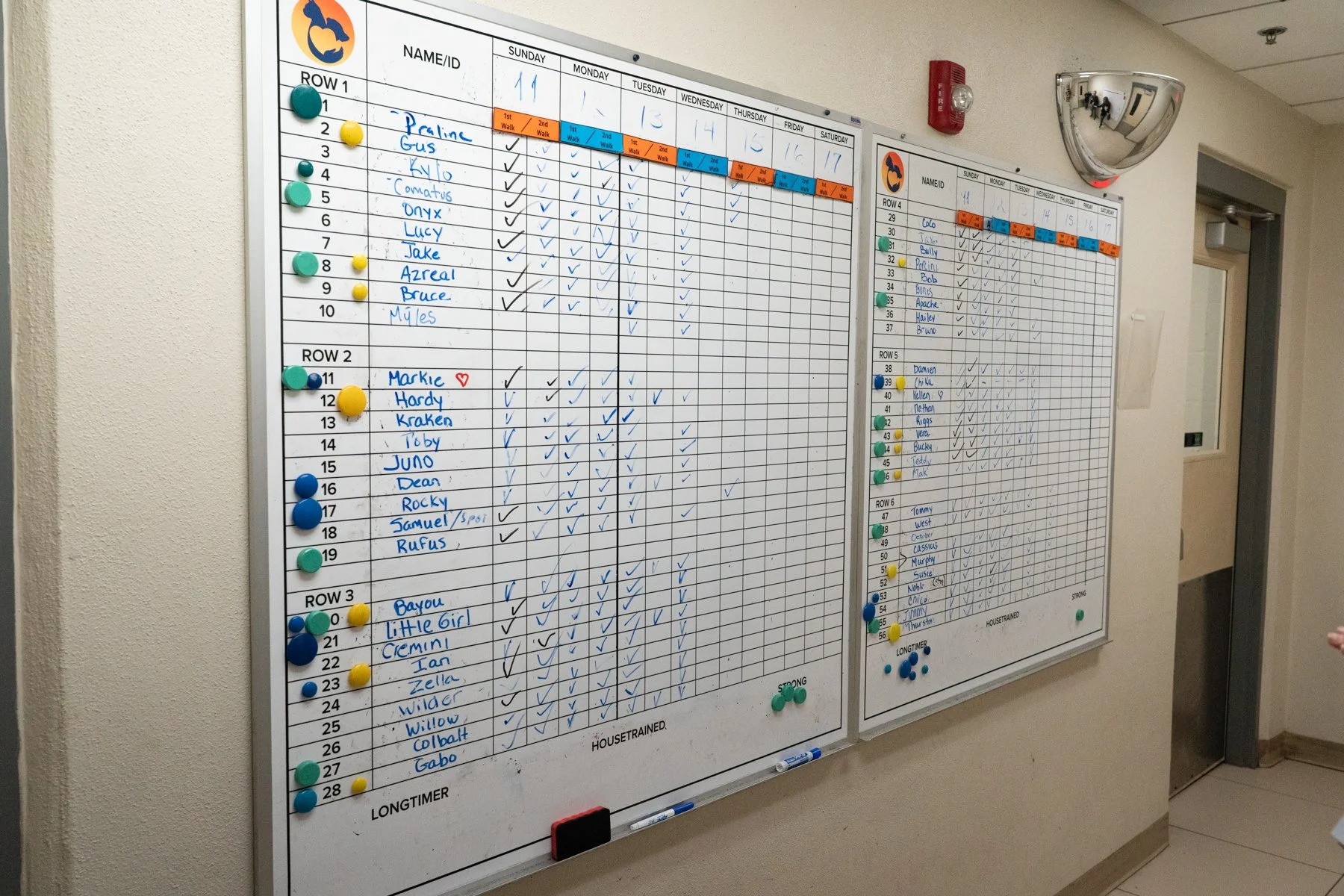
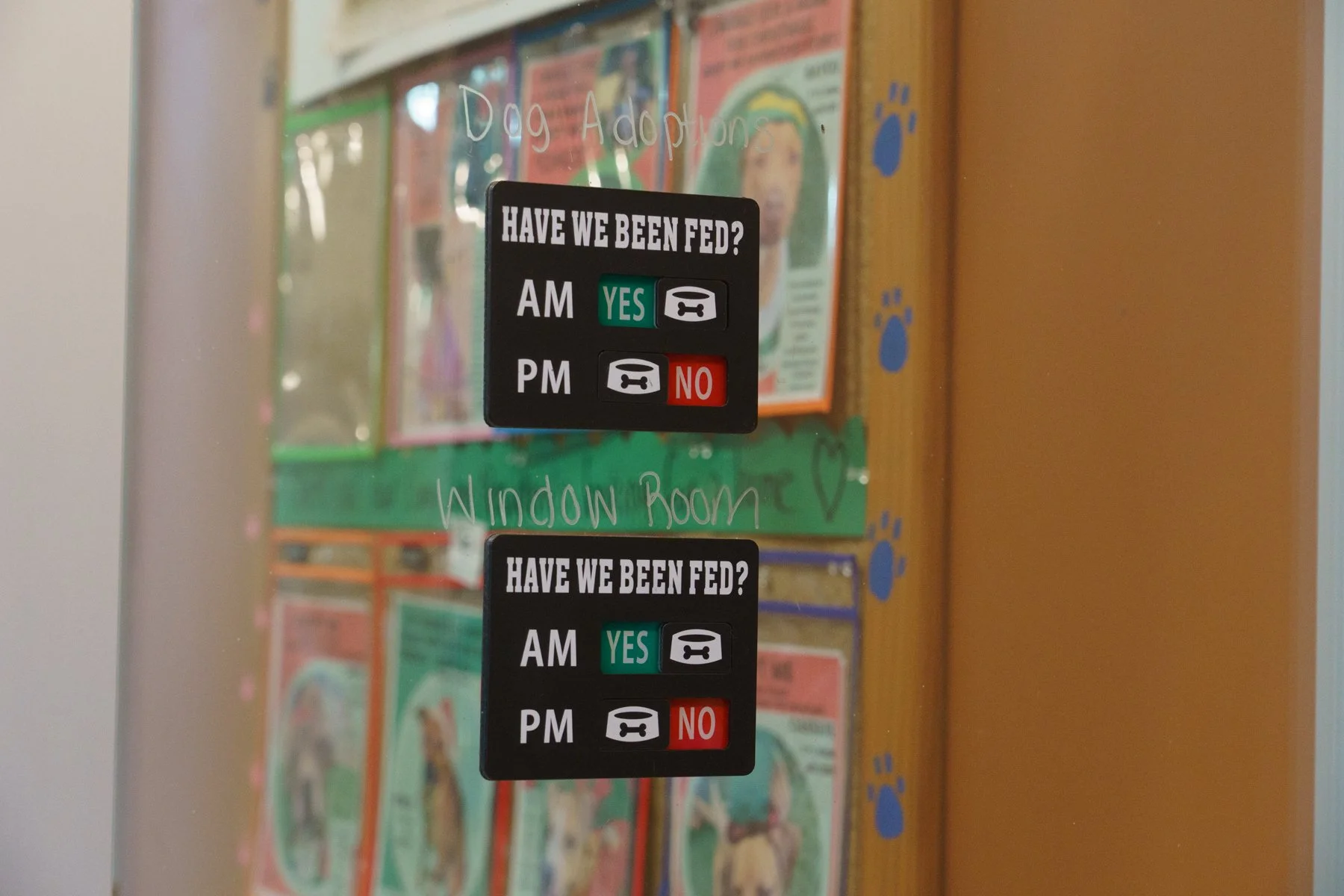
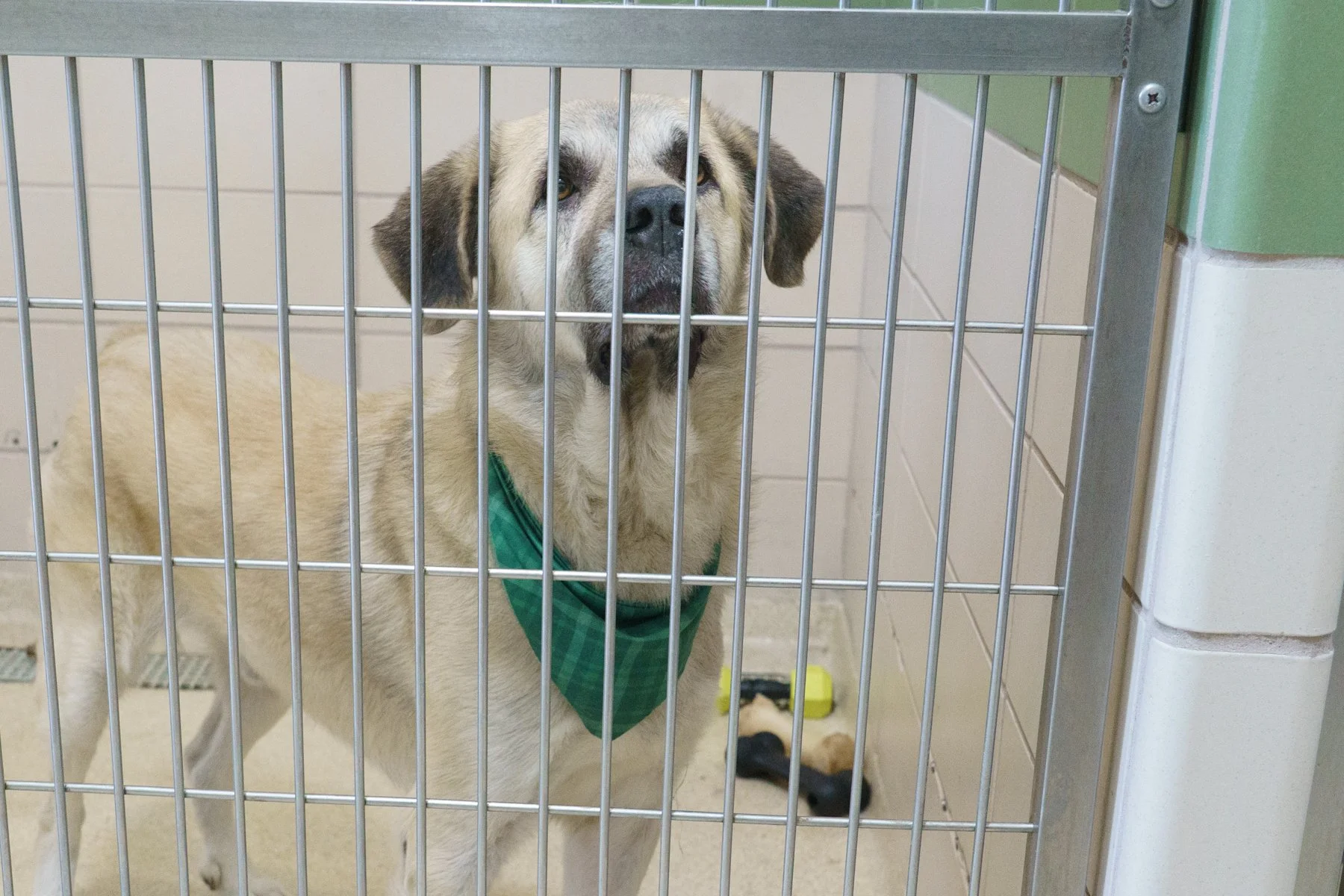
The shelter intentionally works to keep stress levels down for the animals. They have separate wings of the building for dogs and cats. Every day, the dog kennels have a designated naptime with dimmed lights, less activity, and calming scents. The kennel room ceilings are covered in sound-abatement material. The dogs have a minimum of three toys in their kennels, treat buckets hang on their doors, and most days they get out twice for walks, plus playtime. All staff offices have baby gates and dog beds to welcome a dog who needs a break from kennel stress.
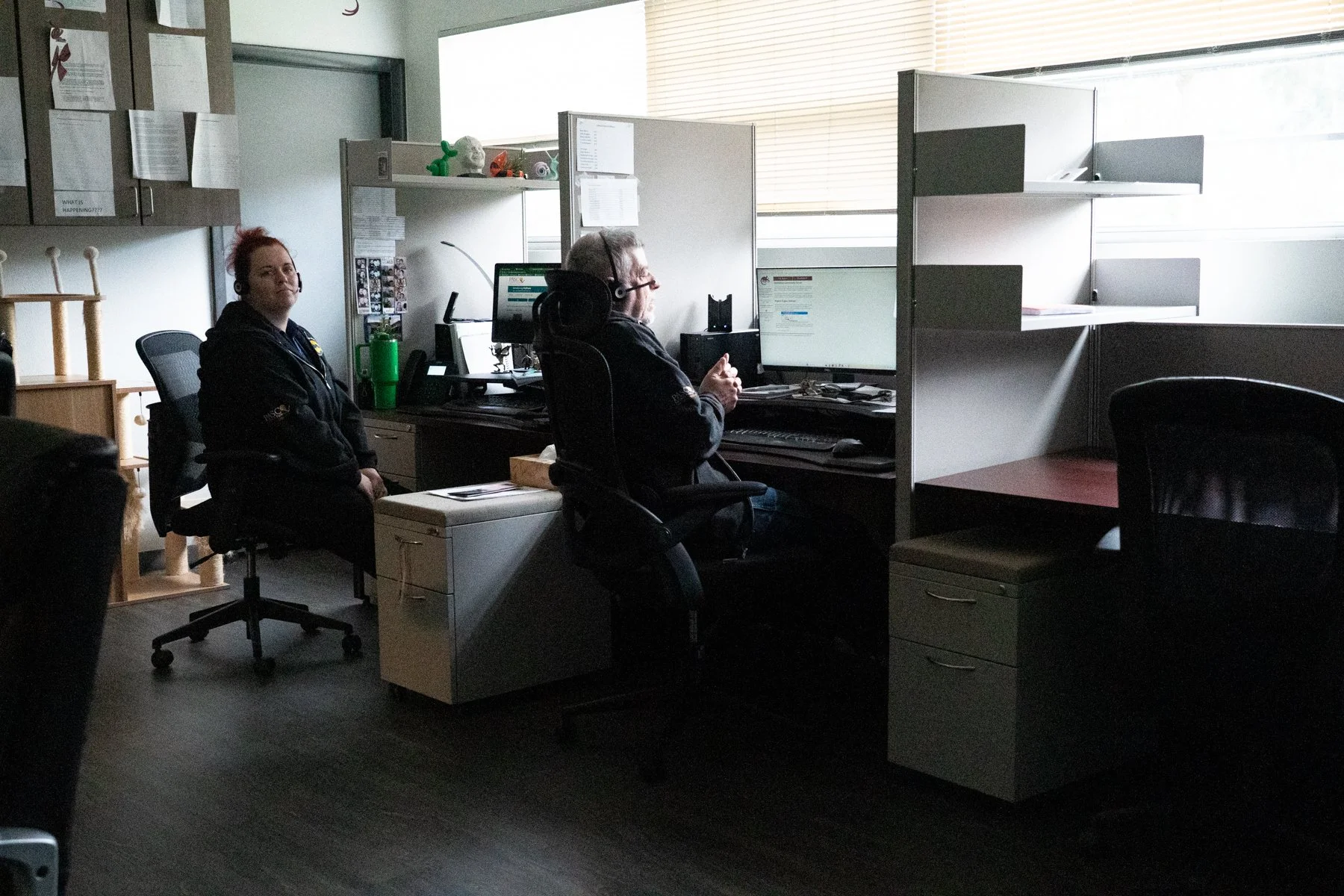
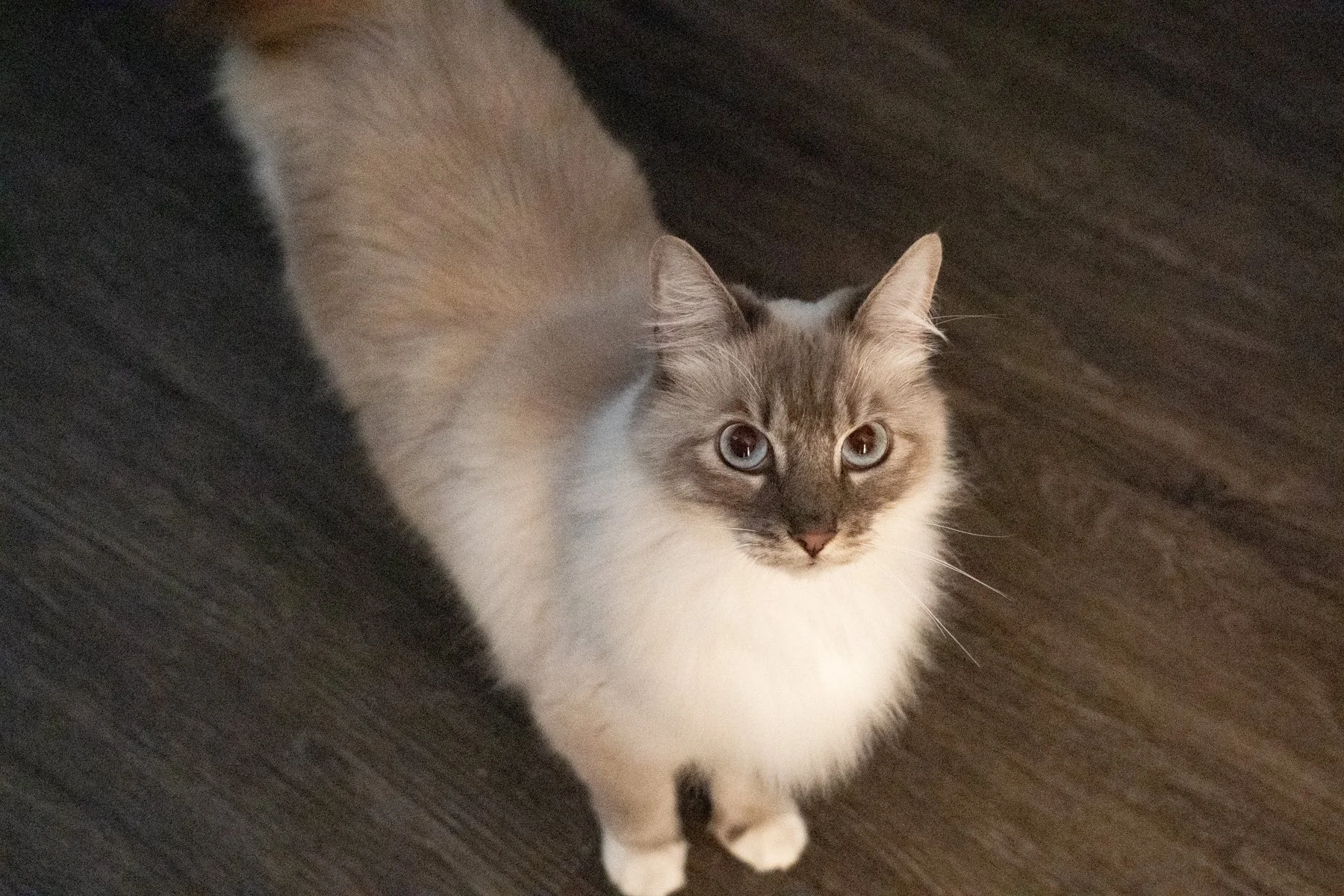
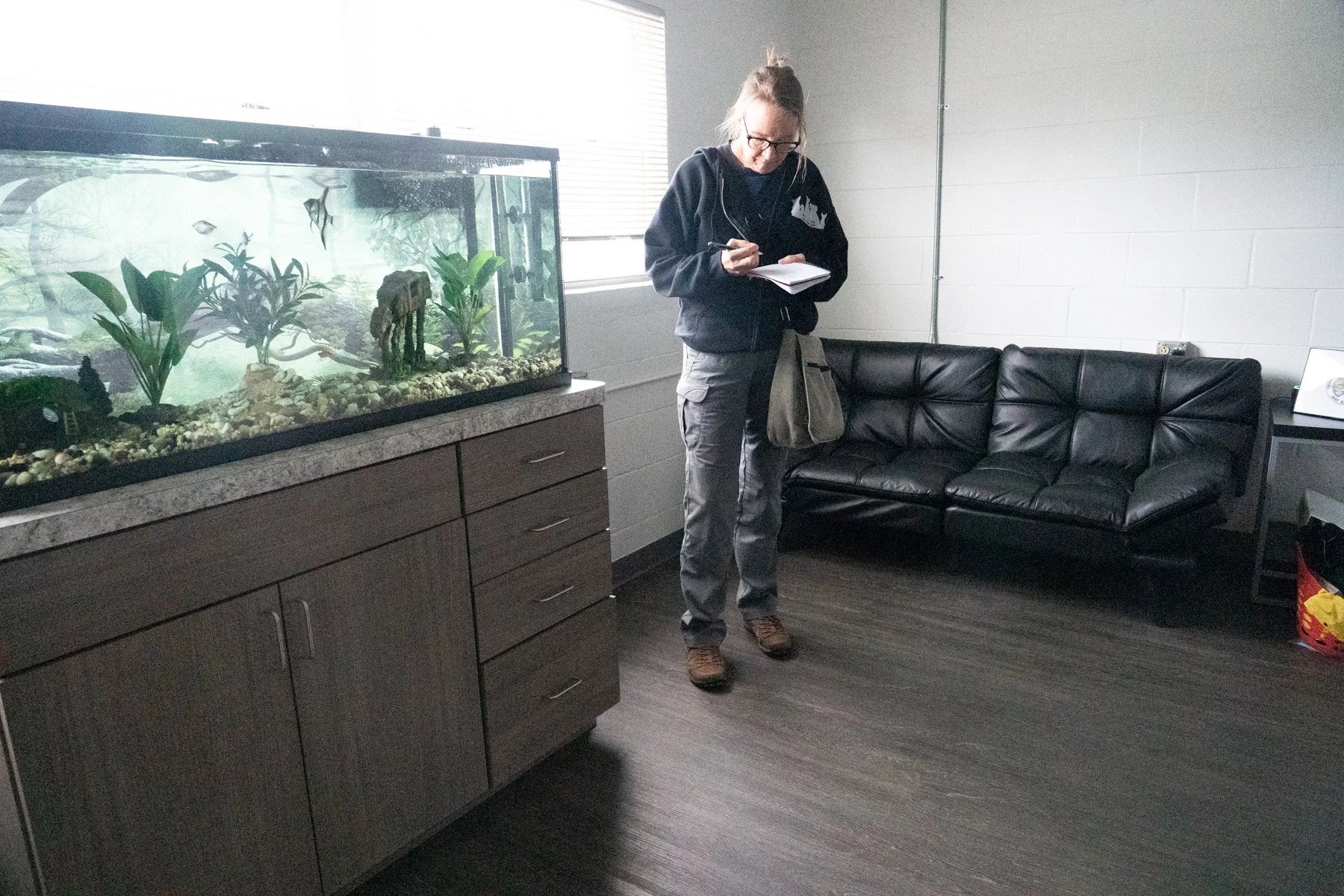
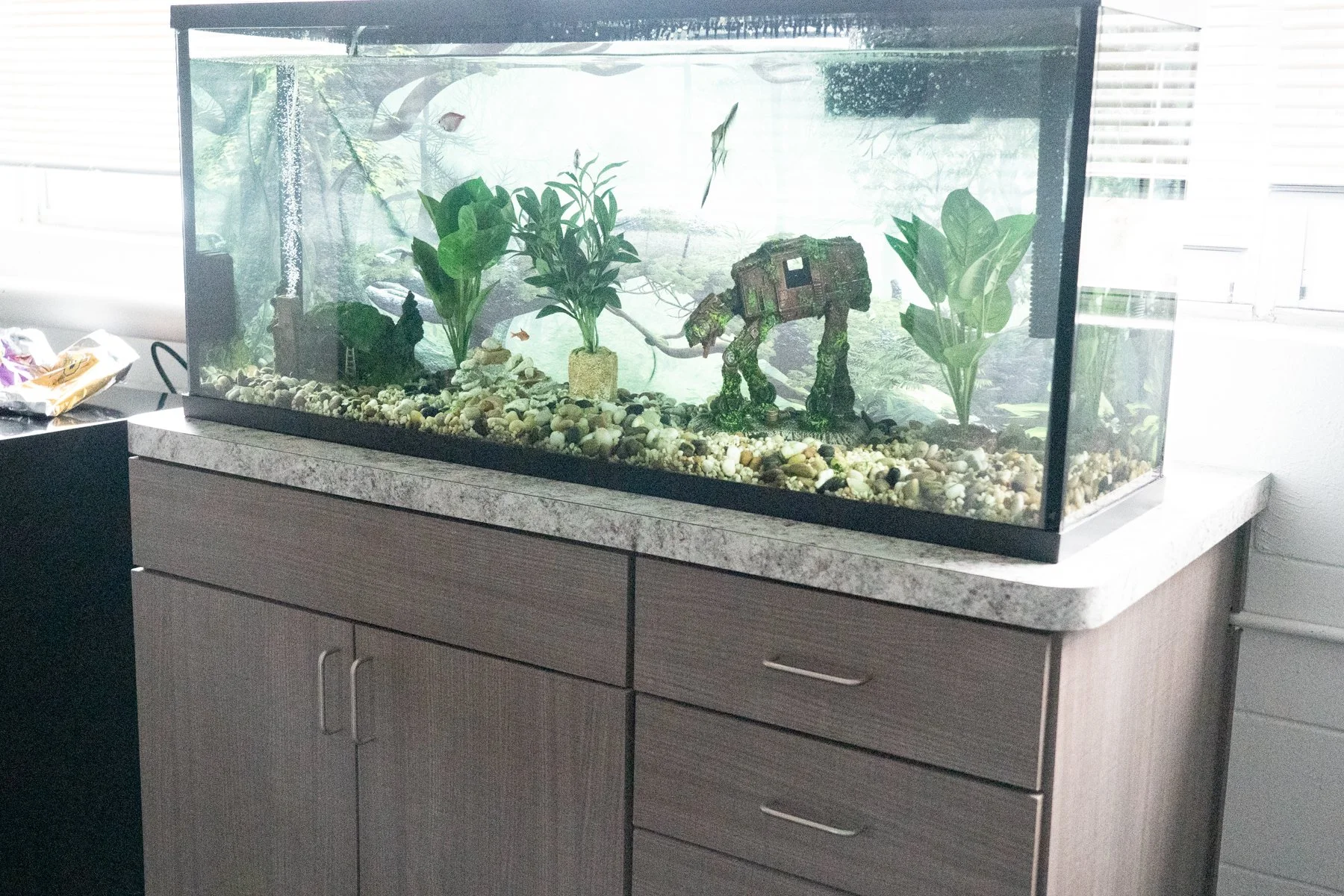
The intentionality carries through in so many ways. Animal Control Officers, along with dispatchers and their Field manager, are housed in a building designed to foster calm. As Gina said, “No one ever calls Animal Control because they're having a good day.” To mitigate the impact of the high-stress job, the building's environment is intentionally soothing, with fish tanks, dimmed lighting, soft music, comfortable spaces, and at least one adoptable cat roaming. Animal Control gets about 150 calls a day, often for bites (270/month), and each of the 6 full-time officers is typically assigned 15 of those calls to resolve.
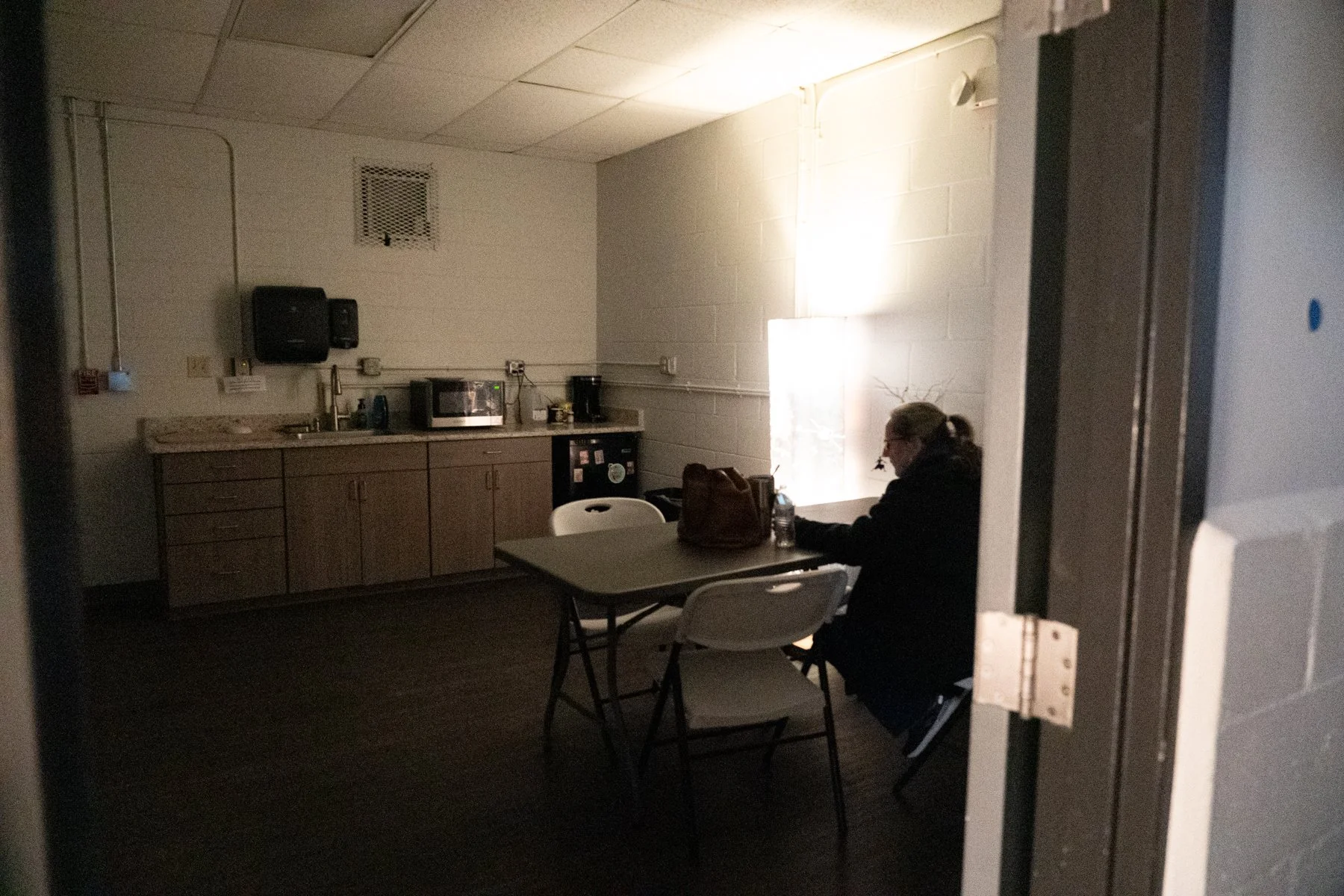
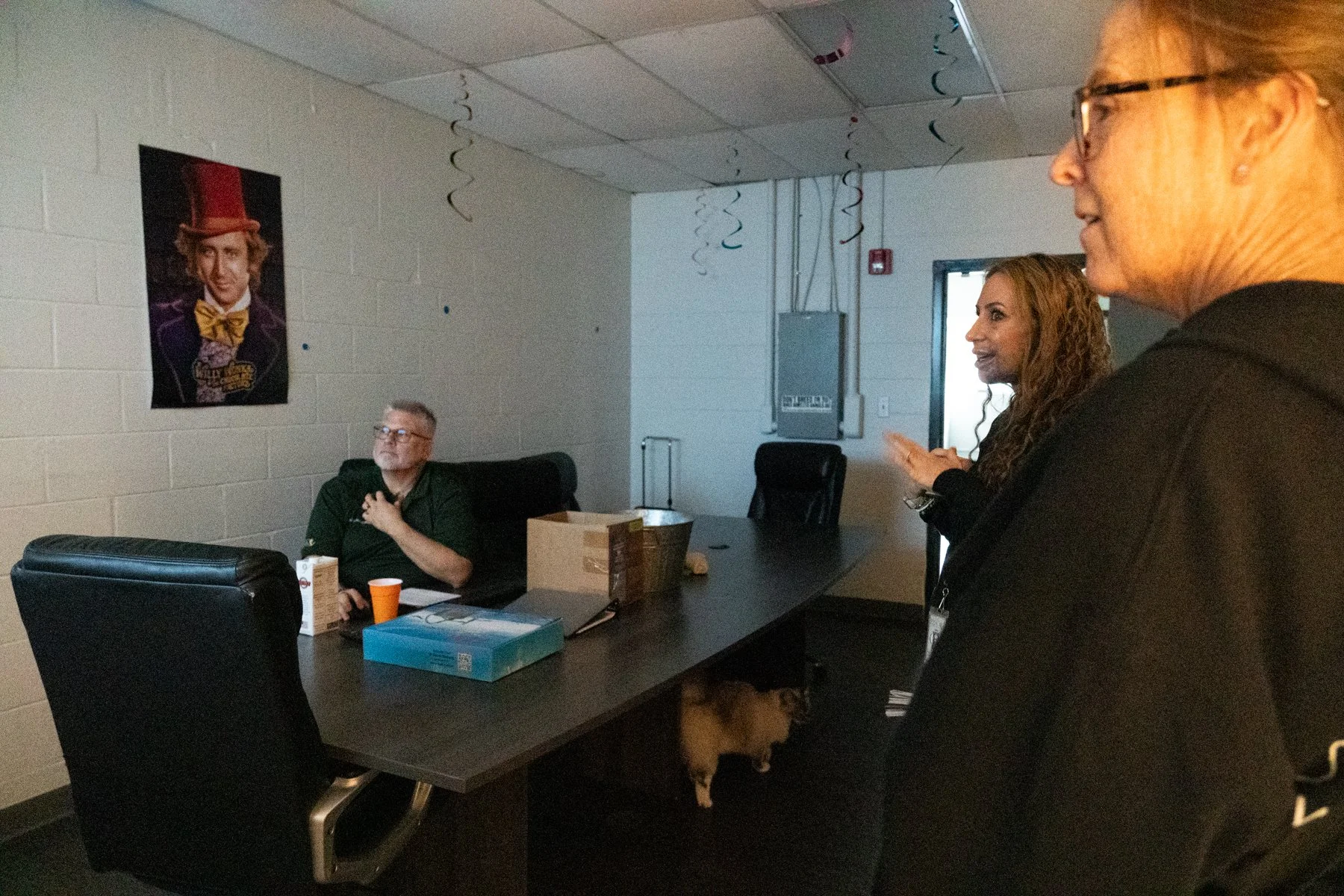
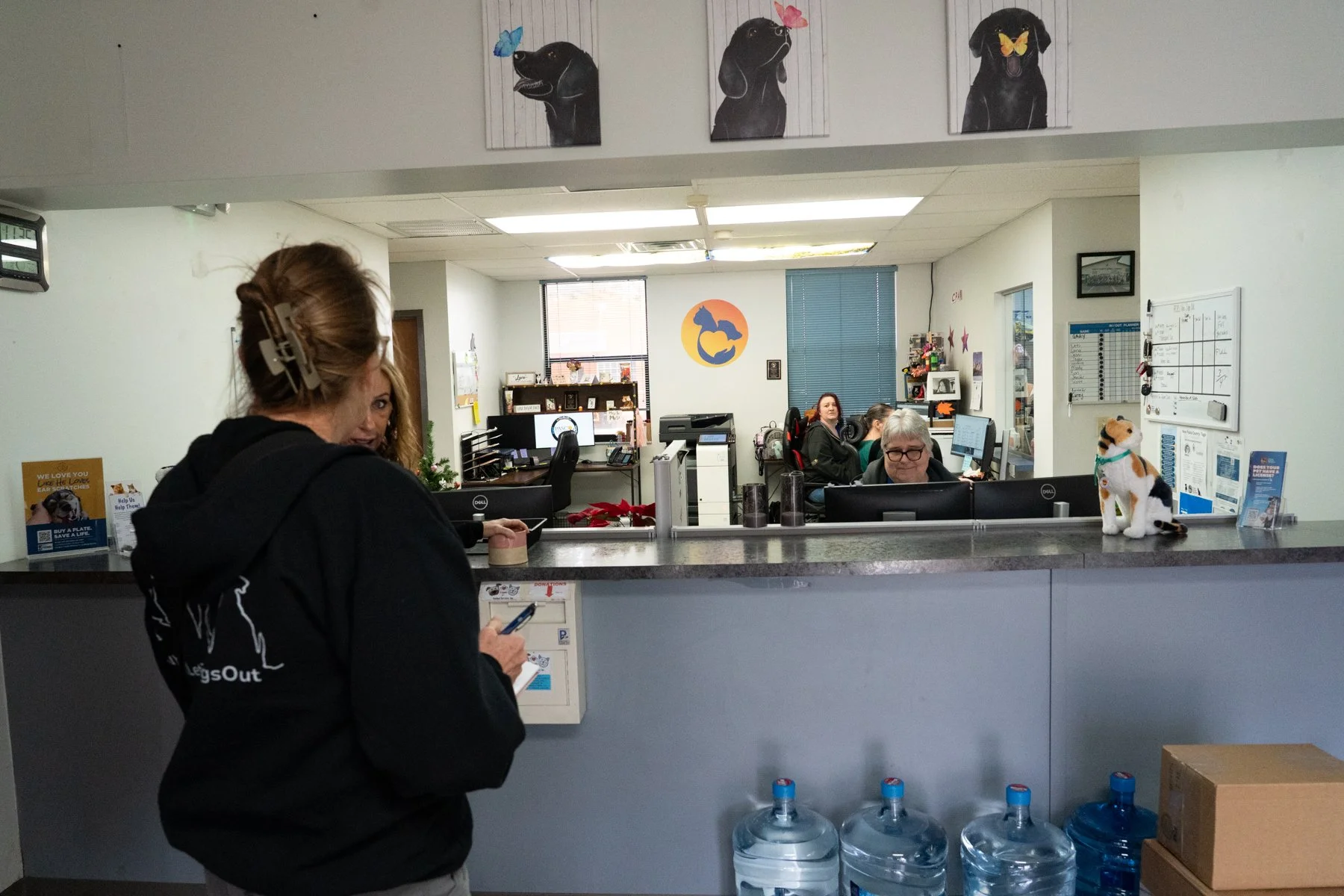
Shelter staff intentionally create a culture of trust. There are over 40 volunteer roles, and volunteers are deeply involved in nearly every aspect of the shelter’s work. With 400 active volunteers, they do all kinds of jobs like being the greeter in the lobby, walking dogs, preparing enrichment, sanitizing surgical packs, grooming dogs, and creating displays. A dedicated volunteer room offers space just for them, with water and treats.
Fosters don’t simply house animals in their homes. The initial foster period is just 14 days. During that time, the 60+ foster families are given a ‘homework sheet’ of tasks to complete, which include providing ‘content’ for the shelter to share, providing notes on the dog’s behavior, and, of course, working on in-home manners.
The biggest source of funding for PCAS is county dog licenses. Every dog must have one, and ACOs can warn or cite people who don't have a dog license. Altered dogs are $15, and unaltered are $50. Promoting and enforcing licensing not only funds the shelter but also makes it much easier to reunite lost pets with their owners. The county tags are soft-sided and have a QR code on them.
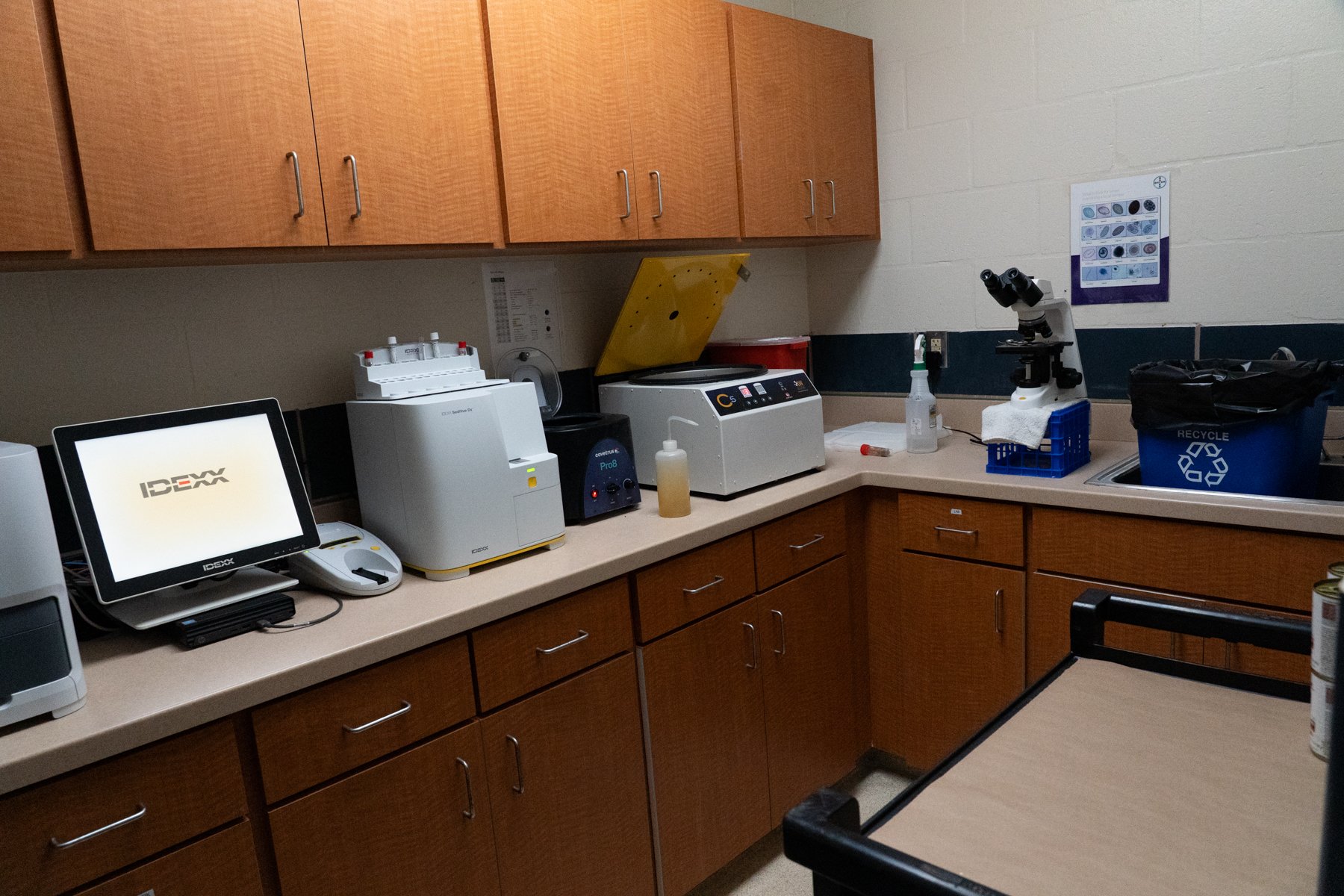
PCAS has 2 full-time veterinarians and 7 full-time vet techs who perform 15-20 surgeries or more each day and provide excellent care for the shelter animals. They also staff the twice-weekly clinics. Community members who need spay/neuter services are invited to apply for SNIP (Spay Neuter in Pasco), which is free for qualified applicants and just $20 for others. Those surgeries are performed at one of the ten vet partners in the county.
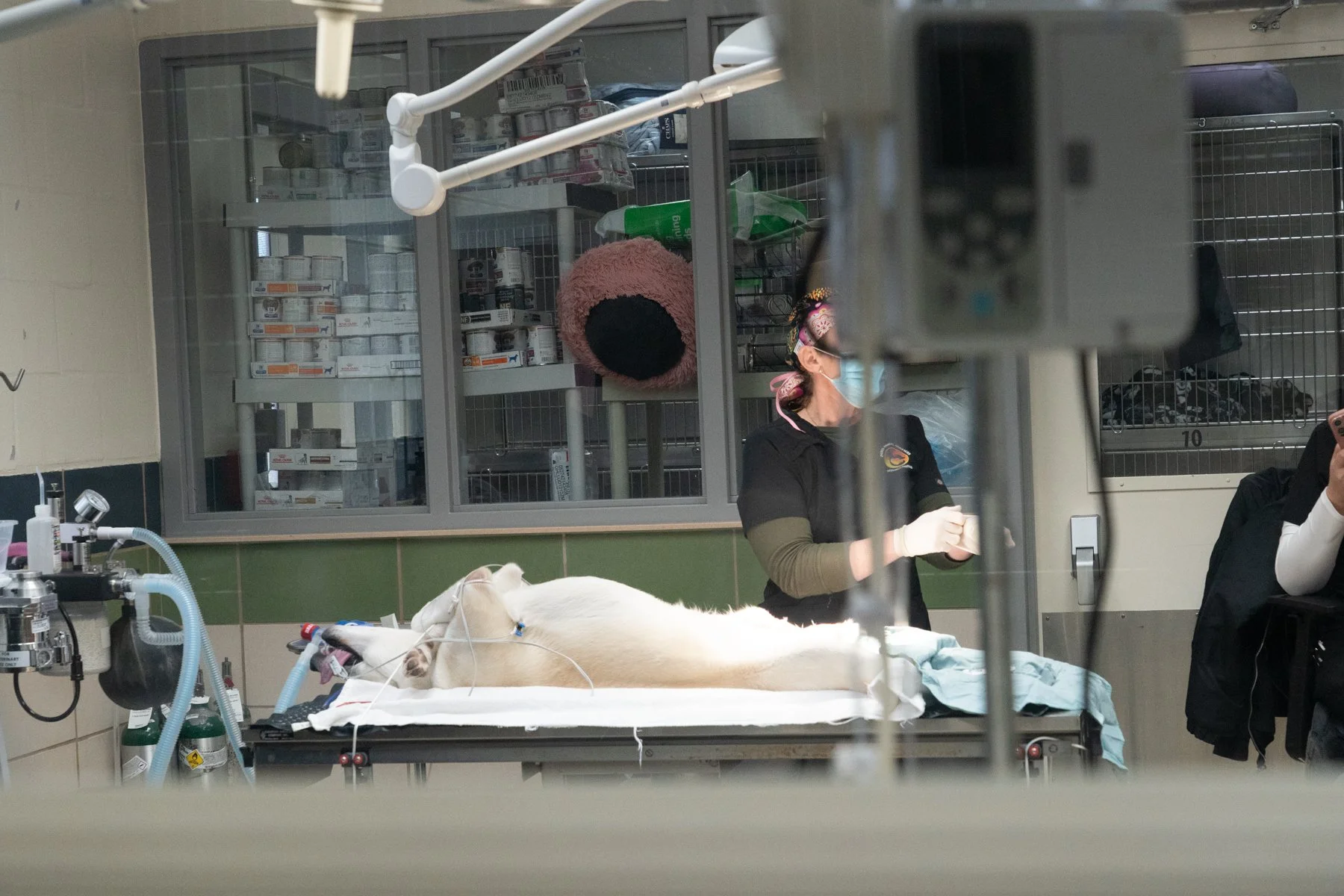
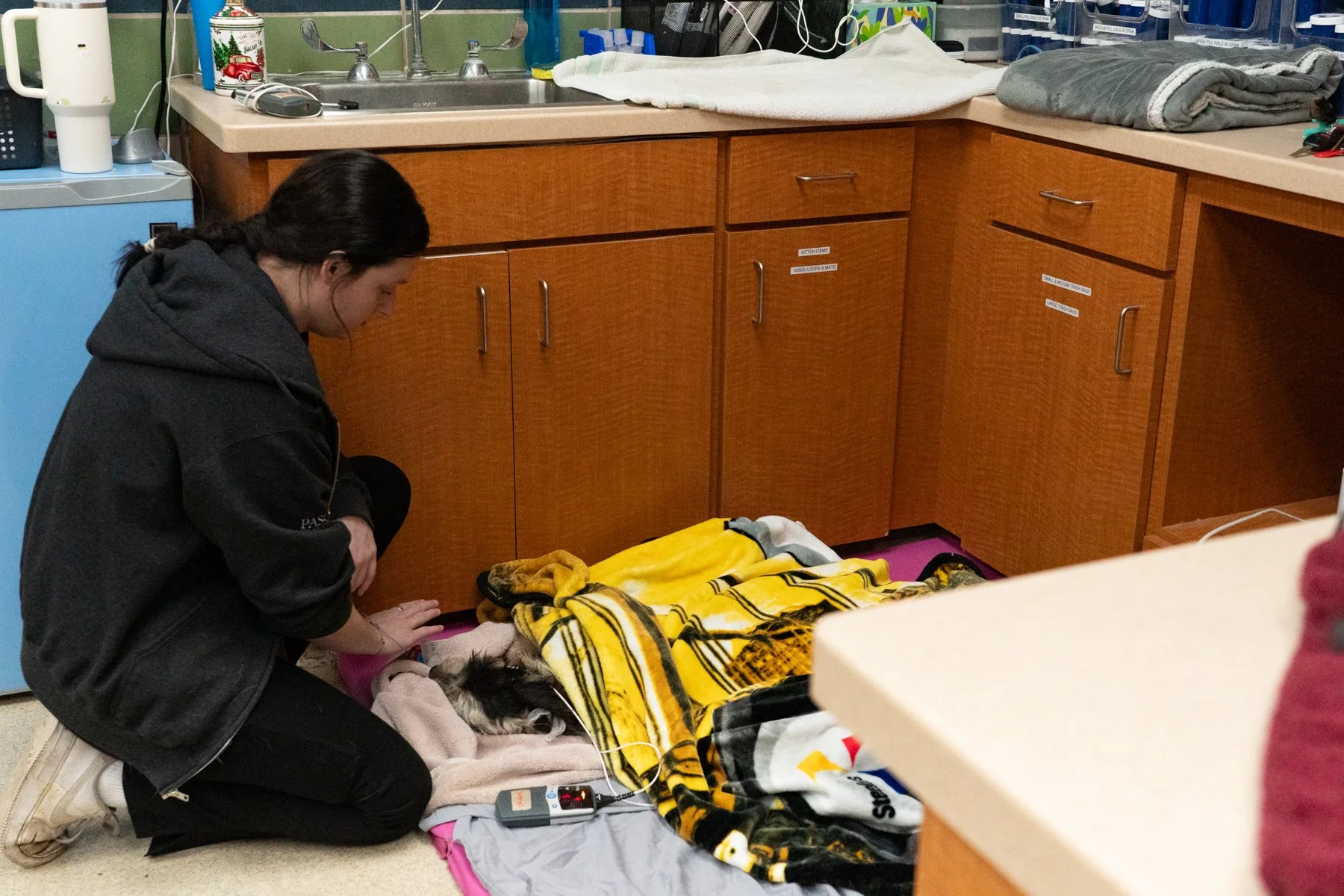
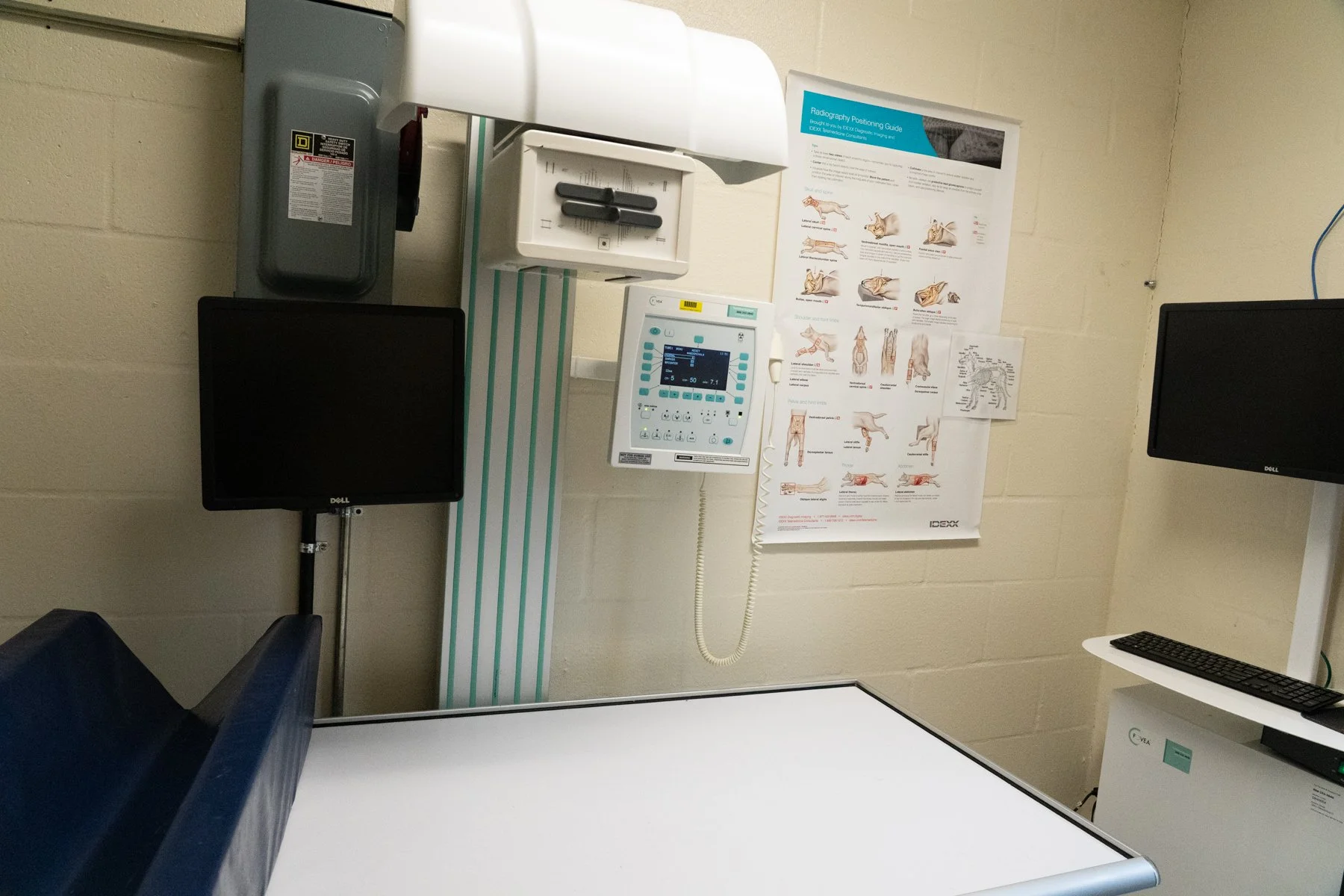
In the future, PCAS plans to expand its facility to better serve the public by opening a full-service vet clinic on-site. The county has spent a quarter of a million dollars on blueprints. No doubt that expansion is intentionally designed to offer the best possible care for the animals and the people.
PCAS is a managed-admission shelter. While the majority of their animals are strays or brought in by ACOs, they also accept some owner surrenders for hardship situations. Others are redirected to the three private shelters in the county and/or provided resources to help them stay in their homes.
The shelter’s biggest challenge, like many, is moving larger dogs. Pasco County has a large retired population and is 35% renter-occupied, so there simply aren't enough homes for large-breed dogs. They currently have 163 dogs in the facility, and only a handful could be called small or medium dogs.
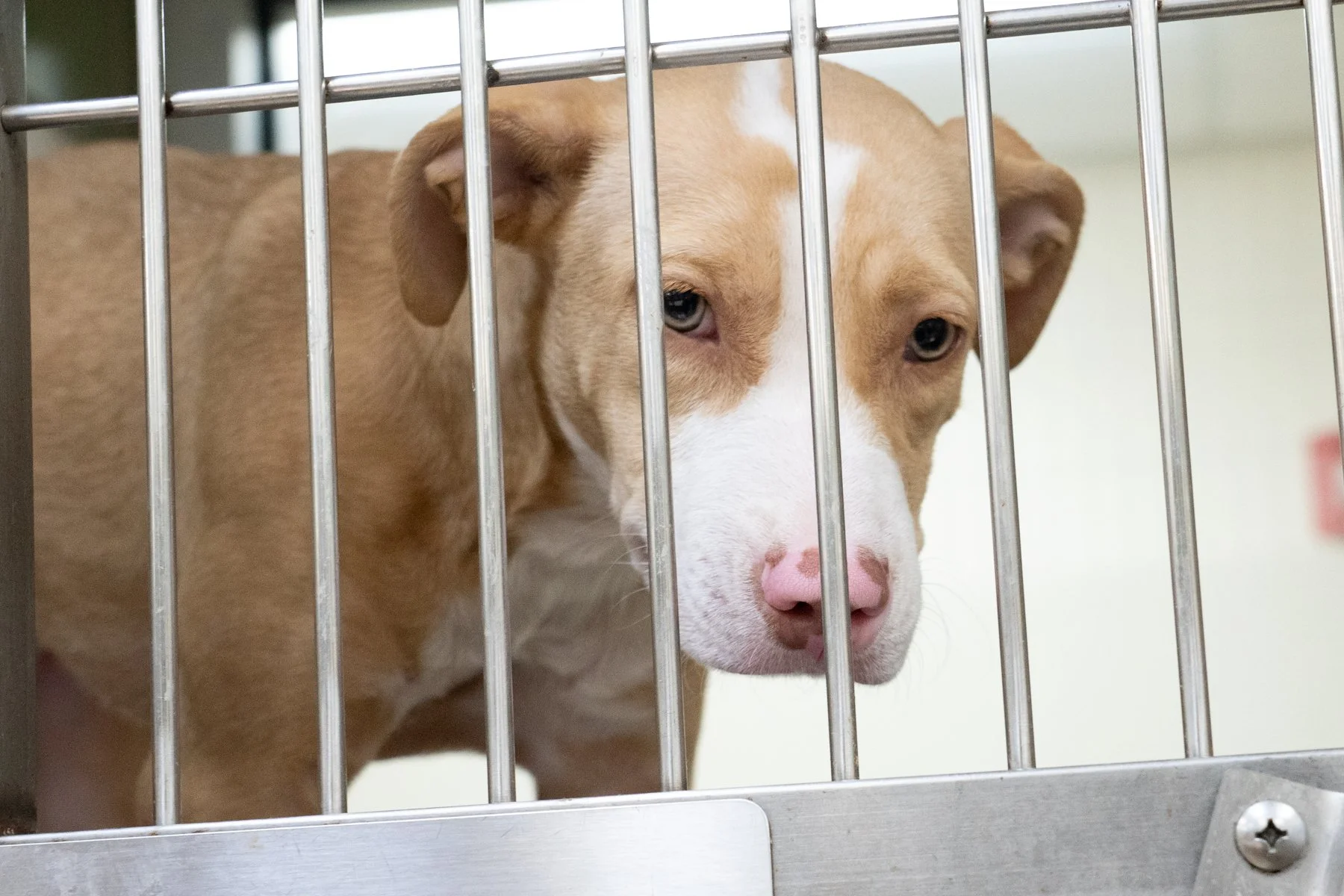
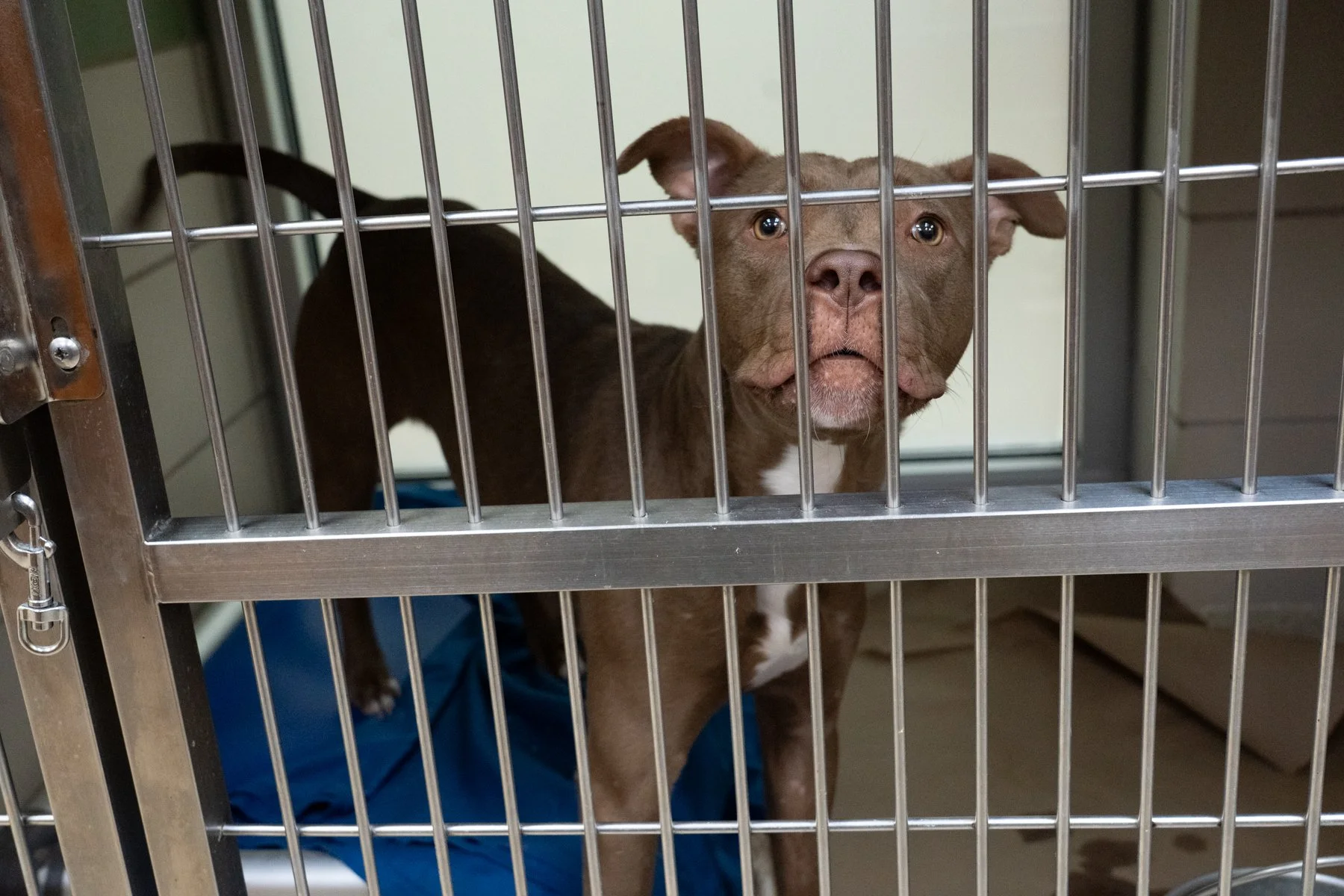
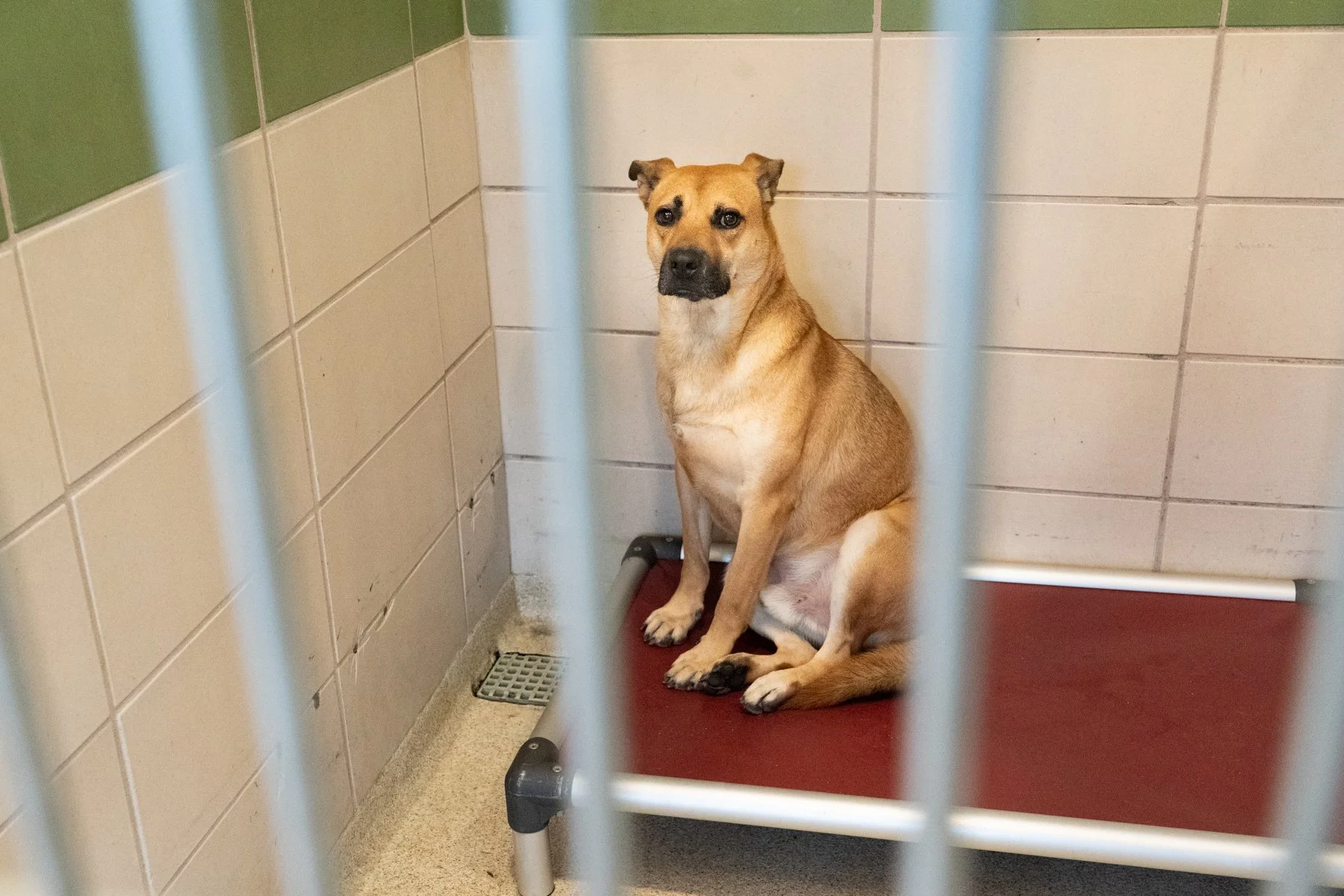
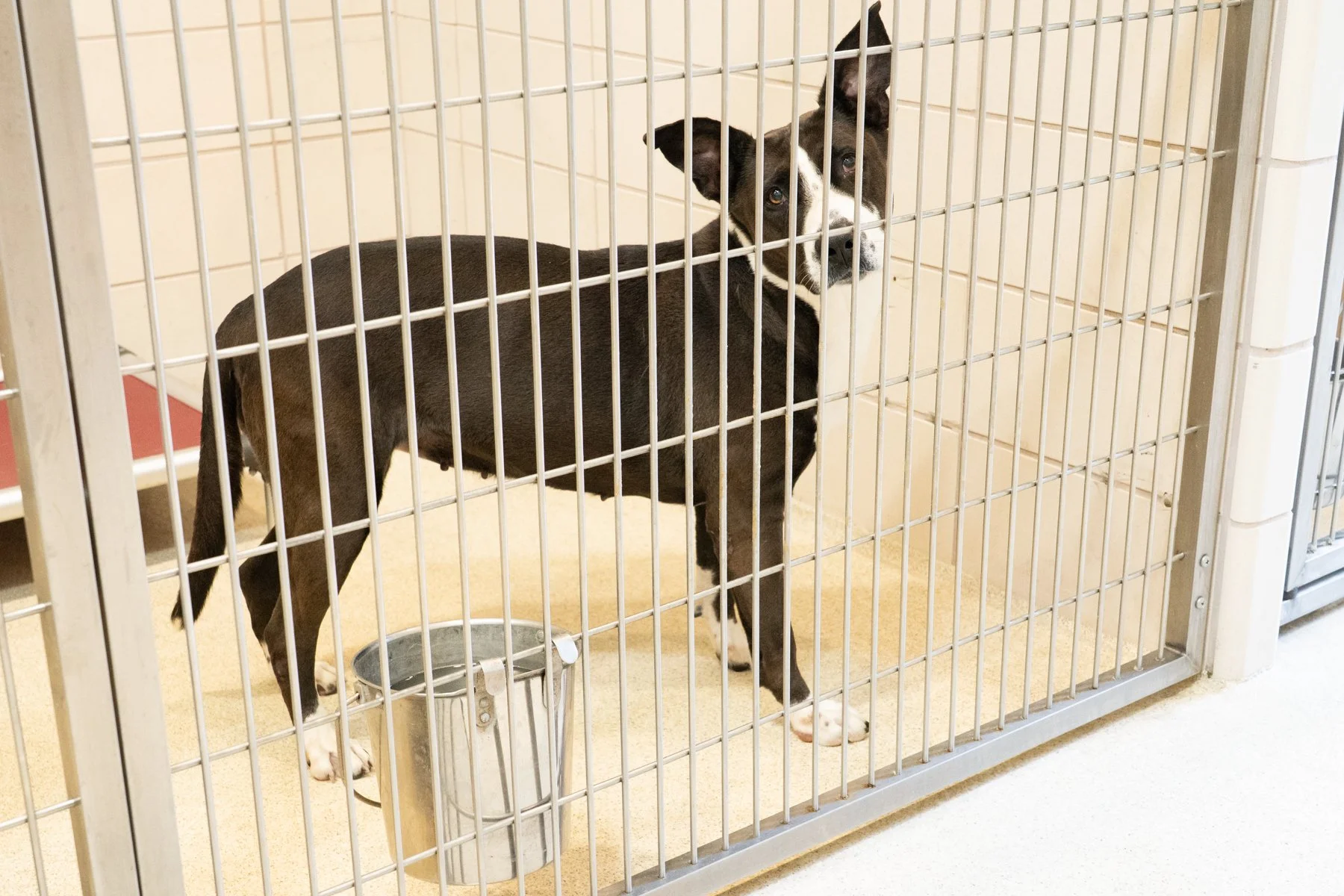
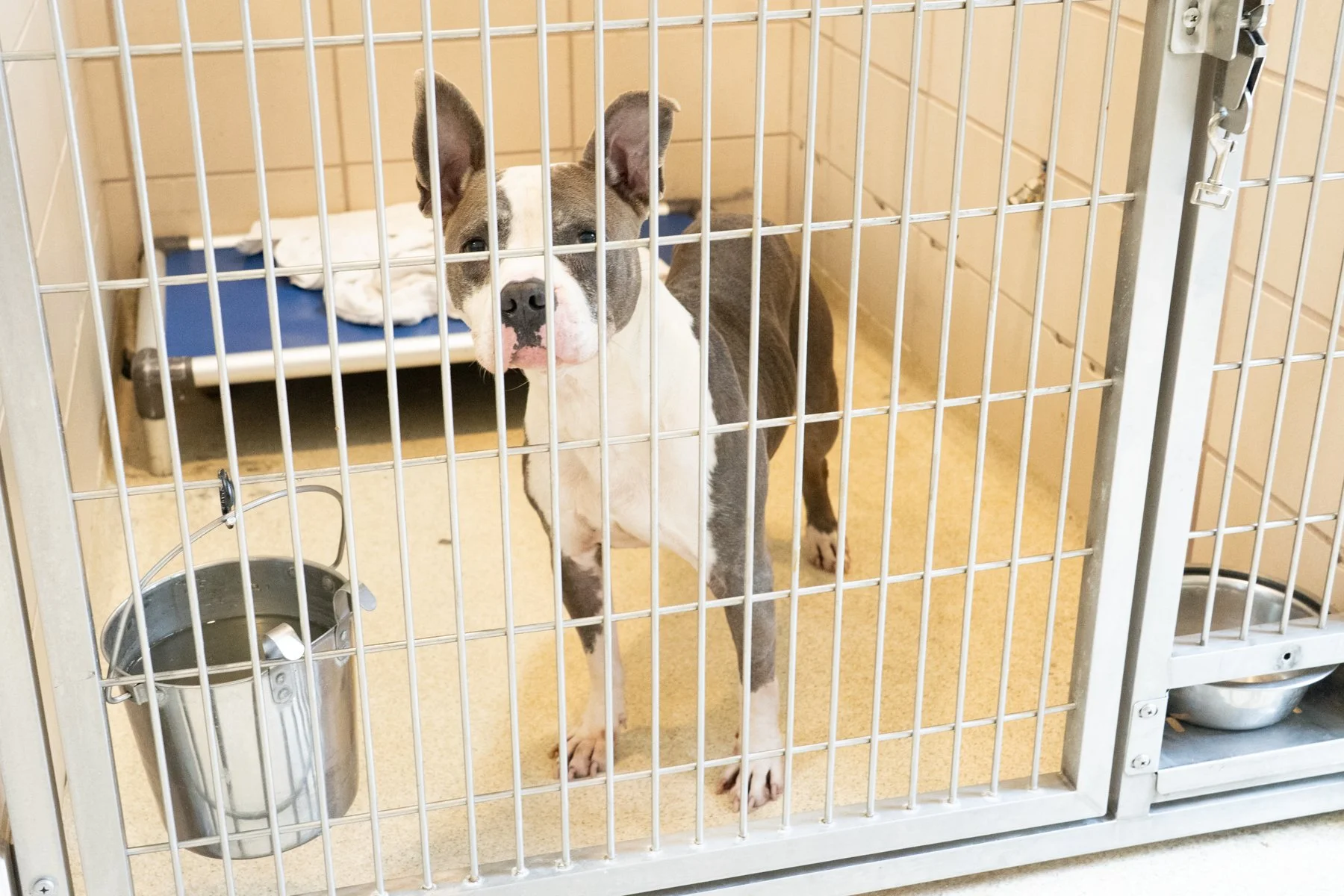
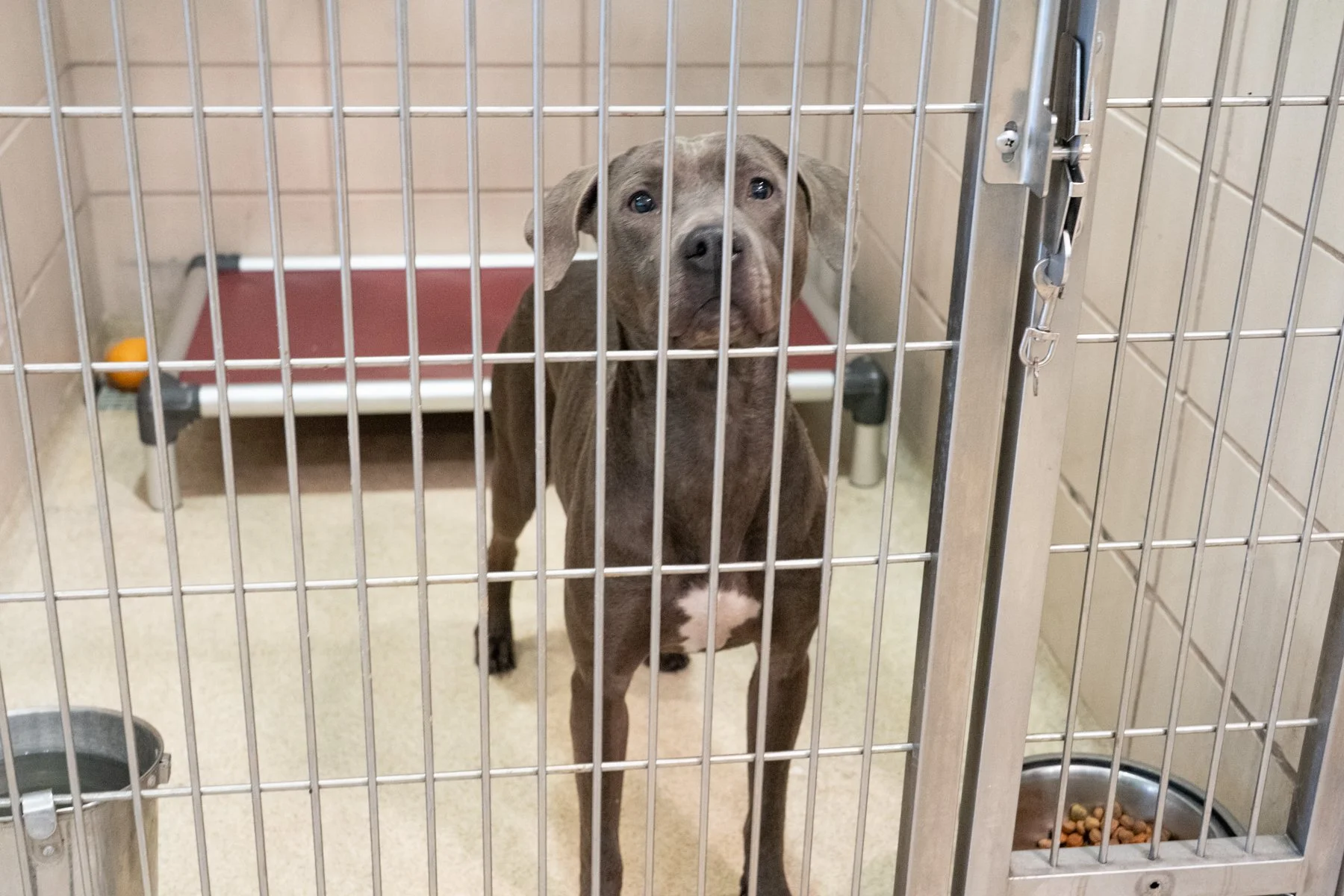
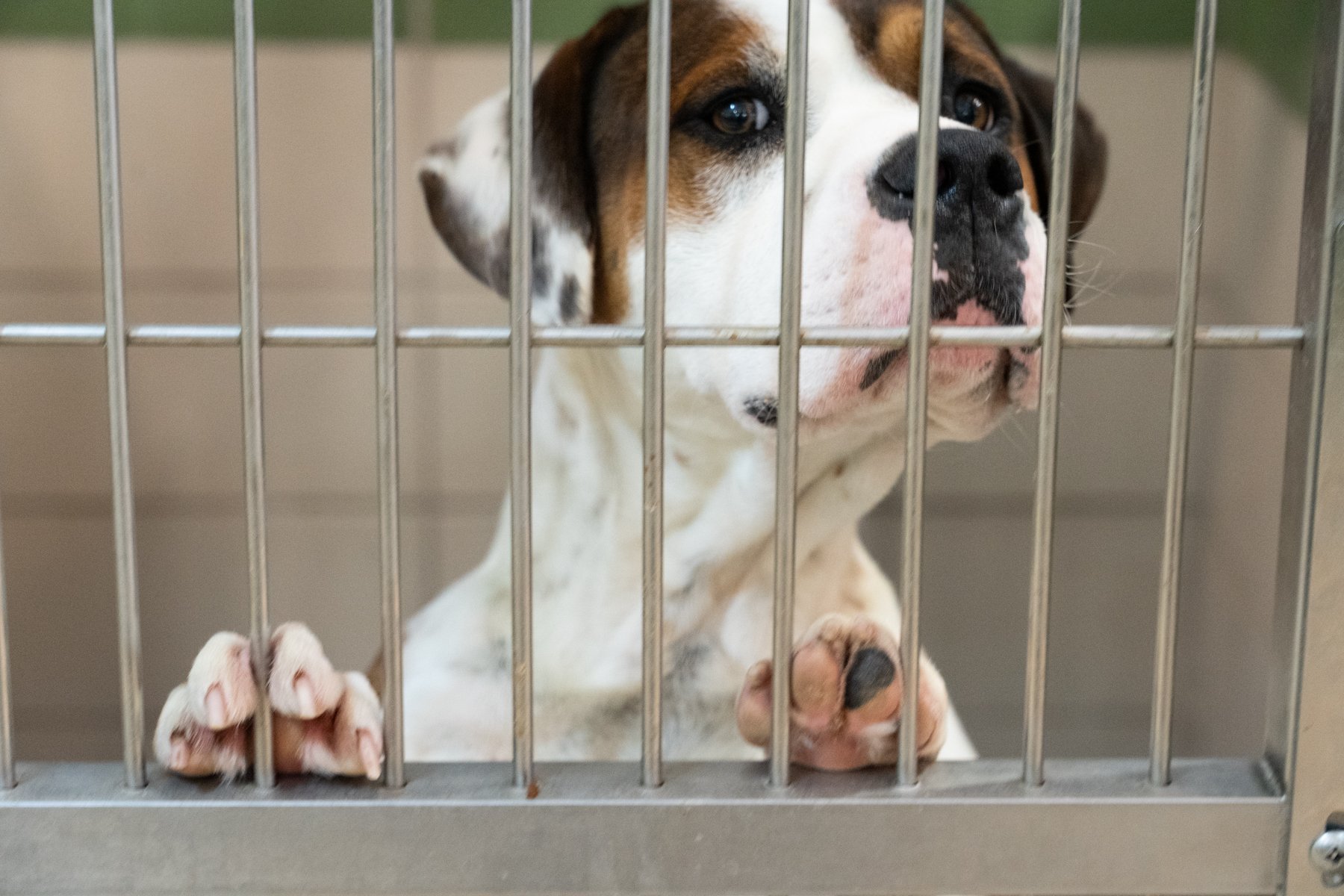
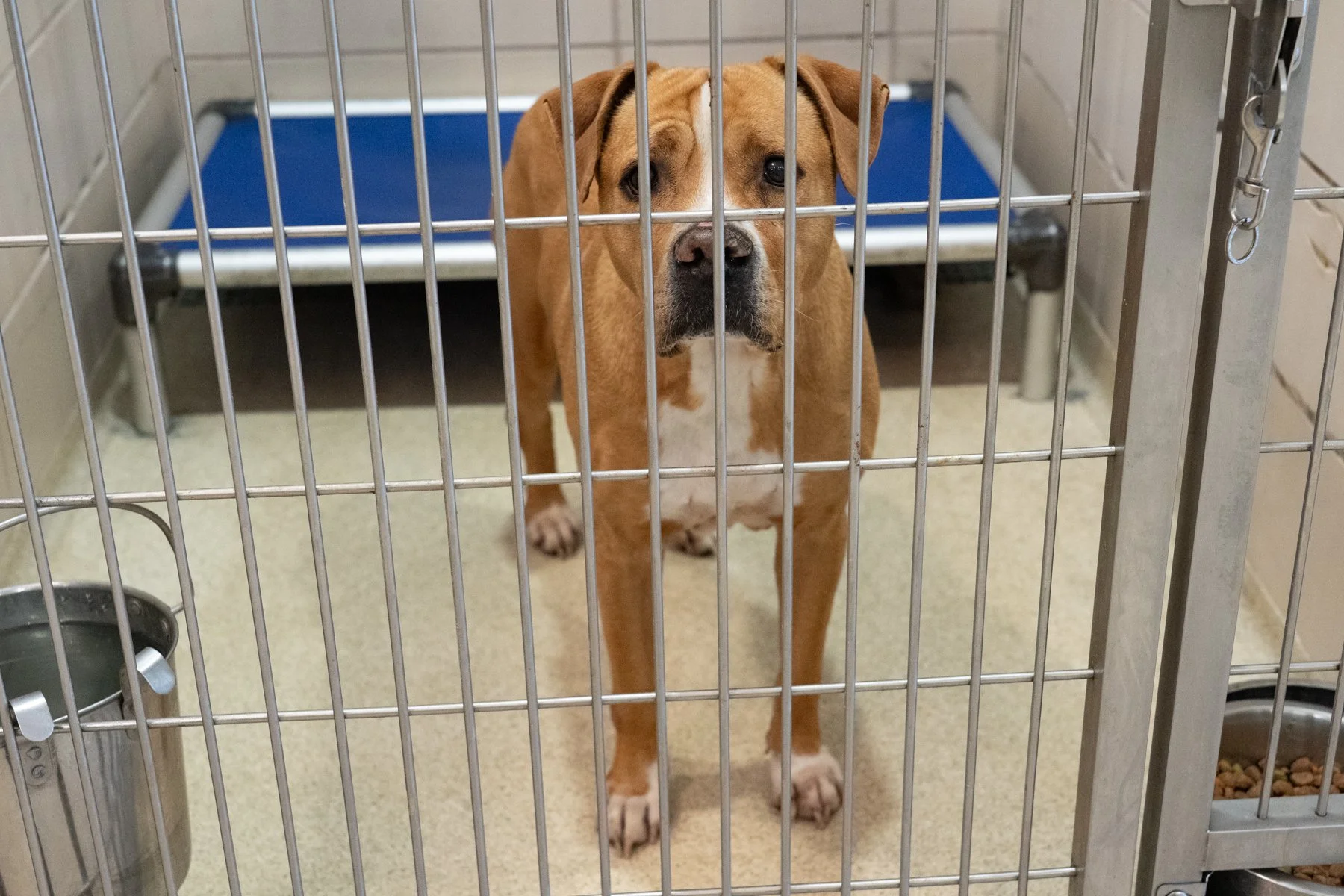
Thankfully, they have wonderful rescue partners, and 53% of their animals leave through rescue transports. To build and support that community of rescuers (more intentionality and proactive sheltering!), they hold quarterly Rescue Partner Meetings where they offer donated supplies, information, and access to county and state leadership, but most importantly, support and gratitude for the work they do.
The intentionality that Gina spoke of as we arrived permeates everything this shelter does. In a state that is too often blasted for being a tough place for homeless animals, Pasco County Animal Services is doing everything in its power to change that.
To learn more (I couldn’t possibly have listed all we saw!), visit: https://www.pascocountyfl.gov/services/animal_services/index.php
If you’d like to encourage the incredible staff at PCAS, consider shopping their Amazon wishlist: https://www.amazon.com/hz/wishlist/ls/QRPGSC18O854/