Without Municipal Support, Shelter Depends on Its ‘Friends’
Each year, two thousand animals (primarily dogs and cats) pass through the care of Bradford County Sheriff's Office Animal Services in Starke, Florida.
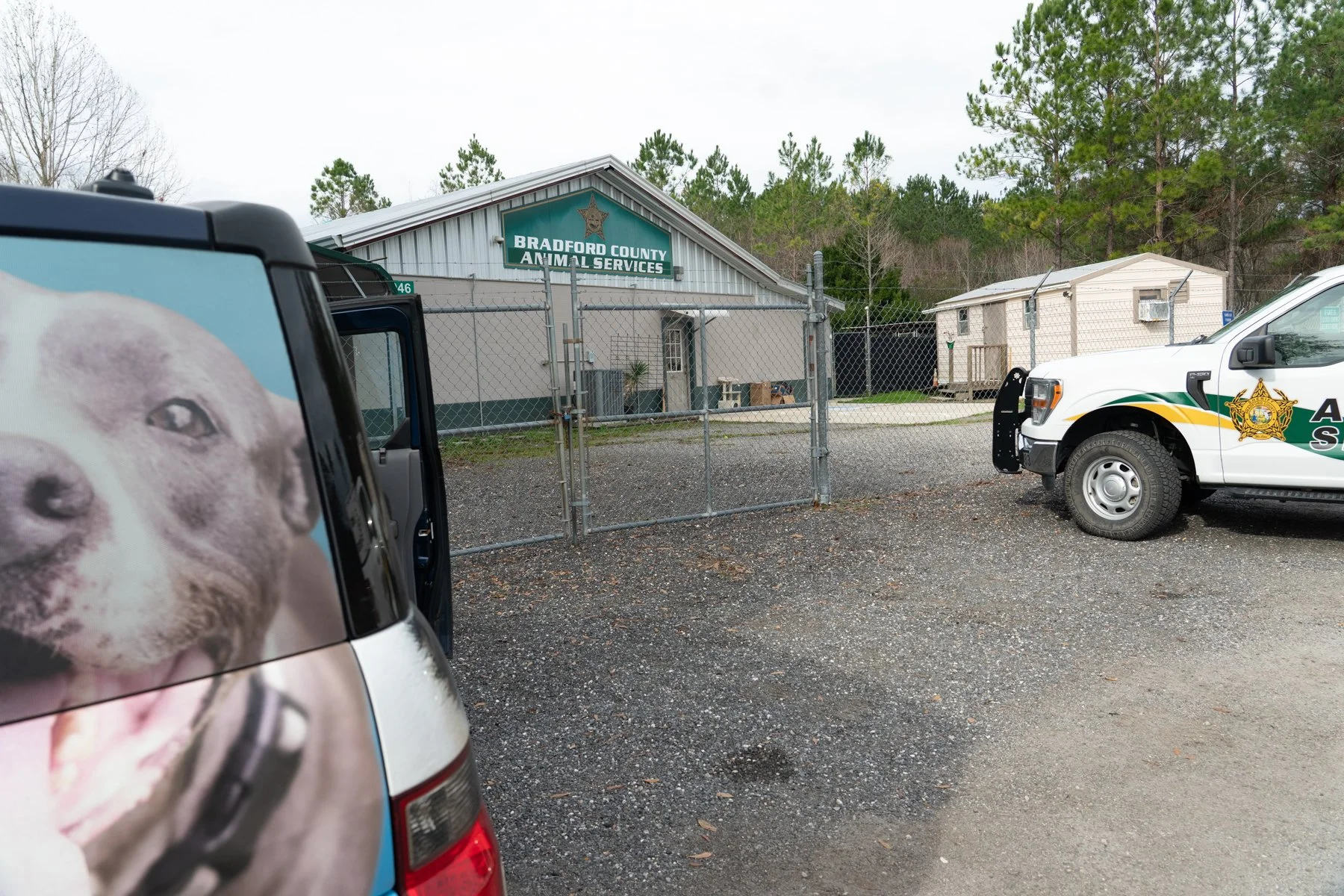
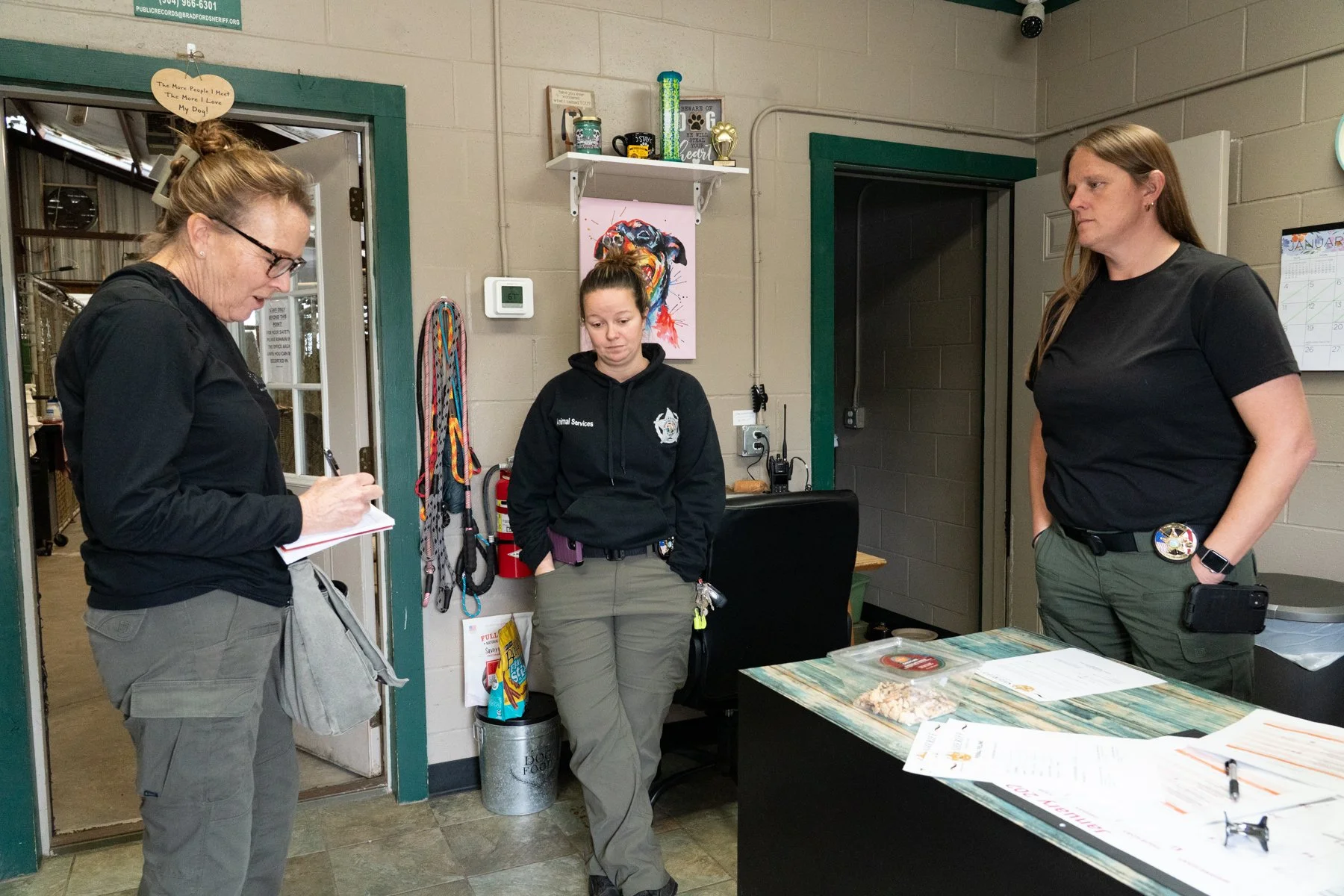
This is an impressive feat given that there are only two employees (plus a ‘trustee’ from the prison system who works seven days a week, and a part-timer to cover weekends). It’s even more impressive when you add the fact that the municipal budget does not include food or medical care. Nearly all of the ‘adoptable’ animals find safe outcomes primarily through rescues.
The steady flow of animals, which has not lessened, comes from strays and owner surrenders. This is the rare open intake shelter that accepts owner surrenders. ACO Christy says, “If we don’t take them, they’ll just end up leaving them tied to the fence outside, or dump them somewhere else.” ACO Stephanie says the most frequent call they get is to pick up a stray.
Shelter staff do try to help residents keep their pets if possible, encouraging them to use the many online resources for rehoming pets, or at the very least, asking them to hold onto their animals while staff tries to find adopters or a rescue for them.
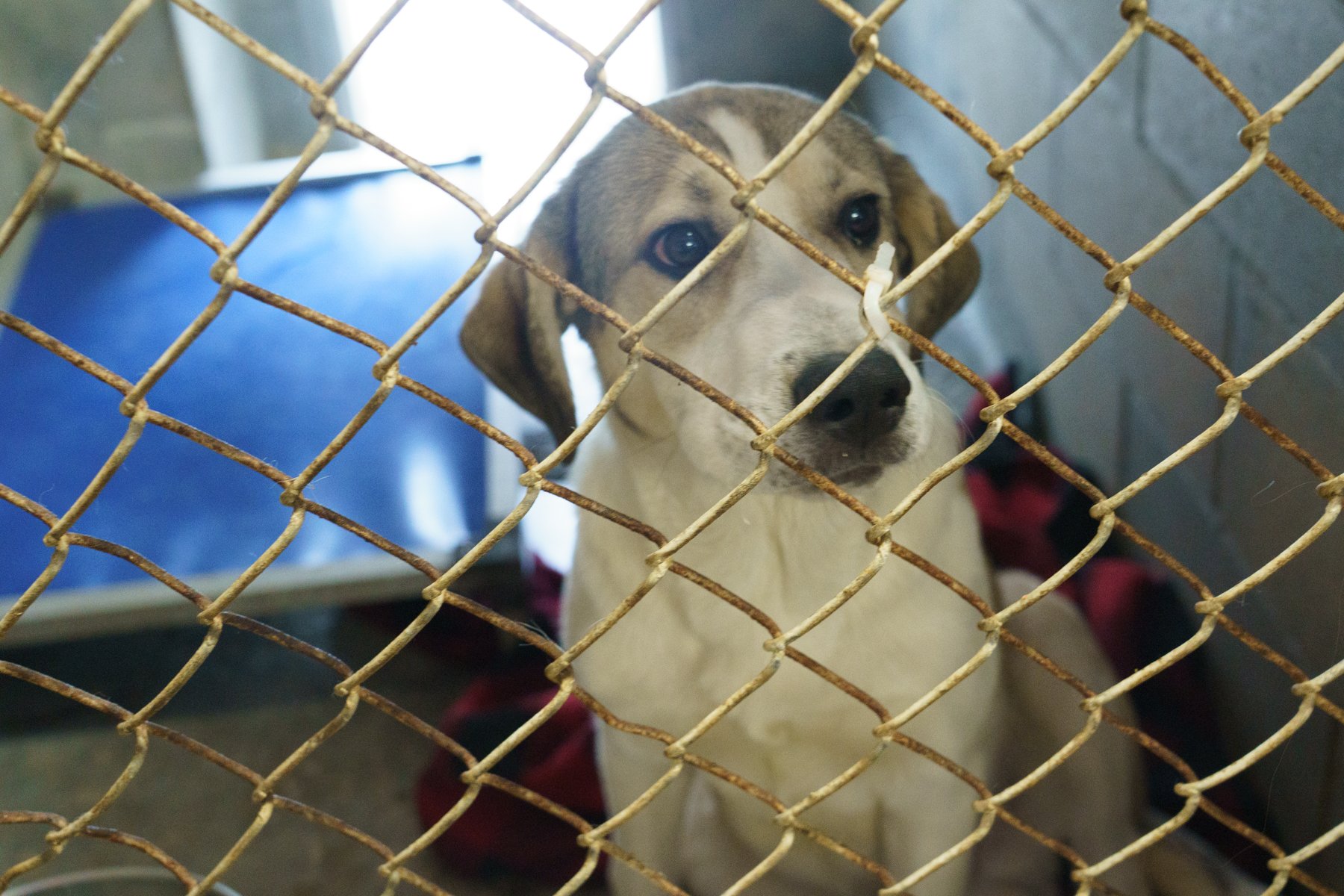
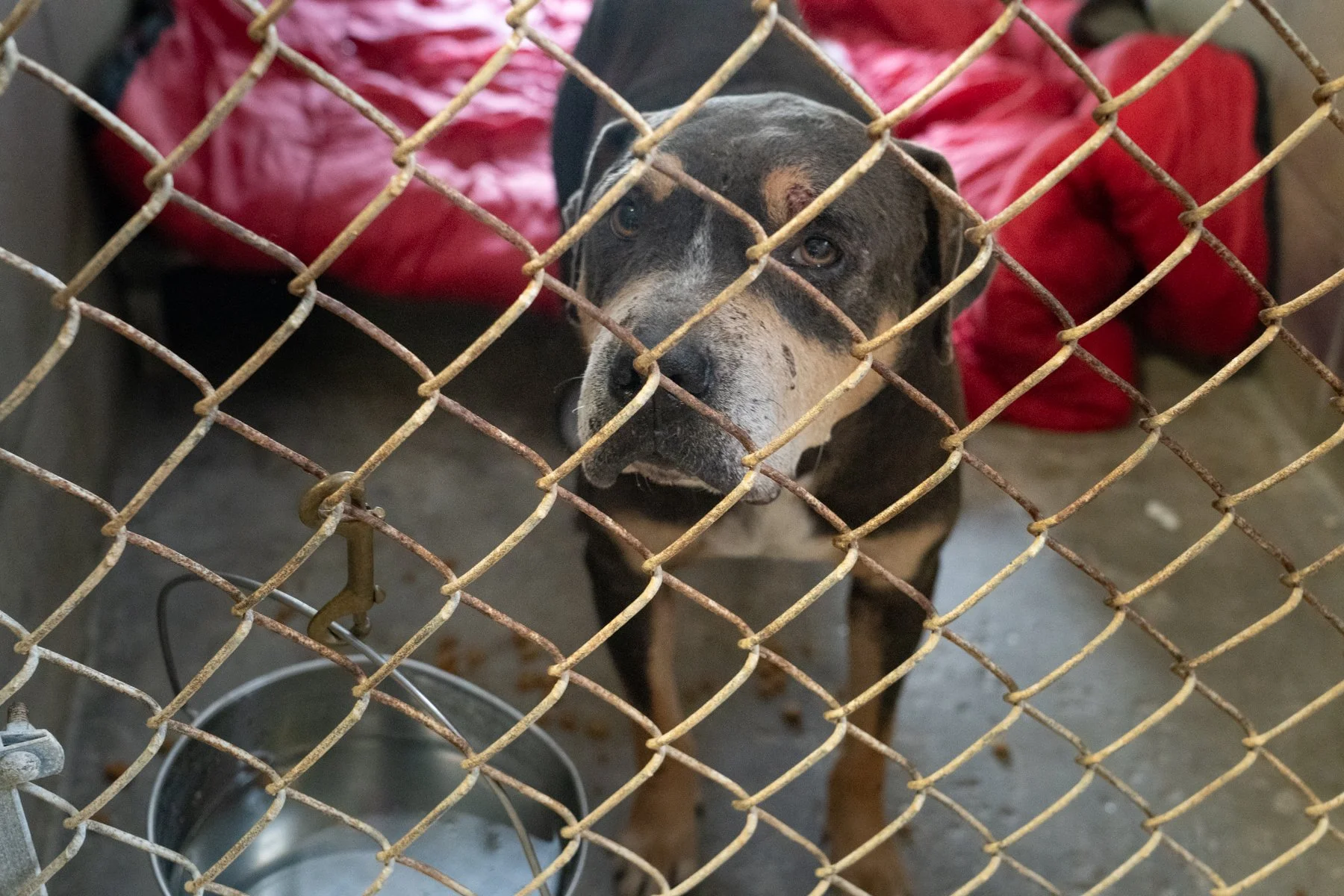
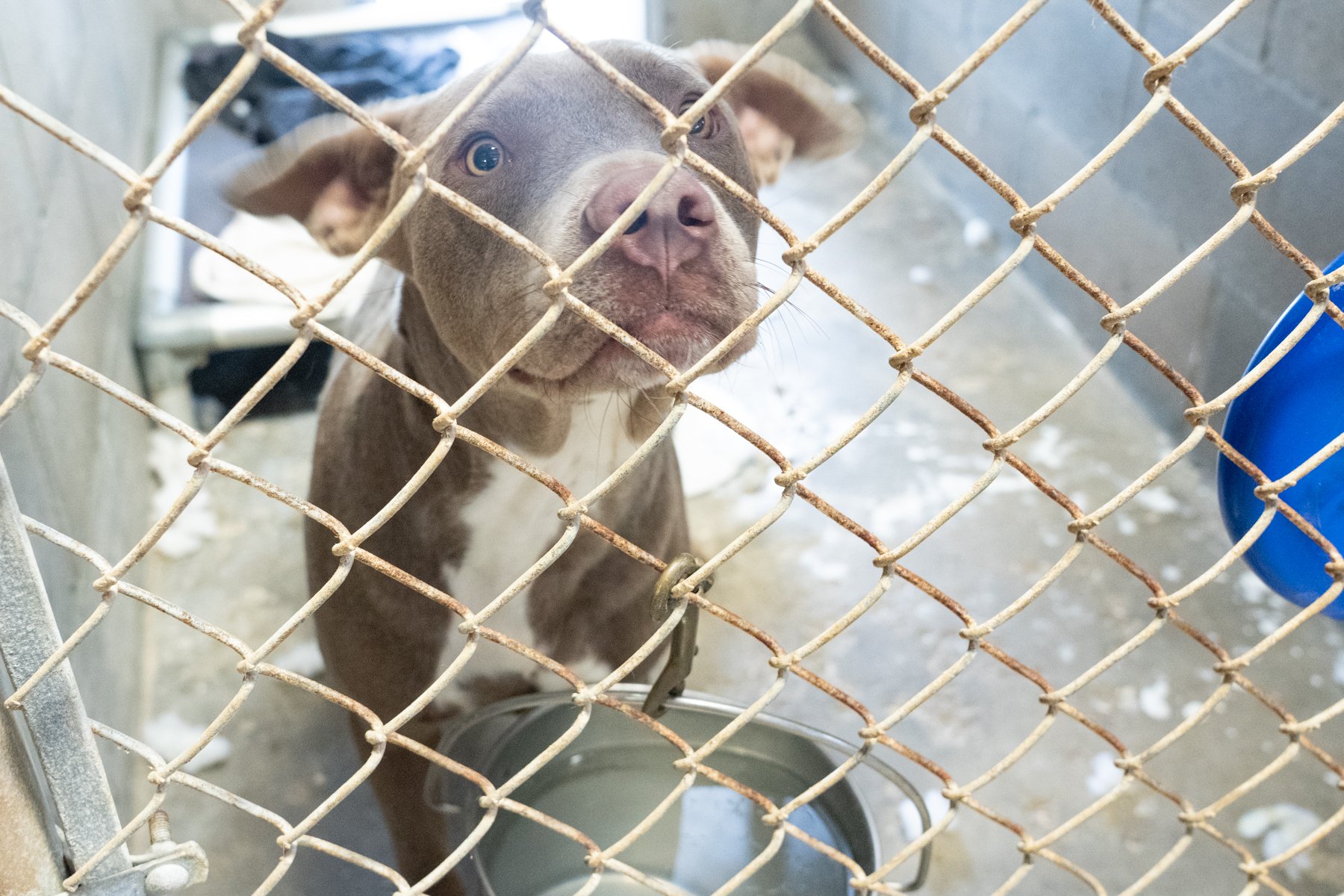
While many shelters manage intake by setting up waiting lists for owner surrenders or outright refusing them, that’s often a defeating practice. Stray animals multiply quickly, and when they ultimately land in the shelter's care, there is no information or history on the animal. At least an owner can provide them with some information, most importantly, the animal's medical status and why they are surrendering, which can help staff place the animal.
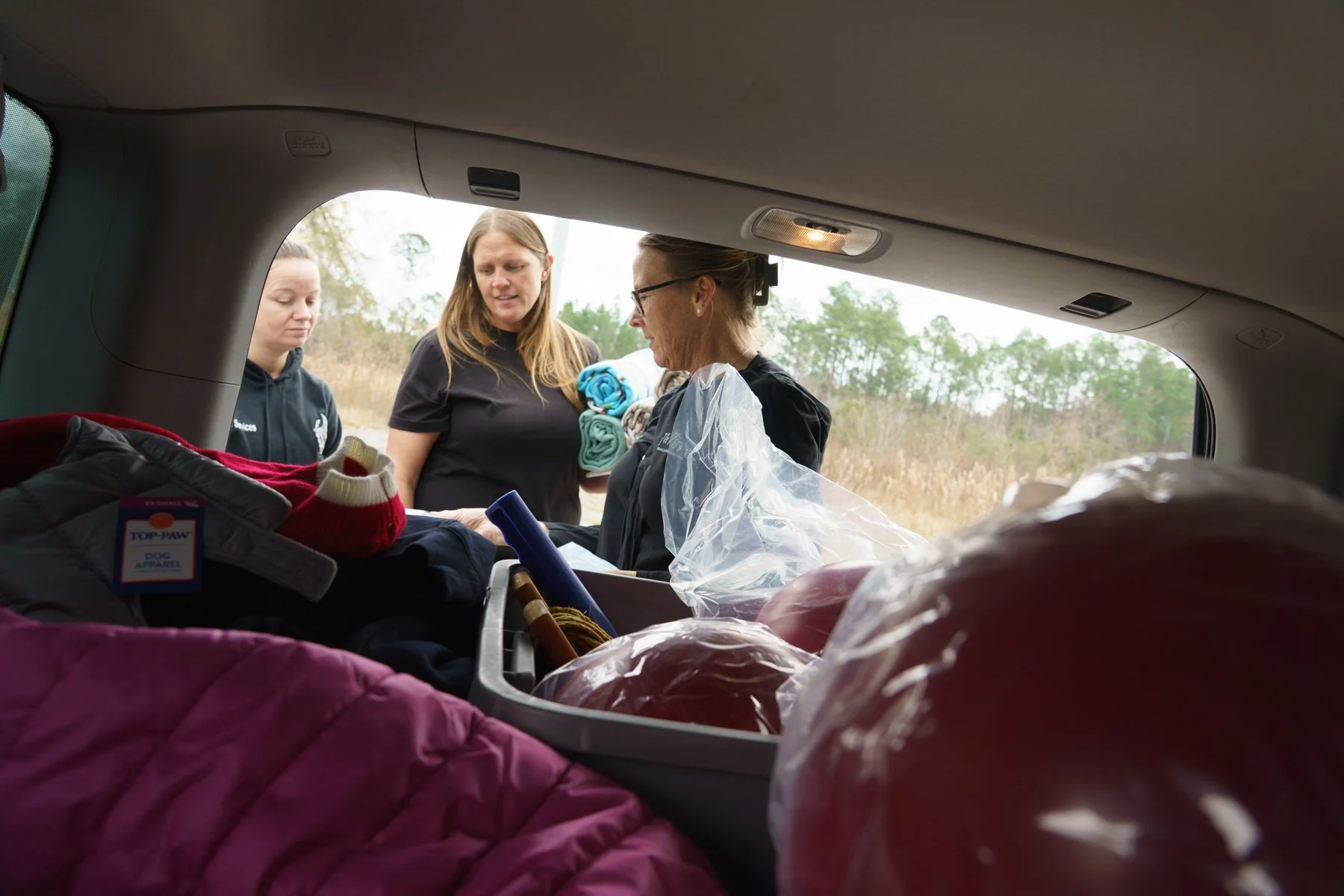
Bradford County Shelter succeeds largely because of the dedicated staff, but they couldn’t do what they do without the support of an angel in Orlando. Tracy, whom they have never met in person, and the amazing group she created -- Friends of Bradford County Animal Services -- not only find rescue help for many of the animals, but also come through when they are unable to get the things they need via their Amazon wishlist.
No animals are adopted from the shelter unaltered, thanks to the generous help of the University of Florida at Gainesville Veterinary program. They spay and neuter much of the shelter’s animals, treat heartworm, and handle other medical needs for free. Tracy and the Friends of Bradford County Animal Services fund medical care not handled by the University of Florida.
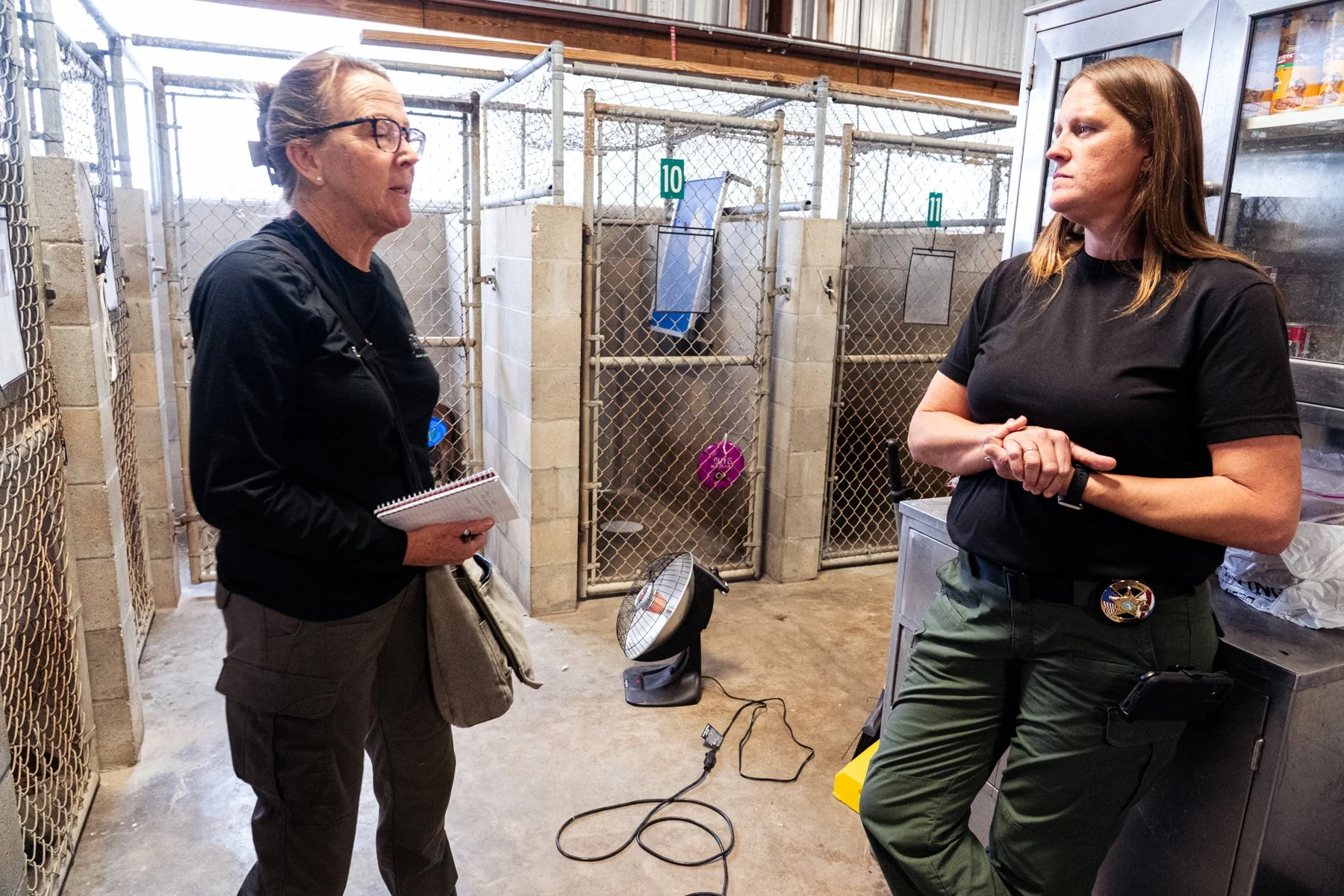
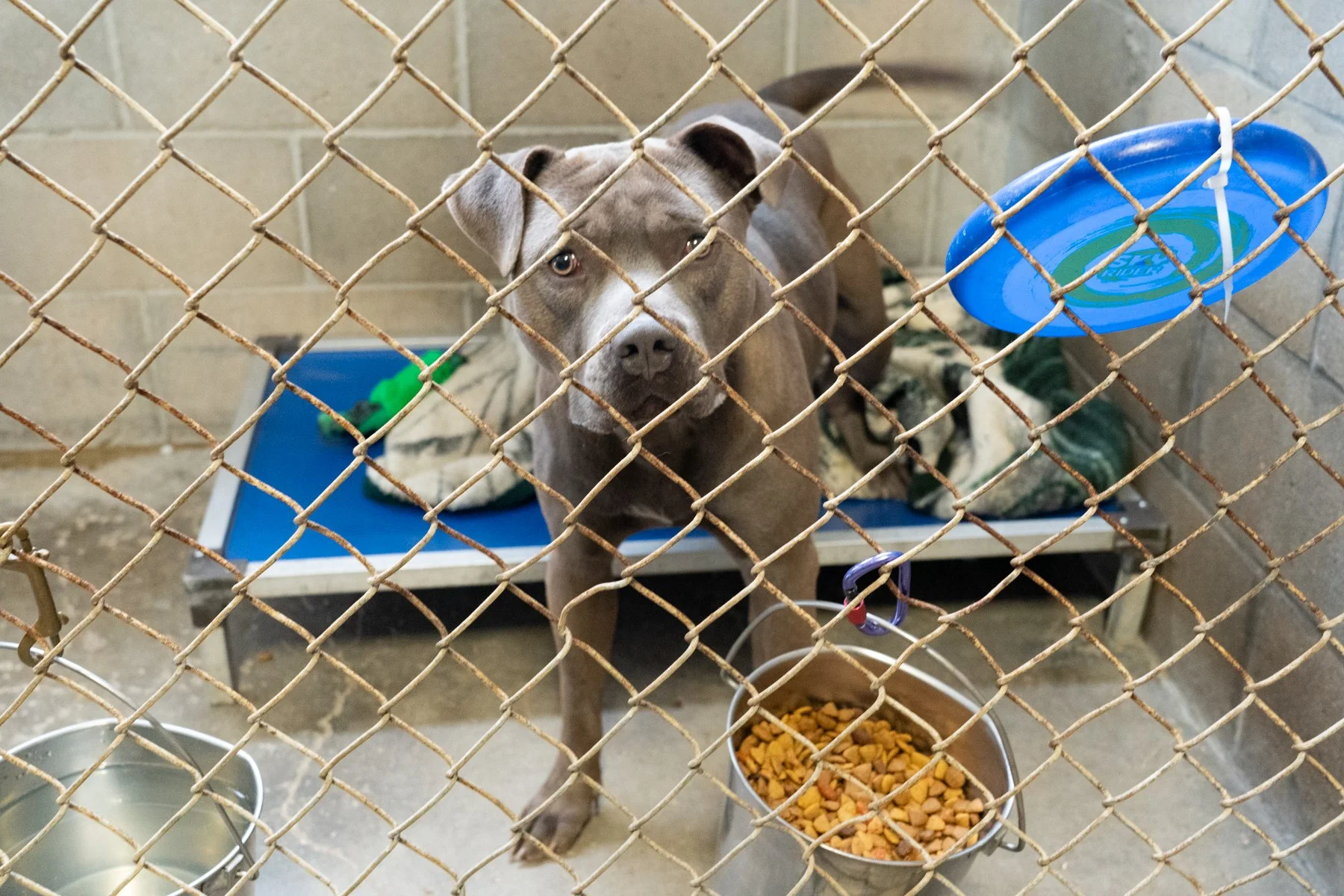
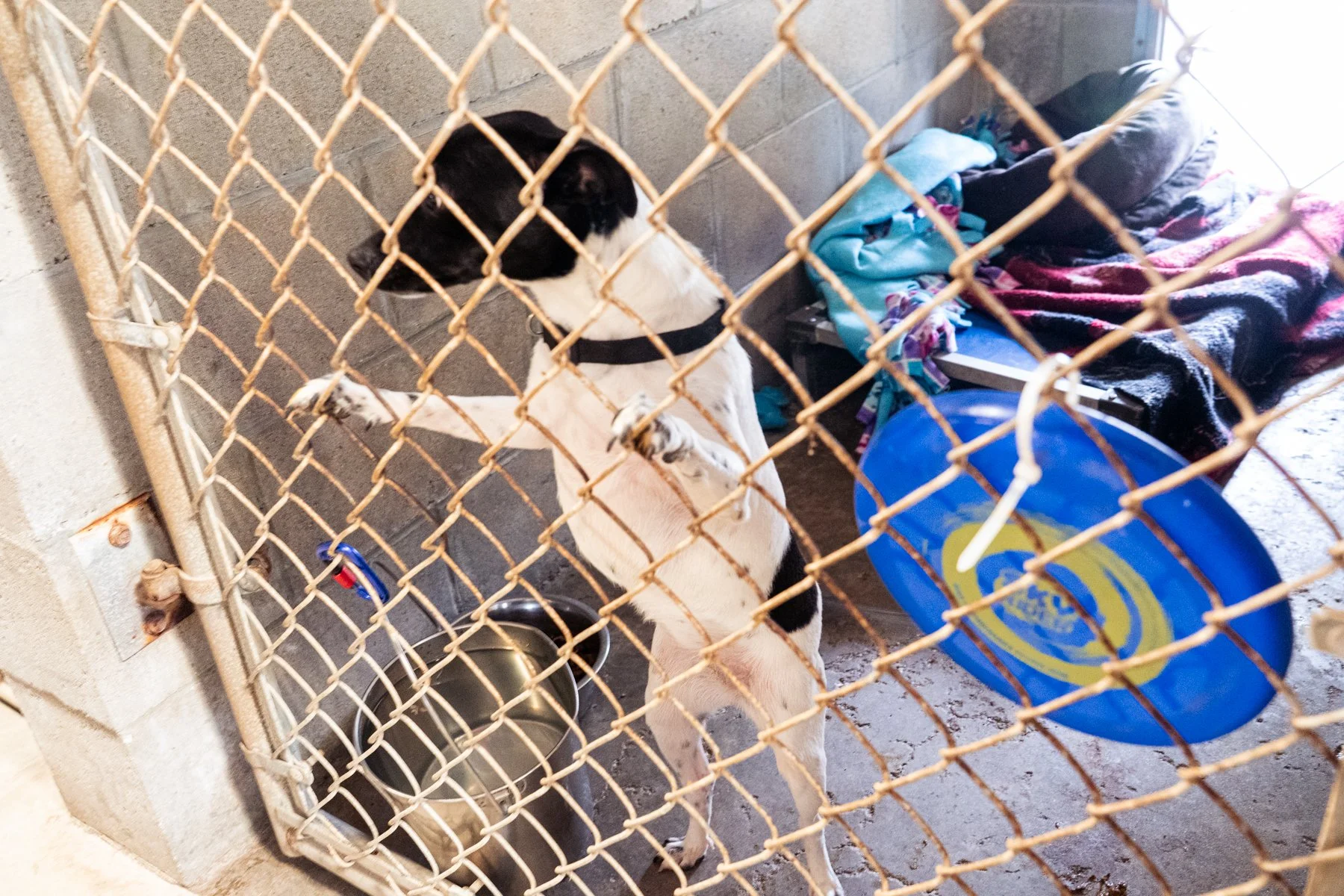
Stopping the flow of animals is the challenge facing so many shelters. Backyard breeding is rampant. Bradford County’s animal ordinances are outdated, and Christy and Stephanie would love to see them updated.
As we were talking about the challenges, a resident stopped by to look at the dogs. He’d brought his dog in a stroller. When asked what kind of dog she was, he said, ‘hound dog.’ He’d gotten the small shih-tzu-like dog at the local flea market for $10. Christy asked if he’d gotten a health certificate with the dog, and he had no idea what she was talking about. Point made.

The shelter regularly places five dogs in PAWS Camp, a local prison program. The dogs live with prisoners who are certified to train them in obedience. Most of the dogs in the program are adopted directly through the program.
While we were visiting, the shelter was not full – a rarity. In the 90 minutes while we were there, three more dogs arrived. One dog, familiar to the staff, was being fostered at the shelter because his owner had been incarcerated. Another dog came in with a broken foot, and a teary young woman returned a doodle-mix. She had been fostering-to-adopt, but had to return him because of his extreme separation anxiety.
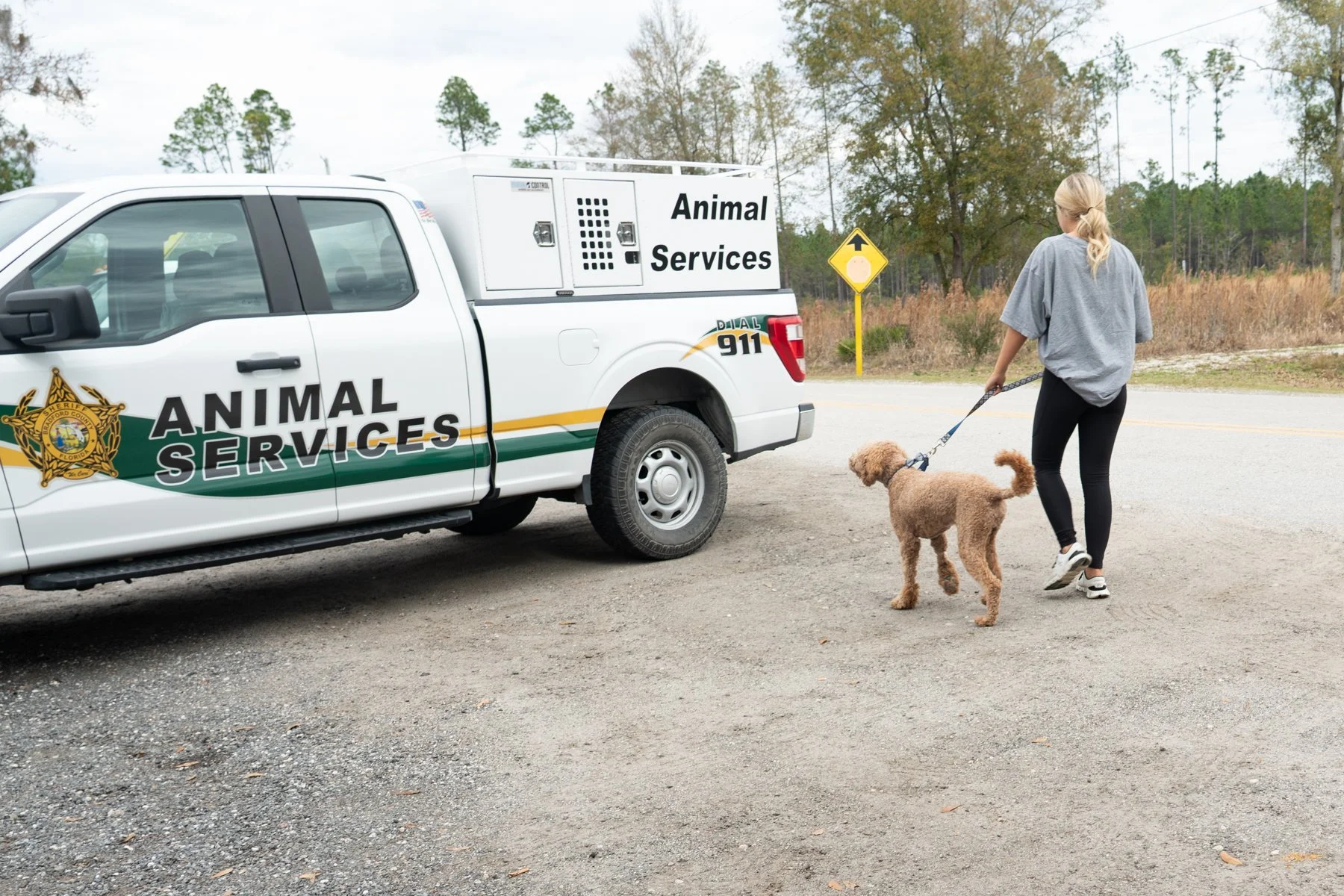
Several of the dogs currently in the shelter’s care are heartworm positive. Heartworm is prevalent in this hot, humid state. The staff gives the shelter dogs preventatives when they have them, but are dependent on donated supplies.
The shelter also had three dogs they’d gotten by swapping dogs with another shelter south of them. This is a smart strategy we’ve seen a few shelters embracing. They swap long-stay dogs with another shelter’s long-stay dogs. The thinking is that they will be exposed to a new population of adopters and rescuers and, hopefully, find their freedom ticket.
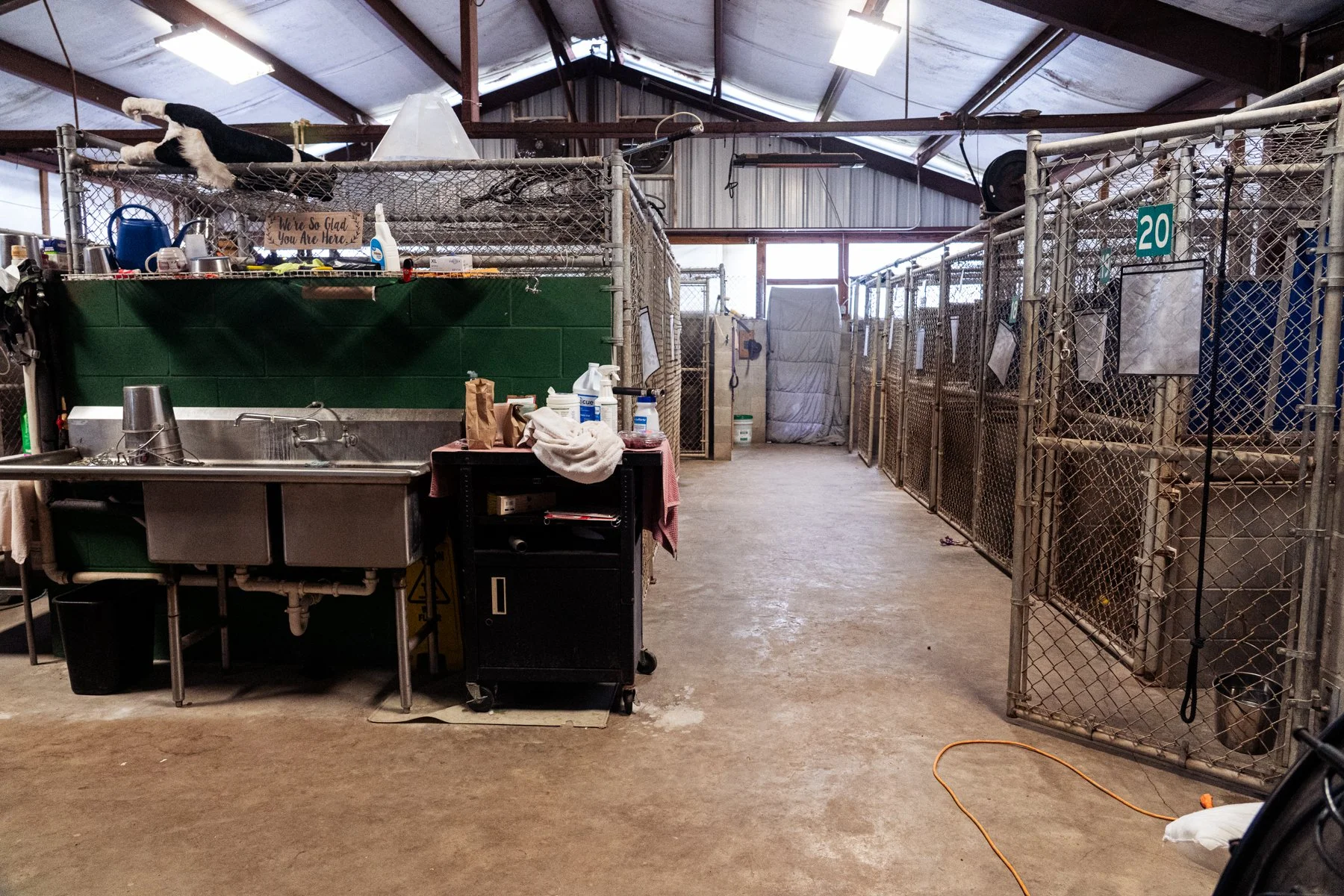
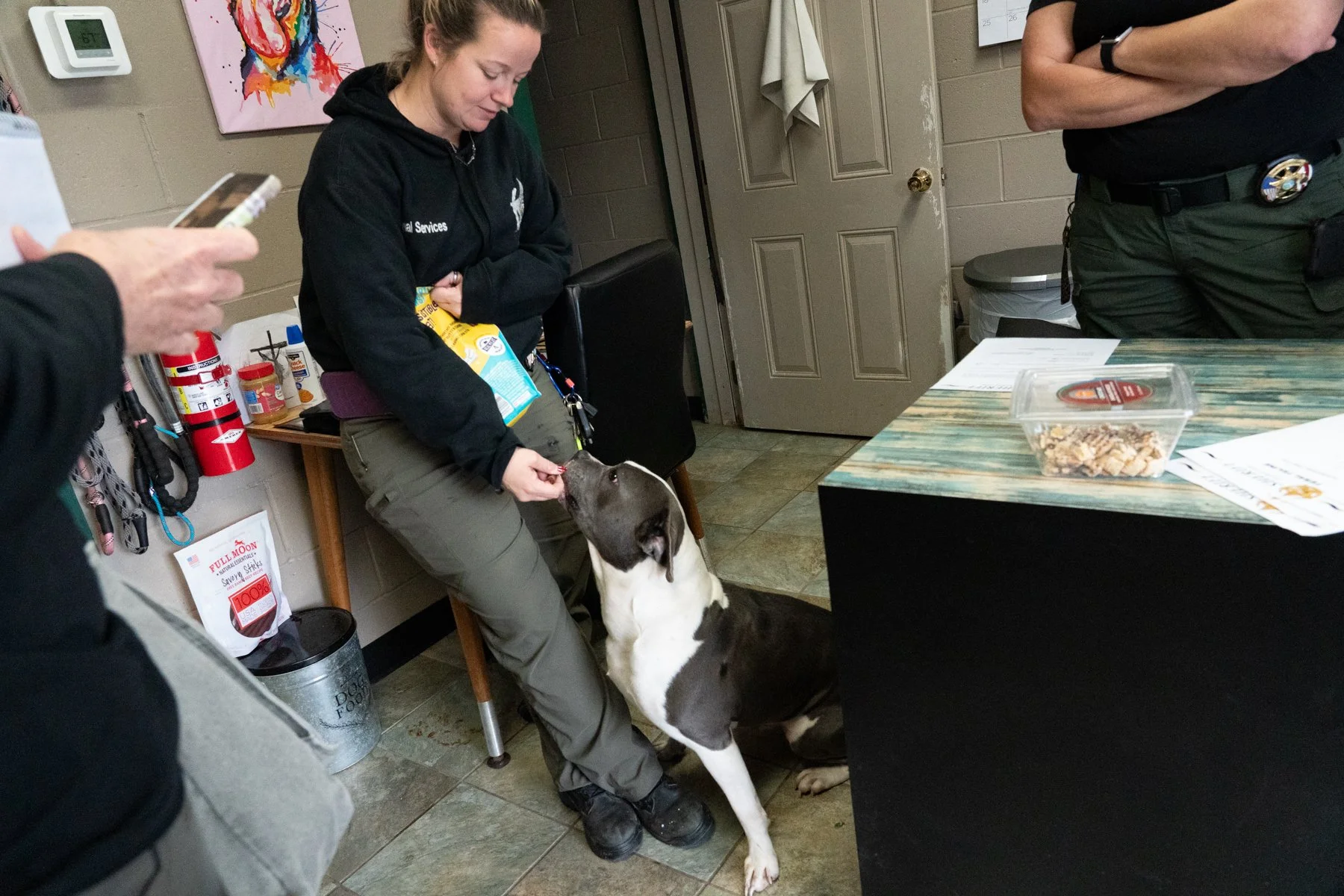
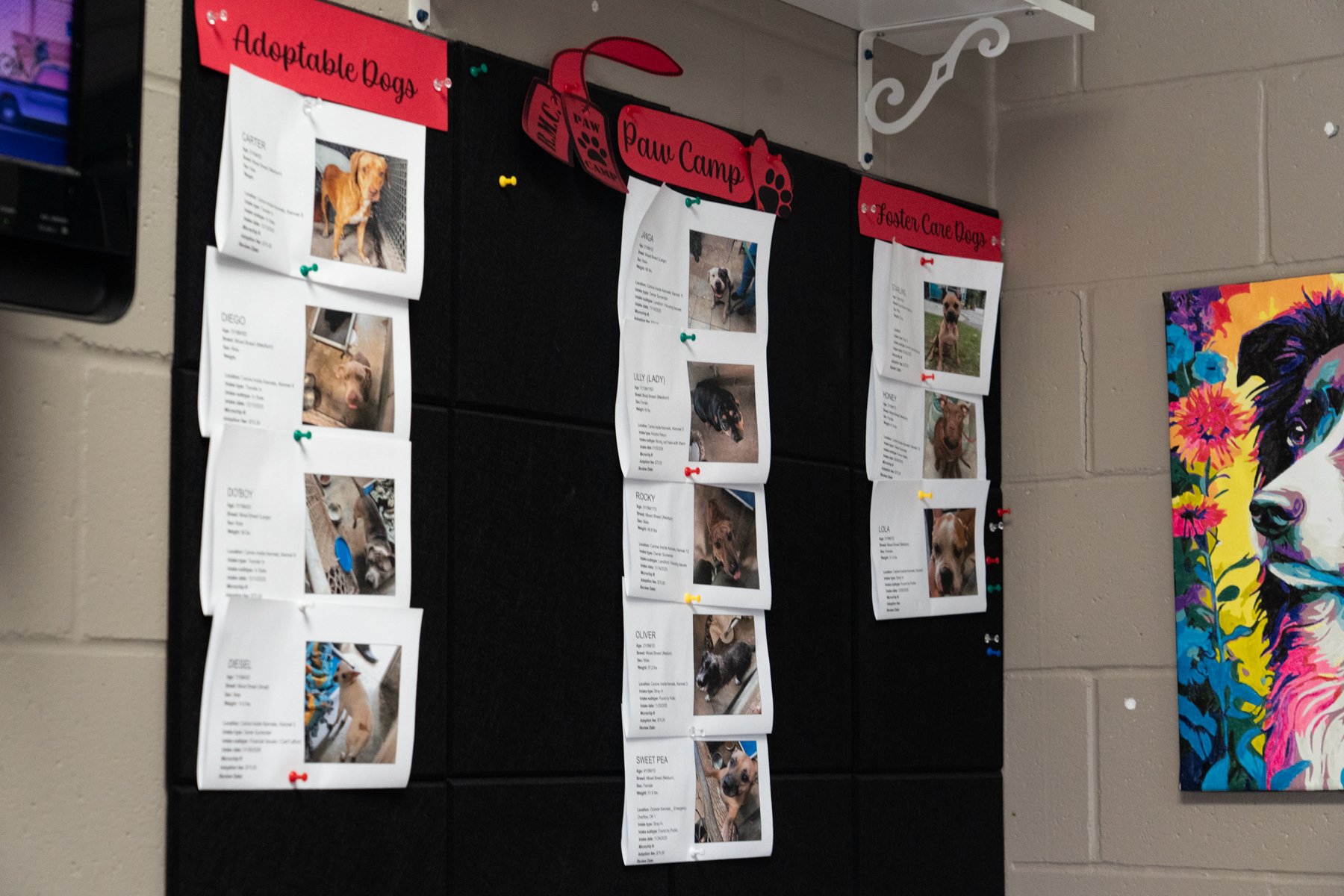
At Bradford County, they want dogs to move after thirty days; they’ve seen too many break down from shelter stress. The shelter also needs space to accommodate the steady influx of animals.
I asked Christy what happens when they get overfull. She said she and Stephanie work the phones and put out a plea begging for rescue help, and usually they get it. Often, it’s thanks to the connections of the Friends of Bradford County group. Shelter staff almost everywhere face that constant pressure as numbers creep up and dogs linger. Scrambling for food and rescues is just one more added stress to a highly stressful job.
Without the Orlando angel and her group or the University of Florida, the story would be much different here. In too many places like Bradford County, the care and the very lives of shelter animals are not guaranteed. There is no solid municipal support or a very thick safety net.
For now, Bradford County shelter is lucky. Let’s hope their luck holds long enough for the solutions to come. New ordinances to curtail backyard breeding and unfettered flea market sales, humane education, and affordable access to spay/neuter services are among the solutions needed, but, as in so many places in this country, the community and its government must embrace the critical need for Animal Services.
If you’d like to support the shelter, consider shopping their Amazon wishlist.