

Post Pandemic Animal Shelter Crisis is Growing Worse
Every shelter tour is different and the same; this one was no exception, but on this tour, we saw up close how the animal crisis in this country is growing.
Instead of giving you the blow-by-blow of each visit (which will come in later posts focused on each shelter), I want to talk about the dual impact of the pandemic and the quest to be a No-kill Nation on shelters, not just on the ones we visited this month, but across the nation.
Every one of the shelters we visited on this tour is labeled No-kill, as defined as a 90% live release rate (I’ll get to that definition in a minute). They are either the municipal shelter or are contracted to house animals brought in by animal control (effectively, they are the city or county shelter).
The No-Kill label has clearly influenced how they intake and manage their shelter population.
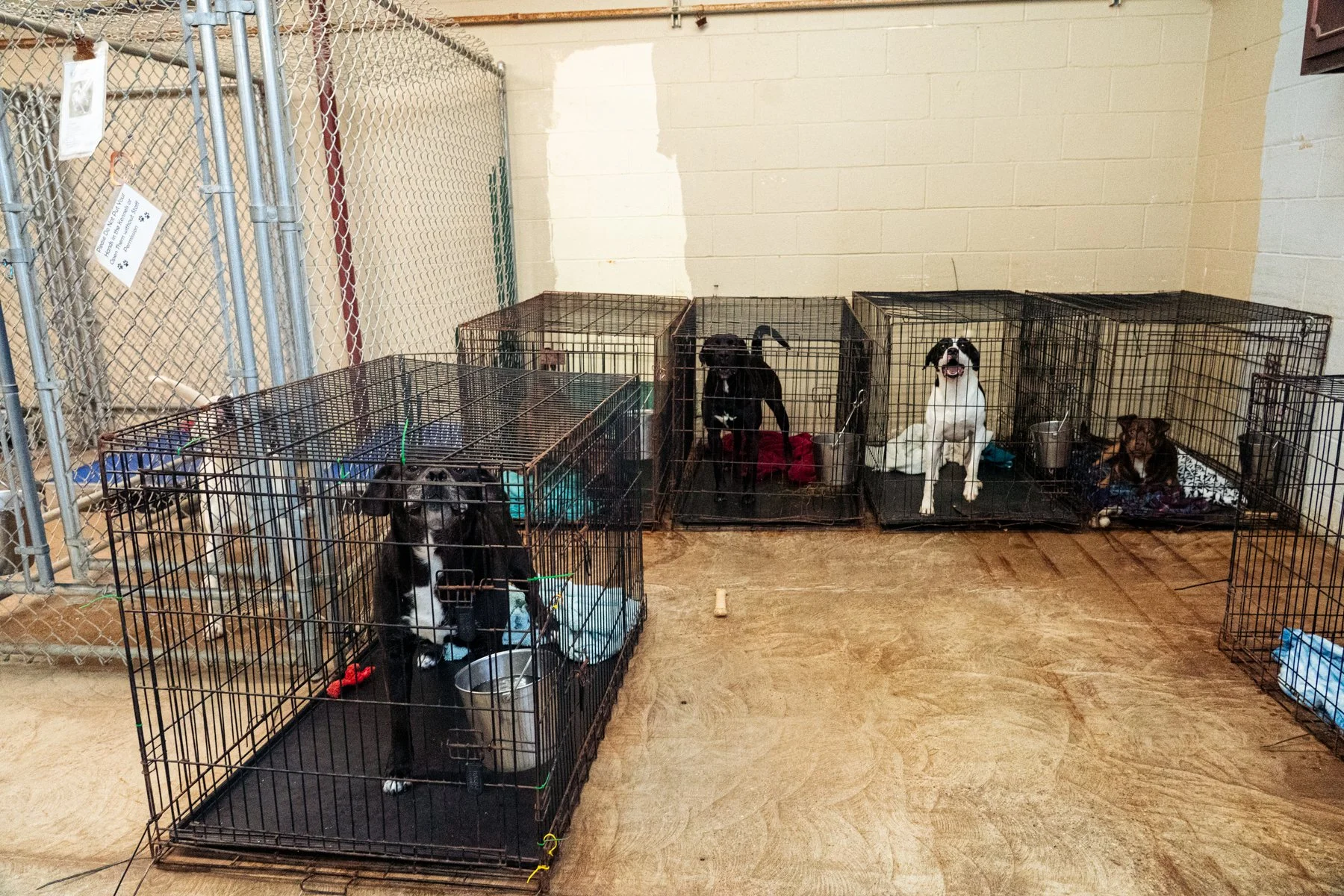
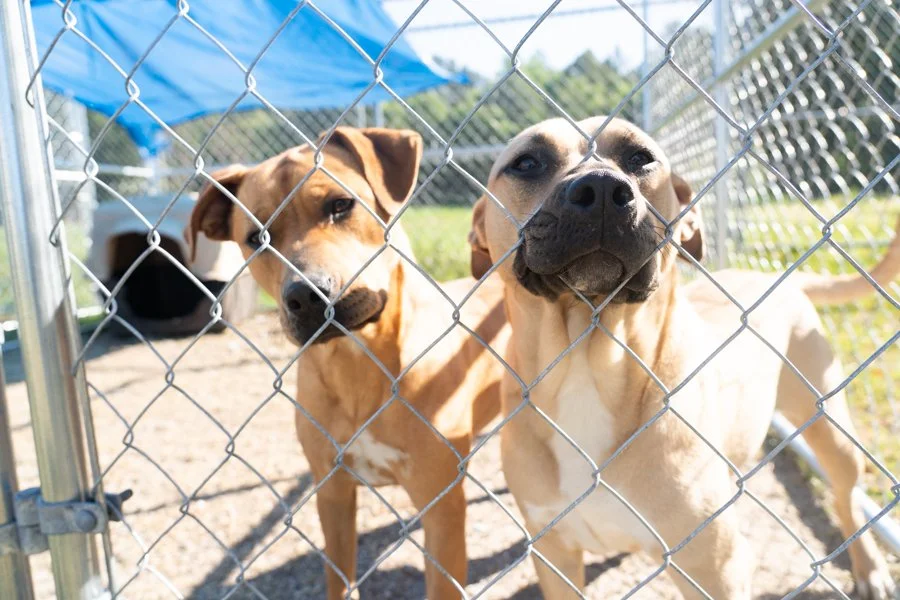
We met dogs who had been in shelter care for years, and some who had grown up in it. Many of these dogs exhibited clear shelter stress – spinning, excessive barrier aggression, cowering, weight loss, and worse. The intensity level in some of the kennels we walked through was extreme. In some places, the dogs had less than 30 minutes out of their kennels each day, some were living in crates, and some had no human contact beyond staff moving them to clean the kennel or feed them.
In shelter and rescue language, this is called ‘warehousing.’ And while some dogs can be warehoused for years and survive physically and even somewhat mentally intact, it is not a life I would wish on any dog, no matter how resilient. To my mind, this is keeping an animal alive; it is not sheltering them. There’s a big difference.
The people we met, every one of them, care deeply and passionately about saving lives. They don’t want to ‘euthanize for space or length of stay,’ a term that demonizes shelters when, in fact, it has become more and more necessary as our stray and unwanted animal population explodes all over the country. I never imagined I’d say this, but I don’t believe we can adopt our way out of this crisis. The time for that was six years ago, when we were still on the road to it.
Two shelter directors asked me —What happened during the pandemic that changed everything?
A lot. Before the pandemic, when we visited shelters, we saw a lot of evidence that the animal crisis was improving; now, on every tour, we see it worsening. Why?
Spay and neuter availability and affordability disappeared in many places due to demand for services (increased adoptions), a veterinary shortage, and the private equity acquisitions of so many veterinary practices.
Finding affordable housing, let alone pet-friendly housing, became harder than ever. During and after the pandemic, rental housing was often improved, and once eviction moratoriums were lifted, rents were raised, and new rules were put in place.
Everyone wanted a puppy. Breeders quickly sold out, and backyard breeding exploded. Puppy mills cranked up production. Everyone wanted to make money on the massive demand for puppies.

Puppies were often not spayed or neutered. Maybe those surgeries didn’t happen because, for some veterinarians, surgeries were paused as ‘not essential.’ This created a backlog, along with the surge in puppy purchases, leading to higher prices, fewer surgery slots, and the deprioritization of shelter/rescue services (since those are typically discounted).
An unprecedented number of dogs were adopted, many by first-time adopters who lack the knowledge or experience to properly socialize, train, manage, or follow health protocols, including spay/neuter.
Insurance companies continued and, in some cases, expanded their restrictions on coverage for families owning bully breeds and aggressive breeds.
For all of those reasons, the number of owner-surrendered animals increased, as well as intentional and unintentional litters. Hoarding cases have also increased during this time.
But nothing affected the animal crisis like the increased practice of managed intake and the introduction of community sheltering.
Managed Intake became the hot term in sheltering, pushed by national organizations that define No-kill as 90% live outcomes. NOTE: Nowhere in the original tenets of No-kill will you find 90% mentioned. In an effort to earn No-kill status, and with it the public support, grant money, and accolades from national organizations, shelters began to, or increased, their practice of managed intake.
Managed intake means just that—you manage which dogs come in and which don’t. If you are full, you refuse to take owner-surrendered dogs. You advise finders to keep and foster the dogs they find. You put people on waiting lists. These lists grow long. We visited a shelter last year whose waiting list had more than 300 families waiting to surrender their dogs. You don’t have to euthanize a dog you’ve never allowed in your building.
For many of the reasons mentioned above, adoptions stalled and rescues pulled fewer dogs (as they were also full and/or protecting thier No-Kill status). This led to dogs being warehoused for months and years. They are alive – they have not been killed to make room – but are they living?
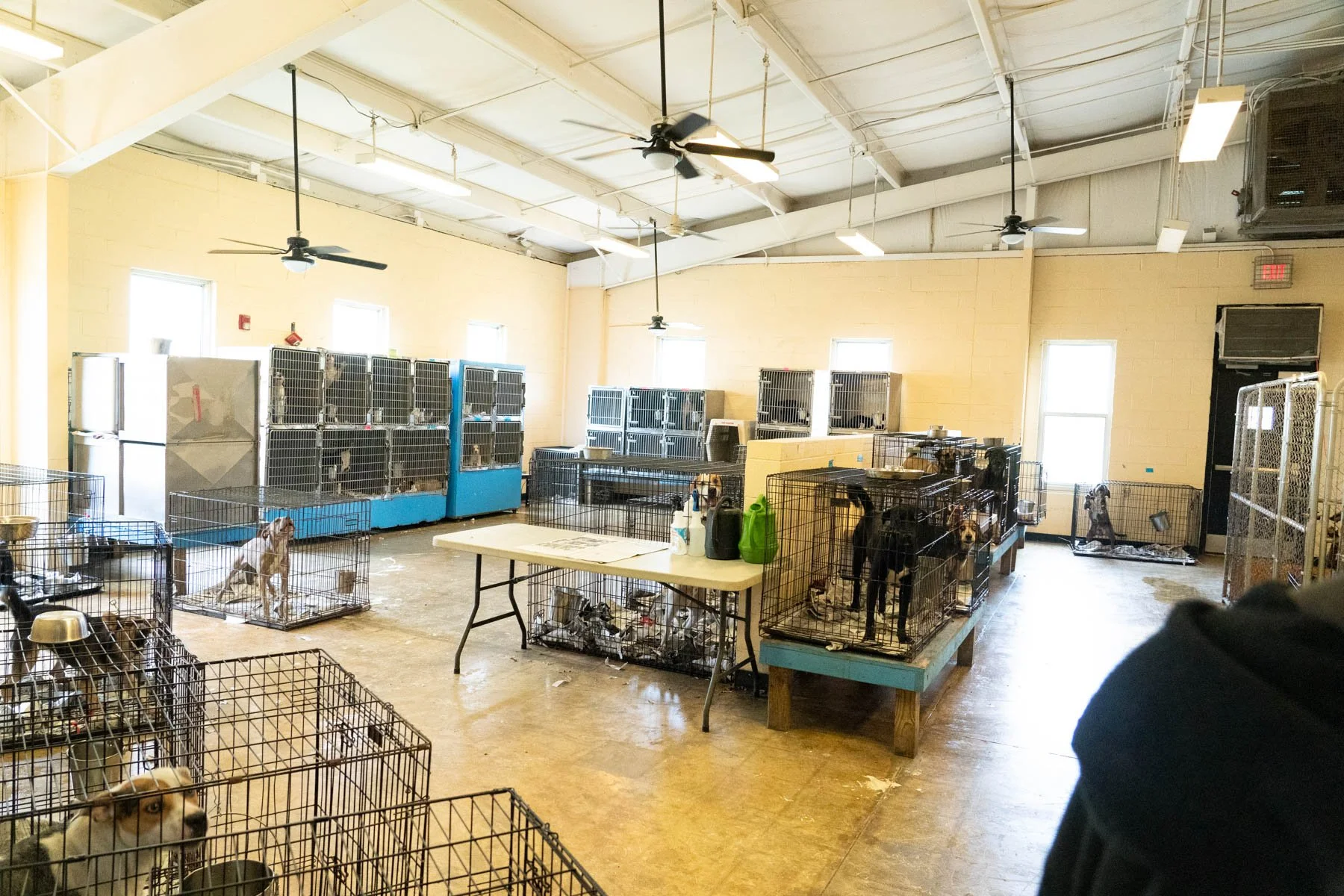
More than one director on this tour told me that euthanizing dogs they’d had in care for months or years would be impossible because it would devastate their volunteers. That’s an understandable concern, but one that can and should be met with transparency. If no one in the community has chosen to take this dog home and no rescue has offered to pull it in all that time, that dog is not adoptable. And it is taking resources and space away from dozens of dogs who are suffering and dying (not to mention multiplying) outside the shelter.
I don’t begin to presume this is an easy conversation, but it’s one that needs to happen.
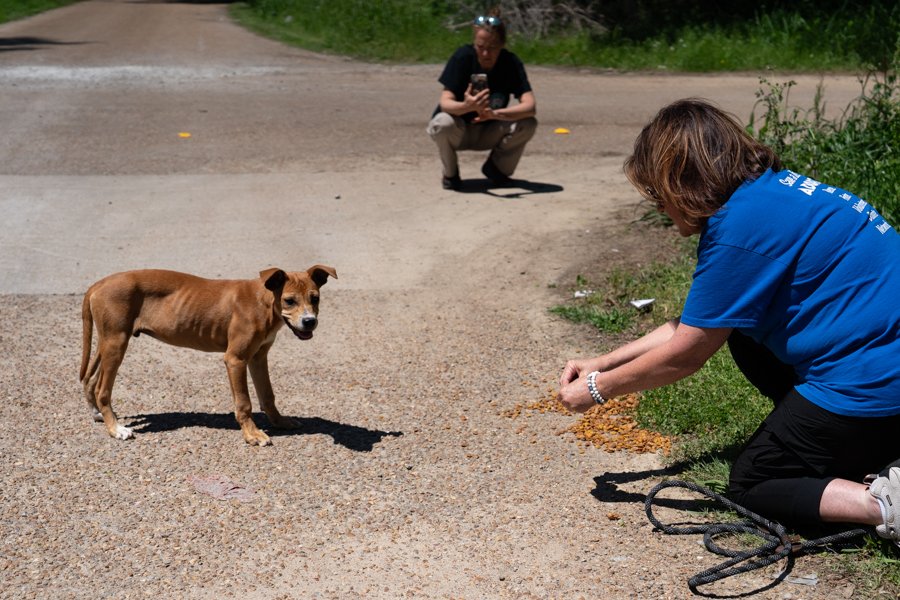
Community sheltering, a new policy pushed out by several national organizations, most notably HASS (Human Animal Support Services), promoted communities taking responsibility for the ‘lost’ animals in their midst. Assuming that all lost animals are usually only a mile from their home, they recommended that finders leave the animals where they were found and/or foster the dogs (and cats) themselves, and look for the owners or a new home.
So much is wrong with this assumption and these instructions that my head practically explodes when I think about it.
First of all, many found animals are not lost; they are abandoned. Now, remember the effect of managed intake? No owner surrendered, or sometimes stray animals can come in if there isn’t room?
Guess what happens to animals who people won’t or can’t continue to care for? They get dumped. 80% of animals coming into shelters are not altered, so those dumped animals multiply quickly, especially if ‘left where found.’
Even if that animal is truly lost, as a long-time foster dog mom, I believe it is dangerous and irresponsible to advise people to take in an unknown dog with no experience, support, or plan for that dog’s outcome. I would never foster a dog without knowing its health record. I have dogs of my own, I won’t put them in harm’s way. I would never foster a dog that a professional hasn’t handled and assessed, at least minimally, for behavior.
What’s truly amazing to me is that there haven’t been lawsuits brought on by people advised by their municipal shelter to foster an animal or leave it where they found it, only for that situation to take a tragic turn.
Things have changed in the animal shelter world since the pandemic. Because of that, we need new solutions.
Defining No-kill as 90% live outcomes is not just wrong; it has incentivized behaviors that are driving our animal crisis.
Every day we don’t address it, we dig ourselves deeper. Ultimately, every community will reach a tipping point. And when that happens, I cannot even begin to imagine how far we will be from the fictional No-kill nation everyone assumes we are becoming.
It’s time for people to speak up. Ask questions. What kind of life is it for a dog being warehoused for months or years? What happens to the dogs who are turned away because there is no room? There are fates much worse than a humane euthanasia.
None of this is easy. But here’s the bottom line – if we don’t face up to it now, we will only make the crisis worse. And in the end, more animals and people will suffer because of it.
We welcome you ideas and thoughts about the animal crisis and how we solve it. If you are a shelter or rescue professional or volunteer, an advocate, or just someone who cares, feel free to join us in conversation on Facebook in our new group created for connections, questions, and solutions - WWLDO Shelter Solutions and Support. (be warned, we are looking for solutions and support, not judgment, blaming or complaining)
You can also reach out via any of our social media channels, or email me (Cara@WWLDO.org)