Big Challenges, Bright Futures: The Juggling Act of a Rural WV Shelter
Up a hollow on a dead-end road is a little shelter that has been saving lives since 1959. It has evolved over the years and currently houses about 40 dogs in a collection of buildings and outdoor kennels and runs beside a shady creek.
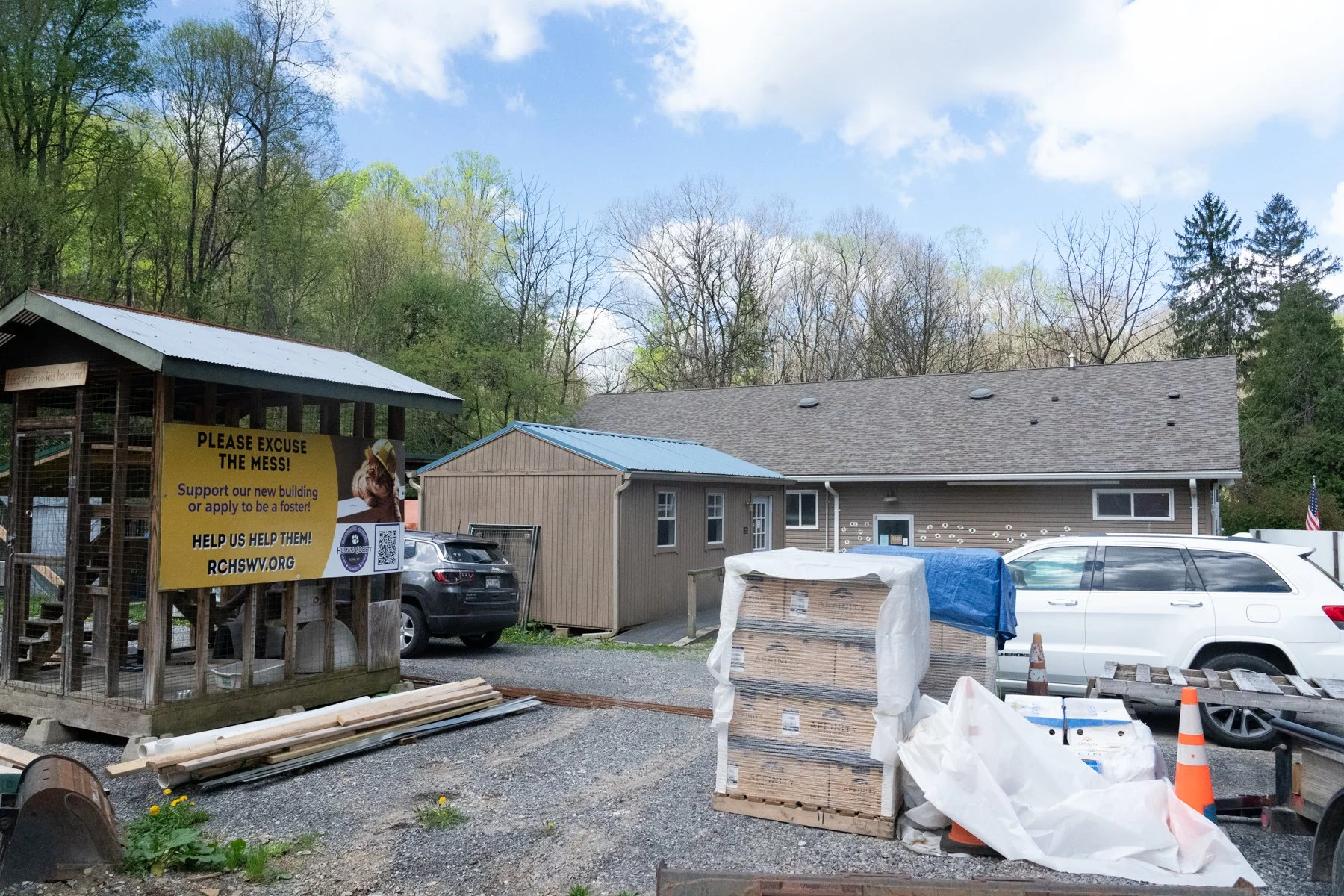
Randolph County Humane Society is in Elkins, West Virginia, in the Allegheny Highlands region of Eastern West Virginia. The shelter has a contract with the county to take dogs brought in via Animal Control officers and to house dogs on legal holds. They also take some owner-surrendered dogs from the surrounding area.
The county’s payment for services constitutes less than a quarter of their budget, so they fund the rest through grants, donations, and fundraisers – the endless work of every nonprofit.
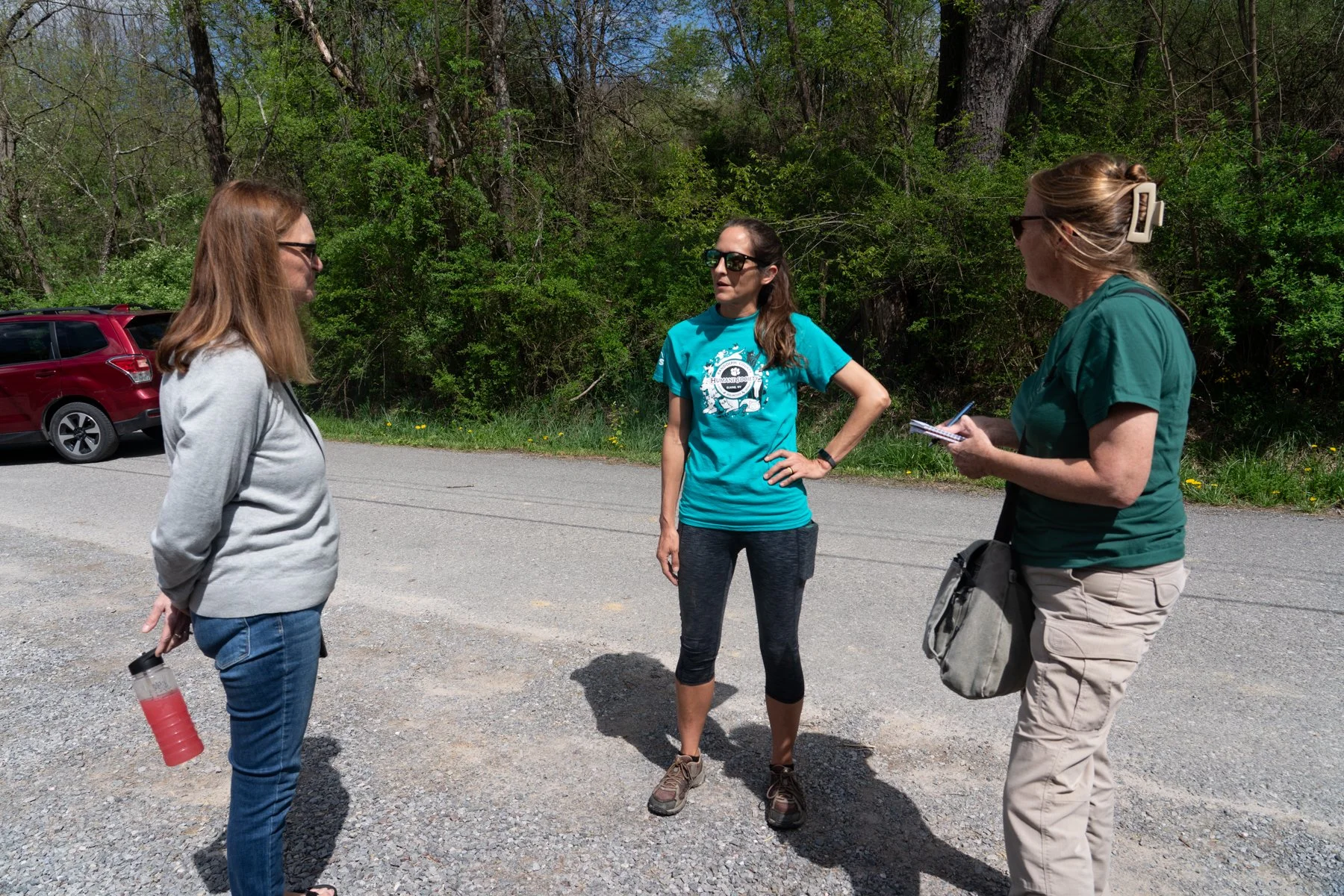
We visited in April 2026 and met with former board president (and current board member) Tina, and current board president Jenna. RCHS has a very hands-on board, with members not just handling fundraising but also off-site adoption events, dog-walking, and pretty much anything else that needs to be done.
The challenges of limited space and a rural setting
The tiny shelter takes in about 500 animals a year, placing most in adoptive homes and working with a few rescues. This year, as intakes swell, they’ve been reliant on two consistent rescue partners to move dogs and make room. RCHS only euthanizes for medical (physical and mental) and behavioral reasons. So they must move animals before bringing in more. It’s a juggling act many shelters are struggling with right now.
The biggest challenge is veterinary access and expenses. The shelter only adopts out spayed/neutered dogs, which requires the staff or volunteers to drive at least an hour and a half to find affordable services.
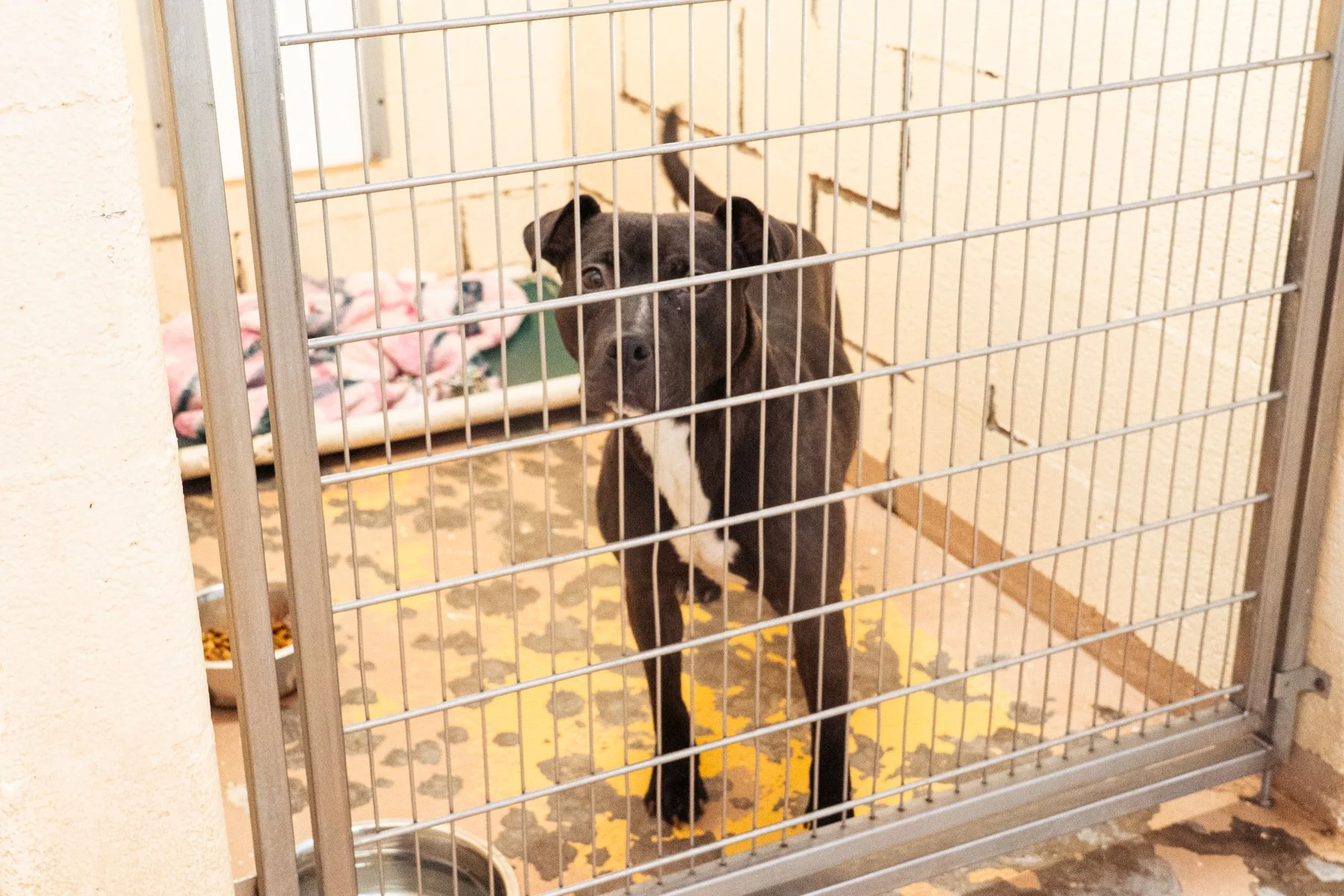
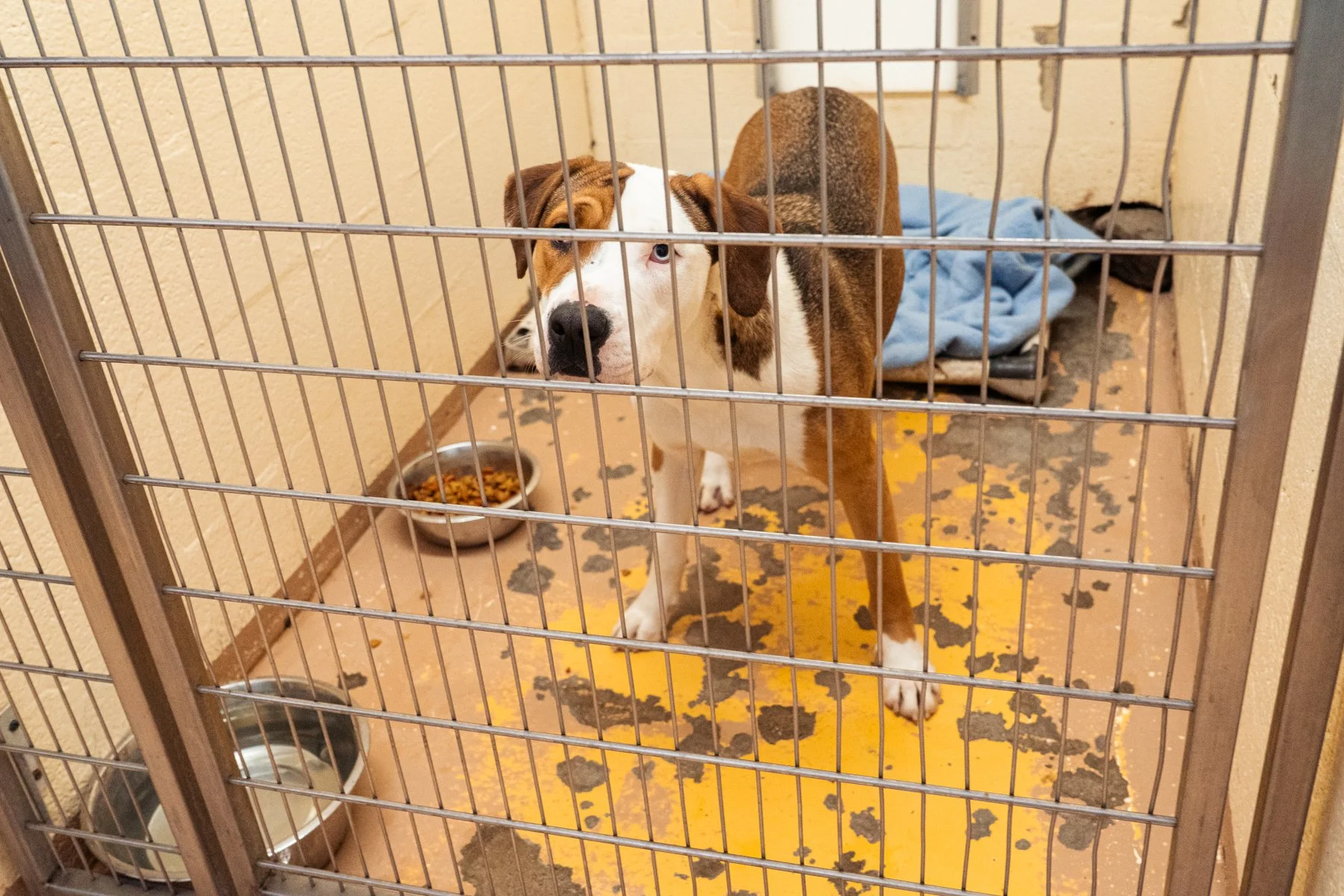
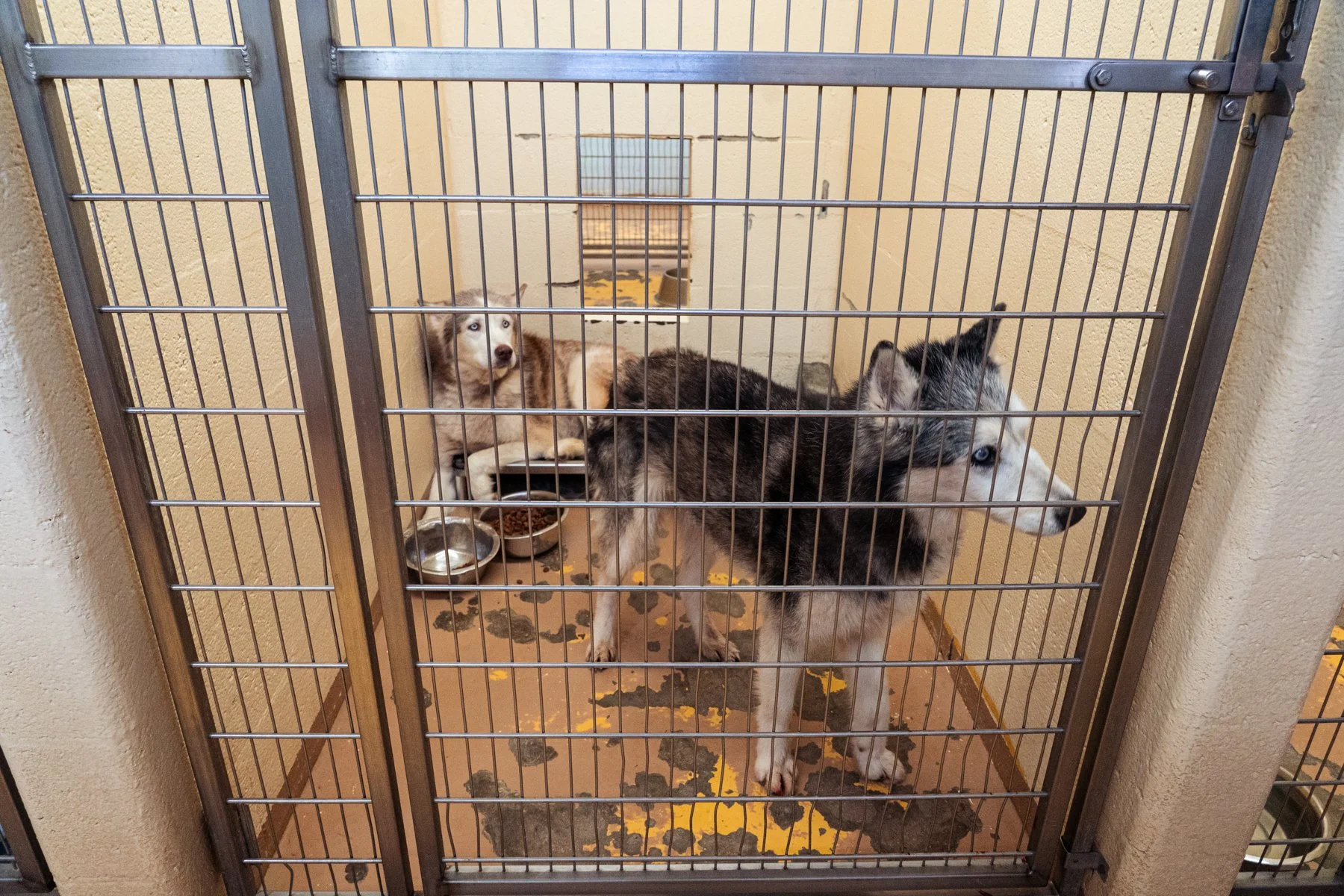
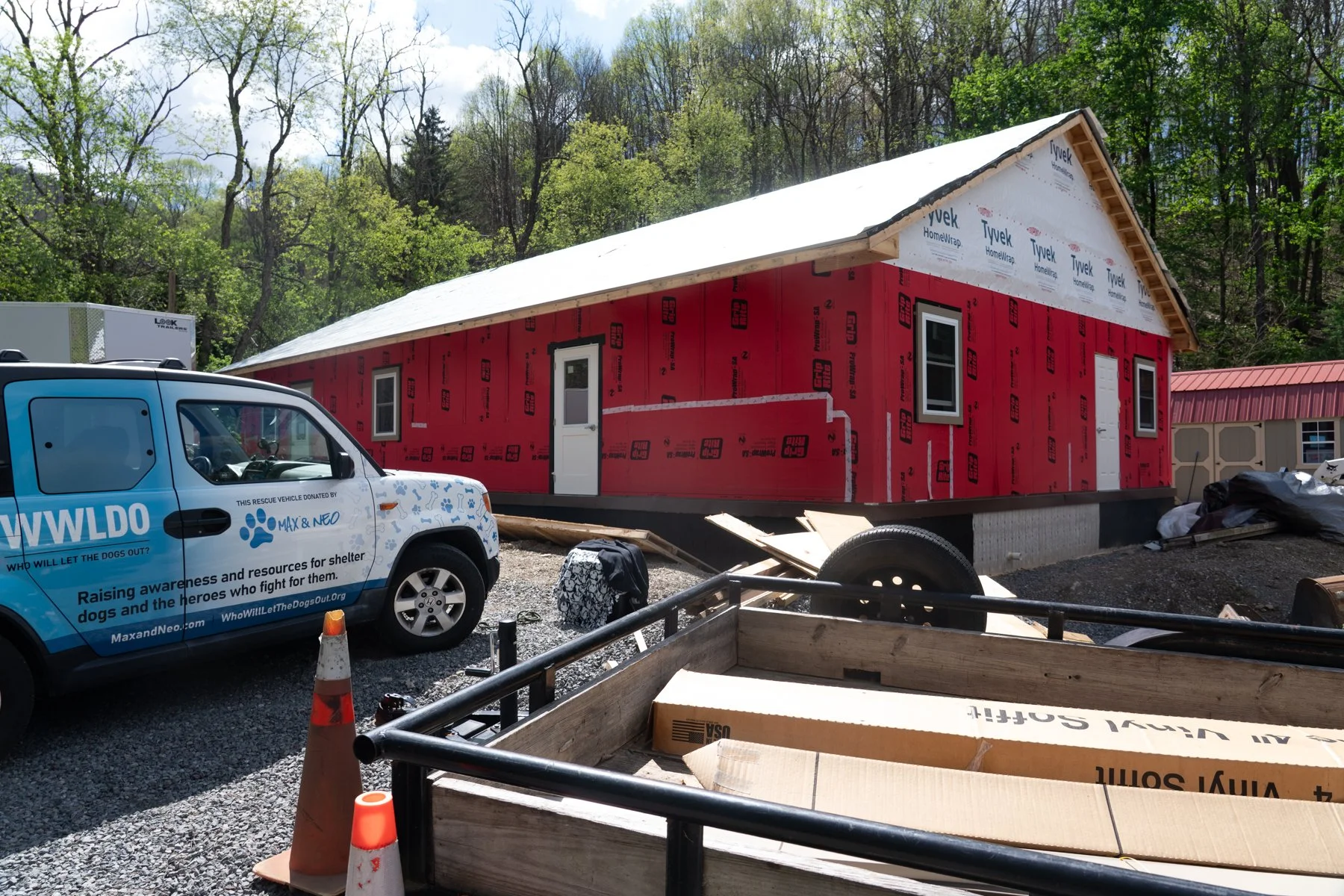
RCHS is in the process of building a new space to house cats, which will also have a space for a future spay/neuter clinic. The building sits wrapped in Tyvek as they work on funding its completion (they still need about $100K). A clinic would be a game changer for this rural area, not just for the shelter animals but for community animals too.
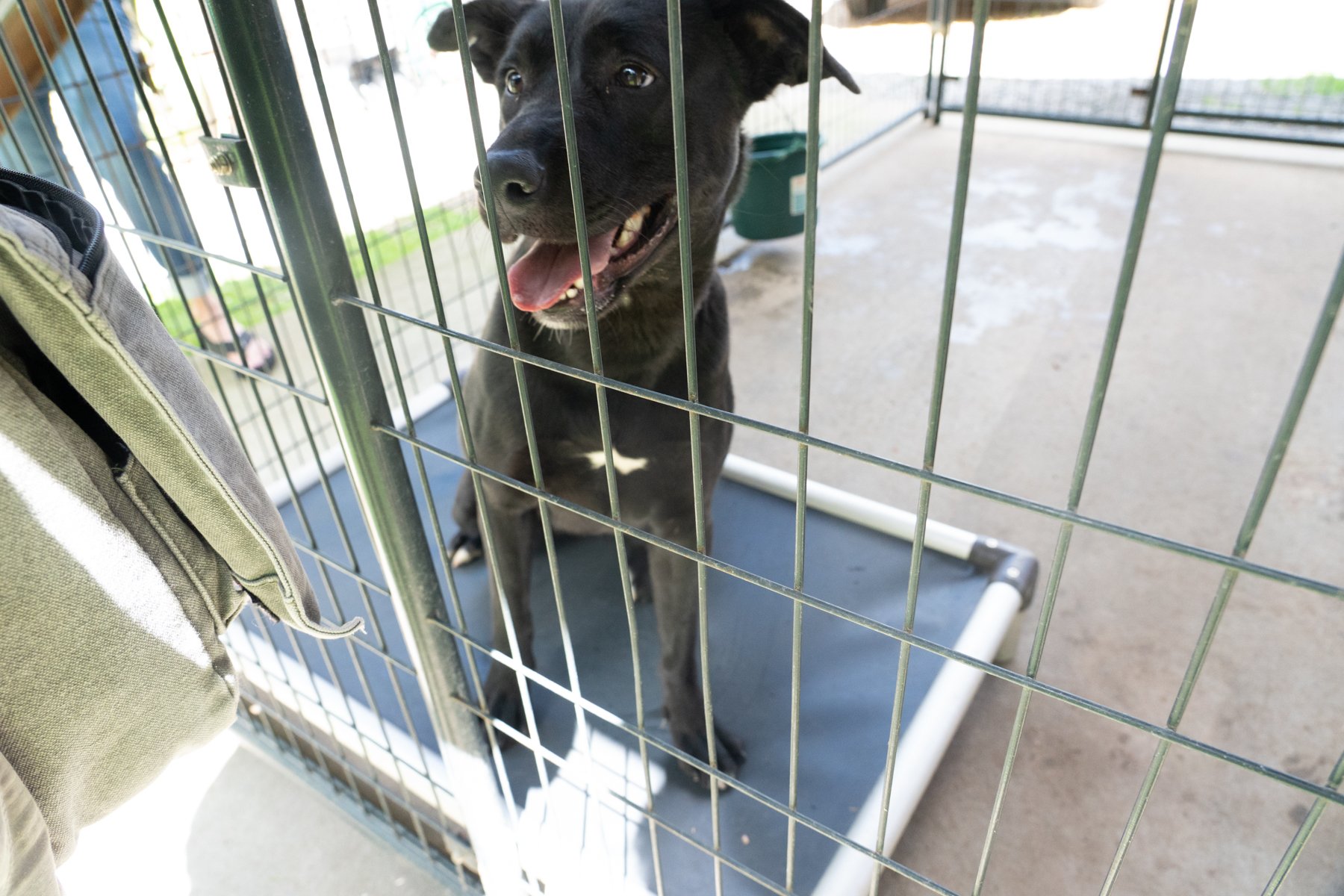
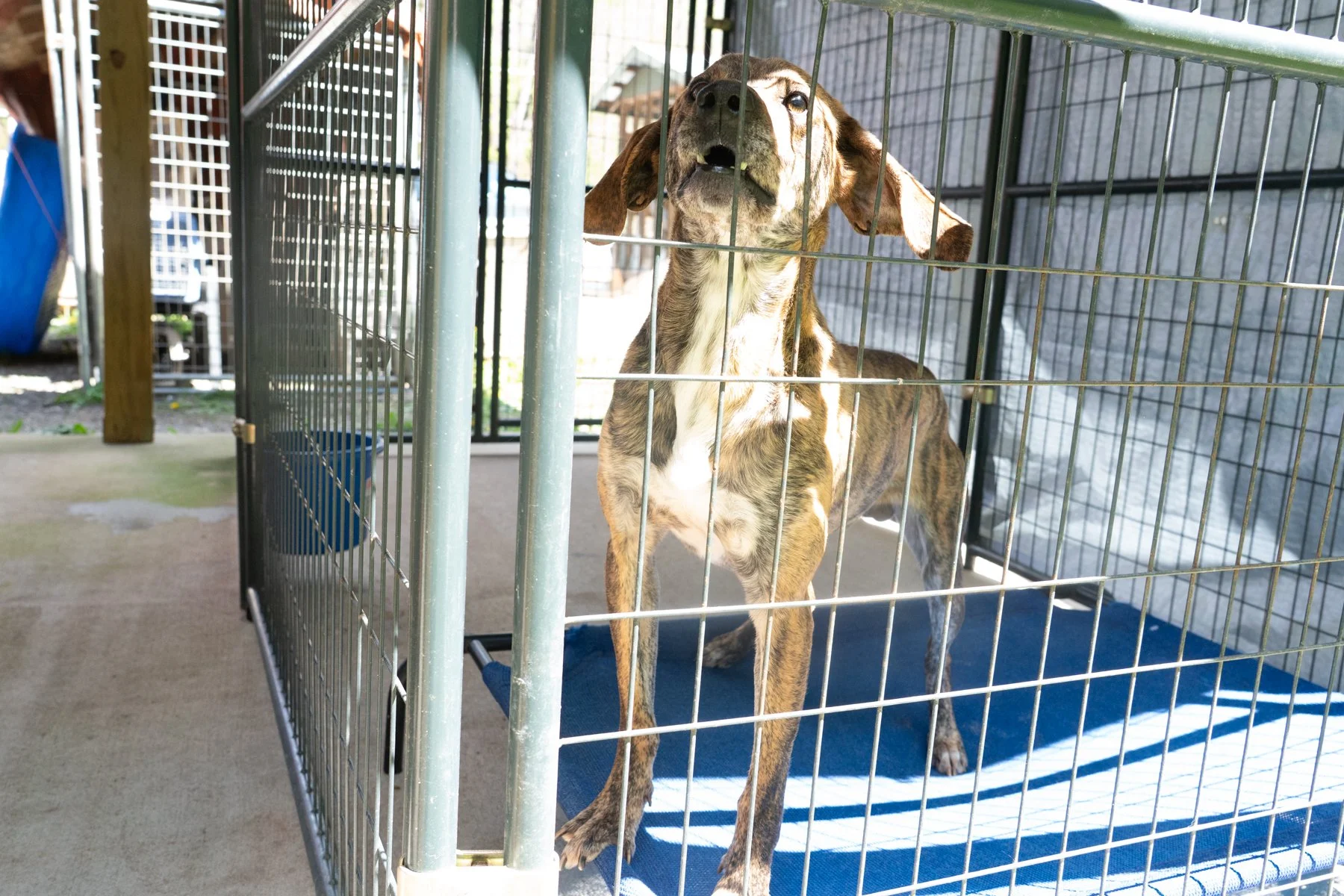
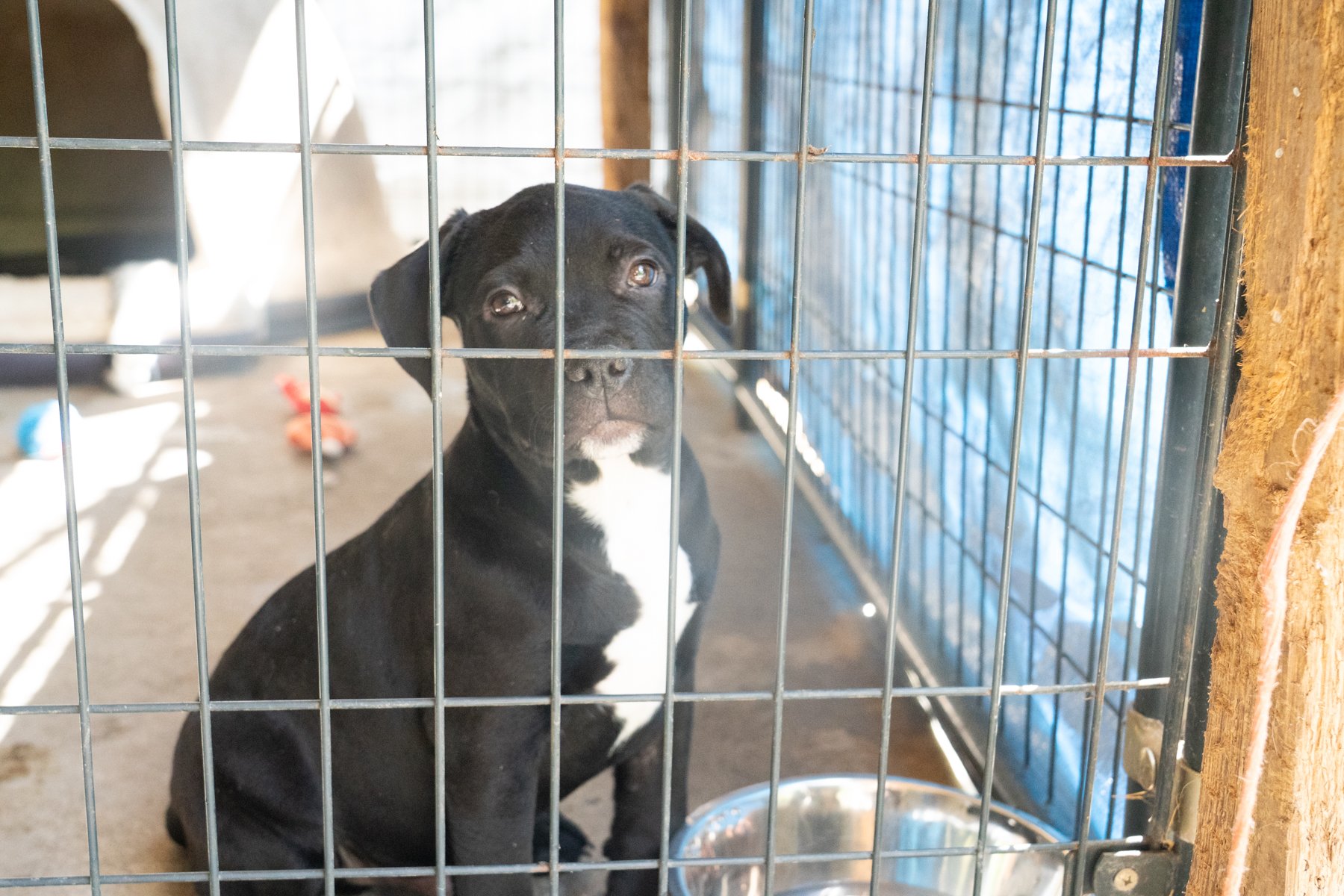
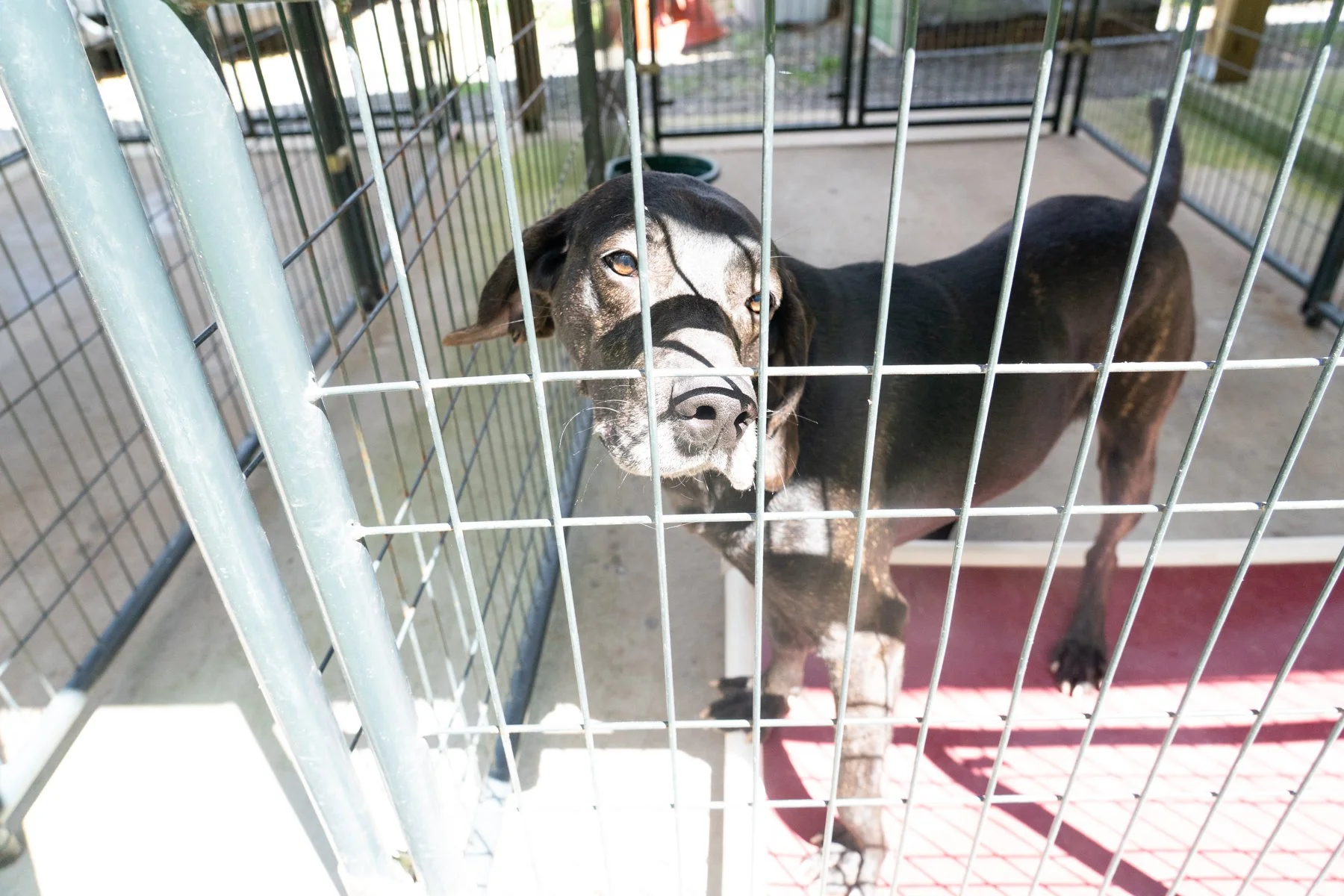
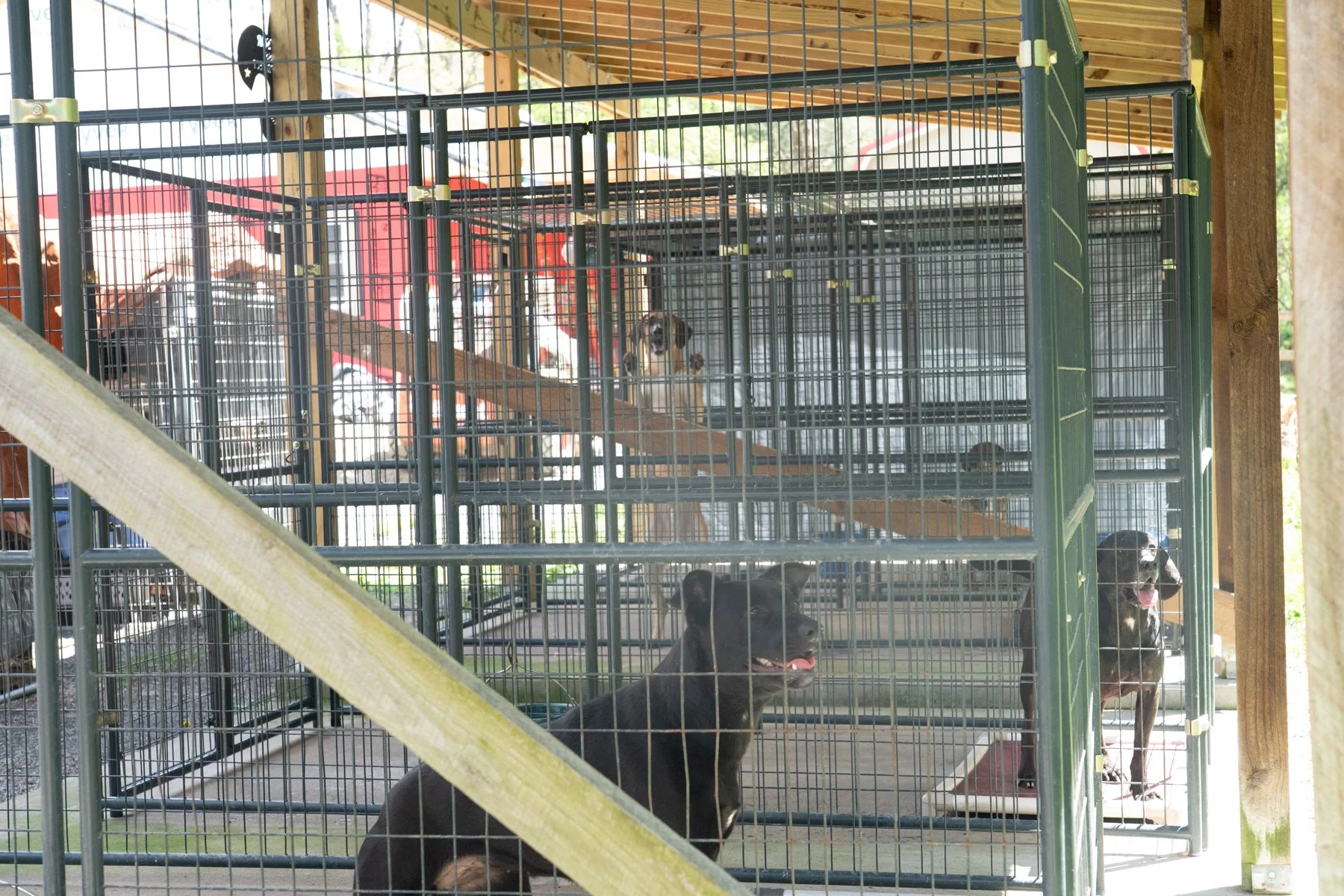
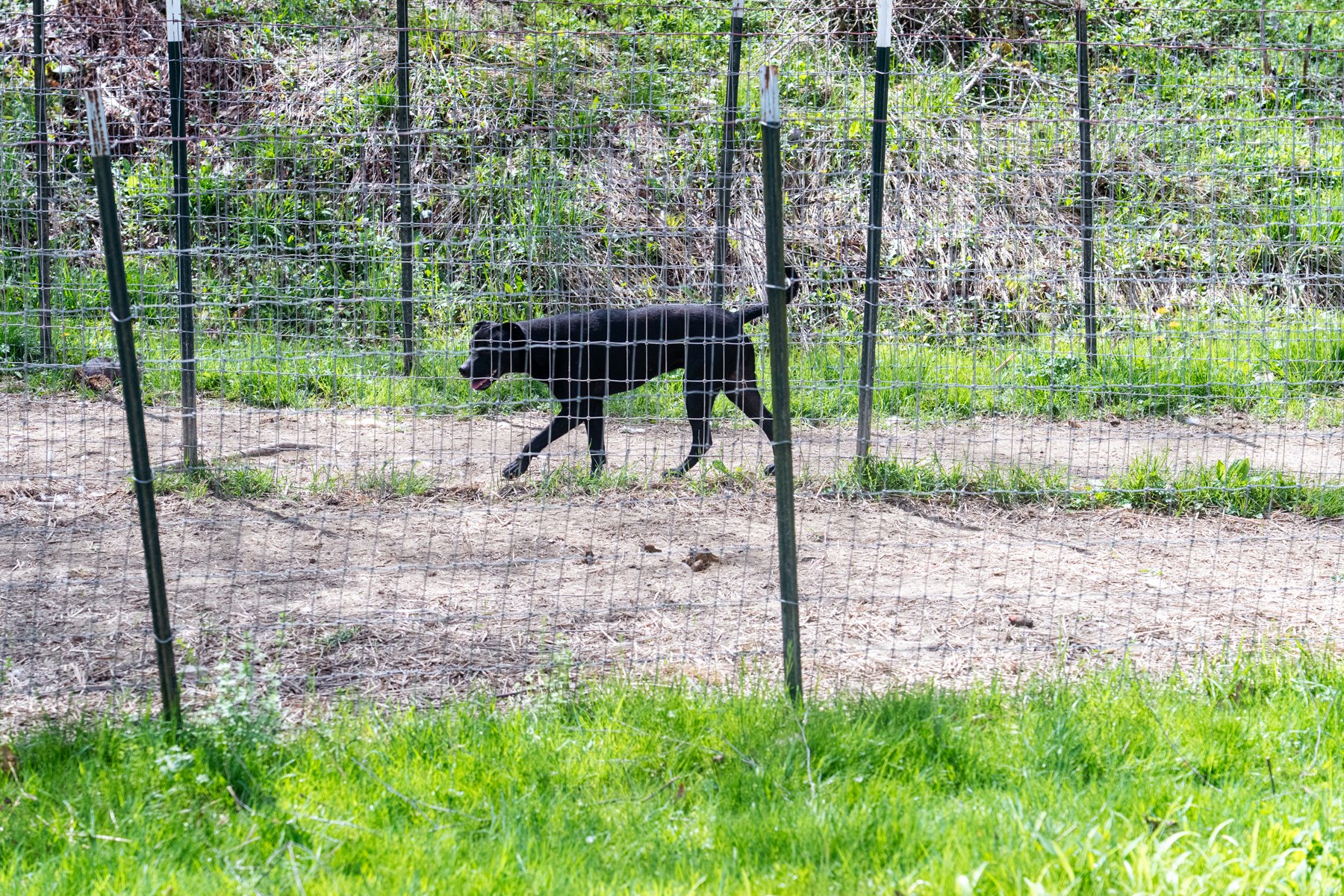
Most of the dogs are housed in another small building, with a few in outdoor covered kennels. They have several narrow play spaces that run beside the creek at the base of a steep wooded slope. Honestly, the day we visited it was a very peaceful, beautiful scene, but this is West Virginia, so I imagine that creek and the hillside present their challenges during other weather.
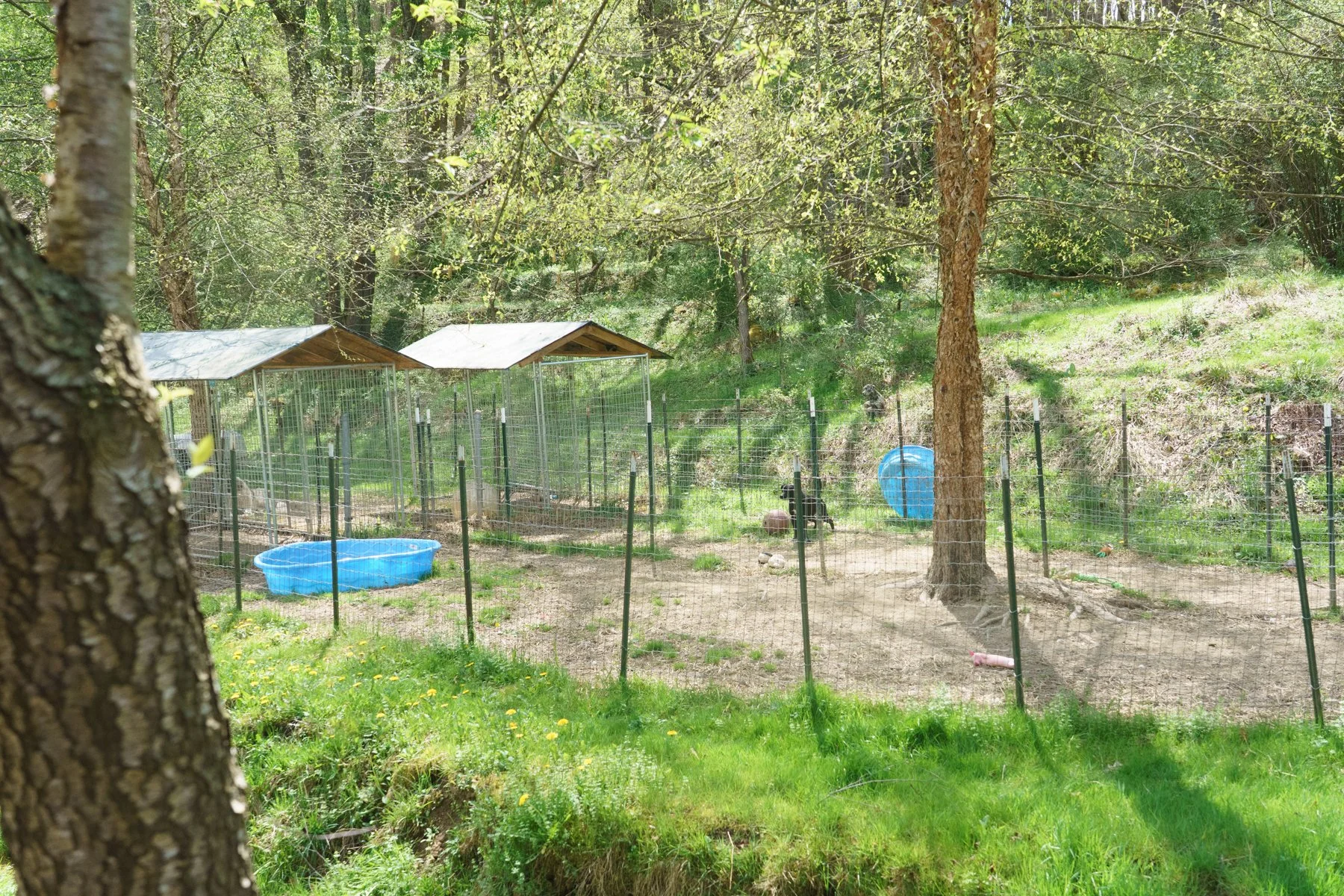
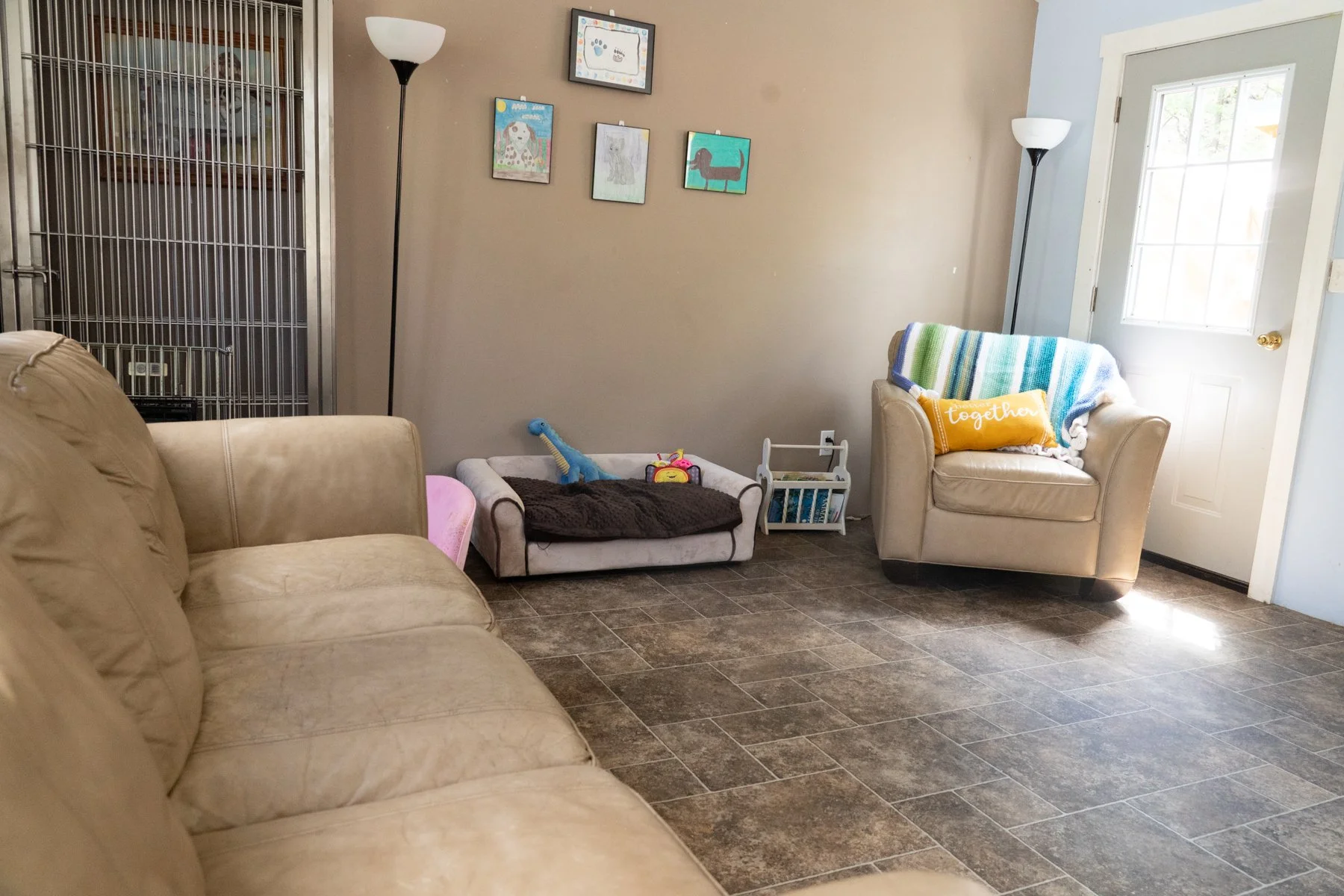
Between the dog building and the in-progress cat building/clinic is a small building used for meet-and-greets, kids' activities, and whenever a quieter space is needed. An outdoor cat enclosure (think barn cats) and a small gravel parking area take up the rest of the space. Every part of the small property is efficiently used for shelter work.
Community involvement makes the difference
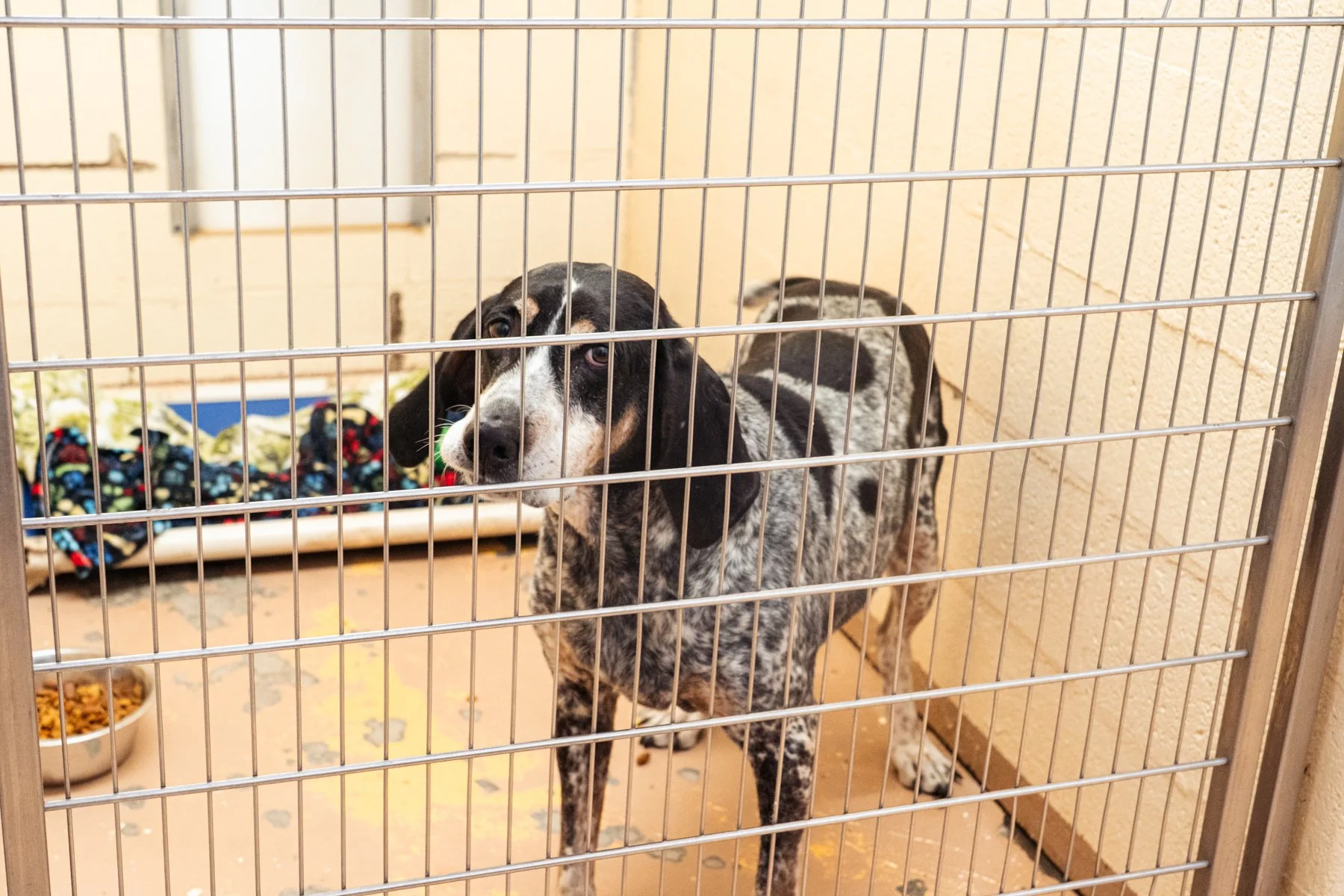
Elkins is a relatively small town, so the adoption pool is not huge. The average length of stay for a dog is 60-70 days. Most of the dogs we met didn't seem stressed; they’d just been out for a long walk and gotten plenty of attention.
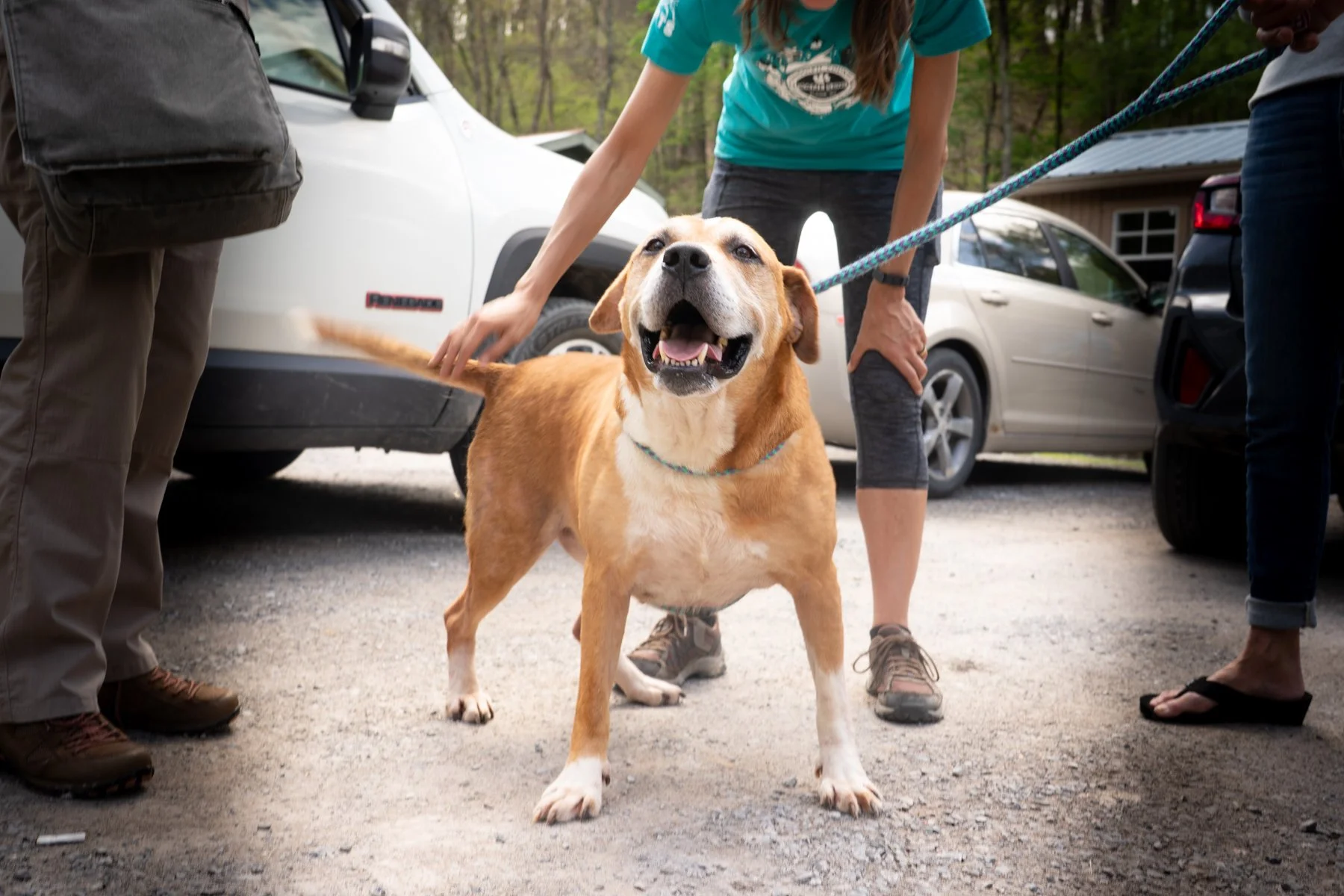
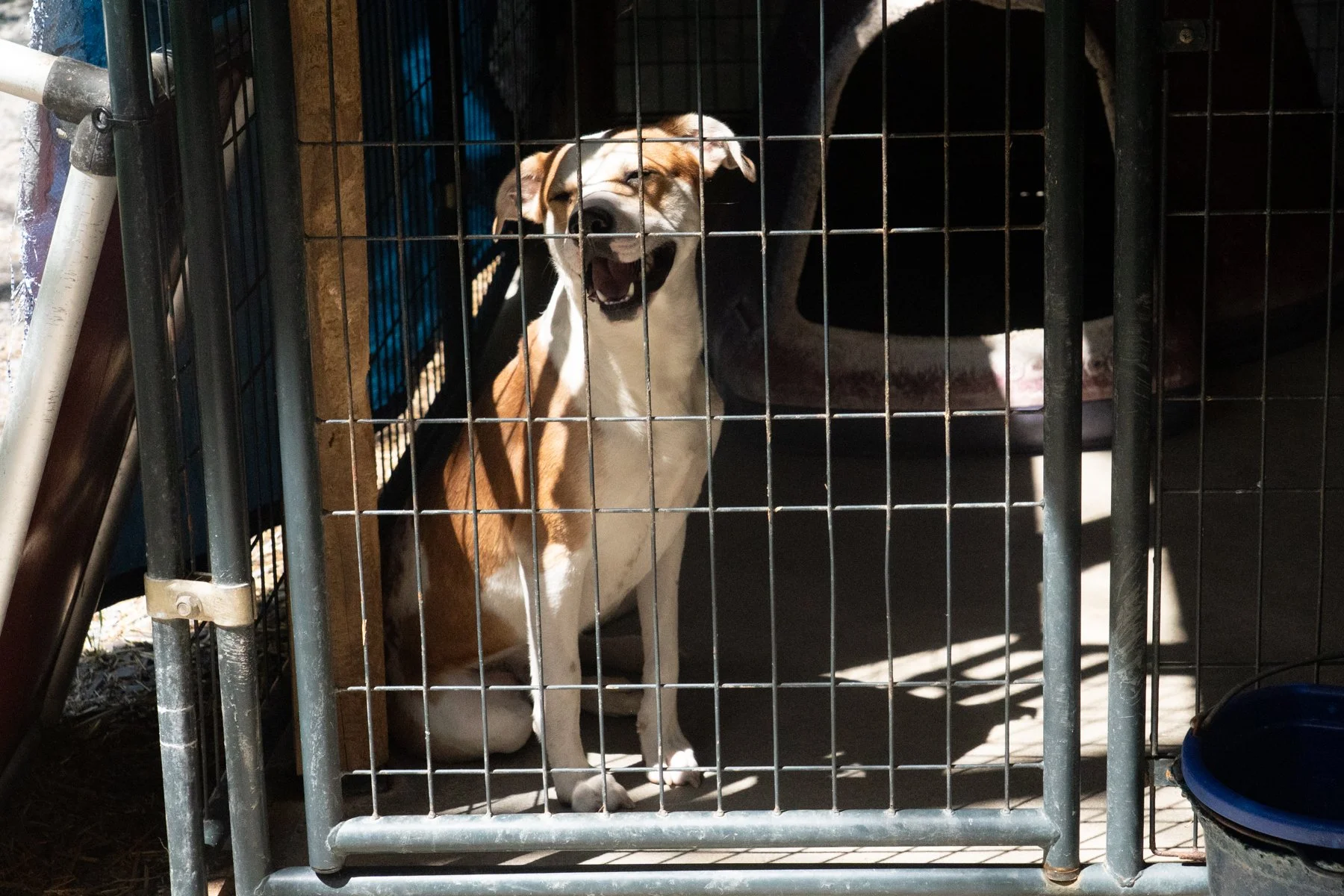
Jenna’s husband, Chris, pulled out Spike, probably their longest resident. He’s six years old and has been at the shelter since he was two. He is friendly and happy, but he’s a large, solid boy who can sometimes be dog-selective. He greeted us with a big grin and once he discovered I had treats in my bag, persistently gave me perfect sits in hopes of another treat (it’s clear that’s a trick that works well for him).
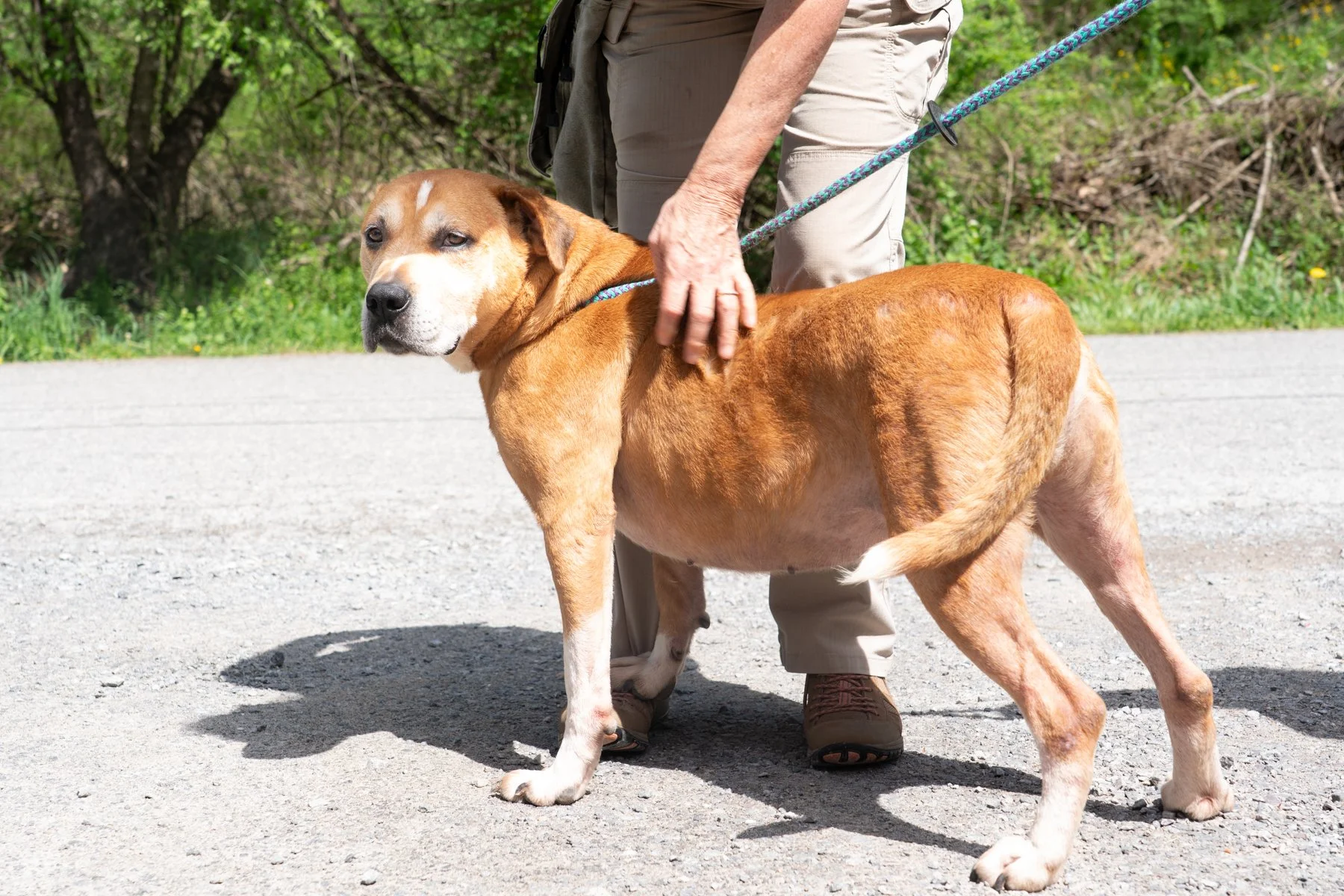
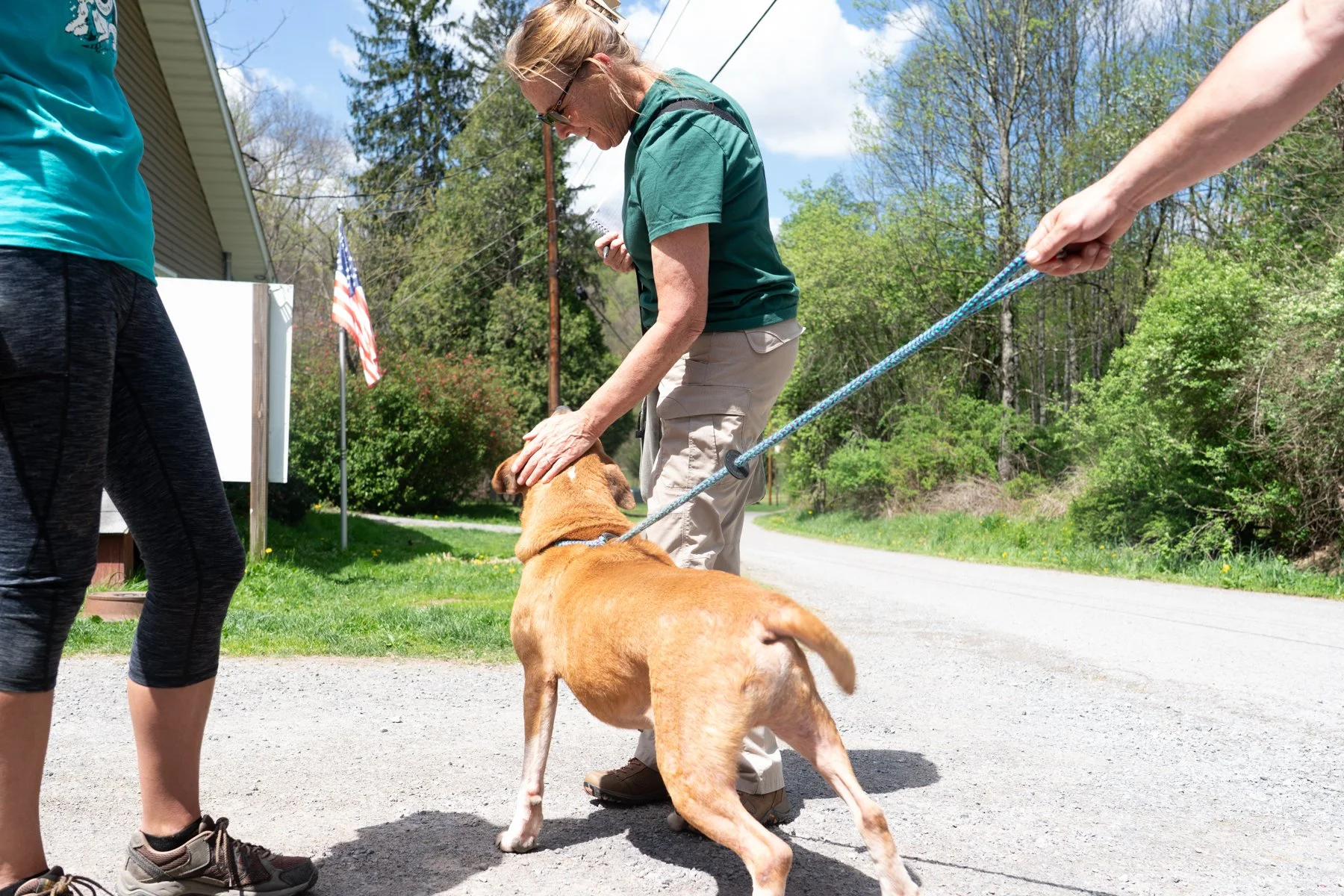
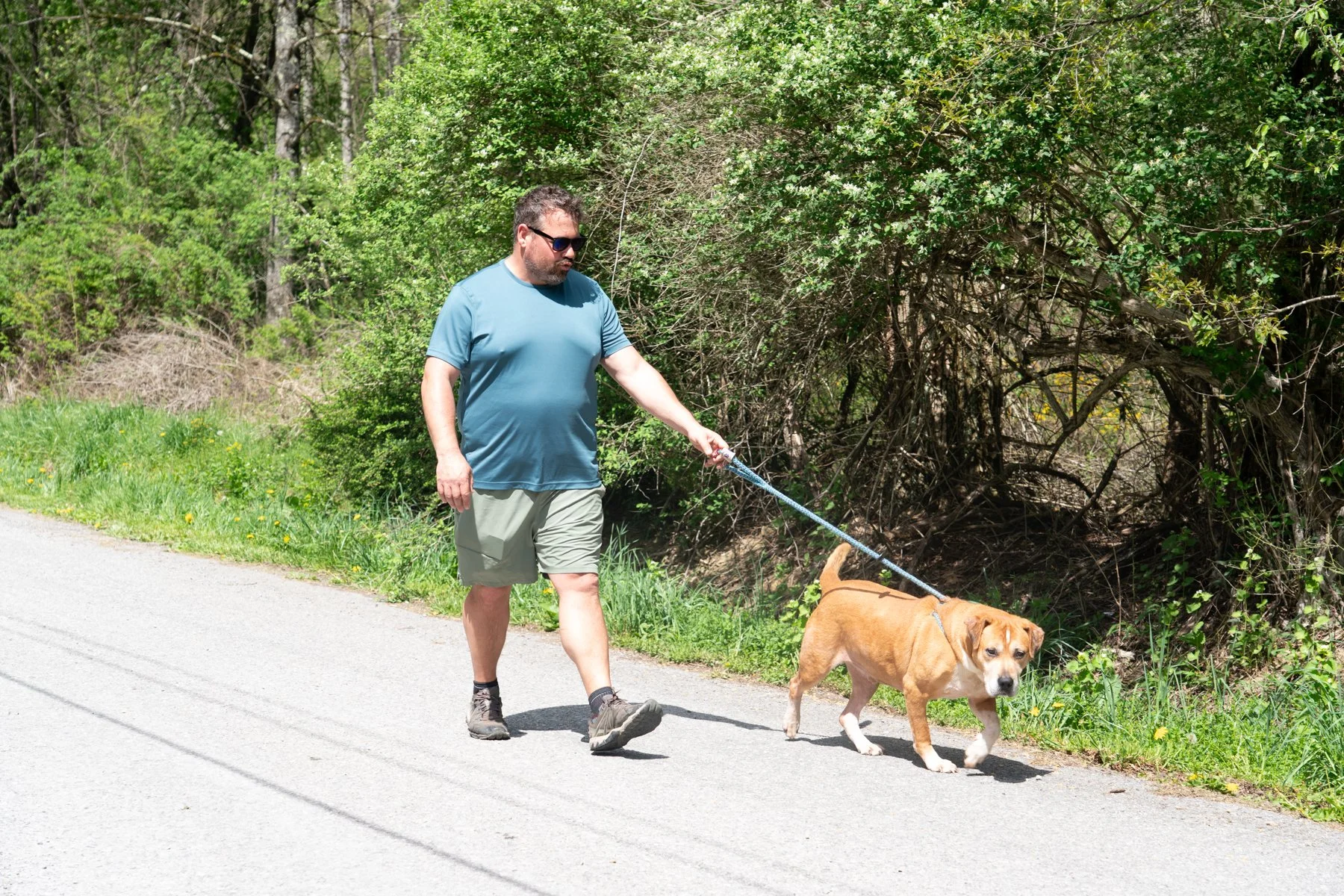
The shelter does have some fosters, but would love to expand that program, especially to give long-stay dogs a break from shelter life. More foster homes would enable the shelter to help more dogs.
Besides the hands-on board and a paid staff of six (half are full-time), RCHS is blessed with a huge group of dedicated volunteers (40+!). Many of them come three days a week for dog walking. We happened to arrive just as the day’s dog walking was wrapping up and saw lots of them in action. There were people of all ages and entire families out walking shelter dogs.
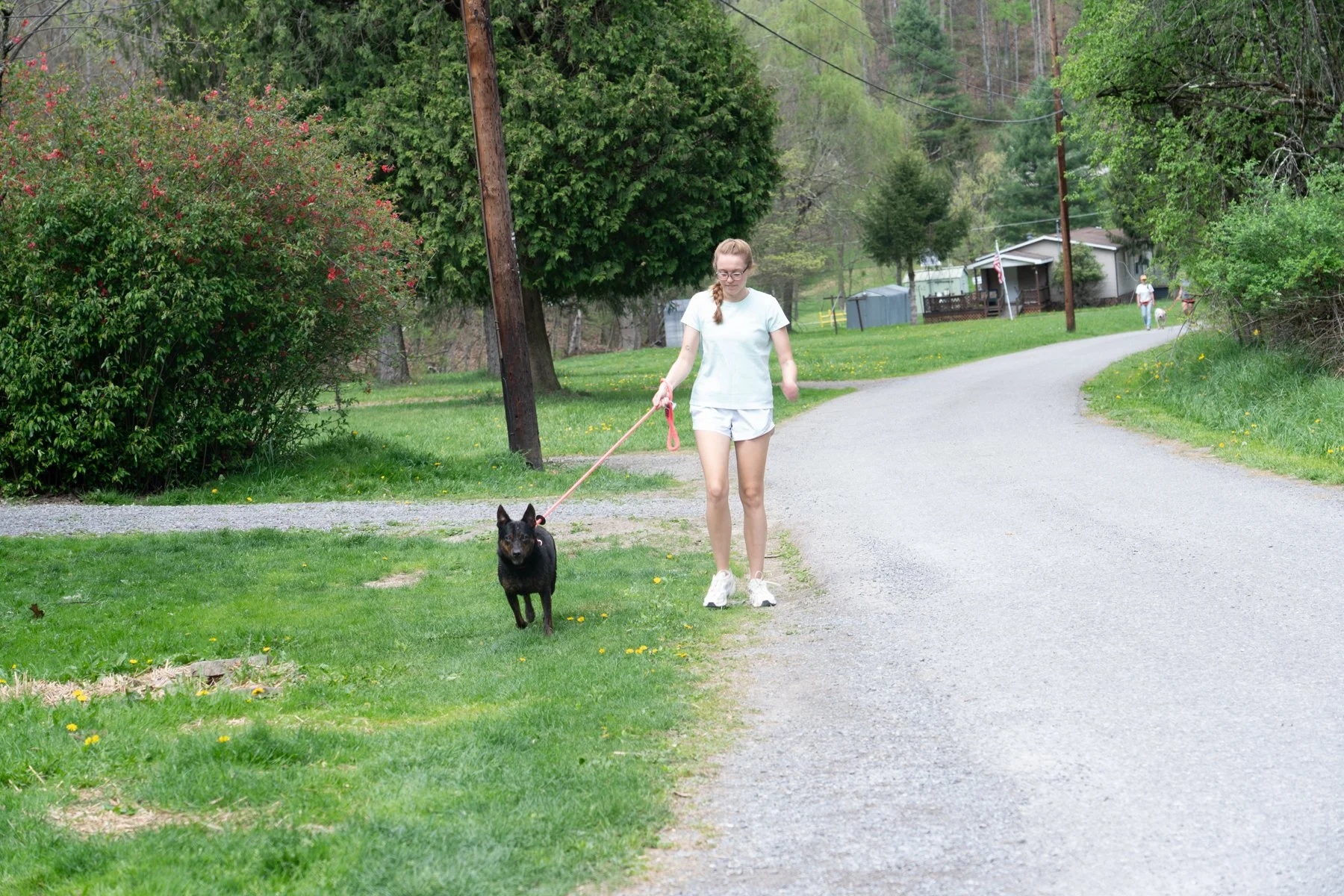
The shelter is also blessed with a lot of support from its community, with local businesses hosting adoption events and fundraising for the shelter. Nearby Davis & Elkins College’s sports teams and other clubs come to the shelter regularly to help.
And RCHS has one true angel supporter – a family in Massachusetts who, once a year, gathers donations of food, supplies, and money, loads them into a truck and trailer, and drives it all down to the shelter in West Virginia. They often take a dog back with them. (This is such an amazing thing –if your family would like to sponsor a deserving shelter, let me know and I’ll connect you with one!)
Determination and hope
Despite the challenges of finding homes for large dogs, paying their bills, accessing affordable spay/neuter, and being crammed into a skinny property at the end of the hollow, there is a positive, exciting energy here. They are saving dogs—together. It’s easy to see why people come here to help and adopt. It may be crowded, but it’s a welcoming, happy place.
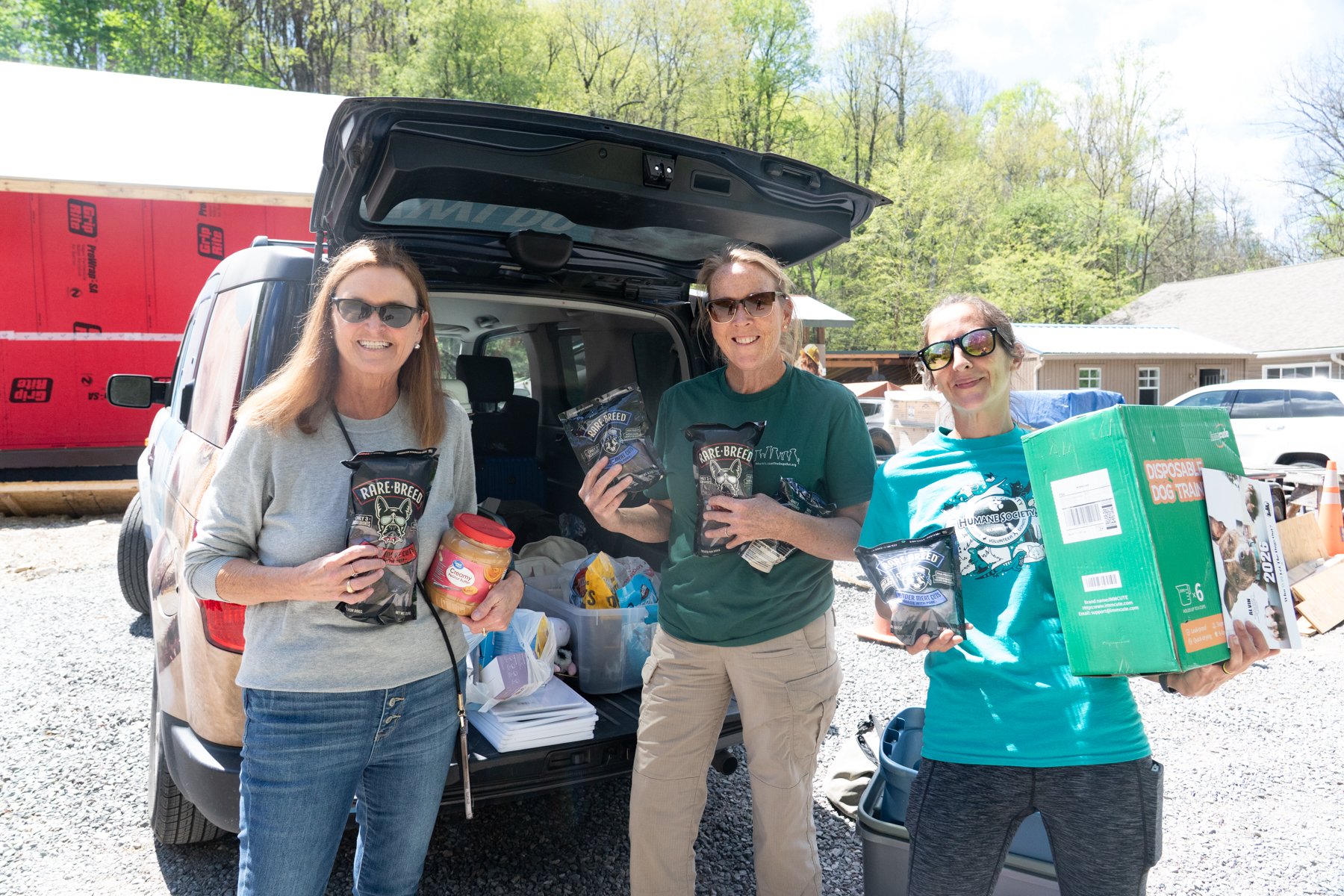
It was the great last stop for us on the Spring 26 tour, and we unloaded pretty much all the donated supplies we had left in the truck for them. The board, staff, volunteers, and community are remarkable. It was inspiring to see a 60-year-old nonprofit shelter still vibrant and still motivated to offer the best possible care for cast-off dogs, helping them all to find their way home.
If you would like to support this little shelter, consider making a donation to help them finish the cat house/clinic. Click here to donate. You could also help them out by shopping their Amazon Wishlist or Walmart Wishlist.