

From Fine Dining to Dog Kennels: How a Former Restaurateur is Transforming Logan County Animal Control
Aric, the director of Logan County Animal Care and Control, moved to Kentucky after two decades running restaurants in Florida. He and his wife were looking for a slower pace, a home that was cooler than Florida, and a place where they could experience four seasons. They liked Nashville, so they drew a circle around it, looking for places that were a reasonable distance away. They found a home in Logan County and moved there with no plans other than slowing down after a life in the restaurant business, working 16-hour days, 7 days a week.
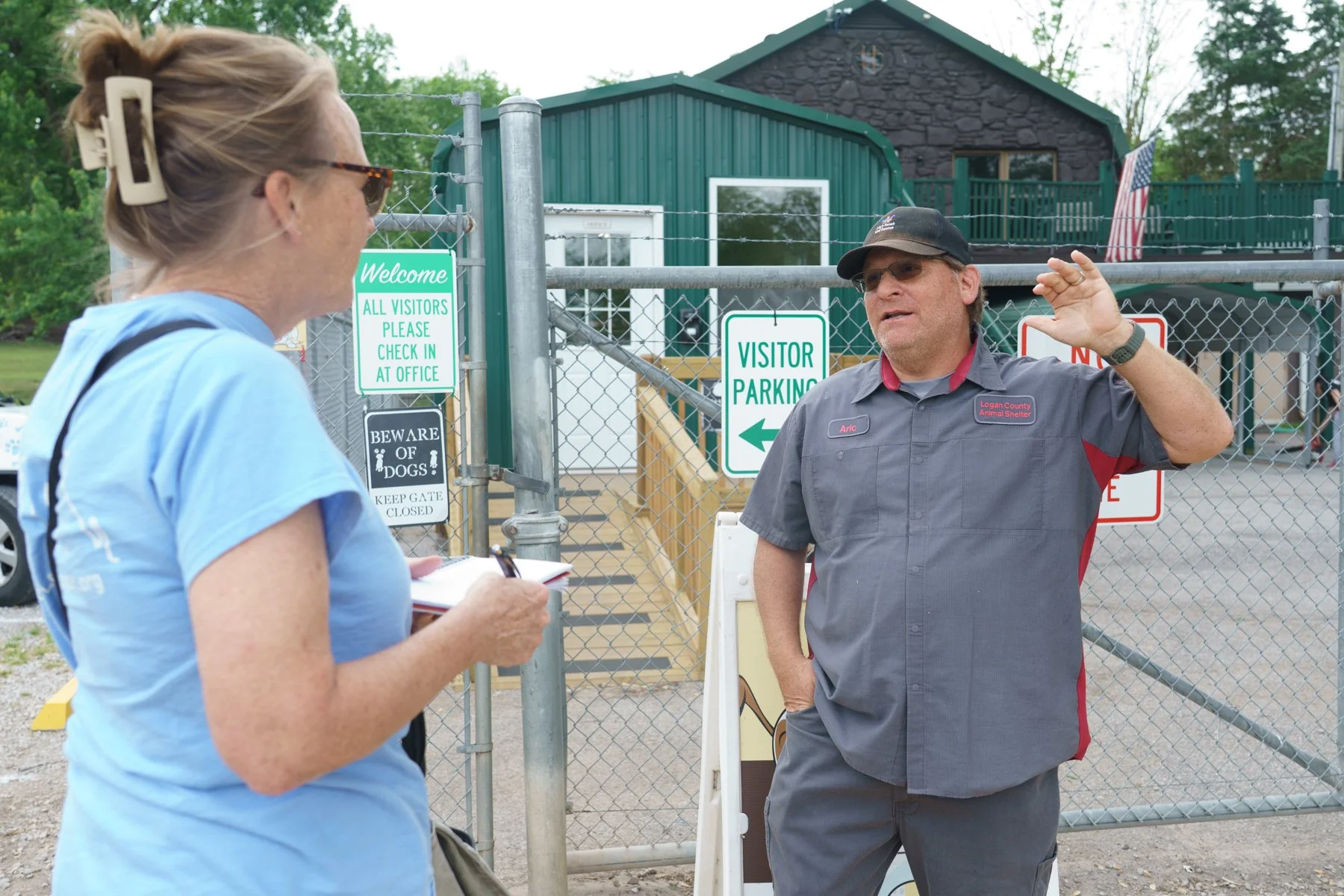
They began volunteering at the shelter, which at the time was a Humane Society that had been contracted to run the county's shelter for years. When the county decided to end that contract and was looking for a director, Aric just happened to be looking to do more to help the animals. He landed in the director job.
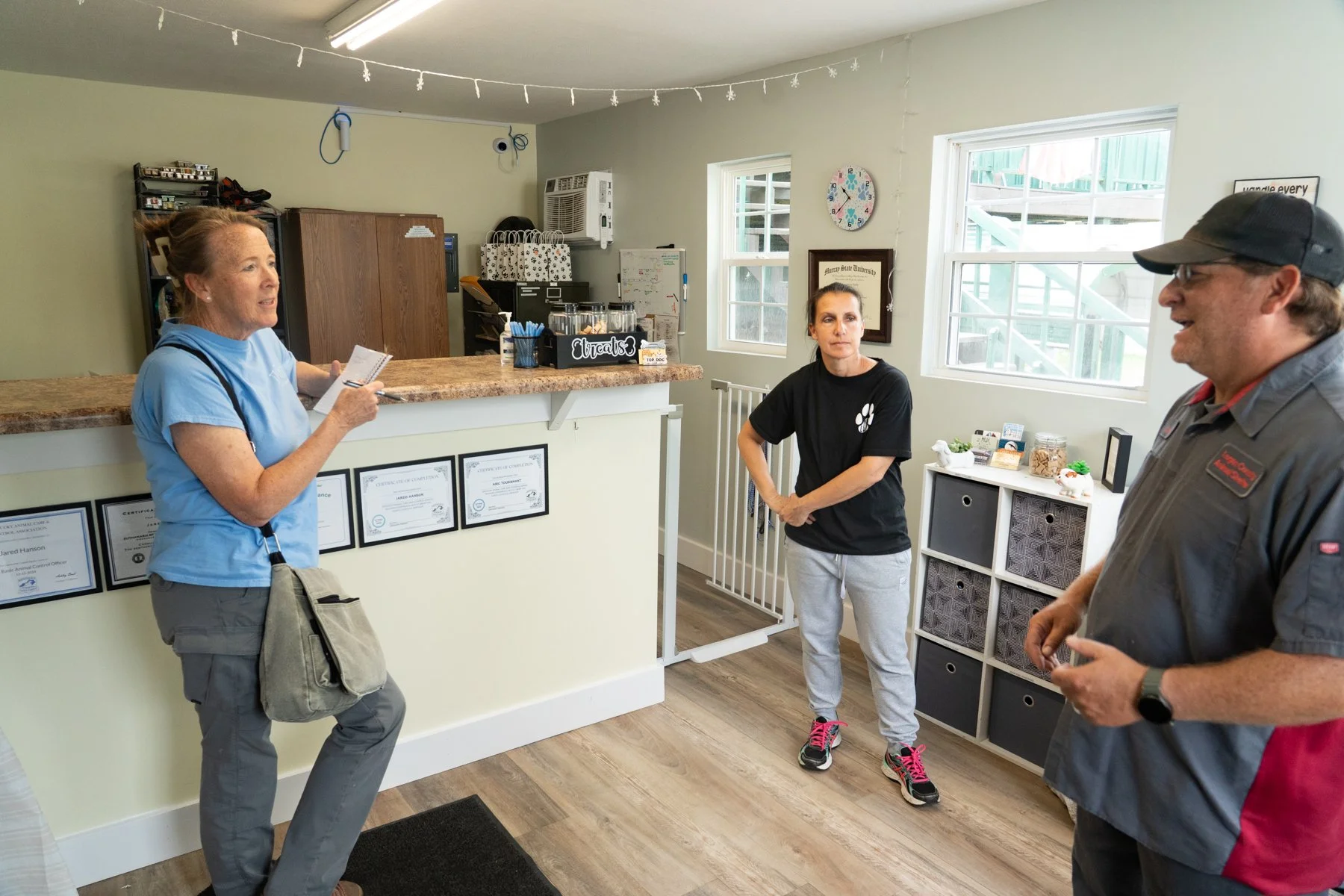
A career in running restaurants may not seem like the right background for shelter work until you think about the long hours, the endless work, the pressure, and the challenges of managing employees and keeping customers happy. There are many transferable skills, but this is a long way from a fancy restaurant. The only clue to his background came when he introduced us to Mandy, who handles the shelter's office, as working ‘front of house.’
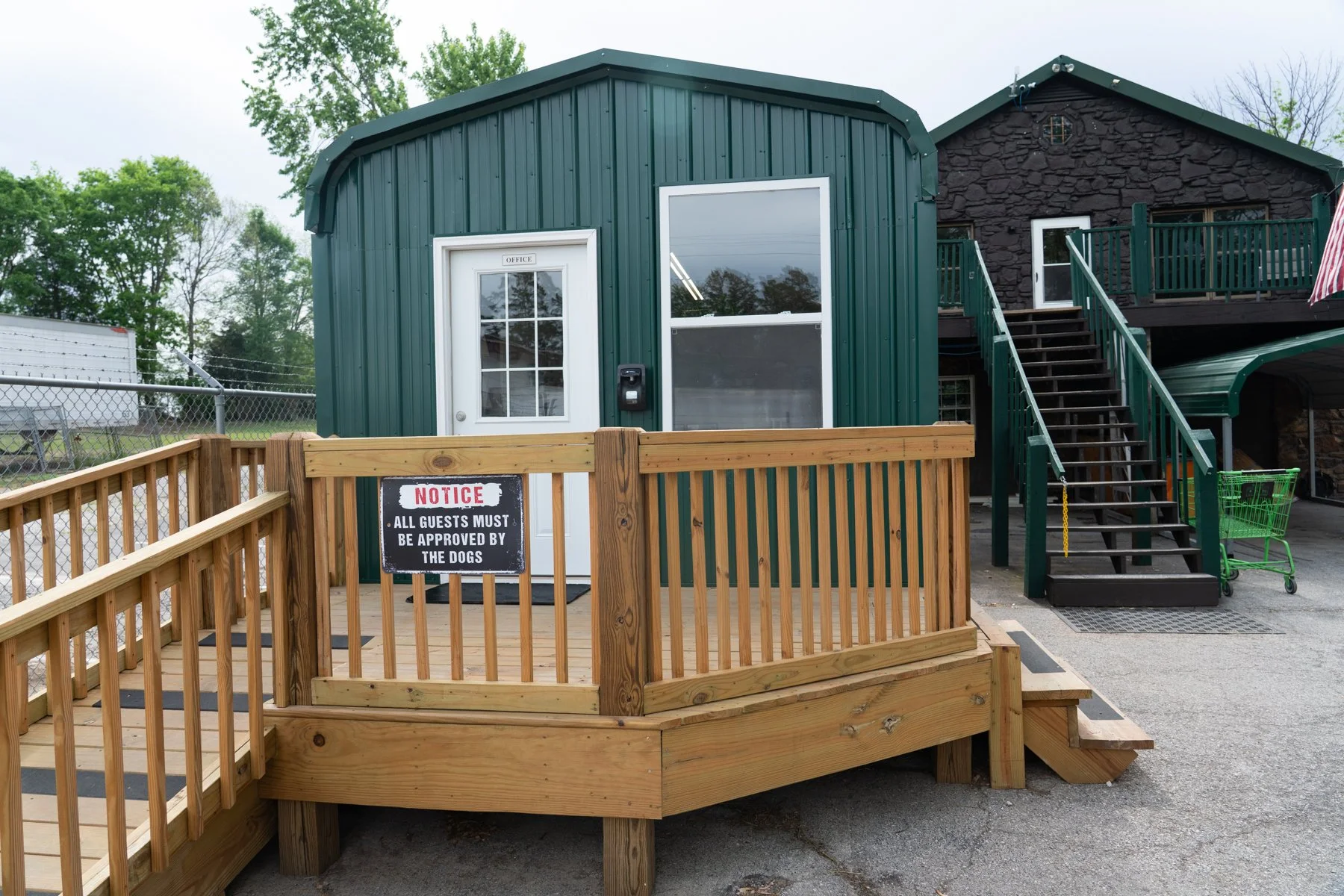
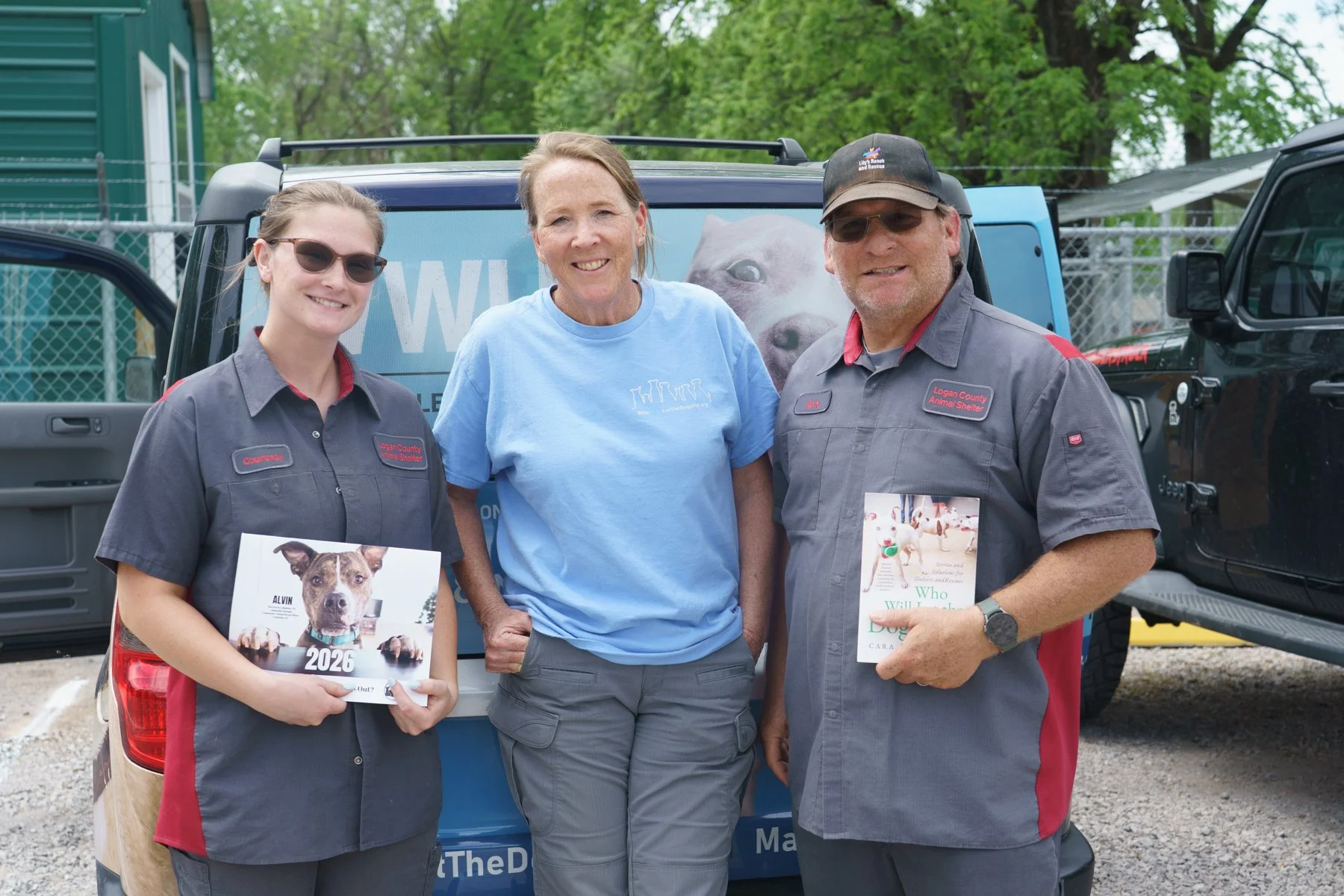
The staff is comprised of Aric as full-time director, Courtney as assistant director/vet tech, Mandy as ‘front of house’/office, plus a full-time ACO, 1 full-time and 2 part-time kennel techs. Cleaning and groundskeeping are done by inmates, who also converted one of their canopy sheds into an adoption office.
Improving the Physical Space
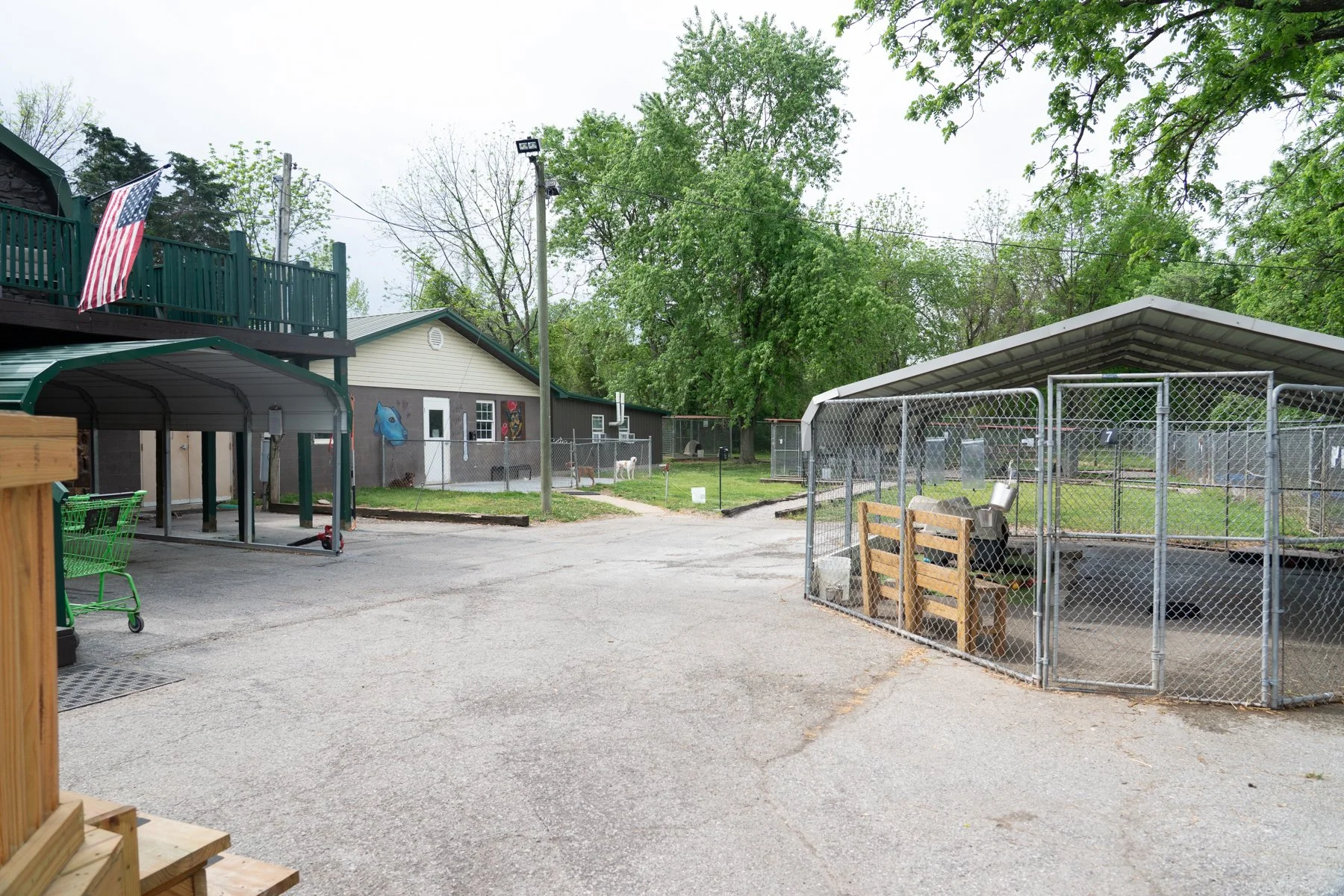
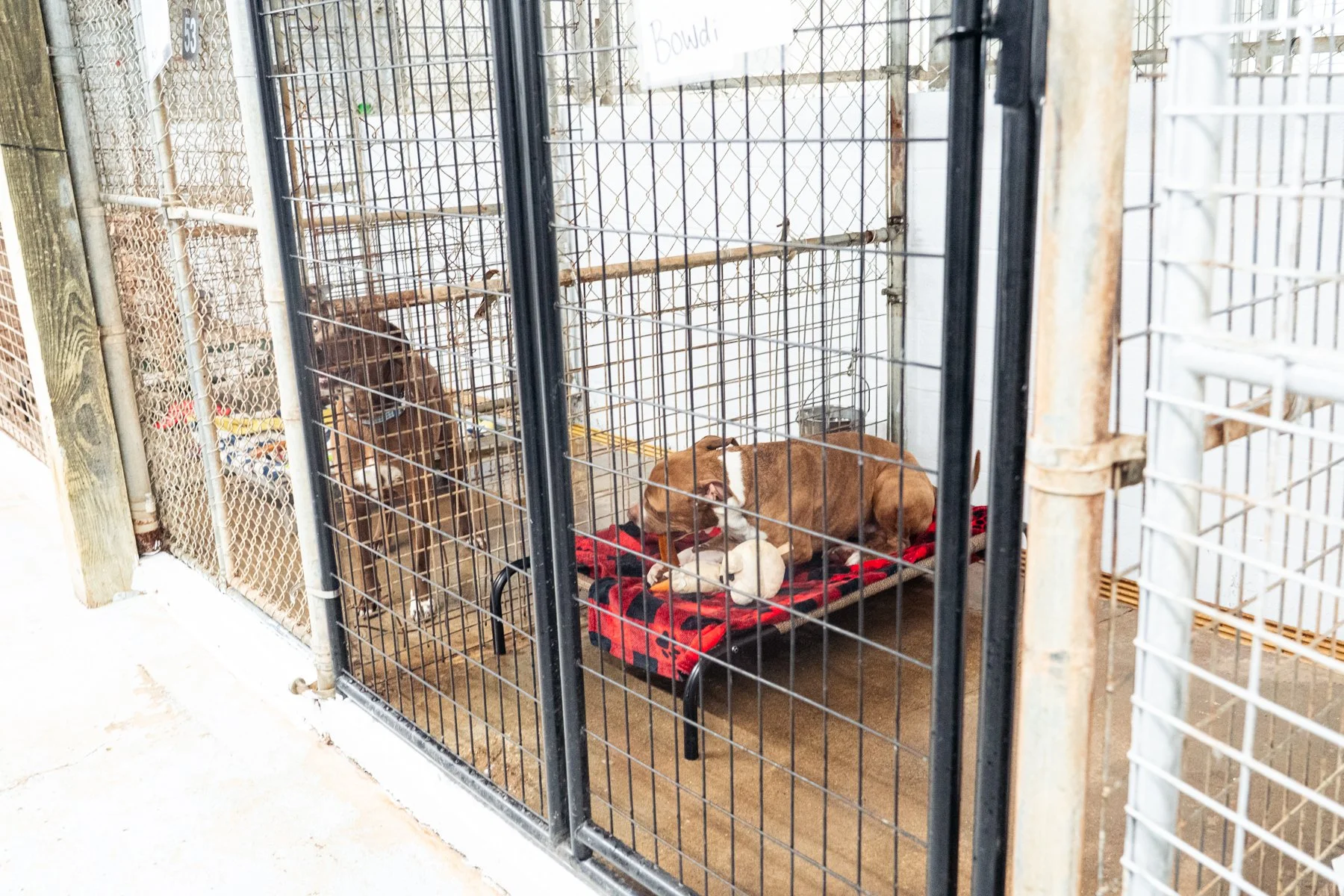
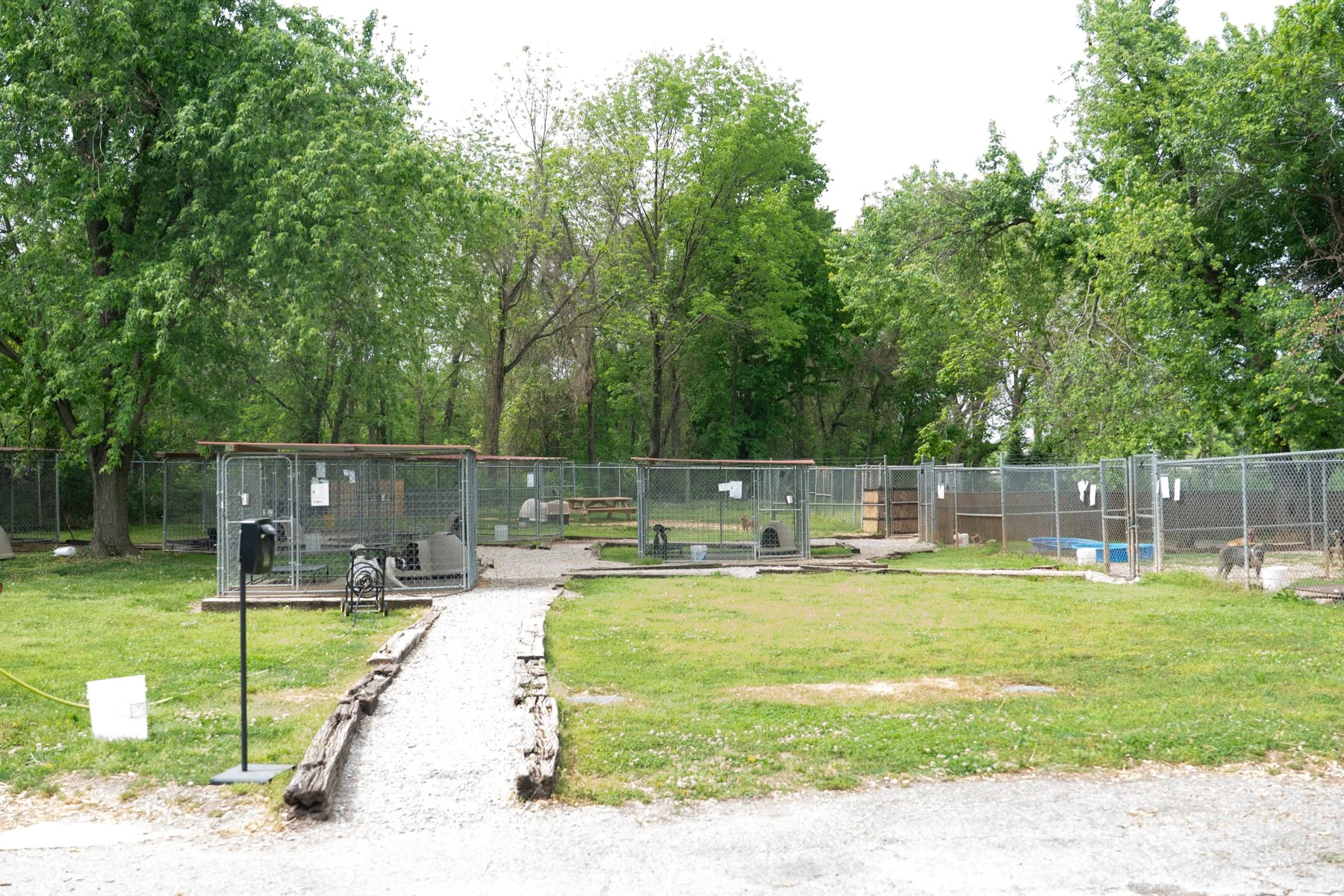
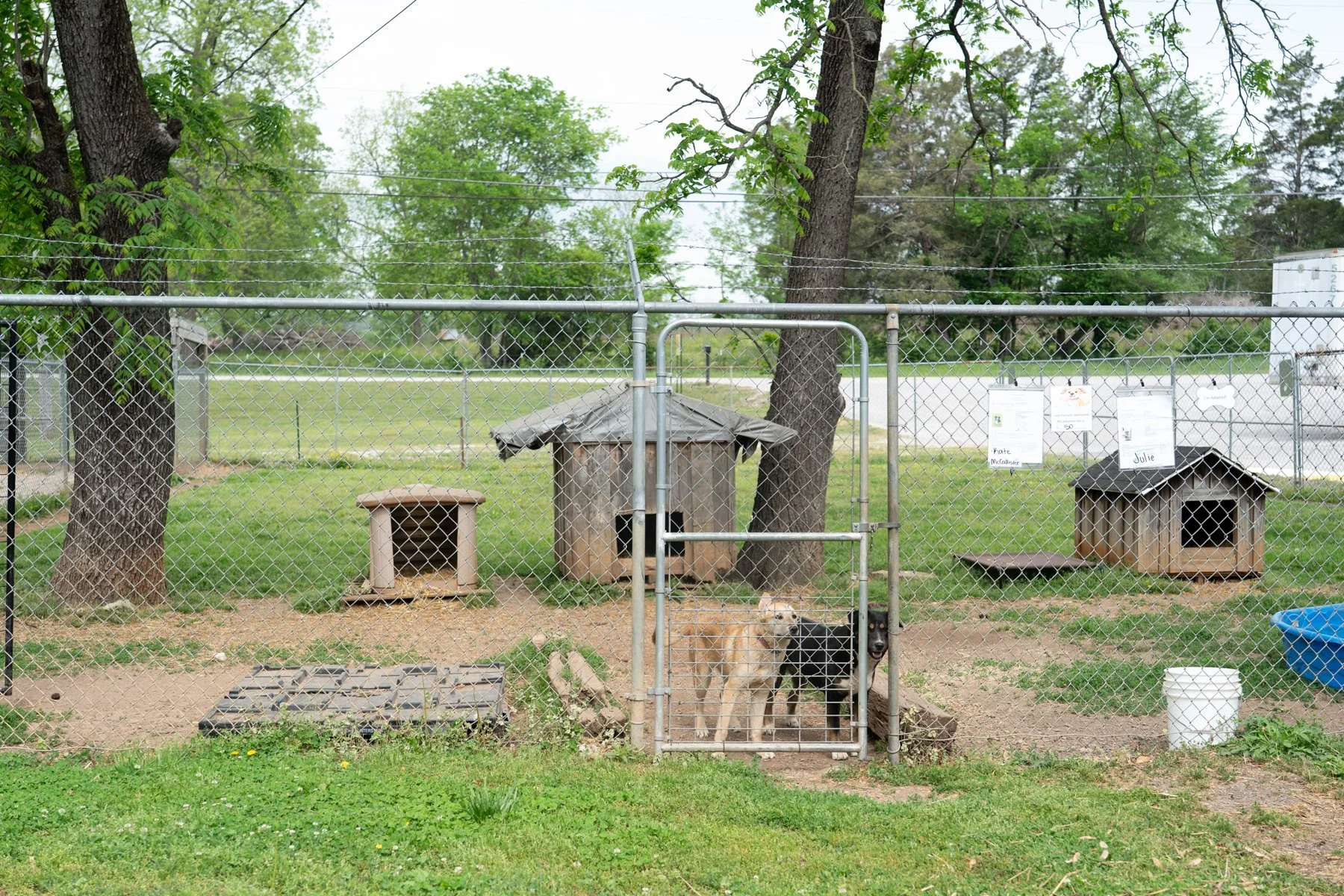
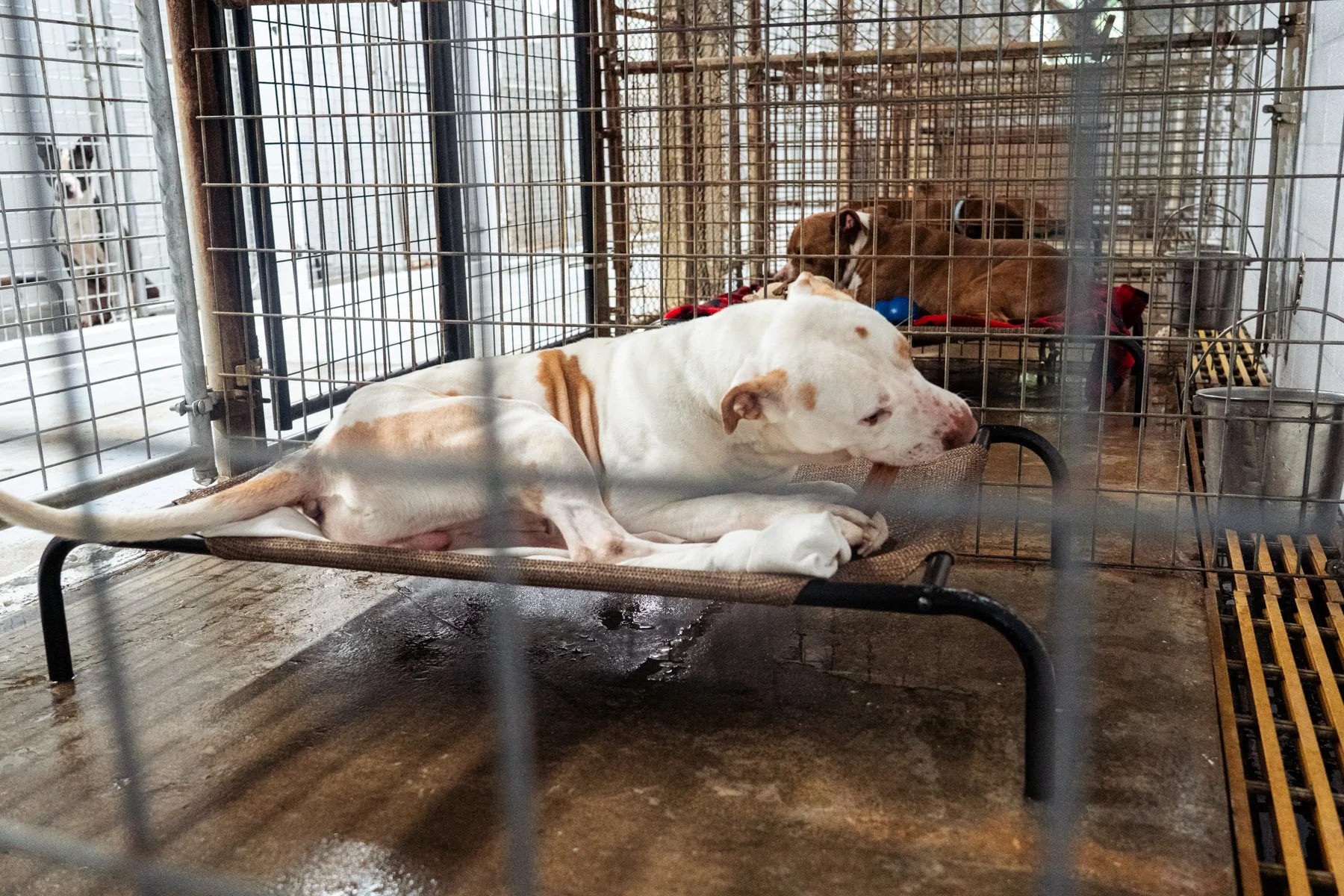
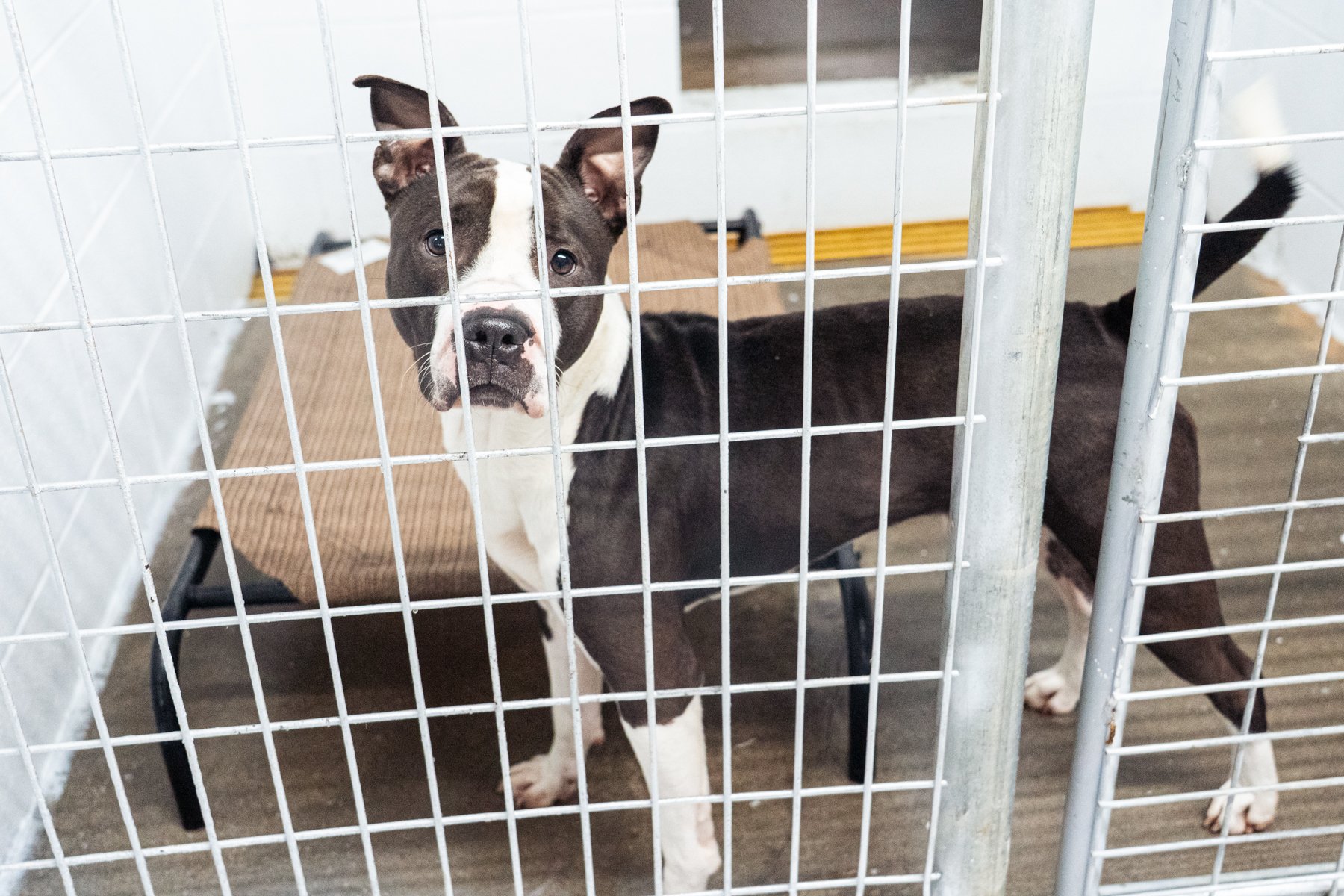
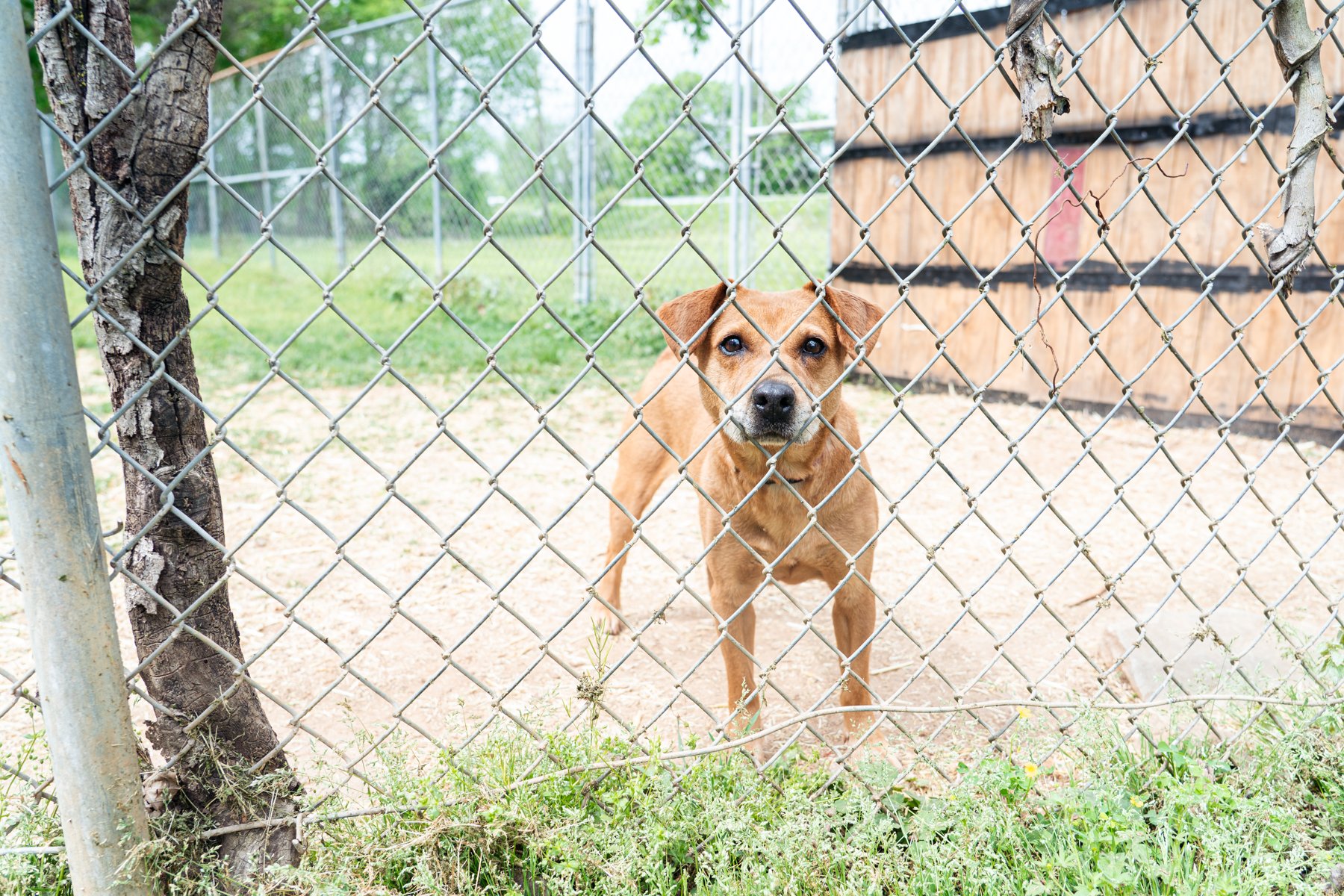
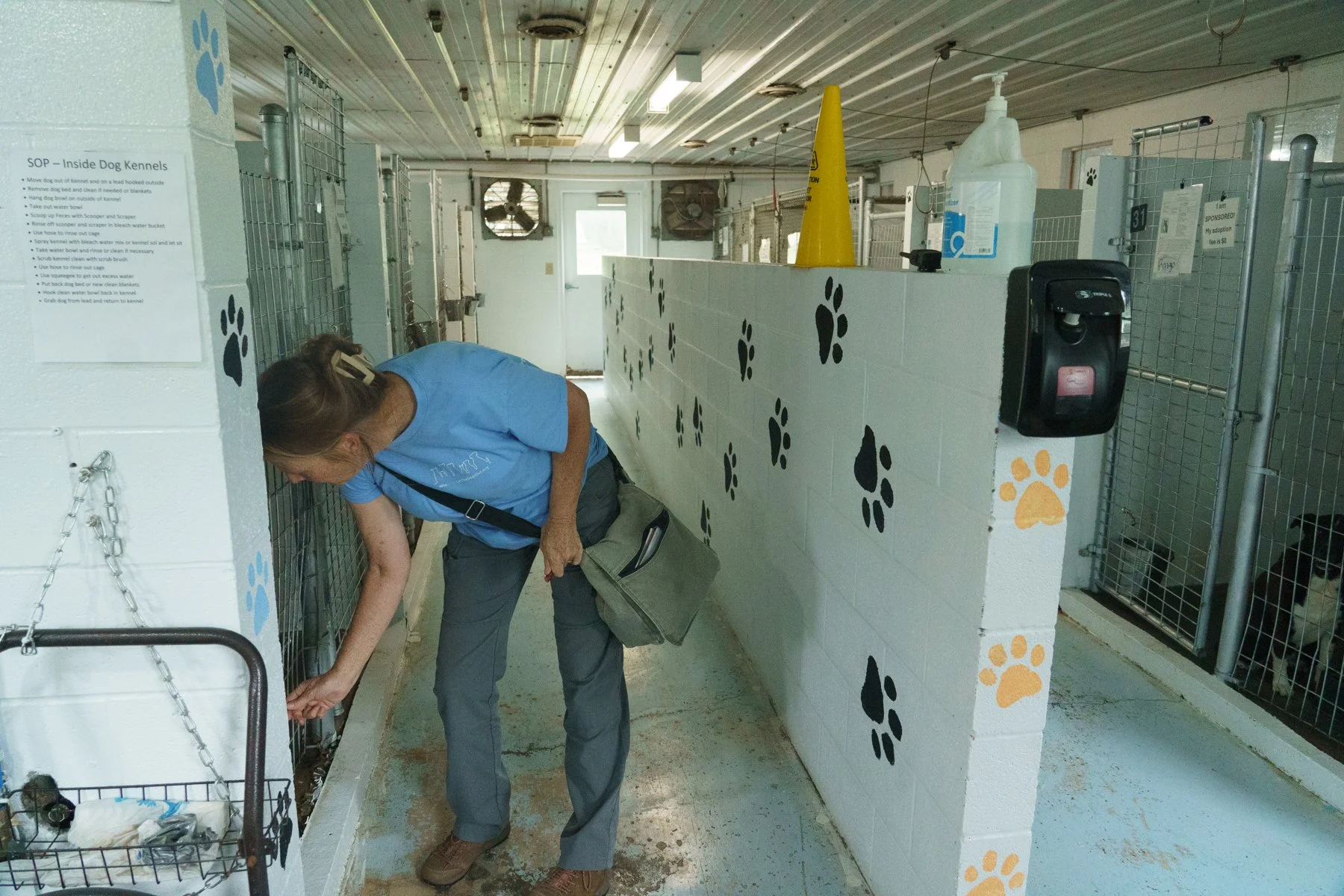
Aric has been on the job for two years and in that time has made tremendous improvements to the kennel situation and the grounds. The inside dogs have fairly expansive kennels, and the outside dogs live in roomy kennels and spacious runs in the shady grove surrounding the shelter.
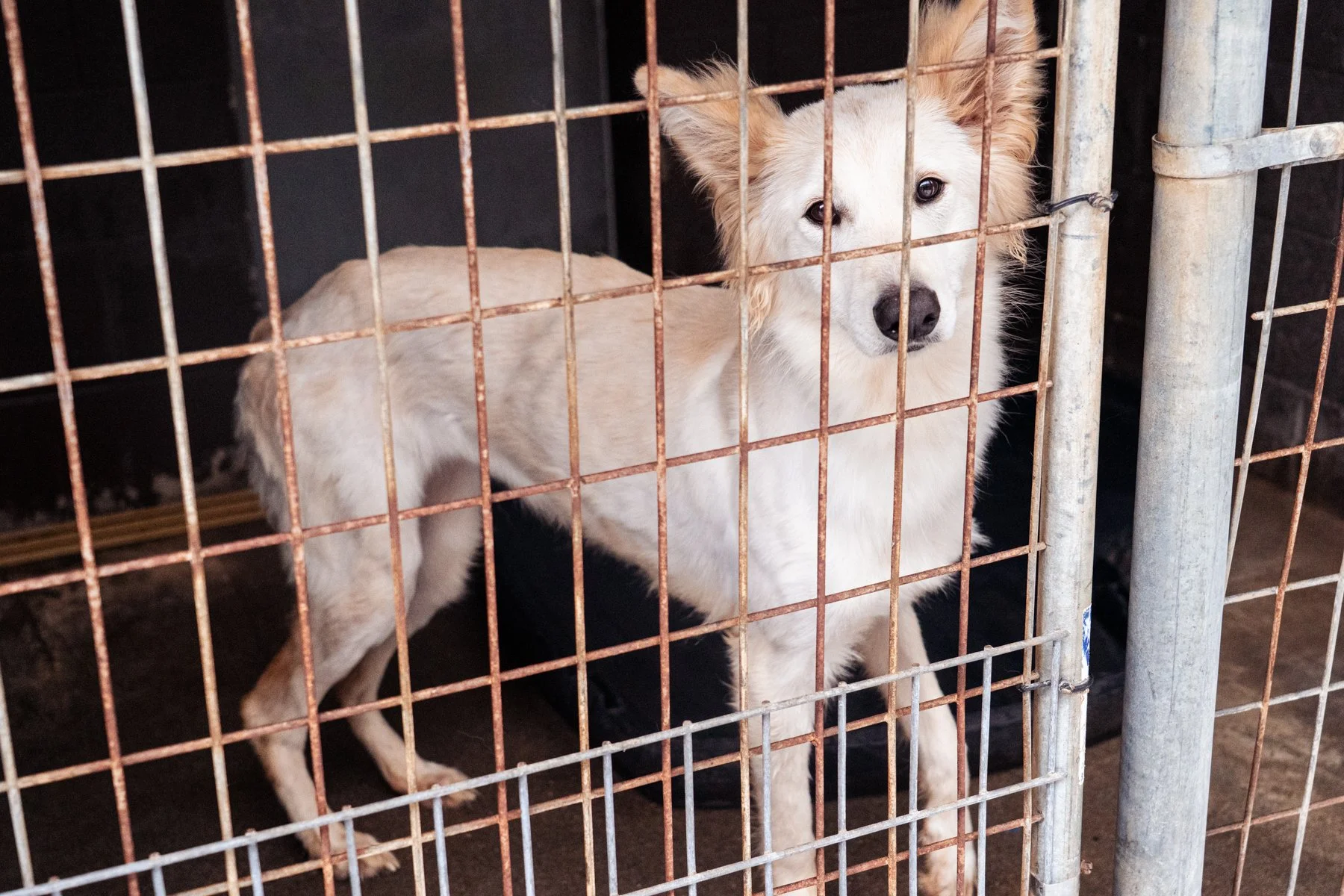
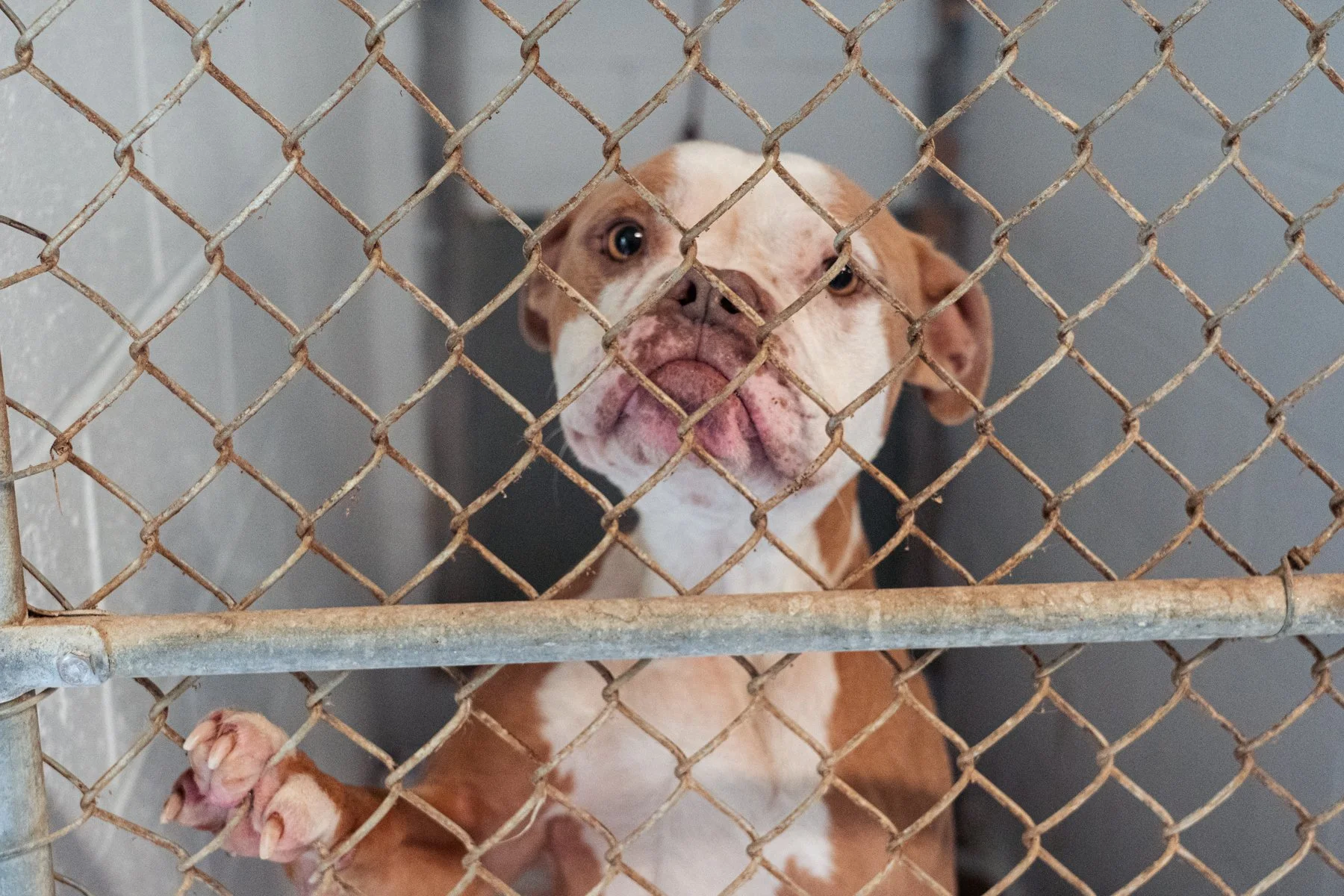
The kennels inside and out are separated only by a chain-link fence, which increases the stress on dogs and encourages ‘fence fighting.’ It’s a common situation we see at many older shelters. Aric ingeniously fixed that problem by repurposing vinyl fence panels from a fence he took down at his home. He installed the panels between kennels. They reduce the noise, prevent the dogs from seeing/engaging each other, and seem to be holding up. He’s used up all his panels and is looking for more panels so they can improve all the kennels inside and out.
Aric also repurposed flattened whisky barrels to create visual barriers outside—they look great and are so perfectly 'Kentucky.'
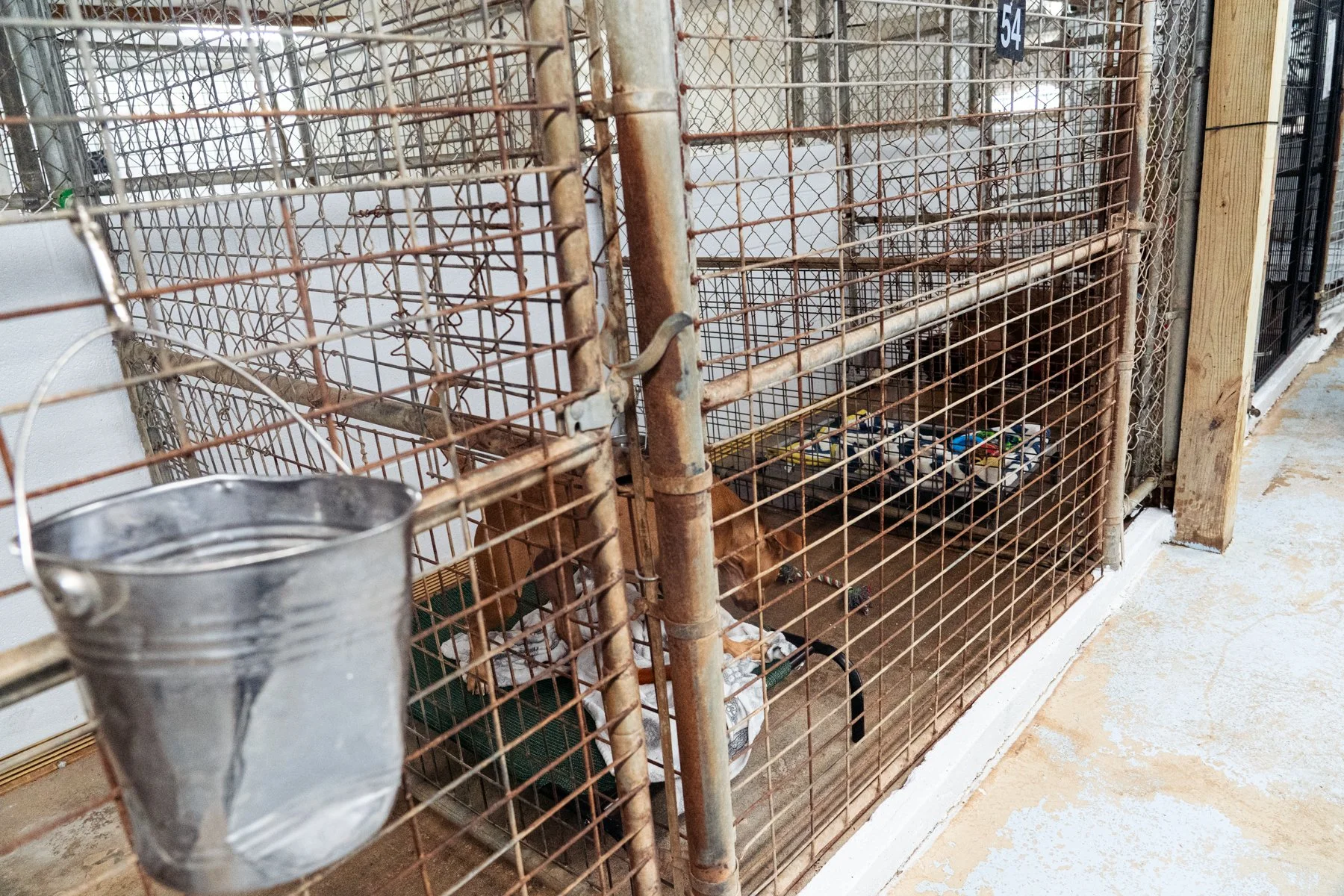
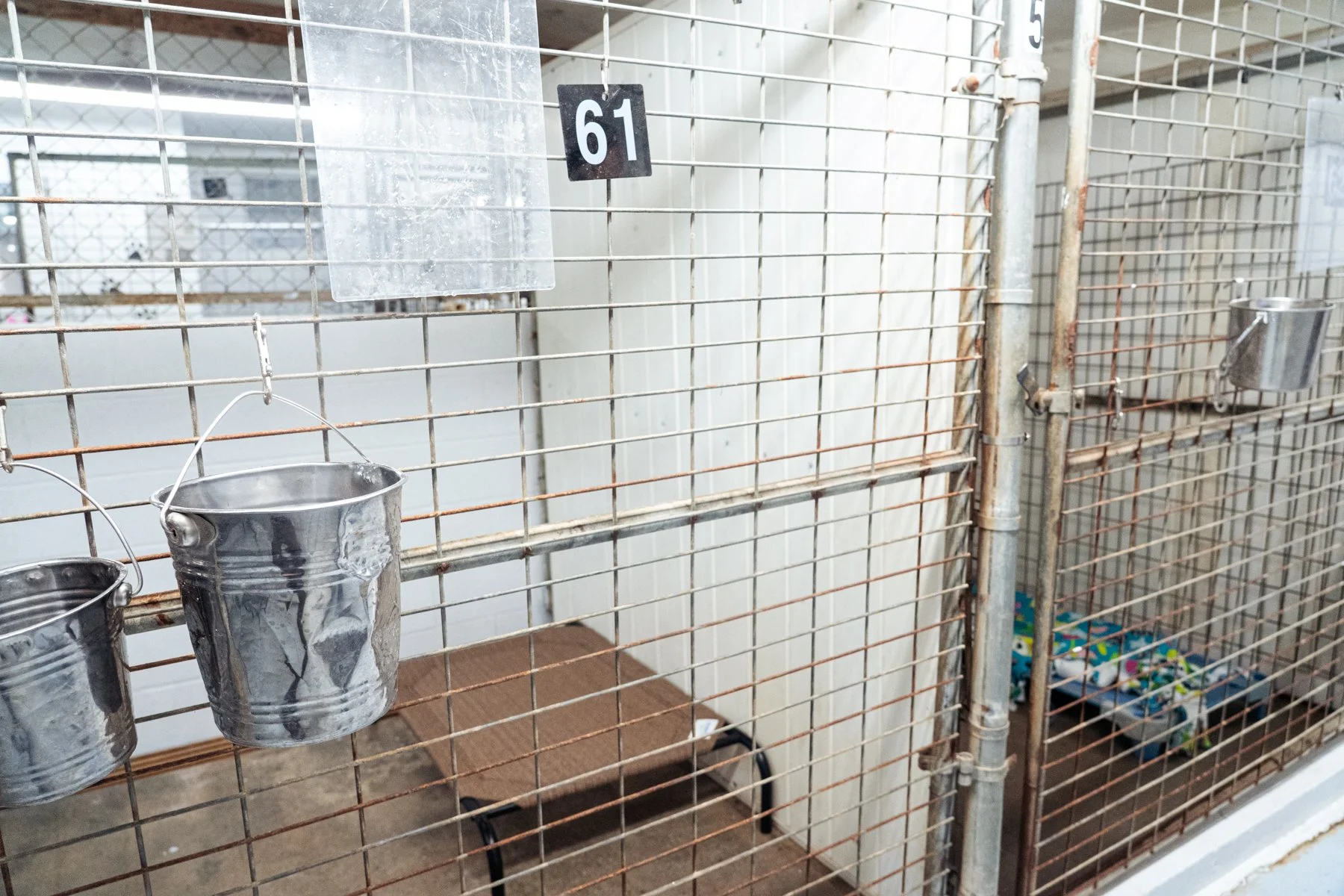
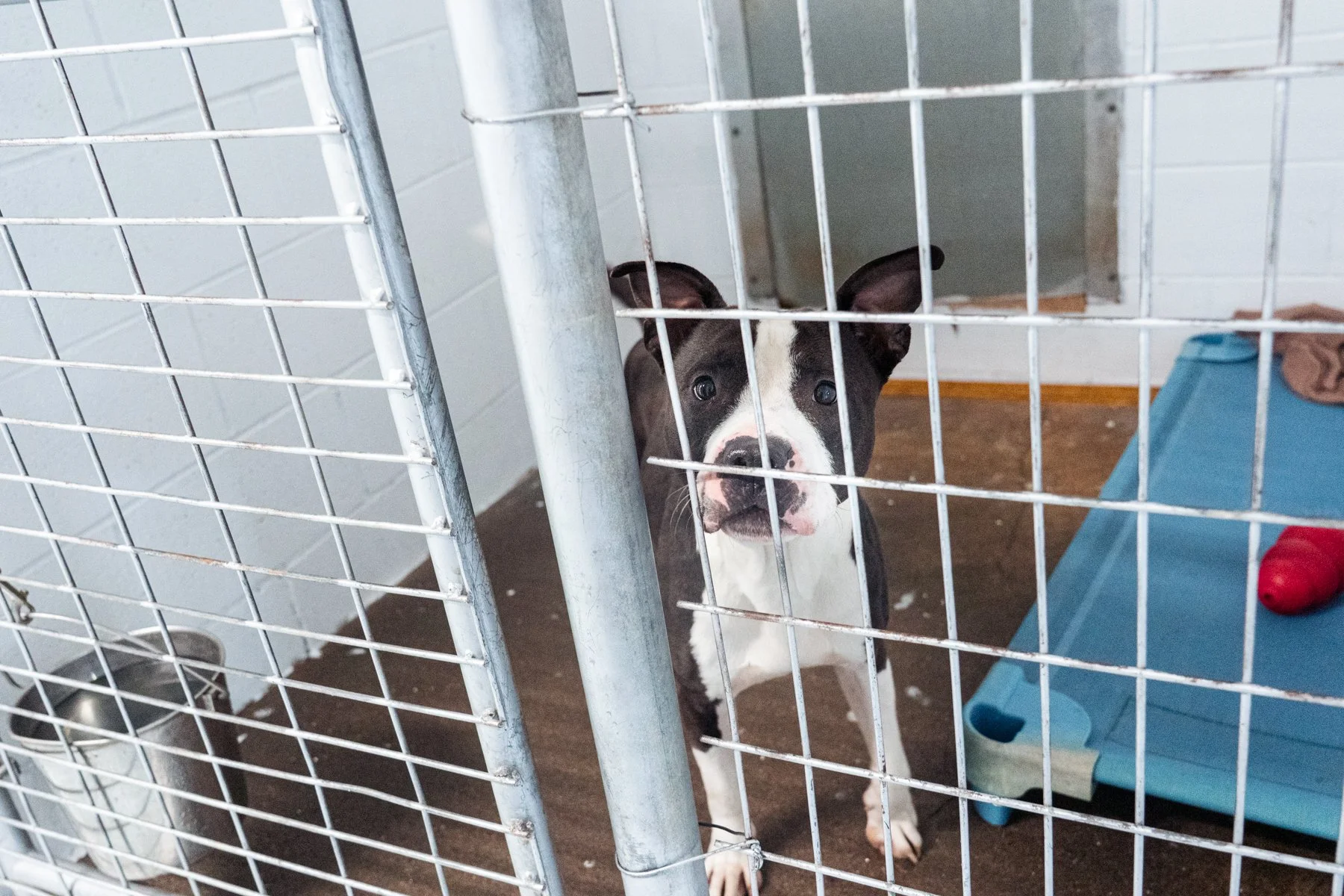
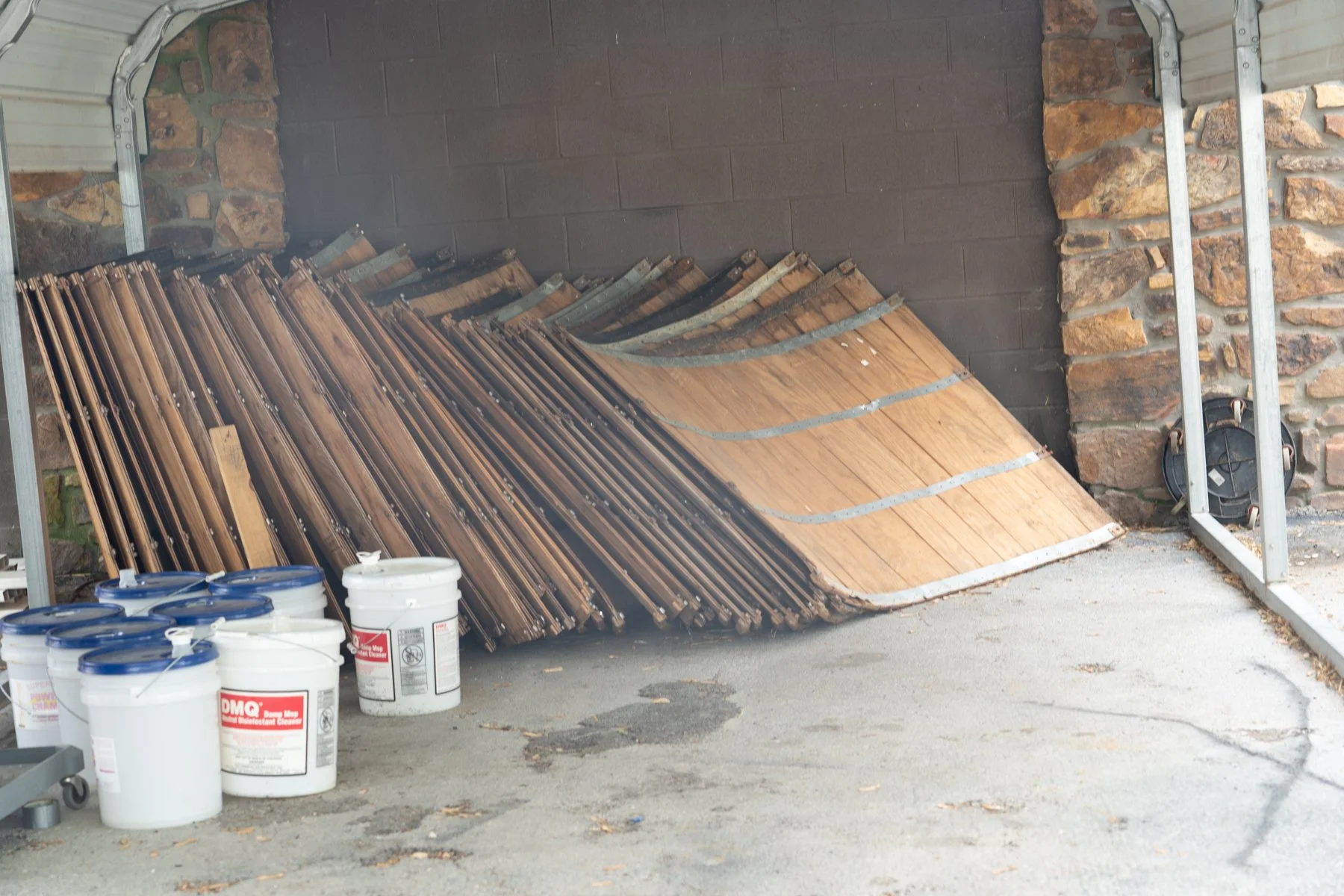
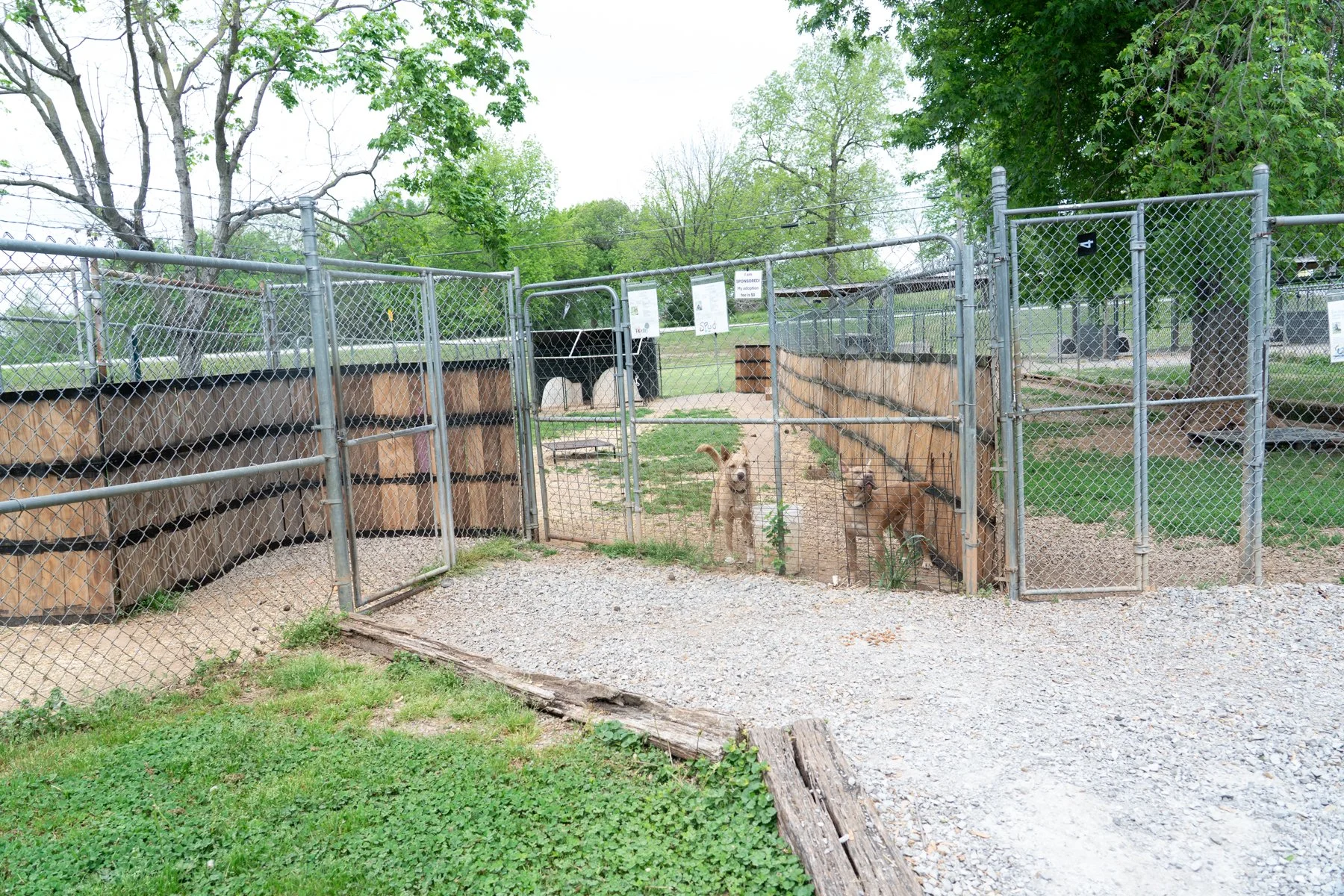
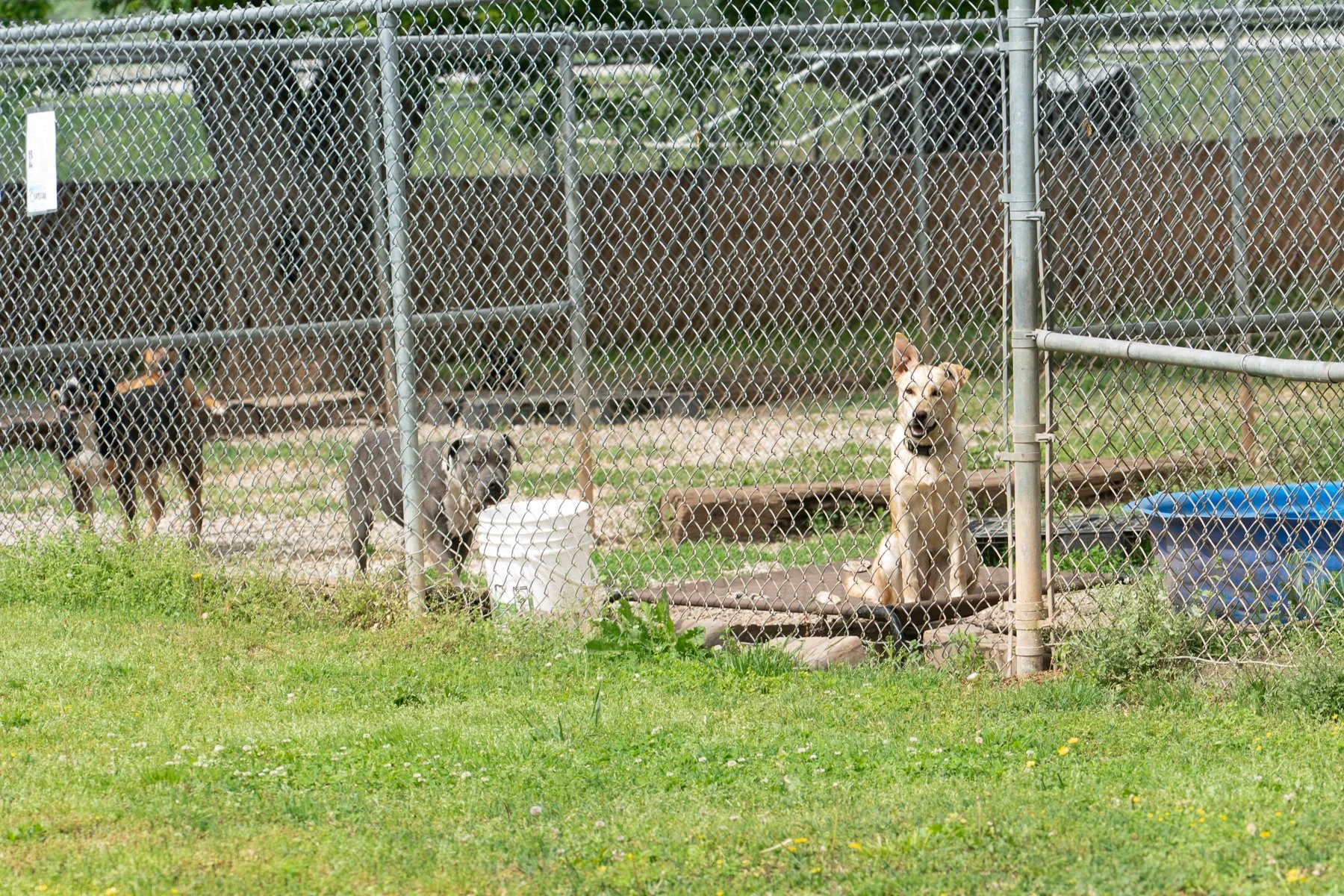
Because they were full at the time of our visit, the playyards were housing a few dogs, but Champion Feeds, a local company, will be installing fencing to provide them with an additional large play space.
Managing Numbers is Always a Challenge
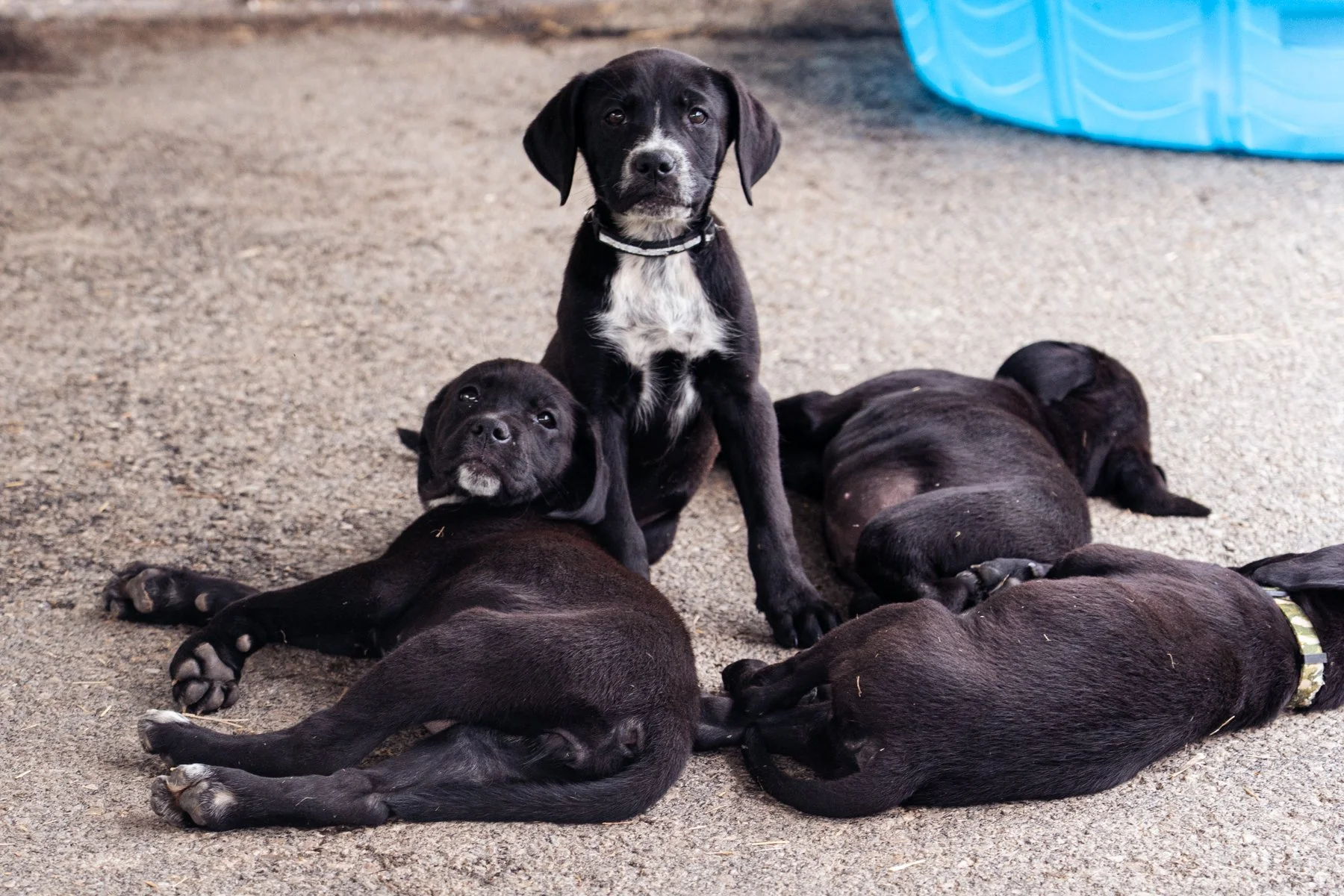
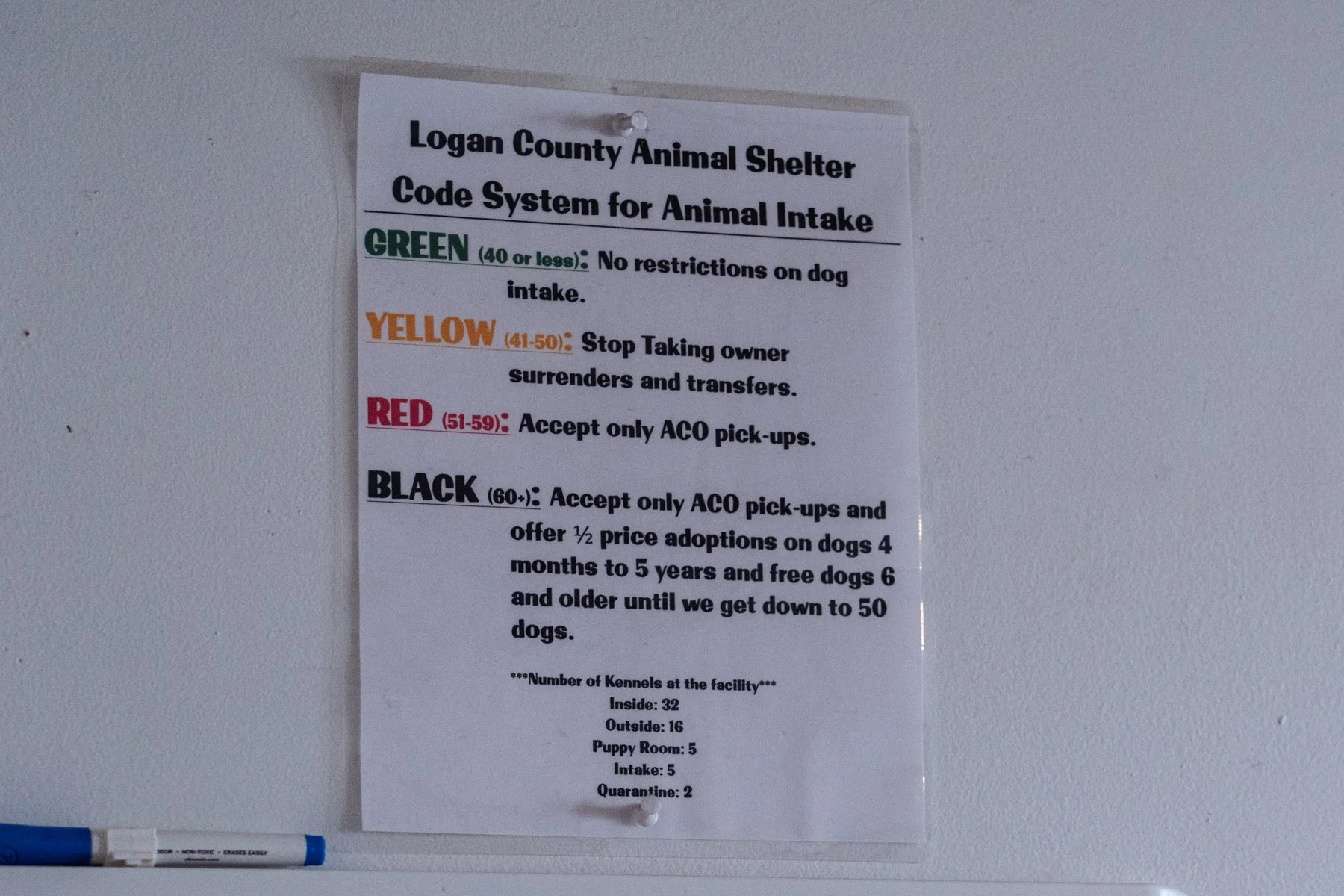
The shelter comfortably houses about 40 dogs; anything above that starts to feel crowded. When we visited in April 2026, they had 44 (but several litters of puppies). A few dogs are leaving on a rescue transport the next weekend, which would put their numbers back down to a more comfortable place. But a new dog arrived just as we were leaving.
The shelter only handles dogs (cats are not included in the county's animal control), and the Humane Society helps cats on a separate property. About 500 dogs pass through the shelter’s care each year. I noted the shelter’s No-kill plaque, and while Aric is clearly proud of that status, he says, “I want to adopt 100% of the adoptable dogs we have, not worry about a number.” That’s the attitude more shelters need to take.
Partnering with Your Community
It’s been a season of change at Logan County Animal Care and Control. Aric’s wife and daughter, who have a 501(c)(3) nonprofit rescue, Southern Paws, have just been granted permission to convert their organization into a ‘Friends of Logan County Shelter’ group for the shelter. Since this is Kentucky, the plan had to be approved by the fiscal court. Once they have agreed on a ‘memo of understanding’ with the court, they will be up and running. Having a nonprofit to support the shelter will enable them to raise donations and apply for grants to improve the conditions at the shelter. It’s a smart move and one we always encourage.
The FLCS group will also be able to formalize the volunteer program. At the time, they had a handful of dedicated volunteers/dog walkers, but more volunteers would allow them to give the dogs more exercise/attention and help engage the shelter with the community. Aric also hopes the FLCS group can help to expand the foster program.
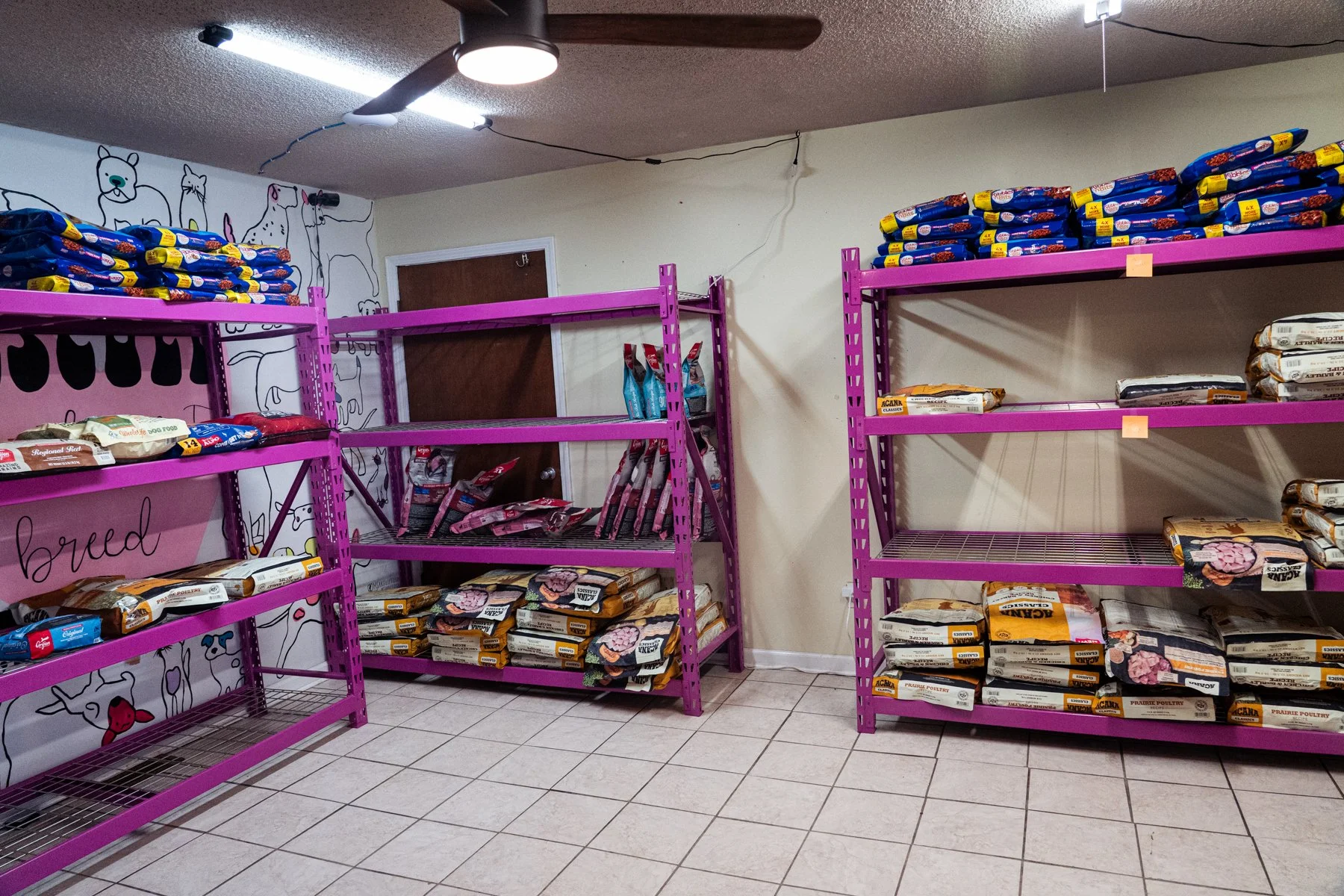
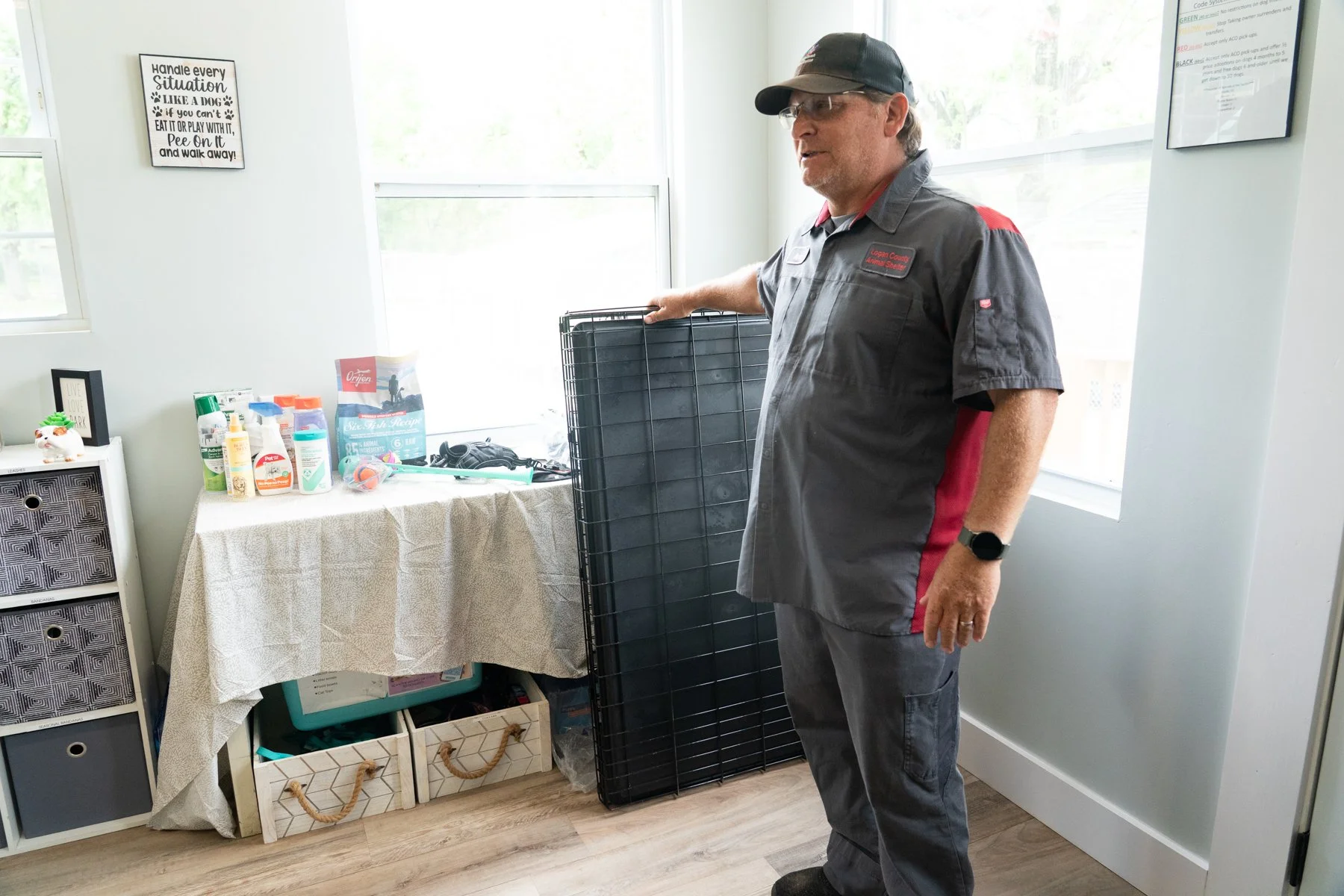
The shelter has found a great partner in Champion Feeds, which gave them a supply trailer where they store food to fill their community dog food pantry. When people come to pick up food, staff ask about their dogs' spay/neuter and vaccination status and offer information about the nearby Butler County spay/neuter clinic. They drive shelter dogs to the clinic weekly for spay/neuter surgeries, and Aric hopes they can also begin providing a transport program for community animals to the clinic. When dogs are adopted, they leave with a collar and leash, and adopters can choose additional free supplies such as crates, treats, and grooming tools displayed in the lobby.
What About That Plan to Slow Down?
The shelter is holding its own through growing pains, but to me, it looks like they are turning a corner and about to have their best days. And what about that plan to slow down?
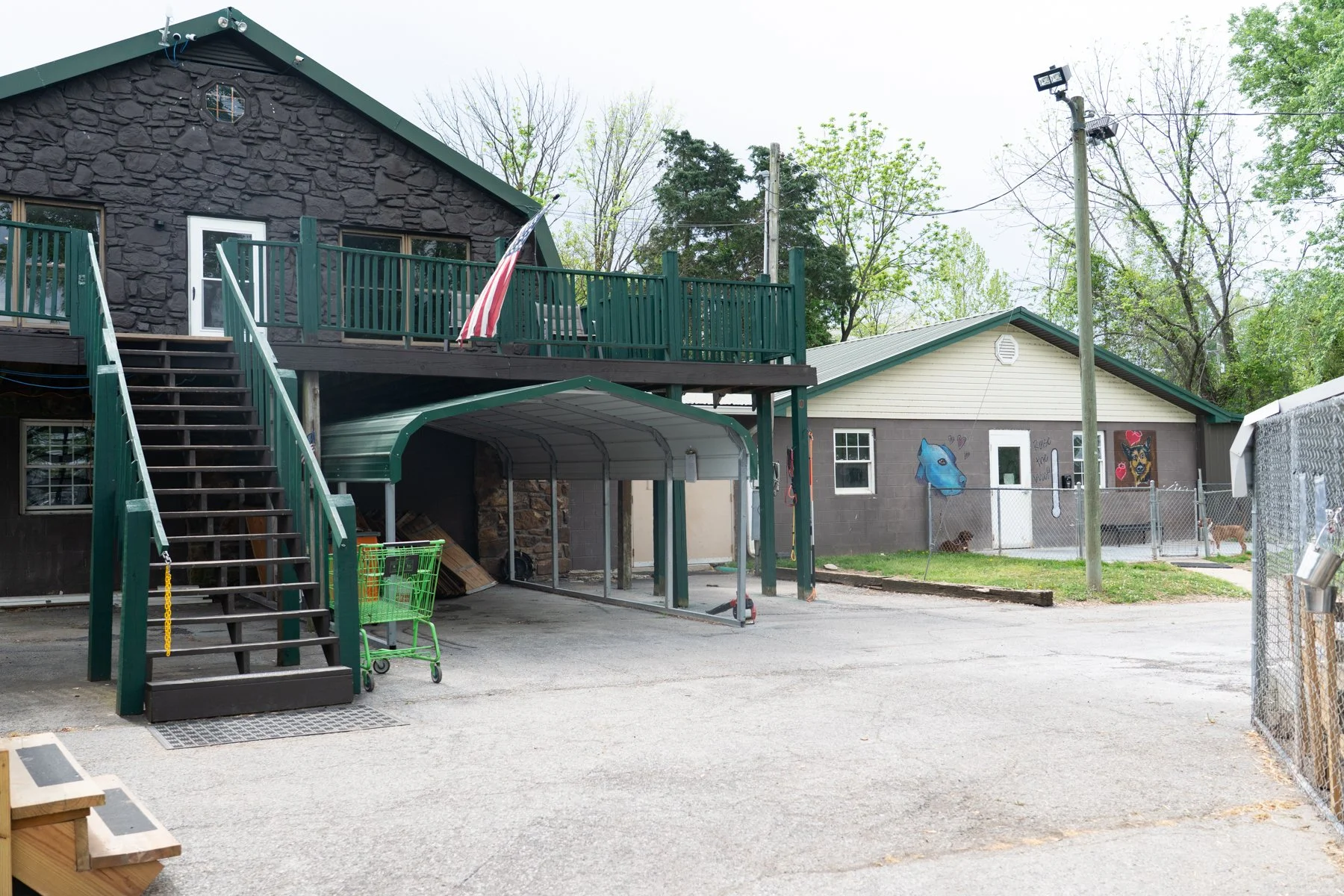
Aric’s long-term plans for the shelter include replacing the existing building with something more modern and usable on the same footprint where it sits now. The original shelter building is a house that is definitely not set up to be a shelter, but they make do. The offices are up a set of stairs, which can prove challenging for many.
“I worked 180 days straight when I started,” Aric says. There was just so much work to get the shelter in good operating order, and he hadn’t hired enough staff yet to help. Now he often still works 8 hours a day, seven days a week, but that’s half the hours he worked in the restaurant business!
If you’d like to encourage Aric and Logan County, consider shopping their Amazon wishlist: https://www.amazon.com/hz/wishlist/ls/2MFQELF9816X2