

The Public-Private Model That Works: 50 Years of Collaboration in Boyle County
The partnership between Boyle County Animal Care & Control (BCACC) and Danville-Boyle County Humane Society (DBCHS) is a great example of public/private animal sheltering that works. The shelter is located in Danville, Kentucky, an historic city in the Central Bluegrass Region of Kentucky.
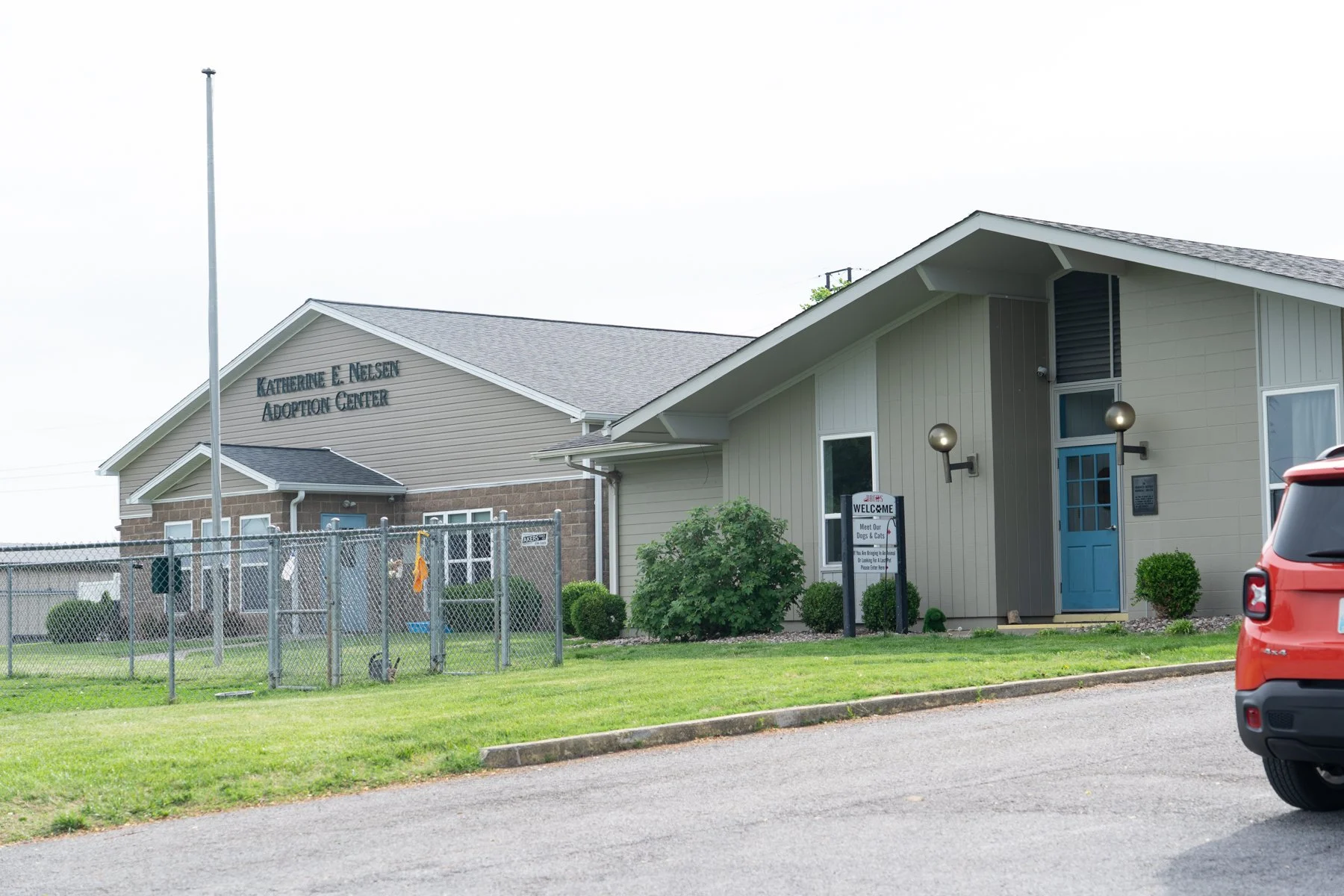
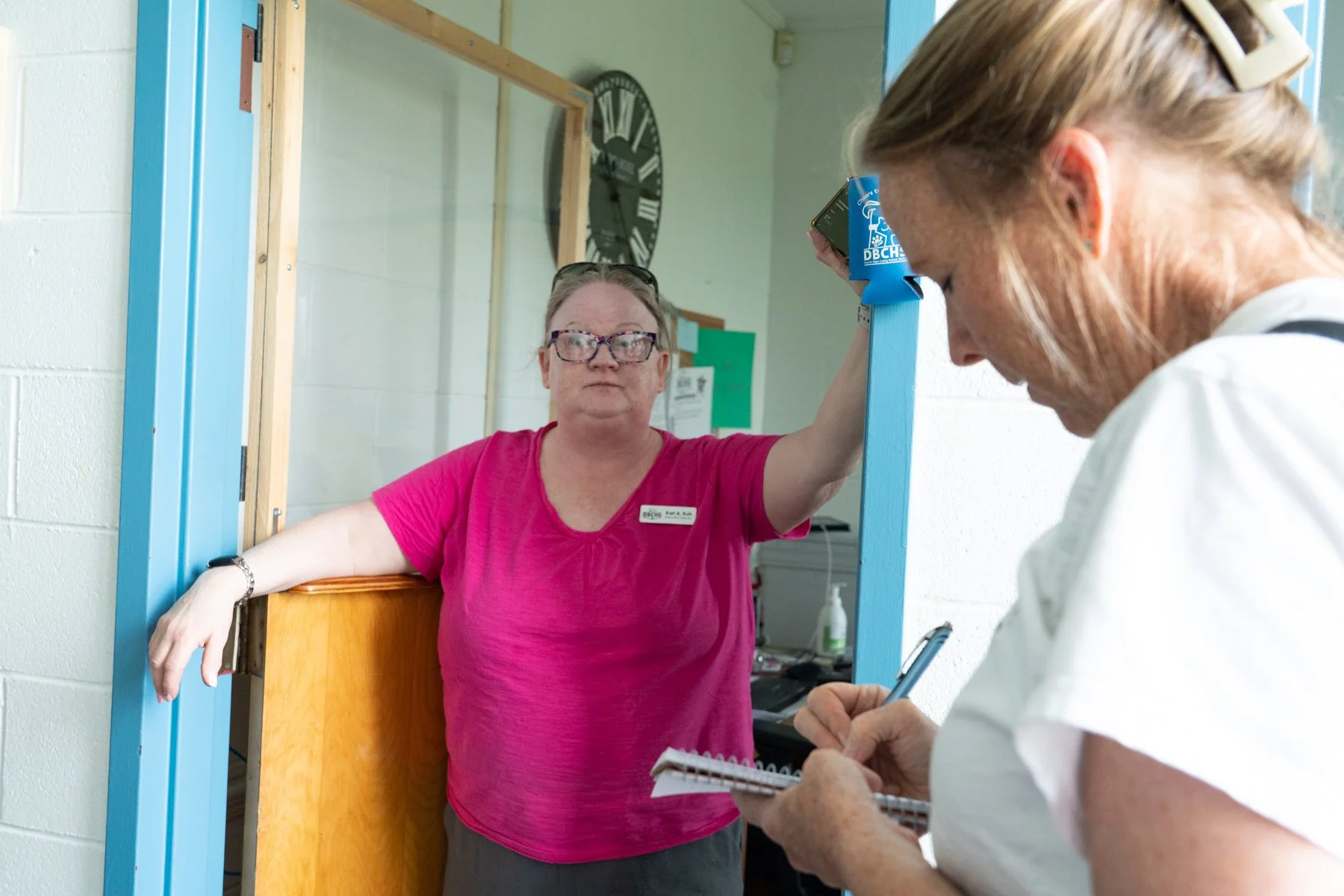
Just inside the doors of the shelter building, the BCACC office sits right across the hall from the office for DBCHS. That makes it very easy for ACO/director Jessica and her shelter staff to work with Humane Society Director Kari and her staff.
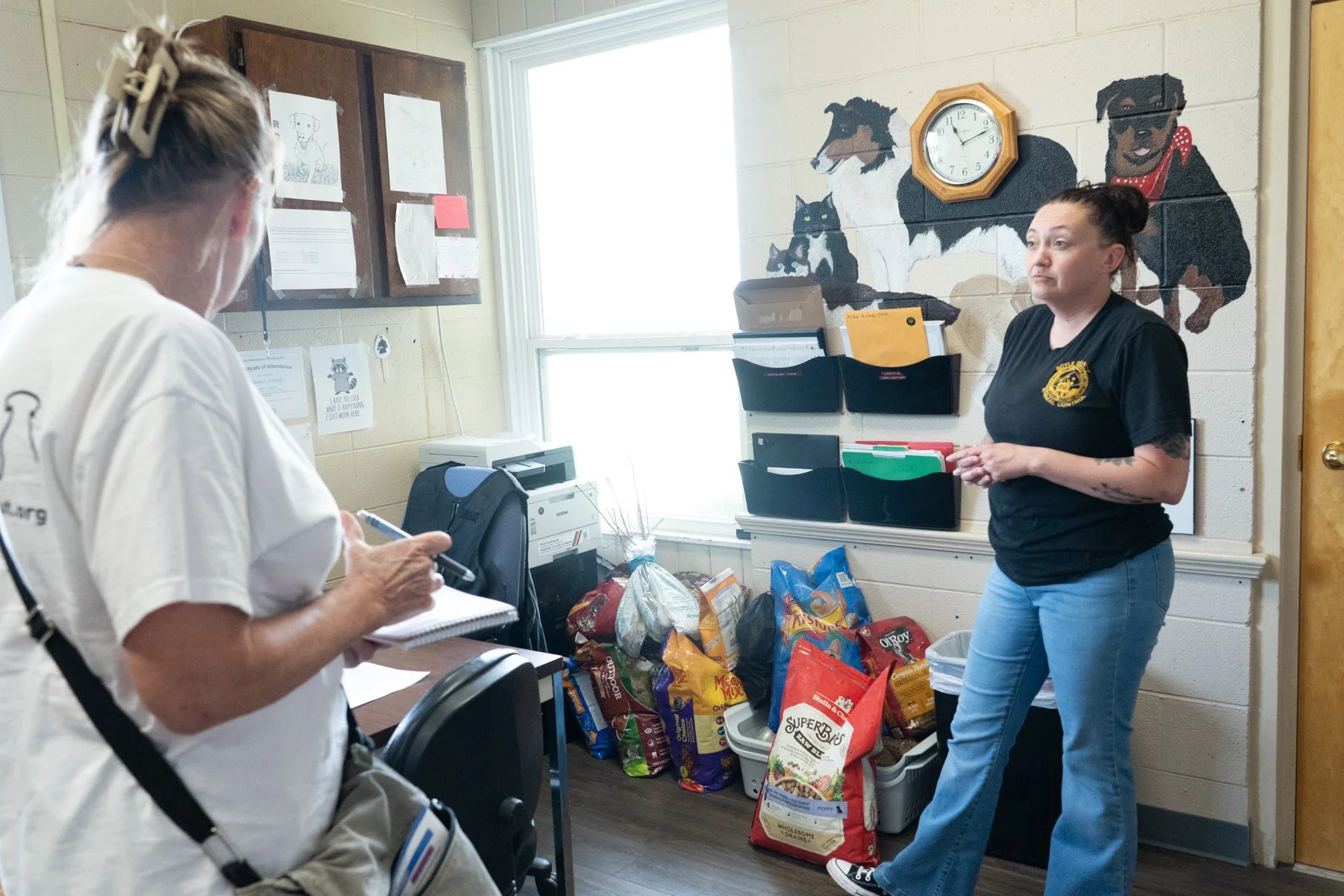
80% of the animals who come into the shelter arrive via one of their two Animal Control officers. On arrival, animals are vaccinated, and during their five-day stray hold in the Animal Control kennels, they are evaluated medically and behaviorally.
If they are deemed adoptable, the animals become the Humane Society's responsibility and are moved into the adoption kennels.
The relationship is very symbiotic, as Kari put it. For instance, while shelter staff does the care and cleaning, the Humane Society pays for the supplies. If an animal arrives injured, the shelter has the budget to address immediate needs, but once stabilized and their stray hold ends, the Humane Society takes over the medical expenses.
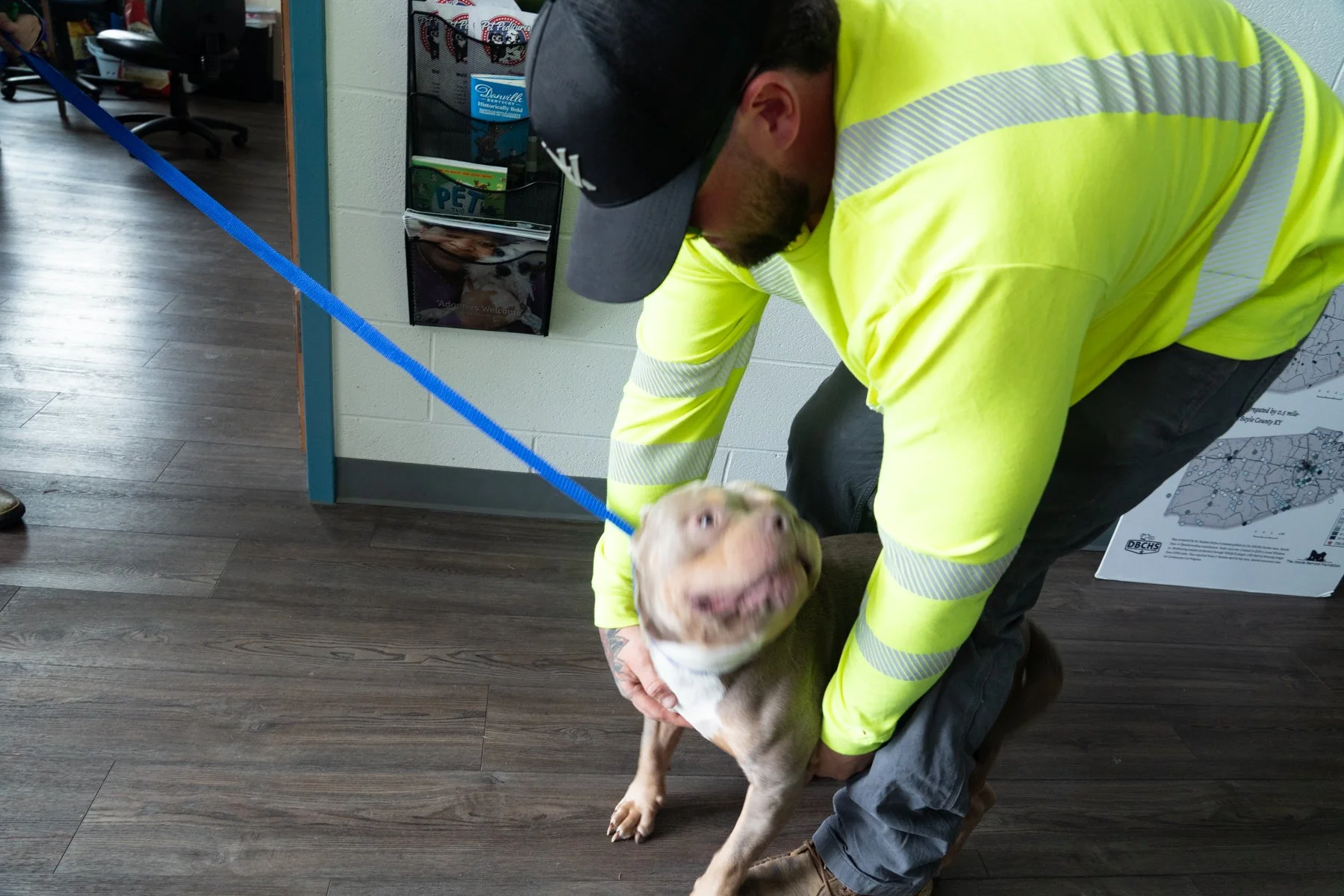
The Humane Society handles the adoptions for all dogs not reclaimed. As of our visit in April 2026, only 17% of dogs were reclaimed by their owner. (We witnessed one happy reclaim while visiting!) Kari said that number is down a bit. Staff would like to see it go up, and they make an effort to encourage and educate people about microchips.
Community Engagement is the Key to Shelter Success
Alexandria (who was just about to start maternity leave) is the shelter’s outreach coordinator. She was hired in 2025 to handle social media and event planning. Her engaging, friendly personality seems perfect for the job.
The staff from both sides of the hall understand the critical importance of engaging their community. Hosting events (like the upcoming rabies/microchip clinic) and participating in festivals, the farmers market, taking animals to visit the retirement community monthly, placing cats at the Kitten Café, and participating in pictures with Santa and the Easter Bunny keep the shelter and its animals enmeshed in the community. They even took animals for the opening of a new movie theater and every year send dogs to run in the Center College 5K.
The staff invites people to come to the shelter anytime for a ‘Doggie Day Out’. They’re given some instructions, a backpack full of supplies (provided by the Humane Society), and a harnessed dog ready to go.
The community supports the shelter not only with donations to the Humane Society and supplies, but also through sponsorships of adoptions. Center college students often volunteer (one comes to take long-stay dog Roni for a run every Friday). Other community groups also volunteer at the shelter.
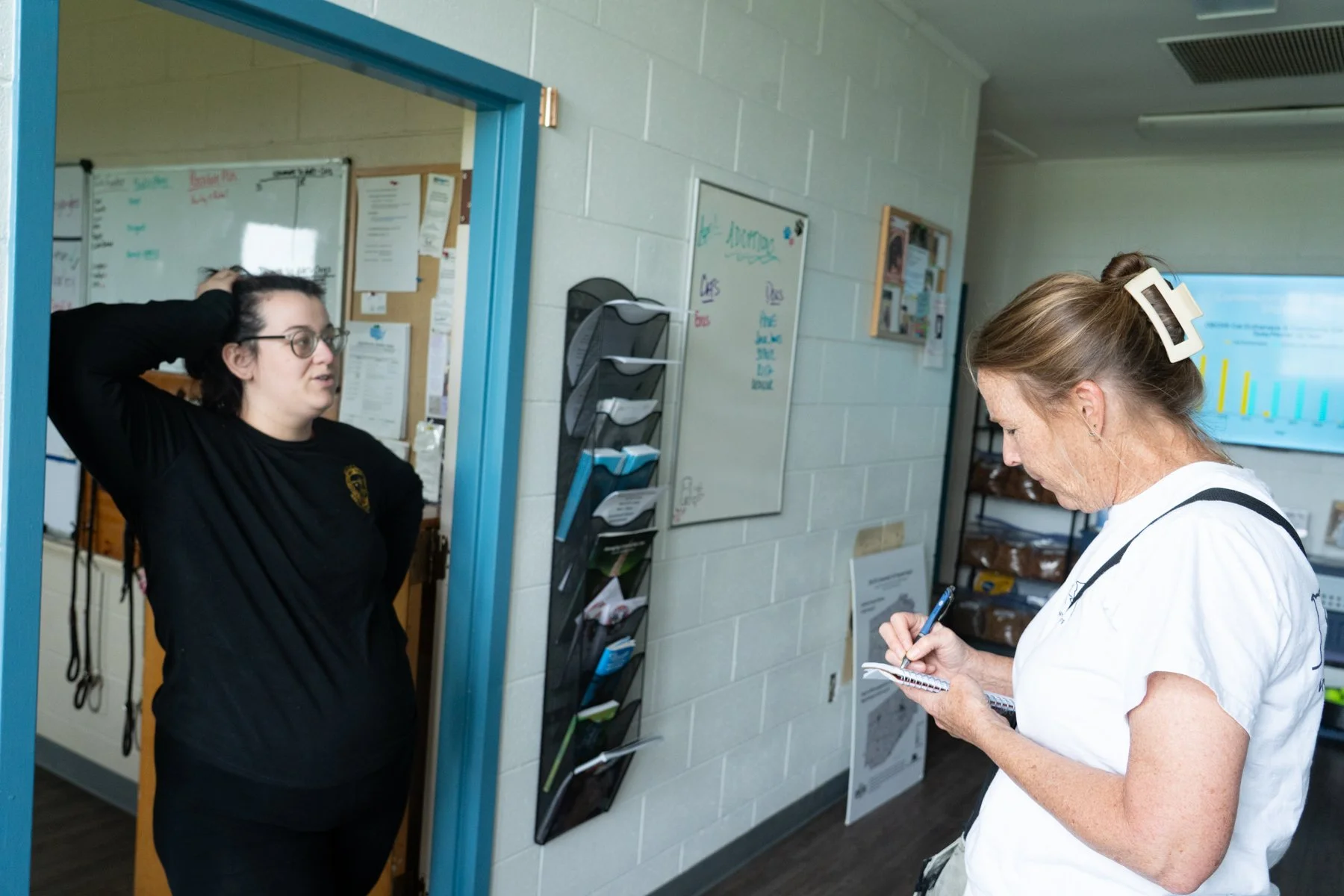
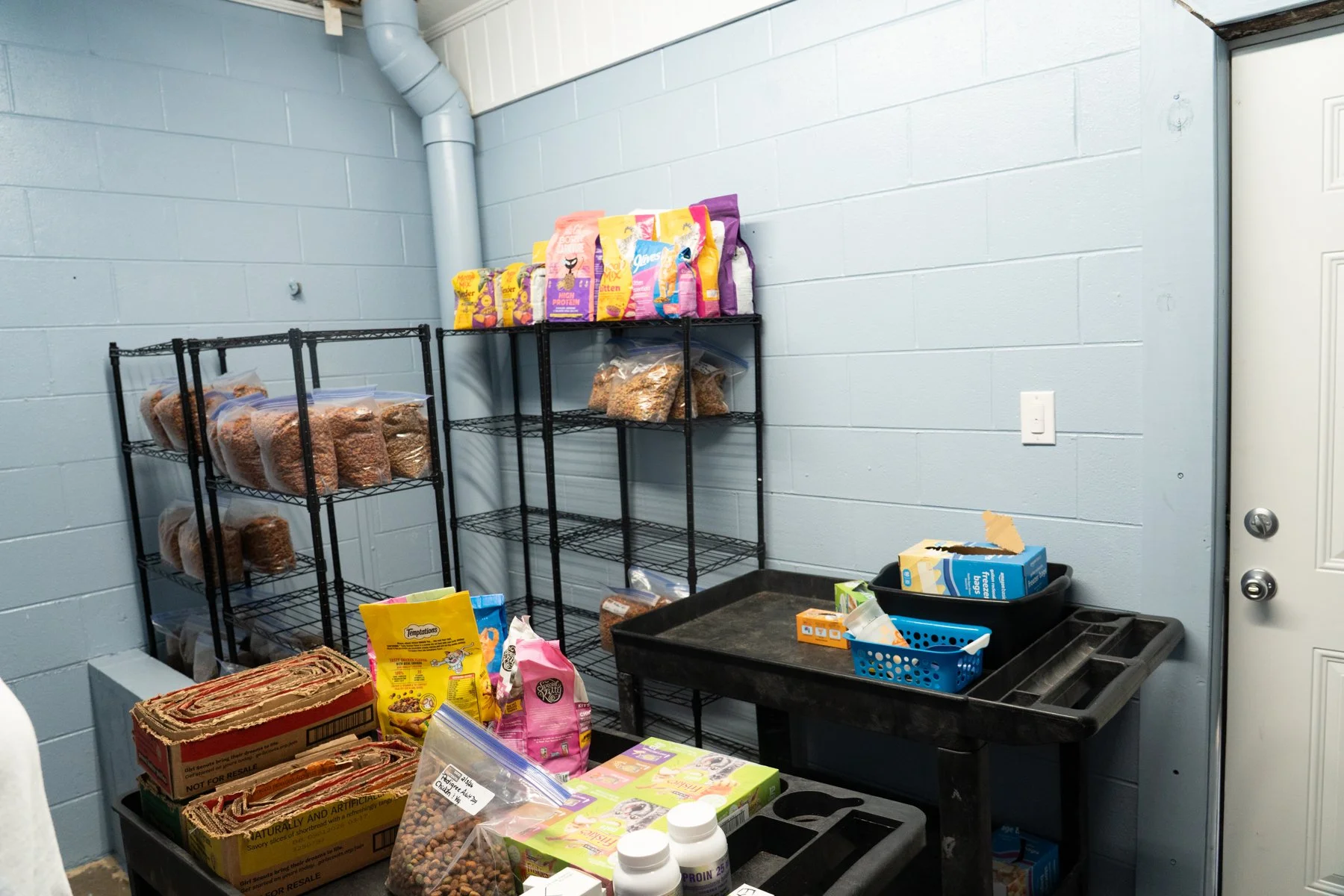
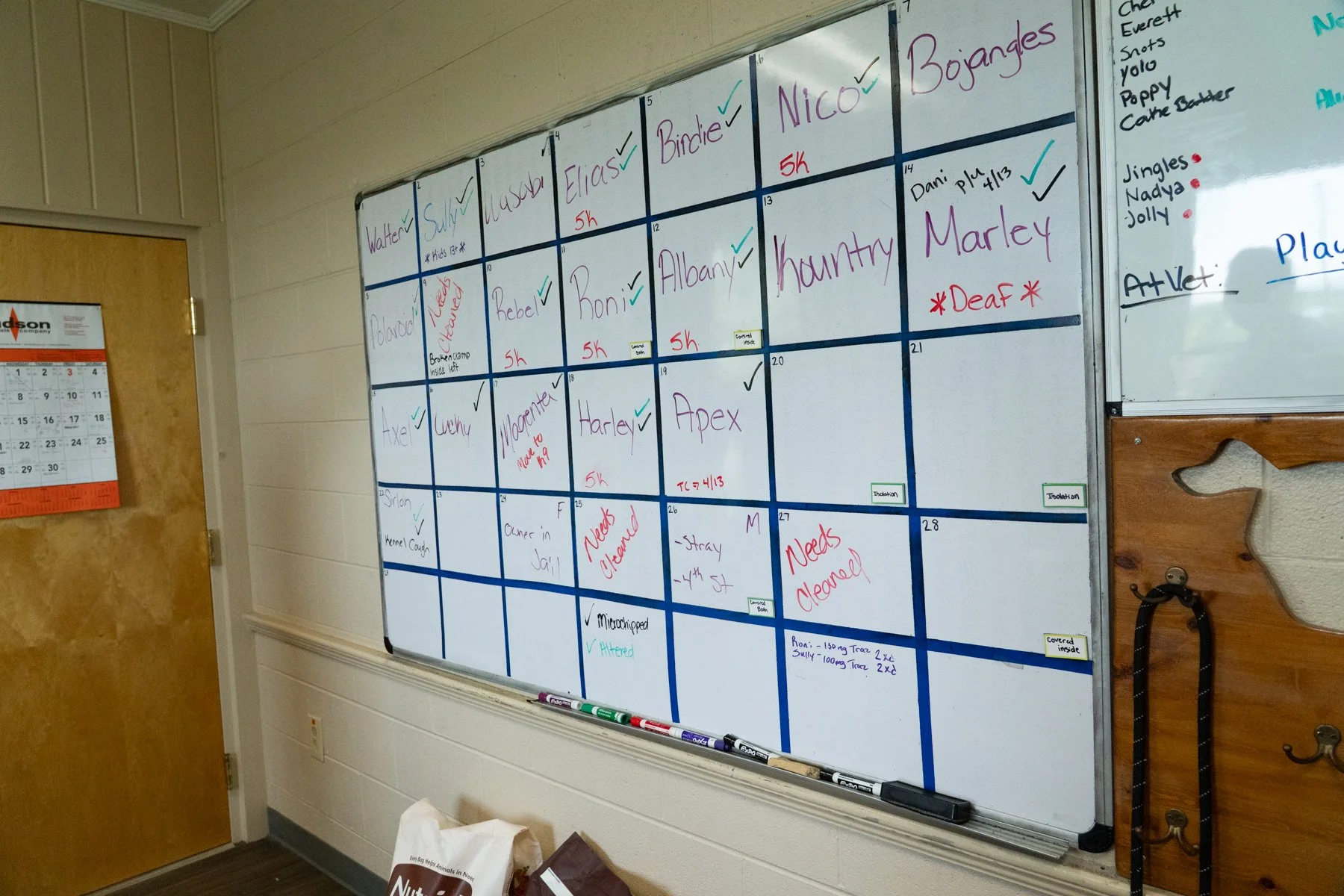
As an ACO, Jessica likes that she can provide direct support to people when she is out on calls. Having grown up here, this is her community, and those connections likely make her job easier (and perhaps harder at times), but her eyes light up when she talks about her work and Boyle County. She keeps supplies like food and straw on hand to give out as needed.
Jessica would like to see the shelter find even more ways to serve its community – animals and people. They recently held a food drive for the community’s food pantry, collecting 669 pounds of dog food.
Providing Excellent Care and Serving the Community
Last year, the shelter handled 255 dogs. They have seen an increase in stray dogs. In fact, Jessica was not at the shelter when we arrived because she was out collecting three large strays from a remote location who were likely dumped there.
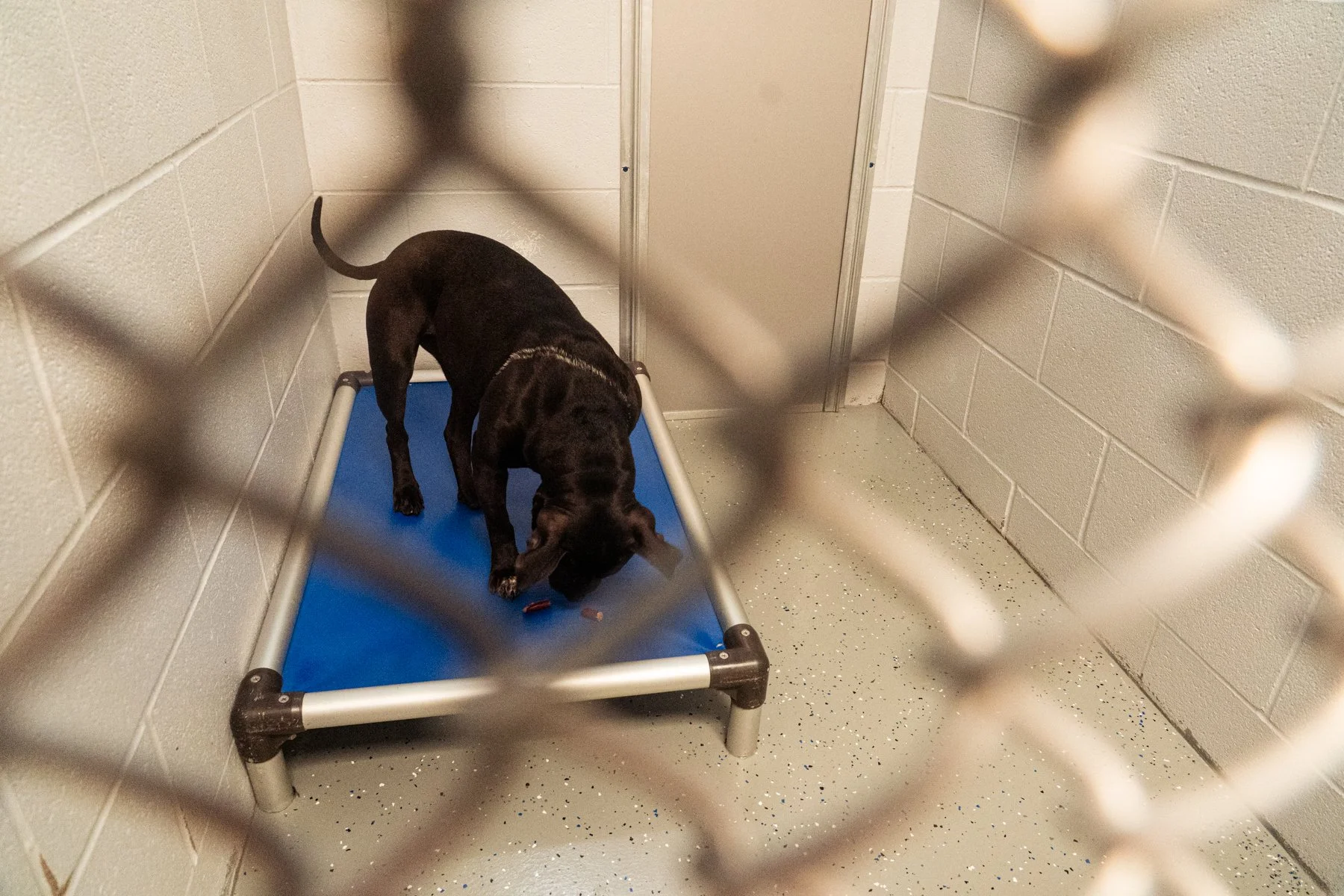
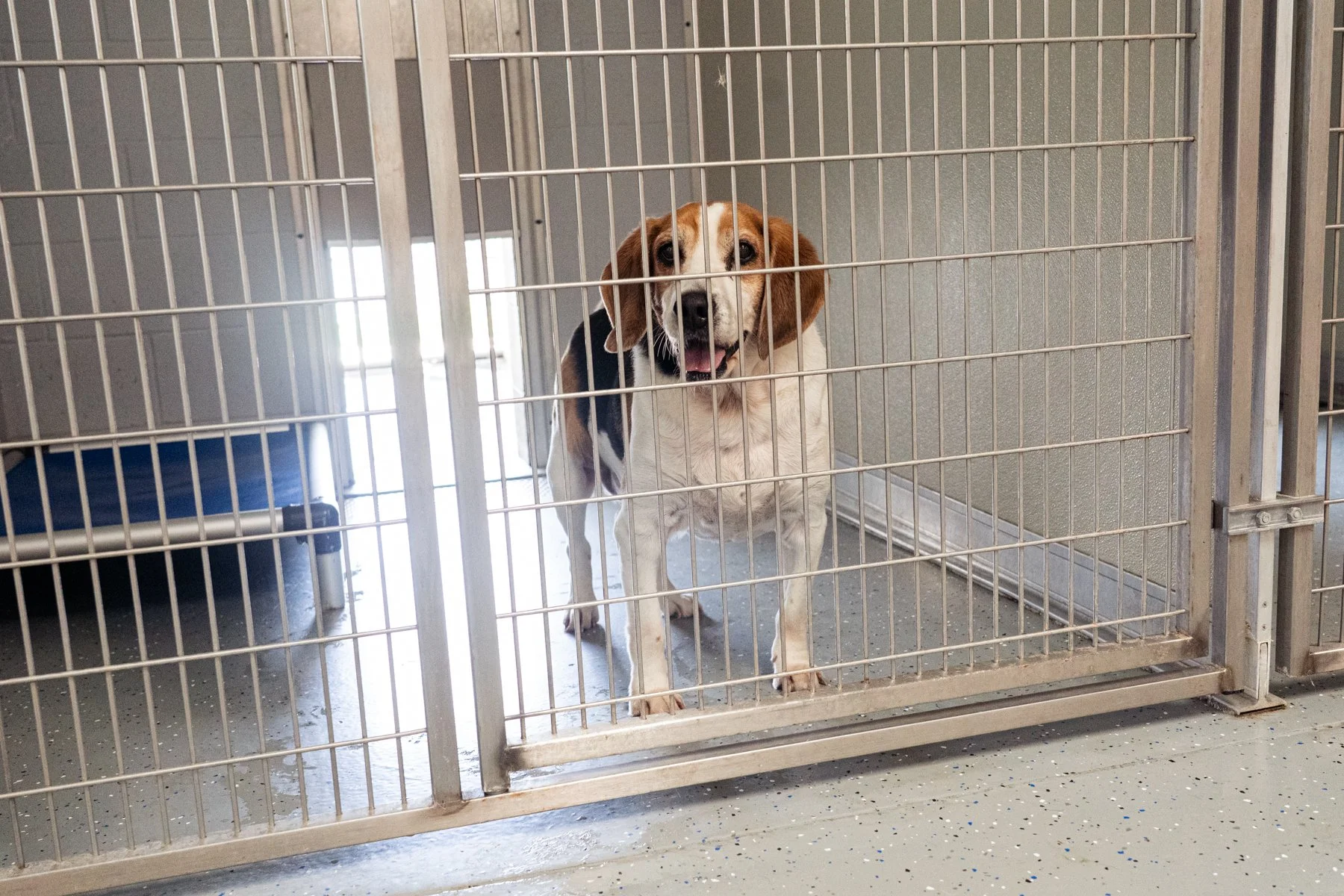
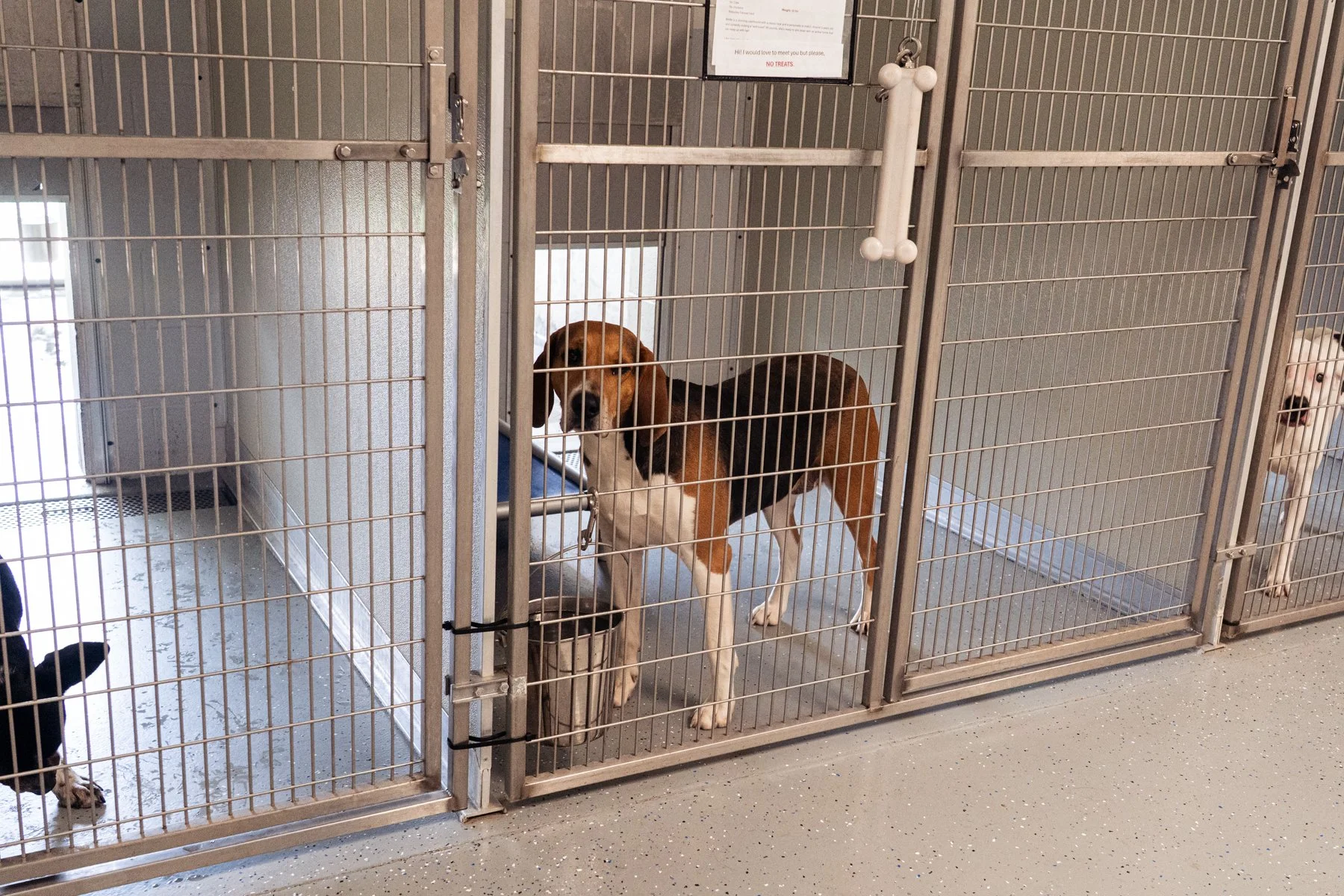
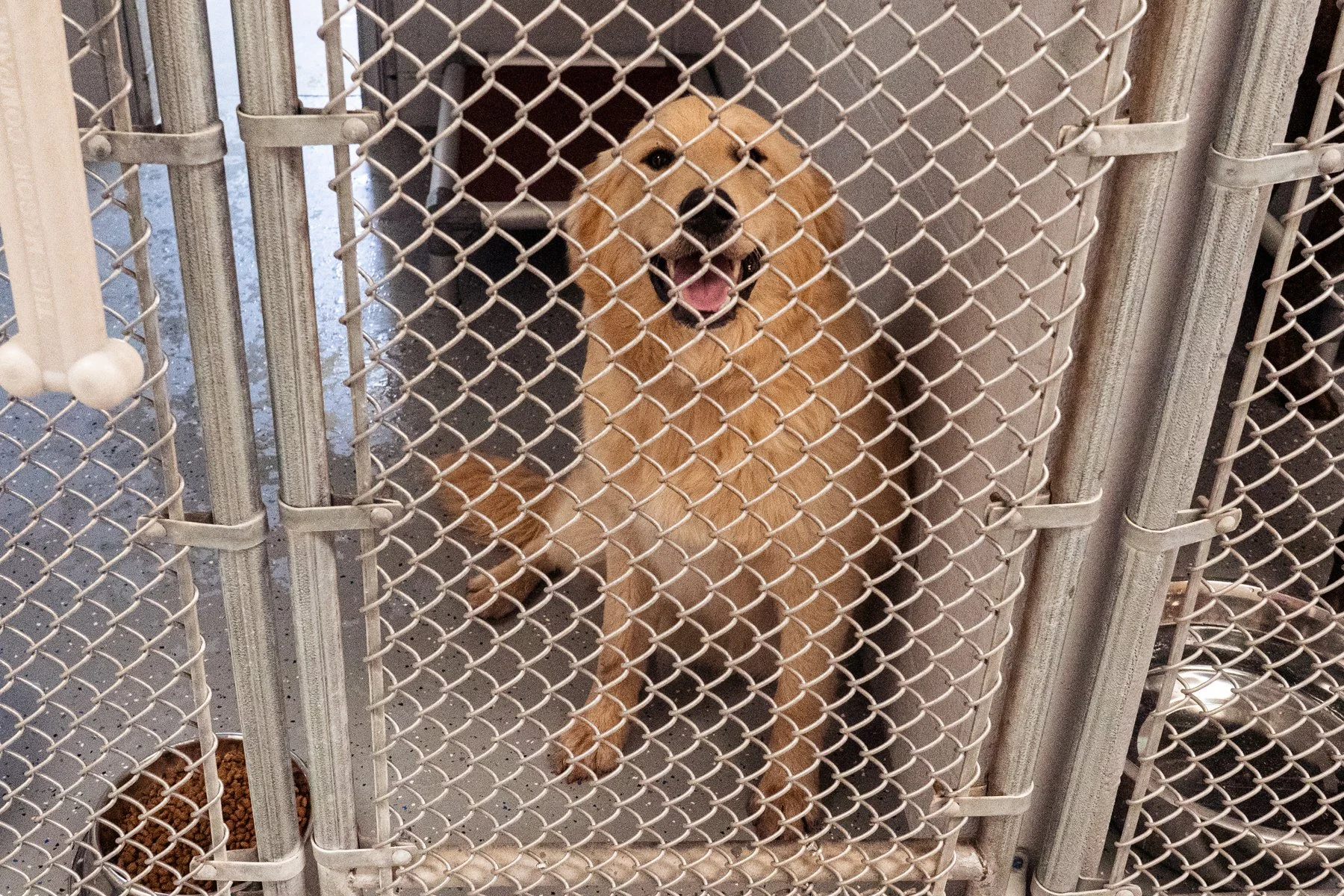
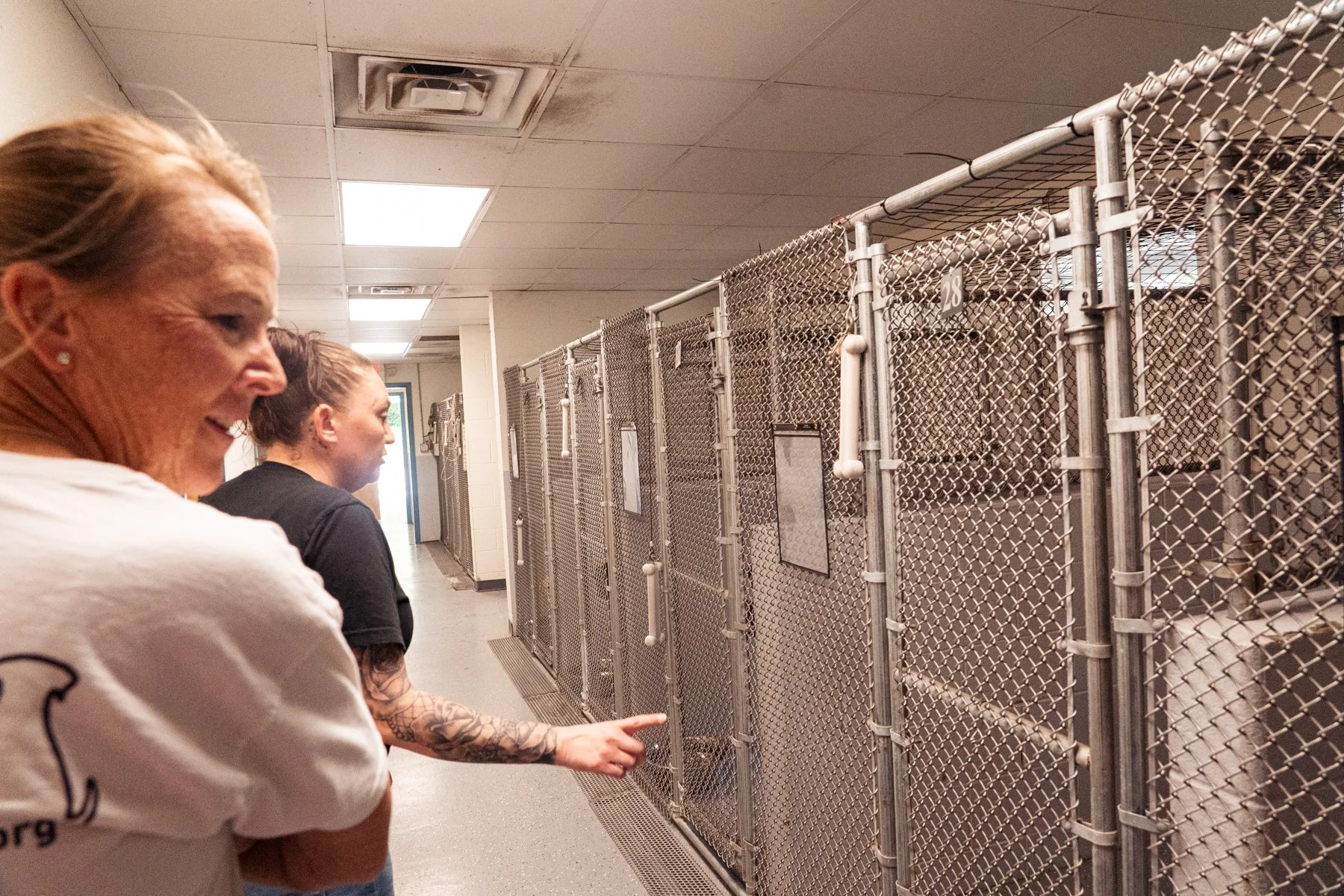
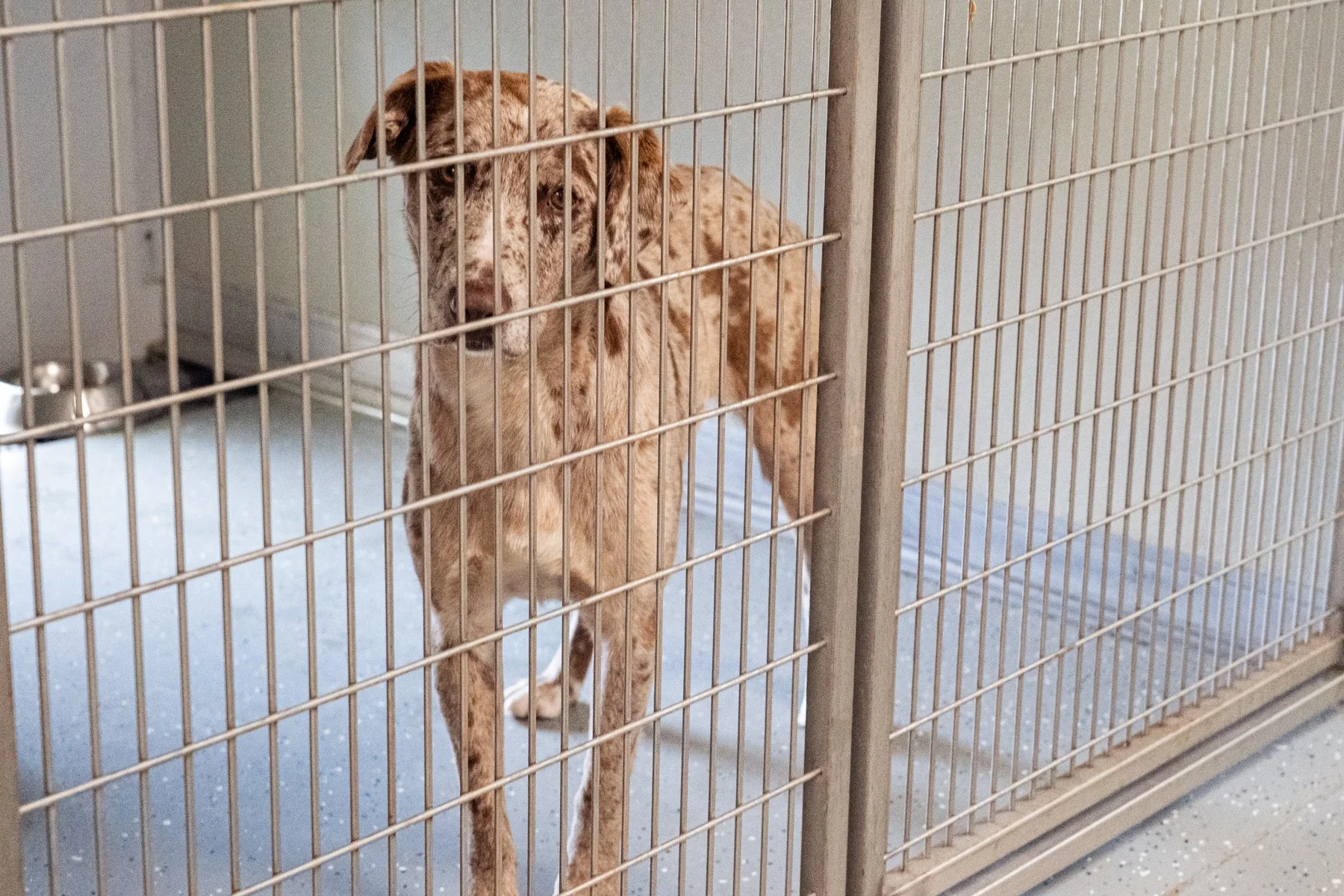
The shelter has 29 kennels and was housing 25 dogs at the time of our visit. Jessica is committed to not euthanizing for space, and the shelter does have some long-stay dogs. If a dog can handle the stress of kennel life, they will give the dog as long as they need.
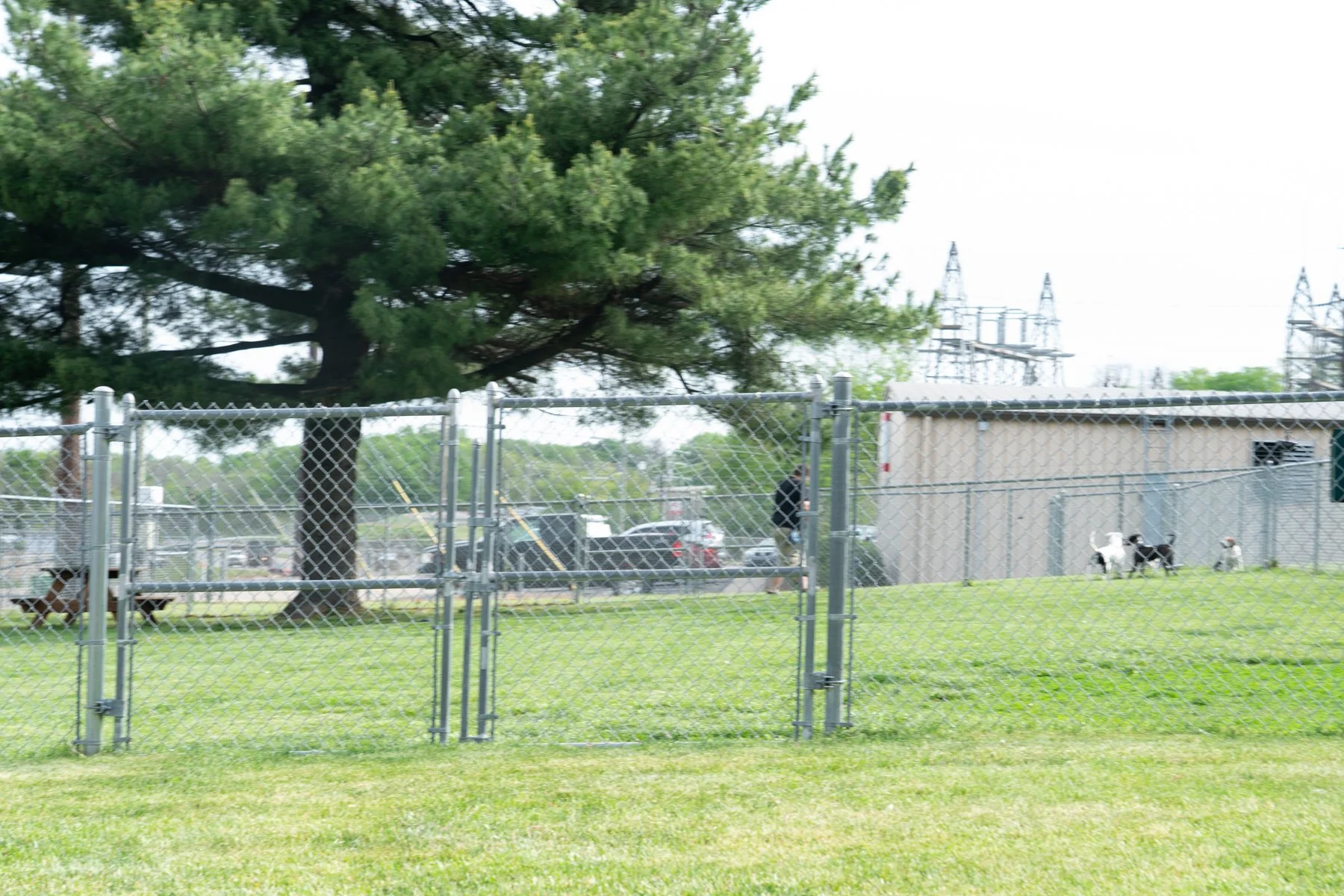
The dogs at the shelter, even the long-stay ones, did not seem overly stressed. That’s probably because they get outside often for playgroups (they have participated in Dogs Playing for Life training) and Doggie Day Outs. They also receive regular enrichment in their kennels.
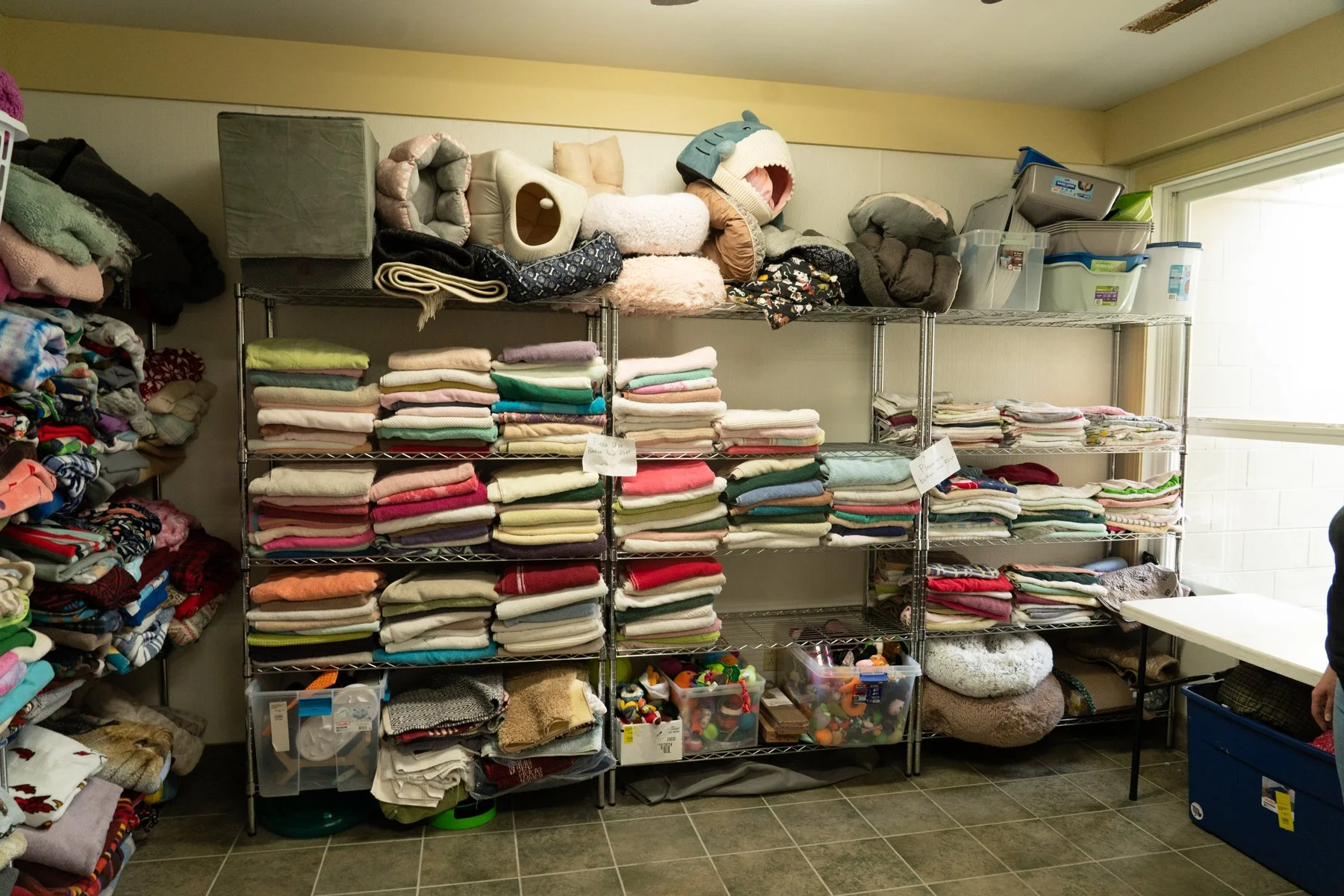
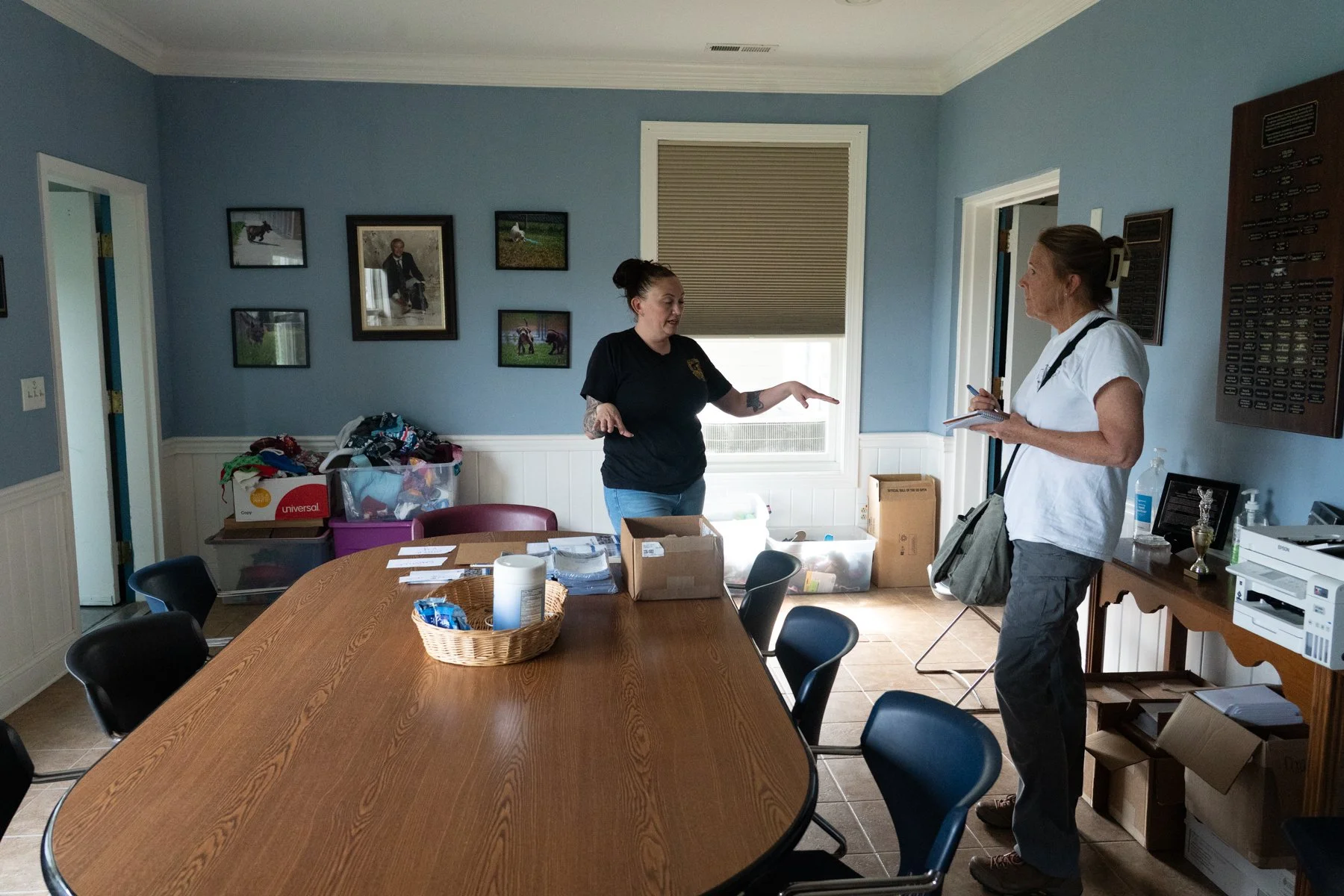
The shelter building itself is light and bright with plenty of space. The considerations for dogs (and people) are evident in the conference room, which provides a space for volunteers to work; a well-equipped treatment room (Alexandria is a vet tech, and anything they can treat at the shelter, they treat themselves); and organized storage, laundry, and feeding rooms. The adoption kennels open onto grassy areas, so the dogs can often have a playgroup while staff cleans the kennels. In front of the shelter, there are larger play areas where volunteers can bring dogs out to exercise and play.
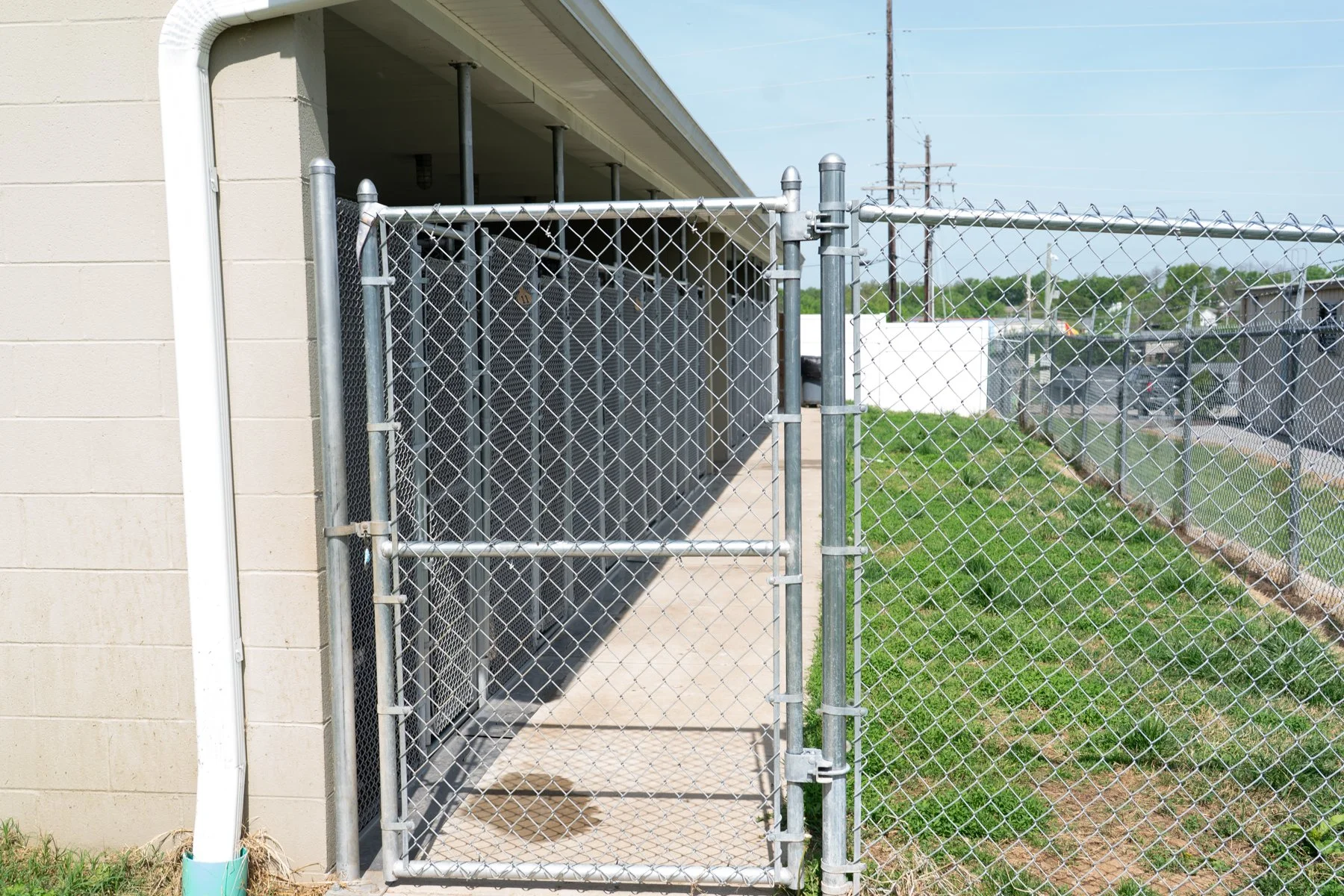
The shelter takes in some owner-surrendered animals, but the Humane Society does everything it can to keep pets together with their people.
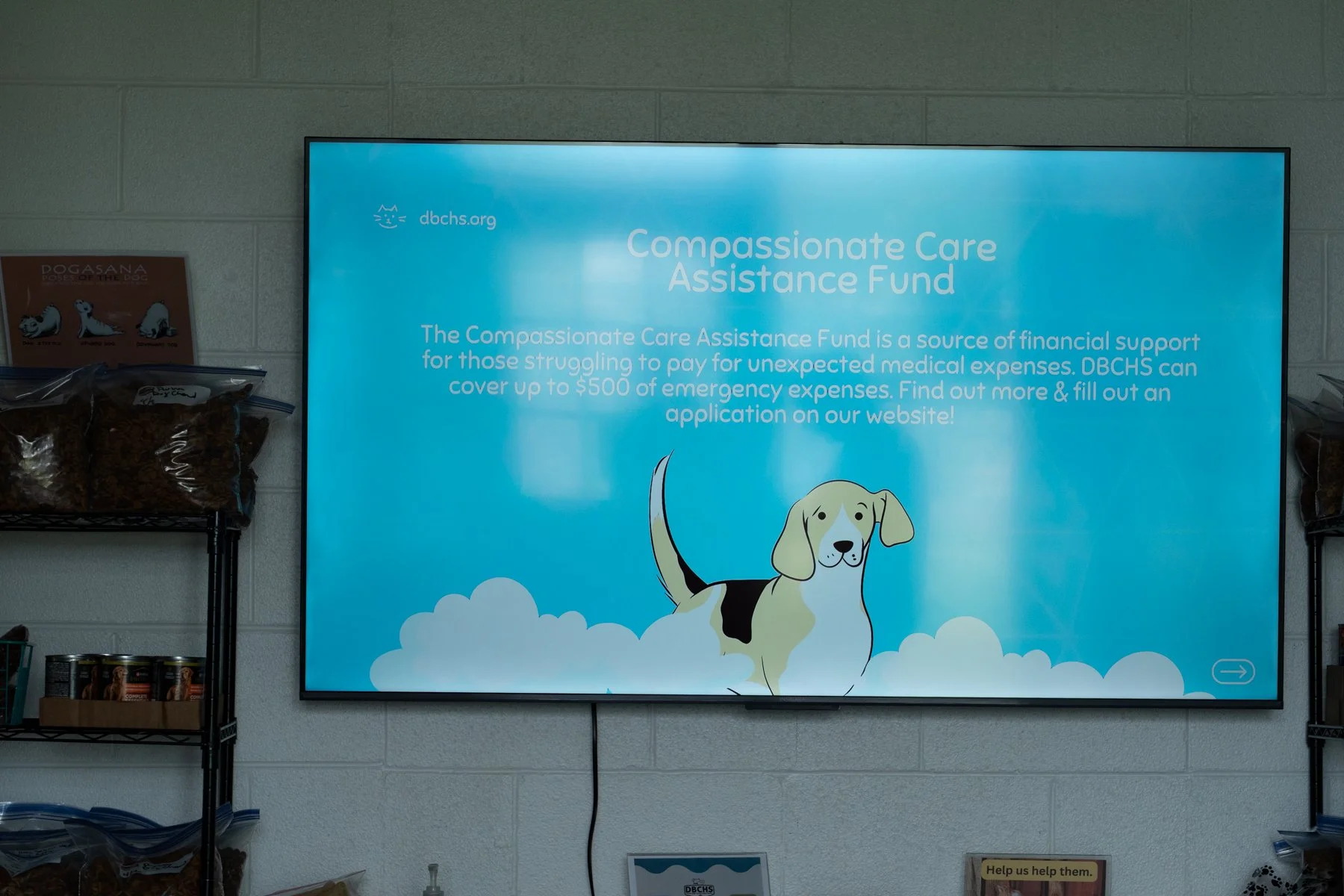
“That’s our goal – keeping animals out of the shelter,” says Kari. They provide resources for rehoming, but also many resources to help people keep their dogs, offering food, supplies, training advice, medical help, and pretty much any kind of support needed.
The Humane Society’s robust foster program is another key to how the shelter avoids euthanizing for space, even when overloaded. The shelter also sends dogs to a local prison program, Mutts with Manners.
A Partnership to Emulate
I’m sure working together isn’t always smooth sailing. Still, it’s a testament to this community’s commitment to its animals that the shelter and the Humane Society’s partnership has existed for 50 years!
Honestly, it’s refreshing to see a public/private partnership work so well. It’s a model for others to emulate.
“We’re lucky,” I heard Jessica and Alexandria say many times during our visit. They clearly appreciate the support they get from their community, their volunteers, the Humane Society, the Judge Executive, and the Fiscal Court (Kentucky structures animal welfare leadership a little differently from other states we visit).
If I had a magic wand, I would pair every municipal shelter with a nonprofit organization like the Humane Society to support its work. Animal shelter and rescue work is endless, but when the load is shared and each can focus on its own mission, you have the best of both worlds.
If you’d like to support the work at the shelter, you can donate via the Humane Society’s wishlist: https://www.amazon.com/hz/wishlist/ls/20OM3HI8R1B70/
Or donate in all kinds of ways (shelters/rescues take note of how they set up their donate page – lots of great ideas to consider!): https://www.dbchs.org/donate