

How and Why Our Shelter Grant Programs Work Differently
Many shelters and rescues reach out to us when they learn we have grant programs. But our grant programs work differently than most.
There is no real application.
We don’t give money to a shelter or rescue.
Our grants are only available to our ‘partner shelters.’
Let me explain.
When I first started traveling to shelters and rescues in 2018, I learned a lot. Despite having been deeply involved in rescue – fostering more than 100 dogs, volunteering thousands of hours, writing a blog and then a book about fostering – it wasn’t until I drove to a shelter that I realized just how much I did not know.
That realization, along with everything Nancy and I learned over the five years of tours that followed, inspired us to create Who Will Let the Dogs Out. We realized that you can’t help shelters unless you understand their unique situation, and the only way to truly learn what is happening in a shelter is to actually go there.
And so we have. Since that first shelter tour in 2018, we’ve made 227 visits to shelters and rescues in 18 states.
Who gets the grants
One of the first things we learned visiting shelters is that grants go to the places that know how to write an application and have the time and resources to do so. The places we saw that needed the most help were the ones with the least ability to win grants.
A few other things we learned about grants:
Municipal shelters often don’t qualify for grants.
Shelters that have no online access and/or computerized records often can’t apply.
Organizations without a staff member or volunteer with the knowledge, resourcefulness, and most of all, time, to apply for grants are unlikely to get them.
True open-admission shelters that must euthanize for space were unlikely to receive grants.
Grant application processes were lengthy and complicated and required a documented history of success.
It could take six to nine months from when a shelter applies for a grant to when they actually see any money.
We watched as the same organizations won the same grants over and over again, many of them already well-funded and well-established.
As the years have gone by, we’ve also watched shelters and rescues, desperate for grant money and public support, alter intake policies and practices to attain the live-release rate required to be awarded grants and public approval.
All of that is to say—we wanted to do something different. We wanted to make it simple. We wanted to eliminate the lengthy applications and processes. We wanted to help the places that need the help most. We wanted to be able to offer immediate help.
Insta-programs were born.
Our shelter partners can ‘apply’ for all of these grant programs by reaching out to the grant coordinators by email or phone. Supplies, spay/neuter funding, or educational tools can arrive in just days, rather than months.
We want to be responsible with the money donated to us to help shelters, so it’s necessary to ‘vet’ the organizations that receive our grants. This means we have to make a site visit during one of our shelter tours to get to know the staff, practices, resources, dogs, and community. And continue to build that relationship through ongoing contact.
All three of these grant programs are available to our shelter partners.
InstaSupport
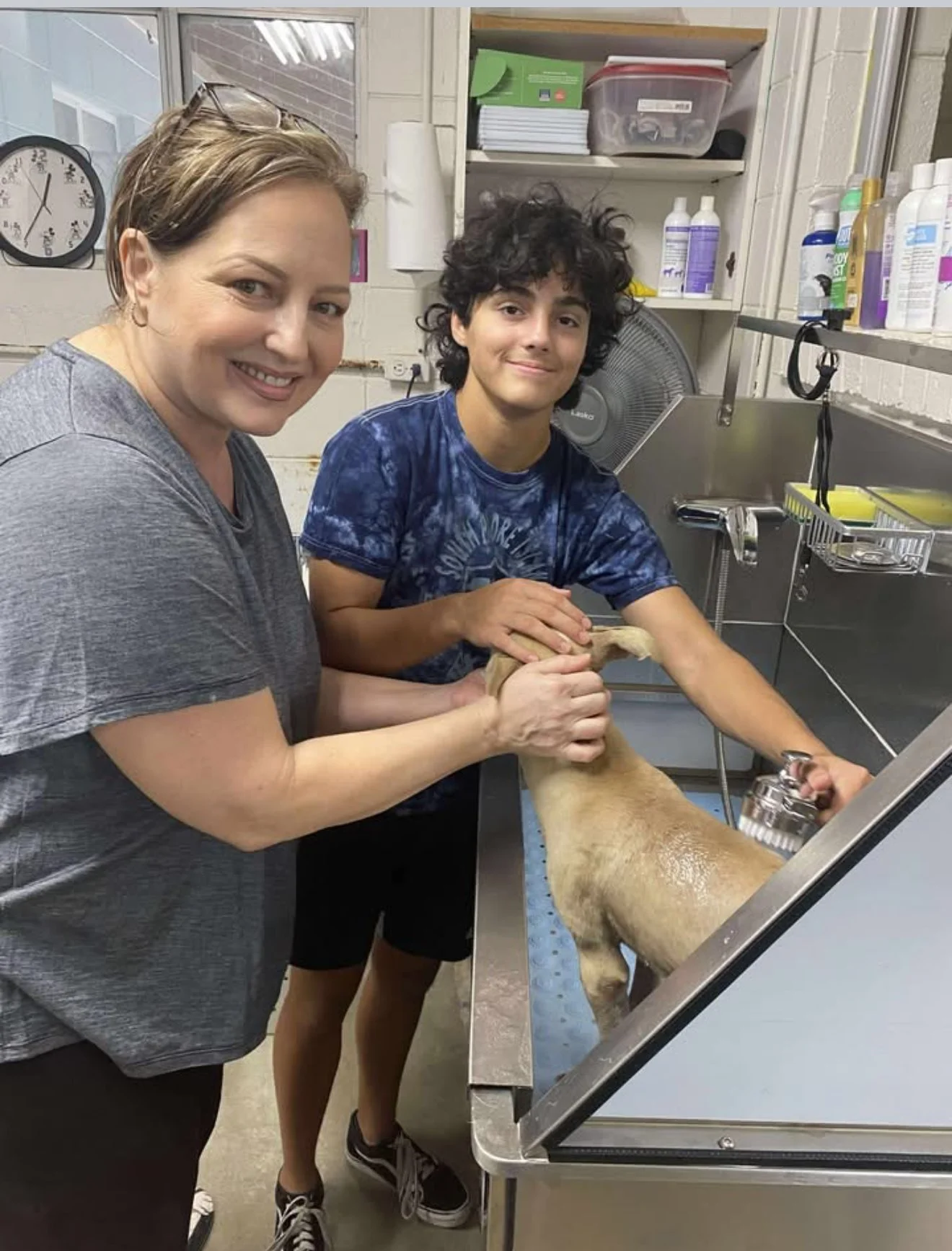
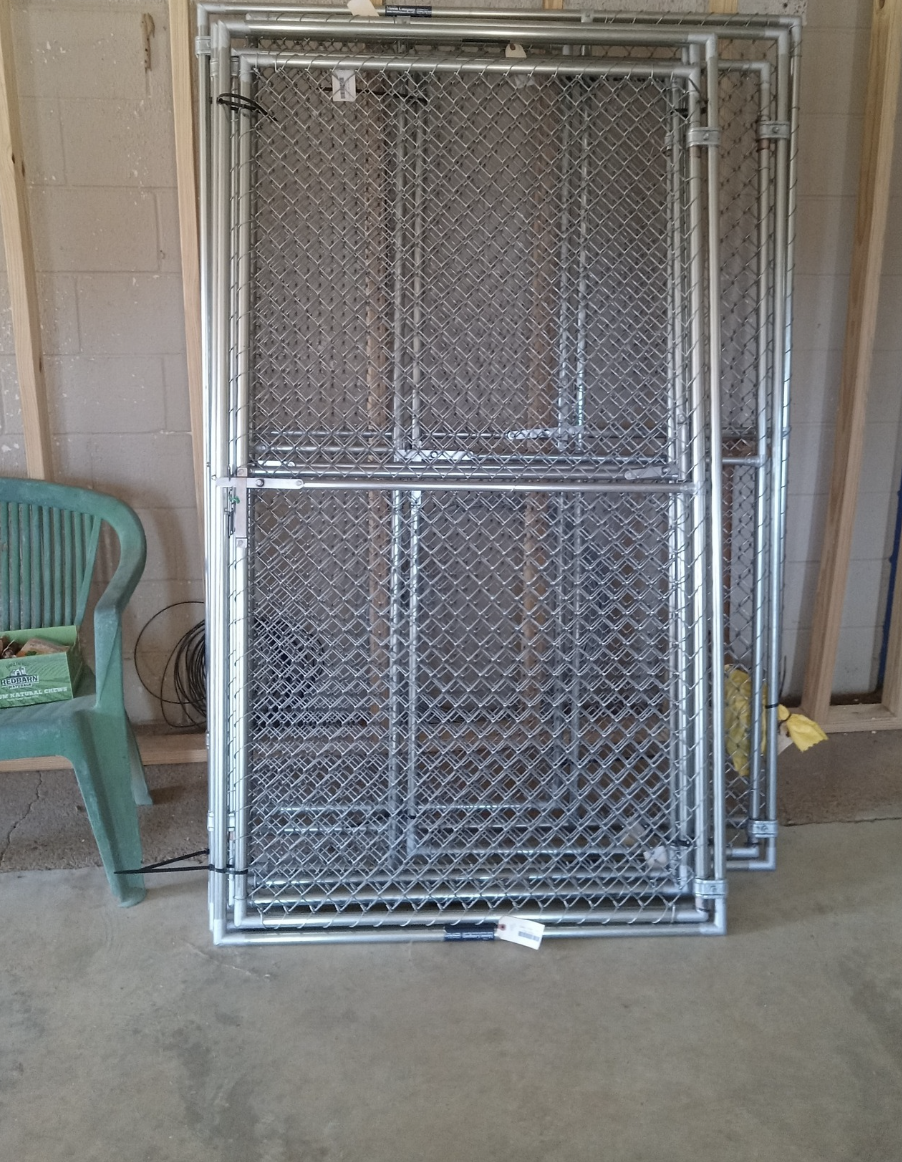
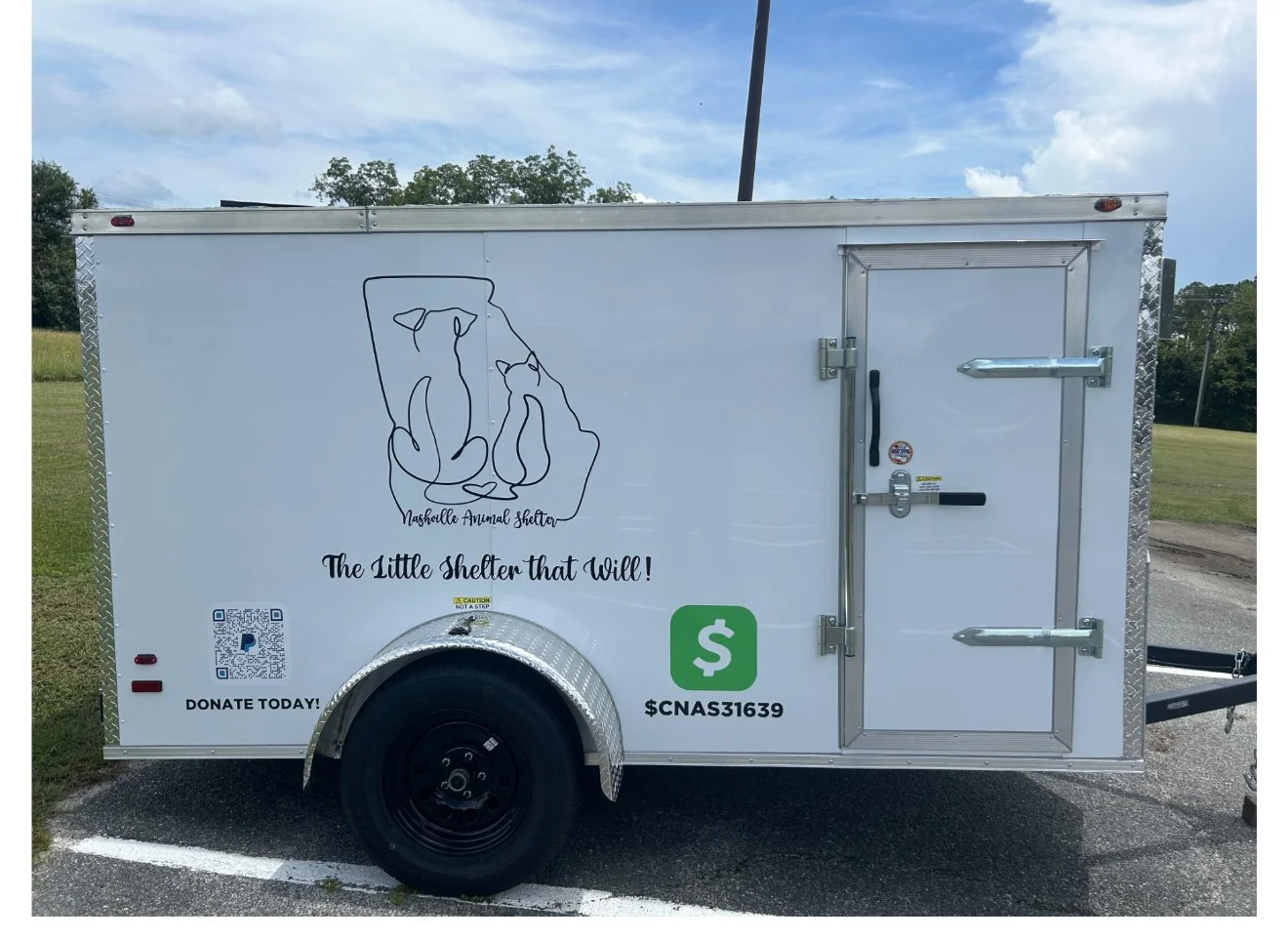
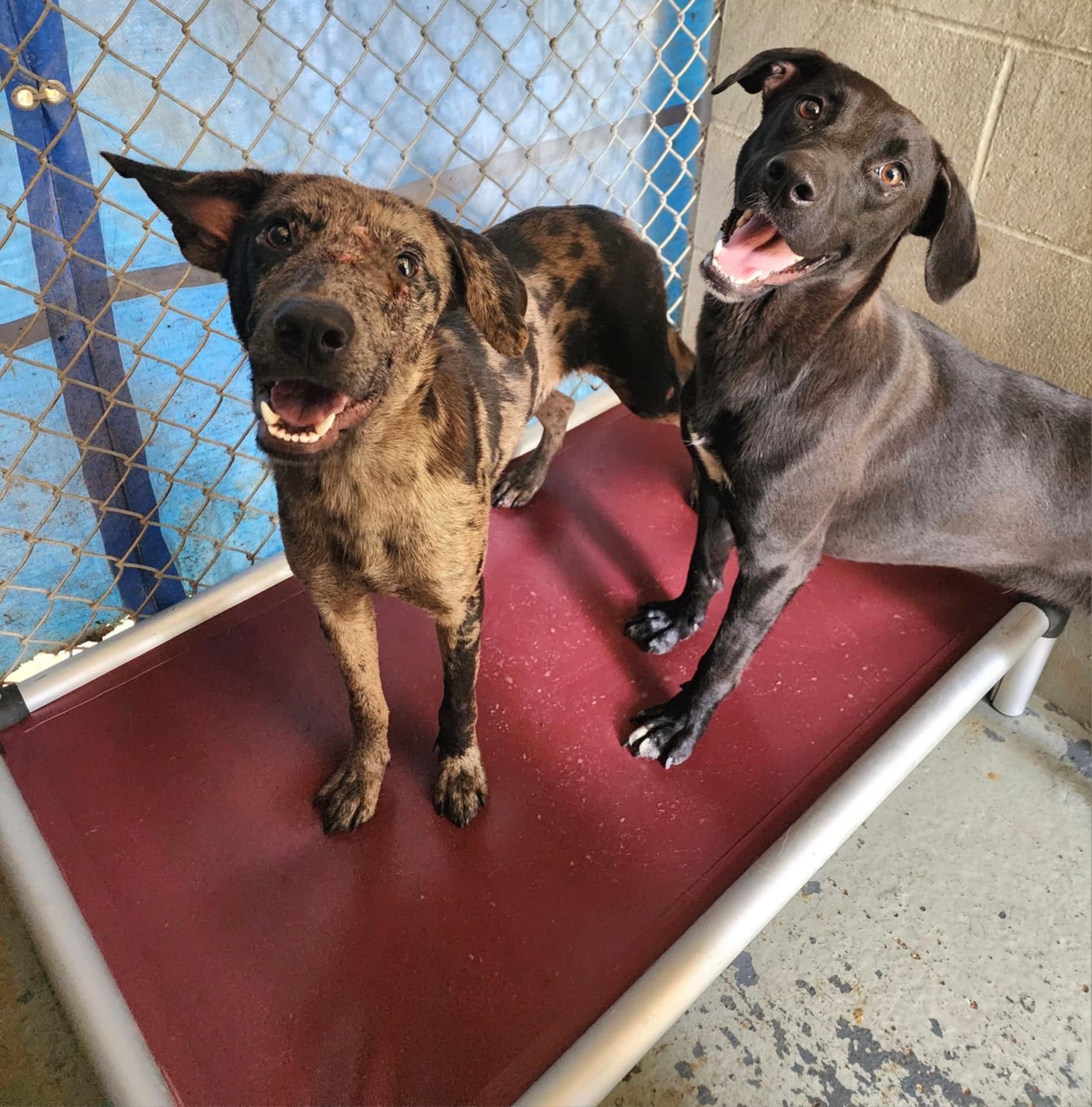
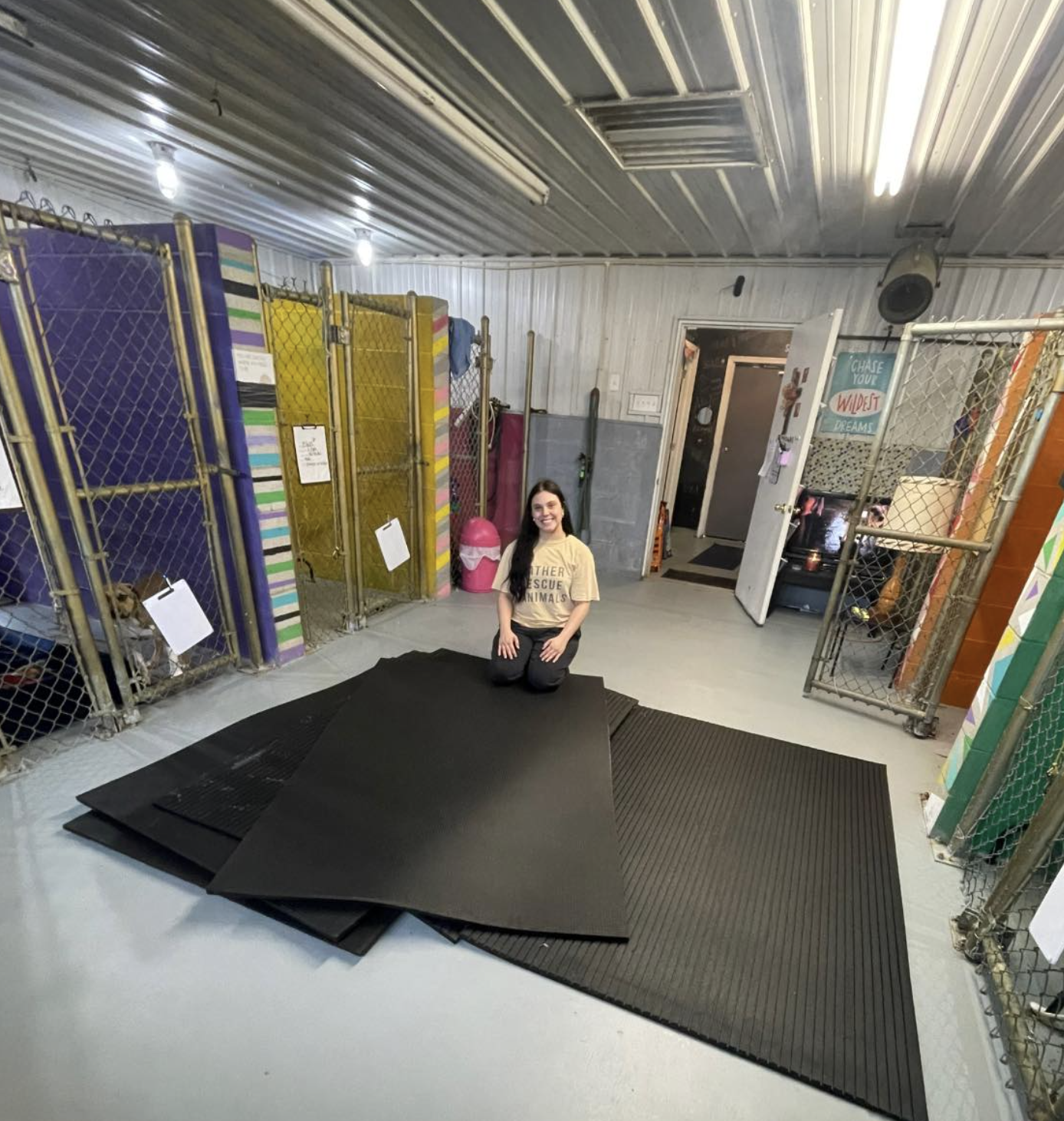
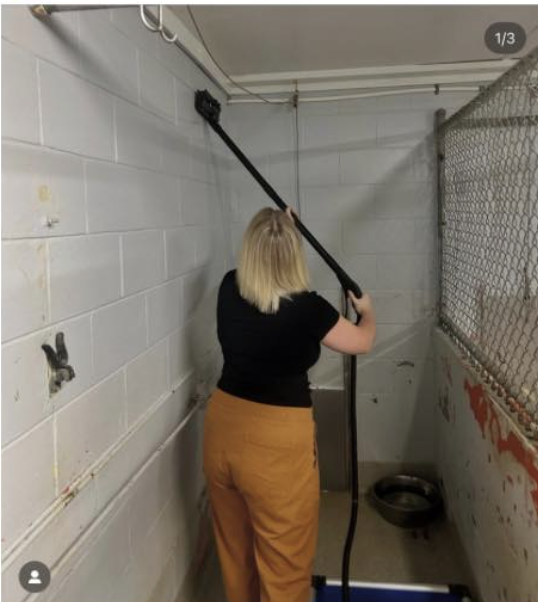
InstaSupport offers resources such as kennel repairs, raised beds, veterinary scales, sanitizing systems, transport crates, and other items that help shelters provide better care for their animals. You can learn more about that program here.
InstaSnip
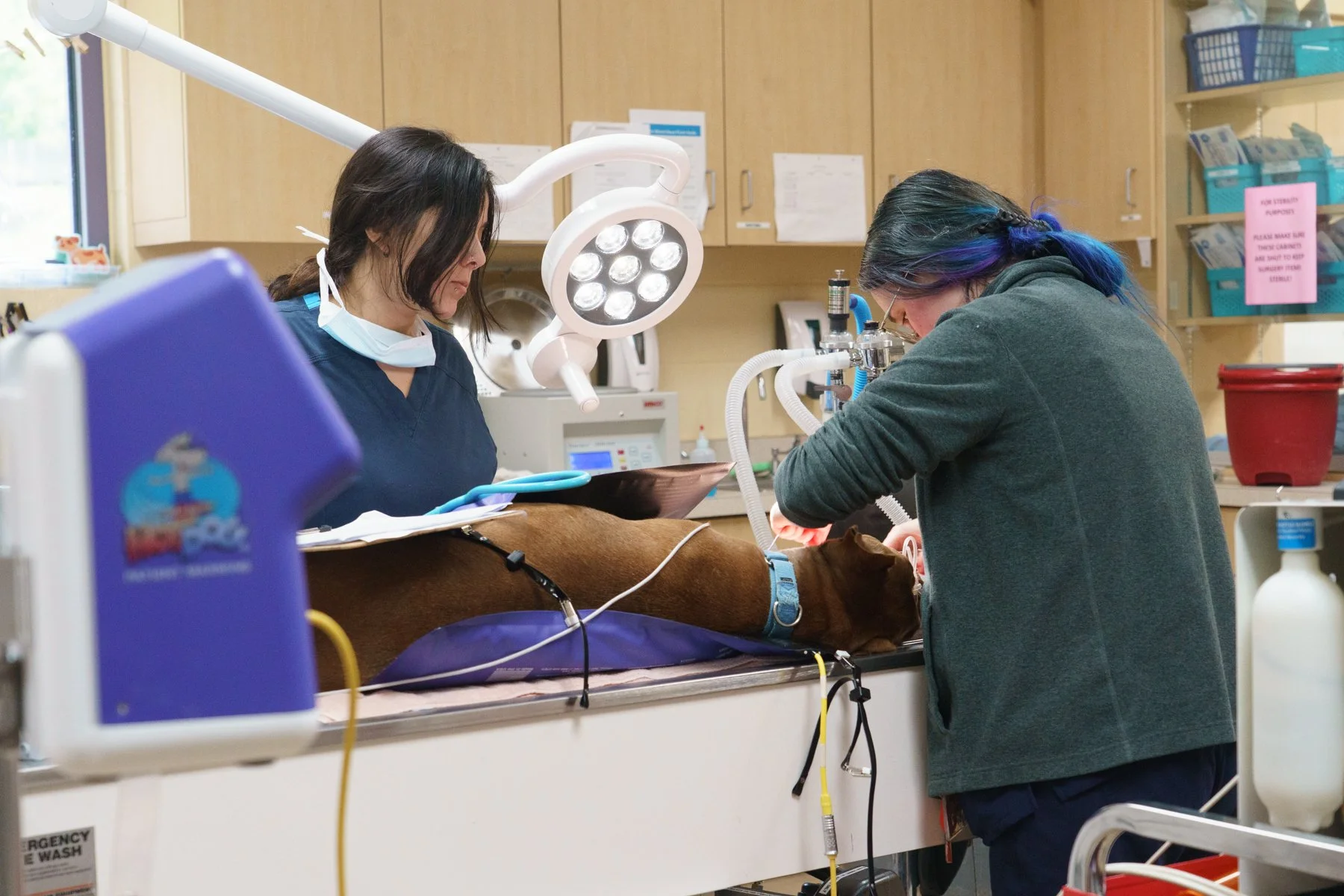
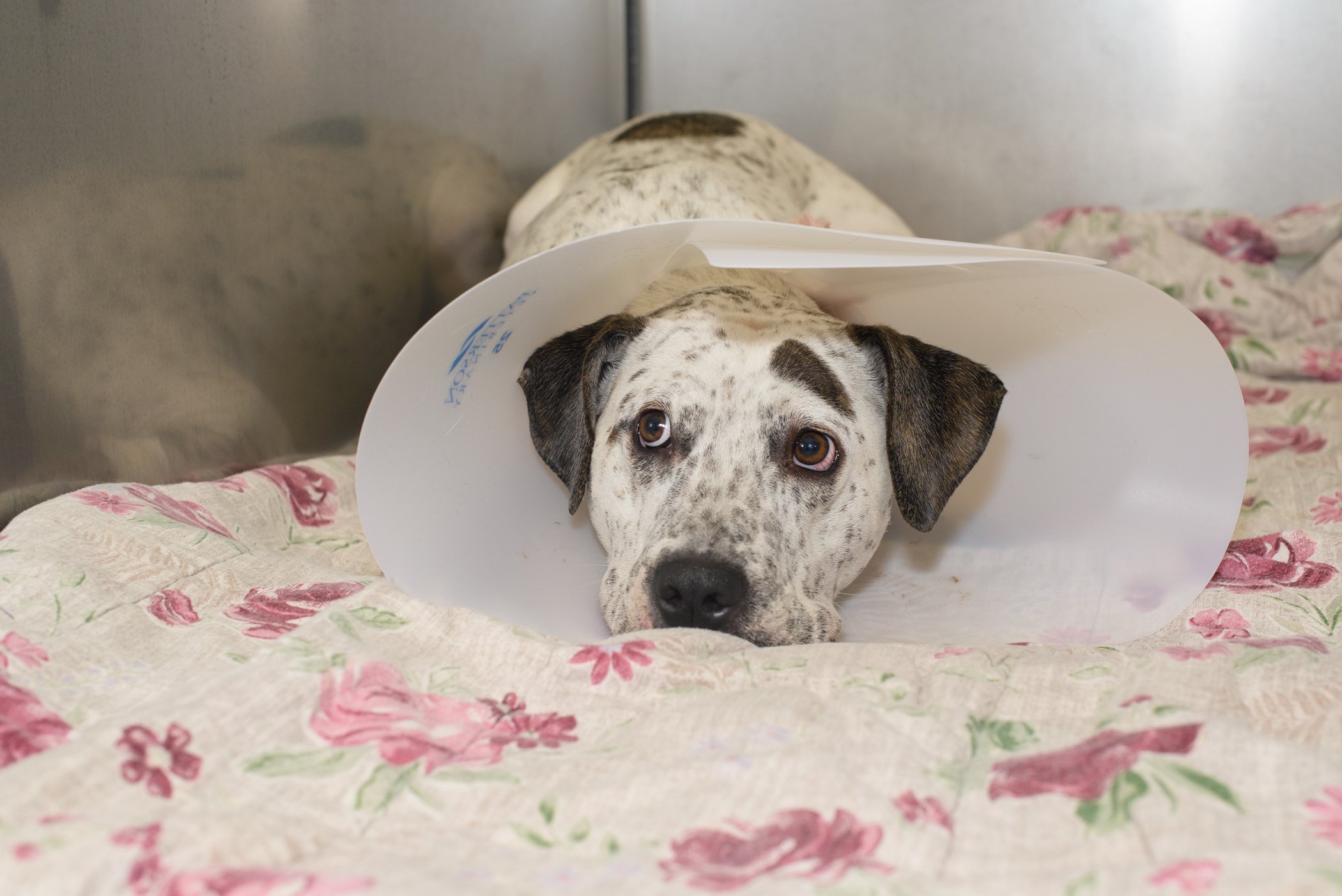
InstaSnipsends money directly to the shelter’s veterinary provider for spay/neuter services, creating an account that the shelter can access.
InstaEducate
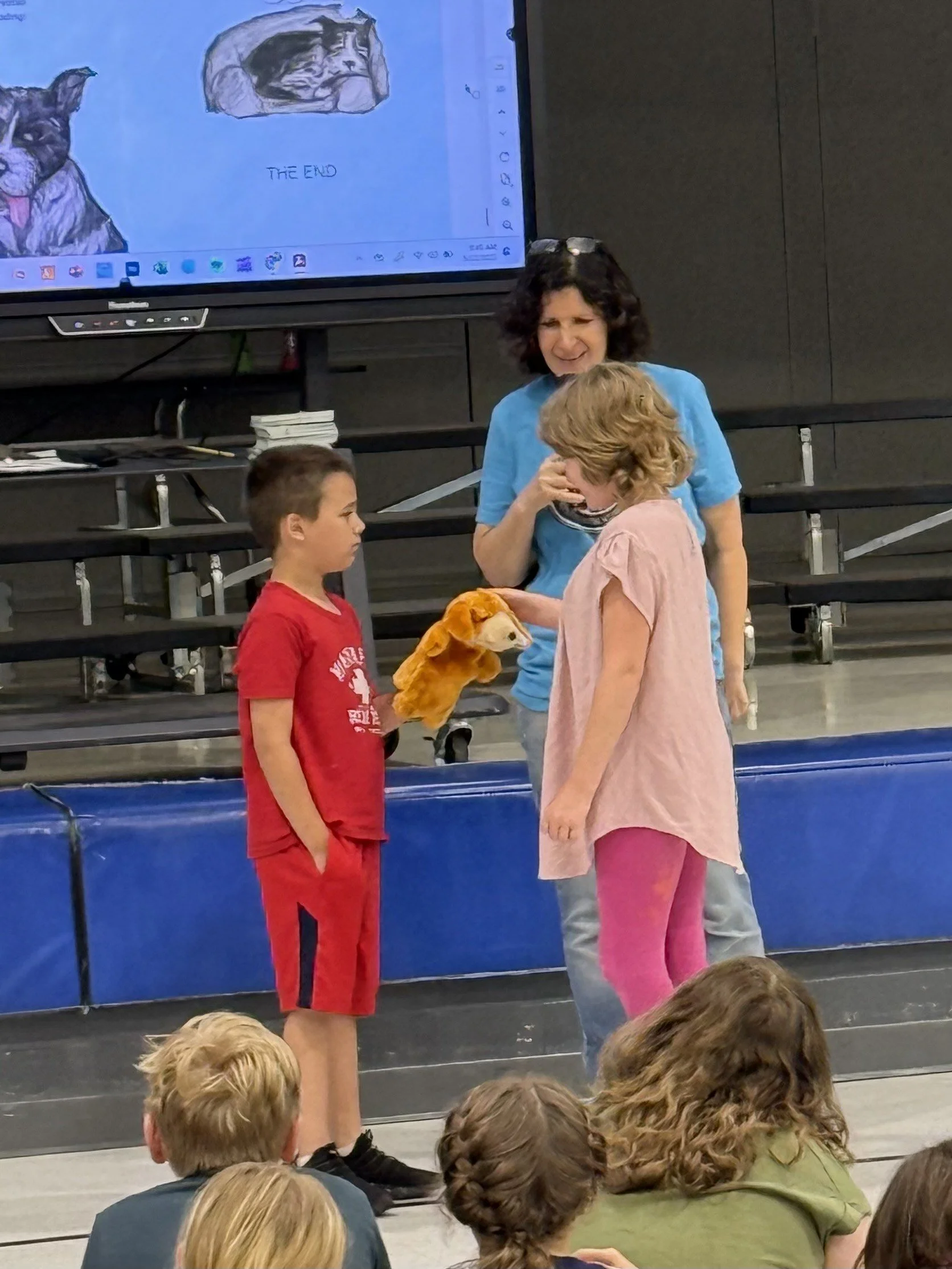
InstaEducate provides tools that enable shelter staff or volunteers to deliver a humane education program to local schools.


We dream of creating a fourth program, InstaCare, to provide emergency veterinary funding for unbudgeted surgeries or treatments, but we need a sponsor to fund it. So, for now, it remains a dream.
As rescues and shelters discover us and the work we do, inevitably some reach out asking about our grant programs. And once they learn they must be a shelter partner to participate, they invite us to visit. At present, we have over 50 requests for on-site visits. On average, we can visit about 30-40 shelters each year.
If you are a shelter or rescue hoping to connect and become one of our partner shelters, please don’t be discouraged. Please reach out. We add every request to our list and hope to get there eventually. In the meantime, here are some of the resources we offer to any shelter or rescue, whether you are our partner or not:
Google meeting with our team to discuss your situation, explore solutions, and share ideas and resources we have seen help other shelters. (email Cara@WWLDO.org)
Weekly free blog/newsletter with stories of our visits highlighting programs/policies/solutions we see during those visits, plus a monthly newsletter focused on one topic that includes practical ideas, inspiration, grant ideas, and other resources. Click here to subscribe.
A podcast sharing ideas, issues, and conversations with shelter professionals (and the ‘audio’ version of our book). Click here to subscribe or look us up on Spotify, Apple, or PocketCasts.
A free copy of our book, Who Will Let the Dogs Out: Stories and Solutions for Shelters and Rescues.
The opportunity to talk with our grants advisor, Nicole Sandler, a professional grant writer (and really nice person) who can offer advice for navigating the grant writing process.
The free Resource Guide found on our website, full of thousands of ideas for every aspect of shelter and rescue. New articles are added regularly.
We have several other free tools in the works that we hope to offer later this year. So stay tuned and stay in touch.
Reach out if we can help in any way. Our mission is to raise awareness and resources for homeless dogs and the heroes (like you) who fight for them.