

227 Shelter Visits Later: What We Get Wrong About 'No-Kill'
You would think that after 227 visits to shelters, we would feel like we’ve seen it all. That is never the case, and it certainly wasn’t on this last one.
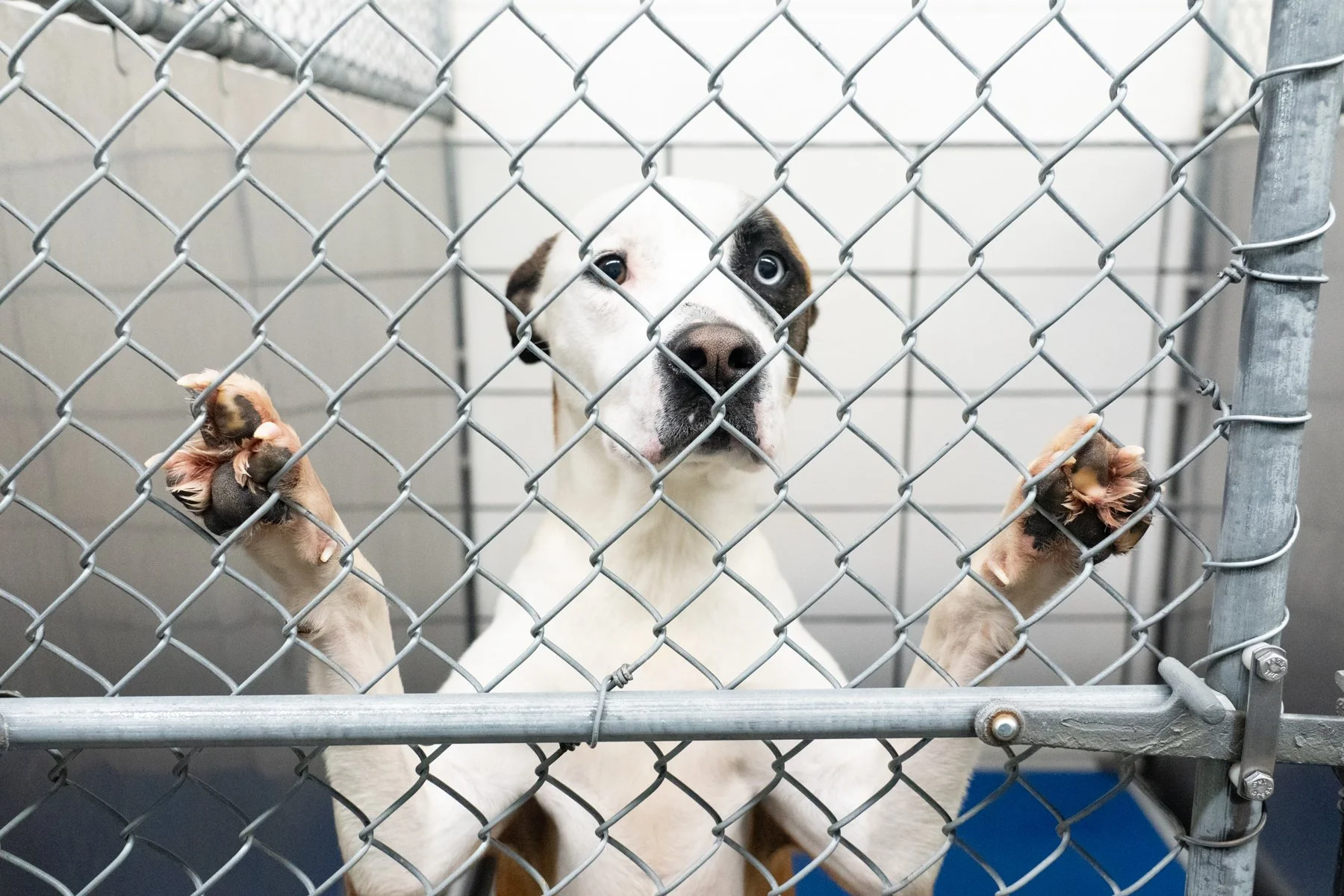
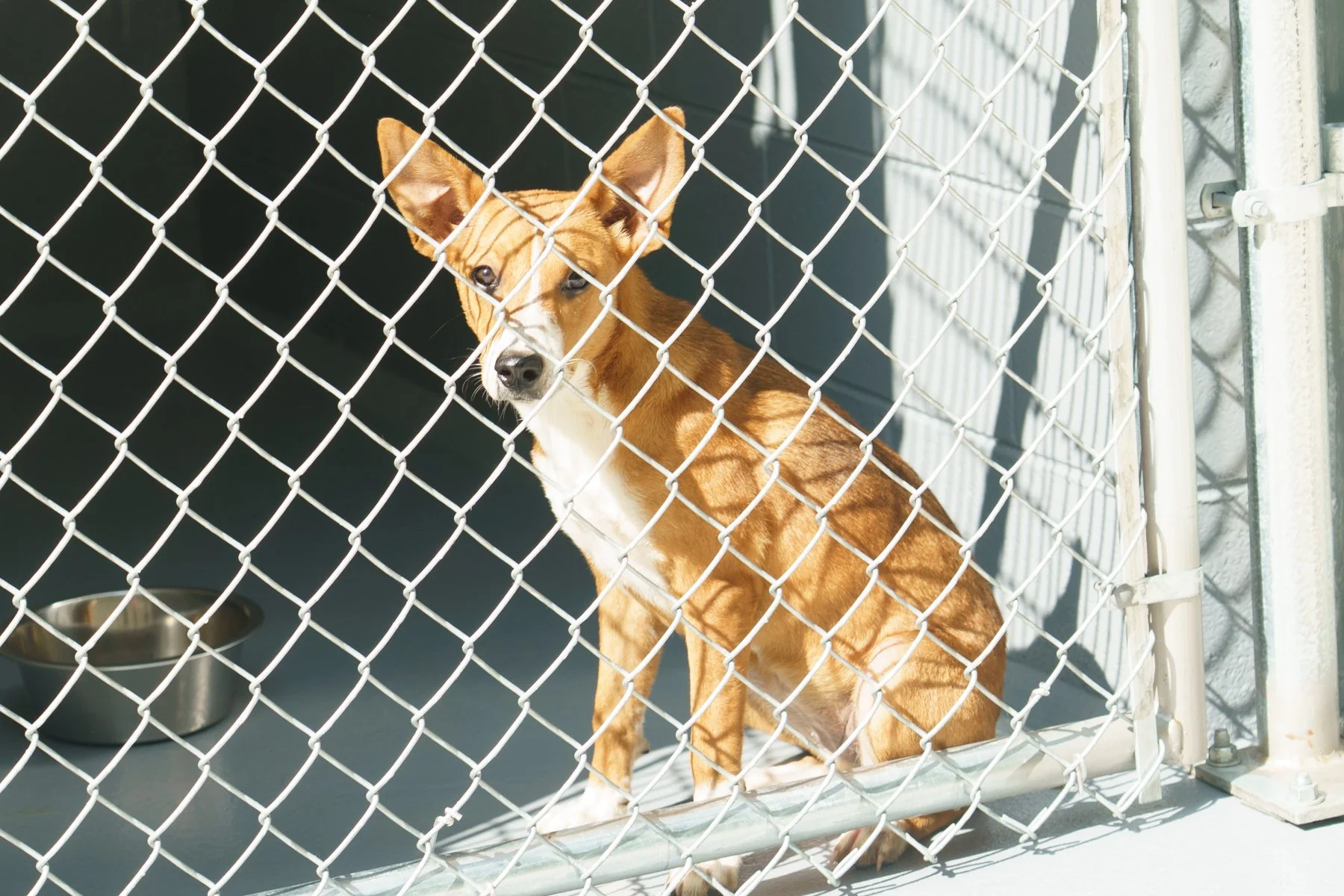
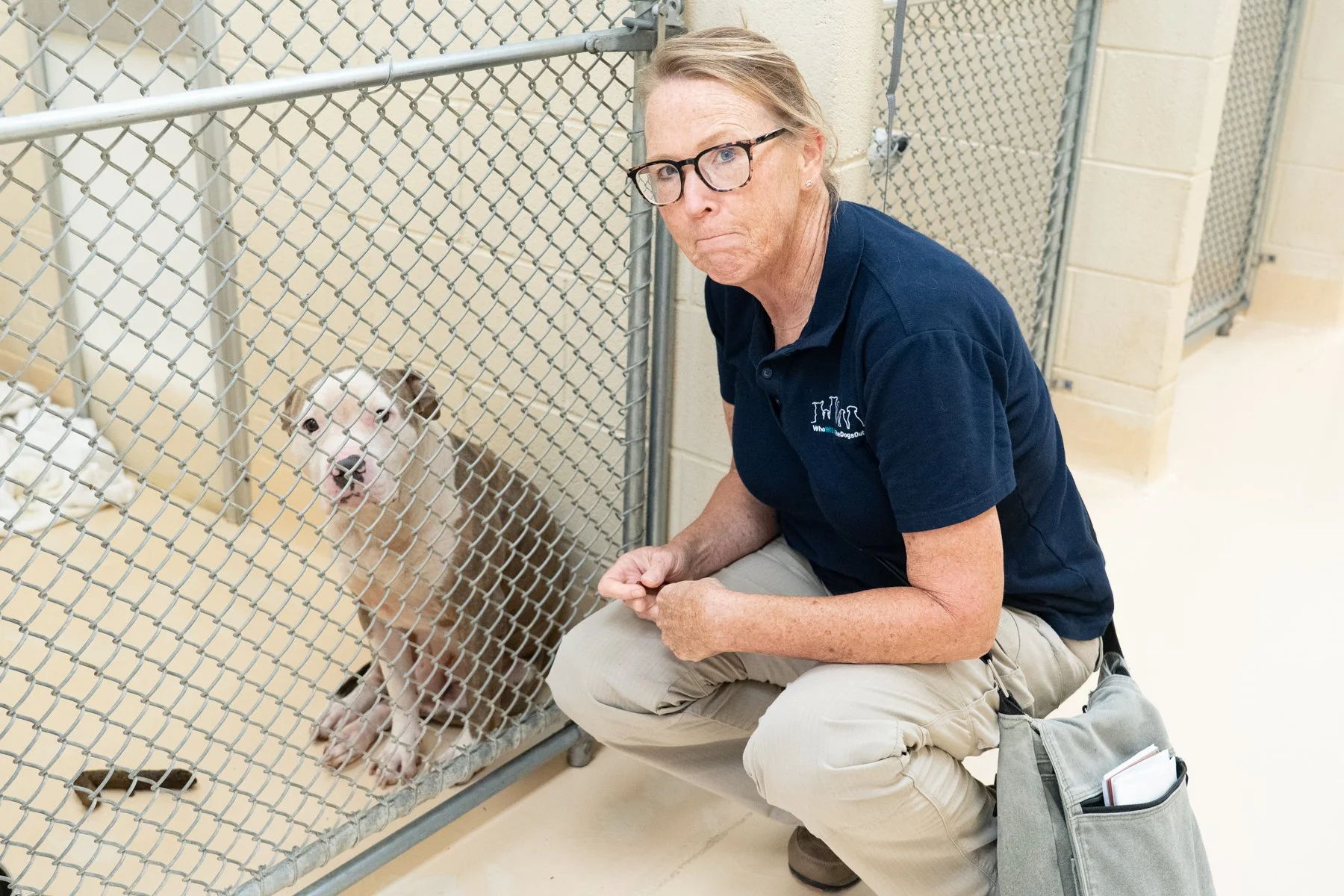
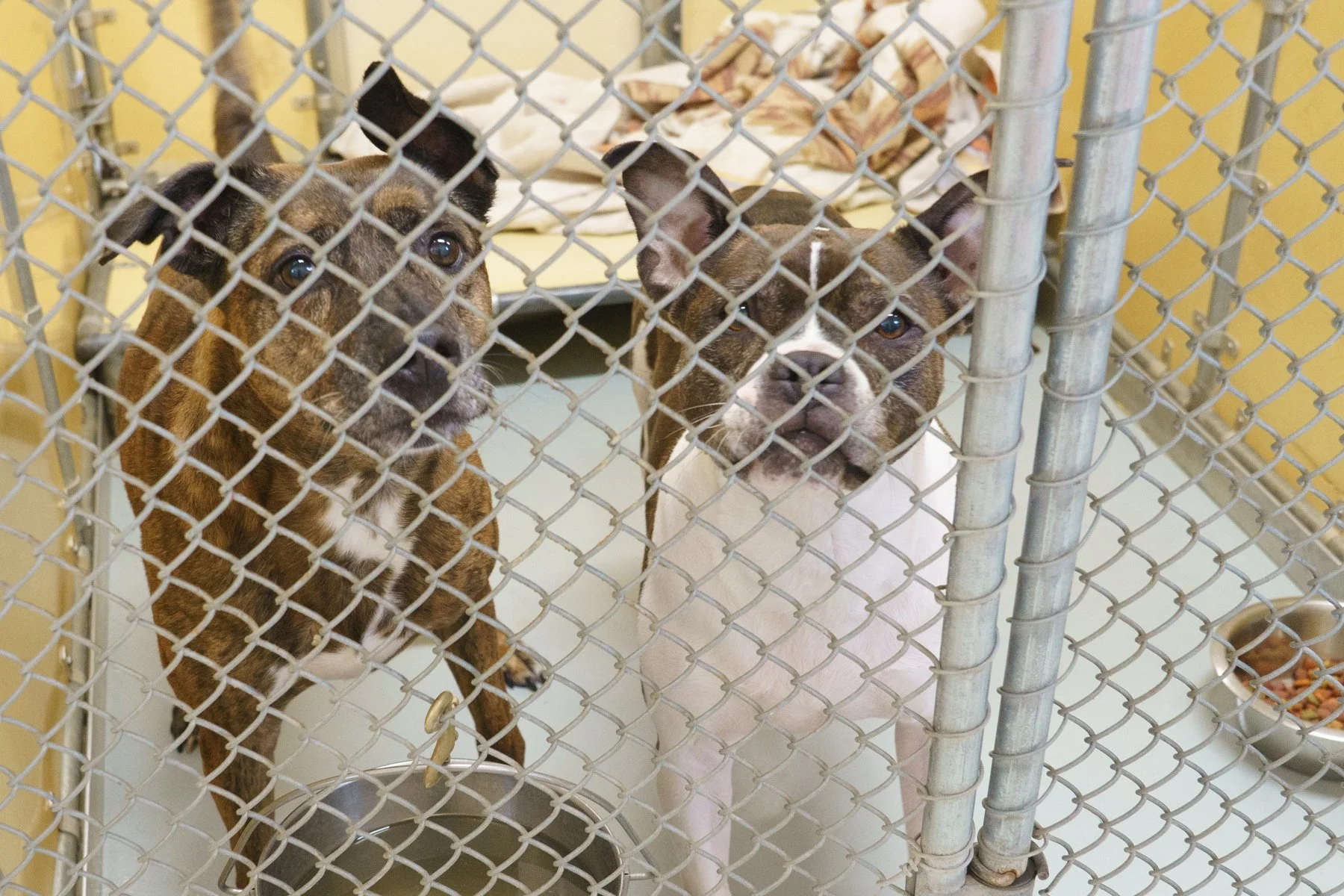
Our tour took us to five municipal shelters in Virginia and North Carolina. Because I live in Virginia (and Nancy in Pennsylvania), this was a short one in terms of distance and days. But it was packed with very different experiences.
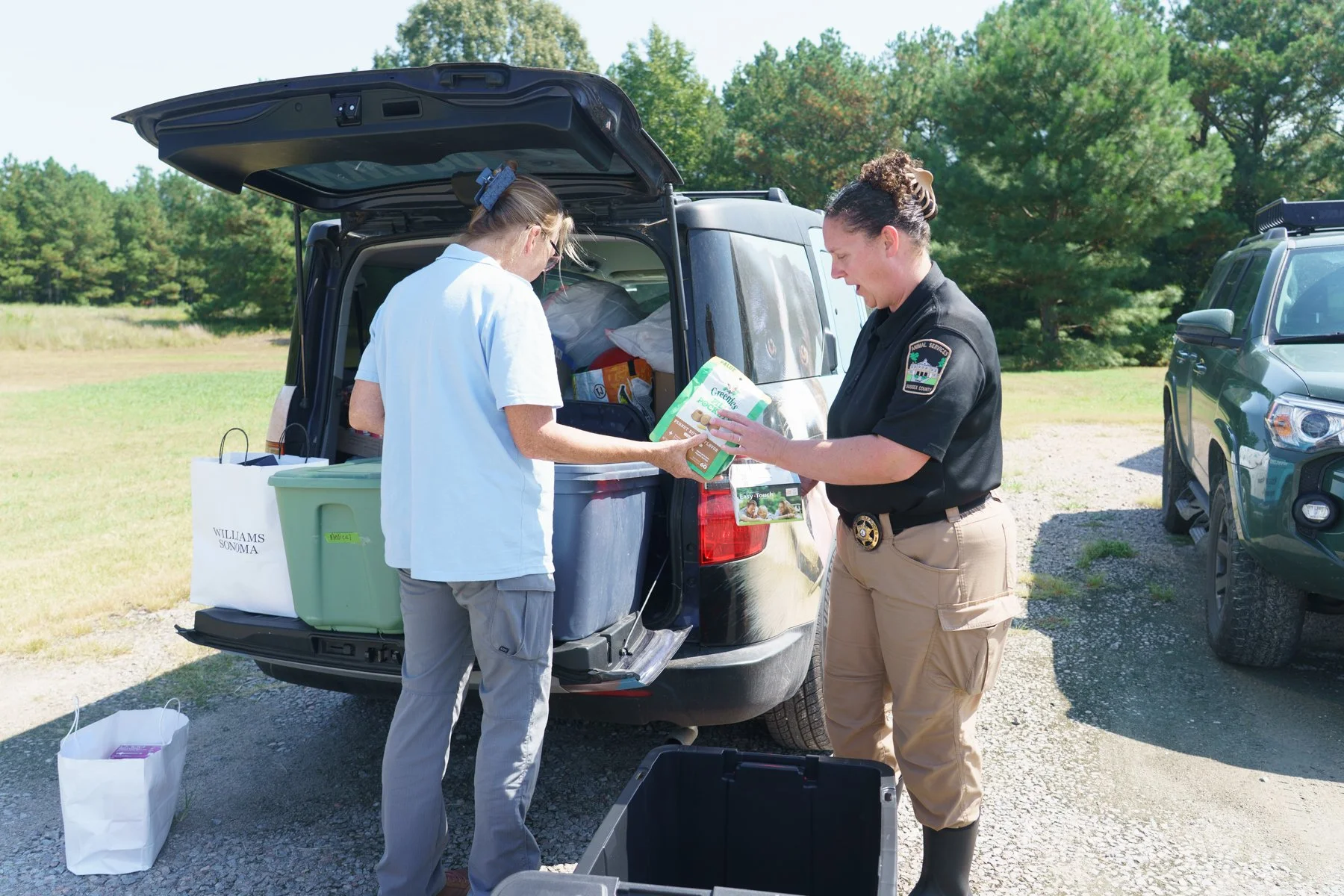
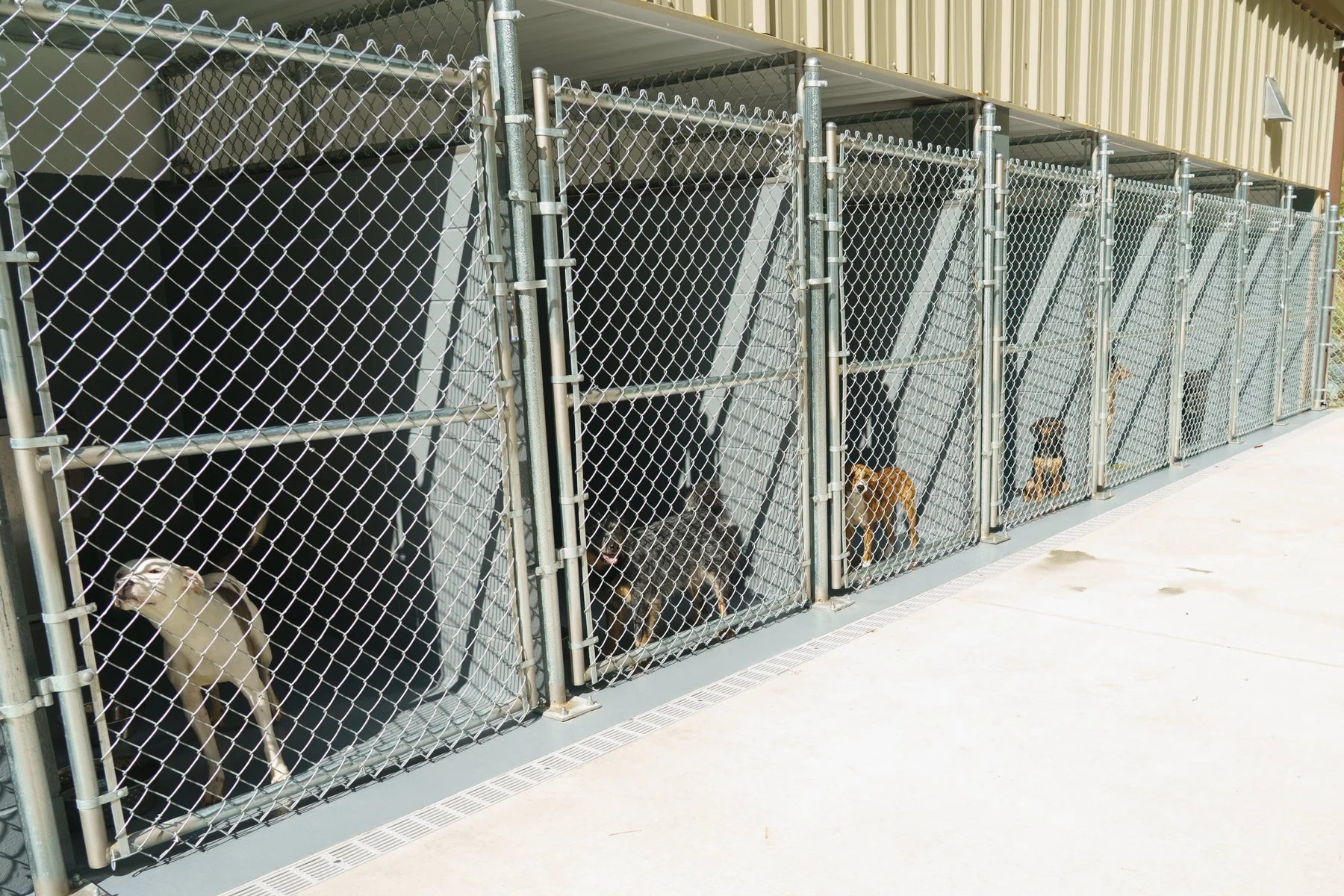
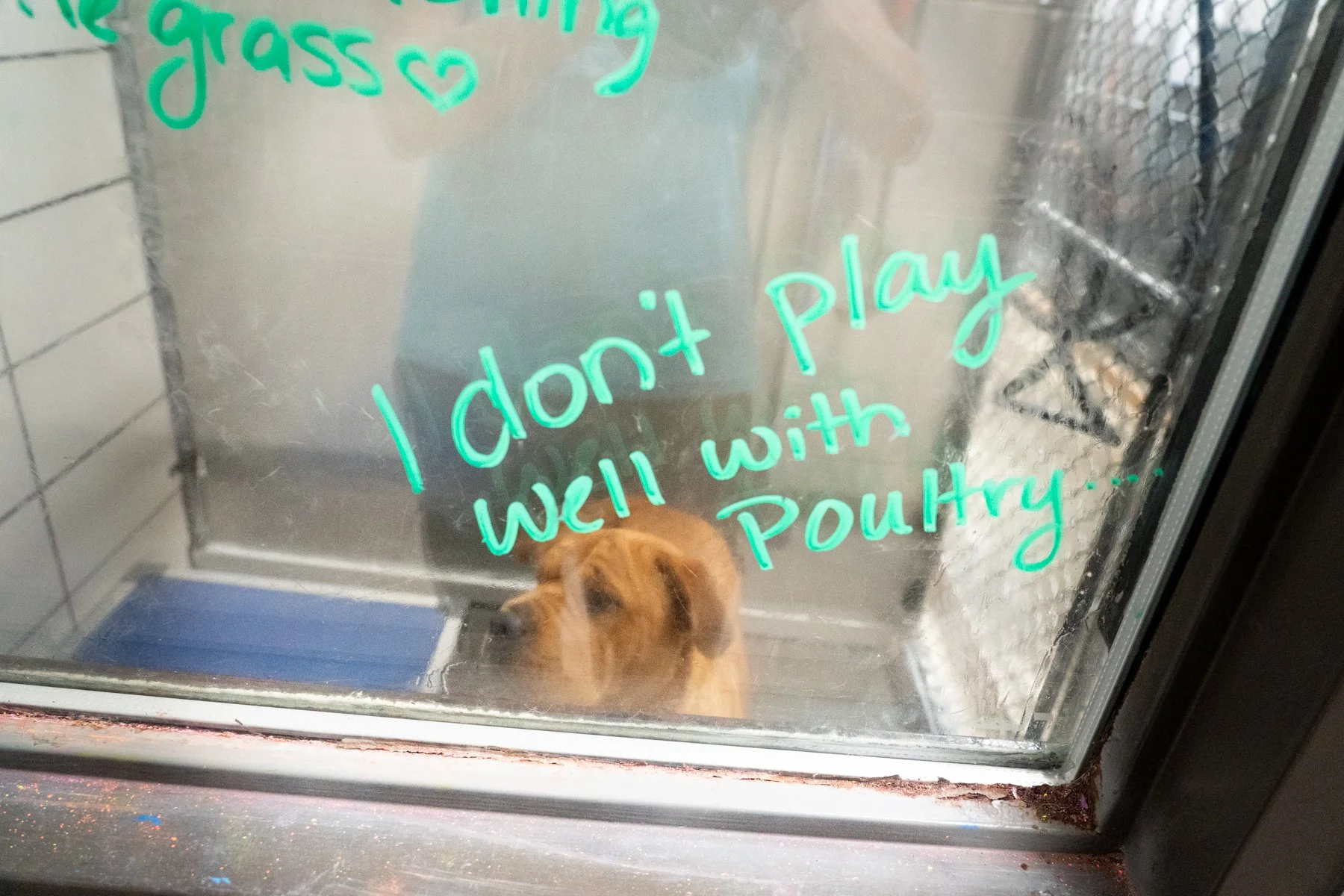
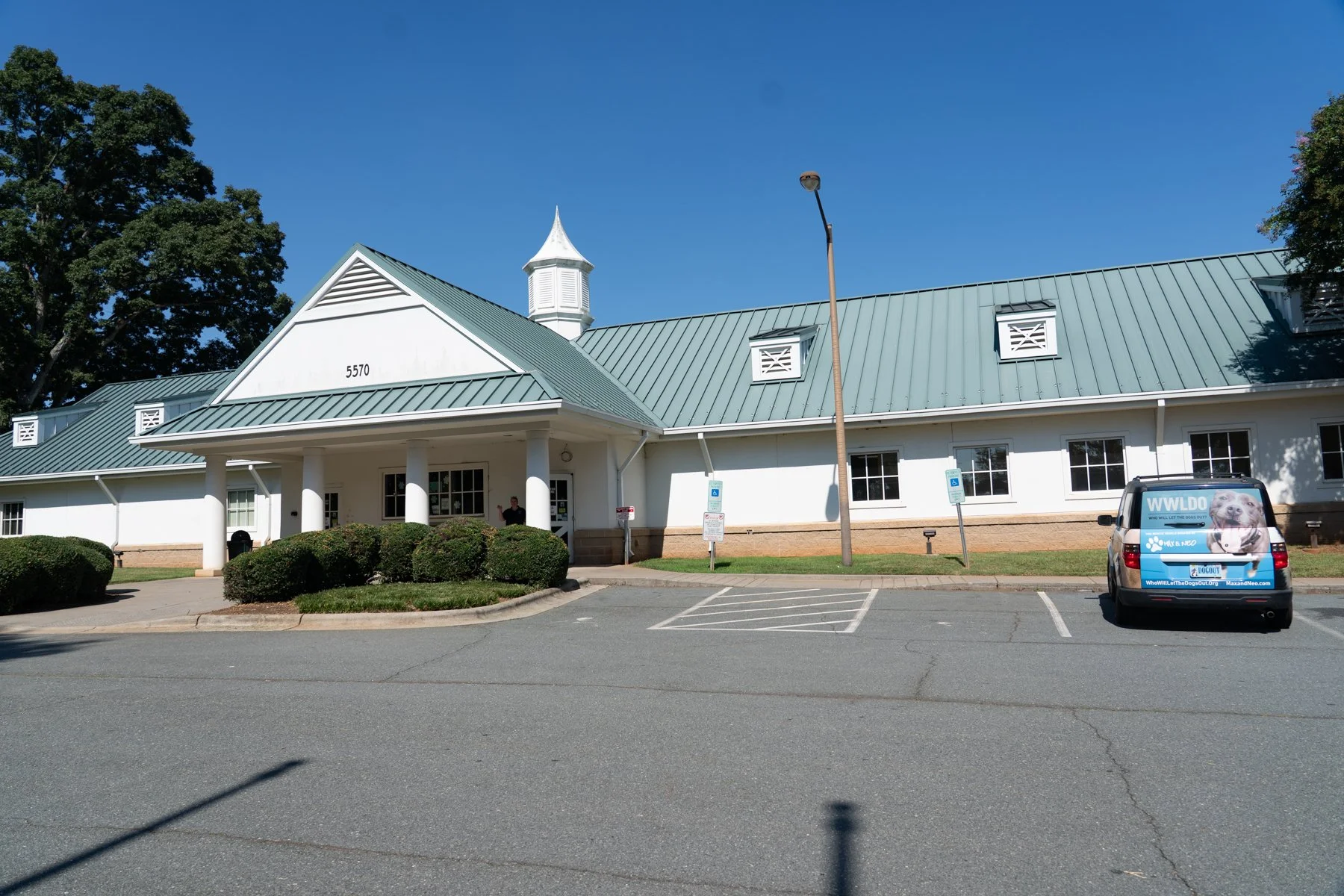
We prioritize visits to municipal shelters (or private shelters that function as the municipal shelter in places that have no animal services). We believe that municipal animal services are critical for every municipality. Without them, animals suffer, and residents are at risk.
Traditionally, all municipal shelters practiced open admissions. This means that they accept animals from animal control officers, ‘good samaritans’ (finders of lost animals), and owner-surrendered animals. They also house animals on ‘bite quarantine’ for rabies, animals involved in court cases, and animals with nowhere to go (ones whose owners are involved in a car accident, imprisoned, hospitalized, etc.).
Unintended effects of the push for ‘no-kill’
A disturbing trend picked up speed during the pandemic, and only recently have large numbers of people begun to question it. That trend was the expectation that a municipal shelter should be a ‘no-kill’ shelter, a label most rescues can easily claim because they control how many animals they take in and what kind.
It’s an unrealistic and possibly dangerous label for a municipal shelter if it is to serve its community responsibly.
First of all, no shelter is ever truly ‘no-kill’ in the literal meaning of the phrase. Every shelter and rescue has to euthanize animals for behavioral and medical reasons. Yet, the national narrative, and what the majority of the public believes, is that no-kill means a shelter never euthanizes an animal.
On this recent tour, an employee who handles much of the interaction with the public shared her response to the near-constant question every shelter gets – “Are you no-kill?”
She tells them, “Killing requires malicious intent, and there is not a single person in the building with malicious intent to kill animals.”
That shelter does euthanize for behavioral and medical reasons, and for space. They have very robust pet retention efforts. But at the end of the day, if someone feels they must surrender the animal, the shelter will take them. That is responsible sheltering.
Turning away people or putting them on waiting lists that are months or years long is not responsible sheltering.
As the no-kill push continues, I keep coming back to the fact that shelters do so much more than kill or not kill animals. The goal of every shelter should not be to ‘not kill’ animals; it should be to care for animals who need them, assist pet owners, protect the community, and work to prevent animals from suffering.
Animals left in homes that cannot properly care for them suffer.
Animals abandoned to fend for themselves suffer.
And animals that live in shelters for months and years suffer.
Animal shelters have the ability to prevent that kind of suffering. It’s what they were created to do.
We need to stop talking about ‘kill’ and ‘no-kill’ shelters
I wish we could stop talking about No-kill; it creates unrealistic expectations, impossible standards, and a whole heck of a lot of misunderstanding. I try very hard not to mention the phrase when I write about the shelters we visit. I never ask a shelter director if they are ‘no-kill’. I’m not interested in that claim and, in all honesty, if they tell me they are, I am wary.
Numbers do not matter. At one of the shelters we visited this past week, the director told me that they were so close to having a 100% live release rate (LRR is the percentage of animals who enter the shelter and get out alive), but then two days before the end of the month, they took in a cat who was presenting neurologically as rabid and would have to be euthanized.
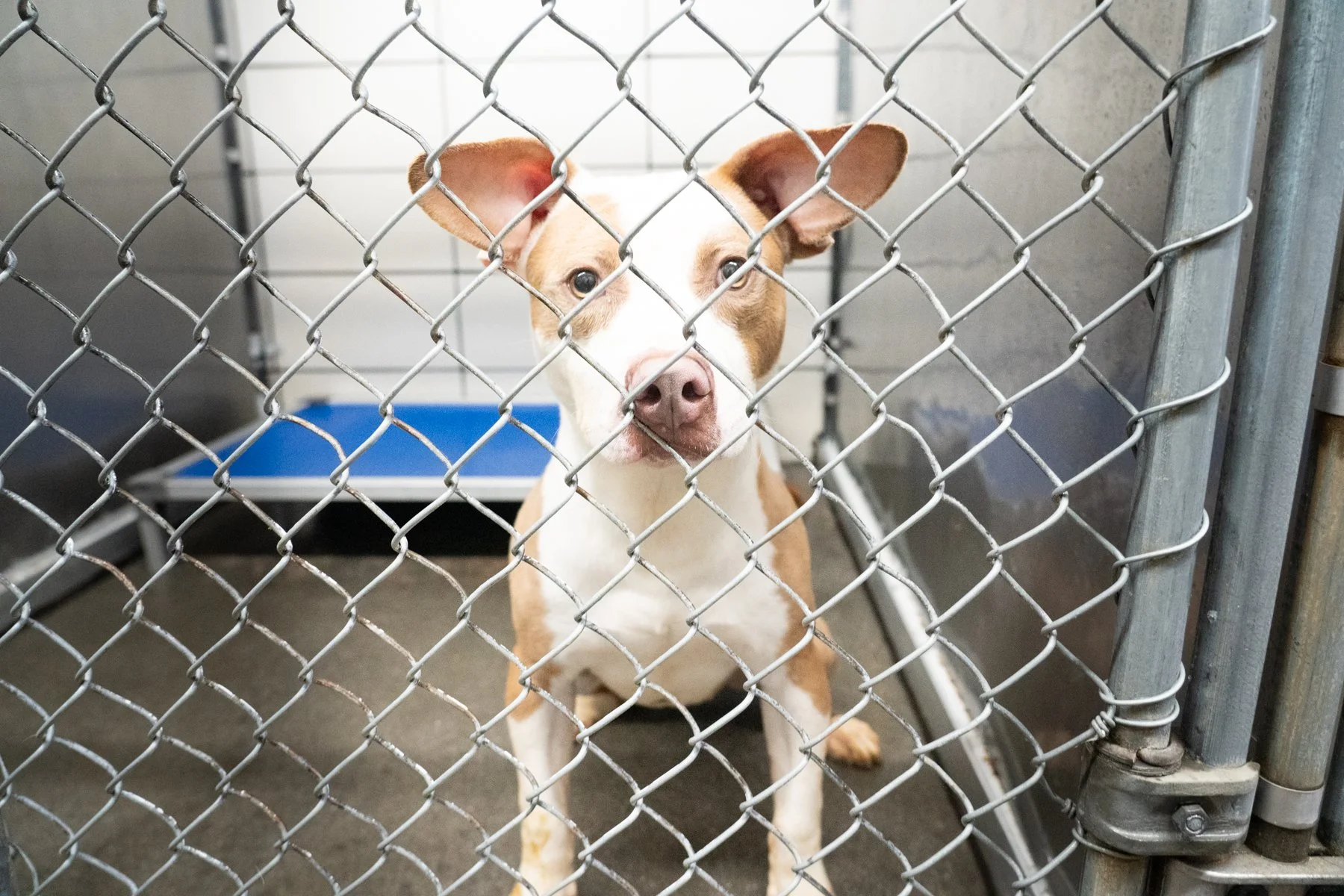
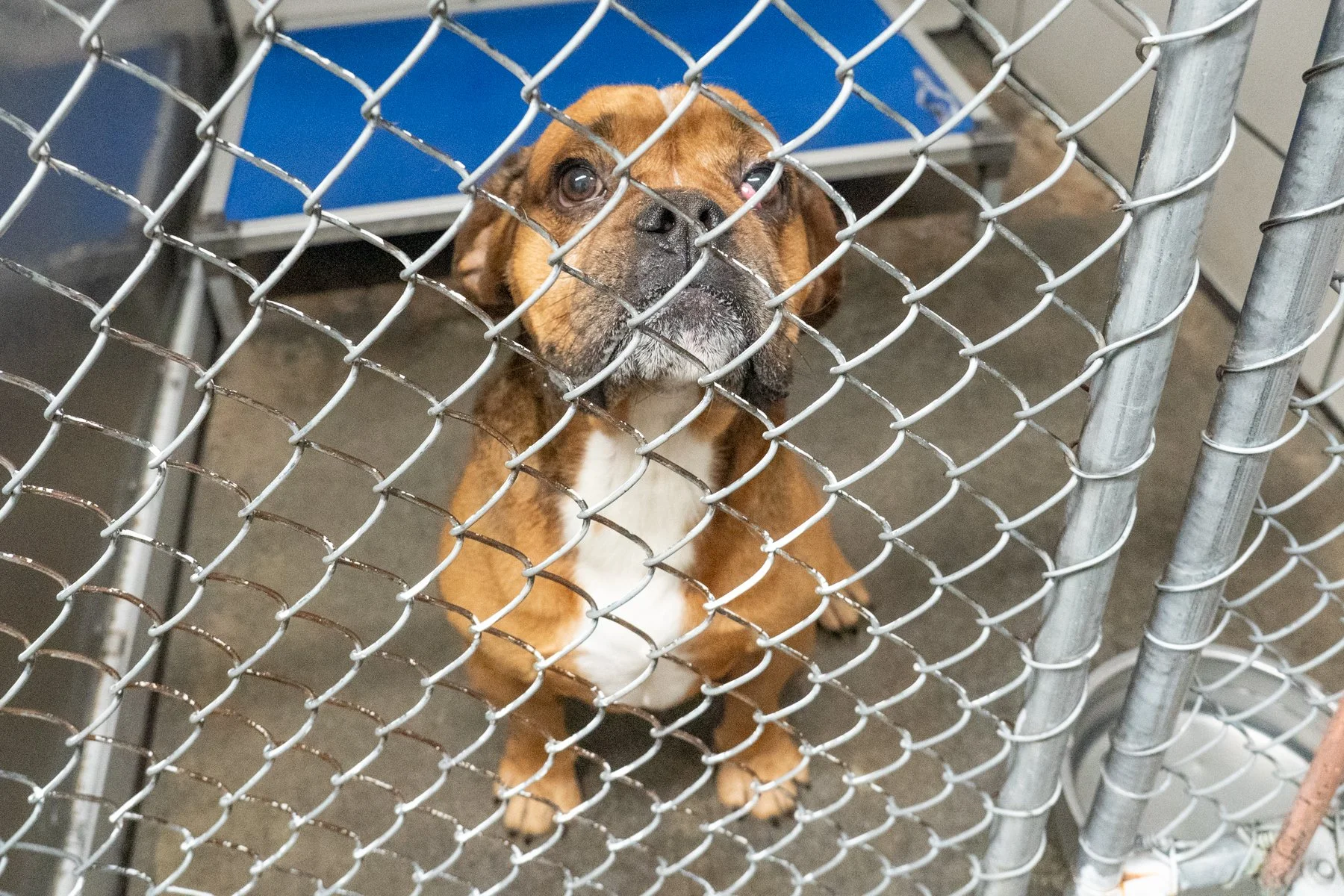
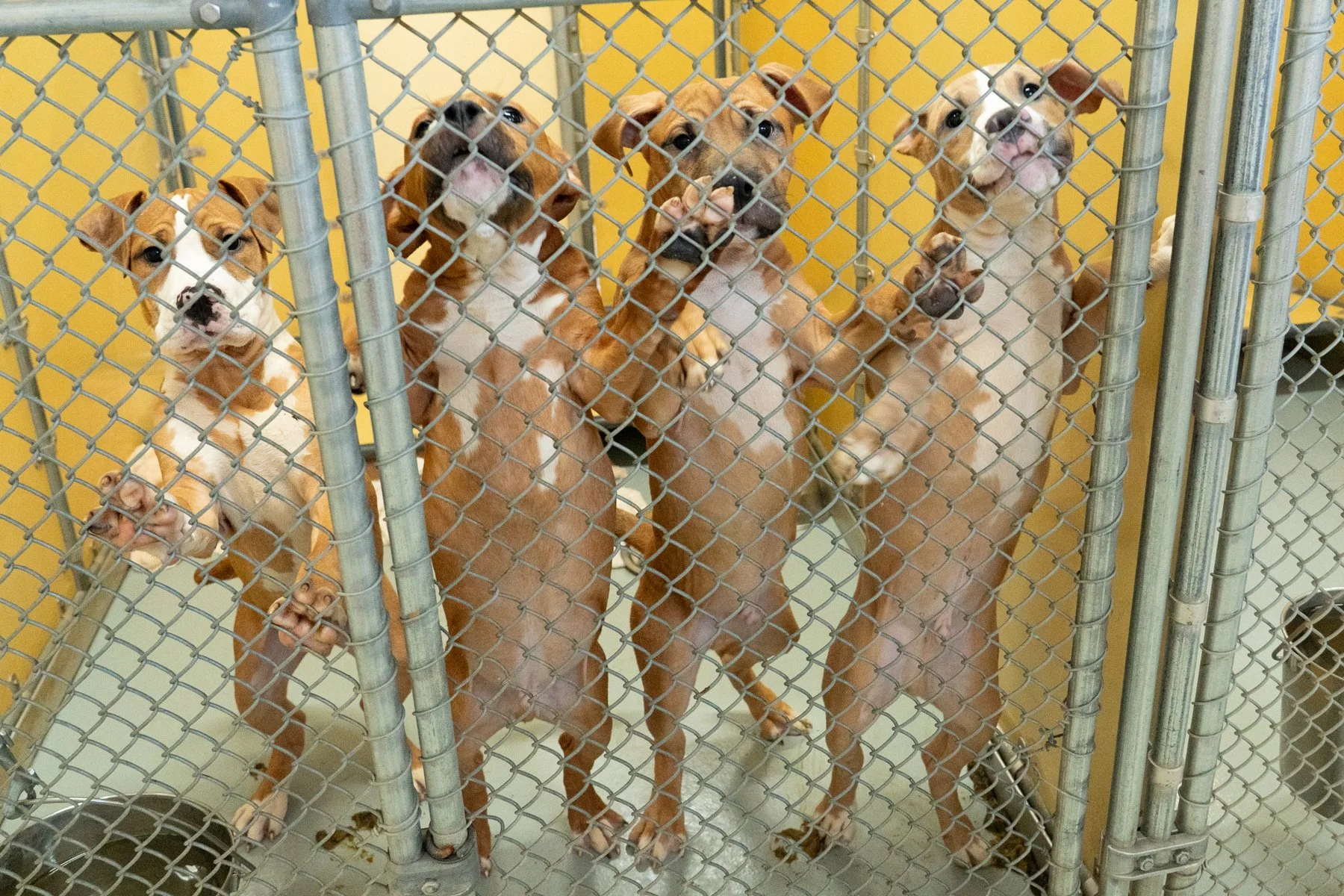
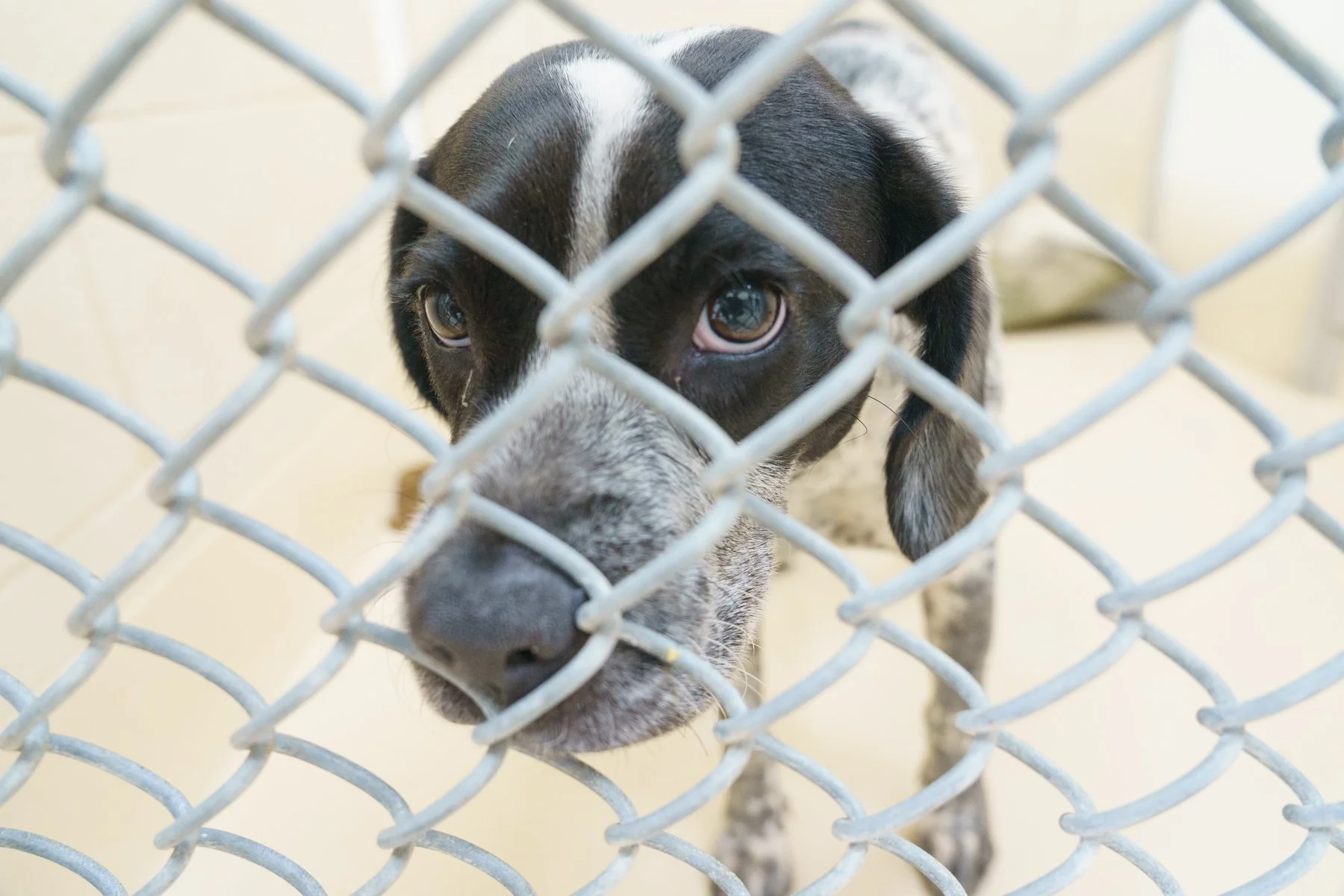
If you are a shelter focused on being ‘no-kill’ (defined as a 90% or higher LRR), what incentive do you have to help the person struggling with a pit bull who is overwhelming them? Or a 12-year-old dog they can no longer afford because they’ve lost their job? Or a family trying to turn in 8 sick and emaciated cats left when an elderly relative died? Or the ‘squirrelly’ German Shepherd someone found on a rural road? All of those situations could wreck your LRR.
A responsible shelter would address all of them, but a ‘no-kill’ shelter that is full might instead delay or deter them to protect its numbers.
I’m not saying this is what all no-kill shelters do; I’m saying we create a dangerous standard when we judge a shelter's success simply by its live-release rate. We incentivize irresponsible sheltering.
The numbers that do matter
And the result is that stray populations across the country are exploding. Rabies is on the rise (we heard this at every shelter we visited on this trip) because strays (and feral cat colonies) interact more with wild animals. The incidents of dog bites and maulings are rising.
Depending on how urban your setting is, you may see evidence of the growing stray population. But even if you don’t, you can look at other indicators – how many calls does animal control (or the sanitation department) get to pick up deceased animals? How many single-car accidents are occurring as drivers swerve to miss animals in the road?
If numbers are your jam, those are the numbers you should be tracking. If they are rising, your shelter isn't doing the job it was built to do.
In the coming weeks, I will share with you the stories of the five municipal shelters we visited. I hope their stories will make you think hard about what responsible sheltering looks like.
Learn more and join the conversation
If you’d like to learn more, join us live for a webinar/conversation about ‘Responsible Sheltering for a Humane Community’ on Sunday, September 20 at 7pm (Eastern). We’ll be talking with two experienced shelter professionals about what that looks like and how we get there.
You can find more information on Facebook or register here: https://us06web.zoom.us/webinar/register/WN_-s5-ZnymQUq0hTio6f6bOQ