

Animal Shelter Best Practices: 7 Proven Strategies That Save Lives
Over the past several years, animal shelters across the United States have faced unprecedented pressure. Rising intake, staffing shortages, housing instability, and limited resources have pushed many systems beyond capacity.
We just finished our latest shelter tour to reinforce some animal shelter best practices. This one took us to 12 shelters in three states, but most of our time was spent in Florida. We visited huge municipal shelters (one handles 11K animals a year), nonprofit/municipal partnership operations, tiny rural animal control facilities, and rescue organizations stepping in where animal services don’t exist or municipal shelters are overwhelmed.
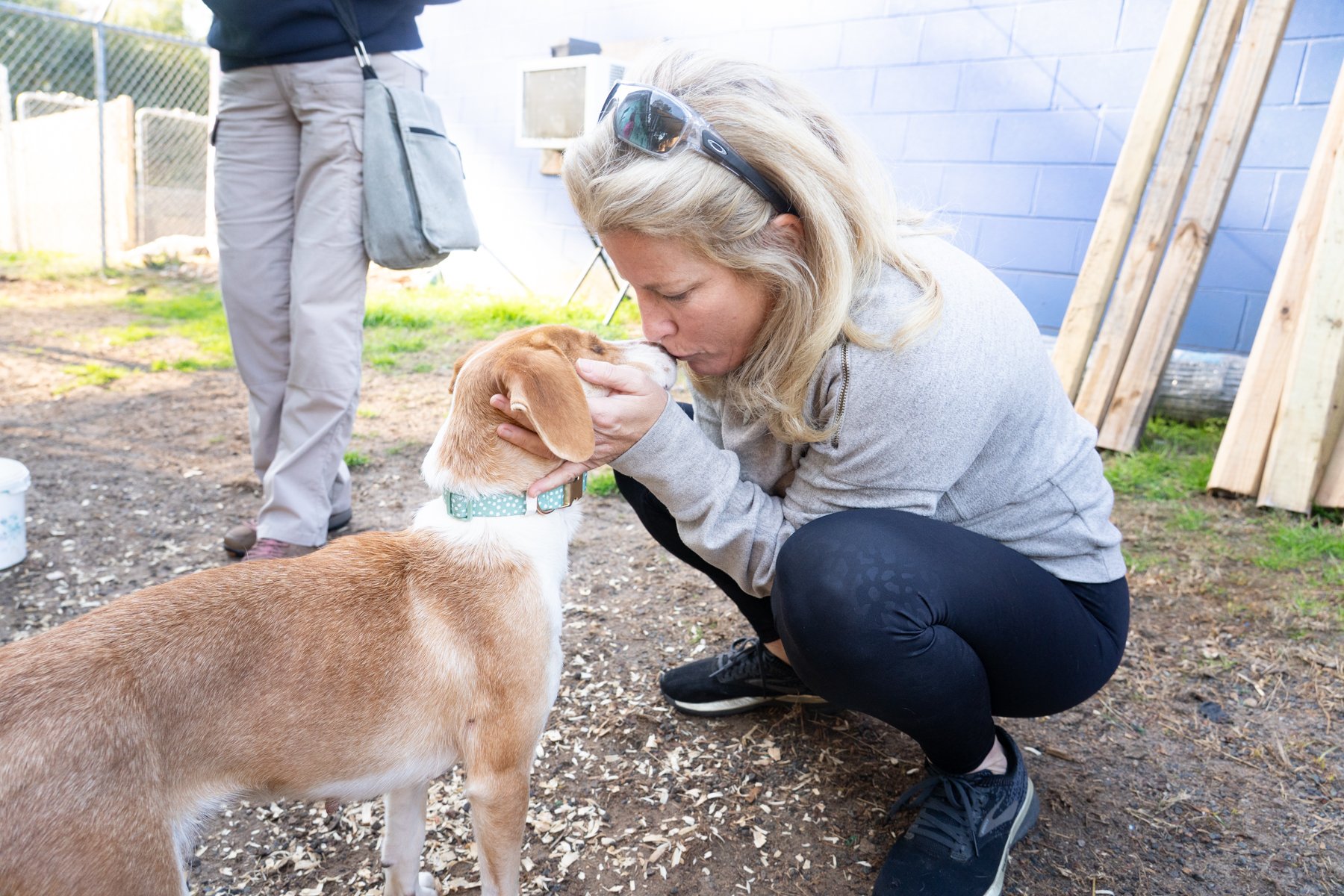
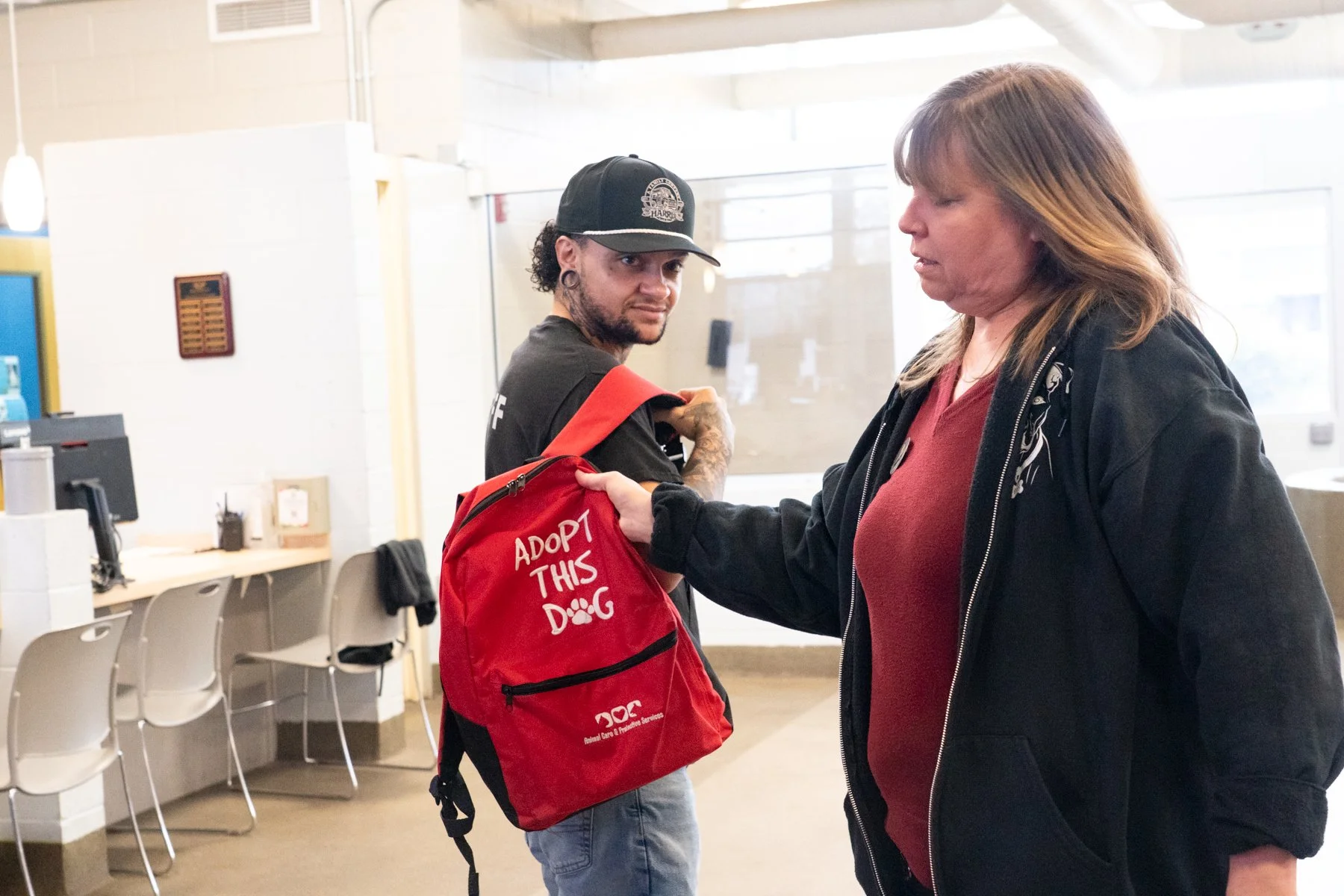
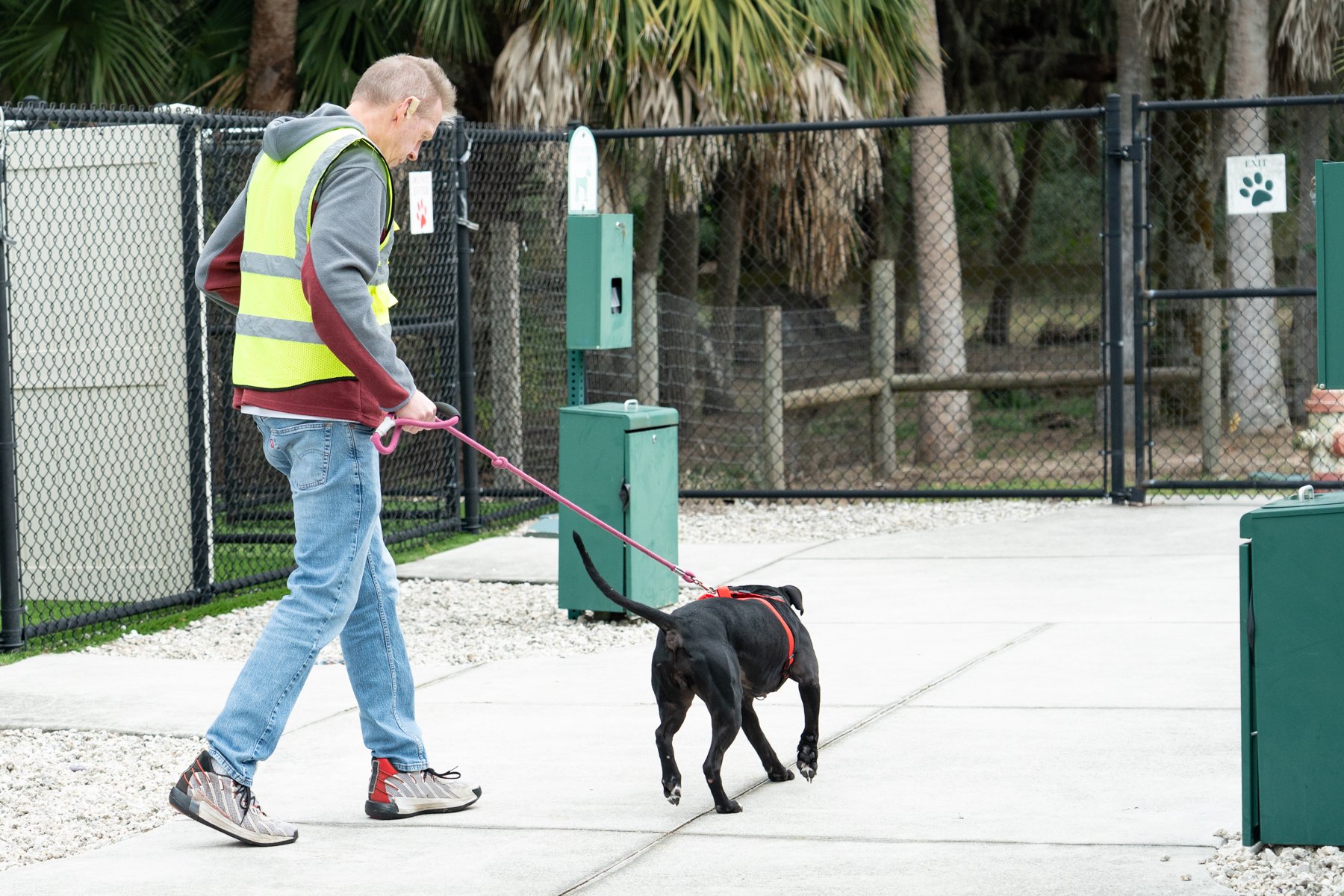
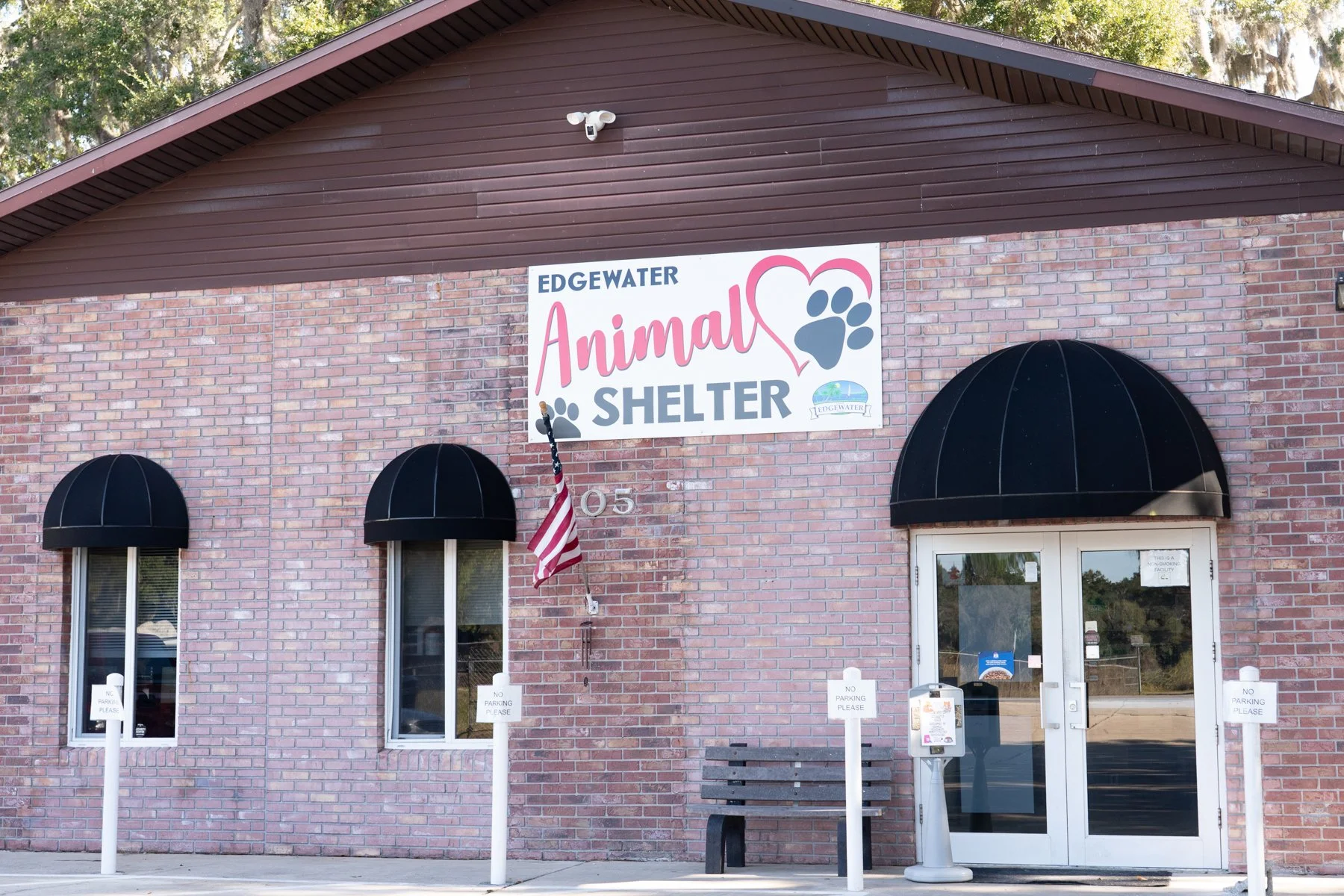
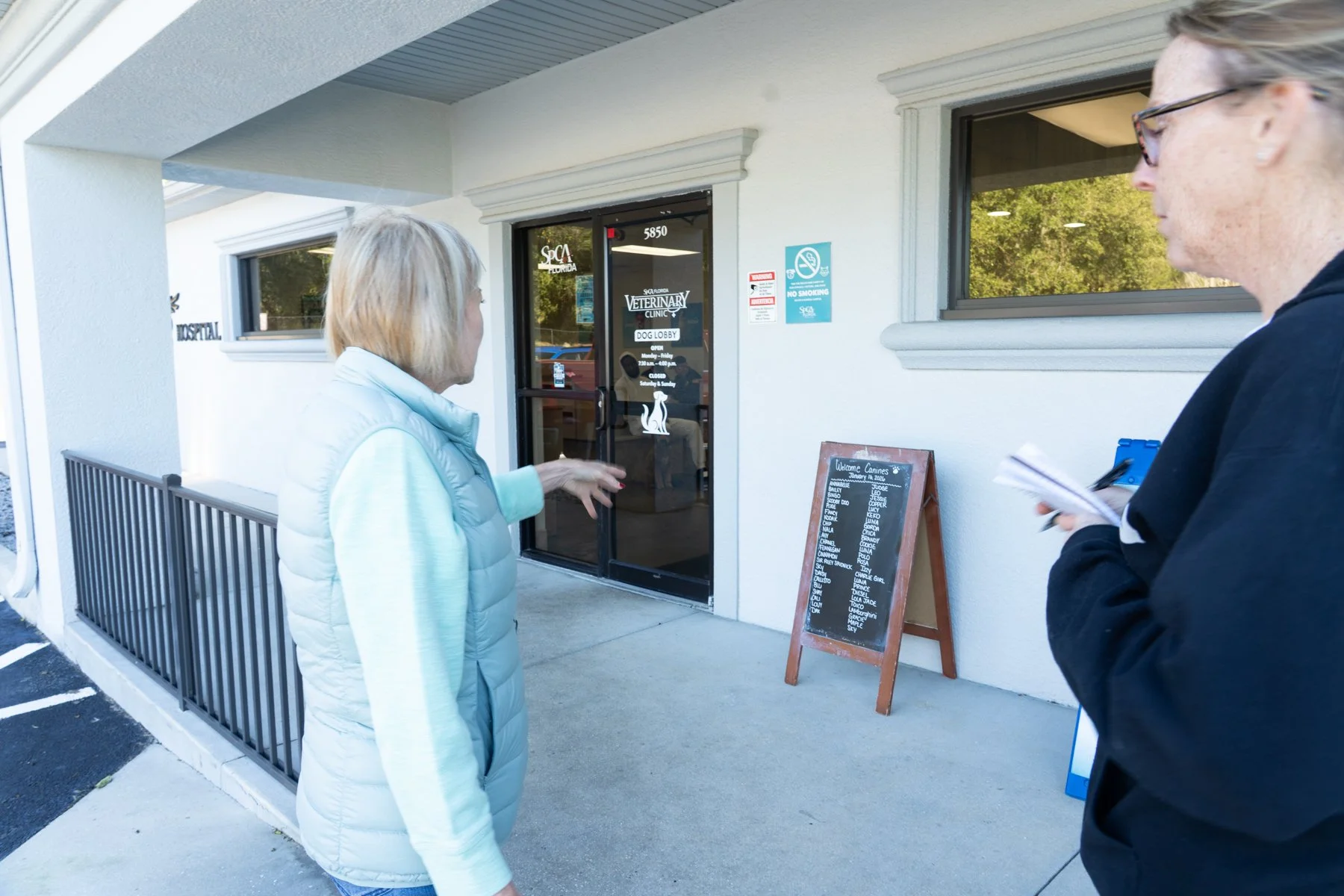
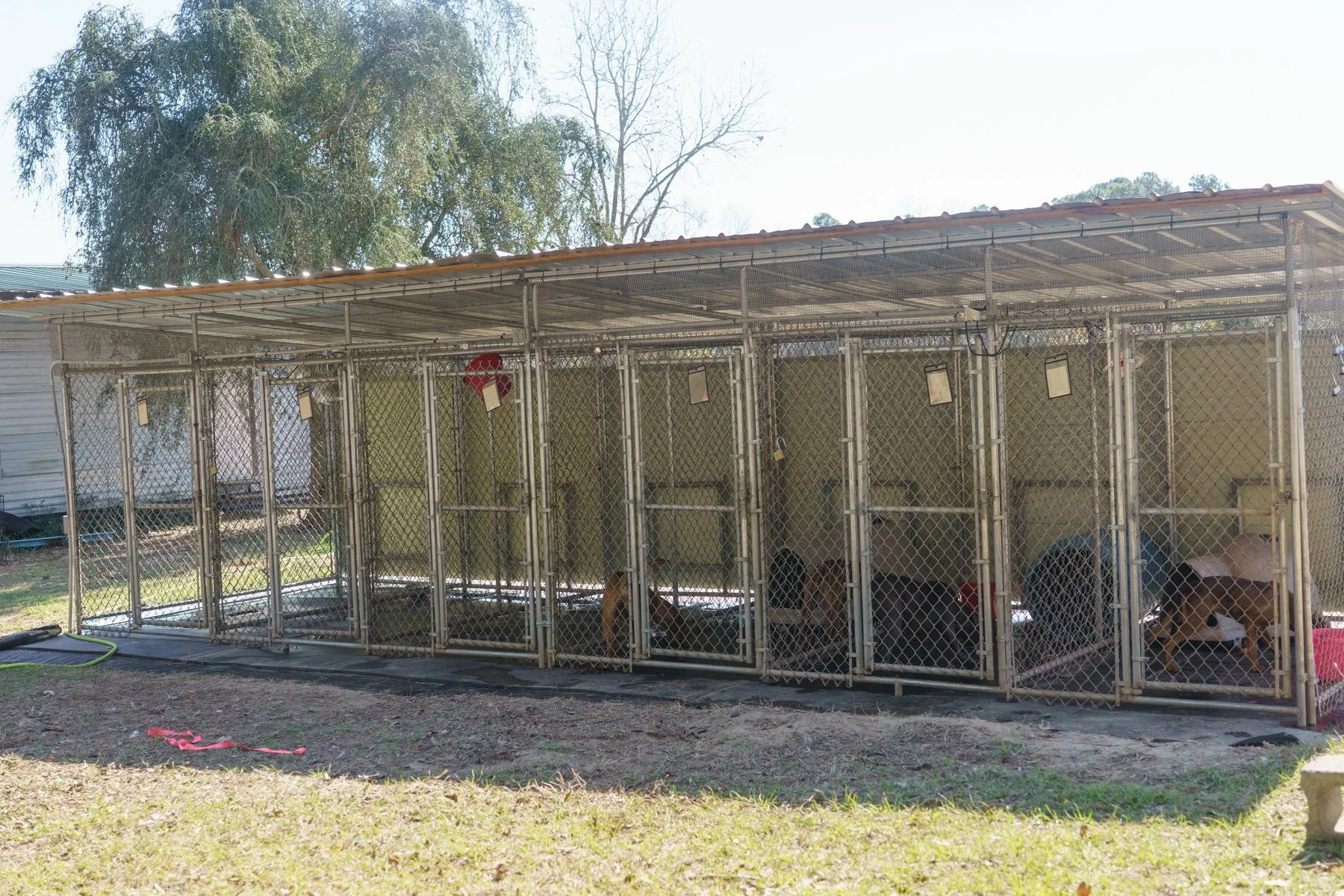
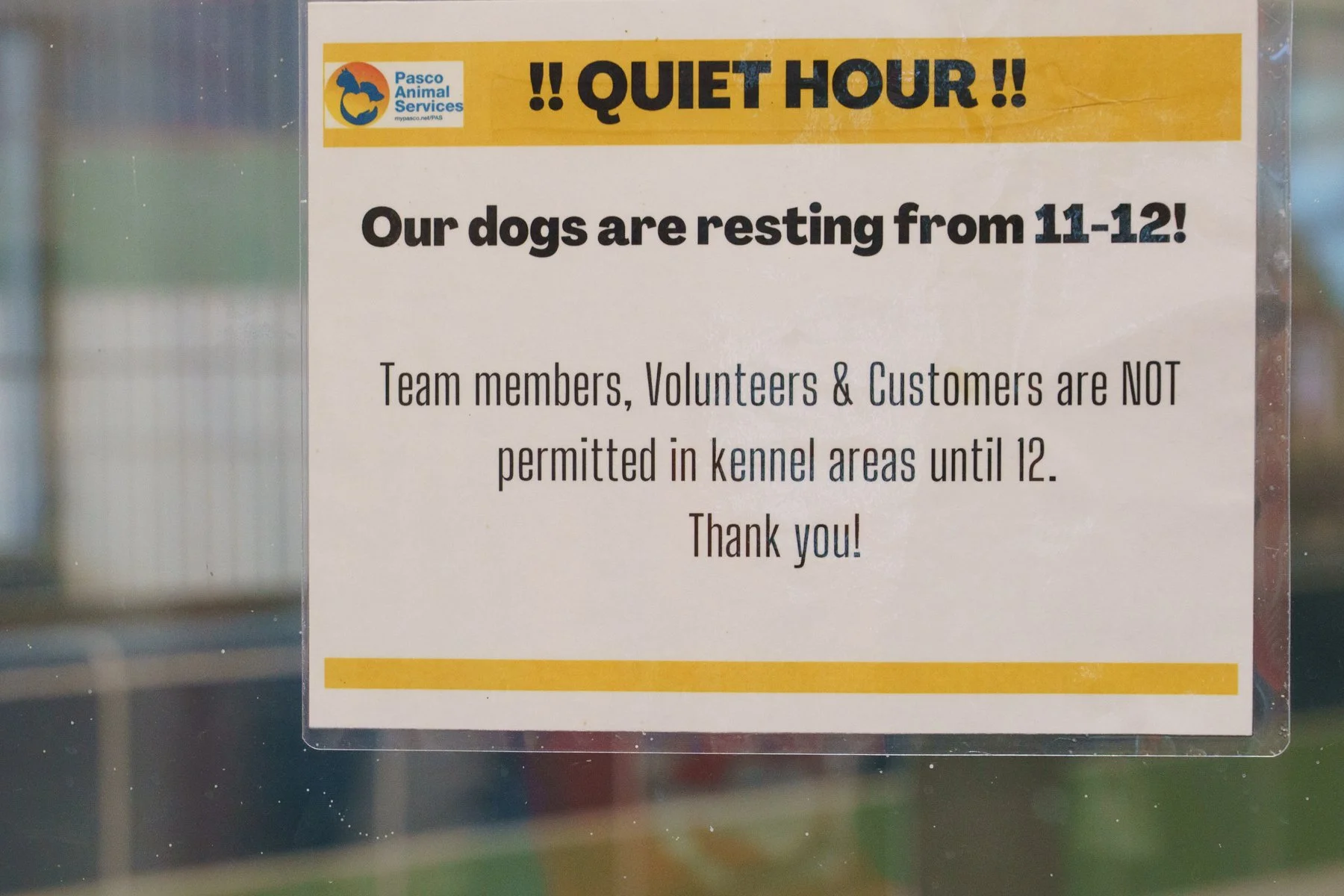
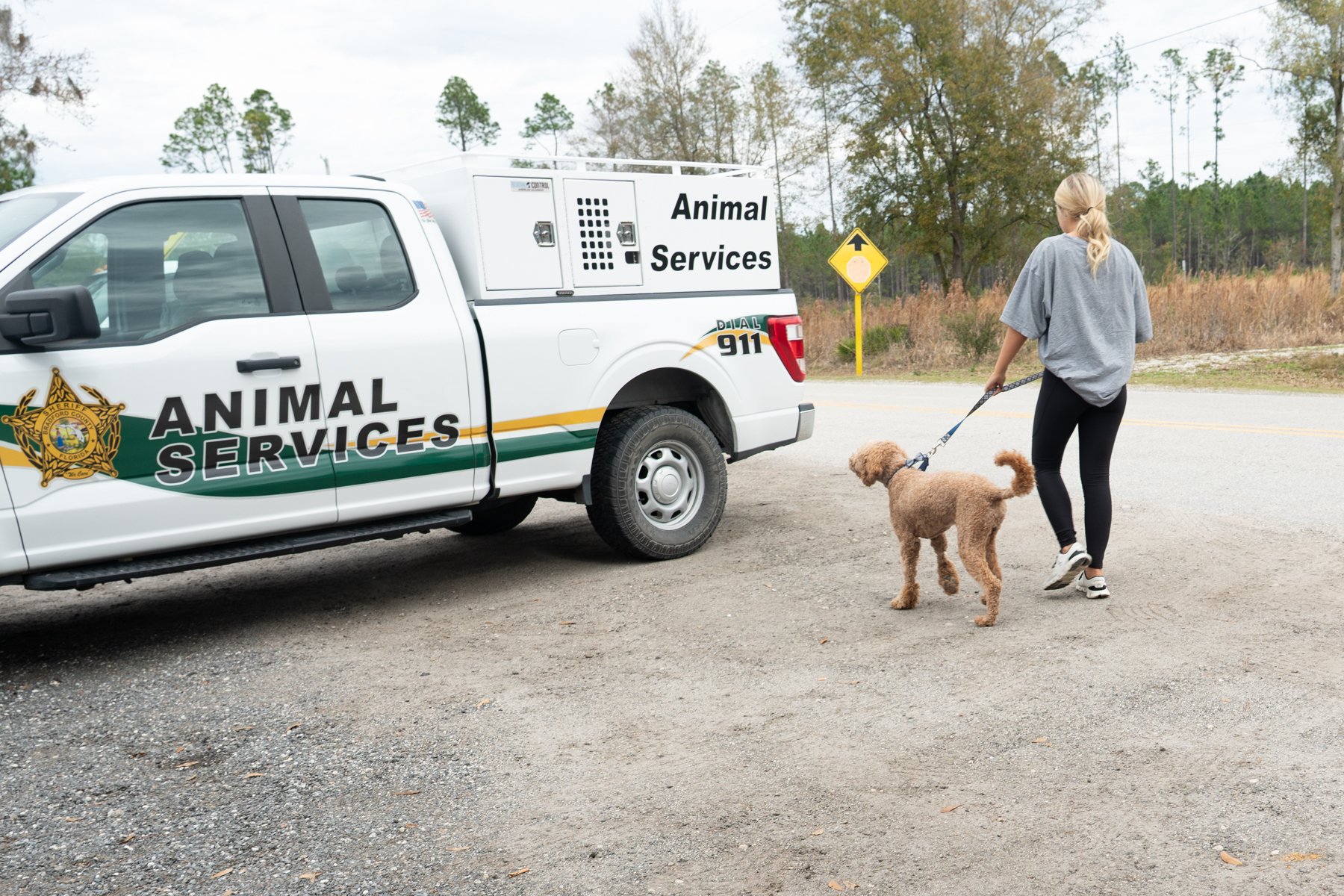
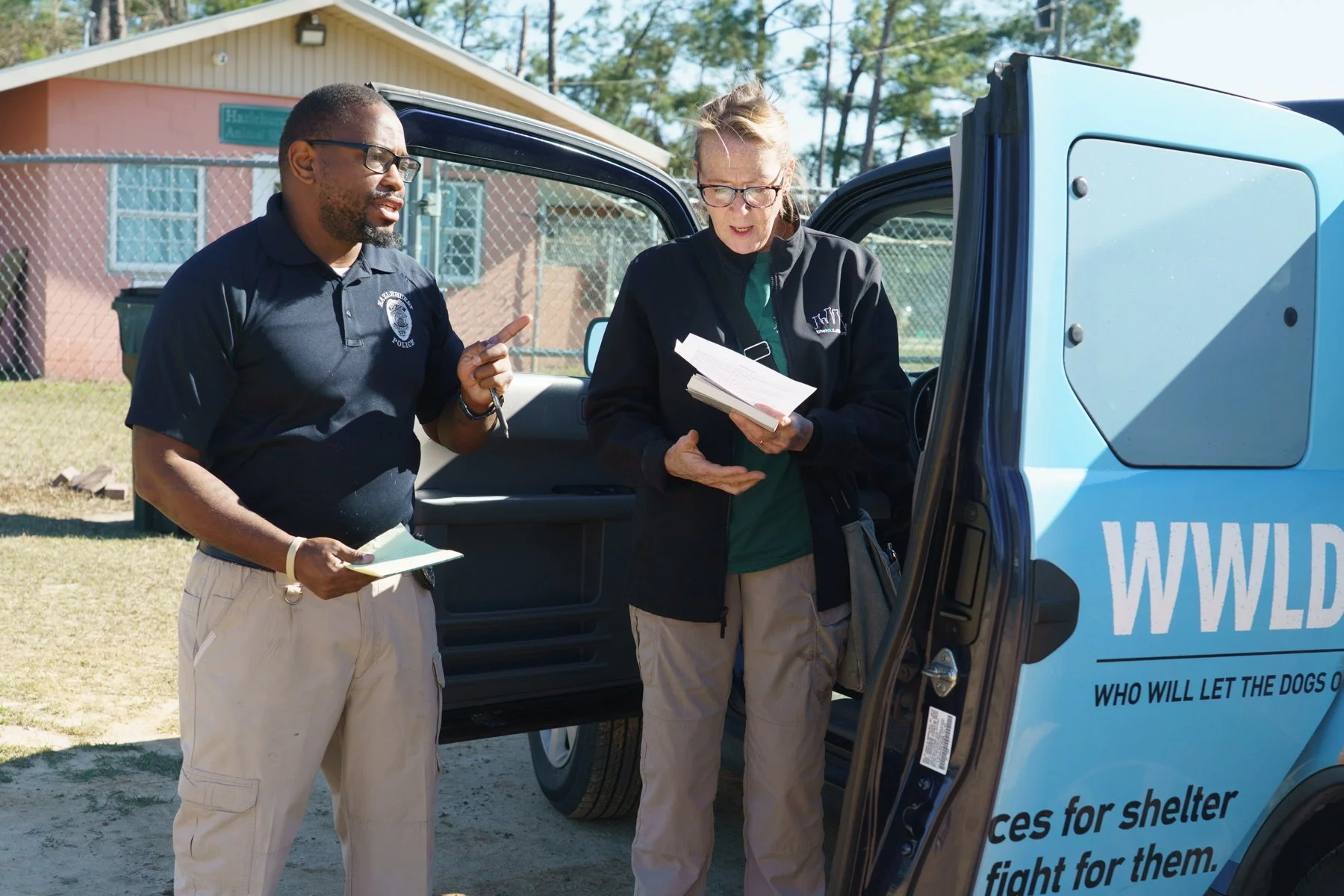
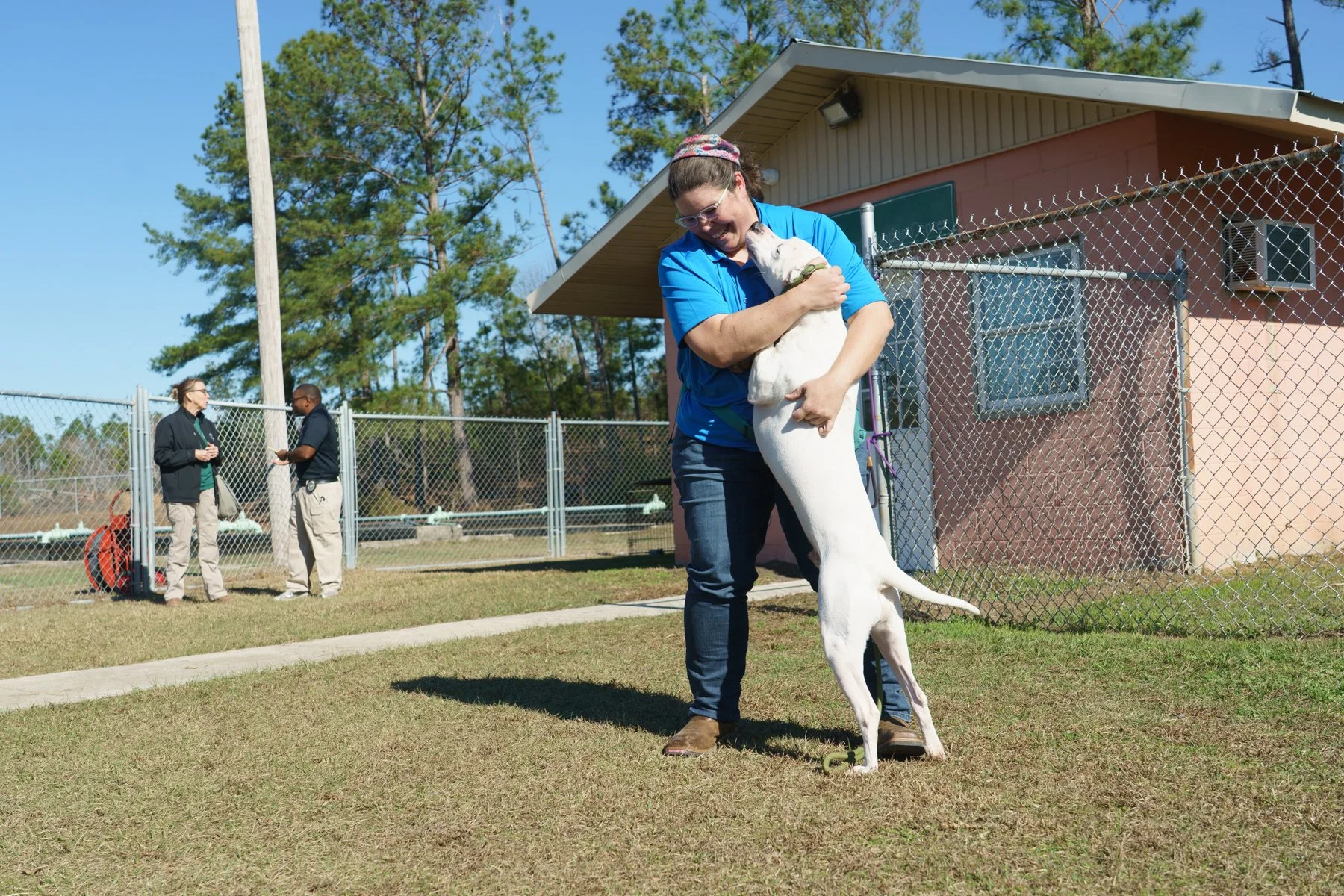
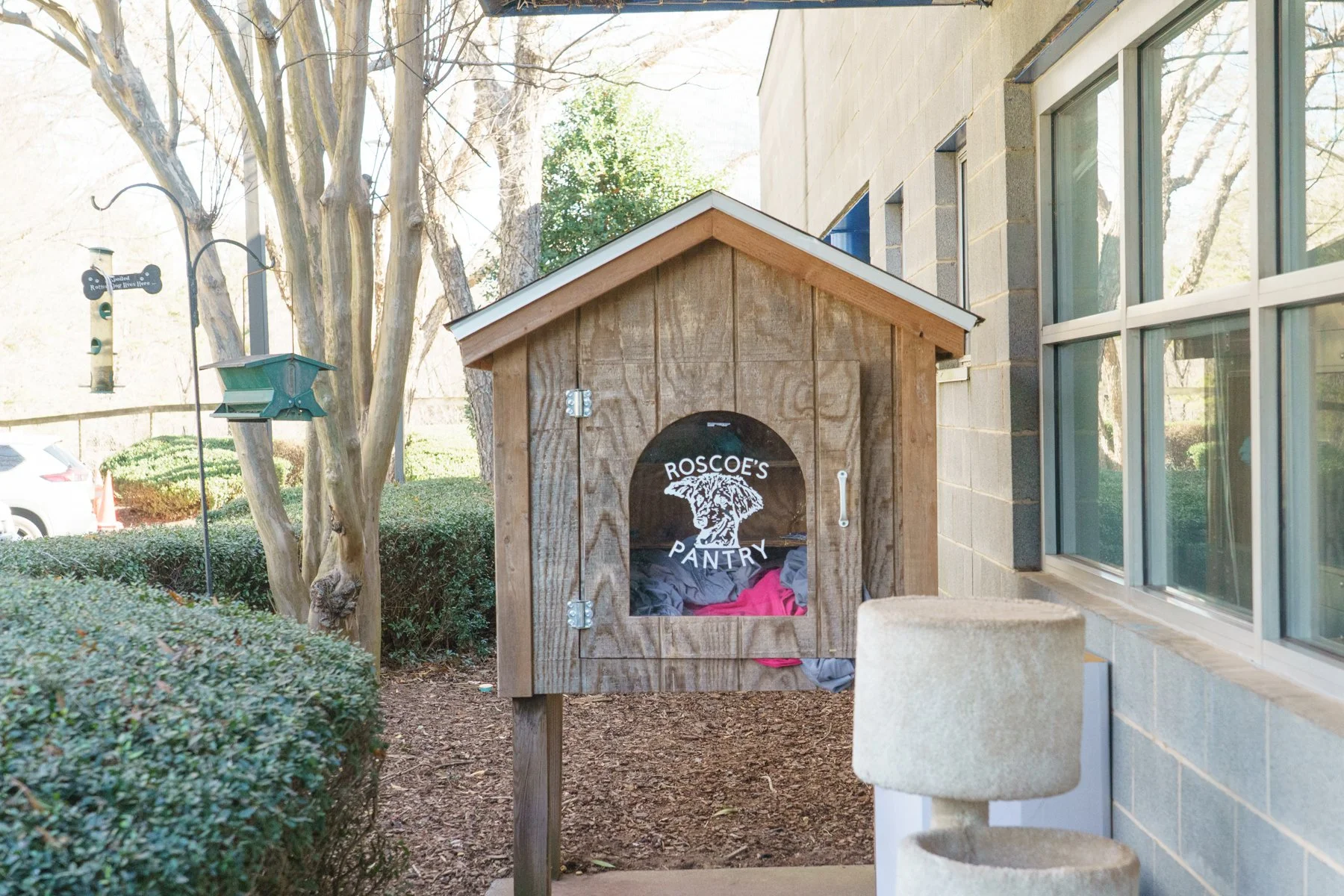
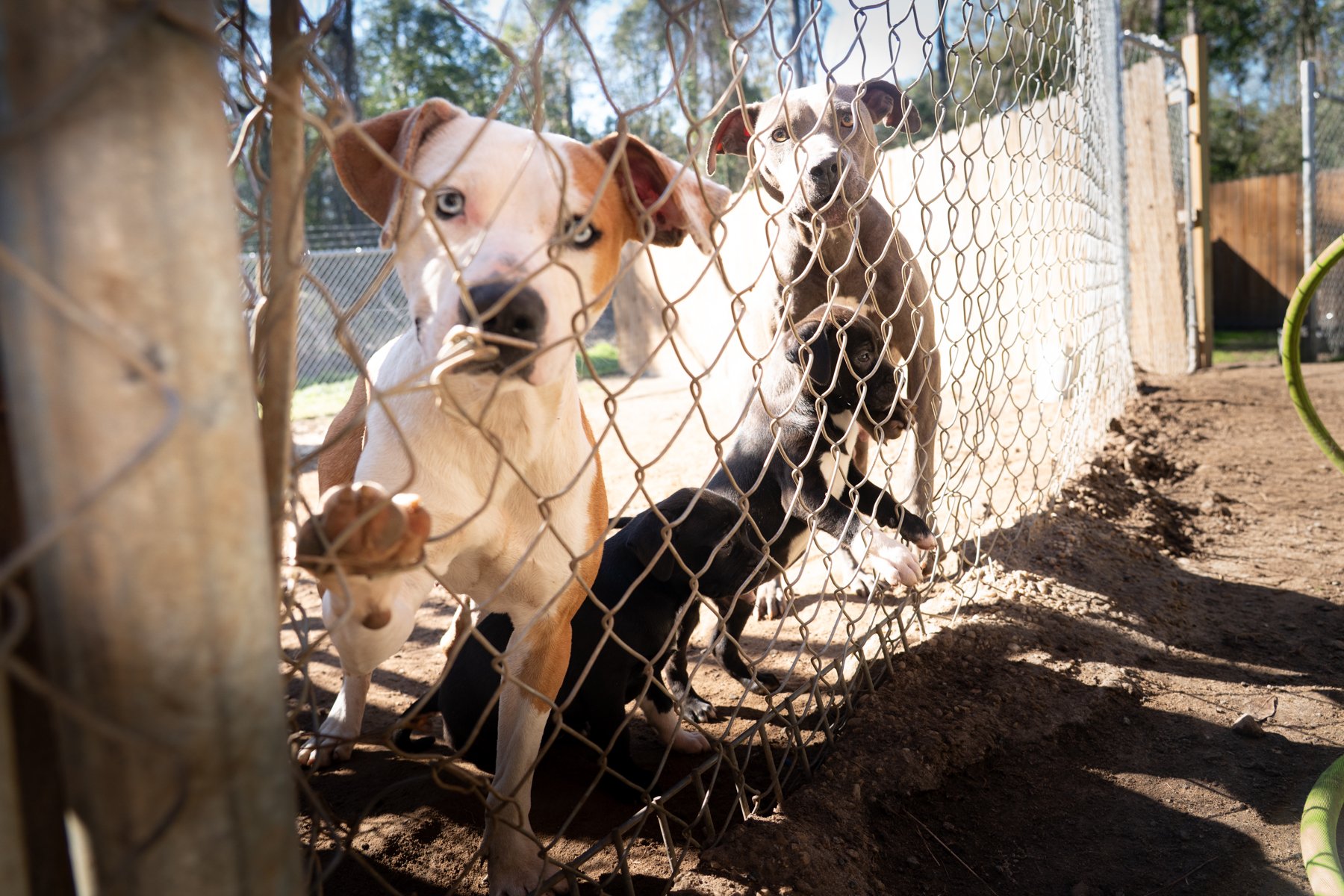
Despite their differences in size and structure, one thing became clear: successful animal shelters share common operational practices. These shelters are not succeeding by chance. They are succeeding through intentional systems, transparency, and strong community engagement.
Below are seven proven animal shelter best practices that consistently lead to better outcomes for animals and the people who serve them.
1. Transparency and Community Engagement in Animal Shelters
Whether operating in urban, suburban, or rural communities, shelters that prioritize transparency build stronger public trust.
Successful animal shelters communicate openly about intake numbers, capacity challenges, euthanasia decisions, and available resources. They educate the public about what animal services can — and cannot — realistically provide.
When communities understand the challenges shelters face, they are more likely to volunteer, foster, adopt, and advocate.
2. Dog Day Out, Foster, and Off-Site Programs That Increase Adoption
Shelters that actively take their animals out of the building see better outcomes.
Programs such as dogs day out, foster placement, weekend sleepovers, and off-site adoption events allow dogs to decompress and be seen by potential adopters in real-world environments.
These programs reduce kennel stress, improve behavior, and help dogs transition more quickly into permanent homes.
3. Humane Owner Surrender and Pet Retention Strategies
One of the most significant challenges shelters face is the increasing number of owner surrender requests.
Shelters making measurable progress have clear plans in place to address these requests compassionately. Intake is one path, but first they provide pet retention resources, rehoming guidance, and individualized support to avoid it. Increasingly, shelters are turning to pet retention strategies, including programs like the Positive Alternatives to Shelter Surrender (PASS) program at Austin Pets Alive!, which help families explore options before surrender becomes unavoidable.
Helping owners explore alternatives before surrender reduces intake while keeping animals out of stressful shelter environments.
4. Affordable Veterinary Care as a Lifesaving Shelter Tool
Access to affordable veterinary care plays a major role in keeping pets in their homes.
Successful animal shelter programs extend veterinary support beyond animals in their buildings by offering low-cost vaccine clinics, community outreach events, pet insurance education, and in some cases on-site clinics. Our grant programs help shelters offer these services.
When families can access basic care, fewer animals enter shelters due to preventable medical issues.
5. Collaboration Between Shelters, Advocates, and Local Government
Improving animal shelter systems requires collaboration rather than conflict.
Successful advocates document challenges, present solutions, attend municipal meetings, and maintain a visible, respectful presence alongside governing officials.
When advocates and shelters work together — or when advocates step into leadership roles — long-term structural improvements become possible.
6. Supporting Animal Control Officers Through Triage and Transparency
Animal Control Officers are often expected to respond to every call while operating with limited staffing and resources.
Shelters that acknowledge these constraints and implement call triage systems improve both efficiency and public understanding.
Transparency around response priorities and consistent communication help build community trust while allowing officers to focus on urgent cases.
7. Building Trust Among Volunteers, Fosters, Staff, and the Public
Trust is one of the most powerful tools a shelter can cultivate.
Intentional systems that support volunteers, empower foster caregivers, and encourage open communication create stronger internal and external partnerships.
When people feel informed, respected, and valued, they become long-term allies in lifesaving work.
Shelters that succeed do not rely on one program alone. They implement multiple strategies that support animals before intake, during care, and after adoption.
This tour included our 200th visit to shelters in 16 states. We learn more with every visit, and this tour was no different. I’ll share stories from our visits from this tour and our fall tour in the coming months, highlighting the programs, policies, and people we’ve met who are making a difference in the lives of the animals (and the humans) in their community.